
Why Soil Conditions Define Grey Limestone Slab Wall Performance
Grey limestone slabs walls Paradise Valley projects succeed or fail based on what sits beneath the surface — Arizona’s layered soil profile of sandy loam, caliche hardpan, and decomposed granite within the first 36 inches of depth makes pre-construction soil reading a structural necessity, not a preliminary formality. That sequence varies from parcel to parcel, and understanding it before a single footing is poured changes every downstream decision about wall construction, anchor depth, and drainage geometry.
Caliche is the variable most contractors underestimate on first encounter. This calcium carbonate hardpan layer can appear at 8 inches or 30 inches depending on the specific parcel, and its density varies from crumbly friable zones to near-concrete consistency. Your wall’s structural footing needs to either bear on a properly prepared caliche layer or penetrate through it entirely — stopping mid-layer is where long-term settlement problems originate. A probe or hand-auger test during site assessment prevents that mistake before material ever leaves the warehouse.
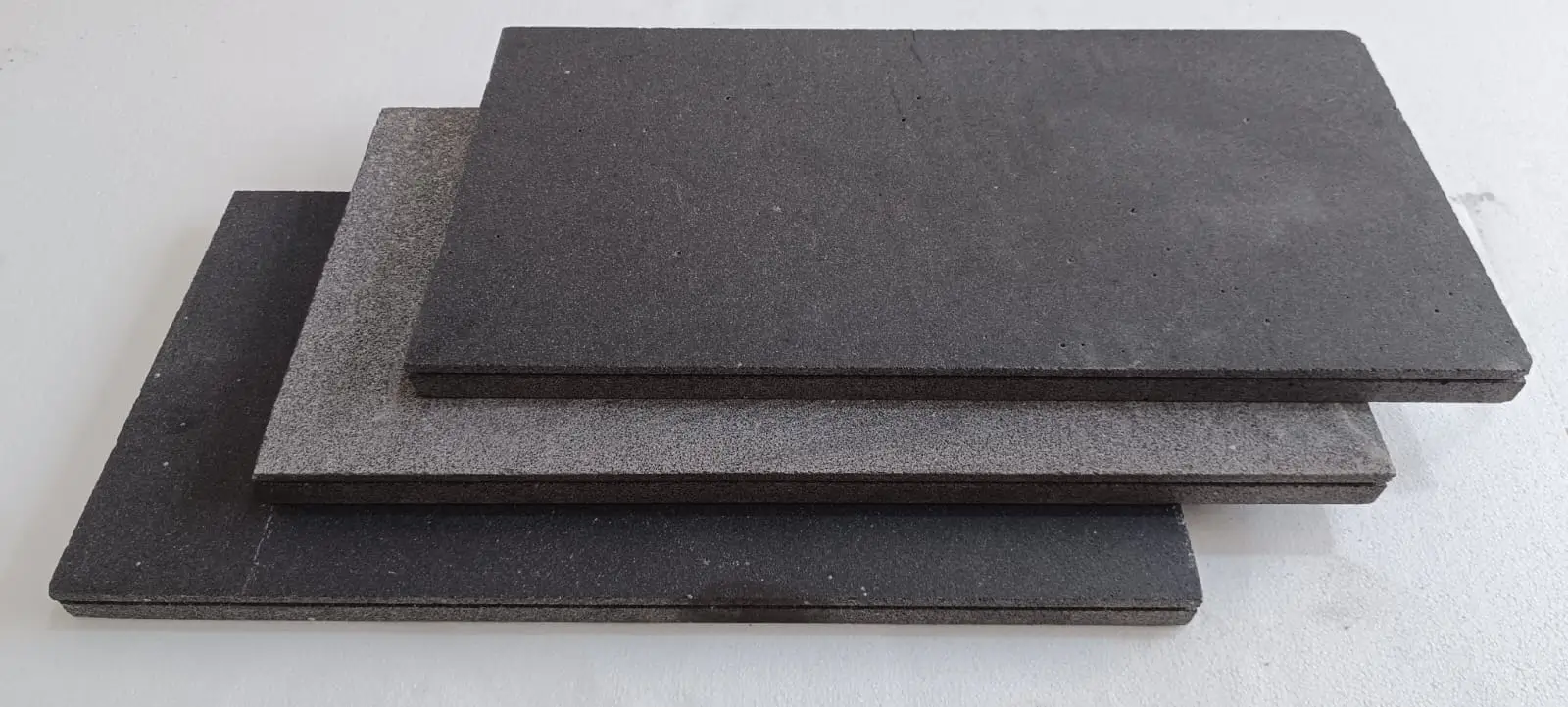
What Makes Grey Limestone Right for Paradise Valley Accent Elements
Paradise Valley accent elements carry a dual performance burden — they need to read as architectural features while tolerating the mechanical stresses that Arizona ground conditions impose from below. Grey limestone meets that challenge through a combination of physical properties that few other natural stones can match at this price point. Its compressive strength typically ranges from 8,000 to 14,000 PSI depending on the quarry bed, and its thermal expansion coefficient sits at approximately 4.5 to 5.5 × 10⁻⁶ per °F — moderate enough to manage across Arizona’s temperature swings without demanding excessive expansion joint spacing.
The material’s interlocking crystalline structure also handles the micro-movement that unstable subgrade produces better than denser, more brittle stones. Slate, for instance, delaminates under differential settlement. Grey limestone tends to flex slightly at the mortar bed level rather than fracturing through the face — which is exactly the behavior you want when ground conditions below aren’t perfectly uniform.
- Compressive strength range of 8,000–14,000 PSI accommodates Arizona point-load demands from heavy feature wall applications
- Moderate thermal expansion reduces the risk of joint failure during seasonal temperature swings between winter nights and summer peaks
- Natural porosity of 3–8% allows controlled moisture movement without hydrostatic buildup behind wall faces
- Grey tones maintain visual consistency under intense UV exposure without the bleaching effect seen in lighter limestone varieties
- Slab format reduces the number of mortar joints compared to smaller format stone, minimizing settlement-related joint cracking
Reading Paradise Valley Soil Before Specifying Your Slab Wall
Paradise Valley sits on alluvial fan deposits swept down from the McDowell Mountains and the Mummy Mountain ridgeline, which means soil variability from one lot to the next can be significant even within a single neighborhood. Sandy, well-draining zones sit alongside pockets of silty clay that retain moisture differently and shift more under load. A basic soil assessment — not a full geotechnical report for most residential feature walls, but at minimum a probe test and a visual inspection of neighboring excavations — is essential before committing to footing depth and anchor strategy.
The practical rule for grey limestone slabs walls in Arizona residential projects: your concrete footing should extend a minimum of 18 inches below finish grade, and 24 inches is safer when you’re dealing with any silty clay presence. In areas where caliche sits shallow and dense, that depth can sometimes be shortened — but only after confirming the caliche layer is at least 6 inches thick and continuous. A fragmented or porous caliche layer provides false confidence; it looks solid on a probe but allows differential movement over time.
Projects in Sedona face a different soil challenge — red sandstone-based soils that drain fast but have unpredictable bearing capacity near surface weathering zones. The grey limestone slab wall specification adjustments needed there differ from Paradise Valley practice, which reinforces why regional soil reading is a prerequisite, not an optional step.
Subgrade Preparation for Grey Limestone Feature Surfaces
Subgrade preparation sequence determines whether the wall face you carefully specified will remain plumb and crack-free through Arizona’s wet seasons and dry cycles. The challenge with grey slab walls Arizona is that the state’s sporadic but intense monsoon rainfall — often 1 to 2 inches within a single hour — creates hydrostatic pressure events that a poorly drained wall base can’t handle. Positive drainage away from the wall footing at every point is non-negotiable, with a minimum 2% grade maintained in compacted fill adjacent to the foundation.
- Excavate 6 inches deeper than the planned footing bottom to allow for a compacted gravel drainage layer
- Use 3/4-inch clean crushed aggregate, not decomposed granite, for the drainage bed — DG holds moisture and defeats the purpose
- Compact the gravel layer to 95% Proctor density before pouring any concrete footing
- Install perforated drain pipe at the footing base wherever wall length exceeds 12 linear feet
- Backfill behind the wall with free-draining material, not native soil, to the full height of the wall
- Cap the backfill with a 6-inch compacted layer of native soil to prevent surface water infiltration at grade
At Citadel Stone, we consistently find that the projects returning for remediation share one characteristic — inadequate drainage detailing at the base, regardless of how well the slab material itself was specified. The stone is almost never the failure point. The subgrade is.
Slab Thickness and Anchoring for Arizona Design Centerpieces
Feature surfaces that function as Arizona design centerpieces require slab thickness decisions calibrated to both visual proportion and structural demand. For freestanding and veneer feature walls in the Paradise Valley residential context, 1.25-inch nominal thickness is the practical minimum for slabs spanning more than 18 inches between mortar bed contact points. At 1.5 to 2 inches nominal, the gain in flexural strength accommodates minor subgrade movement without face cracking — and that’s the specification most experienced installers default to when soil conditions are anything less than ideal.
Mechanical anchoring becomes mandatory for any grey limestone slab panel exceeding 4 square feet in face area mounted above 6 feet of elevation. Stainless steel dowel anchors at 16-inch spacing, set into a reinforced concrete backing wall, provide the continuous connection that adhesive mortar alone cannot guarantee through Arizona’s thermal cycling. The mortar bond to limestone is strong in compression but vulnerable in shear — and thermal expansion over a 10-foot wall height generates measurable shear forces that accumulate at the mortar bed over years.
Selecting the Right Grey Tone for Paradise Valley Architecture
Grey limestone in the Arizona market spans a meaningful range — from near-white dove grey through warm greige tones to cool blue-grey and charcoal. Paradise Valley’s predominant architectural vocabulary — contemporary desert modern, Spanish Colonial revival, and transitional styles — each performs best with a different position on that spectrum. Contemporary desert modern benefits from cool blue-grey or consistent mid-grey slabs that contrast against warm stucco and natural wood elements. Spanish Colonial profiles tend to integrate better with warmer greige limestone tones that read as natural and aged.
The practical selection consideration beyond aesthetics: lighter grey tones reflect more solar radiation and stay cooler to the touch on south and west-facing feature surfaces — a meaningful comfort factor when your wall becomes part of an outdoor living space. Charcoal and deep grey tones absorb more heat and can radiate noticeably into adjacent seating areas during summer evenings. For walls within 4 feet of seating or dining areas, a mid to light grey specification is the more comfortable long-term choice for Paradise Valley accent elements. You can find Citadel Stone dove grey slabs in Glendale that demonstrate the full tonal range with in-person viewing before you commit to a full project quantity.
Mortar and Setting Bed Specification for Arizona Conditions
Mortar selection for grey slab walls Arizona installations is not a generic spec decision. Standard Type S mortar — the default on most residential specs — works adequately in moderate climates, but Arizona’s combination of intense summer heat during installation and alkaline soil conditions that can wick through improperly sealed footings creates a more demanding environment. Better long-term bond performance comes from a polymer-modified Type S or a white Portland cement-based blend that resists the grey-staining that standard grey Portland can drive through light-colored limestone over time.
- Polymer-modified mortar maintains bond strength through the thermal cycling that Arizona’s elevation range produces — from Phoenix basin heat to higher elevations near Flagstaff
- White Portland cement base prevents grey-iron staining migration through limestone’s natural porosity
- Pre-wetting the slab back face before setting reduces suction-based dehydration that causes bond failure in high-temperature installation conditions
- Avoid installation when surface temperatures exceed 95°F — mortar hydration accelerates to the point where working time becomes unmanageable for large slab formats
- Joint width between slab panels should be maintained at a minimum 3/16 inch to accommodate thermal movement without spalling at slab edges
Projects in Peoria and other West Valley locations experience some of the state’s most consistent high-heat installation windows, where morning work scheduling and proper mortar selection become critical variables rather than optional refinements.
Sealing Grey Limestone Slabs Walls in Arizona Climate
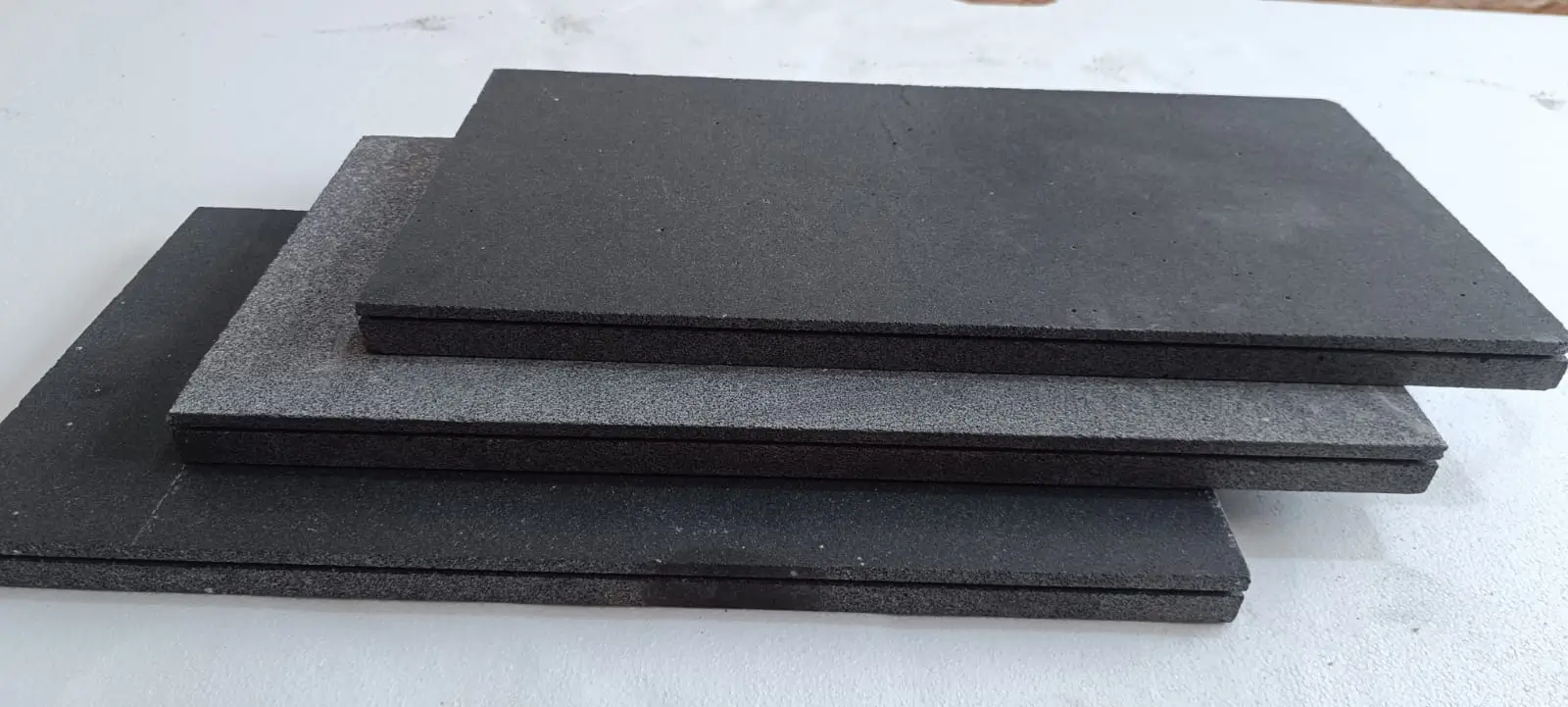
Grey limestone slabs walls Paradise Valley installations require a penetrating sealer applied within 72 hours of final mortar cure — ideally within 48 hours in summer conditions where the porous stone surface begins absorbing airborne dust and organic particulate almost immediately. A silane-siloxane penetrating sealer at 15–20% active solids concentration is the appropriate specification for exterior vertical limestone surfaces in Arizona. It allows vapor transmission while blocking liquid water infiltration — a critical distinction for walls with soil contact at the base.
The resealing interval for grey limestone in Arizona’s desert climate is typically 3 to 5 years for exterior walls with significant sun exposure, and up to 7 years for north-facing or shaded wall surfaces. Seal integrity is easy to test with a simple water droplet: if water beads within 10 seconds, the sealer remains active. If it absorbs within 30 seconds, the surface needs attention before monsoon season. Citadel Stone maintains detailed grey limestone in Arizona sealing guidance through its technical consultation service — worth a direct conversation before your first application if the project involves specialty finishes or honed surfaces.
Grey limestone that receives a honed or polished face finish requires additional sealer concentration and more frequent reapplication than natural split-face or brushed finishes, because the reduced surface texture means less mechanical protection against abrasion and UV degradation of the sealer film itself.
Delivery Logistics and Project Planning for Slab Wall Projects
Slab format limestone is heavier and more fragile in transit than smaller format natural stone products — a logistical reality that affects how you sequence your project and schedule material delivery. Standard grey limestone slabs in the 24×24-inch format run approximately 15 to 18 pounds per square foot at 1.5-inch thickness, meaning a 200-square-foot feature wall specification will require truck delivery of 3,000 to 3,600 pounds of material, typically palletized on hardwood frames with foam interleaving between slabs.
- Confirm truck access at the delivery point — flatbed or boom truck delivery requires clear overhead access and firm ground at the drop zone
- Schedule material delivery 5 to 7 days before installation to allow acclimation and slab inspection before mortar is mixed
- Inspect every slab at delivery for corner chips, hairline cracks, and consistent thickness within ±1/8 inch tolerance
- Store slabs vertically on padded lumber cradles, never flat-stacked, to prevent breakage from uneven bearing
- Verify warehouse stock confirmation with your supplier before finalizing project timelines — slab-format limestone in specific grey tones can have lead times of 2 to 4 weeks if warehouse inventory doesn’t cover your full quantity
Projects near Flagstaff involve additional logistics considerations — elevation changes affect truck payload limits on mountain routes, and higher-elevation delivery windows in winter months may require scheduling adjustments to avoid frozen ground conditions at the installation site. Plan that sequence with your supplier’s logistics team well in advance.
Final Considerations
Getting grey limestone slabs walls Paradise Valley right starts underground — soil assessment, footing depth, drainage geometry — and those foundational decisions shape every visible outcome above grade. The material itself is capable of exceptional long-term performance when the subgrade conditions support it properly and the mortar, sealing, and anchoring specifications match the demands of Arizona’s soil and climate environment. Skipping any one of those steps doesn’t just reduce performance; it shifts failure from a question of if to a question of when.
Treat grey slab walls as a system — stone, mortar, drainage, sealer, and anchoring acting together — rather than as individual components selected independently. The most common remediation projects stem from mismatched system components, not from material failure in isolation. As you plan your full project scope, related stone applications on your property can inform and complement your feature wall decisions. Grey Limestone Slabs Steps for Peoria Elevation Changes covers how the same material performs in a different but closely related structural application across Arizona’s varied terrain. Our grey limestone slab walls bring lasting architectural presence to Paradise Valley accent elements, backed by hands-on material expertise at every stage.