
When you manage large-scale granite slab projects across Arizona, understanding delivery logistics becomes as critical as material selection itself. Your project timeline, budget, and installation quality all depend on coordinating transport from granite yards Arizona delivery systems to your job site. You need to account for factors most specifiers overlook: truck access constraints, climate-related handling protocols, and regional warehouse distribution networks that affect lead times by 40-60% depending on location.
Arizona’s extreme temperature variations create unique challenges for granite yards Arizona delivery operations. Summer surface temperatures exceeding 160°F on trailer beds require you to plan loading schedules around thermal stress limits. You should specify delivery windows before 10 AM or after 6 PM during June through September to prevent thermal shock damage that compromises slab integrity before installation even begins.
Slab Transport Infrastructure Requirements
Your granite yard Arizona transport specifications must address weight distribution and vehicle access parameters specific to southwestern job sites. Standard granite slabs measuring 120″ × 75″ × 3cm weigh approximately 850-920 pounds, requiring specialized A-frame transport systems and hydraulic lift gates. You’ll encounter job sites where standard 53-foot trailers cannot navigate, necessitating smaller rigid trucks that increase per-slab delivery costs by 25-35%.
Load securing protocols become critical when you coordinate granite yard in Arizona logistics across elevations ranging from 70 feet in Yuma to 7,000 feet in Flagstaff. Temperature differentials of 40-50°F between loading point and delivery destination create expansion and contraction cycles during transport. You need to specify padding systems that accommodate thermal movement while preventing surface abrasion—closed-cell foam padding with 1/4″ compression tolerance provides optimal protection without allowing slab-to-slab contact.
- You should verify axle weight limits on your planned route, particularly for municipal roads with 34,000-pound tandem axle restrictions
- Your site access evaluation must confirm minimum 14-foot overhead clearance for A-frame delivery systems
- You need to ensure turning radius capacity of at least 45 feet for articulated vehicles carrying full slab loads
- Granite stone yards Arizona shipping requires you to specify unloading zone dimensions of minimum 30 feet × 40 feet for safe material staging
Climate-Adapted Handling Protocols
Arizona’s low humidity environment affects granite yard Arizona transport procedures in ways that contradict standard industry practices developed for temperate climates. You’ll find that static electricity buildup during transport creates dust adhesion problems that require modified cleaning protocols before installation. Relative humidity below 15% during April and May generates surface charges that attract fine desert particulates, necessitating ionized air treatment at receiving rather than standard water rinse methods.
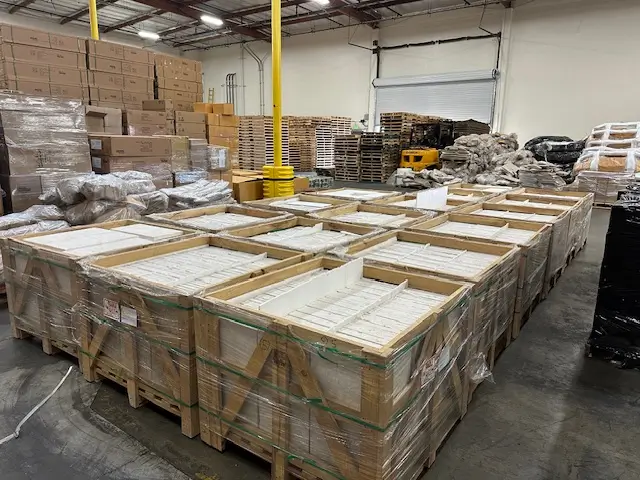
When you coordinate deliveries during monsoon season (July through September), sudden temperature drops of 30-40°F combined with humidity spikes to 60-70% create condensation risks on cold granite surfaces. Your receiving protocol should include climate-controlled staging areas or breathable tarp systems that prevent moisture accumulation while allowing thermal equalization. Professional installations account for 2-4 hour acclimation periods before unwrapping slabs delivered during weather transition periods.
Thermal mass properties of granite create handling considerations unique to desert climates. A 900-pound slab exposed to direct Arizona sunlight reaches surface temperatures 45-55°F above ambient air temperature within 90 minutes. You need to specify shaded receiving areas and immediate covering protocols, because surface temperatures exceeding 145°F create worker safety hazards and complicate adhesive application during installation. For comprehensive material handling specifications beyond transport, review our granite yard services for detailed technical guidance.
Regional Distribution Network Considerations
Your understanding of granite yard in Arizona logistics networks directly impacts project feasibility and cost accuracy. Arizona’s geography creates three distinct distribution zones, each with different lead time expectations and delivery cost structures. You should recognize that warehouse locations in Phoenix metro serve 70% of state demand, while Tucson facilities handle southern Arizona, and northern projects typically require direct shipment from Phoenix with extended transport times.
The I-10 and I-17 corridors form the primary granite yard Arizona transport arteries, but you’ll encounter significant variations in delivery efficiency. Phoenix to Tucson runs average 4-6 hour turnaround including loading and unloading, while Phoenix to Flagstaff requires full-day commitment due to elevation gain of 6,000 feet over 145 miles. You need to factor these geographic realities into project scheduling—northern Arizona deliveries typically command 40-50% premium over valley transport costs.
- You’ll find that warehouse stock rotation in Arizona averages 45-60 days for specialty granite varieties, affecting your material selection timeline
- Your specification should account for seasonal demand surges during October through April when construction activity peaks and lead times extend 7-10 days
- Granite stone yards Arizona shipping to remote locations like Sedona or Show Low requires you to confirm truck access months in advance during peak season
- You need to verify inventory allocation policies, as high-demand materials may require 30-50% deposit to secure warehouse holds during busy periods
Job Site Coordination Protocols
When you manage composite granite yard delivery operations, job site readiness verification prevents costly delays and potential material damage. Your pre-delivery checklist must confirm substrate preparation completion, adequate staging space, and equipment availability. Deliveries arriving to unprepared sites create exposure risks—granite slabs left on trucks beyond 2-hour windows incur detention charges of $85-125 per hour and increase thermal stress exposure.
Site access assessment requires you to evaluate multiple factors that standard delivery confirmations overlook. You need to walk the actual delivery path, not just review site plans, because 6-inch curb heights, overhead utility lines, or soft shoulder conditions frequently prevent access that appears feasible on paper. Professional coordinators photograph access routes and measure critical clearances, providing documentation that prevents last-minute delivery failures.
Unloading equipment coordination determines delivery efficiency and material safety. You should specify whether you’re providing forklift support (minimum 5,000-pound capacity with slab handling attachment) or requiring crane service from the delivery team. Granite yard Arizona delivery operations typically include basic tailgate offload to ground level, but second-floor or elevated placements require you to arrange specialized rigging that adds $400-800 to base delivery costs depending on complexity.
Load Securing Specifications
Your granite yard in Arizona logistics management must address load securing methods that protect material integrity during transport across varied terrain and climate conditions. Arizona’s highways present unique challenges—I-10 through Tucson includes rough patches that generate vibration frequencies matching granite’s resonant properties, potentially causing micro-fractures in inadequately secured loads. You need to specify multi-point tie-down systems with vibration-dampening components rather than relying on standard ratchet straps alone.
Professional granite yard Arizona transport operations use A-frame racks with individual slab isolation, preventing edge-to-edge contact that causes chipping during transit. You should verify that your supplier uses closed-cell foam padding with minimum 3/8″ thickness and 15-20 durometer hardness—softer foam compresses excessively under highway vibration, allowing slab movement, while harder foam transfers impact energy rather than absorbing it. The padding system should extend 2-3 inches beyond slab edges to prevent contact with rack framework during thermal expansion.
- You’ll need to confirm that tie-down tension doesn’t exceed 800 pounds per linear foot of contact, as over-tightening creates stress concentration points
- Your transport specification should require inspection stops every 100 miles on routes exceeding 200 miles to verify load stability
- Granite stone yards Arizona shipping protocols must separate slabs by minimum 1/2″ to accommodate thermal expansion without creating pressure points
- You should specify that exotic or book-matched slabs receive individual crating rather than rack transport to prevent pattern disruption
Delivery Scheduling Optimization
When you coordinate granite yard Arizona delivery timing, understanding seasonal and daily patterns prevents complications that derail installation schedules. Arizona construction operates on inverted seasonal cycles compared to northern states—your peak activity runs October through April when temperatures permit extended outdoor work hours. You’ll encounter warehouse demand that exceeds supply capacity during these months, requiring you to place orders 3-4 weeks ahead rather than the 10-14 days typical during summer.
Daily delivery windows significantly impact material condition upon arrival. Summer deliveries scheduled between 6 AM and 9 AM ensure slabs remain below critical thermal thresholds, while afternoon deliveries during June through August expose materials to surface temperatures that can reach 155-165°F on truck beds. You should specify morning delivery windows in your purchase agreements, even though this may require you to pay premium scheduling fees of $75-150 per load.
Your coordination with other trades determines delivery success or creates costly conflicts. Granite installations typically require substrate completion 48-72 hours prior to delivery, allowing proper curing and inspection. You need to build buffer time into schedules because concrete flatwork in Arizona requires extended curing due to rapid moisture loss—standard 24-hour cure times extend to 36-48 hours when relative humidity drops below 20%.
Documentation Requirements
Professional granite yard in Arizona logistics demand comprehensive documentation that protects all parties and establishes clear accountability. Your material release requires signed pre-delivery inspection reports confirming slab condition at warehouse, photographic documentation of packaging and loading procedures, and detailed delivery manifests listing each piece by identification number. You should never accept granite yard Arizona transport deliveries without conducting immediate inspection while the driver is present—damage claims filed after truck departure face rejection rates exceeding 80%.
Bill of lading specifications must include more detail than standard freight documents. You need to list each slab’s unique identifier, dimensions, finish type, and any special characteristics like book-matching or vein orientation requirements. Professional practice includes photographing each slab against its identification number before loading, providing irrefutable documentation if quality disputes arise during installation.
- You should require delivery receipts that include specific notation of weather conditions and material temperature at time of delivery
- Your documentation must include truck identification, driver name, and exact delivery time for warranty compliance
- Composite granite yard delivery requires you to obtain separate condition reports for each material type when mixed loads are delivered
- You need to photograph staging area conditions and material positioning immediately upon delivery to document proper handling
Insurance Coverage Considerations
When you manage high-value granite projects, understanding insurance coverage gaps in granite stone yards Arizona shipping prevents financial exposure that standard policies don’t address. Typical freight insurance covers material value but excludes consequential damages—if your $15,000 granite shipment arrives damaged three days before scheduled installation, you’ll recover material replacement cost but absorb the $8,000-12,000 in labor demobilization, project delay penalties, and client relationship costs.
Transit coverage typically limits liability to $0.60 per pound unless you purchase declared value coverage. A 20-slab shipment weighing 18,000 pounds carries default coverage of just $10,800 despite material value potentially exceeding $25,000-30,000. You need to specify full declared value coverage and verify that your granite yard Arizona delivery provider carries cargo insurance with limits matching your project value, not merely the minimum legal requirements.
Installation timing creates coverage gaps that require specific policy endorsements. Standard coverage terminates when materials leave the truck, but your project needs protection during on-site staging periods that may extend 24-72 hours. You should arrange builder’s risk or inland marine coverage that bridges the gap between delivery receipt and installation completion, particularly for projects where materials must stage outdoors due to space constraints.
Specialized Handling Requirements
Your specifications for exotic or engineered granite varieties require enhanced granite yard in Arizona logistics protocols beyond standard commodity slab handling. Book-matched pairs demand coordinated transport maintaining sequential positioning and consistent orientation—rotating slabs during handling destroys the visual continuity that creates premium value. You need to specify that matched sets receive individual crating with orientation arrows and sequential numbering visible on all six faces of each crate.
Leathered and textured finish granites present handling challenges that polished surfaces don’t encounter. The three-dimensional surface relief creates stress concentration points where standard padding contacts high spots while leaving voids at low areas. You should require custom-fitted foam packaging that contacts the entire surface area, distributing pressure across the texture rather than loading individual high points that can fracture under transport vibration.
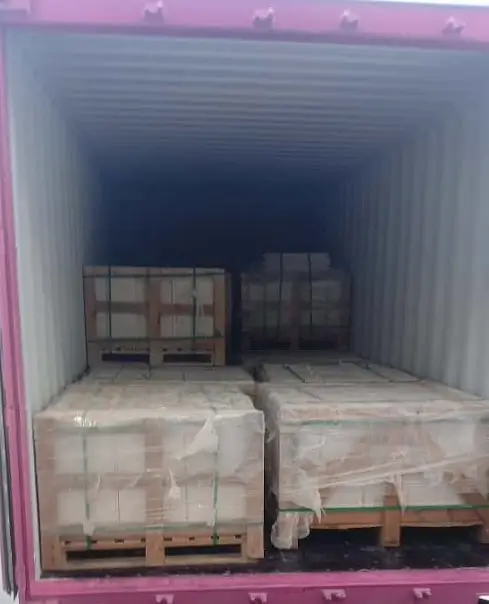
- You’ll need to specify that slabs with intentional fissures or natural voids receive reinforcing mesh backing before transport to prevent propagation
- Your handling protocol should require vertical transport orientation for slabs exceeding 3cm thickness to minimize flexural stress during transit
- Granite yard Arizona transport of slabs with undermount sink cutouts requires you to provide steel reinforcement frames that prevent stress concentration at cutout corners
- You should mandate that edge profiles exceeding standard eased or beveled complexity receive edge protection extending minimum 3 inches beyond the profile terminus
Cost Structure Analysis
Understanding the complete cost structure of granite yard Arizona delivery operations allows you to budget accurately and identify opportunities for cost optimization. Base delivery charges typically range from $2.50 to $4.00 per mile for full truckload quantities (16-24 slabs depending on size), but you’ll encounter numerous supplemental charges that can increase total delivery cost by 40-60%. Fuel surcharges, currently 18-24% of base rates, fluctuate with diesel prices that vary significantly across Arizona regions.
Minimum delivery charges apply to partial loads, typically $450-650 regardless of distance for shipments under 12 slabs. You need to coordinate material procurement to achieve full-load efficiency, potentially combining orders with other trades or coordinating multiple project deliveries on single trucks. Professional contractors establish ongoing relationships with suppliers who provide routing optimization, aggregating multiple client deliveries along common corridors to reduce per-project costs by 25-35%.
Accessorial charges represent the hidden cost component many specifiers underestimate. Liftgate service adds $125-175 per delivery. Residential delivery surcharges run $85-150 due to access constraints and extended unloading times. Weekend or after-hours deliveries command premiums of 50-75% above standard rates. You should request detailed fee schedules during procurement negotiations rather than discovering these charges when invoices arrive.
Risk Mitigation Strategies
Your granite yard in Arizona logistics planning must incorporate risk mitigation measures that protect against the most common failure points in stone delivery operations. Weather disruption ranks among the top causes of delivery delays—monsoon thunderstorms during July through September create road closures and access restrictions with minimal advance notice. You need to build 2-3 day schedule buffers around critical path deliveries during monsoon season and establish alternative staging protocols if primary site access becomes temporarily unavailable.
Material availability verification prevents the most frustrating project delays. You should require physical confirmation that your specific slabs are cut, finished, and staged for delivery rather than accepting assurances that material is “in stock.” Warehouse inventory systems often reflect material allocated to other projects or pieces requiring additional fabrication that extends lead times by 7-10 days beyond quoted delivery dates.
- You’ll protect your project by requiring photographic confirmation of your specific slabs in warehouse staging areas 48 hours before scheduled delivery
- Your contract should include liquidated damages clauses for delivery delays exceeding agreed windows, typically $250-500 per day depending on project scale
- Granite stone yards Arizona shipping agreements must specify your right to inspect and reject materials at warehouse before loading to prevent disputes about damage origin
- You need to establish backup supplier relationships that can provide emergency material if primary sources fail to perform as contracted
Citadel Stone Granite Stone Yards in Arizona Specification Guidance
When you evaluate Citadel Stone’s granite stone yards in Arizona for your projects, you’re considering premium materials engineered for southwestern performance requirements. At Citadel Stone, we provide technical specification guidance for hypothetical applications across Arizona’s diverse climate zones and project types. This section outlines how you would approach delivery logistics and coordination decisions for six representative cities, illustrating the regional considerations that affect successful granite installations.
Arizona’s geographic and climatic diversity creates distinct delivery challenges across the state. You would need to adapt your logistics approach based on elevation, temperature extremes, seasonal access constraints, and local infrastructure capabilities. The following city-specific scenarios demonstrate how you should modify standard delivery protocols to address regional variables that significantly impact project outcomes.
Phoenix Metro Coordination
In Phoenix, you would benefit from optimal warehouse proximity and distribution infrastructure that enables same-day or next-day delivery scheduling for most projects. Your primary considerations focus on summer temperature management rather than distance or access constraints. You should specify morning delivery windows before 9 AM during May through September to prevent thermal stress on materials, particularly for darker granite varieties that absorb heat rapidly. Phoenix’s extensive highway network provides excellent access, but you need to account for rush-hour congestion that adds 45-60 minutes to delivery times for sites in central business districts.
Tucson Southern Distribution
Your Tucson projects would typically coordinate through local warehouse facilities that maintain regional inventory, reducing delivery lead times to 24-48 hours for standard materials. You need to specify I-10 corridor routing that avoids surface street congestion through downtown areas, particularly during university session when traffic patterns complicate commercial vehicle access. Summer temperatures in Tucson frequently exceed those in Phoenix despite lower elevation, requiring you to implement identical thermal protection protocols. Your coordination should account for the prevalence of older residential neighborhoods with narrow street access that prevents full-size truck navigation.
Scottsdale Luxury Specifications
When you coordinate deliveries to Scottsdale locations, you would encounter stringent HOA requirements and community access restrictions that demand advance coordination often exceeding standard commercial protocols. Your delivery scheduling must accommodate guard gate procedures, noise restrictions (typically limiting commercial deliveries to 8 AM-5 PM weekdays), and requirements for protection of decorative paving and landscaping during truck access. You should specify enhanced insurance coverage for high-value properties and plan for possible secondary transfer from staging areas to final installation points using smaller vehicles that meet community aesthetic standards.
Flagstaff Elevation Logistics
Your Flagstaff projects would require specialized planning for elevation gain, seasonal weather constraints, and extended transport distances from primary distribution centers. You need to account for winter access restrictions from November through March when snow and ice conditions periodically close I-17 or create hazardous driving conditions for heavy trucks. Summer delivery windows provide optimal scheduling, but you should plan lead times of 7-10 days rather than the 2-3 days typical for valley locations. The 6,000-foot elevation differential creates temperature variations of 25-35°F between loading and delivery points, requiring you to specify enhanced thermal protection during transport.
Sedona Access Constraints
In Sedona, you would face significant access challenges that require careful route planning and potentially specialized equipment. Your delivery coordination must verify that full-size trucks can navigate specific site access, as many properties require approach through narrow canyon roads or steep grades exceeding 8% that prevent access by vehicles over 30 feet in length. You should specify site surveys confirming turning radius capacity and overhead clearance before committing to delivery schedules. During monsoon season, flash flood warnings can close access routes with minimal notice, requiring you to build 3-5 day schedule buffers for critical path deliveries.
Yuma Extreme Heat
Your Yuma projects would require the most aggressive thermal protection protocols due to temperatures that regularly reach 118-122°F during summer months. You need to specify delivery windows before 8 AM or mandate climate-controlled transport for high-value materials during June through August. The agricultural economy creates seasonal truck availability constraints during harvest periods (November through March) when commercial transport capacity becomes limited, potentially extending delivery lead times by 5-7 days. You should coordinate with suppliers to confirm equipment availability during peak agricultural shipping seasons that compete for the same truck resources needed for construction deliveries.
Performance Verification
Your granite yard Arizona delivery management requires post-delivery verification procedures that confirm material condition and establish accountability before truck departure. You should implement systematic inspection protocols covering all six faces of each slab, photographing any pre-existing conditions before accepting delivery. Professional practice includes checking dimensions against shop drawings, verifying finish quality matches specifications, and confirming that vein patterns or color variations fall within acceptable tolerance ranges established during material selection.
Edge condition assessment often reveals transport damage that becomes apparent only under close inspection. You need to examine all edges at oblique angles under strong lighting to detect micro-chips or stress fractures that compromise structural integrity or complicate edge profile fabrication. Professional inspectors carry 10x magnification loupes to evaluate edge quality beyond what’s visible to unaided eyes, documenting conditions that might be disputed during installation.
Environmental acclimation verification ensures materials reach stable condition before installation begins. You should confirm that granite temperature approximates ambient job site temperature within 15°F before unwrapping for fabrication or installation. Rushing this process creates condensation risks when cold slabs meet warm, humid air or thermal shock when installation adhesives contact slabs at significantly different temperatures. Your quality control procedures should mandate minimum acclimation periods regardless of schedule pressure.
Final Coordination
Your successful granite project delivery depends on integrating all the logistical elements discussed into cohesive coordination that anticipates complications before they disrupt schedules. You should establish clear communication protocols with all stakeholders—suppliers, trucking companies, installation crews, and project managers—ensuring everyone understands timing requirements, access constraints, and contingency procedures. Professional coordinators conduct pre-delivery meetings 48-72 hours before scheduled arrival, confirming that all parties understand their responsibilities and site conditions meet delivery requirements.
Material tracking systems provide real-time visibility into shipment status, allowing you to respond proactively to delays or complications. Modern granite yard Arizona transport operations offer GPS tracking and estimated arrival updates, but you need to verify these capabilities during supplier selection rather than assuming they’re standard. Projects involving multiple shipments or phased deliveries require sophisticated tracking that coordinates material arrival with installation crew availability and substrate preparation completion.
Your contingency planning should address the most common failure modes: weather delays, truck mechanical failures, and site access complications that prevent delivery completion. You need to identify alternative staging locations, backup delivery dates that don’t compress installation schedules, and communication trees that quickly alert all stakeholders when plan modifications become necessary. For additional technical considerations regarding material selection, review Engineered stone alternatives for outdoor granite installations in Arizona before finalizing your project specifications. Estate builders specify from Citadel Stone, the most luxury granite yard in Arizona materials.