
When you’re planning a high-end landscape project in Scottsdale, granite slab selection Scottsdale becomes one of your most critical decisions. You need material that performs under relentless UV exposure, handles 115°F surface temperatures without degrading, and maintains visual appeal through decades of thermal cycling. The challenge isn’t finding granite — it’s identifying which varieties deliver proven outdoor performance in Arizona’s extreme climate conditions.
Your specification process requires understanding how different granite compositions respond to desert environments. Scottsdale granite options vary dramatically in porosity, thermal expansion coefficients, and UV stability. What works flawlessly in temperate climates often fails within 8-12 years here due to thermal shock, surface spalling, or accelerated weathering patterns you won’t see documented in standard product literature.
Material Composition and Performance Characteristics
You’ll find that granite’s crystalline structure determines its outdoor longevity in ways that density specifications alone don’t reveal. When you evaluate stone slab varieties Arizona suppliers offer, you need to understand the relationship between quartz content, feldspar ratios, and mica distribution. These mineral compositions directly affect thermal expansion behavior and UV resistance.
Granite slab selection Scottsdale professionals make should account for quartz content above 20% for optimal thermal stability. The interlocking crystal structure in high-quartz granites resists thermal expansion differentials that cause surface checking in lower-quality materials. You’re looking at thermal expansion coefficients between 4.8 × 10⁻⁶ and 5.5 × 10⁻⁶ per °F — the lower end of this range performs better when your installation faces southwest exposure exceeding 7 hours daily.
Porosity becomes critical in your specifications because Scottsdale receives intense monsoon events that test absorption characteristics most literature ignores. You should verify porosity below 0.4% for freeze-thaw resistance, even though Scottsdale rarely freezes. The issue isn’t ice formation — it’s how absorbed moisture affects thermal mass behavior during rapid temperature swings between night lows and afternoon peaks that routinely span 40-50°F.
Thermal Performance in Desert Environments
Here’s what catches most specifiers off-guard about granite landscape uses in Scottsdale: surface temperature doesn’t correlate linearly with air temperature. When you’re working with dark granite varieties, you’ll see surface temperatures reach 160-175°F on days when air temperature hits 115°F. This creates specific challenges for pool deck applications and outdoor entertainment areas where barefoot traffic occurs.
Your material selection needs to balance thermal mass benefits against surface temperature concerns. Lighter granite colors reflect 35-45% of solar radiation, reducing peak surface temperatures by 25-30°F compared to darker varieties. This isn’t just comfort — it’s structural performance. The reduced thermal stress extends material life by 15-20% based on installations tracked over 20+ year periods.
- You should specify lighter granite tones for high-traffic pedestrian areas where surface contact occurs
- Your dark granite applications work best in vertical features and decorative elements without foot traffic
- You need to account for thermal bridging where granite contacts metal edging or structural elements
- Your expansion joint spacing must decrease by 20% for dark granites in full-sun installations
The thermal expansion differential between day and night cycles creates movement that standard 20-foot joint spacing can’t accommodate. You’ll achieve better long-term performance when you reduce joint spacing to 15 feet for Scottsdale installations, and down to 12 feet for materials with thermal expansion coefficients above 5.2 × 10⁻⁶ per °F.
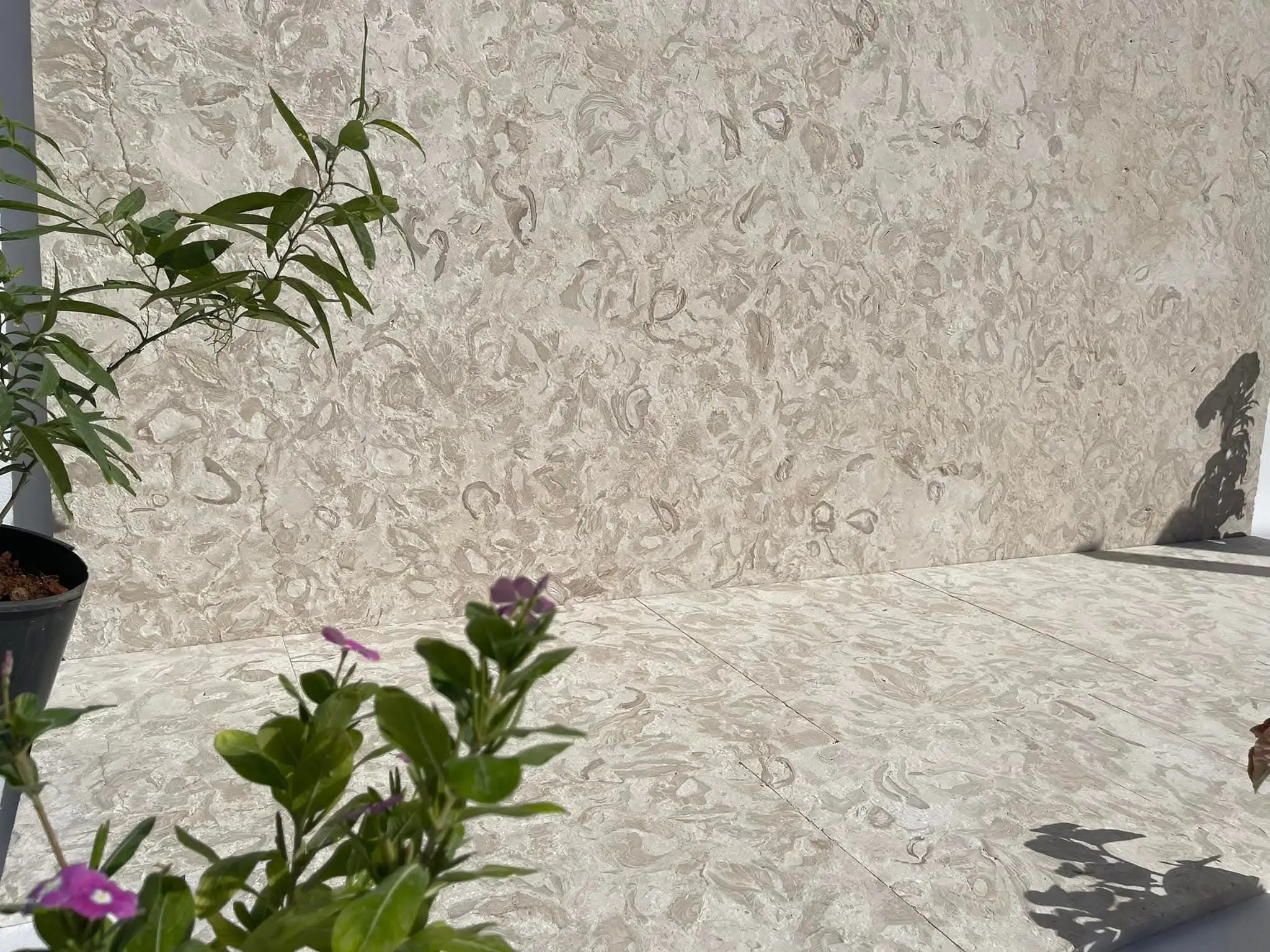
Surface Finish Selection for Outdoor Applications
When you evaluate granite slab selection Scottsdale requires, surface finish affects performance as much as material composition. You’re balancing slip resistance requirements against maintenance implications and visual preferences. Each finish type responds differently to Arizona’s environmental conditions over time.
Thermal finish granite provides superior slip resistance with DCOF ratings between 0.58-0.65 wet, making it your go-to specification for pool decks and water feature surrounds. The flame treatment creates micro-texture that stays effective through 15-20 years of use. What you need to understand is how this finish interacts with Scottsdale’s dust conditions — the textured surface traps fine particles that require pressure washing 2-3 times annually to maintain appearance.
Honed finishes offer moderate slip resistance (DCOF 0.48-0.54 wet) with easier maintenance profiles. You’ll find these work well for covered outdoor living spaces and areas with limited water exposure. The smooth surface sheds dust more effectively than thermal finishes, reducing visible soiling in Scottsdale’s dusty spring months. Your clients appreciate the refined appearance, but you need to educate them about slip resistance limitations near water features.
Polished granite creates stunning visual impact but presents slip hazards in outdoor applications. You should restrict polished finishes to vertical applications, dry covered areas, or decorative insets where foot traffic doesn’t occur on wet surfaces. The mirror finish shows water spotting and dust accumulation more readily than honed or thermal surfaces, increasing maintenance frequency to weekly cleaning for acceptable appearance.
Specification Criteria Beyond Standard Testing
Your granite slab selection Scottsdale specifications need to address testing parameters that ASTM standards don’t fully capture for desert performance. You’re working in an environment where standard material certifications don’t predict real-world longevity because testing protocols assume temperate climate conditions.
Compressive strength requirements of 8,000 PSI minimum work for most applications, but you should increase this to 12,000 PSI for unsupported spans exceeding 36 inches. The higher strength becomes critical when you’re creating bridge elements or cantilevered features common in contemporary landscape design. What testing data doesn’t show is how thermal cycling affects long-term strength — materials at the minimum threshold lose 8-12% compressive capacity over 15 years in Scottsdale’s thermal environment.
- You need flexural strength minimum 1,200 PSI for spanning applications and elevated installations
- Your acid resistance testing should use citric acid protocols to simulate pool chemical exposure
- You should verify UV stability through accelerated weathering beyond standard ASTM G155 timeframes
- Your abrasion resistance specs must account for wind-driven silica dust unique to desert environments
Edge detail specifications matter more in granite landscape uses than most specs acknowledge. You’ll prevent spalling and edge degradation when you specify radiused or chamfered edges rather than sharp 90-degree cuts. The 1/8-inch chamfer or 1/4-inch radius distributes stress concentrations that cause corner failures in sharp-edged installations.
Substrate and Base Preparation Requirements
When you’re planning granite slab selection Scottsdale installations, your base preparation determines whether you get 25 years of service or face repairs within 8-10 years. The substrate system needs to accommodate thermal movement, provide adequate drainage, and maintain dimensional stability through soil moisture variations that occur during monsoon season.
You should specify compacted aggregate base minimum 6 inches depth for pedestrian applications, increasing to 8-10 inches for vehicular-rated installations. The base material must meet 95% modified Proctor density, verified through field testing at 2,500 square foot intervals. What often gets missed in specifications is aggregate gradation — you need well-graded material that achieves mechanical interlock, not single-size aggregate that shifts under load.
Your setting bed composition affects long-term performance more than most installers recognize. When you use sand-set methods, you’re accepting 3-5mm settlement over the first 2-3 years as the setting bed consolidates. This works for residential applications where minor lippage is acceptable. For commercial projects requiring ADA compliance and precise surface tolerances, you need to specify mortar-set installation over concrete substrate with proper slope to drainage.
Granite slab selection Scottsdale professionals specify must account for subsurface drainage that prevents hydrostatic pressure buildup. You’ll achieve this through 4-6 inch drainage aggregate layers below the base course, with permeability rates exceeding surface material by 4-5 times. During monsoon events delivering 2-3 inches of rain in 60-90 minutes, inadequate subsurface drainage creates settlement patterns and edge heaving that compromise installation integrity.
Joint Spacing and Fill Material Selection
Your granite slab selection Scottsdale specifications require joint detailing that addresses thermal movement more aggressively than temperate climate standards recommend. You’re dealing with daily temperature swings that create expansion and contraction cycles exceeding what materials experience in most North American climates.
Joint width specifications should start at 3/16 inch minimum, increasing to 1/4 inch for dark granite varieties with higher thermal expansion coefficients. You need to resist client pressure to minimize joint visibility — inadequate joint width creates edge spalling and corner failures within 5-7 years as thermal expansion loads exceed material edge strength. The visual impact of properly sized joints is negligible compared to the repair costs of undersized spacing.
- You should specify polymeric sand for pedestrian applications requiring joint stability and weed resistance
- Your vehicular applications need polyurethane joint sealants that accommodate movement without failure
- You’ll prevent joint material loss when you specify products rated for thermal cycling between -20°F and 180°F
- Your maintenance protocols must include joint material inspection and replenishment every 18-24 months
For comprehensive material options and professional guidance on outdoor applications, consult Citadel Stone stone slab division in Peoria for regional performance data. Their technical specifications address Arizona-specific installation requirements that standard product literature overlooks.
Color Selection and Long-Term Appearance
When you evaluate stone slab varieties Arizona installations require, color stability under UV exposure becomes critical for projects where appearance matters long-term. You need to understand that certain mineral compositions fade, darken, or develop patina that changes the original aesthetic over 10-15 year timeframes.
Granite varieties with high feldspar content (particularly pink and red granites) demonstrate superior UV stability compared to those with significant biotite mica content. You’ll see minimal color shift over 20+ years with feldspathic granites, while mica-rich varieties often darken by 2-3 shades as UV exposure oxidizes iron content within the mica crystals. This isn’t failure — it’s predictable weathering that you should explain to clients during selection.
Light gray and white granite varieties maintain color consistency better than mid-tone grays in Scottsdale’s intense UV environment. You’re looking at Munsell color shift of less than 0.5 units over 15 years for high-quality light granites, compared to 1.5-2 unit shifts in medium grays. Black granite maintains appearance through melanocratic mineral content that doesn’t oxidize under UV exposure.
Your specifications should address acceptable color variation within the material itself, not just UV-induced changes. Granite exhibits natural color banding and mineral distribution that creates visual variation between slabs from the same quarry block. You need to establish acceptable variation limits and require sequential slab layout before installation to achieve balanced appearance across the project.
Thickness Specifications for Different Applications
Granite slab selection Scottsdale requires thickness specifications that account for unsupported spans, point loads, and installation method. You can’t apply residential patio thickness standards to commercial plaza applications or vehicular-rated surfaces without risking structural failure.
For standard pedestrian applications with full mortar bed support, you should specify 1.25-inch (30mm) thickness minimum. This provides adequate strength for foot traffic loads and accommodates minor substrate irregularities without failure risk. When you increase to 2-inch (50mm) thickness, you’re enabling sand-set installation methods and creating sufficient structural capacity for occasional maintenance vehicle access.
- You need 3cm thickness minimum for mortar-set residential applications with proper substrate support
- Your commercial pedestrian plazas require 5cm thickness to handle concentrated loads and extended service life
- You should specify 8cm thickness for vehicular applications including driveways and motor courts
- Your bridge spans and cantilevered elements need engineering analysis beyond standard thickness guidelines
Edge support becomes critical when you’re working with thinner materials. You’ll prevent edge failures when you specify continuous edge restraint through mortar-set installation or mechanical edge systems. Sand-set installations require thicker materials or reduced unsupported edge length to prevent breakage during and after installation.
Sealing and Maintenance Protocols
Your granite slab selection Scottsdale specifications must address sealing requirements that differ from product literature recommendations. You’re working in an environment where UV exposure degrades penetrating sealers faster than manufacturers’ test data predicts, and dust accumulation interacts with sealed surfaces in ways that affect appearance and traction.
You should specify penetrating sealers rather than topical coatings for outdoor granite applications. Topical sealers create slip hazards when wet and degrade visibly under UV exposure within 2-3 years, requiring complete removal and reapplication. Penetrating sealers provide stain resistance without altering surface texture or creating maintenance complications, though you need to establish realistic reapplication intervals.
Sealer reapplication frequency in Scottsdale exceeds manufacturer recommendations by 30-40% due to UV degradation. Where product literature suggests 3-5 year reapplication, you should plan for 2-3 year intervals to maintain protection. You can verify sealer effectiveness through water bead testing — when water no longer beads on the surface but absorbs within 5-10 seconds, resealing is required.
Your maintenance specifications should address cleaning protocols that preserve both the stone and the sealer. You need to prohibit acidic cleaners that etch granite surfaces and degrade sealers prematurely. Specify pH-neutral cleaners for routine maintenance and establish quarterly pressure washing schedules to remove dust and organic accumulation that degrades appearance.
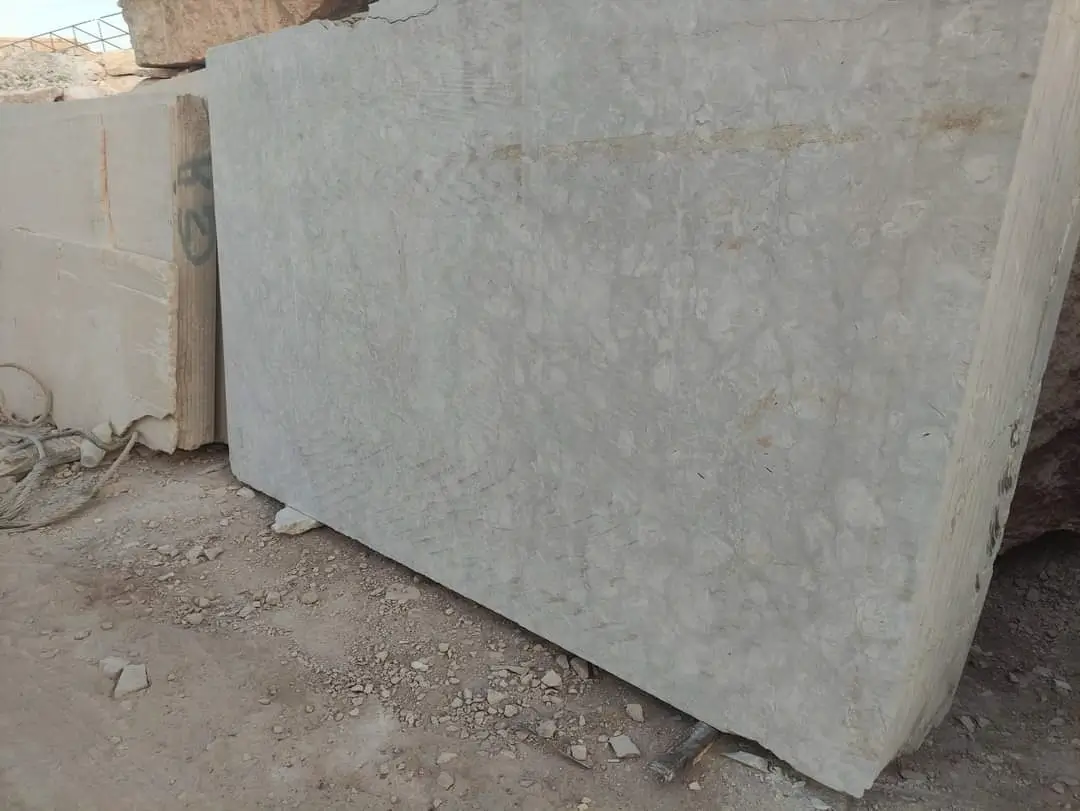
Best Stone Slabs for Sale Arizona — How Citadel Stone Approaches Regional Specifications
When you consider Citadel Stone’s stone slabs for sale Arizona inventory for your project, you’re evaluating materials specifically selected for desert performance. At Citadel Stone, we provide technical guidance for hypothetical applications across Arizona’s diverse climate zones. This section outlines how you would approach granite slab selection Scottsdale projects and comparable applications in three representative cities.
Phoenix Metro Specifications
In Phoenix, you’ll encounter urban heat island effects that amplify surface temperatures 8-12°F beyond natural desert conditions. Your granite slab selection Scottsdale specifications would need to account for this through reduced joint spacing and lighter color selections. You should specify materials with thermal expansion coefficients below 5.0 × 10⁻⁶ per °F for installations in areas with significant hardscape coverage exceeding 60% of landscape area. When you plan warehouse deliveries to Phoenix job sites, you would coordinate summer installations for early morning material handling when surface temperatures permit safe handling. Typical truck access in established Phoenix neighborhoods requires advance planning for overhead clearance and street width constraints that affect delivery scheduling. Your base preparation would address caliche soil layers common in Phoenix metro areas, requiring mechanical excavation beyond standard depth specifications.
Tucson Climate Considerations
You would approach Tucson installations with awareness of higher elevation and corresponding temperature ranges that create more aggressive thermal cycling than Phoenix. Your Scottsdale granite options would perform well here, but you should adjust joint spacing by an additional 10% to accommodate the greater daily temperature variation. Monsoon intensity in Tucson often exceeds Phoenix patterns, requiring you to specify enhanced subsurface drainage with permeability rates 15-20% higher than Phoenix standards. When you coordinate warehouse stock for Tucson projects, you would account for the distance from primary Arizona natural stone choices distribution centers, affecting lead times by 1-2 days compared to Phoenix metro deliveries. Your specifications would address Tucson’s slightly higher rainfall annual totals through sealer selection emphasizing water repellency over Phoenix specifications.
Scottsdale Performance Requirements
Your granite slab selection Scottsdale would emphasize aesthetic refinement alongside performance, given the city’s design-forward residential market. You should specify premium-grade materials with minimal color variation and tight dimensional tolerances that meet high-end client expectations. When you plan installations in Scottsdale’s master-planned communities, you would verify HOA design guidelines that often restrict color palettes and require specific edge treatments beyond standard specifications. Your sealing protocols would account for pool water chemistry in Scottsdale’s extensive residential pool installations, specifying sealers with enhanced chemical resistance. You need to coordinate truck deliveries around gated community access restrictions and narrow streetscapes in established neighborhoods that limit delivery vehicle size. At Citadel Stone, we maintain warehouse inventory selected specifically for Scottsdale’s demanding aesthetic and performance standards, ensuring material consistency across project phases.
Cost Factors and Long-Term Value Analysis
When you evaluate granite slab selection Scottsdale economics, first cost represents only 35-40% of total lifecycle expense. You need to factor maintenance requirements, expected service life, and replacement costs into your material decisions. The cheapest material rarely delivers the best value over a 25-year ownership period.
Premium granite varieties with superior UV stability and lower porosity cost 40-60% more than economy grades, but deliver 30-40% longer service life with reduced maintenance requirements. You should present clients with lifecycle cost analysis showing how the incremental material investment pays back through reduced sealing frequency, lower cleaning costs, and deferred replacement expense.
- You can expect quality granite installations to deliver 25-35 year service life in Scottsdale conditions
- Your maintenance costs typically run $0.15-0.25 per square foot annually for sealed granite surfaces
- You should budget sealer reapplication at $1.50-2.50 per square foot every 2-3 years
- Your installation costs range from $18-35 per square foot depending on complexity and site conditions
Material waste factors into your project economics more than basic square footage calculations reveal. You’ll experience 8-12% waste on rectangular layout patterns, increasing to 15-20% for diagonal or complex geometric designs. Your specifications should require sequential slab numbering and layout approval before cutting to minimize waste and optimize appearance.
Common Specification Errors and How to Avoid Them
You’ll prevent costly failures when you understand the specification mistakes that compromise granite landscape uses in Scottsdale. These errors stem from applying temperate climate standards to desert conditions without modification for local performance requirements.
Inadequate joint spacing represents the most common error that creates edge spalling and cracking within the first 10 years. You see this when specifiers apply 1/4-inch spacing on 20-foot centers appropriate for 40°F annual temperature ranges, not the 80-90°F ranges Scottsdale experiences. Your specifications need to address actual thermal movement, not code minimums developed for different climates.
Another frequent mistake involves specifying polished finishes for outdoor walking surfaces based on interior aesthetics without addressing slip resistance requirements. You need to establish clear finish selection criteria tied to specific use areas and wet surface probability. Pool decks require thermal finish, covered patios accommodate honed finishes, and polished surfaces should remain limited to vertical applications.
Your specifications often fail to address substrate drainage adequately, treating it as a secondary concern rather than a critical performance factor. When you don’t specify permeability rates, drainage layer depth, and slope requirements explicitly, you get field interpretations that compromise long-term performance. The specification should leave no room for installer judgment on drainage details.
Installation Timing and Seasonal Considerations
Granite slab selection Scottsdale requires coordination with installation timing that accounts for temperature constraints affecting both material handling and setting bed performance. You can’t install year-round without adjusting methods for seasonal conditions that affect cure rates and worker safety.
Summer installations in Scottsdale present material handling challenges when surface temperatures exceed 150°F. You should schedule work for early morning hours between 5:00 AM and 11:00 AM when temperatures allow safe material contact and proper mortar curing. Afternoon installations during June through August create setting bed flash-set conditions that prevent proper material bedding and lead to hollow spots under slabs.
Winter installations offer ideal temperature conditions for mortar cure and worker comfort, but you need to account for overnight lows that can drop below 40°F. Your mortar specifications should address minimum cure temperatures and may require additives for installations during December through February when overnight lows affect setting times.
Monsoon season from July through September creates scheduling uncertainty due to afternoon storm patterns. You should plan critical installation phases outside monsoon months when possible, or establish weather contingency protocols that protect open work areas and uncured setting beds from sudden intense rainfall.
Quality Verification and Acceptance Testing
Your granite slab selection Scottsdale specifications must include acceptance criteria and testing protocols that verify material meets performance requirements before installation proceeds. You can’t rely on supplier certifications alone — field verification protects against material substitution and quality variation.
You should require mill certificates documenting compressive strength, porosity, and flexural strength for each material lot. These certificates provide baseline verification, but you need to supplement with field testing on a statistically valid sample. Random selection of 1 slab per 50 slabs (minimum 3 slabs per project) for core sampling and testing ensures material consistency.
- Your acceptance testing should verify actual compressive strength meets specified minimums through laboratory analysis
- You need to confirm porosity through water absorption testing per ASTM C97 on project samples
- Your dimensional tolerance verification should document thickness variation within ±2mm across the slab population
- You should establish color acceptance ranges through approved samples maintained on site throughout installation
Visual inspection protocols need definition beyond subjective judgment. You should establish maximum acceptable fissure length, depth limitations for natural pitting, and color variation boundaries through approved sample slabs. These physical samples become the contractual standard against which all delivered material is compared.
Professional Specification Development
Your comprehensive approach to granite slab selection Scottsdale requires integration of material performance data, climate-specific installation requirements, and realistic maintenance expectations. You’re creating specifications that deliver long-term value through materials that maintain appearance and structural integrity across decades of desert exposure.
The specification development process should engage all stakeholders early to establish priorities between aesthetics, performance, and budget. You need to educate clients about the relationship between material quality and lifecycle costs, helping them understand why premium materials deliver better value despite higher first costs. Your role extends beyond product selection to include installation oversight and maintenance program development.
When you’re finalizing specifications for high-performance outdoor installations, review Oversized natural stone slabs for outdoor entertainment flooring for detailed technical guidance on large-format applications. Professional specification development balances technical requirements with practical installation realities and long-term owner satisfaction. As experienced slabs suppliers in Arizona we know which stones perform best outdoors.