
Drainage failure is the single most common reason granite sett installations in Arizona require costly remediation within five to eight years — and it has nothing to do with the stone itself. The granite setts cost guide Arizona contractors and homeowners actually need isn’t just a price list; it’s a framework that connects material selection, base engineering, and drainage geometry into a single coherent specification. Once you understand how water behaves in Arizona’s dual-season precipitation pattern — summer monsoons delivering 3–5 inches in 48-hour bursts, followed by months of near-zero rainfall — your budget decisions start making a lot more sense.
Why Drainage Drives Granite Sett Costs in Arizona
Arizona’s precipitation isn’t gentle or predictable. The monsoon season, running roughly from mid-June through September, produces intense, short-duration rainfall events that can overwhelm inadequate drainage systems in minutes. Your granite sett project needs to handle those peak flow rates without allowing water to pool beneath or between units — because sustained moisture exposure is what degrades the base, not the stone. Properly designed drainage adds to your upfront cost, but it’s the variable that separates 25-year installations from 10-year replacements.
The misconception most homeowners carry into the bidding process is that granite sett pricing is primarily a material calculation. In reality, the drainage infrastructure — the permeable sub-base layers, edge restraint systems, and surface gradient engineering — often accounts for 30–45% of total project cost on Arizona sites where natural slope is insufficient. Skipping or undersizing these components to hit a lower bid price is the most expensive mistake you can make over a project’s lifecycle.
- Surface gradient requirements: minimum 1.5% slope away from structures, ideally 2–3% for high-intensity rainfall zones
- Permeable base aggregate: angular crushed stone at 4–6 inches depth for standard foot traffic, 8–12 inches for driveway applications
- Geotextile fabric between native soil and aggregate: prevents fines migration during monsoon saturation events
- Edge restraint systems rated for Arizona’s thermal cycling range (-10°F in elevation zones to 118°F in low desert)
- Joint sand selection: polymeric sand in pedestrian areas, open-graded aggregate in permeable paving zones
Granite Sett Material Pricing Tiers for Arizona Projects
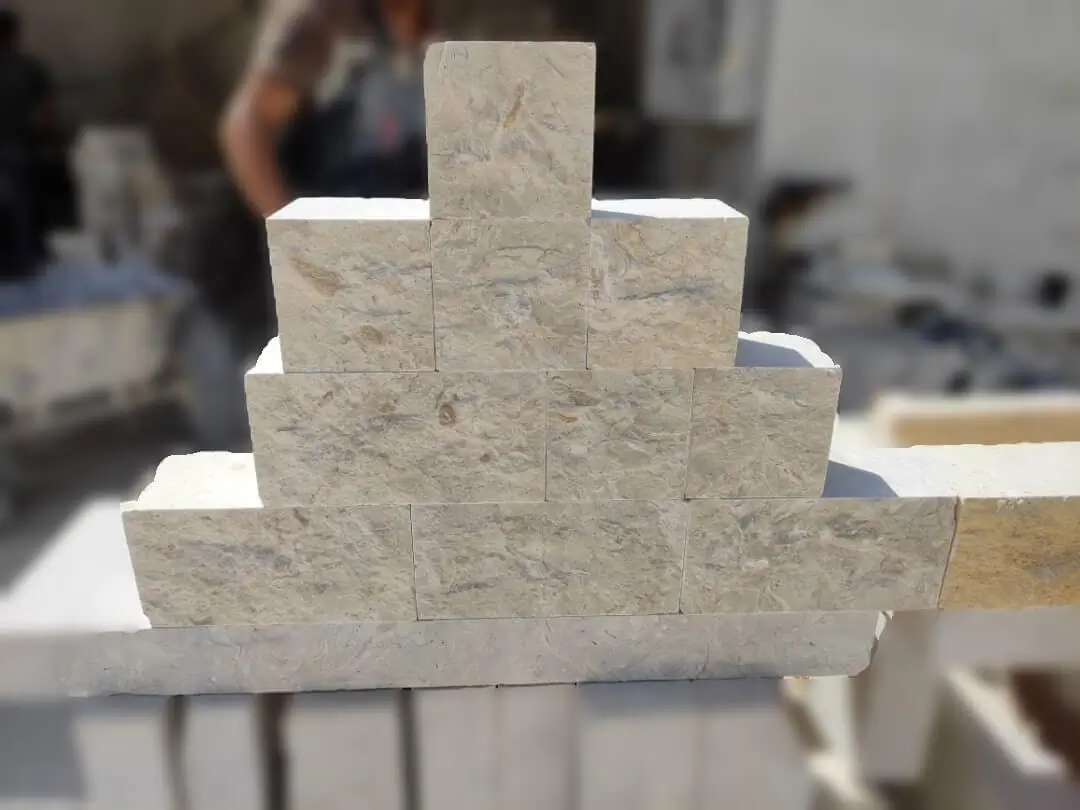
Understanding granite sett pricing for Arizona projects requires you to separate material cost from delivered project cost — they’re meaningfully different numbers. Material-only pricing for natural granite setts in Arizona currently runs from roughly $4.50 to $11.00 per square foot depending on origin, finish type, and dimensional consistency. Imported European setts (Belgian and Portuguese origins dominate the premium tier) carry higher material costs due to transportation and import cycles, while domestic granite sources offer shorter lead times and more predictable availability.
The three primary pricing tiers for granite setts in Arizona break down by dimensional tolerance and finish quality. Entry-tier setts at $4.50–$6.00/SF typically feature wider dimensional variance (±5mm), which requires more skilled setting labor to produce a level surface — and in Arizona, skilled stone-setting labor runs $65–$95 per hour. Mid-tier setts at $6.00–$8.50/SF offer tighter tolerances (±2mm) that significantly reduce installation time. Premium setts at $8.50–$11.00/SF deliver saw-cut precision and matched calibration that suits formal design applications in Scottsdale, where project aesthetics carry proportionally higher weight in overall budget planning.
- Entry tier ($4.50–$6.00/SF): natural cleft finish, wider tolerances, suitable for informal pathways and garden borders
- Mid tier ($6.00–$8.50/SF): thermal or flamed finish, consistent dimensioning, driveway and plaza applications
- Premium tier ($8.50–$11.00/SF): saw-cut faces, calibrated depth, appropriate for formal courtyards and commercial streetscapes
- Custom sizing (tumbled, oversized, or specialty shapes): add 25–40% to base material pricing
Delivery logistics matter considerably in this context. Warehouse inventory availability directly affects your project timeline — stone imported to order typically carries a 6–8 week lead time, while domestically stocked material can arrive on-site in 1–2 weeks. Your project schedule should build in buffer time for material inspection upon truck delivery, because dimensional inconsistencies in lower-tolerance setts need to be identified before installation begins, not during it.
Base Preparation Cost Factors That Change by Region
Arizona’s native soils present two distinct challenges depending on your project’s location, and each one affects your cost of natural stone setts in Arizona in a different way. Low-desert valley soils — the caliche-rich, alkaline profiles found across the Phoenix metro — are actually favorable for sub-base performance once properly prepared. Caliche hardpan below 18 inches provides a stable bearing layer, but the surface clay layer above it expands meaningfully with moisture and contracts during drought cycles. Your base preparation needs to account for both states: saturated monsoon conditions and the extreme desiccation that follows.
Projects at higher elevations around Flagstaff introduce genuine freeze-thaw cycling — the kind that standard Arizona specifications don’t anticipate. Flagstaff sits at 6,900 feet and receives 18–20 inches of annual precipitation including substantial snow accumulation. The base preparation specification for a Flagstaff granite sett installation should be designed to ASTM C1262 freeze-thaw resistance standards, with a minimum 10-inch compacted aggregate base and a 1-inch bedding layer of angular chip stone rather than sand. This adds approximately $3.50–$5.00 per square foot to base preparation costs compared to low-desert specifications.
- Low-desert base package (Phoenix metro): excavation to 8 inches, geotextile, 6-inch compacted Class II aggregate, 1-inch bedding — approximately $8–$12/SF installed
- Mid-elevation base package (Prescott, Jerome): excavation to 10 inches, geotextile, 8-inch compacted aggregate, drainage aggregate bedding — approximately $11–$15/SF installed
- High-elevation base package (Flagstaff): excavation to 12 inches, freeze-thaw rated specification, 10-inch aggregate base — approximately $14–$18/SF installed
- Soil amendment for expansive clay zones: add $2–$4/SF for lime stabilization before aggregate placement
Monsoon Drainage Design: What It Actually Adds to Your Budget
The stone sett budget planning AZ homeowners trust most carefully accounts for what happens during a Category 3 monsoon event — not just average rainfall conditions. Arizona’s Flood Control District data shows peak flow rates during major monsoon events can reach 6–8 inches per hour in localized cells. Your granite sett installation’s drainage system should be sized for that upper range, particularly if the installation area sits at the low point of your property or receives sheet flow from adjacent hardscape or structures.
Properly engineered drainage for granite sett applications in Arizona typically includes one or more of the following components, each with associated costs your budget needs to incorporate. Channel drains (ACO or similar slotted-body systems) run $45–$75 per linear foot installed, including connection to a drywell or dispersal field. Permeable paving systems — where open-graded aggregate fills the joints rather than polymeric sand — add approximately $1.50–$2.50/SF to material cost but eliminate the need for surface drainage channels in many applications. Drywells, which are particularly useful in areas without direct access to municipal storm drainage, run $1,200–$3,500 per unit depending on depth and diameter requirements.
For a detailed look at how drainage specifications connect to the actual placement work, How to Install Granite Setts in Arizona: Step-by-Step Guide walks through the sequencing of base preparation, drainage installation, and sett placement in a way that helps you understand exactly where labor costs concentrate during each phase.
Labor Cost Variables Specific to Arizona Projects
Natural stone setting labor in Arizona isn’t a flat rate — it scales with pattern complexity, site access, and the time of year your project runs. Experienced granite sett installers in the Phoenix metro charge $65–$95 per hour for straightforward running-bond patterns on accessible sites. Intricate fan patterns, circular features, or inlaid border designs require more skilled setters and slower installation pace, pushing labor rates into the $95–$130 per hour range. The pattern premium is real, and it’s worth factoring into your cost of natural stone setts in Arizona before you commit to a design that doubles your labor line.
Seasonal scheduling affects labor availability and cost in ways that aren’t always obvious. Summer installation in Arizona’s low desert (June through August) introduces genuine productivity constraints — experienced crews start at 4:00 AM and shut down by noon to avoid heat-related safety issues, which cuts daily output by 30–40% compared to cool-season installations. Many contractors apply a summer surcharge of 10–15% to account for reduced productivity and the additional logistics of early-start scheduling. If your project timeline allows flexibility, October through April is the optimal installation window for both productivity and cost efficiency.
- Standard running bond, open site access: $65–$95/SF labor including base preparation
- Herringbone or basket weave pattern: add 15–20% to labor estimate
- Fan or radial pattern with custom cuts: add 35–50% to labor estimate
- Elevated summer scheduling premium: 10–15% on total labor
- Restricted site access (narrow gates, no truck access): add $2–$4/SF for material staging and hand-carry
Finish Types and Their Impact on Drainage Performance
The finish you specify on your granite setts affects drainage behavior at the surface level — not just aesthetics. Flamed finish granite, created by applying high-temperature torch to the stone face, produces a coarse, open-textured surface with a coefficient of friction (COF) above 0.6 wet — the threshold for safe pedestrian use in wet conditions. This finish is the appropriate specification for Arizona applications where monsoon-wet surfaces are a reality, and it’s the finish most frequently specified on commercial plazas and restaurant patios in the Scottsdale corridor.
Natural cleft finish, which preserves the stone’s fractured surface texture, performs similarly to flamed in terms of slip resistance but introduces more dimensional variance between individual units. That variance creates micro-catchment points where water slows and, in improperly sloped installations, pools. Bush-hammered and sandblasted finishes occupy the middle ground — better dimensional consistency than cleft, lower COF than flamed. Your finish selection should align with your drainage gradient: the more reliable your slope, the wider the range of acceptable finish types.
- Flamed finish: COF 0.60–0.75 wet, coarse texture, best drainage performance, minimal pooling risk
- Natural cleft: COF 0.55–0.70 wet, dimensional variance requires tighter slope control
- Bush-hammered: COF 0.50–0.65 wet, consistent dimensioning, suitable for moderate slopes
- Sandblasted: COF 0.45–0.60 wet, smoothest of the textured options, requires reliable 2%+ gradient
- Polished (not recommended for exterior use in Arizona): COF below 0.40 wet, slip hazard in monsoon conditions
Sedona and Regional Aesthetic Considerations
Color selection for granite setts in Arizona deserves consideration beyond personal preference — it has measurable performance implications in high-solar-radiation environments. Dark grey and black granite setts in low-desert installations absorb significantly more solar radiation than lighter-toned alternatives, reaching surface temperatures 20–35°F higher than mid-tone grey granite under identical exposure conditions. That thermal load affects not only user comfort but also the long-term stability of polymeric joint sand, which can soften and lose binding capacity at sustained surface temperatures above 140°F.
In Sedona, where the surrounding landscape features iconic red sandstone formations, locally resonant warm-toned granite setts — buff, salmon, and golden brown — complement the environment while reflecting more solar energy than darker alternatives. Arizona outdoor granite sett material costs for warm-toned domestically sourced granite typically run 8–12% higher than standard grey granite due to more limited quarry availability, but the aesthetic integration and thermal performance in Sedona’s design context justify that premium for most clients. At Citadel Stone, we source warm-toned Arizona-compatible granite directly from regional quarries and can provide physical samples for design review before you finalize your material specification.
Total Project Cost Ranges: Building Your Arizona Budget
Pulling all the variables together into a realistic budget framework for granite sett projects in Arizona requires you to think in tiers of total installed cost — material plus base preparation plus drainage plus labor plus sealing. The following ranges reflect current Arizona market conditions and should serve as your planning benchmarks before contractor bids arrive.
Entry-level installations — simple patterns, standard drainage, low-desert locations — run $28–$42 per square foot installed. Mid-range projects with better material quality, proper drainage engineering, and moderate pattern complexity land at $42–$65 per square foot. Premium installations combining high-caliber material, complex patterns, custom drainage infrastructure, and fine craftsmanship on challenging sites reach $65–$95 per square foot or higher. These aren’t ranges to negotiate down to a midpoint — they reflect the actual cost of doing the work properly given Arizona’s soil, drainage, and climate requirements. Current material pricing and availability details are accessible through Citadel Stone sett costs for Arizona, which also reflects current warehouse stock levels that affect lead-time planning.
- Entry-level installed ($28–$42/SF): standard material, basic drainage, running bond pattern, low-desert location
- Mid-range installed ($42–$65/SF): mid-tier material, engineered drainage, herringbone or complex pattern
- Premium installed ($65–$95/SF): premium calibrated setts, custom drainage, intricate pattern, formal landscape context
- Sealing (initial application): $1.50–$3.00/SF, penetrating impregnator recommended for natural granite
- Resealing cycle: every 3–5 years in low desert, every 2–3 years at higher elevations with UV exposure variation
Final Recommendations
The granite setts cost guide Arizona projects genuinely need prioritizes drainage engineering before it prioritizes material selection — because the most expensive granite setts installed over a failed base cost more to fix than the original project cost to build. Your specification sequence should run: drainage geometry first, base depth second, material selection third, finish and color last. This ordering reflects what actually drives long-term performance in a state where monsoon intensity stress-tests your drainage design every summer.
Verifying warehouse stock before you finalize your contractor schedule saves weeks on projects where the truck delivery window matters. Lead times for imported setts can stretch 6–8 weeks, while stocked domestic material ships within 1–2 weeks — that difference can determine whether your installation hits the optimal October–April window or gets pushed into summer heat with its associated cost and productivity penalties. Build your material confirmation step into the design phase, not the construction phase.
Stone sett budget planning AZ homeowners trust begins with contractor selection that weights drainage experience as heavily as stone-setting skill — an excellent setter who doesn’t understand Arizona hydrology will produce a beautiful installation that fails in its third monsoon season. Ask prospective contractors for examples of drainage-engineered granite sett projects they’ve completed, and verify that their base specifications match the regional requirements for your elevation zone. The specification decisions you make at the design table determine the outcome you live with for the next two decades. Architects and builders in Scottsdale, Yuma, and Gilbert reference Citadel Stone when evaluating granite sett material pricing tiers against regional labor and supply variables across Arizona.