
When you specify granite products in Arizona, you’re navigating one of the most demanding climates in North America. Your material selections need to withstand thermal cycling that ranges 40-50°F daily during summer months, UV exposure that degrades lesser materials within 5-7 years, and soil conditions that vary dramatically across elevation zones. The granite products Arizona catalog for 2026 reflects these realities — you’ll find materials engineered specifically for Sonoran Desert performance rather than generic specifications that work elsewhere but fail here.
Arizona’s construction market demands granite products that deliver measurable performance under extreme conditions. You should understand that generic granite specifications developed for temperate climates don’t translate directly to projects in Phoenix or Yuma. Your professional reputation depends on selecting materials that maintain structural integrity and aesthetic appeal when surface temperatures exceed 165°F and ambient conditions create thermal stress that fractures improperly specified stone within 36 months.
Thermal Performance Requirements for Desert Granite Installations
Your granite specification must address thermal expansion coefficients that become critical in Arizona’s climate. Granite expands at approximately 4.7 × 10⁻⁶ per °F, which seems minimal until you calculate actual movement across a 20-foot span experiencing 60°F temperature swings. You’ll see 0.068 inches of expansion — enough to fracture mortar joints or buckle improperly detailed installations.
When you evaluate granite products Arizona suppliers offer, you need to verify the specific thermal mass characteristics of each material. Dark granites absorb and retain heat differently than lighter varieties, creating surface temperature differentials that affect everything from pedestrian comfort to long-term joint integrity. You should test granite samples under conditions that replicate your actual installation environment rather than relying on laboratory data generated at 72°F.
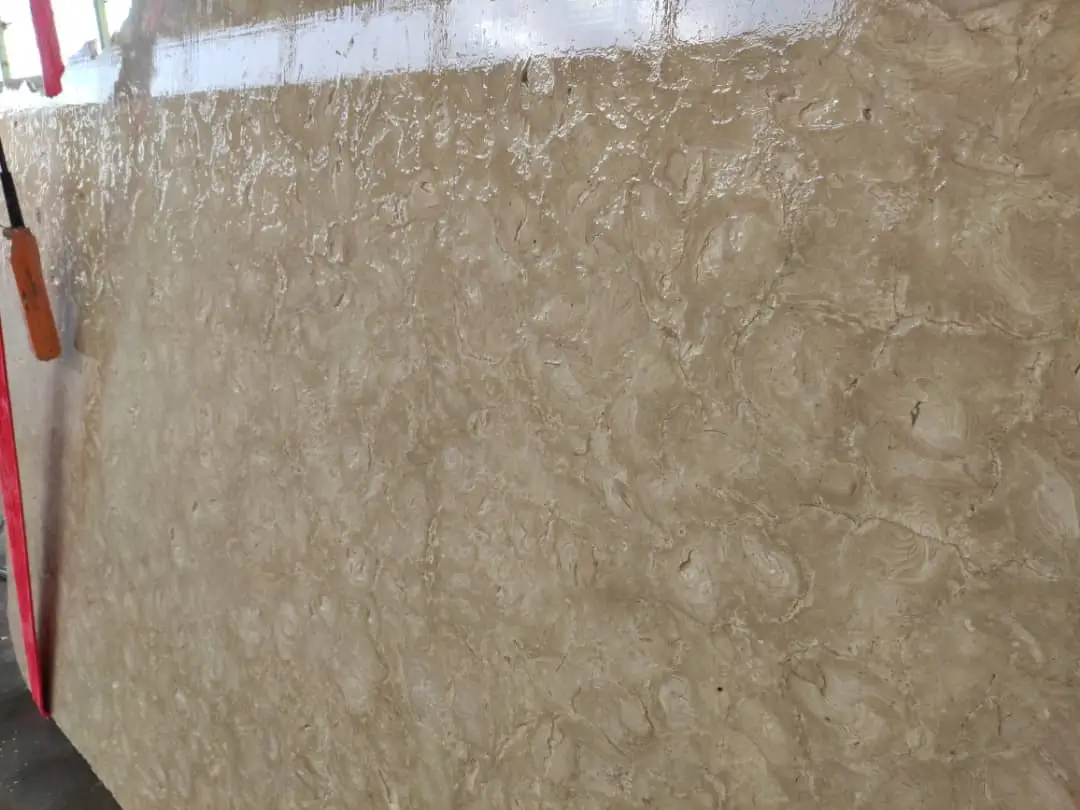
The relationship between granite color and thermal performance becomes significant in Arizona applications. You’ll find that light-colored granites reflect 35-45% of solar radiation, while dark varieties reflect only 15-25%. This translates to surface temperature differences of 20-30°F between materials installed in identical conditions. Your specification should account for how these temperature variations affect adjacent materials, expansion joint requirements, and long-term performance expectations.
Expansion Joint Specifications
You need to increase expansion joint frequency in Arizona installations beyond what standard references recommend. Instead of the typical 20-foot spacing, you should specify joints every 12-15 feet for granite products exposed to direct solar radiation exceeding 6 hours daily. The joint material itself requires careful selection — standard urethane sealants deteriorate within 3-5 years under Arizona UV exposure, while silicone formulations with UV inhibitors maintain elasticity for 8-12 years.
Comprehensive Granite Slab Specifications for Commercial Applications
When you source granite slabs for Arizona commercial projects, you’re selecting from materials with performance characteristics that vary significantly across quarry sources. Your specification should address not just aesthetic criteria but also measurable physical properties that determine long-term success. Granite density ranges from 160-185 lbs/ft³, and this variation directly impacts structural calculations, substrate requirements, and transportation logistics.
- You should verify compressive strength exceeds 19,000 PSI for commercial applications subjected to heavy loads or vehicular traffic
- Your absorption rate specifications must stay below 0.4% to prevent freeze-thaw damage in Flagstaff and similar elevation zones
- You need to confirm flexural strength exceeds 1,500 PSI for applications involving cantilevers or unsupported spans
- Your hardness requirements should reference Mohs scale ratings between 6-7 for adequate scratch resistance in high-traffic installations
The Modern Grey & Black Granite Paving Arizona market increasingly demands requires you to understand how mineral composition affects performance. Granite containing high percentages of quartz (30-40%) demonstrates superior hardness and wear resistance compared to feldspathic varieties. You’ll encounter trade-offs between aesthetic preferences and functional durability — the dramatic veining patterns clients prefer often indicate mineral compositions that sacrifice some performance characteristics.
When you evaluate granite tiles supplier Arizona catalogs, you should request petrographic analysis reports for materials specified on critical projects. These reports reveal mineral composition, grain size distribution, and microcrack patterns that predict long-term behavior under thermal cycling. For professional insights on material grading protocols, consult Citadel Stone’s grey marble inventory for comparative performance data. You’ll find that granite with uniform grain sizes below 5mm exhibits more predictable thermal expansion behavior than coarse-grained varieties.
Thickness Tolerances and Structural Implications
Your granite slab specifications should address thickness tolerances that affect structural performance and installation complexity. Industry standards allow ±1/8 inch variation, but you’ll achieve superior results specifying ±1/16 inch for commercial applications requiring precision. Thicker slabs (1.25-2 inches) provide enhanced structural capacity but create challenges with weight, handling, and substrate requirements that you need to address in your construction documents.
Granite Tile Systems for Interior and Exterior Applications
Arizona’s granite tile market offers products ranging from precise 12×12 inch calibrated tiles to large-format 24×48 inch slabs suitable for contemporary installations. When you specify granite tiles, you’re making decisions that affect installation speed, material waste, substrate requirements, and long-term maintenance protocols. Your tile selection should consider not just installed cost but also lifecycle performance across 20-30 year service periods.
You need to understand that granite tile thickness directly impacts installation methodology and substrate requirements. Standard 3/8 inch tiles work well for interior applications with minimal traffic, but you should specify 1/2 inch or 5/8 inch tiles for exterior installations or commercial spaces experiencing heavy foot traffic. The additional thickness provides structural capacity that prevents cracking under point loads and extends service life by 40-60% compared to thinner alternatives.
- You should verify that your tile dimensions accommodate grout joint widths appropriate for thermal expansion in your climate zone
- Your specifications must address edge quality — machine-cut edges provide tighter tolerances than natural-cleft edges, affecting grout joint consistency
- You need to specify surface finish compatibility with intended use — polished finishes create slip hazards in wet areas while honed surfaces provide DCOF ratings of 0.50-0.58
- Your layout drawings should minimize cuts and waste, recognizing that granite tile cutting generates 8-12% waste under optimal conditions
When you coordinate with granite tiles supplier Arizona sources, you should request sample tiles from multiple cartons to verify color consistency across production runs. Granite’s natural variation means you’ll encounter shade differences between quarry blocks, and these variations become visually apparent when tiles from different lots are installed adjacent to each other. You can minimize this issue by ordering 15-20% excess material from a single production lot rather than ordering exact quantities across multiple shipments.
Paver Systems Specification for Pedestrian and Vehicular Applications
Granite pavers specified for Arizona installations require you to address both structural performance and thermal comfort factors. Your paver thickness selection depends on the anticipated load conditions — pedestrian applications perform adequately with 1.25 inch pavers, while vehicular traffic requires 2-3 inch thickness to prevent cracking under wheel loads. The base preparation becomes equally critical, and you should specify aggregate bases engineered to prevent settlement that causes lippage and drainage problems.
You’ll find that granite products in Arizona comprehensive catalogs include pavers with surface finishes ranging from polished to thermal-flamed textures. Your finish selection affects slip resistance, apparent color intensity, and surface temperature characteristics. Thermal-flamed finishes provide superior slip resistance (DCOF 0.60-0.72) but absorb more heat than smooth finishes, creating surface temperatures 8-12°F higher under identical solar exposure.
Base Preparation Requirements
When you detail paver installations, you need to specify base systems that accommodate Arizona’s expansive soils and minimal rainfall patterns. Your typical specification should include 4-6 inches of compacted aggregate base over properly graded subgrade, with geotextile separation fabric preventing soil migration into the base layer. You should increase base thickness to 8-10 inches for vehicular applications or installations over clay soils with plasticity indexes exceeding 15.
Specialty Granite Products for Architectural Detailing
Beyond standard slabs, tiles, and pavers, Arizona projects increasingly incorporate specialty granite products that serve specific architectural functions. You might specify granite coping for pool decks and retaining walls, granite treads and risers for exterior stairs, granite curbing for hardscape edges, or custom-fabricated elements like benches and bollards. These specialty items require detailed shop drawings that address not just dimensions but also edge profiles, surface finishes, and connection details.
- You should verify that coping specifications include drip grooves on the underside to prevent water migration and staining on vertical faces
- Your stair tread details must address nosing profiles that provide slip resistance while meeting accessibility standards for projections and visual contrast
- You need to specify appropriate anchoring systems for each application — mechanical anchors for heavy elements, adhesive systems for lighter components, and hybrid approaches for critical installations
- Your fabrication drawings should indicate grain direction to ensure consistent appearance and optimize strength orientation for structural elements
When you work with granite stockists Arizona suppliers maintain, you should verify their fabrication capabilities match your project requirements. Not all suppliers offer precision CNC cutting, waterjet profiling, or edge polishing services. You’ll save project time and reduce coordination errors by selecting suppliers who can deliver finished products ready for installation rather than requiring secondary processing by other trades.
Color Selection Strategies for Arizona’s Intense Solar Environment
Your granite color selection in Arizona involves more than aesthetic preferences — it directly affects surface temperatures, long-term appearance retention, and maintenance requirements. Light-colored granites (whites, creams, light greys) maintain surface temperatures 25-35°F lower than dark varieties (blacks, deep browns, charcoal greys) under identical solar exposure. This temperature difference impacts pedestrian comfort, adjacent plantings, and thermal stress on the material itself.
You need to consider how Arizona’s intense UV radiation affects granite appearance over time. While granite is generally colorfast, varieties containing iron-bearing minerals may develop slight color shifts after 10-15 years of exposure. Light-colored granites show less apparent change than dark varieties, which can fade 5-8% in color intensity over extended timeframes. Your material selection should account for whether appearance consistency matters for your specific application.
The granite products Arizona catalog includes both domestic and imported materials, and you should understand the performance differences. Domestic granites from North Carolina, Georgia, and Texas quarries typically offer tighter quality control and more consistent characteristics within production lots. Imported granites from Brazil, India, and China provide broader color selections and often lower costs, but you’ll encounter greater variation between shipments and need more rigorous inspection protocols.
Warehouse Logistics and Material Availability Considerations
When you specify granite for Arizona projects, you need to account for warehouse availability and lead times that affect construction schedules. Local granite stockists Arizona distributors serve typically maintain inventory of popular colors and standard sizes, but custom specifications or large-quantity orders require advance planning. You should verify warehouse stock levels before committing to project timelines, as replenishment from quarries can require 6-12 weeks depending on material source.
Your project planning should consider how material staging affects site logistics. Granite products require substantial storage space and protection from contamination — you’ll need approximately 150-200 square feet of staging area per 1,000 square feet of installed material. The warehouse typically palletizes granite products in 2,000-3,000 pound units, and you need to ensure your site can accommodate truck deliveries of this scale. Delivery vehicles require 14-foot clearance heights and adequate turning radius for tractor-trailer access.
Material Handling Protocols
You should specify proper material handling procedures to minimize breakage and damage during transportation and installation. Granite slabs require A-frame carts for vertical storage and movement, while tiles and pavers can be stacked on pallets with interleaving protection. Your site logistics plan should account for equipment requirements — forklifts rated for 5,000+ pound loads or telehandlers for elevated placement.
Installation Methodology for Arizona Climate Conditions
Your installation specifications need to address Arizona’s unique climate conditions that affect setting materials, curing times, and workmanship standards. When ambient temperatures exceed 95°F, you’ll encounter accelerated curing of mortars and adhesives that reduces working time by 40-60%. You should specify morning installation schedules during summer months and require contractors to maintain setting materials below 80°F prior to use.
- You need to specify polymer-modified mortars and adhesives formulated for high-temperature applications rather than standard products that lose bond strength above 90°F
- Your specifications should require substrate temperature verification before installation proceeds — granite adhesives fail when applied to substrates exceeding 120°F
- You should mandate substrate moisture testing showing readings below 4 pounds per 1,000 square feet per 24 hours using calcium chloride test methods
- Your quality control protocols must address lippage tolerances appropriate for your tile or paver size — typically 1/32 inch for tiles under 15 inches and 1/16 inch for larger formats
When you detail granite installations for exterior applications, you need to specify drainage provisions that prevent water accumulation and efflorescence. Your details should show positive drainage away from the granite surface with minimum 2% slopes for pedestrian areas and 1.5% for vehicular pavements. You’ll prevent 80% of long-term maintenance issues by ensuring proper drainage during initial installation rather than attempting remediation after problems appear.
Maintenance Requirements and Long-Term Performance
You should provide building owners with maintenance specifications that preserve granite performance throughout its service life. Arizona’s dust storms and occasional monsoon rains create maintenance demands different from other regions. Your maintenance program should address routine cleaning protocols, periodic sealing requirements, and damage repair procedures that maintain both appearance and functionality.
Granite requires less maintenance than many alternatives, but you can’t specify it as maintenance-free. Your recommendations should include quarterly pressure washing with pH-neutral cleaners to remove accumulated dust and organic deposits. You need to specify against acidic cleaners or high-pressure washing that exceeds 1,500 PSI, as these practices etch the surface or open grain boundaries that accelerate deterioration.
Sealing Recommendations
When you specify granite sealing, you should differentiate between penetrating sealers that protect against staining and topical coatings that enhance appearance. Penetrating siloxane or silicone-based sealers provide 3-5 years of protection in Arizona conditions, while topical coatings require annual reapplication but offer enhanced color depth. You’ll achieve best results specifying penetrating sealers for exterior applications and reserving topical treatments for protected interior installations.
Quality Verification and Acceptance Testing Protocols
Your specifications should include acceptance testing protocols that verify granite products meet project requirements before installation proceeds. You need to establish clear criteria for color matching, dimensional tolerances, surface finish quality, and structural properties. Testing should occur at the supplier’s facility rather than after delivery, as rejected materials create schedule delays and disposal complications.
- You should require suppliers to provide material certifications documenting compressive strength, absorption rate, and flexural strength from accredited testing laboratories
- Your inspection protocol must address surface finish verification using calibrated gloss meters for polished finishes or surface roughness gauges for textured products
- You need to establish color matching standards that define acceptable variation using numerical color space measurements rather than subjective visual assessment
- Your dimensional verification should confirm thickness, length, and width measurements fall within specified tolerances across statistically valid sample sizes
When you establish acceptance criteria, you should recognize that natural stone exhibits inherent variation that synthetic materials don’t display. Your tolerances need to balance realistic material capabilities against functional requirements. Overly restrictive specifications increase costs and create disputes, while excessively loose tolerances compromise installation quality and long-term performance.
Citadel Stone – Premium Granite Products & Materials in Arizona Solutions Across Diverse Applications
When you evaluate granite products Arizona catalog options for your next project, you need practical guidance on how these materials perform across the state’s varied climate zones. At Citadel Stone, we provide technical consultation for projects ranging from residential hardscaping to commercial plaza installations. This section outlines specification approaches you would take for representative Arizona cities, addressing the unique climate factors, soil conditions, and performance requirements each location presents.
You’ll find that granite specification decisions vary significantly between Phoenix’s extreme heat and Flagstaff’s freeze-thaw cycles. Your material selection, thickness requirements, installation methodology, and maintenance expectations all shift based on local conditions. The following city-specific guidance demonstrates how you would adapt granite products to optimize performance in each environment while maintaining aesthetic objectives and budget parameters.
Phoenix Heat Considerations
In Phoenix applications, you would prioritize light-colored granite products that minimize heat absorption during summer months when surface temperatures routinely reach 160-170°F. Your specification would increase expansion joint frequency to every 12 feet rather than standard 15-foot spacing, accommodating the extreme thermal cycling this environment creates. You should recommend honed or thermal-flamed finishes over polished surfaces, as these textures provide essential slip resistance around pool decks and water features while maintaining reasonable surface temperatures. The granite tiles supplier Arizona professionals work with would need to provide materials demonstrating absorption rates below 0.3% to prevent thermal shock damage during monsoon events when 40°F temperature drops occur within 15 minutes.
Tucson Applications
For Tucson installations, you would address similar heat concerns as Phoenix but with additional consideration for the city’s calcareous soil conditions that affect base preparation. Your granite products in Arizona comprehensive specification would require enhanced base drainage systems using 6-8 inches of clean crushed aggregate to prevent efflorescence migration from underlying soils. You’d recommend medium-toned granites (greys, tans) that balance heat reflection with aesthetic preferences for regional architecture. Installation timing would target October through April when temperature conditions allow proper mortar curing without accelerated water loss that compromises bond strength.
Scottsdale Design Standards
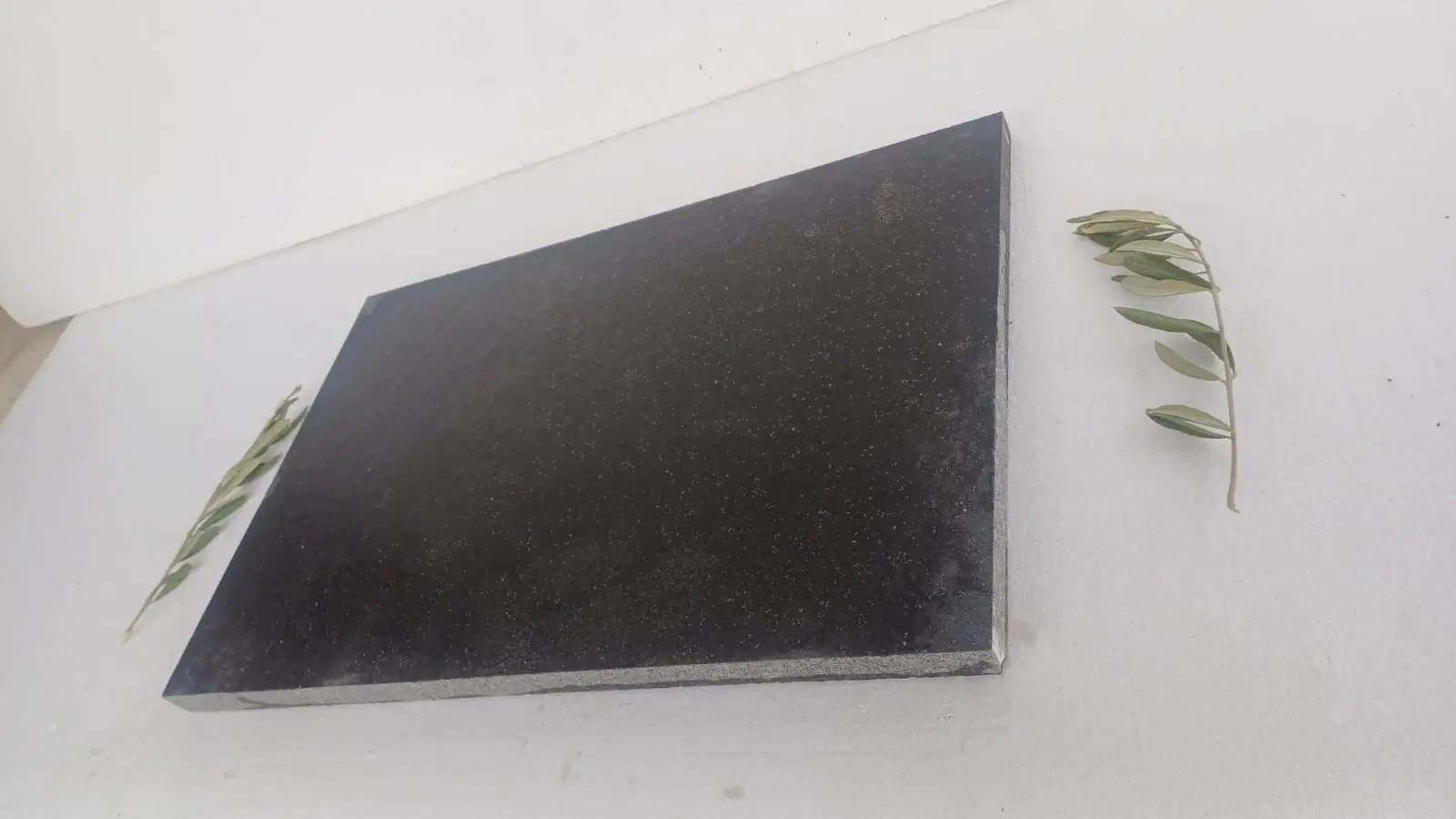
When you specify granite for Scottsdale’s high-end residential and resort applications, you would emphasize premium aesthetics alongside performance requirements. Your selection would likely include Modern Grey & Black Granite Paving Arizona options that complement contemporary desert architecture while providing the thermal performance these clients demand. You’d specify 2-inch thick pavers for vehicular applications in resort entry drives, over-engineering slightly to ensure zero maintenance concerns during the critical first 5 years. The specifications would include polymer-modified setting beds and premium jointing compounds that maintain flexibility across 60°F daily temperature swings without degradation.
Flagstaff Freeze-Thaw Performance
Your Flagstaff specifications would shift focus entirely toward freeze-thaw durability, as this location experiences 120-150 annual freeze-thaw cycles. You’d require granite with absorption rates below 0.25% and verify through documentation that materials meet ASTM C1026 standards for freeze-thaw resistance. Installation methodology would mandate full mortar beds rather than spot-set applications, ensuring complete drainage and preventing water accumulation that causes spalling damage. You should recommend darker granite colors in this climate, as they provide beneficial solar heat gain that accelerates snow and ice melting while creating safer pedestrian surfaces during winter months.
Sedona Aesthetic Integration
For Sedona projects, you would balance granite products Arizona catalog selections with the area’s distinctive red rock landscape and stringent design review requirements. Your recommendations would favor warm-toned granites (browns, tans, rust-tinged varieties) that complement rather than contrast with natural surroundings. Specifications would address both the moderate freeze-thaw exposure this elevation creates and the intense UV radiation that affects all Arizona locations. You’d recommend textured finishes that reference natural stone surfaces, as heavily polished or obviously manufactured appearances often face design review challenges in this community.
Yuma Extreme Conditions
Yuma applications require you to address the most extreme heat conditions in Arizona, with summer temperatures consistently exceeding Phoenix by 3-5°F and substantially higher humidity during monsoon season. Your granite stockists Arizona specifications would mandate the lightest-colored materials available, prioritizing thermal comfort over aesthetic variety. Installation details would include enhanced substrate insulation using reflective underlayments that reduce heat transfer into interior spaces by 25-30%. You should recommend against dark granite products entirely in this environment, as surface temperatures exceeding 180°F create safety hazards and accelerate thermal degradation of setting materials and jointing compounds.
Cost Factors and Budget Planning
When you develop project budgets for granite installations, you need to account for factors beyond simple material cost per square foot. Your complete budget should include material costs, fabrication charges, transportation expenses, installation labor, and substrate preparation requirements. Material costs for granite products Arizona suppliers offer typically range from $8-35 per square foot depending on color rarity, finish specifications, and thickness requirements.
You’ll find that installation labor represents 40-60% of total project cost for granite applications. Complex patterns, small tile formats, or specialty edge details increase labor costs substantially. Your budget planning should account for these variables rather than using simplified per-square-foot estimates that don’t reflect actual project complexity. You can optimize costs by selecting standard tile sizes, minimizing custom fabrication, and specifying installation patterns that reduce cutting waste.
Project Timeline Planning
Your project schedule for granite installations needs to accommodate material procurement lead times, fabrication requirements, and weather-dependent installation windows. Standard granite products Arizona distributors stock locally install within 2-3 weeks from order to completion, while custom colors or specialty fabrication extend timelines to 8-12 weeks. You should add 15-20% schedule contingency for large projects to accommodate material inspection, potential rejection of non-conforming products, and weather delays.
When you coordinate granite installations during Arizona summers, you need to restrict work to early morning hours when temperatures allow proper material setting. This constraint effectively reduces daily production by 40-50% compared to moderate seasons, extending overall project duration. Your schedule should target spring or fall installation windows when possible, reserving summer months only when project deadlines mandate year-round construction.
Final Considerations
Your successful granite specification in Arizona requires you to integrate thermal performance requirements, structural engineering principles, aesthetic objectives, and practical installation realities into comprehensive project documents. You’ve seen how climate variations across the state demand different material selections and installation approaches — what works in Flagstaff fails in Yuma, and Phoenix specifications don’t translate directly to Tucson. You need to approach each project with site-specific analysis rather than template specifications that overlook critical local factors.
When you coordinate with suppliers, fabricators, and installation contractors, you should verify that all parties understand Arizona’s unique demands on granite products. Your project success depends on selecting materials proven in similar applications, detailing installations that accommodate thermal movement, and implementing maintenance programs that preserve long-term performance. For additional technical guidance on material selection standards, review Professional grading standards for natural granite slab selection processes before you finalize your specifications. Parking lot borders incorporate Citadel Stone, the most reliable granite curb suppliers in Arizona.