

Granite driveway pavers cost in Arizona varies far more than most material quotes suggest — and the gap between a rough estimate and your actual project total often comes down to variables that don’t appear on a standard price sheet. Surface finish, paver thickness, and freight distance from the warehouse all move the needle significantly. Before you commit to a material quantity or schedule a contractor, you need a clear picture of how each cost layer builds on the next, because skipping that analysis is how budgets unravel mid-project.
Understanding Granite Paver Cost Components in Arizona
Most homeowners look at the per-square-foot price and stop there. That’s only the starting point — granite driveway pavers cost in Arizona reflects a combination of material grade, finish type, sourcing origin, and the freight leg from distribution point to your project site. Each of those factors compounds on the others.
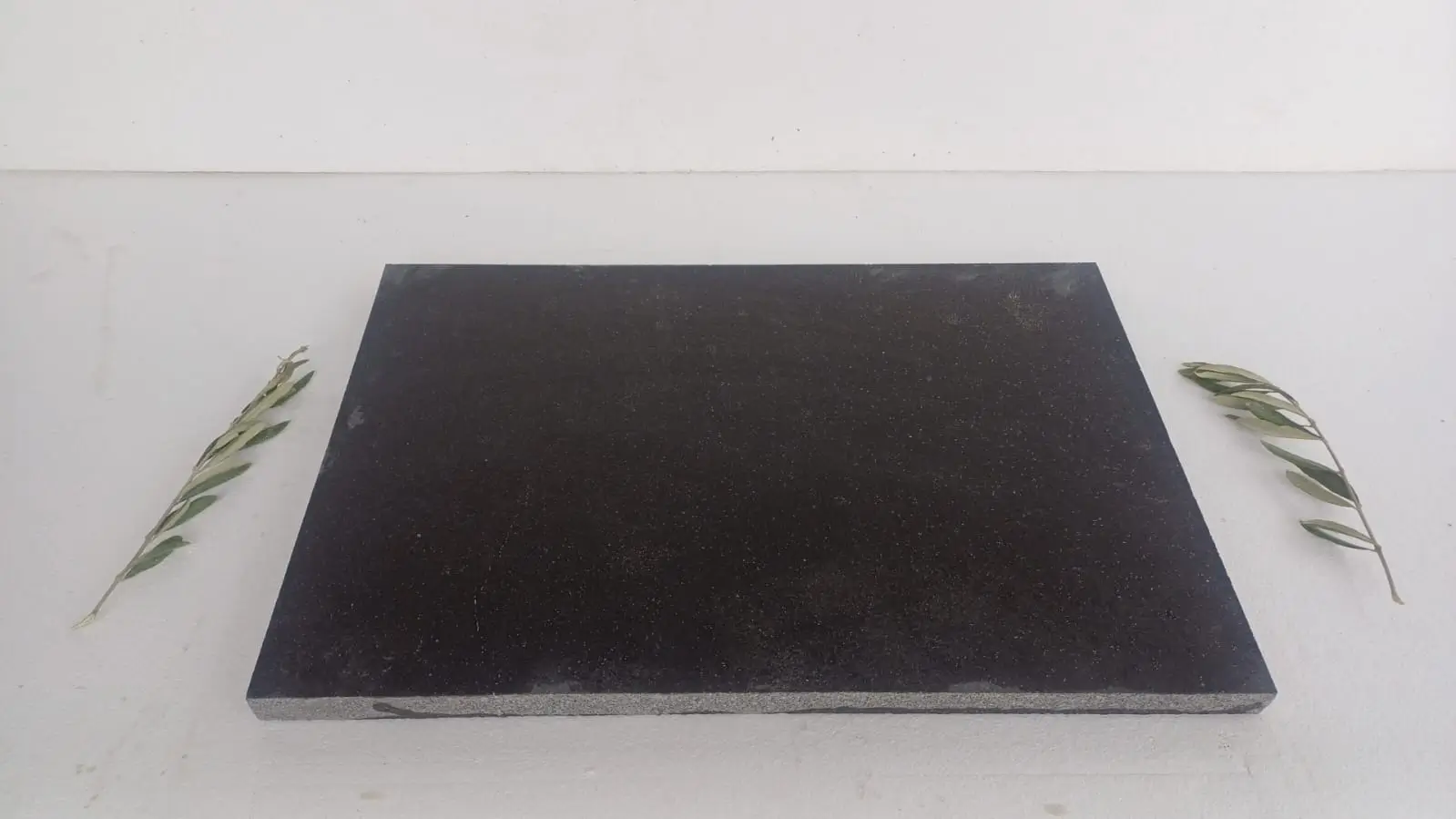
Granite paver pricing in Arizona generally breaks down into four tiers based on stone origin and finish. Domestic quarried granite tends to run between $8 and $14 per square foot for the material alone. Imported Brazilian or Indian granite, which dominates the Arizona market due to variety and availability, typically comes in at $6 to $11 per square foot in standard finishes. Premium finishes — flamed, brushed, or thermal — add $2 to $4 per square foot on top of the base material cost.
- Sawn-cut pavers with a flamed finish offer superior traction and run $10–$15/sq ft for imported material
- Standard tumbled granite sits in the $6–$10/sq ft range and suits residential driveways well
- Cobblestone-style setts in 4×4 or 4×8 formats push toward $12–$16/sq ft due to the cutting labor involved
- Thickness matters — 1.25-inch pavers serve pedestrian areas, but driveway applications typically require 2-inch minimum, adding 15–25% to raw material cost
- Color variation and vein consistency affect price — uniform gray granites are priced lower than multi-tonal or quartzitic varieties
Labor and Installation Costs for Granite Driveways in Arizona
Material cost is only part of your total project expense. Labor for granite driveway installation in Arizona runs between $12 and $22 per square foot depending on site complexity, base conditions, and paver pattern. Standard running bond or stacked patterns sit at the lower end. Herringbone and fan patterns add 20–30% to labor time because of the additional cuts and precision alignment required.
Your base preparation is often the largest hidden cost in a granite driveway project. Arizona’s expansive soils — particularly caliche-heavy profiles common in the Valley — frequently require excavation depths of 8 to 12 inches to reach stable sub-base material. In Yuma, the combination of sandy desert soils and extreme summer heat cycling means compacted aggregate bases need to be deeper and more carefully graded than what general installation guidelines suggest. Skimping on base depth is the single most common cause of driveway paver failure in Arizona.
Expect these labor line items in any realistic quote for a granite driveway paver project:
- Excavation and soil removal: $2–$5 per square foot depending on depth and equipment access
- Compacted aggregate base (class II or equivalent): $3–$6 per square foot for material and compaction
- Bedding sand layer and screeding: $1–$2 per square foot
- Paver setting and pattern work: $8–$14 per square foot
- Joint sand application and compaction: $1–$2 per square foot
- Edge restraint installation: $4–$8 per linear foot of perimeter
Budgeting for Natural Stone Driveways Across Arizona: Total Project Costs
A realistic budgeting framework for natural stone driveways across Arizona puts total installed cost — materials plus labor, base prep, and drainage — between $25 and $50 per square foot for most residential projects. A standard two-car driveway running 600 square feet will realistically land between $15,000 and $30,000 depending on paver selection, site conditions, and contractor pricing in your market. That’s a wide range, but it’s honest.
For projects in Mesa, where residential lots often have longer driveway runs to detached garages or RV access pads, square footage adds up quickly. A 1,000 square foot driveway with a modest herringbone pattern in 2-inch flamed granite would typically fall between $35,000 and $50,000 fully installed. Getting three contractor quotes in the same week — while material and labor costs are stable — gives you a better data set than quotes spread across weeks or months during Arizona’s peak construction season, which runs September through April.
- Small driveways under 400 sq ft: $10,000–$18,000 total installed (higher per-sq-ft overhead costs)
- Standard two-car driveways 500–800 sq ft: $15,000–$35,000 total installed
- Large estate or circular driveways 1,000+ sq ft: $30,000–$65,000+ depending on pattern and stone grade
- Drainage and slope grading add $1,500–$4,000 on sites without existing grade
- Sealer application at project completion adds $1–$2 per square foot to protect the investment
Granite Paver Driveway Pricing Guide: What Controls the Final Number
Your granite paver driveway pricing guide in Arizona needs to account for variables that shift the quote significantly from one project to the next. Access constraints are one of the most underestimated cost factors — narrow side yards, landscaping that limits truck maneuverability, and gates that restrict equipment movement all drive up labor hours and, consequently, labor cost. Contractors price for difficulty, and they should.
Granite’s density — typically 160 to 175 pounds per cubic foot — means truck delivery logistics matter. A 600-square-foot driveway in 2-inch granite weighs roughly 8,000 to 10,000 pounds of pavers alone, before you add base aggregate. Your site needs clear truck access and ideally a drop-off point within 50 feet of the work area. If material has to be hand-carried or wheelbarrowed from the street, expect an additional $1–$3 per square foot in handling costs. At Citadel Stone, we factor delivery conditions into project consultations because a quote that ignores logistics is never accurate.
- Truck access and delivery proximity: add $1–$3/sq ft for difficult access sites
- Slope greater than 2%: drainage engineering and additional compaction add 10–15% to base prep cost
- Demolition of existing concrete or asphalt: $2–$5 per square foot for removal and disposal
- Permitting: some Arizona municipalities require driveway permits, adding $200–$800 to project cost
- Seasonal timing: contractor rates run 10–20% higher during peak season (October–March) when demand spikes
Stone Driveway Material and Labor Costs in AZ: Comparing Granite to Alternatives
Granite’s durability and heat performance make it a strong contender for Arizona driveways, but it’s worth understanding how stone driveway material and labor costs in AZ compare across different natural stone options. Travertine pavers typically cost $8–$13 per square foot for material, but their higher porosity in unsealed form creates staining risks that require more frequent maintenance cycles — typically annual resealing versus every two to three years for dense granite. Limestone runs $6–$10 per square foot but softens under Arizona tire loads over time if you spec anything thinner than 2.5 inches for driveway applications.
Granite’s compressive strength averages between 15,000 and 25,000 PSI depending on mineral composition — that’s why it handles repeated vehicle loads without surface degradation. Travertine tops out around 8,000 PSI in field-grade material, which is adequate for pedestrian areas but marginal for heavy vehicle driveways. From a long-term cost perspective, granite’s lower maintenance demand and longer service life — typically 30 to 50 years with basic care — often makes the higher upfront cost a financially sound decision over a 10-year ownership horizon.
- Granite: $6–$16/sq ft material, highest compressive strength, lowest maintenance frequency
- Travertine: $8–$13/sq ft material, excellent aesthetics, requires annual sealing in driveways
- Limestone: $6–$10/sq ft material, softer surface, best suited to low-traffic applications
- Basalt: $10–$18/sq ft material, extremely dense, excellent heat resistance, limited color range
- Concrete pavers: $4–$8/sq ft material, highest maintenance over 20+ years, fades in Arizona UV
To see the specific granite options that work best for Arizona driveway applications, browse our granite pavers for Arizona driveways — the product range includes thickness options and finish types suited to vehicle load requirements across different site conditions.
Arizona Granite Driveway Total Project Expense: Breaking Down the Full Cost
Understanding your Arizona granite driveway total project expense means accounting for costs that don’t appear until the project starts. Soil testing, when required, adds $300–$600 but can save thousands if it identifies problematic subsoil conditions before excavation begins. Utility locating is mandatory before any excavation in Arizona and adds a day to your project timeline but nothing to your direct cost — it’s a free service through Arizona 811.
In Gilbert, newer residential developments often have HOA restrictions on driveway materials and finishes that require design approval before installation. Budget an extra 2–4 weeks for approval timelines in HOA communities, and confirm that your selected granite color and pattern meet HOA standards before ordering material. Warehouse lead times from regional stone distributors typically run 1–3 weeks for standard granite paver grades, so that planning buffer is worth building into your project schedule from the start.
- Material cost (pavers): 35–50% of total project cost
- Base preparation (excavation, aggregate, compaction): 20–30% of total
- Labor for setting and finishing: 25–35% of total
- Drainage, edging, and sealing: 5–10% of total
- Permits, testing, and contingency: 5–8% of total — never skip this buffer
Selecting Granite Paver Grade and Thickness for Arizona Driveways
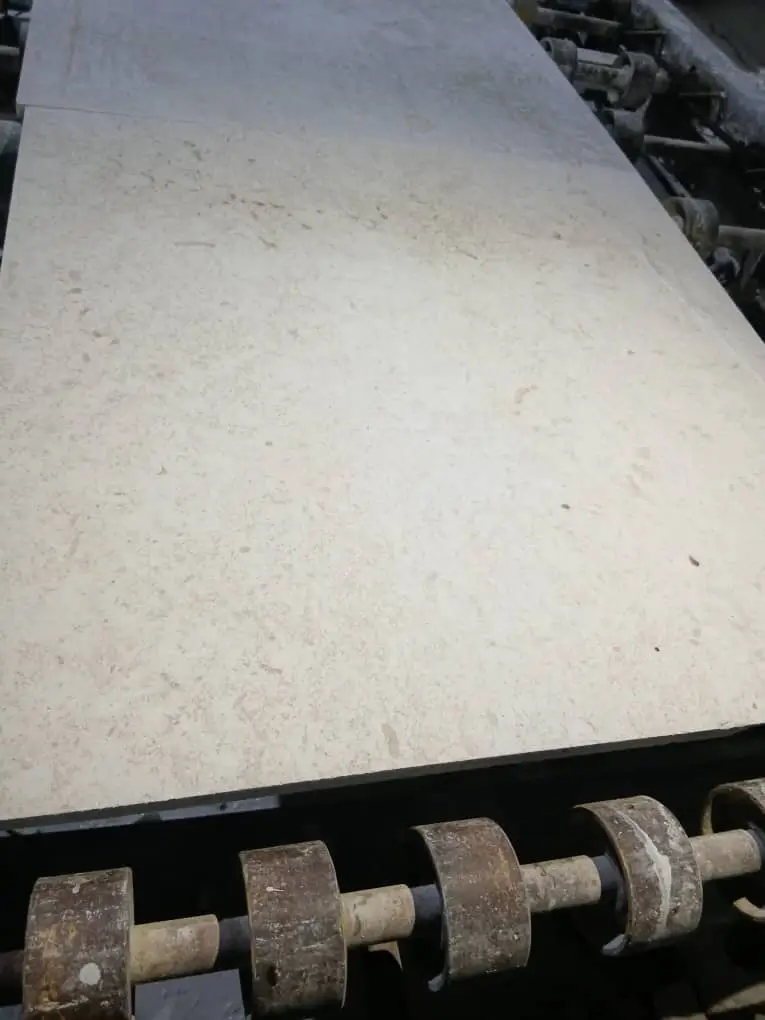
Thickness selection is where granite driveway paver specifications most often go wrong. Many suppliers offer 1-inch or 1.25-inch granite pavers at attractive price points, and they’re appropriate for patios and pedestrian walkways. For driveways in Arizona — where thermal cycling pushes surface temperatures above 150°F in summer, and vehicle weights routinely exceed 5,000 pounds — 2-inch minimum thickness is the defensible specification. Heavy trucks, RVs, or frequent delivery vehicle access should push that to 2.5 inches.
Grade selection relates to surface consistency and structural integrity, not just aesthetics. Commercial-grade granite pavers are sorted for dimensional tolerance within plus or minus 1/16 inch, which matters for joint consistency during installation. Residential-grade material allows slightly wider tolerances that you’ll notice in joint width variation across a large driveway. Neither is necessarily inferior, but mixing grades — which sometimes happens when you’re trying to stretch a material order — creates visible inconsistencies at field joints that are impossible to correct without relaying sections.
- 1.25-inch thickness: suitable for patios and walkways only — not appropriate for vehicle loads
- 2-inch thickness: minimum for standard residential driveways with passenger vehicle traffic
- 2.5-inch thickness: recommended for heavy vehicle access, RV pads, or commercial applications
- Commercial grade (±1/16″ tolerance): tighter joint control, preferred for formal or symmetrical patterns
- Residential grade (±1/8″ tolerance): acceptable for running bond patterns with standard joint width
- Flamed finish increases slip resistance by 35–40% compared to polished — critical for Arizona’s dusty conditions
Sealing and Long-Term Cost Considerations for Granite Driveways
Granite driveway pavers in Arizona don’t require the same sealing frequency as more porous stones, but skipping sealer entirely is a cost decision you’ll pay for later. Arizona’s monsoon season delivers concentrated rainfall that carries caliche dust, tire rubber particulate, and oil residue directly into open stone pores. Penetrating impregnator sealers — not topical film-forming sealers — are the correct product for granite driveways. They don’t create a surface film that peels under UV load, and they repel oil and water from within the pore structure.
A professional sealer application costs $1.50–$3 per square foot for a penetrating impregnator applied in two coats with a dwell time of 20–30 minutes between applications. Granite driveways in Arizona typically need resealing every three to five years depending on traffic volume and monsoon exposure. Over a 20-year ownership window, that’s four to six sealing cycles — add $4,000–$12,000 to your lifetime cost projection for a 1,000 square foot driveway. It’s a real number that belongs in your budgeting framework when evaluating the full Arizona granite driveway total project expense across ownership.
- Penetrating impregnator: $1.50–$3/sq ft professionally applied, 3–5 year service life
- Topical film sealers: avoid on driveways — they peel under Arizona UV within 12–18 months
- Resealing frequency: every 3 years in high-traffic or monsoon-exposed driveways
- DIY sealing: possible but requires proper surface prep and two-coat application for adequate penetration
- Joint sand maintenance: polymeric sand should be inspected annually and refreshed as needed — a small cost that prevents larger structural issues
For a detailed breakdown of ongoing care protocols across different Arizona climate zones, How to Maintain Granite Driveway Pavers in Arizona’s Climate covers the sealing schedules, cleaning methods, and joint maintenance practices that keep granite driveways performing through Arizona’s seasonal extremes.
What Every Arizona Homeowner Should Know Before Budgeting Granite Driveway Pavers
Granite driveway pavers represent a significant upfront investment in Arizona, but the long-term math is more favorable than alternatives when you account for service life, maintenance frequency, and performance under Arizona’s thermal and UV stress. The projects that stay on budget are the ones where every cost layer — material, base prep, labor, drainage, sealing, and contingency — was accounted for before a single paver was ordered.
Material pricing for granite driveway pavers cost in Arizona falls between $6 and $16 per square foot depending on stone origin, finish, and thickness. Total installed costs realistically range from $25 to $50 per square foot for most residential projects. Planning your project during Arizona’s shoulder season — September or April — gives you better contractor availability and sometimes better pricing than the peak October-through-March window. Verify warehouse stock levels before finalizing your project timeline, since lead times on specific colors and thicknesses can vary by two to four weeks depending on import cycles and regional demand.
The specification decisions that protect your budget most are thickness selection, base depth, and finish choice — get those three right and the installation performs the way granite is supposed to perform in Arizona: reliably, with minimal intervention, for decades. Buyers in Scottsdale, Mesa, and Tucson working with Citadel Stone benefit from transparent per-unit pricing on granite driveway pavers, helping project budgets account accurately for both material and site preparation expenses.