
When you evaluate garden wall stone suppliers Arizona options for raised beds and decorative features, you need to understand how material selection impacts both aesthetics and structural longevity in desert environments. Your specification decisions determine whether installations maintain integrity through extreme thermal cycling, UV exposure, and periodic monsoon saturation. This comprehensive guide addresses material performance, installation variables, and supplier evaluation criteria specific to Arizona’s challenging climate conditions.
You’ll encounter thermal expansion coefficients that exceed national averages by 15-20% due to Arizona’s temperature swings. Your raised bed walls experience daily surface temperature fluctuations from 60°F at dawn to 145°F by mid-afternoon during summer months. This thermal stress creates expansion forces that conventional mortar joints can’t accommodate without cracking. When you specify natural stone for garden applications, you’re selecting materials that must perform structurally while enduring conditions most building codes don’t adequately address.
Material Performance in Desert Climates
Your material selection for garden wall stone suppliers Arizona projects must account for porosity interactions with Arizona’s unique moisture patterns. The state receives 85% of annual precipitation during two brief periods — winter storms and summer monsoons. Stone porosity between 4-7% provides optimal performance, allowing absorbed moisture to evaporate quickly while maintaining structural integrity. When you specify materials outside this range, you risk either inadequate drainage or excessive water retention that accelerates freeze-thaw damage in northern Arizona elevations.
You should understand that thermal mass behavior affects garden microclimates in ways that impact plant selection. Stone walls absorb solar radiation throughout the day, then release stored heat for 4-6 hours after sunset. This extends your growing season for heat-sensitive plants positioned on north-facing wall sides, but creates stress zones on south and west exposures. Your landscape design needs to account for these thermal patterns when positioning raised beds and selecting companion plantings.
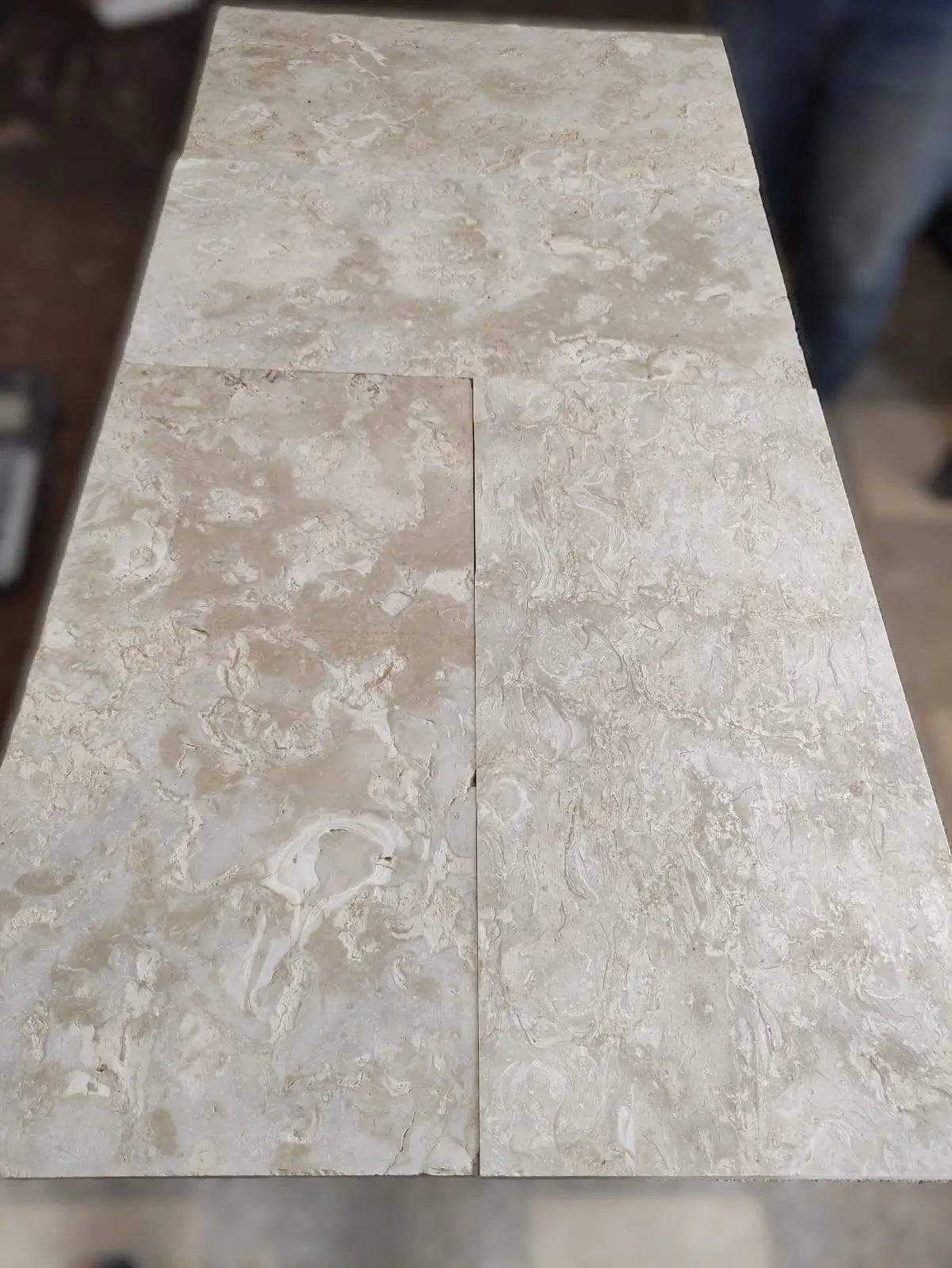
- You need compressive strength exceeding 6,500 PSI for structural garden walls above 24 inches
- Your specification should verify slip resistance ratings above 0.48 DCOF for cap stones
- You’ll want absorption rates below 6% to prevent efflorescence in alkaline soil conditions
- Thermal expansion coefficients should remain below 6.0 × 10⁻⁶ per degree Fahrenheit
Stone Selection for Raised Bed Applications
When you design raised beds using wall stones garden stones garden features, thickness requirements differ substantially from decorative applications. Your structural calculations must account for lateral soil pressure, which increases 40% when beds contain water-saturated soil during monsoon events. Stone thickness below 3 inches creates failure risk for beds exceeding 18 inches in height. Professional installations typically specify 4-6 inch thickness for beds ranging from 24-36 inches tall, with thickness increasing proportionally for taller structures.
You’ll find that irregular stone shapes provide superior interlocking compared to dimensionally consistent units. The random geometries create mechanical keying that distributes lateral forces across multiple contact points. When you specify wall stone suppliers Arizona decorative materials with natural cleft faces, surface texture increases inter-course friction by 25-30% compared to sawn faces. This friction coefficient becomes critical in dry-stacked applications where mortar isn’t used.
Your material sourcing decisions impact long-term color stability in ways that aren’t immediately apparent. Arizona’s intense UV radiation — measuring 20-30% higher than temperate climates — causes photochemical weathering in certain stone types. Limestone and sandstone varieties containing iron compounds develop orange-brown patinas within 3-5 years of installation. If you require color consistency, you should specify stone types with minimal iron content or plan for color evolution in your design intent.
Structural Considerations for Garden Walls
You need to address foundation requirements that differ from conventional hardscape installations. Garden wall stone suppliers Arizona materials rest on bases subjected to soil saturation cycles that create differential settlement. Your foundation specification should include compacted aggregate base depths of 6-8 inches minimum, increasing to 10-12 inches for walls exceeding 30 inches in height. When you encounter native soils with clay content above 25%, base depth must increase by an additional 4 inches to compensate for expansion potential.
Your wall batter — the intentional backward lean — becomes more critical in freestanding garden applications than in mortared retaining walls. You should specify batter ratios between 1:12 and 1:10 for dry-stacked walls, meaning the wall face leans back 1 inch for every 12 inches of height. This backward inclination directs gravity forces into the wall mass rather than creating forward-toppling moments. Professional installations maintain consistent batter through careful stone selection and placement verification at each course.
- You must verify that base excavation extends 12 inches beyond wall footprint on all sides
- Your aggregate base should achieve 95% compaction using vibratory plate compactors
- You’ll need drainage provisions behind walls retaining soil, with 4-inch perforated pipe at base level
- Cap stone overhang should measure 1-2 inches beyond wall face for water shedding
Supplier Evaluation Criteria for Arizona Projects
When you assess stone wall suppliers raised beds providers, inventory consistency determines whether your project maintains aesthetic continuity. Suppliers drawing from multiple quarries or mixing stone lots create color and texture variations that become obvious after installation. You should request samples from the specific inventory lot designated for your project, not generic display samples. Lot-specific sampling reveals the actual variation range you’ll encounter during installation.
You need to verify warehouse stock levels before committing to project timelines. Arizona’s construction seasonality creates demand spikes during October through April, when temperatures permit comfortable outdoor work. During peak periods, specialty stone varieties may require 4-6 week lead times from regional quarries. Your procurement schedule should account for these variables, especially when you’re coordinating multiple trade sequences in complex landscape installations.
Your supplier evaluation should assess their technical support capabilities beyond simple material sales. Knowledgeable suppliers provide guidance on stone selection for specific applications, recommend appropriate setting methods, and troubleshoot installation challenges. When you encounter suppliers who can’t discuss thermal expansion coefficients, drainage requirements, or structural load calculations, you’re dealing with order-takers rather than technical partners. For detailed stone specification options, see Citadel Stone stone walls yard in Tucson for comprehensive material data.
Installation Methodology in Desert Conditions
You’ll discover that installation timing dramatically affects outcomes in Arizona environments. Summer installations when ambient temperatures exceed 105°F create handling challenges and accelerate mortar curing beyond optimal rates. When you schedule installations during extreme heat, you must implement water management protocols including pre-wetting stone surfaces and maintaining mortar hydration through frequent misting. Your installation crews need to adjust mortar mix ratios during hot weather, typically increasing water content by 8-10% while adding retarding admixtures to extend working time.
Your joint treatment decisions impact both aesthetics and performance. Flush joints that terminate at the stone face create clean contemporary appearances but provide minimal weather protection. When you specify recessed joints set back 3/8 to 1/2 inch from the face, you create shadow lines that enhance texture while allowing joint material to shed water away from stone edges. Recessed joints also accommodate minor stone irregularities without requiring extensive stone shaping.
You should understand that dry-stack installations require substantially more skill than mortared construction. Achieving stable structures without mortar depends on precise stone selection for each placement position. Your installation crew must evaluate weight distribution, contact area, and bearing plane alignment for every stone. This selection process increases labor time by 30-40% compared to mortared installations, but eliminates mortar-related maintenance issues including efforescence, joint cracking, and moisture-related spalling.
Thermal Management Strategies
When you design garden features using wall stone suppliers Arizona decorative materials, thermal mass properties create both opportunities and constraints. Stone walls oriented perpendicular to prevailing sun angles absorb maximum solar radiation, reaching surface temperatures that can damage plant tissue through contact or radiant heat. You need to maintain minimum 8-inch clearances between heat-sensitive plants and south or west-facing stone surfaces. Alternatively, your design can incorporate shade structures that prevent direct afternoon sun exposure on wall faces.
You’ll want to consider how stone color affects thermal absorption and re-radiation patterns. Light-colored stones reflect 45-55% of incident solar radiation, while dark gray and black varieties reflect only 15-25%. This absorption difference translates to surface temperature variations of 25-35°F during peak solar exposure. When you select darker stones for aesthetic purposes, you must account for elevated heat islands in your plant selection and irrigation design.
- You should specify light-colored cap stones to reduce top-of-wall temperatures by 20-30 degrees
- Your irrigation design needs adjustment near stone walls, increasing water application by 15-20%
- You’ll need to position temperature-sensitive plants on north or east wall faces
- Thermal mass benefits extend growing seasons by 2-3 weeks in spring and fall
Drainage Integration Requirements
Your garden wall installations must address drainage more aggressively than structures in regions with consistent precipitation. Arizona’s monsoon pattern delivers high-intensity rainfall that can deposit 1-2 inches in 30-minute periods. When you design raised beds, you need internal drainage systems that evacuate water before hydrostatic pressure builds against wall faces. This requires 6-8 inch drainage zones filled with 3/4-inch clean rock behind walls, connected to perforated collection pipes that daylight away from the structure.
You should recognize that capillary action pulls moisture from saturated soil into stone pores, where evaporation deposits dissolved minerals as efflorescence. When you install impermeable barriers between soil and stone, you prevent this moisture migration. Your specification should include 6-mil polyethylene sheeting or elastomeric waterproofing membranes on the soil-facing side of walls retaining earth. These barriers also prevent root penetration into wall joints, which creates displacement forces as roots expand.
Cost Factors and Budget Planning
When you develop budgets for garden wall stone suppliers Arizona projects, material costs represent only 40-50% of total installed expense. Your budget must account for site preparation including excavation, base aggregate placement, and compaction — typically running $8-12 per square foot of wall face area. Stone material costs range from $15-35 per square foot depending on variety, with premium architectural grades and specialty colors commanding upper range pricing.
You’ll find that dry-stack labor costs exceed mortared installations by 25-35% due to increased stone selection time and precise fitting requirements. However, your lifecycle cost analysis should factor in maintenance differentials. Mortared walls in Arizona’s thermal cycling environment require joint repair every 8-12 years, while properly constructed dry-stack walls need minimal maintenance beyond occasional re-leveling of shifted stones. Your 20-year cost projection often favors dry-stack construction despite higher initial expense.
Your project scope should include allowances for stone waste, which varies dramatically based on installation method. Dry-stack construction generates 8-12% waste from stones that don’t fit available positions. Mortared installations reduce waste to 5-7% since mortar joints accommodate minor size variations. When you order materials, you need to account for these waste factors plus an additional 3-5% contingency for breakage during handling and transportation.
Maintenance Requirements and Longevity
You should establish maintenance protocols that address Arizona-specific degradation mechanisms. Alkali salts present in desert soils migrate into stone through capillary action, then crystallize as efflorescence when moisture evaporates at the surface. When you encounter this white residue, dry brushing removes surface deposits without introducing additional moisture. Your maintenance schedule should include semi-annual inspection and cleaning, typically performed after monsoon season ends in September and again in early spring.
Your long-term performance depends on managing vegetation contact with stone surfaces. Root systems seeking moisture penetrate joints and create displacement forces that shift individual stones. You need to maintain 4-6 inch clearance between plantings and wall faces, using mulch or decorative gravel to define separation zones. When you select companion plants, you should favor shallow-rooted species that won’t penetrate deep enough to affect wall foundations.
- You must remove efflorescence within 60 days of appearance to prevent permanent staining
- Your irrigation system should direct water away from wall faces to minimize saturation cycles
- You’ll need to trim vegetation before branches contact stone surfaces and trap moisture
- Annual inspection should verify that individual stones haven’t shifted from original positions
Citadel Stone — Garden Wall Stone Suppliers in Arizona Specification Guidance
When you evaluate Citadel Stone’s garden wall stone suppliers Arizona materials for your project, you’re considering products engineered for extreme desert performance. At Citadel Stone, we provide technical specification guidance for diverse Arizona applications, from low-elevation desert installations to high-country settings with freeze-thaw exposure. This section outlines how you would approach material selection for six representative cities across the state’s varied climate zones.
You should recognize that Arizona encompasses climate zones ranging from low desert (USDA Zone 9-10) to high plateau (Zone 5-6), requiring different performance specifications. Your material selection process needs to account for elevation-driven temperature ranges, precipitation patterns, and soil chemistry variations. The following city-specific discussions demonstrate how you would adjust specifications based on local conditions.
Phoenix Installation Considerations
In Phoenix, you would specify materials that withstand 120+ degree surface temperatures during June through August. Your selection criteria should prioritize light-colored stones with thermal expansion coefficients below 5.8 × 10⁻⁶ to minimize joint stress. You’ll encounter alkaline soils with pH levels of 7.8-8.4, requiring stone varieties resistant to alkali-silica reactions. When you design raised beds for vegetable production, thermal mass from stone walls extends growing seasons but requires shade cloth protection for summer crops. Your installation timeline should avoid July and August when surface handling conditions become hazardous for crews working with heat-absorbing materials.
Tucson Climate Factors
You would account for Tucson’s slightly higher elevation and increased precipitation compared to Phoenix. At 2,400 feet elevation, you’ll experience broader diurnal temperature swings creating more aggressive thermal cycling. Your stone specification should verify absorption rates below 5.5% to handle monsoon moisture without saturation-related spalling. When you position garden walls, you should consider that Tucson receives 12 inches of annual precipitation concentrated in July-September, requiring robust drainage design. At Citadel Stone, we maintain warehouse inventory suited to Tucson’s intermediate climate conditions between low desert and high plateau environments.
Scottsdale Design Parameters
In Scottsdale installations, you would address upscale aesthetic expectations alongside performance requirements. Your material selection typically emphasizes architectural-grade stone with consistent color and minimal natural variation. You’ll encounter design preferences for contemporary clean-lined walls with flush joints and precision-cut cap stones. When you specify materials for Scottsdale’s luxury landscape market, you should recommend stones that maintain color stability under intense UV exposure. Your installation methodology would likely incorporate mortar joints for the refined appearance clients expect, requiring enhanced drainage provisions to prevent eflorescence in alkaline soil conditions common throughout the area.
Flagstaff Requirements
You would dramatically alter specifications for Flagstaff’s 7,000-foot elevation and USDA Zone 5 climate. Your material selection must prioritize freeze-thaw resistance, requiring absorption rates below 3% and verified ASTM C666 testing results. When you design garden walls for Flagstaff, you’ll need to account for 100+ annual freeze-thaw cycles and snow loading on cap stones. Your base preparation should extend below 24-inch frost depth to prevent heave-related displacement. At Citadel Stone, we would recommend dense, low-porosity stone varieties for this application, substantially different from materials appropriate for low-desert installations.
Sedona Aesthetic Integration
In Sedona, you would prioritize material colors that complement or contrast with the area’s distinctive red rock formations. Your design approach needs to consider whether clients prefer blending with natural surroundings using warm earth tones, or creating intentional contrast with gray or buff-colored stone. You’ll work in moderate elevation conditions at 4,500 feet, requiring specifications between Phoenix and Flagstaff parameters. When you source materials for Sedona projects, you should account for limited truck access on narrow canyon roads and restricted delivery windows in tourist-heavy areas. Your installation planning must address site access constraints that affect material delivery logistics and equipment positioning.
Mesa Project Planning
You would approach Mesa installations similarly to Phoenix, with attention to the area’s expanding residential development and value-oriented market expectations. Your specification should balance performance requirements with cost constraints typical of production housing and mid-range custom builds. When you design raised bed gardens for Mesa’s family-oriented demographics, you’ll likely emphasize functional durability over premium aesthetics. You should specify stone thicknesses and base preparations that ensure 20-year performance without expensive architectural-grade materials. Your material selection would focus on regionally available stone varieties that offer optimal value while meeting structural and thermal performance requirements for low-desert conditions.
Common Specification Mistakes to Avoid
When you write specifications for garden wall stone suppliers Arizona projects, inadequate foundation details represent the most frequent failure point. Generic specifications calling for “compacted base” without defining aggregate gradation, compaction percentage, or depth create ambiguous requirements that lead to inadequate preparation. You need to specify 3/4-inch minus crushed aggregate compacted to 95% modified Proctor density, with depths appropriate for wall height and soil conditions. Your specifications should include verification testing requirements to ensure contractors meet these standards.
You’ll encounter problems when specifications fail to address thermal expansion joints in long wall runs. Continuous walls exceeding 20 feet in length require expansion provisions every 15-18 feet to accommodate thermal movement. When you omit these details, contractors build without breaks, leading to mid-wall cracking or joint failure. Your specifications should explicitly call out expansion joint locations, materials, and installation methods including backer rod and elastomeric sealant appropriate for the expected movement range.
Your material specifications must address actual performance criteria rather than generic descriptions. Specifications calling for “natural stone suitable for garden walls” provide no meaningful guidance for material selection. You should specify compressive strength minimums, absorption maximums, freeze-thaw resistance requirements, and dimensional tolerance ranges. These measurable criteria create enforceable standards that ensure delivered materials meet project requirements regardless of stone variety or source quarry.
Regional Stone Varieties and Characteristics
When you evaluate garden wall stone suppliers Arizona inventory, you’ll encounter regional varieties with distinct performance characteristics. Flagstone quarried from Arizona sources typically exhibits sedimentary layering that creates natural cleft surfaces ideal for dry-stack construction. These materials split along bedding planes into irregular shapes 1.5-4 inches thick, perfect for building walls with organic character. You should verify that regional flagstone meets minimum 6,000 PSI compressive strength when tested perpendicular to bedding planes.
You’ll find that imported limestone varieties offer different aesthetic and performance profiles than local materials. Texas limestone provides consistent buff and cream colors with smooth textures, suitable for formal garden designs requiring refined appearances. When you specify imported materials, you need to factor additional cost for transportation, typically adding $4-8 per square foot compared to regional stone. Your budget decisions should weigh aesthetic preferences against cost differentials and verify that imported stone meets Arizona-specific performance requirements.
Your material selection should consider how stone density affects both structural performance and installation handling. Dense granite and basalt varieties offer superior compressive strength exceeding 15,000 PSI but require mechanical equipment for positioning stones above 50 pounds. When you select these materials for walls above 36 inches, you need to ensure installation crews have appropriate lifting equipment. Lower-density sandstone and limestone varieties in the 140-160 lb/cubic foot range allow hand-setting by two-person crews, reducing equipment costs but requiring verification of adequate compressive strength for intended applications.
Project Planning and Timeline Considerations
You should structure garden wall projects around Arizona’s construction seasonality to optimize installation conditions and material availability. October through April represents prime installation season when temperatures range between 60-85°F, providing comfortable working conditions and optimal mortar curing rates. When you schedule installations during this period, you’ll compete with peak construction demand, requiring advanced material ordering to ensure warehouse stock availability. Your project timeline should include 3-4 week lead times for specialty stone varieties during peak season.
Your permitting requirements vary significantly between jurisdictions and depend on wall height and location. Most Arizona municipalities require permits for freestanding walls exceeding 36 inches in height or any wall located within setback zones. You need to verify local requirements during early planning phases, as permit approval can require 2-4 weeks in busy jurisdictions. When you design walls near property lines, setback requirements typically mandate minimum 3-foot clearances from boundary lines, increasing to 5 feet in some residential zones.
- You should initiate material selection and ordering 6-8 weeks before planned installation dates
- Your site preparation can typically be completed 1-2 weeks before stone delivery
- You’ll need to coordinate truck deliveries with contractors to ensure immediate unloading capacity
- Installation duration averages 1.5-2 days per 10 linear feet of wall for 24-30 inch heights
Professional Collaboration and Technical Support
When you undertake complex garden wall projects, collaboration between landscape architects, structural engineers, and experienced stone suppliers produces optimal outcomes. Your design intent may require engineering verification for walls exceeding 36 inches in height, particularly when retaining soil or positioned in areas accessible to public traffic. You should engage licensed professionals early in the design process to ensure aesthetic goals align with structural requirements and building code compliance.
You’ll benefit from suppliers who provide technical consultation beyond simple material sales. Knowledgeable suppliers can recommend specific stone varieties for unique application requirements, suggest installation methodology improvements, and troubleshoot field challenges that arise during construction. At Citadel Stone, our technical team provides specification guidance and material performance data to support your project planning and contractor coordination efforts. When you establish relationships with technically competent suppliers, you gain resources that extend beyond individual projects to support your ongoing professional practice.
Final Considerations
Your success with garden wall projects in Arizona depends on understanding the complex interaction between material properties, climate stressors, and installation methodology. You need to approach specification as a comprehensive process that addresses foundation design, material performance criteria, thermal management, drainage integration, and long-term maintenance requirements. When you work with experienced garden wall stone suppliers Arizona providers who understand these variables, you’re positioning projects for decades of successful performance rather than premature failure requiring costly reconstruction.
You should recognize that garden walls represent long-term investments in property value and outdoor living quality. Your specification decisions made during planning phases determine whether installations deliver on aesthetic expectations while providing structural reliability through Arizona’s challenging environmental conditions. For guidance on related applications and material options, review Natural stone materials for residential privacy and garden walls before finalizing your project approach. Citadel Stone’s irregular shapes serve organic garden wall stone suppliers in Arizona natural designs.