
When you specify flagstone for Arizona installations, understanding Flagstone water absorption rate testing Arizona becomes critical to long-term performance. You’re not just selecting aesthetic appeal—you’re making decisions that affect structural integrity, freeze-thaw durability in northern regions, and surface safety across temperature extremes. Your specification process needs to account for how porosity influences moisture retention, efflorescence potential, and thermal cycling resistance in desert environments.
Flagstone water absorption rate testing Arizona reveals performance characteristics that laboratory data alone can’t predict. You’ll encounter field conditions where afternoon monsoons saturate surfaces that reach 160°F hours earlier, creating thermal shock scenarios that stress material beyond standard test parameters. Your project’s success depends on understanding how flagstone porosity testing translates to real-world moisture behavior when summer cloudbursts deliver 0.5 inches of rain in 15 minutes onto superheated stone.
Absorption Rate Fundamentals You Need to Understand
Flagstone water absorption rate testing Arizona measures the percentage of water a stone sample absorbs relative to its dry weight. You calculate this by weighing dry samples, submerging them for 48 hours, then measuring weight gain after surface water removal. The result tells you how interconnected pore structures behave under saturation conditions—critical data for specifying materials in climates with extreme diurnal temperature swings.
Your specification should recognize that absorption rates between 0.4% and 3.5% indicate dense, low-porosity flagstone suitable for freeze-thaw environments like Flagstaff. When you encounter rates above 6%, you’re looking at materials that require additional consideration for moisture-related performance issues. Here’s what absorption percentages mean for your project:
- You should expect rates below 2% for premium commercial installations requiring maximum durability
- Your residential applications can accommodate 2-4% absorption with proper installation protocols
- You’ll need enhanced drainage design when absorption exceeds 4.5% to prevent subsurface saturation
- Materials exceeding 7% absorption require regional climate matching and may not suit northern Arizona installations
Flagstone moisture resistance depends on pore size distribution, not just total porosity. You might encounter two samples with identical 3% absorption rates that perform differently because one has many small pores while the other has fewer large pores. The interconnectivity of these pores determines how quickly water infiltrates and how completely it drains—factors that affect freeze-thaw performance and efflorescence potential in ways that simple absorption percentages don’t reveal.
Testing Protocols and Field Application Standards
Flagstone water absorption rate testing Arizona follows ASTM C97 protocols, but you need to understand how laboratory conditions differ from field performance. Standard testing uses 48-hour immersion at 73°F—conditions that never occur in your Arizona installations. When you’re specifying for Phoenix projects where surface temperatures reach 165°F followed by monsoon saturation, the absorption dynamics change substantially.
You should request testing that simulates actual exposure conditions. Temperature-cycled absorption testing heats samples to 150°F, then immerses them in 85°F water—closer to what happens during July monsoons. This reveals thermal shock vulnerabilities and identifies materials where rapid temperature change creates microcracking that increases long-term absorption rates beyond initial laboratory results.
Your verification process needs to include these testing considerations:
- You must ensure samples come from the actual quarry lot designated for your project
- Testing should include minimum six samples to account for natural variation within stone batches
- You’ll want to specify testing orientation that matches installation position for accurate absorption patterns
- Your specifications should require both oven-dry and saturated surface-dry weight measurements for precision
Flagstone permeability rates measure how quickly water moves through stone thickness—different from total absorption capacity. You need both metrics because high absorption with slow permeability means prolonged saturation periods that increase freeze-thaw risk. When you evaluate architectural flagstone building materials, you’re balancing absorption capacity against permeability speed to optimize drainage performance.
Porosity Testing and Moisture Interaction Mechanics
Flagstone porosity testing examines pore structure characteristics that control moisture behavior beyond simple absorption percentages. You’re analyzing pore throat diameter, interconnectivity patterns, and distribution uniformity—factors that determine whether absorbed moisture drains freely or remains trapped within the stone matrix. This becomes critical when you specify materials for applications with repeated wet-dry cycling.
When you examine flagstone water absorption rate testing Arizona results alongside porosity data, you’ll notice that total pore volume doesn’t predict performance as accurately as pore size distribution. Materials with 8% porosity concentrated in pores smaller than 0.5 microns often outperform stone with 5% porosity in larger, interconnected chambers because capillary forces retain moisture differently.
Your specification approach should address these porosity factors:
- You need to verify that pore throat diameters exceed 1.0 microns for adequate drainage in wet climates
- Materials with bimodal pore distribution provide better freeze-thaw resistance than uniform pore structures
- You should confirm that surface porosity matches interior porosity to prevent delamination issues
- Your wet-set installations require porosity analysis of both stone and mortar to prevent differential absorption problems
Flagstone moisture resistance in Arizona installations depends on understanding how solar heating affects absorbed water. You’ll encounter situations where surface moisture evaporates within 20 minutes of sunset saturation, creating vapor pressure within pore structures. When temperature drops from 145°F to 95°F in 90 minutes—common during monsoon events—this vapor pressure can stress materials with low permeability, even if total absorption remains within acceptable ranges.
Regional Climate Impact on Absorption Performance
Arizona’s climate diversity requires you to adjust flagstone water absorption rate testing Arizona interpretation based on installation location. Your Yuma project at 200 feet elevation with 3.5 inches annual rainfall faces completely different moisture challenges than your Flagstaff installation at 7,000 feet with 22 inches annual precipitation and 100+ freeze-thaw cycles yearly.
You need to recognize that absorption rates acceptable for southern Arizona become problematic in northern regions. Materials performing excellently in Phoenix with 0.2% absorption show premature degradation in Flagstaff when absorption exceeds 3.8%. The difference isn’t just freeze-thaw exposure—it’s the combination of moisture retention duration, freezing frequency, and thermal cycling intensity that northern climates impose.
When you evaluate flagstone water penetration characteristics, consider these regional factors:
- Southern Arizona installations below 2,000 feet can accommodate higher absorption rates due to minimal freeze risk
- You should restrict absorption to below 3% for installations above 5,000 feet elevation
- Transition zone projects between 3,000-5,000 feet require case-by-case evaluation based on microclimate exposure
- Your north-facing installations need more conservative absorption limits regardless of elevation due to reduced solar drying
Flagstone porosity testing results must be contextualized within your specific project’s moisture exposure patterns. You might specify 4.5% absorption flagstone for a covered Phoenix patio where rain exposure occurs 12 days annually, while requiring 2.2% absorption for an exposed Sedona plaza receiving 58 annual precipitation days plus snowmelt exposure.
Moisture-Related Degradation Mechanisms
Understanding how flagstone water absorption rate testing Arizona predicts degradation patterns helps you prevent common failure modes. You’re not just preventing catastrophic spalling—you’re managing progressive deterioration that affects appearance, slip resistance, and structural integrity over 15-25 year service life expectations.
Efflorescence represents the most visible moisture-related issue you’ll encounter. When you install flagstone with absorption rates above 4%, water penetrating the stone dissolves soluble salts from both the material and underlying mortar or base. As this moisture evaporates through the surface, it deposits these salts as white crystalline residue that mars appearance and requires remediation.
Your project faces these moisture degradation risks:
- You’ll see freeze-thaw spalling in northern Arizona when absorption exceeds 3.5% and saturation occurs before freezing events
- Delamination occurs when surface layers absorb moisture differently than core material during thermal cycling
- You should anticipate biological growth in high-absorption materials installed in shaded, irrigated areas
- Color shifting happens when prolonged moisture exposure alters mineral oxidation states in porous stone
Flagstone moisture resistance testing helps you predict these issues before installation. You can accelerate aging by subjecting samples to 50 freeze-thaw cycles after saturation, measuring compressive strength loss and surface deterioration. Materials losing more than 8% strength or showing visible surface degradation won’t meet long-term performance expectations in demanding climates.
Installation Methods That Affect Absorption Behavior
Your installation approach directly influences how flagstone water absorption rate testing Arizona results translate to field performance. Wet-set installations create different moisture dynamics than dry-laid applications, and you need to account for these variations when interpreting laboratory absorption data.
When you install flagstone in mortar beds, the mortar’s absorption rate interacts with stone porosity to create composite moisture behavior. You’ll encounter situations where 2.5% absorption flagstone installed over 8% absorption mortar develops efflorescence because moisture migrates from mortar through stone, carrying dissolved salts to the surface. Your specification needs to ensure mortar absorption rates remain below stone absorption to prevent this upward moisture migration.
Dry-laid installations present different challenges that flagstone permeability rates help predict:
- You need adequate base permeability exceeding stone permeability by 3-5x to prevent subsurface saturation
- Your joint sand selection should provide permeability matching or exceeding flagstone drainage rates
- You’ll want to verify that base aggregate allows minimum 12 inches per hour infiltration to handle monsoon intensities
- Edge restraint systems must include drainage provisions to prevent hydrostatic pressure against low-permeability stone
Flagstone water penetration during installation affects initial performance in ways testing doesn’t always predict. You might install during humid monsoon season when flagstone arrives at 1.2% moisture content instead of the 0.1% dry condition used in absorption testing. This pre-existing moisture affects initial drainage behavior and can contribute to early efflorescence if installation proceeds without adequate drying time.
Developing Absorption-Based Specification Criteria
When you write specifications incorporating flagstone water absorption rate testing Arizona requirements, you’re translating performance needs into measurable criteria that suppliers and contractors can verify. Your specification language needs precision that eliminates ambiguity while remaining achievable within market availability constraints.
You should structure absorption specifications with tiered requirements based on application severity. Commercial plaza installations with 20-year design life require more stringent absorption limits than residential patio projects designed for 12-year service. Your specification might require maximum 1.8% absorption for critical applications while allowing 4.2% for protected residential uses.
Effective specifications include these elements:
- You must reference specific test methods like ASTM C97 to ensure consistent testing protocols
- Your acceptance criteria should specify both maximum absorption percentage and minimum sample quantity for statistical validity
- You’ll need to address sample selection procedures to ensure testing represents actual supplied material
- Specifications should include compliance verification timing relative to material delivery and warehouse staging
Flagstone porosity testing requirements complement absorption specifications by addressing pore structure characteristics. You might specify maximum 6% total porosity with additional requirements that no individual pore chamber exceeds 2mm diameter—criteria that prevent localized weakness zones that contribute to spalling even when overall absorption remains acceptable.
Common Testing Interpretation Challenges
Flagstone water absorption rate testing Arizona generates data that requires careful interpretation to avoid specification errors. You’ll encounter testing results that seem contradictory or samples that meet absorption criteria but fail in service—situations that reveal the limitations of relying solely on single-metric testing.
Natural stone variability means you can’t assume uniform absorption across entire material lots. You might receive testing showing 2.4% absorption from quarry samples while actual delivered material ranges from 1.8% to 3.9% due to geological variation within the deposit. Your specification needs to address this variability by requiring batch testing rather than accepting single-sample quarry certifications.
These testing interpretation issues require your attention:
- You should recognize that surface finish affects absorption measurements by 15-30% compared to natural cleft surfaces
- Sample thickness influences results because thin samples reach equilibrium saturation faster than thick slabs used in actual installations
- You’ll need to account for seasonal quarrying variations that affect natural moisture content and testing baseline conditions
- Your testing frequency should increase when switching between quarry zones or when visual characteristics of delivered material change
Flagstone moisture resistance testing conducted at different laboratories sometimes produces varying results for identical materials. You might see 2.8% absorption from one laboratory and 3.4% from another due to differences in oven-drying duration, saturation methodology, or surface water removal techniques. When you encounter discrepancies exceeding 0.5%, you should require retesting using referee laboratory procedures with witnessed sampling.
Using Absorption Data to Predict Long-Term Performance
Flagstone water absorption rate testing Arizona provides baseline data you can use to model long-term performance when combined with climate exposure information and installation parameters. You’re developing predictive tools that estimate service life, maintenance requirements, and degradation timelines specific to your project conditions.
When you analyze absorption data alongside freeze-thaw exposure frequency, you can calculate expected durability using critical saturation degree formulas. Materials with 3.2% absorption in climates averaging 45 freeze-thaw cycles annually reach critical saturation (the point where absorbed moisture exceeds the threshold for freeze damage) approximately 18% of the time when exposure allows 24-hour saturation periods before freezing events.
Your performance modeling should incorporate:
- You need to calculate drainage time based on permeability rates to determine how quickly absorbed moisture evacuates
- Climate data showing precipitation frequency, intensity, and timing relative to freezing temperatures refines freeze-thaw risk assessment
- You should model thermal cycling effects on progressive microcracking that increases absorption over time
- Your maintenance interval predictions depend on understanding how absorption affects cleaning chemical retention and biological growth potential
Flagstone water penetration modeling helps you predict when absorbed moisture reaches critical depths that affect structural performance. Surface absorption occurring in the top 3mm doesn’t threaten integrity the same way that moisture penetrating 15mm depth does, especially during rapid freeze events. You can use permeability data to calculate penetration depth for specific rainfall intensities and durations.
Best Flagstone Building Supplies Arizona — Citadel Stone Climate Specifications
When you evaluate flagstone options for Arizona projects, Citadel Stone’s best flagstone building supplies Arizona portfolio addresses the state’s diverse climate challenges through material selection matched to regional conditions. At Citadel Stone, we provide technical guidance for hypothetical applications across Arizona’s elevation and precipitation zones. This section outlines how you would approach flagstone water absorption rate testing Arizona requirements for six representative cities.
Your specification decisions need to account for Arizona’s 10,000-foot elevation range and precipitation variation from 3 to 30 inches annually. You’ll encounter projects where northern freeze-thaw cycles demand low-absorption materials while southern heat island effects require thermal mass optimization. The material characteristics you prioritize in Yuma differ substantially from what you specify in Flagstaff, even though both projects might use architecturally similar flagstone.
Phoenix Heat Specifications
In Phoenix applications, you would prioritize flagstone water absorption rate testing Arizona that confirms thermal cycling resistance over freeze-thaw performance. Your typical specification allows 2.5-4.5% absorption because freeze risk remains negligible, but you need materials that withstand 140°F surface temperatures followed by 40°F monsoon-driven cooling in 90-minute periods. You should verify that flagstone porosity testing demonstrates pore structures that release absorbed moisture quickly during intense solar exposure to prevent vapor pressure buildup. Your installations benefit from materials with absorption rates around 3.2% that provide thermal mass benefits while maintaining adequate drainage during July-August monsoon intensity averaging 1.2 inches per storm event.
Tucson Moisture Dynamics
Your Tucson projects encounter bimodal precipitation patterns requiring flagstone moisture resistance suitable for both summer monsoons and winter storms. You would specify absorption rates between 2.8-4.0% that balance moisture handling during 2.5-inch summer storm events with winter precipitation that occurs at lower temperatures and evaporates more slowly. Flagstone permeability rates become critical here because winter moisture can remain in pore structures for 48-72 hours when daily highs stay below 65°F. You need to account for Tucson’s urban core heat island effects that create 12-15°F temperature differentials from surrounding desert areas, affecting moisture evaporation rates and surface drying times in ways that influence material selection.
Scottsdale Commercial Standards
When you specify flagstone for Scottsdale’s high-end commercial and residential applications, you would establish more conservative absorption criteria reflecting premium durability expectations. Your typical specification limits absorption to 1.8-3.2% for projects where 25-year service life without significant maintenance represents standard expectations. You should incorporate flagstone water absorption rate testing Arizona that verifies consistent low absorption across material batches because Scottsdale installations often feature large-format slabs where absorption variability becomes visually apparent through differential moisture staining during precipitation events. Your specification approach accounts for extensive landscape irrigation systems that create localized humidity and periodic moisture exposure beyond natural precipitation patterns.
Flagstaff Freeze-Thaw Requirements
Your Flagstaff specifications require the most stringent flagstone water absorption rate testing Arizona criteria due to 110+ annual freeze-thaw cycles and precipitation reaching 22 inches with significant snow accumulation. You would limit absorption to maximum 2.5% and require documented freeze-thaw testing showing less than 5% strength loss after 100 cycles. Flagstone water penetration becomes critical because materials must drain completely between freeze events—you need permeability rates allowing full drainage within 18 hours to prevent critical saturation. You should specify materials with proven performance in similar climates rather than relying solely on absorption testing, because Flagstaff’s 7,000-foot elevation creates freeze conditions that occur while absorbed moisture hasn’t fully evaporated, stressing materials beyond standard laboratory predictions.
Sedona Aesthetic Balance
In Sedona applications, you would balance flagstone moisture resistance with aesthetic requirements that favor materials complementing red rock surroundings. Your absorption specifications typically allow 2.5-3.8% while requiring color stability testing that verifies moisture exposure doesn’t alter appearance or create efflorescence that contrasts with surrounding natural stone. You need to account for Sedona’s transition zone climate with 40-60 freeze-thaw cycles annually—more than Phoenix but substantially less than Flagstaff. Your specifications should address tourist-area installations where appearance maintenance takes priority and you’ll want materials that don’t show moisture staining during the 58 annual precipitation days when appearance matters most for commercial visibility.
Yuma Extreme Heat Protocols
When you specify for Yuma’s extreme heat and minimal precipitation environment, flagstone water absorption rate testing Arizona becomes less critical than thermal shock resistance and long-term UV stability. You could accommodate absorption rates up to 5.5% because the combination of 3-inch annual rainfall and intense solar exposure means materials rarely approach saturation levels that threaten performance. Your specification priorities shift toward flagstone porosity testing that confirms pore structures won’t trap the minimal absorbed moisture in ways that concentrate salts and create localized degradation. You should account for Yuma’s agricultural surroundings that create higher localized humidity than precipitation data suggests, plus irrigation overspray in landscape applications that subjects flagstone to moisture exposure beyond natural patterns. Your material selection emphasizes thermal cycling resistance because 115°F+ temperatures occurring 120+ days annually combined with nighttime lows create daily thermal stress exceeding most other Arizona locations.
Comparative Analysis Across Flagstone Types
Different flagstone varieties exhibit distinct absorption characteristics that flagstone water absorption rate testing Arizona reveals. You need to understand how geology affects porosity to make informed material selections matching your project requirements and budget constraints.
Sedimentary flagstones like sandstone typically show higher absorption rates (3.5-7%) than metamorphic varieties like slate (0.5-3%). When you’re specifying for northern Arizona freeze-thaw environments, this geological distinction becomes critical. Your project might require slate or quartzite with inherently lower porosity rather than attempting to meet stringent absorption criteria using naturally porous sandstone varieties.
Material comparison should evaluate:
- You’ll find limestone flagstone offers moderate absorption (2-5%) with excellent workability for custom fabrication needs
- Quartzite provides lowest absorption rates (0.4-2.5%) but commands premium pricing that affects project budgets
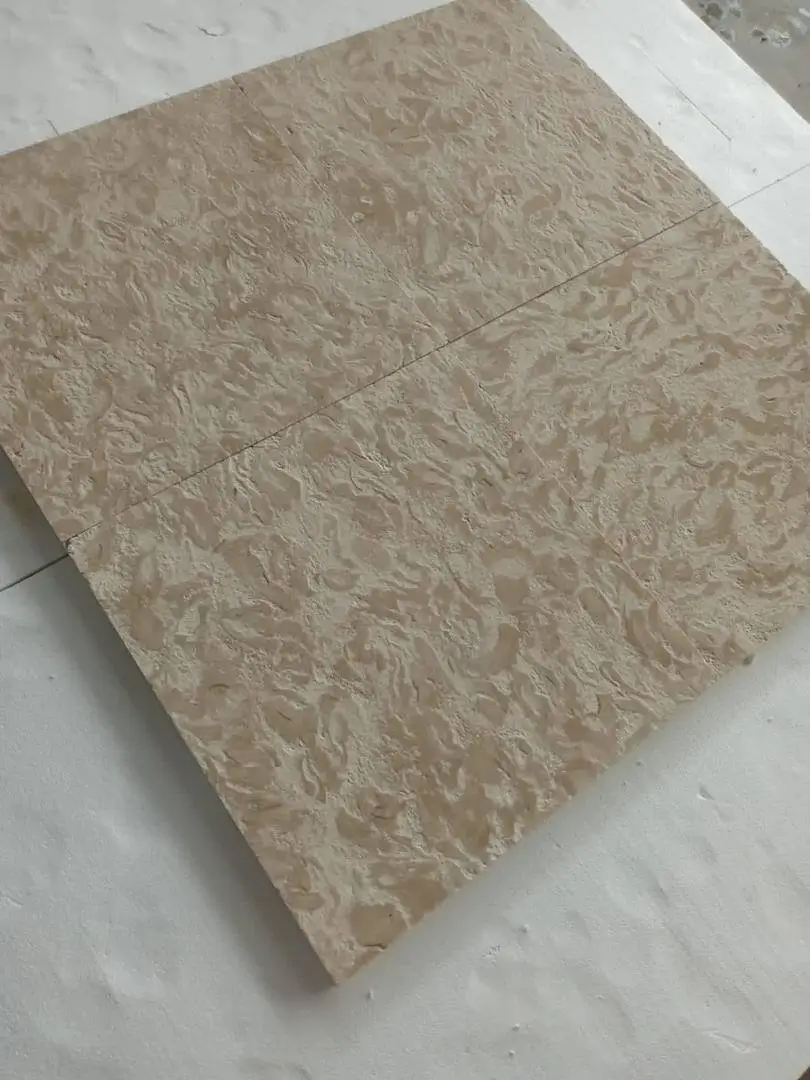
- Your sandstone options deliver aesthetic warmth and texture but require careful absorption verification for durability-critical applications
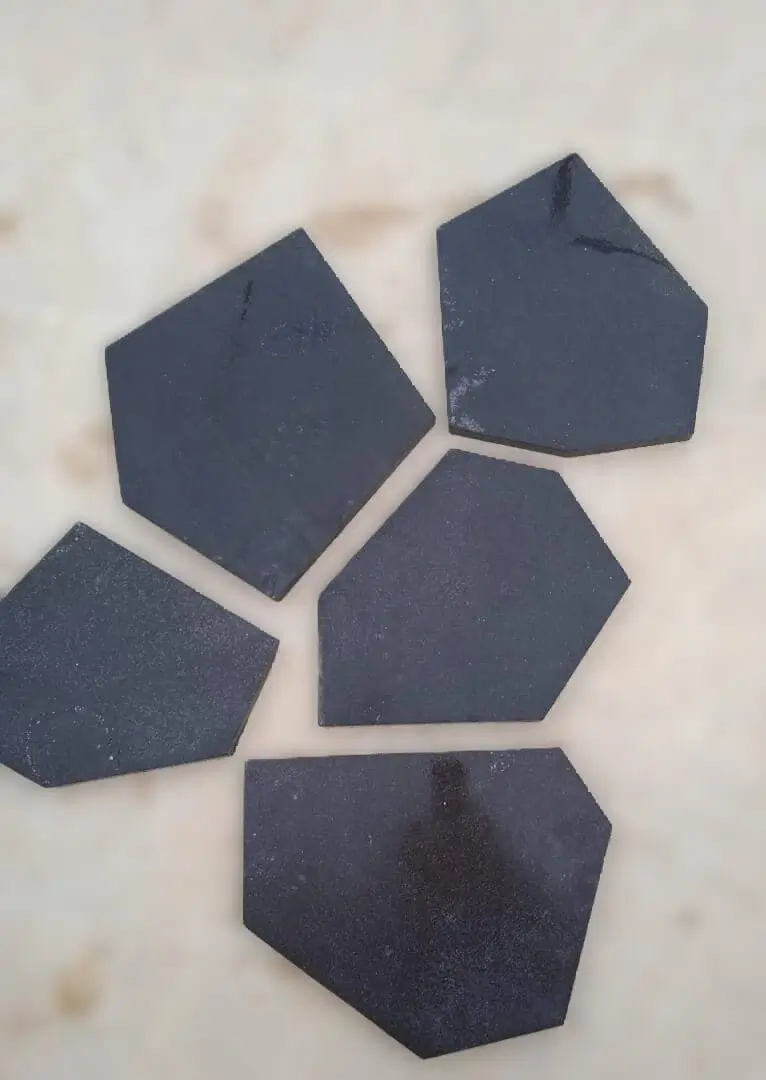
- Slate materials ensure reliable low absorption but limited color range may not suit all design requirements
When you conduct flagstone porosity testing across material types, you’ll notice that absorption rates don’t directly correlate with hardness or compressive strength. Some dense, hard quartzites absorb 1.8% while softer limestone varieties absorb only 2.4% due to pore size distribution differences. Your specification can’t rely on single characteristics—you need comprehensive testing addressing absorption, strength, and durability simultaneously.
Maintenance Protocols for Moisture Management
Understanding flagstone water absorption rate testing Arizona helps you develop maintenance programs that preserve long-term performance. You’re not just scheduling periodic cleaning—you’re managing moisture exposure patterns that affect material longevity and appearance retention throughout service life.
Your maintenance approach should address how sealer application affects absorption characteristics. When you apply penetrating sealers to 3.5% absorption flagstone, you typically reduce effective absorption to 1.2-1.8%, significantly improving moisture resistance. However, sealers degrade over time, and you need reapplication intervals based on exposure severity—every 18-24 months for high-traffic commercial installations versus 36-48 months for protected residential applications.
Effective moisture management includes:
- You should establish drainage inspection protocols that verify water sheds properly and doesn’t pond on flagstone surfaces
- Your maintenance program needs to address joint sand replenishment because degraded joints allow lateral moisture infiltration
- You’ll want to schedule periodic absorption testing on installed materials to track performance changes over time
- Cleaning chemical selection must account for how absorbed cleaning agents interact with stone pore structures
Flagstone moisture resistance degrades progressively as traffic wear, thermal cycling, and chemical exposure alter surface and subsurface pore structures. You might install material testing at 2.8% absorption that tests at 3.6% after five years of service in high-traffic areas. Your maintenance budget should anticipate this performance drift and include provisions for enhanced sealing or selective stone replacement when absorption increases beyond acceptable thresholds.
Professional Considerations
When you finalize flagstone specifications based on water absorption rate testing, you’re balancing technical performance requirements against budget constraints, aesthetic goals, and installation timeline realities. Your decision-making process needs to weight multiple factors simultaneously rather than optimizing for single characteristics.
Budget considerations often force you to accept higher absorption rates than ideal performance would suggest. You might prefer 2.2% absorption quartzite but face budget realities requiring 3.8% absorption sandstone at 40% lower cost. Your professional judgment determines whether the performance compromise remains acceptable for the specific application, expected service life, and client maintenance commitment.
Your final specification should address these practical factors:
- You need to verify material availability in required quantities within project timelines before committing to specific absorption criteria
- Your specification should include acceptable ranges rather than single values to accommodate natural material variation
- You’ll want to establish clear testing responsibilities, cost allocation, and acceptance procedures in contract documents
- Performance expectations must align with client maintenance capabilities and budget provisions for long-term care
Flagstone water absorption rate testing Arizona provides essential performance data, but you ultimately specify materials based on comprehensive evaluation of all relevant factors. The lowest absorption material doesn’t always represent the best choice when you consider appearance, cost, availability, and installation method compatibility. Your expertise lies in synthesizing technical data with practical project constraints to deliver optimal outcomes. For additional installation insights, review Thermal shock resistance evaluation of flagstone in desert climates before you finalize your project documents. Citadel Stone’s Wyoming stone serves as golden natural flagstone warm tones.