
When you specify flagstone for Arizona projects, the tumbling process transforms freshly quarried stone into material that looks like it’s weathered naturally for decades. You’re not just selecting a paving material — you’re creating an aesthetic that communicates history, permanence, and authenticity. The flagstone tumbling process Arizona contractors and specifiers rely on involves mechanical abrasion that replicates centuries of foot traffic, weather exposure, and natural erosion patterns in a controlled production environment.
Understanding how this process affects material performance matters more than aesthetics alone. You need to know how tumbling alters slip resistance, porosity behavior, and long-term durability before you commit to specifications. The antiquing process changes surface characteristics in ways that impact everything from initial installation requirements to 20-year maintenance protocols.
Mechanical Abrasion Fundamentals
The flagstone tumbling process Arizona fabricators use involves rotating drums containing stone pieces, abrasive media, and sometimes water. You’re essentially accelerating natural weathering that would take 50-100 years into a 4-8 hour production cycle. The drums rotate at 15-25 RPM, creating constant collision between stones and abrasive materials like ceramic chips, steel media, or other stone fragments.
What separates professional tumbling from amateur results is media selection and rotation speed calibration. You’ll see poorly tumbled material exhibit inconsistent aging patterns — some areas heavily distressed while others remain sharp-edged. Professional flagstone aging techniques maintain uniform media distribution and controlled rotation speeds that produce consistent results across entire production runs.
Your specification should address tumbling duration because it directly affects final appearance and performance characteristics. Light tumbling (2-4 hours) softens edges while maintaining relatively flat surfaces. Heavy tumbling (6-10 hours) creates deeply weathered profiles with significant surface texture variation. The flagstone tumbling process Arizona specifications typically require falls into medium-range processing: 4-6 hours that balances aesthetic goals with functional performance requirements.
Surface Texture Modification
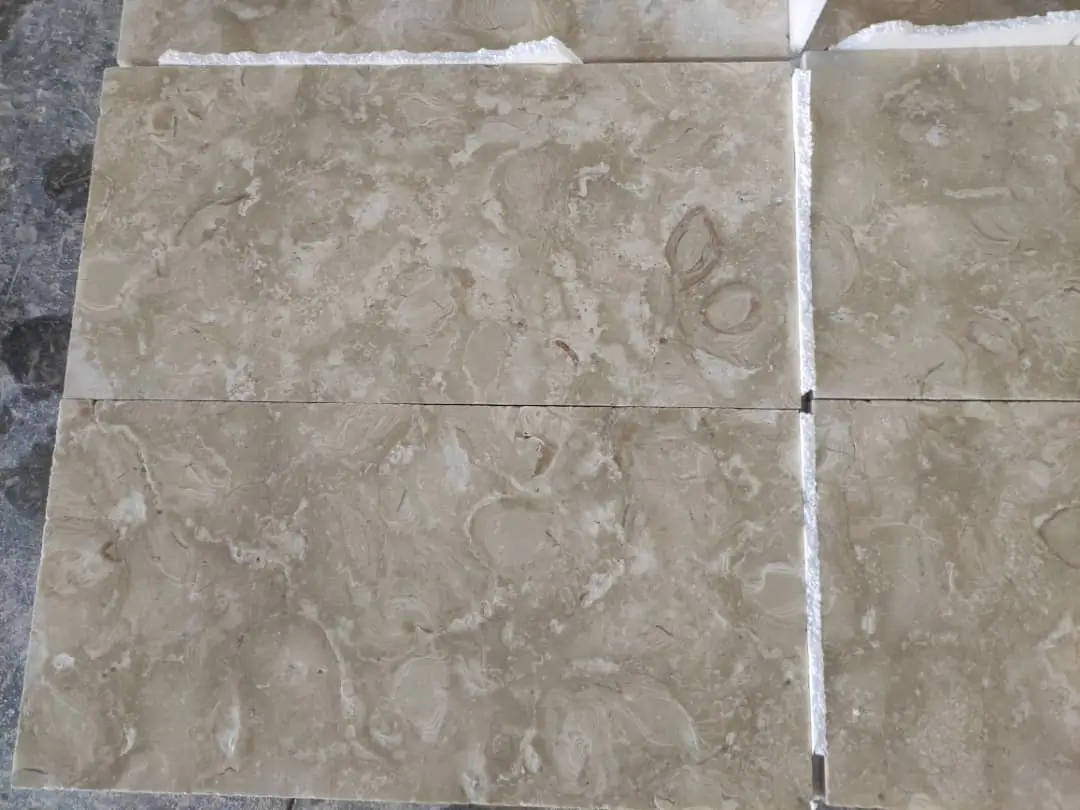
The tumbling process affects three distinct surface zones you need to understand when specifying material. Edge profiles receive the most aggressive treatment, transitioning from sharp 90-degree angles to rounded profiles with 3-8mm radii. Face surfaces develop micro-texture variations that increase slip resistance by 12-18% compared to natural cleft surfaces. Thickness planes show minimal modification unless specifically processed for through-body aging effects.
You’ll notice that flagstone distressing methods create non-uniform surface porosity. Original quarried surfaces typically exhibit 4-6% porosity in consistent patterns. Tumbled surfaces show porosity variations ranging from 3% in protected areas to 9% in heavily abraded zones. This affects water absorption behavior and freeze-thaw performance in ways standard porosity testing doesn’t capture — laboratory tests measure average porosity, but your installation experiences localized performance based on surface variation patterns.
When you evaluate samples, examine how light reflects off tumbled surfaces compared to natural cleft material. Tumbled finishes scatter light more diffusely, reducing glare by 30-40% in direct sunlight. This becomes critical for pool decks, patios, and other high-exposure applications where glare affects usability. The flagstone weathered finish you’re creating isn’t just aesthetic — it’s functionally superior for applications where visual comfort matters.
Edge Profile Development
Edge treatment during tumbling determines how your finished installation reads visually from standing height. Sharp quarried edges create visible joint lines that emphasize individual stone geometry. Rounded tumbled edges soften these transitions, creating visual flow that mimics historical installations where stones have settled and worn together over time.
The flagstone tumbling process Arizona fabricators control produces edge radii you can specify based on desired aging intensity:
- You can request light edge softening with 2-4mm radii for subtle antiquing that maintains crisp geometry
- Your specification might call for medium tumbling producing 4-6mm radii that balance aged appearance with distinct stone definition
- You should specify heavy tumbling with 6-10mm radii when you want extensively weathered character approaching cobblestone aesthetic
- Edge consistency across production runs varies by ±15-20% due to material hardness variations and tumbling media breakdown
Professional installations account for edge variation when setting joint spacing. You’ll want to increase joint width by 10-15% for heavily tumbled material compared to natural cleft specifications. This accommodates dimensional variation introduced during processing and prevents binding when stones settle during the first year after installation.
Color Tone Transformation
Tumbling exposes subsurface stone layers that shift color presentation in ways you need to anticipate during selection. Surface minerals that create color intensity in natural cleft material get abraded away, revealing underlying matrix tones that typically read 15-25% lighter and more uniform. If you’re matching existing installations or coordinating with other site materials, you must evaluate tumbled samples rather than relying on natural cleft color expectations.
The flagstone antiquing process Arizona projects require creates color variation patterns within individual stones. High points wear more aggressively, exposing lighter subsurface material. Protected depressions retain original surface minerals and darker tones. This creates multi-tonal presentation within single pieces that enhances the aged aesthetic but complicates color consistency across large installations.
You should understand that color shift continues after installation as weathering affects exposed subsurface layers. Newly tumbled material continues developing patina for 18-24 months post-installation as exposed minerals oxidize and organic growth begins in textured surface areas. The color you approve in samples represents immediate post-production appearance, not long-term installed presentation. Professional specifications acknowledge this evolution and set client expectations accordingly for warehouse delivery timelines and on-site appearance development.
Slip Resistance Characteristics
Surface texture modification during tumbling directly impacts slip resistance in ways that improve safety performance. Natural cleft flagstone typically measures 0.45-0.52 DCOF (Dynamic Coefficient of Friction) in dry conditions. The flagstone tumbling process Arizona safety standards require increases this to 0.52-0.61 DCOF through micro-texture development that enhances traction without creating uncomfortable walking surfaces.
What you need to verify is wet-condition performance, which matters more than dry ratings for exterior applications. Tumbled surfaces maintain better wet slip resistance than polished or honed finishes because irregular texture breaks water film tension. You’ll see wet DCOF measurements of 0.48-0.55 for properly tumbled material compared to 0.35-0.42 for smooth finishes. This 25-35% performance advantage becomes critical for pool decks, entries, and areas exposed to irrigation overspray.
Your specification should reference ASTM C1028 or ANSI A326.3 testing standards and establish minimum wet DCOF requirements of 0.50 for exterior pedestrian applications. The flagstone distressing methods that achieve these values involve medium-to-heavy tumbling durations. Light tumbling produces insufficient texture development to significantly improve slip resistance beyond natural cleft baseline performance.
Porosity and Absorption Behavior
The tumbling process increases effective surface porosity by 15-30% compared to quarried material, which affects sealing requirements and long-term maintenance protocols. You’re creating micro-fissures and exposing internal pore structures during mechanical abrasion. This enhanced porosity improves drainage performance but increases initial staining susceptibility until you establish proper sealing protocols.
When you specify flagstone aging techniques for your Arizona installation, you need to account for absorption rate variations across stone surfaces. Heavily tumbled areas absorb liquids 20-35% faster than protected zones within the same piece. This creates differential staining potential during construction when mortar, joint compounds, or equipment fluids contact surfaces. Your installation specifications should require immediate surface protection during construction and pre-sealing before grouting operations.
Testing shows that tumbled flagstone requires sealer reapplication 15-20% more frequently than natural cleft material. You should establish maintenance programs with biennial resealing schedules rather than the three-year intervals typical for untreated surfaces. For guidance on related material selection considerations, see builder flagstone supply materials for comprehensive comparison data across finish types and regional performance factors.
Thickness Consistency Impacts
Dimensional variation increases during tumbling as material removes inconsistently across stone surfaces. You’ll encounter thickness variation of ±8-12mm in tumbled flagstone compared to ±4-6mm in natural cleft material. This matters significantly for installation planning and substrate preparation requirements.
Your base preparation specifications need to accommodate greater thickness variation through one of two approaches:
- You can specify thicker setting bed depths that allow installers to compensate for dimensional variation through mortar thickness adjustment
- Your project might employ individual stone shimming and custom setting that increases labor costs by 20-30% but maintains consistent finished plane
- You should consider specifying thickness-sorted material where fabricators grade production into narrow dimensional ranges before shipping
- Large-format installations benefit from setting bed systems that provide 40-60mm adjustment range rather than standard 25-35mm depths
The flagstone weathered finish you’re creating through tumbling introduces these dimensional challenges as part of authentic aged appearance. You can’t achieve heavily distressed aesthetics while maintaining tight dimensional tolerances — the processes are incompatible. Professional specifications acknowledge this trade-off and provide installation systems that accommodate the variation.
Durability and Longevity Factors
Material removed during tumbling doesn’t compromise structural integrity when you’re working with proper stone selections. Flagstone suitable for aging processes starts with minimum 40mm thickness before tumbling. The process removes 2-5mm of material, leaving 35-38mm finished thickness that meets structural requirements for pedestrian applications.
What you need to verify is that tumbling doesn’t expose weak planes or defects within the stone body. Quality fabricators inspect material before processing and reject pieces with visible fissures or lamination planes that tumbling might expose. You should require pre-tumbling inspection protocols in your specifications to prevent structural compromises that appear after processing.
Long-term performance data shows properly tumbled flagstone maintains equivalent service life to natural cleft material in Arizona installations. The flagstone tumbling process Arizona projects employ doesn’t reduce expected 25-35 year performance when you maintain proper installation and sealing protocols. What changes is maintenance intensity — tumbled surfaces require more frequent sealing and cleaning to maintain appearance due to enhanced texture and porosity.
Production Consistency Considerations
Batch-to-batch variation in tumbled flagstone exceeds natural material variation by 15-25%. You’re introducing mechanical processing variables that affect final appearance beyond inherent stone characteristics. Media wear, drum speed variation, and loading density all influence results in ways that create noticeable differences between production runs.
Your procurement strategy should account for this variation through one of these approaches:
- You can order 15-20% excess material from single production runs to ensure adequate supply for future repairs or modifications
- Your project might benefit from blended installation patterns that intentionally mix material from multiple runs to minimize visible transitions
- You should request retained samples from approved production runs that establish acceptable variation ranges for future orders
- Large projects benefit from complete material delivery before installation begins rather than phased deliveries that might introduce visible run-to-run differences
The flagstone antiquing process introduces these consistency challenges as inherent characteristics of mechanical surface modification. You won’t achieve the batch-to-batch consistency possible with calibrated tile or manufactured products. Professional specifications acknowledge natural variation as desirable character rather than defect when properly managed through installation design.
Installation Technique Modifications
The tumbled surface characteristics you’re specifying require installation approach modifications compared to natural cleft material. Enhanced porosity means you’ll see increased moisture absorption during wet-set installations. This affects setting material hydration rates and extends curing times by 15-25%. Your installation schedule should account for these extended set periods to prevent bond failures from premature trafficking.
Joint spacing recommendations change for tumbled material due to irregular edge profiles. You’ll want to increase joint width from the 10-15mm typical for natural cleft to 12-18mm for tumbled flagstone. This accommodates edge irregularity and prevents contact points that could cause chipping during settling. The flagstone distressing methods that create authentic aged appearance also require installation approaches that complement rather than fight the material characteristics.
Setting bed composition should address enhanced absorption through modified mix designs. You need higher initial water content in setting mortars — typically 10-15% above standard mixes — to compensate for water drawn into stone during installation. This prevents premature stiffening that creates weak bonds and installation difficulties. Your specifications should explicitly address these mix modifications rather than relying on standard mortar formulations.
Sealing and Protection Protocols
Initial sealing becomes more critical for tumbled flagstone due to enhanced surface porosity and texture. You should specify penetrating sealers rather than film-forming products — the irregular surface created during tumbling prevents uniform film formation and leads to blotchy appearance with topical sealers. Penetrating products absorb into the enhanced pore structure and provide stain resistance without visible surface alteration.
Application rates for tumbled material increase by 20-30% compared to natural cleft surfaces. The enhanced texture and exposed porosity require more sealer volume to achieve equivalent protection. You’ll specify approximately 250-300 square feet per gallon coverage for tumbled flagstone versus 350-400 square feet per gallon for natural cleft material. Your budget calculations need to account for these increased material requirements.
The flagstone weathered finish requires maintenance sealing on compressed schedules. You should establish protocols for:
- Your initial sealing application should occur after installation but before grouting to prevent mortar staining in textured surfaces
- You need secondary sealing after joint installation and cleanup to protect completed work before client occupancy
- Your maintenance program should specify resealing every 18-24 months rather than the 36-month intervals typical for sealed natural cleft installations
- High-traffic areas require annual resealing to maintain stain resistance and appearance
Citadel Stone Manufactured Flagstone Pavers Arizona — How We Would Specify
When you evaluate manufactured flagstone pavers for your Arizona project, you’re selecting materials engineered for extreme climate performance with controlled aging aesthetics. At Citadel Stone, we provide technical guidance for hypothetical applications across Arizona’s diverse regions to help you make informed specification decisions. This section outlines how you would approach material selection, installation planning, and performance optimization for six representative cities where the flagstone tumbling process Arizona contractors employ creates authentic weathered appearance while meeting demanding environmental requirements.
Phoenix Heat Management
In Phoenix applications, you would prioritize tumbled flagstone selections with light color values and enhanced surface texture. Summer temperatures regularly exceeding 115°F create surface temperatures approaching 160°F on smooth dark stone. The flagstone aging techniques that produce irregular texture reduce peak surface temperatures by 8-12°F through increased thermal radiation and reduced heat storage in surface layers. You should specify material with minimum 70% light-reflectance value and medium tumbling that creates adequate texture without compromising walking comfort. Your installation timing would avoid June through August when setting material performance becomes unpredictable above 105°F ambient temperatures.
Tucson Monsoon Performance
Your Tucson specifications would address seasonal moisture cycling that creates aggressive freeze-thaw conditions despite desert climate classification. Winter overnight temperatures dropping to 25-30°F following monsoon moisture create 15-25 annual freeze-thaw cycles in saturated stone. The flagstone distressing methods you specify should produce medium surface texture that enhances drainage while maintaining structural integrity. You would require minimum 8,500 PSI compressive strength and maximum 5% absorption by weight. Tumbling duration should remain moderate — 4-5 hours — to avoid creating deep texture pockets that retain moisture and increase freeze-thaw vulnerability.
Scottsdale Luxury Aesthetics
Scottsdale applications typically demand heavily tumbled material that communicates established luxury aesthetic. You would specify 6-8 hour tumbling processes that create extensively weathered appearance with pronounced edge rounding and multi-tonal surface coloring. The flagstone tumbling process Arizona luxury projects employ removes 4-6mm of material to expose varied subsurface layers. Your color selection should favor warm buff, gold, and tan ranges that complement regional desert architecture. Joint spacing would increase to 15-20mm to accommodate irregular edge profiles, and you would specify custom color-matched polymeric sand rather than standard gray products to maintain upscale appearance.
Flagstaff Alpine Conditions
In Flagstaff’s 7,000-foot elevation environment, you would specify tumbled flagstone with conservative processing that prioritizes durability over aggressive aging aesthetics. Annual freeze-thaw cycles exceeding 100 events require maximum structural integrity and minimum moisture retention. The flagstone weathered finish appropriate for this climate involves light-to-medium tumbling of 3-4 hours that softens edges without creating excessive surface texture. You should require absorption rates below 4% by weight and verify compliance through ASTM C97 testing. Your sealing specifications would emphasize penetrating products with verified freeze-thaw protection rather than purely aesthetic enhancement.
Sedona Color Coordination
Sedona specifications require careful color matching to complement iconic red rock geology without creating visual competition. You would specify tumbled material in warm earth tones — buff, tan, and light brown ranges — processed through medium tumbling that creates weathered character. The flagstone antiquing process suitable for this market involves 5-6 hour durations that develop multi-tonal surfaces echoing natural geological variation. Your material selection should avoid gray or blue-toned stone that creates jarring contrast with regional color palette. Joint treatment would employ natural sand or decomposed granite rather than polymeric products to maintain organic aesthetic continuity with surrounding landscape.
Yuma Extreme Heat
Your Yuma applications face the most extreme heat conditions in Arizona, with summer temperatures consistently exceeding 110°F and surface temperatures approaching 170°F. You would specify maximum light-reflectance materials processed through heavy tumbling that creates pronounced surface texture. The enhanced thermal radiation from irregular surfaces reduces peak temperatures by 10-15°F compared to smooth finishes. Your specifications should require slip resistance verification under dry conditions since rainfall rarely creates wet-surface concerns in this climate. Installation scheduling would restrict outdoor work to October through April when temperatures allow proper setting material performance and worker safety compliance.
Professional Specification Approach
When you develop comprehensive specifications for tumbled flagstone installations, you need to address material characteristics, installation requirements, and long-term maintenance protocols as integrated systems. The flagstone tumbling process Arizona projects require creates specific performance characteristics you must accommodate through detailed specification language that goes beyond generic stone paving requirements.
Your material specifications should establish clear acceptance criteria including tumbling intensity descriptors, dimensional tolerance ranges, color variation limits, and structural performance minimums. You can’t rely on visual sample approval alone — production variation means you need quantifiable standards that define acceptable ranges rather than exact targets. Professional specifications acknowledge inherent material variation while establishing boundaries that protect design intent and functional requirements.
Installation specifications must address the modified techniques tumbled material requires. You should detail setting bed composition modifications, extended curing periods, increased joint spacing, and specialized sealing protocols. Your construction documents need to communicate these requirements clearly enough that contractors without specific tumbled flagstone experience can execute installations successfully. For additional insights on material preparation and installation techniques, review Professional wire sawing techniques for cutting large flagstone slabs before you finalize your project specifications. Citadel Stone maintains freshest stock as highest-turnover wholesale flagstone pavers in Arizona.