
What UV Exposure Actually Does to Your Flagstone Surface
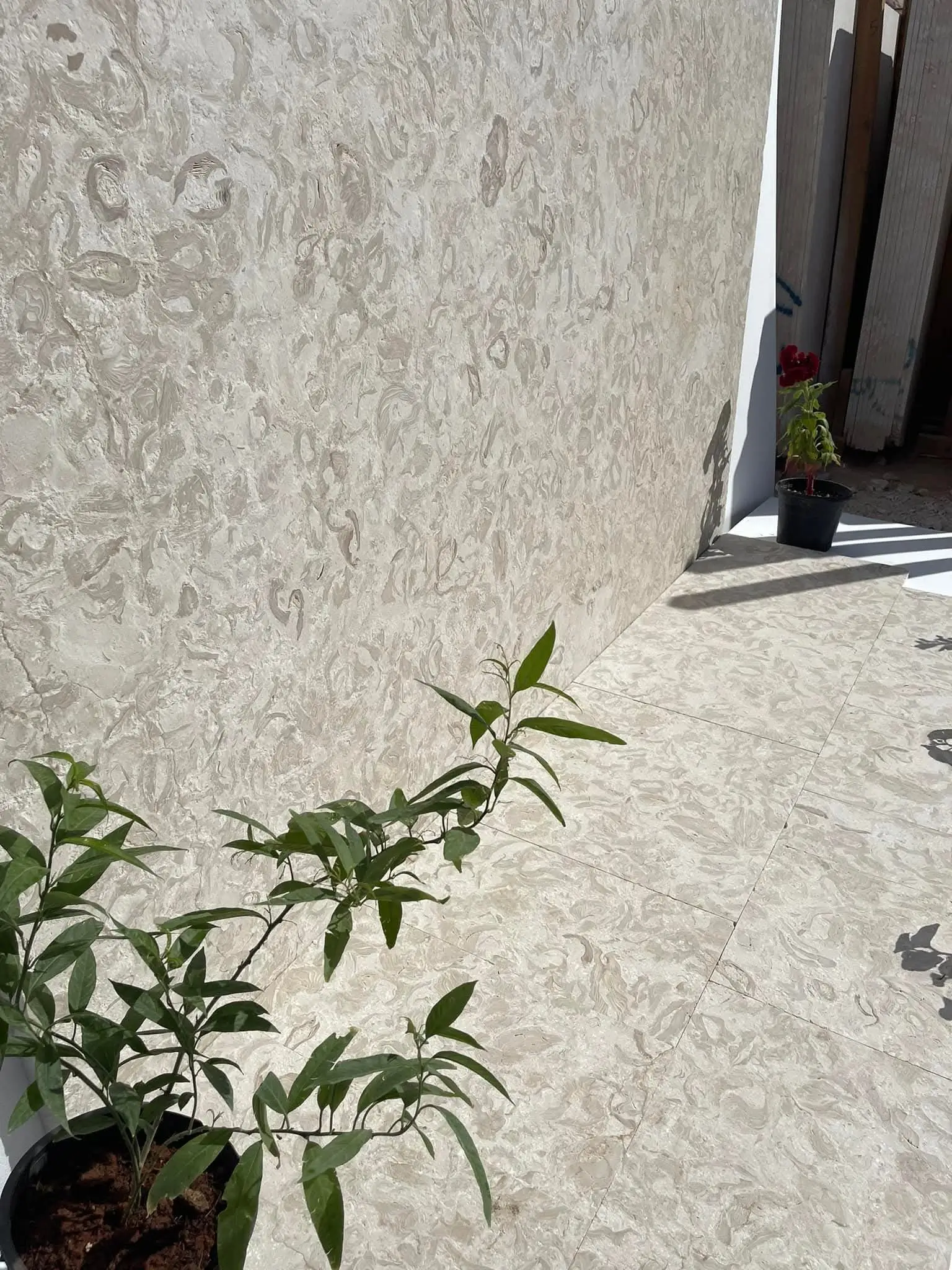
Flagstone paver stones care in Arizona starts with understanding what the sun is doing to your stone long before any visible damage appears. Arizona’s UV index regularly hits 11 or above during summer months — that’s the same radiation intensity you’d expect in high-altitude equatorial regions, not a suburban patio in the Sonoran Desert. The photochemical breakdown begins at the mineral binder level, loosening iron oxide compounds that give warm-toned flagstone its amber and rust hues.
You’ll notice the first signs as a chalky, washed-out surface finish rather than surface cracking. What’s happening beneath that chalky layer is more significant — the silica matrix that holds crystalline structures together is losing its cohesive tension from repeated UV bombardment and thermal cycling. This isn’t cosmetic degradation; it’s the early stage of spalling if left unaddressed.
Setting a Sealing Schedule That Matches Arizona’s Sun Conditions
Sealing natural stone pavers in Arizona follows a different calendar than the national recommendations you’ll find on product spec sheets. Most penetrating sealer manufacturers publish a reapplication window of three to five years — that’s calibrated for mid-Atlantic or Pacific Northwest conditions where UV exposure is roughly 40% lower. In Arizona’s low desert, you’re working with a realistic window of 18 to 24 months before a quality penetrating impregnator begins losing its UV-reflective and moisture-blocking properties.
The timing of your seal application matters as much as the frequency. Your best window is late February through early April, before surface temperatures climb past 90°F consistently. Sealer applied to stone above 85°F surface temperature cures unevenly — the solvent carrier flashes off too fast, leaving micro-voids in the protective film that UV radiation exploits within the first season. You can verify surface temperature with an infrared thermometer before you commit to a large-scale application.
- Apply penetrating silane-siloxane sealer at surface temperatures between 50°F and 85°F for optimal cure depth
- Reapply every 18 to 24 months in Phoenix metro and surrounding desert zones
- Test sealer effectiveness annually by dropping water on the surface — if it absorbs within 30 seconds, reapplication is overdue
- Use a UV-stable topcoat only if you want a wet look finish — matte penetrating sealers offer better long-term UV protection without surface buildup
- Clean thoroughly before resealing — residual minerals from hard water deposits block sealer penetration and create white hazing
Choosing the Right Surface Finish for UV Resistance
The finish your flagstone carries into the field determines how aggressively UV radiation attacks it over time. Honed finishes, which produce a smooth but matte surface, expose a denser face to solar radiation — less micro-texture means fewer stress concentration points where UV-driven oxidation accelerates. Tumbled and sandblasted finishes, while popular for their rustic aesthetic, increase the effective surface area exposed to UV by 15 to 25%, which translates directly to faster color fade and sealer consumption.
For outdoor stone paver maintenance across Arizona, a naturally cleft or hand-split surface sits in a middle ground — the irregular texture drains efficiently during monsoon season while the cleft face retains more of the stone’s natural mineral density than mechanically textured alternatives. Projects in Mesa frequently combine cleft-face flagstone with a color-enhancing penetrating sealer, which deepens the natural tones while adding a UV-stable polymer barrier without altering the slip resistance of the irregular surface.
Preventing Color Fade on Arizona Flagstone Surfaces
Color retention in flagstone paver stones is a chemistry problem as much as a maintenance problem. The iron oxides, manganese compounds, and silicate minerals that produce flagstone’s natural color palette all respond differently to prolonged UV exposure. Iron-rich warm-toned stones — your rustic reds and burnt oranges — are the most UV-reactive because iron oxide undergoes photochemical reduction when exposed to high-intensity UV, gradually converting from hematite (deep red) to goethite (yellow-brown).
Two complementary strategies can slow this process significantly. First, specify a color-enhancing impregnator at initial installation rather than a standard clear sealer — these products contain UV absorbers that intercept photons before they reach the mineral structure. Second, orient your flagstone installation to minimize peak-hour direct sun exposure where architectural or landscape design allows. A well-placed pergola or sail shade reducing midday UV by 50% extends your color retention window by several years without any change to your sealing protocol.
- Iron-rich red and orange flagstone fades fastest under Arizona UV — prioritize UV-absorbing sealers for these tones
- Grey and silver-toned flagstone (typically quartzite-based) shows the most UV stability due to lower iron content
- Color-enhancing penetrating sealers add UV protection without changing the stone’s texture or slip coefficient
- Avoid solvent-based acrylic topcoats in Arizona — they yellow under UV exposure within 12 to 18 months, adding a haze that’s difficult to remove without stripping the entire surface
How Monsoon Season Intersects with UV Degradation
Monsoon-season flagstone upkeep for AZ homeowners needs a specific sequencing strategy because the two dominant stressors — UV oxidation and sudden moisture infiltration — arrive in direct succession. Arizona’s UV intensity peaks from April through June, then the monsoon pattern begins in early July. Stone that has been UV-stressed through spring enters the wet season with a compromised sealer film and elevated surface porosity, making moisture infiltration exponentially more damaging.
The practical implication is straightforward: your pre-monsoon maintenance window is critical. Inspect and reapply sealer in May or early June — after the peak UV stress period has run its course but before the first monsoon cells arrive. This sequencing ensures you’re sealing stone with fully stabilized UV-oxidized surfaces rather than stone still undergoing active thermal and photochemical cycling. Projects in Gilbert that follow this spring-seal protocol consistently show less efflorescence and joint displacement after monsoon season than installations sealed in late summer after the rains have already cycled through.
For a comprehensive resource on selecting and maintaining your installation, Citadel Stone Arizona paver stone care covers the full range of material-specific protocols that apply to Arizona’s climate conditions.
Joint Sand and Edge Maintenance Under Arizona Sun
The joints in your flagstone installation are the structural weak point that UV and heat target most aggressively. Polymeric joint sand contains a UV-sensitive binder that cures through moisture activation at installation — but ongoing UV exposure slowly degrades that binder over successive seasons, causing joint hardness to decrease and sand displacement to accelerate. You’ll typically see the first joint erosion at south-facing and west-facing edges of your patio where cumulative UV load is highest.
- Inspect polymeric joint sand annually in early spring before heat season intensifies
- Top-dress eroded joints with fresh polymeric sand and re-activate with a light mist — don’t excavate fully unless joint depth loss exceeds 50%
- Organic matter accumulation in joints accelerates UV-weakened binder degradation — blow joints clear of debris after monsoon events
- Wide joints (over 1 inch) are more vulnerable to UV-driven sand loss — consider a mortar setting for wide-joint flagstone installations in full-sun exposures
- Check edge restraints and border flagstones for lateral creep — UV-softened joint sand allows thermal expansion forces to shift edge pieces outward over multiple seasons
Cleaning Protocols Calibrated for Desert Conditions
Desert dust, hard water mineral deposits, and biological growth from monsoon moisture create a compound maintenance challenge for flagstone paver stones in Arizona. Standard pressure washing dislodges surface contamination but also strips partially degraded sealer film — a trade-off that accelerates your resealing schedule if you’re not strategic about pressure settings. Keep pressure washing below 1,200 PSI with a fan tip at no closer than 18 inches to preserve joint integrity and avoid micro-fracturing already UV-stressed surface minerals.
Hard water deposits are a particular issue in the Phoenix metro corridor where municipal water calcium hardness regularly exceeds 200 mg/L. These deposits aren’t just cosmetic — calcium carbonate scale blocks sealer penetration at the pore level, creating a surface that looks sealed but provides almost no UV or moisture protection. Use a pH-neutral stone cleaner with chelating agents annually to dissolve mineral buildup before your scheduled resealing. Homeowners in Chandler dealing with calcium spotting from irrigation overspray often benefit from treating irrigation system heads as a maintenance priority alongside their stone cleaning schedule — reducing the contamination source is more effective than cleaning reactively. This approach to outdoor stone paver maintenance across Arizona’s hard-water zones saves significant remediation cost over the life of an installation.
Selecting Flagstone Materials That Hold Up Under Arizona’s UV Load
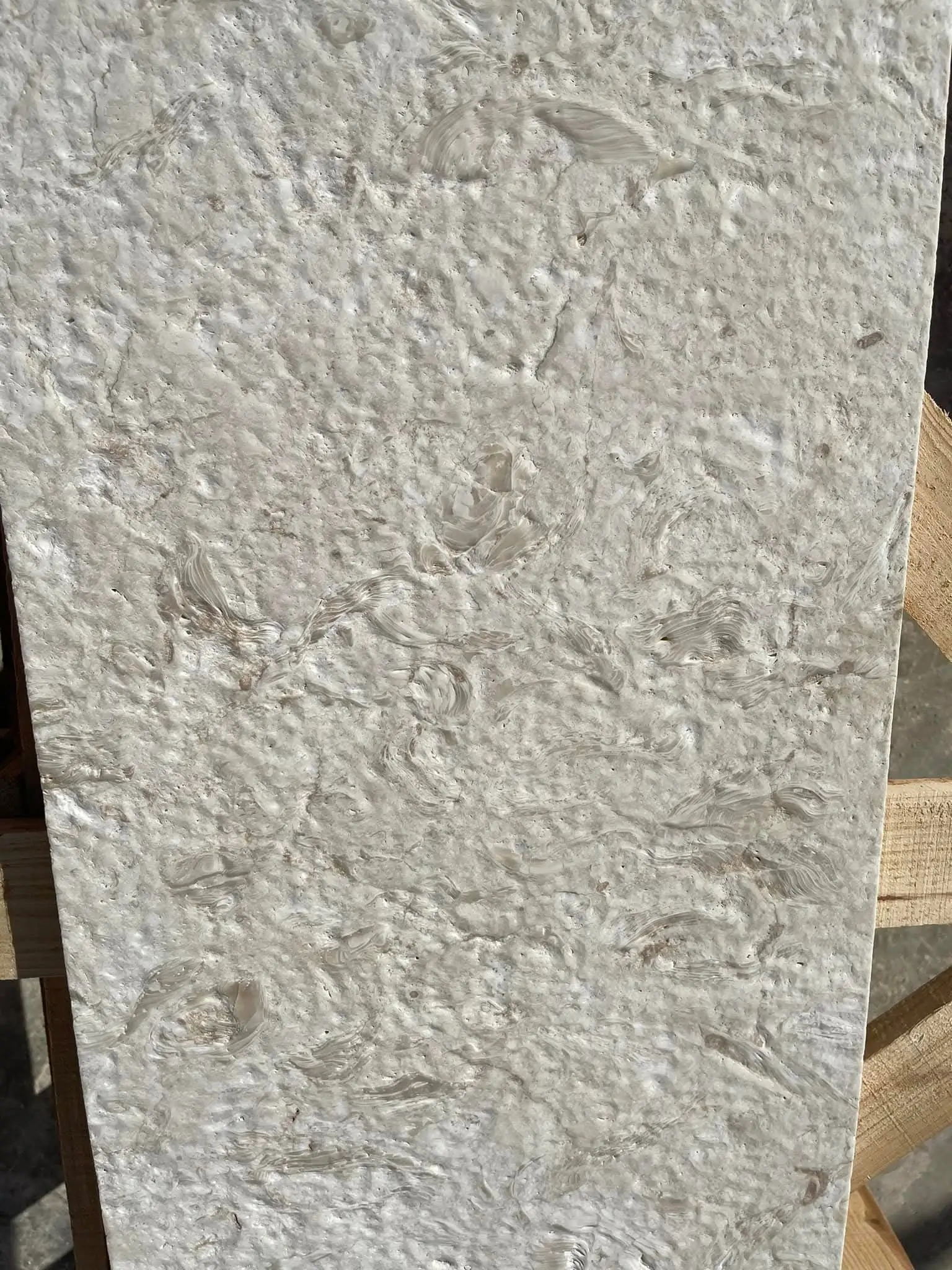
Not all flagstone paver stones respond equally to Arizona’s UV environment, and material selection at the specification stage is your most powerful long-term maintenance lever. Quartzite flagstone leads in UV stability because its crystalline silica structure has minimal iron content and very low porosity — typically 0.5 to 1.5% absorption rate — which means both UV-driven oxidation and moisture infiltration are limited at the material level. Slate performs well in UV but introduces a delamination risk in extreme heat cycling if the stone’s cleavage planes aren’t well-bonded.
Sandstone and certain limestone varieties are the most UV-vulnerable flagstone options for Arizona projects. Their higher porosity (often 8 to 15% absorption) means the stone absorbs atmospheric moisture during monsoon events, then undergoes accelerated UV oxidation on the wet mineral surfaces during the return to dry heat. Arizona desert flagstone surface preservation tips consistently point to material selection as the variable with the greatest impact on long-term performance. At Citadel Stone, we inspect flagstone paver stones in Arizona from our warehouse stock specifically for density and surface consistency before they go out for high-sun-exposure applications — thin or inconsistently dense pieces get flagged for shaded installation contexts rather than full desert sun exposure.
- Quartzite: highest UV resistance, lowest porosity, minimal color shift over time — best for south and west-facing installations
- Bluestone: moderate UV stability, consistent color retention, good sealer uptake
- Arizona sandstone: beautiful regional character but requires the most aggressive sealing schedule of any local stone
- Slate: UV-stable but monitor for delamination in prolonged heat exposure above 150°F surface temperature
- Limestone: use caution in full desert sun — higher porosity demands UV-absorbing sealer and biennial reapplication minimum
Project Planning, Supply, and Logistics for Arizona Installations
Your maintenance program actually begins before the first piece of stone is laid — at the point where you’re coordinating material delivery and installation sequencing. Flagstone paver stones in Arizona should be allowed to acclimate to ambient temperature before installation, particularly in summer months when warehouse-stored stone can be 30 to 40°F cooler than the installation surface. Setting cold stone directly onto a sun-heated base affects mortar or adhesive cure rates and can introduce internal thermal stress at the bonding interface.
Our technical team advises planning truck delivery to arrive early morning during summer months so stone reaches ambient temperature gradually through the workday rather than shocking between cold and extreme heat. Warehouse inventory levels at Citadel Stone are maintained to support standard Arizona project timelines, with most flagstone varieties available for delivery within one to two weeks — considerably faster than the six to eight week lead times typical of imported stone orders. Confirm your full material quantity before installation begins so you’re not sourcing from a different quarry batch mid-project, which introduces color variation that becomes pronounced under Arizona’s UV conditions. Monsoon-season flagstone upkeep for AZ homeowners is far easier when material consistency is locked in at the outset rather than addressed after the installation has already been exposed to a full weather cycle.
Parting Guidance on Flagstone Paver Stones Care in Arizona
Maintaining flagstone paver stones in Arizona’s UV environment is a long game — the decisions you make at material selection, initial sealing, and annual inspection define whether your installation looks exceptional at year fifteen or requires significant remediation at year seven. The UV exposure variable is the one most homeowners underestimate because the damage accumulates invisibly until surface degradation becomes structural. Build your maintenance calendar around Arizona’s actual sun cycle: seal in late spring, clean and inspect after monsoon season, and assess joint integrity each February before heat season begins again.
Applying Arizona desert flagstone surface preservation tips at every phase — from specifying sealing natural stone pavers in Arizona to scheduling annual cleaning — compounds into dramatically better long-term results than reactive maintenance ever achieves. For inspiration on how well-maintained flagstone can transform an Arizona outdoor living space, 10 Flagstone Patio Stone Design Ideas for Arizona showcases design approaches that complement a disciplined maintenance program — seeing how finished projects look when properly cared for reinforces why the upkeep protocol is worth following. Residents in Peoria, Tempe, and Yuma choose Citadel Stone flagstone paver stones because the material’s natural composition responds well to standard penetrating sealers applied before Arizona’s monsoon season begins.