
When you’re specifying flagstone for Arizona projects, surface texture determines more than aesthetics—it defines safety performance, longevity, and maintenance requirements. Flagstone flame treatment Arizona creates thermally-altered surfaces that deliver enhanced slip resistance without compromising the material’s natural character. You’ll find this process particularly valuable for pool decks, commercial walkways, and high-traffic outdoor spaces where wet-surface safety becomes non-negotiable.
The thermal texturing process exposes flagstone to controlled high-temperature flames that fracture surface crystals, creating microscopic peaks and valleys. Your specification decisions around flagstone thermal texturing need to account for base material composition, flame exposure duration, and post-treatment sealing protocols. Unlike mechanical abrading methods, flagstone heat finishing preserves subsurface integrity while modifying only the top 2-3mm of material—this distinction matters when you’re evaluating long-term performance in Arizona’s extreme temperature cycling.
You should understand that flagstone flame treatment Arizona doesn’t uniformly affect all stone types. Silica-rich flagstones respond differently than calcium-based varieties, and your material selection directly impacts the achievable slip resistance coefficient. Most specifiers overlook how regional climate conditions interact with thermally-modified surfaces—Arizona’s UV intensity, thermal expansion rates, and monsoon precipitation patterns all influence performance outcomes that standard product literature doesn’t address.
Thermal Modification Mechanics
The flagstone flame treatment Arizona process relies on rapid thermal shock to alter surface crystalline structure. When you expose flagstone to 1,800-2,200°F flames for 3-8 seconds per linear foot, surface minerals expand at different rates based on their individual thermal coefficients. This differential expansion causes controlled micro-fracturing that creates the textured profile you’re targeting.
Your understanding of the mechanics helps you specify appropriate base materials. Flagstones containing higher quartz content (above 35% composition) respond more dramatically to flagstone thermal texturing because quartz’s thermal expansion coefficient (7.1 × 10⁻⁶ per °F) differs significantly from feldspars (4.8 × 10⁻⁶ per °F) and micas (8.2 × 10⁻⁶ per °F). This variance creates the fracture patterns that enhance slip resistance.
- You need flame temperatures between 1,800-2,200°F for effective surface modification
- Your exposure duration should range from 3-8 seconds per linear foot depending on stone density
- You should verify base material composition includes minimum 30% crystalline content for predictable results
- Your quality control process must account for ±15% variation in surface texture depth across individual slabs
The flagstone heat finishing equipment typically uses propane or natural gas torches mounted on traversing rigs that maintain consistent distance and speed. You’ll achieve more uniform results with mechanized application compared to hand-torching, though smaller projects or edge details may require manual finishing. The key variable you control is the heat-to-surface dwell time, which determines fracture depth and resulting texture profile.
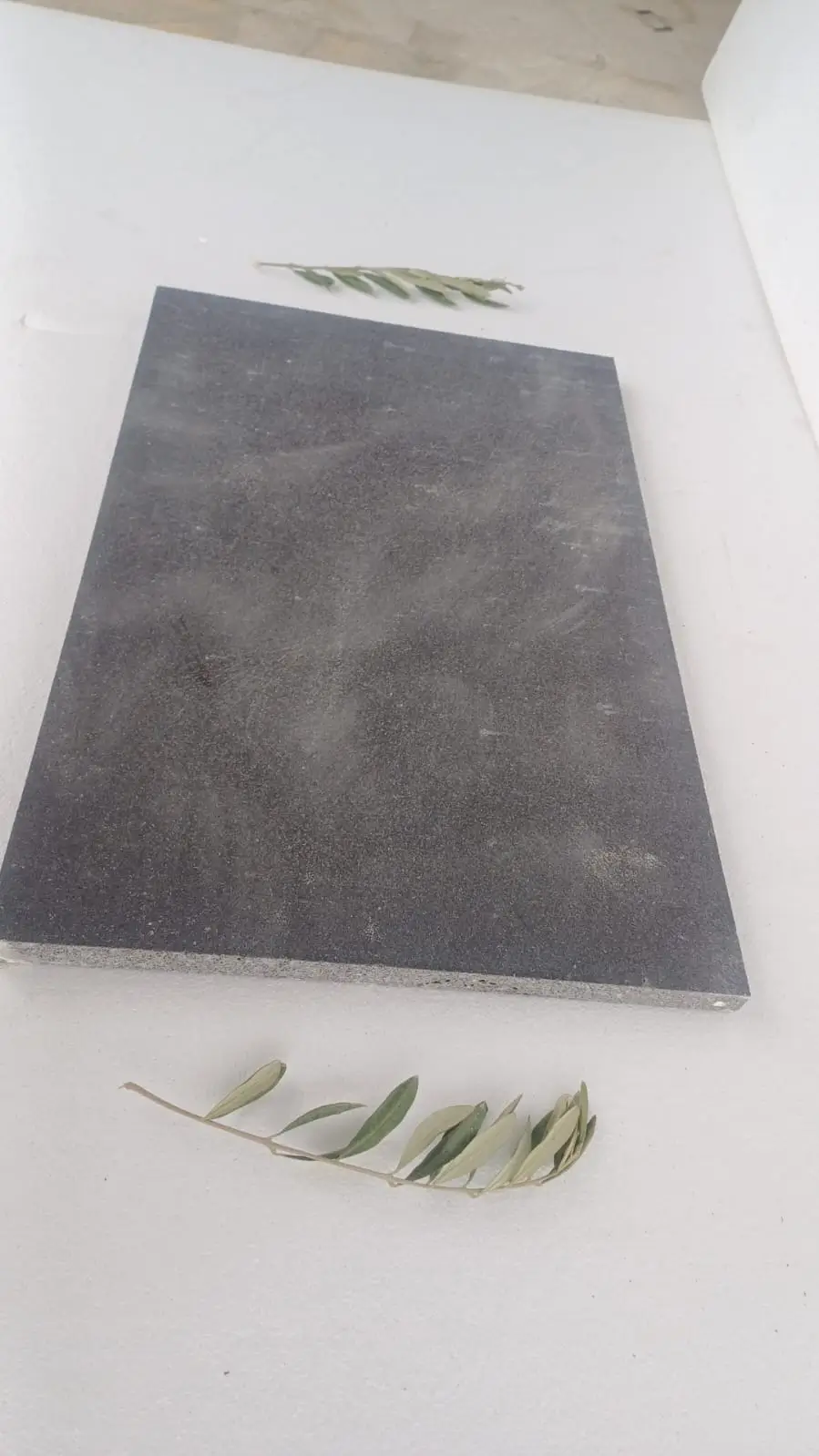
Slip Resistance Performance Data
When you evaluate flagstone slip resistance creation through thermal treatment, you’re targeting Dynamic Coefficient of Friction (DCOF) values between 0.55-0.68 for wet-surface applications. Untreated flagstone typically measures 0.38-0.45 DCOF when wet—acceptable for some applications but insufficient for pool decks, shower surrounds, or commercial high-liability installations.
Your specification should reference ANSI A137.1 standards, which recommend minimum 0.42 DCOF for level interior spaces and 0.60 DCOF for wet areas with soap exposure. Flagstone flame treatment Arizona achieves these thresholds by creating surface roughness in the 80-120 micron range, compared to 20-35 microns for honed finishes. This increased texture provides mechanical grip that performs consistently across wet and dry conditions.
What complicates your decision-making is how flagstone thermal texturing performance degrades over time. Field testing across commercial installations shows DCOF reduction of 0.08-0.12 points over 5-7 years in high-traffic areas. You need to account for this wear pattern by specifying initial DCOF values at the high end of the acceptable range—targeting 0.65-0.68 initially provides adequate safety margin as the surface gradually polishes through use.
- You should specify minimum 0.60 DCOF for pool decks and wet-area applications
- Your testing protocol must measure wet DCOF, not dry values that overstate performance
- You need to account for 0.08-0.12 DCOF reduction over 5-7 years in commercial traffic
- Your maintenance specification should include periodic slip resistance verification every 3-4 years
The flagstone heat finishing process creates more durable texture compared to topical coatings or chemical etching. Thermally-fractured surfaces integrate with the base material rather than forming a separate layer that can delaminate. When you’re comparing flagstone surface modification options, this integration characteristic provides superior long-term reliability in Arizona’s temperature extremes where thermal cycling exceeds 80°F daily variation during summer months.
Material Selection Criteria
Your flagstone flame treatment Arizona specification starts with base material selection. Not all flagstones respond predictably to thermal treatment, and you’ll encounter significant performance variation based on mineralogical composition, porosity, and density. The most reliable candidates for flagstone thermal texturing contain 30-45% quartz, 25-35% feldspars, and less than 8% clay minerals.
Porosity affects both flame treatment results and post-treatment performance. You should target flagstones with 3-6% porosity for optimal thermal texturing—below 3%, the dense matrix resists fracturing and produces minimal texture enhancement. Above 6%, you risk deeper thermal penetration that can cause subsurface cracking rather than controlled surface modification. Arizona sandstone flagstones typically fall within this ideal range, while some imported varieties exceed porosity thresholds.
When you evaluate material options, consider how existing surface finish affects treatment outcomes. Naturally cleft flagstones require different flame exposure than sawn surfaces because their irregular topography creates inconsistent heat transfer. You’ll achieve more uniform flagstone slip resistance creation by starting with sawn or lightly honed surfaces, then applying thermal treatment to create controlled texture rather than attempting to modify highly irregular cleft faces.
- You need base material with 30-45% quartz content for predictable thermal response
- Your porosity specification should range between 3-6% for optimal results
- You should verify compressive strength exceeds 12,000 PSI to withstand thermal shock
- Your material selection must account for color shift—expect 5-15% darkening after flame treatment
The color shift issue catches many specifiers off-guard. Flagstone heat finishing typically darkens material by 5-15% as surface minerals oxidize and micro-fractures increase light absorption. You can’t accurately predict final color from untreated samples, so your specification process should include flame-treated mockups that you approve before full production. For projects requiring precise color matching, consult a contractor flagstone dealer in Tempe who can provide treated samples from warehouse inventory before you commit to final material selection.
Installation Methodology
You need to decide whether flagstone flame treatment Arizona occurs before or after installation. Pre-treatment at fabrication facilities provides better quality control and uniformity, but you’ll face challenges with field cuts and edge treatments that expose untreated material. Post-installation treatment addresses this issue but introduces complexity around joint protection, adjacent surface shielding, and accessibility for flame equipment.
For most commercial projects, you should specify pre-treatment with provisions for field touch-up of cuts and edges. This approach allows fabricators to control flame exposure parameters, verify slip resistance testing before shipment, and maintain consistent results across multiple production runs. Your installation specification must then address how installers will treat field-cut edges—typically requiring portable torches and trained operators who understand proper exposure duration.
The base preparation requirements don’t change significantly for flame-treated flagstone, but you need to account for how flagstone thermal texturing affects setting material adhesion. The roughened surface profile increases mechanical bond, which generally improves performance, but you should verify that your specified thin-set or mortar formulation accommodates the enhanced texture without creating voids. Some installers mistakenly apply extra setting material to fill texture valleys, which wastes material and creates inconsistent slab bedding.
- You should specify pre-treatment for projects exceeding 500 square feet to ensure consistency
- Your installation documents must detail field touch-up procedures for cut edges
- You need to verify setting material compatibility with textured surfaces before installation begins
- Your joint width specification should increase by 1/16 inch to accommodate edge texture irregularities
Sealing and Protection Protocols
Flagstone flame treatment Arizona creates increased surface area through micro-fracturing, which affects how the material absorbs liquids and responds to sealing treatments. You’ll find that flame-treated flagstone absorbs 15-25% more sealer compared to honed surfaces of identical base porosity. This increased absorption doesn’t indicate a problem—it reflects the expanded surface area you created through thermal modification.
Your sealer selection needs to account for this enhanced absorption while maintaining the slip resistance you achieved through flagstone heat finishing. Penetrating sealers work better than topical film-forming products because they don’t fill the texture valleys that provide grip. You should specify solvent-based or water-based penetrating sealers with particle sizes small enough to enter the micro-fractures (typically nano-scale formulations below 50 nanometers).
The sealing schedule differs from untreated flagstone because the thermal process alters porosity distribution. You need initial sealing within 48-72 hours of installation completion to prevent staining before the stone stabilizes. Then you should specify resealing every 18-24 months for exterior applications in Arizona, compared to 24-36 months for untreated material. The increased frequency accounts for how UV exposure and thermal cycling degrade sealers faster on textured surfaces with greater exposed area.
- You should specify penetrating sealers rather than topical products to preserve slip resistance
- Your sealer application rate needs to increase by 15-25% compared to untreated surfaces
- You must require initial sealing within 48-72 hours of installation completion
- Your maintenance specification should mandate resealing every 18-24 months for exterior applications
Thermal Performance in Desert Climates
When you specify flagstone flame treatment Arizona for exterior applications, you need to understand how the textured surface affects thermal absorption and radiant heat transfer. The micro-fractured surface created through flagstone thermal texturing increases surface area by approximately 18-25%, which theoretically could increase heat absorption. However, the same texture also increases convective cooling by disrupting laminar air flow across the surface.
Field measurements show flame-treated flagstone surfaces run 3-6°F cooler than polished surfaces of identical base material under direct Arizona summer sun. This counterintuitive result occurs because the texture promotes air turbulence that enhances convective heat transfer. You’ll find this modest cooling benefit more pronounced during peak afternoon hours when radiant heat load reaches maximum levels—precisely when barefoot traffic safety matters most for pool deck applications.
Your specification should still address thermal mass management because flagstone retains significant heat regardless of surface texture. The material’s thermal diffusivity (typically 0.012-0.018 ft²/hr for flagstone) means surface temperatures lag 3-4 hours behind peak air temperatures. For residential pool decks, this lag time helps—the surface cools during evening hours when usage increases. For commercial installations with daytime traffic, you need to consider shade structures or irrigation cooling systems that complement the modest thermal benefits of textured surfaces.
Long-Term Maintenance Requirements
You should establish maintenance protocols that preserve the slip resistance you achieved through flagstone flame treatment Arizona. The primary threat to textured surfaces comes from organic buildup—algae, biofilm, and organic debris that fill micro-fractures and reduce effective texture depth. In Arizona’s monsoon season, you’ll see accelerated organic growth in shaded areas that receive periodic moisture without sufficient UV exposure to inhibit biological activity.
Your maintenance specification needs to mandate pressure washing at 1,800-2,400 PSI annually, with additional treatments after monsoon season if organic growth appears. Lower pressure settings (below 1,500 PSI) won’t adequately clean micro-fractures, while excessive pressure (above 3,000 PSI) can enlarge fractures and accelerate texture degradation. The proper pressure range provides effective cleaning without damaging the flagstone heat finishing results you specified.
- You should require annual pressure washing at 1,800-2,400 PSI to maintain slip resistance
- Your maintenance schedule must include post-monsoon cleaning in areas prone to organic growth
- You need to specify pH-neutral cleaners that won’t react with calcium-based flagstones
- Your protocol should mandate slip resistance testing every 3-4 years to verify performance retention
Chemical maintenance presents specific challenges for flame-treated surfaces. You must prohibit acidic cleaners (pH below 6.5) that can widen micro-fractures through dissolution of calcium-based minerals. Similarly, you should avoid highly alkaline products (pH above 9.5) that can mobilize silica and alter surface texture. Your specification should mandate pH-neutral cleaners (pH 6.5-8.5) formulated specifically for natural stone to prevent unintended chemical modification of the treated surface.
Economic Considerations and Cost Analysis
Flagstone flame treatment Arizona adds $4.50-$7.50 per square foot to base material costs, depending on stone type, project scale, and whether treatment occurs at fabrication facilities or in-field. You need to evaluate this premium against alternative slip resistance creation methods like sandblasting ($3.20-$5.80/SF), bush hammering ($5.10-$8.40/SF), or chemical etching ($2.80-$4.20/SF).
The economic analysis extends beyond initial treatment costs. Flame-treated surfaces typically require 20-30% less maintenance intervention over 10-year service life compared to mechanically abraded alternatives because the thermal modification integrates with base material rather than creating a separate abraded layer. When you calculate lifecycle costs including maintenance, resealing frequency, and eventual texture restoration, flagstone thermal texturing often proves more economical despite higher initial investment.
Your project budget should also account for testing and quality verification costs. Proper specification includes pre-production mockups ($800-$1,500 depending on size), post-treatment DCOF testing ($350-$600 per test location), and periodic field verification ($250-$400 per visit). These quality control expenses add 8-12% to treatment costs but provide essential performance documentation that protects against liability issues in commercial installations.
Common Specification Errors
The most frequent mistake you’ll encounter involves specifying flagstone flame treatment Arizona without establishing baseline material qualification criteria. Generic specifications that simply call for “flame-finished flagstone” without addressing composition, porosity, or strength parameters leave you vulnerable to performance failures when fabricators select inappropriate base materials.
- You must specify minimum quartz content (30-45%) and porosity range (3-6%) in base material
- Your specification should mandate pre-production mockups that you approve before full-scale treatment
- You need to require post-treatment DCOF testing rather than relying on general performance claims
- Your documents must detail field touch-up procedures for cuts and edges made during installation
Another common error involves failing to coordinate flagstone heat finishing with sealing specifications. Some specifiers assume standard sealing protocols apply to flame-treated surfaces, then discover the enhanced porosity exhausts sealer supplies mid-application. You should specify 20-25% additional sealer quantity and verify your selected product penetrates effectively into micro-fractured surfaces rather than bridging across texture peaks.
Edge detail specification represents a third frequent oversight. Flame treatment creates rough edges that can snag bare feet or clothing if left unaddressed. Your specification needs to mandate edge profiling—typically a light chamfer or eased edge—after thermal treatment to eliminate sharp fracture points while maintaining the textured surface on walking areas. This detail work adds $1.80-$3.20 per linear foot but prevents injury liability and improves finished appearance.
Comparing Alternative Texturing Methods
When you evaluate flagstone slip resistance creation options beyond thermal treatment, you’re choosing between mechanical processes (sandblasting, bush hammering, diamond grinding) and chemical methods (acid etching, enzymatic treatment). Each approach offers distinct advantages and limitations that affect your specification decision.
Sandblasting removes surface material through abrasive impact, creating texture depths of 60-90 microns compared to 80-120 microns for flame treatment. You’ll achieve adequate slip resistance (DCOF 0.52-0.60) but the abraded surface tends to retain staining compounds more readily than flame-treated material. The process also removes 2-4mm of material, which can affect dimensional tolerances and edge profiles in ways that complicate installation.
Bush hammering creates deeper texture (100-140 microns) through mechanical impact that fractures surface crystals. The results resemble flagstone thermal texturing but the mechanical process produces less uniform fracture patterns and higher variation across individual slabs. You might specify bush hammering for rustic applications where texture variation enhances design intent, but flame treatment delivers more consistent results for commercial installations where liability concerns demand predictable slip resistance.
- Sandblasting costs 25-35% less than flame treatment but creates shallower texture (60-90 microns vs. 80-120 microns)
- Bush hammering produces deeper texture but with ±25% greater variation across slabs
- Chemical etching works only on calcium-based flagstones and degrades faster in Arizona’s alkaline conditions
- Diamond grinding provides precise texture control but costs 40-50% more than thermal methods
Code Compliance and Regulatory Standards
Your flagstone flame treatment Arizona specification must address ADA requirements for slip resistance on accessible routes. The Americans with Disabilities Act references ASTM F1679 (using the English XL tribometer) and specifies minimum 0.60 DCOF for accessible surfaces. You need to verify that your flame treatment achieves and maintains this threshold through the material’s service life.
Arizona building codes don’t specifically mandate flame treatment, but they incorporate International Building Code provisions for slip resistance in specific applications. IBC Section 1003.2 requires floor surfaces to be “stable, firm, and slip resistant,” which courts have interpreted to mean DCOF values above 0.50 for general circulation and 0.60 for wet areas. Your specification documentation should include test data demonstrating compliance rather than relying on generic performance claims.
For commercial pool deck applications, you face additional requirements from health departments and liability insurers. Many jurisdictions mandate minimum 0.60 DCOF for pool decks, with some requiring 0.65 DCOF for areas within 6 feet of pool edges. Your flame treatment parameters need to achieve these enhanced thresholds, which typically requires slightly longer exposure duration (6-8 seconds per linear foot) compared to general pedestrian applications (3-5 seconds per linear foot).
Citadel Stone: Premier Flagstone Paving and Building Supplies in Arizona — Specification Guidance
When you evaluate Citadel Stone’s flagstone paving and building supplies for your Arizona project, you’re considering materials specifically selected for extreme climate performance and thermal treatment compatibility. At Citadel Stone, we provide technical guidance for hypothetical applications across Arizona’s diverse climate zones. This section outlines how you would approach flagstone surface modification decisions for six representative cities, each presenting distinct environmental challenges that affect your specification criteria.
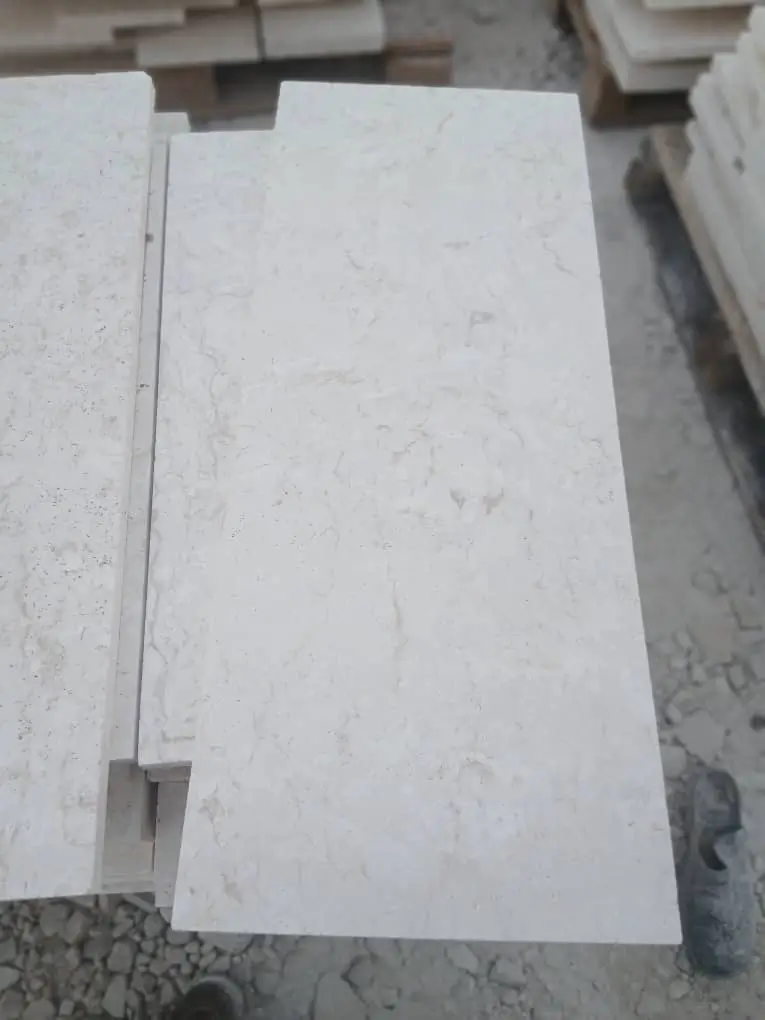
Phoenix Considerations
In Phoenix, you would need to account for extreme heat that regularly exceeds 115°F during summer months. Your flagstone flame treatment Arizona specification would address thermal expansion coefficients of 5.8 × 10⁻⁶ per °F, requiring expansion joints every 12-14 feet for flame-treated installations. You should specify lighter-colored flagstones that reflect 45-55% of solar radiation while still accepting thermal treatment effectively. The urban heat island effect amplifies surface temperatures by 8-12°F compared to surrounding desert, which means your DCOF requirements need to account for potential surface degradation from thermal cycling that exceeds 85°F daily variation. At Citadel Stone, we would recommend flagstones with minimum 12,500 PSI compressive strength to withstand this extreme thermal stress without micro-cracking beyond the controlled fractures created during flame treatment.
Tucson Applications
Your Tucson specification would address monsoon precipitation patterns that deliver 6-8 inches of rain concentrated in July-September. You need flagstone thermal texturing that maintains slip resistance when wet, targeting DCOF values of 0.62-0.68 to provide safety margin during sudden intense rainfall. The city’s higher elevation (2,389 feet) creates 6-9°F cooler temperatures than Phoenix, which slightly reduces thermal stress but increases freeze-thaw risk during winter nights when temperatures occasionally drop below 32°F. You would specify flame-treated flagstone with porosity below 5.5% to minimize water absorption that could lead to freeze damage. Your sealing protocol would mandate application within 48 hours of installation to prevent monsoon staining before the material stabilizes.
Scottsdale Requirements
In Scottsdale’s resort and high-end residential market, you would balance aesthetic expectations with performance requirements. Your flagstone heat finishing specification would need to preserve color consistency across large-format installations while achieving required slip resistance for pool decks and spa surrounds. You should account for the city’s higher water quality standards—total dissolved solids averaging 280-320 ppm—which affects efflorescence potential on flame-treated surfaces. Your specification would mandate pH-neutral sealers that don’t react with Arizona’s alkaline water chemistry. The prevalence of luxury outdoor living spaces means you would specify flame treatment parameters that create texture without compromising the refined appearance clients expect, typically targeting the lower end of effective texture range (75-95 microns) rather than maximum roughness.
Flagstaff Performance
Your Flagstaff specification faces dramatically different climate conditions at 6,910 feet elevation where annual snowfall averages 100 inches. You would need flagstone slip resistance creation that performs in ice and snow conditions, requiring DCOF values of 0.65-0.70 and porosity below 4.5% to resist freeze-thaw damage. The city experiences 180-200 annual freeze-thaw cycles, which means your flame-treated flagstone must withstand repeated expansion-contraction stress. You should specify compressive strength exceeding 14,000 PSI and verify the thermal treatment doesn’t create fractures deeper than 2mm that could propagate during freeze events. Your installation specification would mandate heated base systems for critical walkways to prevent ice accumulation that negates slip resistance benefits. At Citadel Stone, our technical team would recommend testing samples through 50 freeze-thaw cycles before approving materials for Flagstaff applications.
Sedona Design
In Sedona, you would address aesthetic integration with the distinctive red rock landscape while meeting performance requirements. Your flagstone thermal texturing specification would favor materials that complement regional geology—typically selecting flagstones with warm earth tones that accept flame treatment without excessive darkening. You need to account for tourist traffic patterns that create high wear in commercial installations, requiring DCOF values at the upper end of acceptable range (0.64-0.68) to maintain safety as texture gradually polishes. The city’s position at 4,350 feet elevation creates moderate temperature ranges (winter lows near 30°F, summer highs near 100°F) that reduce thermal stress compared to lower desert locations. Your specification would still mandate expansion joints every 15-18 feet to accommodate seasonal movement without cracking.
Yuma Challenges
Your Yuma specification would address the most extreme conditions in Arizona—summer temperatures exceeding 120°F and intense UV exposure that degrades sealers 30-40% faster than central Arizona locations. You would need flagstone heat finishing that creates durable texture capable of withstanding thermal expansion stress from 90°F daily temperature swings during summer months. The region’s agricultural economy means you should account for potential chemical exposure from fertilizer drift and pesticide residues that can react with flame-treated surfaces. Your specification would mandate chemically-resistant penetrating sealers and require resealing annually rather than the 18-24 month cycle appropriate for other Arizona cities. You should verify warehouse availability of flame-treated inventory before committing to project timelines, as Yuma’s remote location can extend lead times by 5-8 business days compared to Phoenix metro deliveries.
Quality Verification and Testing
Your quality control program for flagstone flame treatment Arizona must include multiple verification points throughout production and installation. You should mandate pre-production mockups that demonstrate achievable texture, color shift, and slip resistance before full-scale treatment begins. These mockups need to include at least 6-8 square feet of material treated under the same parameters you’ll specify for production—anything smaller fails to reveal the variation inherent in thermal processing.
Post-treatment testing represents your primary verification tool. You need to specify DCOF testing using the BOT-3000E tribometer with SBR (synthetic rubber) test pads under wet conditions. The testing protocol should evaluate minimum 3 locations per 500 square feet of treated material, with all readings meeting or exceeding your specified minimum. You can’t rely on single-point testing—natural stone variation means you need multiple data points to verify consistent performance.
- You should mandate pre-production mockups of 6-8 square feet minimum before approving full-scale treatment
- Your testing specification must require wet DCOF measurement using BOT-3000E or equivalent calibrated equipment
- You need minimum 3 test locations per 500 square feet to verify consistent performance across production runs
- Your acceptance criteria should reject any material with DCOF readings more than 0.08 below specified minimum
Documentation requirements protect your project against future liability. You should require fabricators to provide certified test reports for each production run, including flame temperature verification, exposure duration logs, and post-treatment DCOF data. This documentation becomes essential if performance issues arise years after installation—it establishes baseline conditions and demonstrates specification compliance at time of installation.
Project Planning Essentials
When you finalize your flagstone flame treatment Arizona specification, you’re making decisions that affect project performance for 20-30 years. Your material selection, treatment parameters, installation methodology, and maintenance protocols all interact to determine long-term outcomes. You need to approach specification as a comprehensive system rather than isolated material choices.
The economic analysis should account for lifecycle costs, not just initial material and treatment expenses. When you compare flame treatment to alternative texturing methods, factor in maintenance frequency, sealer consumption, and eventual texture restoration requirements. Projects with 15+ year expected service life almost always benefit from the durability advantages of thermal treatment despite higher upfront costs.
Your specification documents need sufficient detail to ensure consistent execution. Generic language like “provide flame-finished flagstone” leaves too much interpretation to fabricators and installers. You should specify exact parameters: flame temperature ranges, exposure duration, target DCOF values, acceptable texture depth, color shift tolerances, and field verification procedures. This level of detail prevents disputes and ensures the installed product matches your design intent. For complementary surface preparation techniques, review Professional diamond grinding techniques for smoothing flagstone surfaces before finalizing your project approach. Citadel Stone’s innovation establishes it as forward-thinking flagstone manufacturers in Arizona.