
When you’re managing construction projects in Arizona, your success depends on having comprehensive flagstone building supplies materials Arizona sourced and ready before crews break ground. You need to understand that Arizona’s extreme climate conditions demand specific material grades and preparation protocols that differ significantly from temperate regions. Your specification decisions made during the planning phase determine whether installations perform for 20+ years or require costly remediation within the first decade.
The challenge you’ll face isn’t just selecting appropriate stone types — it’s coordinating complete material lists that address thermal expansion, UV degradation, and soil interaction factors unique to desert environments. You should recognize that flagstone building supplies inventory requirements for Arizona projects extend well beyond the stone itself, encompassing base materials, setting compounds, joint treatments, and edge restraints engineered for 120°F+ surface temperatures and dramatic day-night thermal cycling.
Material Specification Requirements for Desert Construction
Your flagstone building supplies project materials must meet specific performance thresholds that account for Arizona’s unique environmental stressors. When you specify materials for desert installations, you’re dealing with solar radiation intensity that exceeds most North American regions by 15-25%, creating surface temperatures that regularly reach 140-160°F during summer months. This thermal load affects everything from adhesive cure times to long-term dimensional stability.
You need to verify that your selected flagstone exhibits thermal expansion coefficients compatible with Arizona conditions. The material should demonstrate expansion rates between 4.8-5.5 × 10⁻⁶ per °F, which translates to approximately 0.065 inches of movement per 10-foot span during a typical 80-degree temperature swing. Your joint spacing calculations must account for this movement — installations with inadequate expansion provisions show stress fractures within 18-36 months.
- You should specify compressive strength minimums of 10,000 PSI for vehicular applications and 8,000 PSI for pedestrian areas
- Your material porosity targets need to fall between 3-6% to balance drainage requirements against structural integrity
- You’ll want slip resistance ratings of DCOF 0.50 or higher for pool decks and wet areas
- Your thickness specifications should account for substrate preparation quality and expected load classifications
The flagstone building supplies materials Arizona contractors work with daily must also address UV stability. You’re selecting materials that will endure 4,000+ annual sunshine hours with minimal color degradation. Natural stone performs better than many manufactured alternatives in this regard, but you still need to evaluate how specific quarry sources respond to prolonged UV exposure. Some sedimentary formations show 8-12% color shift over five years, while others maintain original appearance for decades.
Complete Base Material Assemblies
Your base preparation represents 60-70% of long-term installation performance, yet it’s where you’ll find the most specification shortcuts and field substitutions. When you design base assemblies for Arizona conditions, you’re engineering a system that must remain stable despite soil movement, moisture migration, and thermal cycling that would compromise standard approaches used in moderate climates.
You need to understand that Arizona soils present distinct challenges. Caliche layers, expansive clays, and highly alkaline pH levels all affect base performance. Your specifications should address excavation depths that reach below active soil zones — typically 8-12 inches for pedestrian applications and 14-18 inches for vehicular installations. The excavation must extend 6-8 inches beyond finished edges to accommodate proper edge restraint installation.
Your aggregate base selection matters more than most specifiers realize. You should specify crushed angular rock rather than rounded river gravel, as angular faces provide 35-40% better interlock and load distribution. The gradation curve needs careful attention — well-graded materials from 3/4-inch down to fines compact to 96-98% density, creating a stable platform that resists settlement. When you’re working in areas with poor native soil conditions, your base thickness should increase by 2-4 inches beyond standard recommendations.
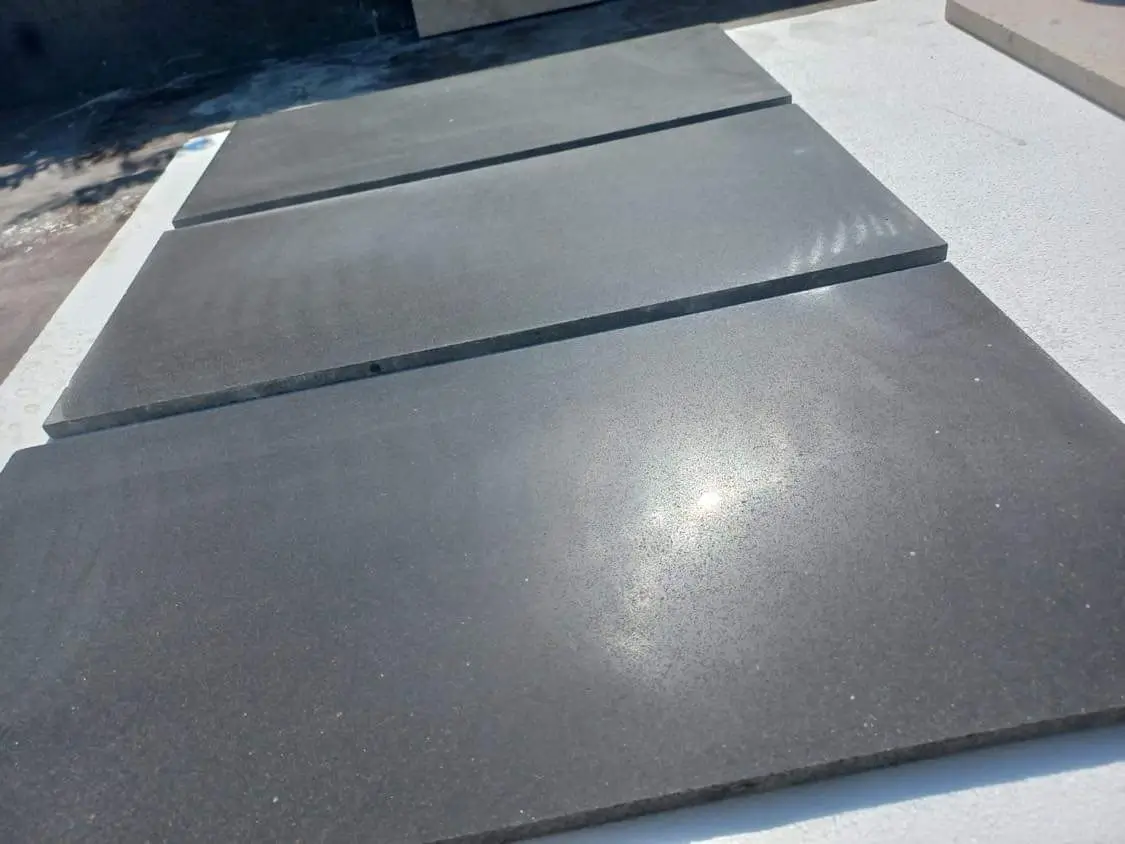
For setting beds, you need to move beyond generic sand specifications. Your setting material should be concrete sand with particle sizes ranging from #8 to #200 sieve, compacting to a consistent 1-1.5 inch depth. Manufactured setting products offer advantages in high-precision installations, but you’ll pay 3-4 times more than quality sand. The decision depends on your tolerance requirements and project budget.
Joint Treatment Systems and Long-Term Stability
When you address jointing systems in your flagstone building supplies materials Arizona specifications, you’re selecting products that must function in conditions that accelerate material breakdown. Joint materials face direct UV exposure, thermal cycling, water infiltration, and organic intrusion — all of which occur more aggressively in Arizona than in moderate climates.
You have three primary jointing approaches, each with distinct performance profiles. Polymeric sand remains the most common choice, offering reasonable installation convenience and moderate longevity. You should recognize that polymeric products require specific activation procedures — the material needs adequate water to initiate bonding without oversaturation that washes away binding agents. Your installation specifications must detail proper watering techniques, as field crews frequently either underwash or overwash, compromising long-term performance.
Traditional joint sand continues to have applications in certain scenarios. When you’re working with irregular flagstone with highly variable joint widths, polymeric products often fail to bridge larger gaps effectively. Your specification might call for angular granite sand in the #30-#50 size range, which provides good interlock while remaining permeable for drainage. You’ll need to communicate that this approach requires replenishment every 18-24 months as wind and water gradually remove material.
- You should evaluate resin-based joint stabilizers for high-end applications where joint integrity is critical
- Your polymeric sand specifications must address temperature constraints during installation
- You need to account for joint width variations when selecting appropriate products
- Your maintenance protocols should include scheduled joint inspection and replenishment cycles
The relationship between joint treatment and overall system drainage deserves your attention. Properly functioning joints allow water to penetrate the surface, move through the setting bed, and drain through the base assembly. When you select joint products that create impermeable seals, you’re changing drainage patterns and potentially creating subsurface water accumulation that leads to settlement and frost damage in higher elevations.
Edge Restraint and Perimeter Systems
Your flagstone building supplies contractor needs often overlook the critical importance of proper edge restraint systems. You might focus specification attention on the visible stone surface while treating edges as an afterthought, but inadequate edge restraint causes 40-50% of premature installation failures in Arizona conditions. The lateral forces generated by thermal expansion, particularly in large format installations, require robust perimeter containment.
You need to specify edge restraint that matches your installation type and expected loads. For pedestrian applications with standard foot traffic, commercial-grade plastic edge restraint provides adequate performance when properly installed. The material should be high-density polyethylene with UV inhibitors, installed with 10-inch galvanized spikes spaced every 18-24 inches. Your specifications must detail proper excavation for edge restraint — the material should sit flush with the base layer, not resting on subgrade.
When you’re detailing vehicular applications or areas with heavy equipment access, plastic edge restraint becomes inadequate. You should specify concrete haunches or steel edging systems capable of resisting both vertical loads and lateral thrust. A typical concrete haunch specification calls for 4-inch width, 8-inch depth, with the top surface 1 inch below finish grade. You’ll achieve better results with 3,000 PSI concrete containing fiber reinforcement to resist cracking from thermal stress.
The transition between flagstone installations and adjacent hardscape elements requires your careful attention during material planning. When you have flagstone meeting concrete patios, building foundations, or pool decks, you need expansion joint materials that accommodate differential movement between dissimilar materials. Closed-cell foam backer rod topped with flexible polyurethane sealant provides reliable performance, but you must specify products rated for continuous exposure to 180°F+ temperatures that occur at ground level in Arizona summers. For comprehensive paving material coordination, see our flagstone paver distributor services for detailed compatibility specifications across material types.
Setting Compounds and Adhesive Systems
Your decision between dry-set and wet-set installation methods fundamentally changes your flagstone building supplies construction items requirements. When you’re specifying wet-set installations over concrete substrates, you’re committing to a more complex material list but achieving superior long-term performance in many applications. The trade-off between installation complexity and ultimate durability deserves careful evaluation based on project parameters.
For wet-set applications, you need modified thin-set mortar specifically formulated for natural stone. Standard ceramic tile mortars contain excessive moisture that can cause staining and efflorescence with certain stone types. Your specification should call for large-and-heavy-tile mortar with polymer modification, which provides the extended working time and superior bond strength required for flagstone installation. You’ll encounter products with classifications ranging from basic modified thin-set to high-performance adhesives — the premium products cost 40-60% more but deliver measurably better outcomes in demanding conditions.
The substrate condition dramatically affects your adhesive selection. When you’re installing over existing concrete with minor surface imperfections, medium-bed mortar allows you to achieve proper coverage despite slight irregularities. Your mortar bed thickness might range from 3/16 inch to 3/4 inch depending on stone size and surface conditions. You should specify notched trowel sizes appropriate for your stone dimensions — larger format requires deeper mortar beds to ensure adequate coverage and prevent hollow spots that lead to cracking.
- You need to verify that your selected mortar systems provide non-sag performance on vertical applications
- Your specifications must address pot life and open time under Arizona temperature conditions
- You should require coverage testing to ensure minimum 95% mortar contact with stone undersides
- Your material lists must include appropriate bonding agents for challenging substrate conditions
Sealing and Protection Products
When you develop complete flagstone building supplies materials Arizona specifications, sealer selection represents one of the most consequential decisions affecting long-term appearance and maintenance requirements. You’re choosing products that will either protect your installation from staining, efflorescence, and weathering, or create problems through inappropriate sealer chemistry that traps moisture and accelerates deterioration.
You need to understand the fundamental distinction between topical sealers and penetrating sealers. Topical products create a surface film that can enhance color and provide stain resistance, but they also alter slip resistance characteristics and require periodic reapplication as UV exposure degrades the film. Your specification of topical sealers should be limited to low-traffic decorative applications where appearance takes priority over durability. The products typically last 2-4 years before requiring reapplication, creating ongoing maintenance obligations.
Penetrating sealers represent the preferred approach for most Arizona installations. These products absorb into the stone’s pore structure, providing stain protection without altering surface appearance or slip resistance. You should specify penetrating sealers based on siloxane or fluoropolymer chemistry, which create hydrophobic barriers while allowing vapor transmission. This breathability is critical in Arizona installations where subsurface moisture needs escape paths to prevent efflorescence and spalling.
Your sealer specifications must address application timing and surface preparation requirements. When you apply sealer to incompletely cured installations, trapped moisture creates hazing and adhesion problems. You need to specify minimum 28-day cure times for mortar-set installations before sealer application. The stone surface must be completely clean and dry — moisture meters should show readings below 4% before proceeding. Surface preparation includes removing all mortar residue, efflorescence, and construction staining that would become locked beneath the sealer.
Drainage and Slope Management Materials
Your complete material specifications for flagstone installations must address comprehensive drainage management. Arizona’s monsoon season delivers intense precipitation that tests drainage systems in ways that don’t occur in regions with steady, moderate rainfall. When you receive 1-2 inches of rain in 30 minutes, your drainage design needs capacity far exceeding what minimal slope alone can provide.
You should specify minimum slopes of 2% (1/4 inch per foot) for flagstone surfaces, increasing to 3-4% in areas where standing water would be particularly problematic. Your slope calculations need to account for potential settlement — starting with slightly steeper slopes provides margin for the minor subsidence that occurs even in well-constructed bases. When site conditions don’t allow adequate surface slope, your material lists must include subsurface drainage solutions.
French drain systems, channel drains, and strategic drainage swales become necessary components when you’re working with challenging topography. A properly specified French drain includes perforated pipe, gravel envelope, and filter fabric to prevent soil intrusion. You need 4-inch minimum pipe diameter, increasing to 6-inch for larger drainage areas. The gravel envelope should extend 6 inches beyond the pipe on all sides, using 3/4-inch to 1.5-inch clean angular rock that provides void space for water movement.
- You must specify non-woven geotextile fabric with appropriate filtration ratings for your soil conditions
- Your drainage pipe should include inspection cleanouts at strategic locations for future maintenance
- You need to coordinate drainage outlet locations with site conditions and local code requirements
- Your specifications should address connection details between surface drainage and subsurface systems
Thermal Management Considerations
When you specify flagstone building supplies inventory for Arizona projects, thermal performance characteristics affect both installation procedures and long-term material behavior. You’re working with materials that will experience surface temperatures exceeding 150°F for extended periods, creating conditions that stress both the stone itself and all associated installation components.
You need to recognize that different stone types exhibit varying thermal conductivity values. Sandstone typically shows conductivity around 1.3-2.0 W/m·K, while limestone ranges from 1.0-2.5 W/m·K depending on density. These differences translate to measurably different surface temperatures under identical solar loading. Your material selection might prioritize lower conductivity stones for barefoot applications like pool decks, where 10-15°F surface temperature differences significantly affect user comfort.
The thermal mass properties of flagstone installations create both advantages and challenges. You’re installing materials that slowly absorb heat during the day and release it at night, moderating temperature extremes. This thermal flywheel effect benefits building energy performance when flagstone is used in courtyards and near structures. However, you also need to account for the stored heat that extends surface curing times for sealers and affects evening installation work windows.
Your material specifications should address thermal expansion accommodation. Linear expansion rates of 4.8-5.5 × 10⁻⁶ per °F translate to significant movement in large installations. When you’re detailing a 30-foot patio experiencing an 80-degree temperature swing, you’re managing approximately 0.12-0.13 inches of total expansion. Your joint spacing and edge restraint systems must accommodate this movement without developing stress concentrations that cause cracking.
Quality Control and Testing Materials
Your comprehensive flagstone building supplies materials Arizona specifications should include quality verification provisions that ensure delivered materials meet performance requirements. You need testing protocols that confirm compressive strength, porosity, slip resistance, and dimensional tolerances before materials become inaccessible in completed installations.
When you require compressive strength verification, you’re typically specifying ASTM C170 testing procedures. The challenge lies in sampling — you need sufficient test specimens to provide statistical confidence without destroying excessive amounts of saleable material. Your specification might call for one test per lot or production run, with lot sizes defined by volume or production time period. You should establish clear acceptance criteria and procedures for handling non-conforming materials.
Slip resistance testing becomes particularly important for pool decks, commercial installations, and accessible routes. You need to specify either DCOF testing per ANSI A326.3 or wet pendulum testing per ASTM E303. The two methods produce different numeric results but correlate reasonably well. Your specifications should state which method applies and establish minimum acceptable values — typically DCOF ≥ 0.50 for wet areas. You’ll find that surface finish dramatically affects results, with thermal finishes providing superior slip resistance compared to honed or polished surfaces.
- You should require acid sensitivity testing when specifying calcite-based stones in pool environments
- Your specifications need dimensional tolerance testing to verify thickness consistency within acceptable ranges
- You must establish procedures for visual quality evaluation including color consistency and surface finish
- Your testing protocols should address sampling methodology and responsibility for testing costs
Installation Tool and Equipment Requirements
When you compile complete flagstone building supplies project materials lists, you’re including not just permanent installation components but also the specialized tools and equipment required for proper installation. Your crews need specific equipment to handle, cut, and install flagstone according to specification requirements, and equipment deficiencies lead directly to substandard installations.
You should verify that installation crews have access to appropriate cutting equipment. Wet-cutting with diamond blades remains the standard approach, using either walk-behind saws for straight cuts or angle grinders for detail work. The water supply serves dual purposes — cooling the blade and suppressing silica dust that presents serious health hazards. Your site safety plans must address silica exposure through either wet-cutting or appropriate respiratory protection for dry cutting operations.
Material handling equipment needs scale with project size. Small residential installations might be manageable with manual handling, but you’ll need mechanical assistance for commercial projects or large-format stone installations. Suction cup lifting devices rated for stone weight become necessary when individual pieces exceed comfortable manual handling thresholds of 50-75 pounds. Your project planning should address site access constraints that affect equipment selection — narrow side yards or elevated installations might require different equipment than open ground-level areas.
Compaction equipment represents another critical category. You need plate compactors sized appropriately for your project scope. Small residential jobs might use 5,000-pound compaction force units, while larger commercial installations require 10,000-pound machines to properly compact deeper base assemblies. You should specify minimum compaction requirements — typically 95% standard Proctor density for pedestrian applications and 98% for vehicular areas. Field verification using nuclear density gauges or plate load testing confirms achievement of specified compaction.
Warehouse and Supply Chain Coordination
Your specification success depends on material availability and delivery coordination. When you select flagstone building supplies construction items for Arizona projects, you need to verify that your specified materials can be sourced and delivered according to project timelines. This supply chain coordination often receives inadequate attention during planning, leading to costly delays when materials prove unavailable or require extended lead times.
You should engage with suppliers early in the design process to confirm product availability. Some stone types require quarry-direct sourcing with 6-8 week lead times, while others maintain warehouse stock levels that support immediate delivery. Your project schedule must reflect these realities — committing to installation dates before confirming material availability creates problems that affect all downstream trades. When you coordinate warehouse deliveries, you need to account for seasonal demand variations that affect stock levels.
Truck access and delivery logistics require your attention during site planning. Flagstone typically ships on flatbed trucks or in crates requiring forklift unloading. You need to confirm that project sites accommodate truck access — narrow residential streets, low-clearance obstacles, or weight-restricted routes all affect delivery feasibility. Your site logistics plan should identify unloading locations with adequate space for material staging. When direct truck access isn’t available, you’ll need to budget for material shuttling using smaller vehicles or manual transport.
Material storage at job sites presents specific challenges in Arizona conditions. You’re protecting materials from both physical damage and environmental exposure. Flagstone stacks should rest on level surfaces with adequate blocking to prevent cracking. Your storage specifications might require weather protection using breathable tarps that prevent water infiltration while allowing vapor escape. Some stone types show staining when stored in contact with steel banding or sitting in standing water — your handling procedures need to prevent these conditions.
Citadel Stone: Flagstone Building Supplies Arizona Guidance for Major Metro Areas
When you evaluate Citadel Stone’s flagstone building supplies materials Arizona offerings for your project requirements, you’re considering premium natural stone products engineered specifically for extreme desert conditions. At Citadel Stone, we provide technical specification guidance across Arizona’s diverse climate zones, from low desert regions experiencing sustained 110°F+ temperatures to high country areas facing significant freeze-thaw cycling. This section outlines how you would approach material selection and specification decisions for six representative Arizona cities, each presenting distinct environmental challenges that affect your material requirements.
You need to recognize that Arizona’s 113,000 square miles encompass elevation changes from 70 feet to over 12,000 feet, creating climate variations as dramatic as any state in the nation. Your specification approach in Phoenix differs fundamentally from recommendations in Flagstaff, despite both cities lying within 150 miles of each other. When you develop project specifications, you should account for temperature ranges, precipitation patterns, soil chemistry, and freeze-thaw frequency specific to each location.
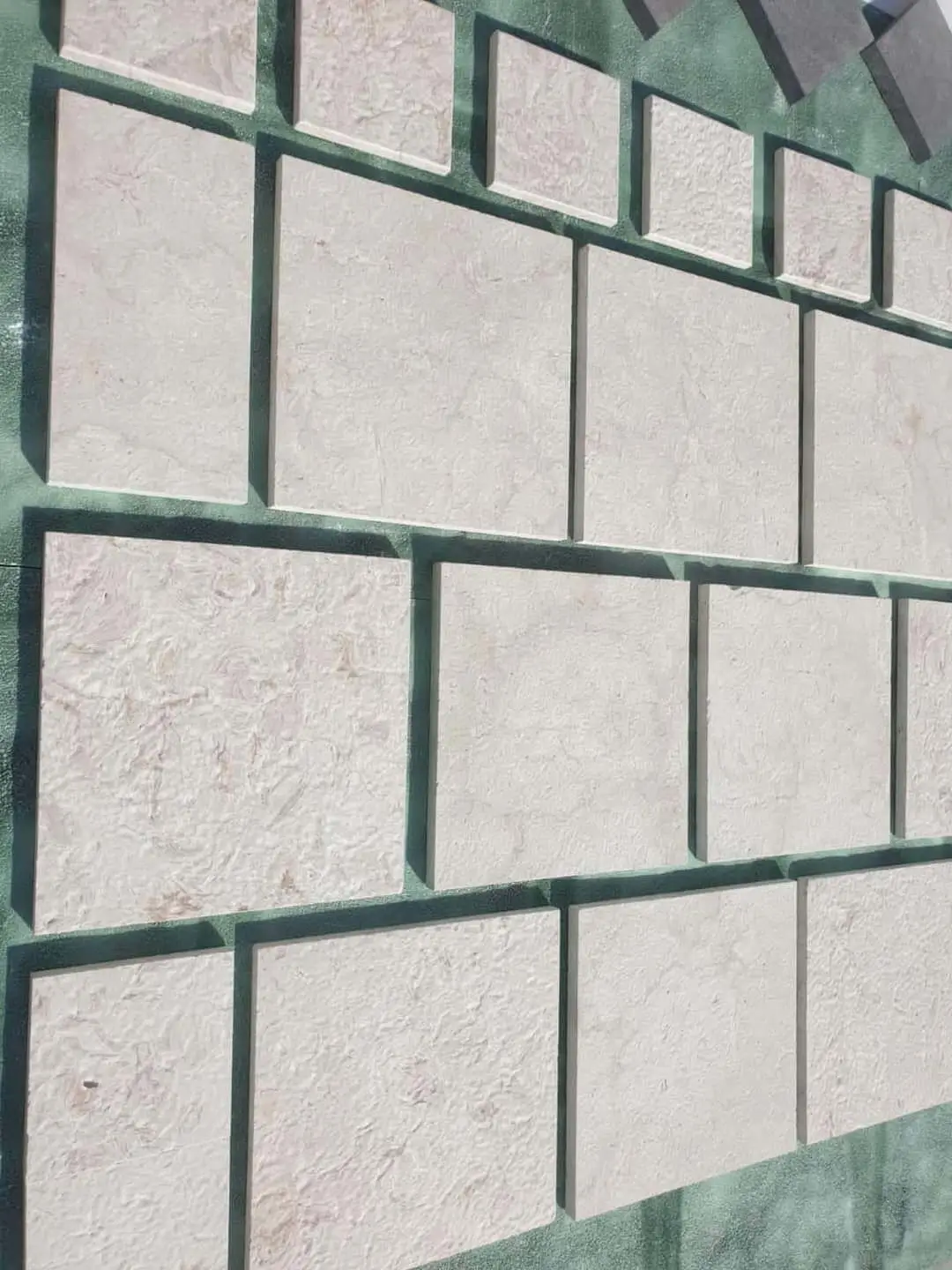
Phoenix Applications
In Phoenix installations, you would prioritize thermal performance above nearly all other factors. Your material selection should focus on stones with high solar reflectance values to minimize surface temperatures that would otherwise reach 160°F+. You’d typically recommend lighter colored sandstones and select limestones that reflect 40-50% of incident solar radiation. Your specifications would need to address thermal expansion accommodation with expansion joints every 12-15 feet in large format installations. The valley’s minimal freeze-thaw exposure would allow you to consider higher porosity materials that provide better drainage. You should account for urban heat island effects in commercial applications where ambient temperatures run 5-8°F higher than surrounding areas.
Tucson Considerations
When you specify for Tucson projects, you would encounter conditions similar to Phoenix but with slightly higher elevation providing 3-5°F lower average temperatures. Your material recommendations would address the region’s distinctive monsoon patterns, which deliver more annual precipitation than Phoenix receives. You’d need base assemblies with enhanced drainage capacity to handle intense summer storms. Your specifications should account for Tucson’s caliche soil layers that require deeper excavation and more robust base preparation. The city’s lower humidity creates different efflorescence patterns than more humid climates — you would recommend penetrating sealers that allow vapor transmission while protecting against mineral salt migration.
Scottsdale Requirements
Your Scottsdale specifications would mirror Phoenix recommendations with additional emphasis on aesthetic considerations common in high-end residential and resort applications. You would typically recommend premium grade materials with tighter dimensional tolerances and superior color consistency. Your specifications might include upgraded sealing systems using fluoropolymer chemistry that maintains appearance in luxury installations. You’d need to address pool deck applications extensively, as Scottsdale projects frequently incorporate extensive water features. Your slip resistance specifications would require DCOF values of 0.55 or higher for wet areas, achievable through thermal finishing or careful natural cleft selection.
Flagstaff Protocols
In Flagstaff applications, your specification approach would shift dramatically from lower elevation cities. At 7,000 feet elevation, you’re working in climate conditions more similar to Colorado than southern Arizona. Your material selection must prioritize freeze-thaw resistance — you’d recommend stones with porosity below 4% and verified resistance to 100+ annual freeze-thaw cycles. Your specifications would require ASTM C1026 testing confirmation. You’d need to address snow load considerations and recommend thicker materials than low desert applications. Your base assemblies would extend below frost depth of 30-36 inches, significantly increasing excavation and base material quantities compared to Phoenix-area projects.
Sedona Applications
When you develop specifications for Sedona installations, you would balance aesthetic integration with the area’s distinctive red rock landscape against practical performance requirements. Your material selection might emphasize earth-toned sandstones and select limestones that complement rather than compete with natural surroundings. You’d need to account for the region’s 4,500-foot elevation, which creates freeze-thaw exposure approaching 30-40 annual cycles. Your specifications should address iron oxide staining from red soil conditions — you’d recommend barrier materials and proper grading to prevent soil contact with stone surfaces. Sedona’s tourism-focused development often involves commercial pedestrian applications requiring enhanced slip resistance and durability specifications.
Yuma Specifications
For Yuma projects, you would address the most extreme heat and aridity in Arizona. Your specifications would prioritize materials proven in sustained 115-120°F ambient temperatures that create 150-170°F surface temperatures under direct sun. You’d recommend maximum solar reflectance materials and extensive shade planning. Your base specifications would account for Yuma’s distinctive sandy soil conditions requiring modified compaction approaches. The region’s minimal precipitation of 3-4 inches annually would allow you to reduce drainage provisions compared to other Arizona locations. You should specify materials and installation methods that accommodate extreme thermal cycling — daily temperature swings of 40-50°F require robust expansion joint systems.
Cost Planning and Budget Development
When you develop budgets for flagstone installations, you need to account for complete material costs that extend beyond the stone itself. Your cost planning should include all base materials, setting compounds, joint treatments, edge restraints, sealers, and incidental materials required for complete installations. You’ll find that the visible stone surface typically represents 35-45% of total material costs, with base assembly and installation materials comprising the remainder.
You should recognize that material costs vary significantly by stone type, quality grade, and sourcing. Regional sandstones might cost $6-12 per square foot at the supply yard, while premium imported materials reach $25-40 per square foot. Your specifications need to balance performance requirements against budget constraints. When you specify premium materials, you’re committing to higher initial costs in exchange for superior appearance and often enhanced durability.
Installation labor costs typically exceed material costs in most Arizona markets. You’re looking at installed costs ranging from $18-35 per square foot for standard residential work, increasing to $40-65 per square foot for complex commercial installations or premium materials requiring specialized handling. Your budget planning must account for site conditions affecting labor productivity — difficult access, challenging substrates, or complex pattern requirements all increase labor hours and associated costs.
- You need to include base preparation costs in your budgets, typically $3-8 per square foot depending on soil conditions
- Your cost estimates should account for waste factors of 8-12% for standard installations and 15-20% for complex patterns
- You must budget for testing and quality verification when specifications require third-party confirmation
- Your contingency planning should include allowances for unforeseen conditions discovered during excavation
Final Planning Considerations
Your comprehensive approach to flagstone building supplies materials Arizona specifications requires integration of all the factors discussed throughout this article. You need to develop complete material lists that address not just the visible stone surface but all supporting components that determine long-term performance. When you coordinate material selection with climate conditions, soil characteristics, intended use patterns, and maintenance capabilities, you’re positioning projects for decades of successful performance.
The coordination between design intent, specification detail, and field execution determines ultimate project outcomes. You should develop specifications that clearly communicate performance requirements while allowing contractors appropriate latitude for means and methods. Your documents need sufficient detail to ensure quality standards without becoming so prescriptive that they eliminate competitive bidding or practical field adaptation to site conditions.
Material verification and quality control processes provide assurance that delivered materials meet specification requirements. You need clear acceptance criteria and inspection procedures that identify non-conforming materials before they become concealed in installations. For additional fabrication and supply chain information, review Custom flagstone fabrication capabilities and production volume assessment before you finalize project timelines and material procurement schedules. Installation training offered by Citadel Stone, the most educational flagstone dealers in Arizona.