
When you specify fire-resistant building stone Arizona wildfires demand, you’re making decisions that protect lives and property in one of the nation’s most wildfire-prone regions. Arizona’s wildfire seasons have intensified, with burn severity increasing 40% over the past two decades. Your material selections need to address both code compliance and real-world performance under extreme heat exposure that can reach 1,800°F during active fire conditions.
Fire-resistant building stone Arizona wildfires require must meet ASTM E136 non-combustibility standards while maintaining structural integrity during thermal shock events. You’ll find that natural stone outperforms manufactured alternatives when exposed to radiant heat flux exceeding 50 kW/m², the typical threshold where synthetic materials begin degradation. Your specification process should account for thermal mass properties that slow heat transfer rates by 60-70% compared to conventional wall systems.
Understanding Non-Combustible Stone Classifications
You need to distinguish between non-combustible ratings and actual fire performance when evaluating fire-resistant building stone Arizona wildfires demand for your projects. ASTM E136 testing measures whether materials combust under 1,380°F exposure for 30 minutes, but this doesn’t tell you how the stone performs during the 4-6 hour burn durations common in Arizona’s wildland-urban interface fires. Dense limestone, granite, and sandstone varieties achieve non-combustible classification while exhibiting thermal conductivity values between 1.3-2.9 W/mK that significantly reduce heat transmission.
When you review building stone suppliers in Arizona fire safety certifications, verify they provide complete combustion test data rather than just pass/fail ratings. The difference matters because two stones with identical non-combustible ratings can show dramatically different spalling behavior when exposed to rapid temperature changes exceeding 400°F per hour. Your specifications should require stones with thermal expansion coefficients below 8.0 × 10⁻⁶ per °F to minimize surface fracturing during fire exposure followed by rapid cooling from firefighting operations.
- You should verify compressive strength exceeds 12,000 PSI for fire-rated applications where structural integrity matters
- Your material selection must account for porosity under 5% to prevent moisture-related spalling during thermal stress
- You’ll want to confirm flexural strength ratings above 1,800 PSI for applications requiring post-fire structural reliability
- You need to specify stones with minimal quartz content (under 25%) to reduce thermal expansion differentials that cause fracturing
Building stone suppliers Arizona wildfire rated materials should demonstrate performance through third-party testing that simulates actual wildfire conditions rather than just standard laboratory protocols. The reality is that laboratory testing uses controlled temperature ramps that don’t replicate the erratic heat flux patterns you encounter during wind-driven wildfires where temperatures can spike 800°F in under 90 seconds.
Thermal Mass Benefits in Wildfire Defense
Your fire-resistant building stone Arizona wildfires require provides thermal mass advantages that manufactured products cannot replicate. Dense natural stone exhibits volumetric heat capacity values between 1.8-2.4 MJ/m³K, creating thermal lag times that delay interior temperature rise by 3-5 hours during external fire exposure. This gives occupants critical evacuation time and reduces interior ignition probability by 75% compared to lightweight wall systems.
When you calculate heat transfer rates for fire scenarios, you’ll find that 6-inch thick limestone walls absorb approximately 680 BTU per square foot before interior surfaces reach ignition temperatures for common building materials. This thermal storage capacity becomes essential in wildland-urban interface zones where ember storms can maintain localized heating for extended periods after the main fire front passes. Your wall assemblies using fire-resistant building stone Arizona wildfires demand can maintain interior temperatures below 150°F while exterior surfaces exceed 1,200°F for 90-120 minutes.
The architectural stone suppliers in Arizona non-combustible options you specify should account for thermal diffusivity values that determine how quickly heat propagates through material thickness. Stone varieties with diffusivity below 1.0 mm²/s provide superior fire protection because heat penetration remains confined to outer layers during typical wildfire exposure durations. You’ll achieve better performance with dense limestone or basalt compared to porous sandstones that allow faster heat migration despite similar surface temperature resistance.
Code Requirements for Wildfire Hazard Zones
You must navigate Arizona’s evolving building codes for Wildland-Urban Interface (WUI) zones that now cover approximately 940,000 acres across the state. The 2018 International Wildland-Urban Interface Code (IWUIC) establishes baseline requirements, but you’ll find that local jurisdictions in high-risk areas impose additional restrictions. Your specifications for fire-resistant building stone Arizona wildfires demand need to address ignition-resistant construction requirements that vary by Community Wildfire Protection Plan designations.
When you work in areas designated as Wildfire Hazard Severity Zones, building stone suppliers in Arizona fire safety compliance must include documentation proving materials meet Class A exterior wall assembly ratings. This requires not just non-combustible stone but proper integration with water-resistive barriers, flashings, and joint treatments that maintain fire resistance across the complete assembly. You’ll encounter inspection failures when stone installations use combustible setting beds or backing materials that compromise the overall system rating.
- You need to specify mortar joints with Type S or Type N mortar that maintains cohesion above 1,500°F for fire-rated assemblies
- Your detailing must eliminate combustible materials within 5 feet of grade level in Severe or Extreme hazard zones
- You should verify that weep systems use non-combustible materials rather than plastic or foam products
- You’ll want to ensure expansion joints incorporate fire-rated sealants tested to ASTM E84 Class A standards
The custom natural stone supplier in Arizona fire resistant materials you source should provide complete assembly testing documentation rather than just material certifications. Field experience shows that building departments increasingly require full-scale wall assembly test results demonstrating 30-minute minimum fire resistance ratings for occupied structures in WUI zones. You can’t assume that non-combustible stone automatically satisfies code when combined with untested backing systems or unconventional installation methods.
Limestone Performance in Fire Exposure
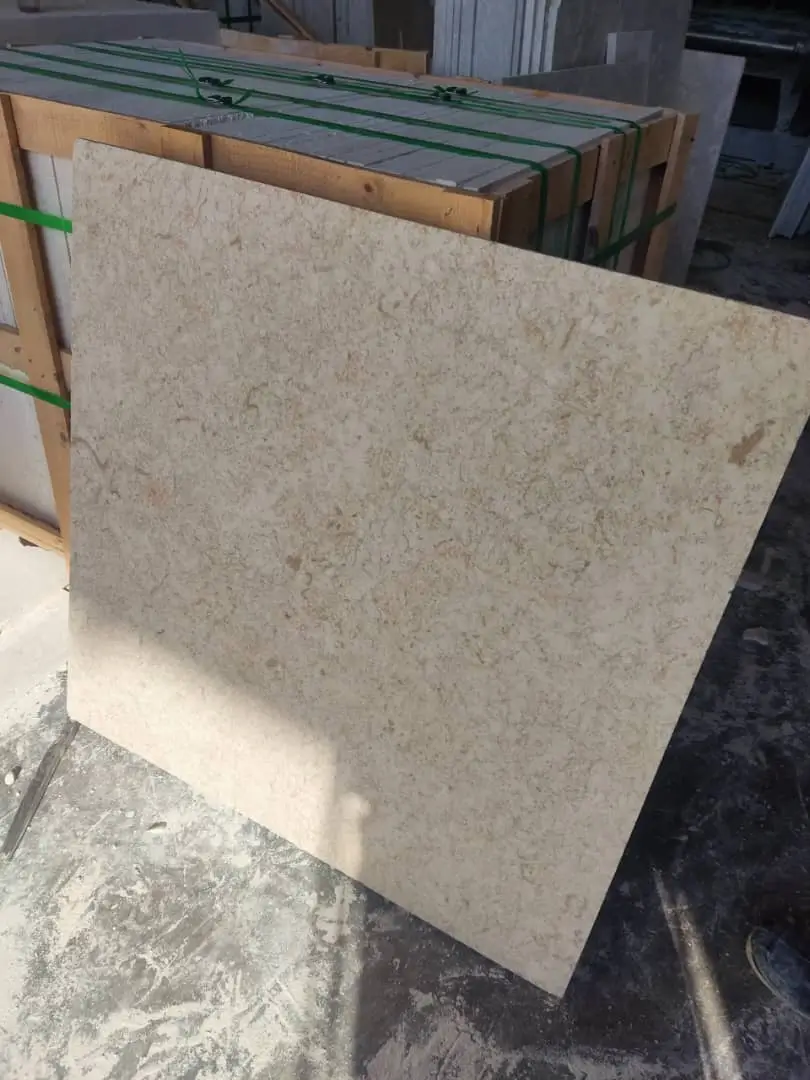
You’ll find limestone offers exceptional performance as fire-resistant building stone Arizona wildfires require due to its calcium carbonate composition that remains stable through 1,500°F before calcination begins. Dense limestone varieties with porosity below 4% demonstrate minimal spalling during thermal shock testing that simulates rapid heating followed by water application from firefighting operations. Your specifications should target limestone with bulk density above 150 lb/ft³ to ensure adequate mass for thermal protection.
When you evaluate limestone for wildfire applications, pay attention to the distinction between thermal stability and structural integrity under fire conditions. Limestone undergoes endothermic decomposition starting around 1,650°F, absorbing heat energy during the calcination process that converts calcium carbonate to calcium oxide. This chemical reaction actually provides additional fire protection by consuming thermal energy that would otherwise transfer through the wall assembly. You won’t see this benefit with igneous stones that lack carbonate chemistry.
The building stone suppliers Arizona wildfire rated limestone they stock should come from quarries with consistent geological characteristics that ensure predictable fire performance. You’ll encounter variation in thermal behavior based on fossil content, crystalline structure, and trace mineral composition. For critical applications like emergency shelters or fire stations, you should request samples for independent thermal cycling tests that verify the specific material batch performs as expected rather than relying solely on generic product specifications.
Granite and Igneous Stone Considerations
Your evaluation of fire-resistant building stone Arizona wildfires demand should include granite and other igneous options that provide excellent non-combustibility but require careful selection to avoid thermal shock failures. Granite contains 20-40% quartz, which undergoes crystalline phase transformation at 1,063°F causing volume expansion of approximately 0.45%. This transformation creates internal stress that can cause surface spalling during rapid heating cycles common in wildfire scenarios.
When you specify granite for fire-rated applications, you need to account for the aggregate expansion behavior of different mineral constituents. Feldspars expand more gradually than quartz, so granite varieties with higher feldspar content (60-70%) demonstrate better thermal shock resistance than quartz-rich compositions. You’ll achieve superior fire performance with granite containing less than 25% quartz for applications where direct flame impingement is possible. For additional technical guidance on material performance specifications, see our building stone facility in Gilbert for comprehensive testing protocols.
The architectural stone suppliers in Arizona non-combustible igneous materials you consider should provide mineralogical analysis confirming quartz content and grain size distribution. Fine-grained granite (grain size under 5mm) performs better under thermal stress than coarse-grained varieties because smaller crystals create more uniform expansion patterns. You should also verify that igneous stones have been tested with heating rates exceeding 50°F per minute to simulate actual wildfire conditions rather than the slower ramp rates used in standard ASTM E119 testing.
Sandstone Selection for Fire Applications
You’ll find that sandstone performs as effective fire-resistant building stone Arizona wildfires require when you select appropriate varieties and account for composition variables. Sandstone consists of quartz grains bonded by silica, calcium carbonate, or iron oxide cements, with fire performance heavily dependent on the cementing material and porosity characteristics. Dense, well-cemented sandstone with porosity below 8% demonstrates reliable thermal resistance, while friable varieties with porosity above 15% risk structural degradation during fire exposure.
When you specify sandstone from building stone suppliers Arizona wildfire rated sources, prioritize materials with silica or calcium carbonate cementation over clay-bound varieties. Clay minerals can undergo dehydration and structural changes at temperatures as low as 700°F, compromising bond strength between sand grains. You’ll notice surface deterioration within 30-45 minutes of fire exposure with clay-bound sandstones, while silica-cemented varieties maintain integrity for 2+ hours at equivalent temperatures.
- You should verify sandstone compressive strength exceeds 10,000 PSI for structural fire-rated applications
- Your selection criteria must account for absorption rates below 3% to minimize moisture-related thermal shock
- You need to confirm cementing material composition through petrographic analysis for critical installations
- You’ll want to test dimensional stability at 1,200°F exposure for minimum 60-minute duration
The custom natural stone supplier in Arizona fire resistant sandstone varieties they provide should demonstrate consistent mineralogy across production runs. You’ll encounter performance variation even within the same quarry formation due to localized differences in cementation and weathering. For high-stakes applications, you should require batch testing rather than relying on annual certification testing that may not represent current material characteristics.
Installation Details for Fire-Rated Assemblies
Your fire-resistant building stone Arizona wildfires demand must include proper installation specifications that maintain fire ratings across complete wall assemblies. Non-combustible stone loses effectiveness when installed with combustible adhesives, foam backing, or plastic drainage components that ignite during fire exposure. You need to specify continuous mortar-set installations or mechanical anchoring systems using stainless steel components rated for 1,800°F minimum service temperature.
When you detail fire-rated stone assemblies, eliminate all combustible elements within the wall section from exterior face to interior finish. This means specifying cement-based setting beds rather than polymer-modified thin-set adhesives that decompose above 500°F. You should require Type S mortar with minimum 1,800 PSI compressive strength for all joints and backing applications. Your specifications must address cavity drainage using mineral wool weeps or copper mesh rather than plastic products that melt and compromise fire protection.
The building stone suppliers in Arizona fire safety guidance you receive should include complete assembly details showing every component from substrate to finish. You’ll find that warehouse stock availability affects project timelines, so verify material quantities 6-8 weeks before scheduled installation to account for lead times. Your installation requirements should specify mechanical anchoring at maximum 24-inch spacing vertically and 16-inch spacing horizontally for stones exceeding 2 inches in thickness to prevent displacement during seismic events that often accompany wildfire conditions.
Joint Treatment and Fire Containment
You must address joint details when specifying fire-resistant building stone Arizona wildfires require because gaps and transitions create vulnerability points where fire penetrates wall assemblies. Standard urethane or silicone sealants ignite between 400-600°F, compromising fire ratings within 15-20 minutes of direct flame exposure. Your specifications should require fire-rated sealants tested to ASTM E84 achieving Flame Spread Index below 25 and Smoke Developed Index below 450.
When you detail expansion joints for fire-rated installations, specify intumescent sealants that expand when heated to maintain barrier continuity as surrounding materials undergo thermal expansion. These sealants activate between 350-400°F, expanding 2-4 times original volume to fill gaps that develop during fire exposure. You’ll need deeper joint profiles (minimum 3/4 inch) to accommodate expansion volume while maintaining adequate bond width to substrate materials.
- You should specify backing materials using mineral wool or ceramic fiber rated for continuous 2,000°F exposure
- Your joint width calculations must account for thermal expansion at 1,500°F rather than standard 120°F design temperatures
- You need to eliminate three-sided bond configurations that restrict sealant movement during thermal cycling
- You’ll want to require tooling depths that achieve minimum 1:1 width-to-depth ratios for proper sealant performance
The architectural stone suppliers in Arizona non-combustible installation materials they recommend should include complete joint systems rather than just stone units. You should verify that sealant manufacturers provide fire test documentation for the specific joint configuration and substrate materials in your assembly. Generic product approvals don’t account for the interaction between stone thermal properties and sealant performance under actual fire conditions.
Ember Intrusion Protection Strategies
Your fire-resistant building stone Arizona wildfires demand must address ember intrusion, which causes 90% of structure ignitions in wildland-urban interface fires. Embers measuring 1-3 inches can travel up to 1.25 miles ahead of fire fronts, landing on horizontal surfaces and infiltrating gaps as small as 1/8 inch. You need to detail stone installations that eliminate ember entry points through weep holes, joints, and material transitions.
When you specify weep systems for drainage behind stone veneer, require ember-resistant solutions using copper mesh with maximum 1/16-inch openings or mineral wool plugs that allow water passage while blocking ember intrusion. Standard plastic weeps melt during ember exposure, creating entry points for additional embers and allowing direct flame contact with combustible backing materials. You should detail continuous weeps at 33-inch maximum spacing rather than isolated point weeps that reduce drainage effectiveness.
The building stone suppliers Arizona wildfire rated materials you source should acknowledge that ember protection requires attention to every penetration and transition detail. You’ll need to specify through-wall flashings using stainless steel or copper rather than rubberized membranes that ignite during prolonged ember exposure. Your window and door perimeter treatments should incorporate non-combustible backer rod and fire-rated sealants that maintain ember barriers even after 60+ minutes of radiant heat exposure exceeding 40 kW/m².
Maintenance Requirements for Fire Resistance
You need to establish maintenance protocols that preserve fire-resistant building stone Arizona wildfires require throughout building service life. Fire protection degrades when joints develop voids, sealants crack, or vegetation growth creates fuel sources against stone surfaces. Your maintenance specifications should require annual inspections of all joints, sealants, and drainage systems to identify deterioration before it compromises fire ratings.
When you develop maintenance programs for fire-rated stone assemblies, focus on vegetation management within 5 feet of walls where accumulated plant material creates fuel sources that extend fire exposure duration. Dead vegetation against stone surfaces can maintain combustion for 45-60 minutes, sufficient to cause thermal shock failures in stones that would otherwise survive brief wildfire passage. You should require quarterly vegetation removal and prohibit irrigation systems that spray directly on stone surfaces, as moisture intrusion reduces thermal performance.
The custom natural stone supplier in Arizona fire resistant installations you specify should include maintenance guidelines addressing joint repointing intervals, sealant replacement schedules, and drainage system verification procedures. You’ll find that truck access for maintenance equipment affects long-term upkeep feasibility, so consider this during site planning phases. Your maintenance specifications should establish 5-year repointing cycles for mortar joints in severe exposure areas and 7-10 year cycles for moderate exposure zones based on visual inspections showing deterioration patterns.
Citadel Stone — Natural Building Stone Supplier in Arizona — Wildfire Zone Specifications
When you evaluate fire-resistant building stone Arizona wildfires demand for your specific project locations, you’re balancing performance requirements against regional climate variables that affect both fire risk and material behavior. At Citadel Stone, we provide technical guidance for hypothetical applications across Arizona’s diverse wildfire hazard zones, from low-elevation desert areas experiencing extreme heat to high-elevation forests with dense fuel loads. This section outlines how you would approach fire-resistant building stone Arizona wildfires require for six representative cities demonstrating the range of conditions you’ll encounter across the state.
Your specification approach must account for wildfire probability, typical fire behavior characteristics, and post-fire performance requirements specific to each microclimate zone. You should consider that fire intensity, duration, and ember generation patterns vary significantly between desert scrub fires and ponderosa pine forest fires. The building stone suppliers in Arizona fire safety materials you select need to address these regional differences through appropriate thickness, density, and installation details.
Phoenix Urban Interface
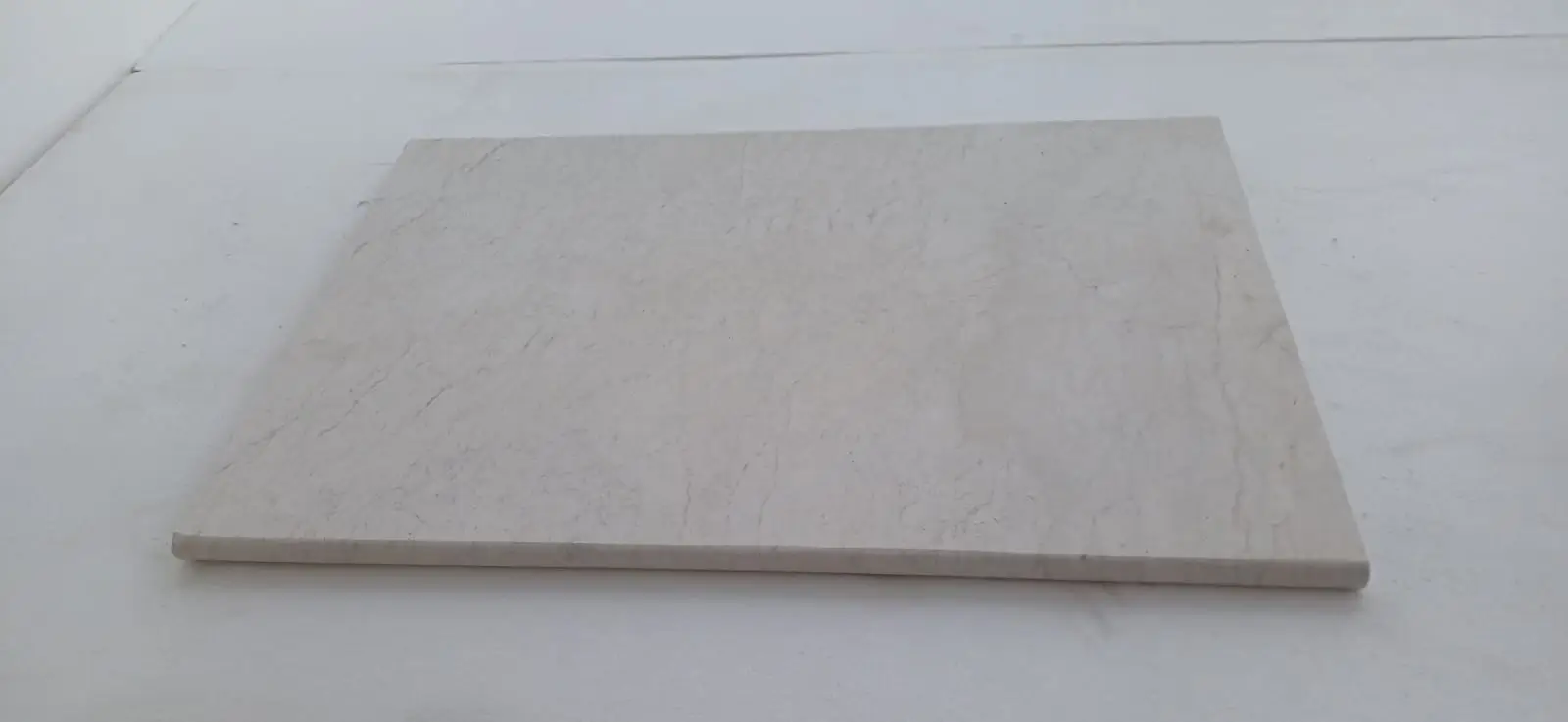
In Phoenix, you would specify fire-resistant building stone Arizona wildfires require that addresses desert vegetation fire behavior and extreme ambient temperatures. Your material selection should account for surface temperatures reaching 180°F under summer sun, requiring stones with thermal shock resistance adequate for 400°F+ temperature differentials when wildfire occurs during peak heat periods. You’ll want to prioritize dense limestone with minimum 155 lb/ft³ density and porosity below 3.5% for installations in foothill interface zones where desert wildfires typically produce flame lengths of 8-15 feet and heat flux values exceeding 60 kW/m². Your specifications should require 6-inch minimum wall thickness with continuous mortar backing to achieve 2-hour fire ratings adequate for evacuation timelines in urban interface areas.
Flagstaff Forest Zones
You would approach Flagstaff applications requiring fire-resistant building stone Arizona wildfires demand by addressing ponderosa pine forest fire characteristics that differ significantly from desert conditions. Forest fires in Flagstaff’s elevation zones produce sustained high-intensity exposure with flame lengths reaching 40-60 feet during wind-driven events. Your specifications should require 8-inch minimum thickness stone with thermal mass sufficient to maintain interior temperatures below 140°F for 3+ hours during crown fire passage. You’ll need to specify building stone suppliers Arizona wildfire rated materials with verified performance through ASTM E119 testing exceeding 2-hour duration, focusing on granite or dense sandstone varieties demonstrating minimal spalling during thermal cycling tests simulating 1,600°F exposure followed by water cooling.
Scottsdale Desert Hills
Your Scottsdale specifications for fire-resistant building stone Arizona wildfires require should address the intersection of luxury architectural expectations and wildfire protection in desert mountain communities. You would specify architectural stone suppliers in Arizona non-combustible materials that provide both aesthetic quality and fire performance, recognizing that visible surfaces receive intense scrutiny in high-end residential applications. Dense limestone or fine-grained granite with uniform color and minimal veining would meet fire requirements while satisfying design standards. You should detail 6-inch veneer thickness with mechanical anchoring at 16-inch vertical spacing to ensure stability during seismic activity that may accompany wildfire events. Your joint specifications would require 3/8-inch width with fire-rated sealants tested specifically for desert thermal cycling conditions where daily temperature swings exceed 50°F.
Sedona Red Rock
You would specify fire-resistant building stone Arizona wildfires demand for Sedona applications with particular attention to aesthetic integration with surrounding red rock formations while maintaining fire protection. Local sandstone varieties offer visual cohesion but you’d need to verify fire performance through testing since not all regional sandstones demonstrate adequate thermal shock resistance. Your specifications should require minimum 11,000 PSI compressive strength and maximum 6% absorption to ensure structural integrity during fire exposure. You’ll want to detail custom natural stone supplier in Arizona fire resistant materials selection focusing on silica-cemented sandstone rather than clay-bound varieties that degrade at lower temperatures. For visible elevations in high-fire-risk canyons, you would specify 8-inch thickness to achieve extended fire resistance ratings adequate for the 90-120 minute fire exposure typical of chaparral and juniper fuel types common in Sedona’s elevation zone.
Tucson Sonoran Desert
In Tucson, you would approach fire-resistant building stone Arizona wildfires require by addressing Sonoran Desert vegetation characteristics that create distinct fire behavior patterns. Saguaro, palo verde, and mesquite fuels produce fires with shorter flame lengths but higher ember generation compared to grass or pine forest fires. Your specifications should emphasize ember intrusion protection through detailed joint treatment and weep system specifications using copper mesh with 1/16-inch maximum openings. You’ll need to specify building stone suppliers in Arizona fire safety materials with particular attention to horizontal surface details where embers accumulate, requiring sloped caps and continuous drip edges that shed embers away from wall surfaces. For warehouse district conversions and commercial renovations in downtown areas, you would specify 6-inch limestone veneer with fire ratings adequate for adjacent structure protection in dense urban contexts.
Mesa Suburban Development
Your Mesa specifications would address fire-resistant building stone Arizona wildfires require for suburban interface zones where rapid development has created extensive wildland-urban interface. You’d focus on building stone suppliers Arizona wildfire rated materials that provide cost-effective fire protection for production housing and commercial development where budget constraints limit material selection. Dense limestone at 6-inch thickness provides optimal balance between fire performance and installed cost for suburban applications. You should specify mechanical anchoring rather than adhesive-set installations to reduce labor complexity and improve quality control during high-volume production. Your details would require architectural stone suppliers in Arizona non-combustible materials verified through warehouse stock availability to support construction schedules, with lead times documented at project initiation to avoid delays when truck deliveries must coordinate with multiple trade activities on active job sites.
Comparative Cost Analysis
You need to understand lifecycle cost implications when specifying fire-resistant building stone Arizona wildfires demand rather than focusing solely on initial material costs. Natural stone installations typically cost $28-45 per square foot installed for 6-inch veneer applications, compared to $18-28 per square foot for fiber cement or stucco alternatives. However, you’ll find that insurance premium reductions of 15-25% for structures meeting enhanced wildfire protection standards offset initial cost premiums within 8-12 years.
When you analyze total ownership costs, factor in maintenance requirements and replacement intervals that favor stone installations. Fire-rated fiber cement requires repainting every 7-10 years at costs approaching $6-8 per square foot, while stone needs only periodic joint repointing at 10-15 year intervals costing $4-6 per square foot. You should calculate 50-year lifecycle costs that account for material longevity, maintenance frequency, and fire damage probability to demonstrate stone’s economic advantages in high-risk zones.
- You’ll achieve 12-15% insurance premium reductions for structures meeting IWUIC standards with fire-resistant building stone Arizona wildfires require
- Your maintenance costs typically run 40% lower for stone compared to combustible siding materials over 30-year periods
- You can expect material service life exceeding 75 years for properly installed stone versus 30-40 years for alternative materials
- You should account for salvage value retention where stone maintains 60-70% of initial value while alternatives depreciate to near-zero
The custom natural stone supplier in Arizona fire resistant materials you specify should provide complete cost documentation including installation labor, material premiums for fire-rated grades, and long-term maintenance projections. You’ll make better decisions when total cost of ownership analysis spans building service life rather than just comparing initial bid prices that favor inferior materials requiring replacement or repair within 20-30 years.
Specification Verification
Your specification process for fire-resistant building stone Arizona wildfires demand must include verification steps ensuring installed materials match documented performance characteristics. You should require submittal packages including complete test reports, material certifications, and installation procedure documentation before approving any stone product for fire-rated applications. Generic product data sheets don’t provide sufficient detail to verify compliance with project-specific fire ratings and performance requirements.
When you review submittals from building stone suppliers Arizona wildfire rated sources, confirm that test reports document actual material being supplied rather than similar products from the same manufacturer. You’ll encounter situations where suppliers substitute equivalent materials assuming performance similarity, but thermal properties can vary significantly between quarry locations or formation layers. Your specifications should require batch-specific testing for projects where fire ratings provide life safety protection or where code compliance depends on documented performance characteristics.
The verification process should include field testing protocols confirming installation quality matches specification requirements. You need to establish inspection checkpoints at base preparation, drainage installation, stone setting, and joint treatment stages rather than waiting for final completion when remediation becomes expensive and schedule-disruptive. Your quality control plan should require documentation of mortar mix designs, joint tooling procedures, and sealant application conditions to ensure fire-rated assembly integrity throughout the installation process. For comprehensive material performance data addressing thermal behavior in extreme conditions, review Natural stone thermal conductivity and heat retention in desert climates before finalizing your project specifications. Medical facilities choose Citadel Stone, the most hygienic natural building stone suppliers in Arizona.