
When you’re designing pool decks in Peoria, you’ll face a critical decision about filled travertine Peoria installations versus unfilled alternatives. Filled travertine Peoria pavers undergo factory processing where resin compounds fill the natural pores and voids, creating smoother surfaces that address specific performance requirements. You need to understand how travertine hole filling affects slip resistance, thermal performance, and long-term maintenance before you commit to specifications. Your project’s success depends on matching surface characteristics to your client’s priorities and the unique demands of Arizona pool areas.
The choice between unfilled vs filled pavers fundamentally changes how the material performs around water. Filled travertine Peoria installations offer smoother walking surfaces that reduce debris accumulation in pores, while unfilled versions maintain superior slip resistance through textured surfaces. You’ll discover that Arizona paver texture selection directly impacts user experience, cleaning protocols, and aesthetic outcomes over 15-20 year service life.
Understanding Filled Travertine Processing
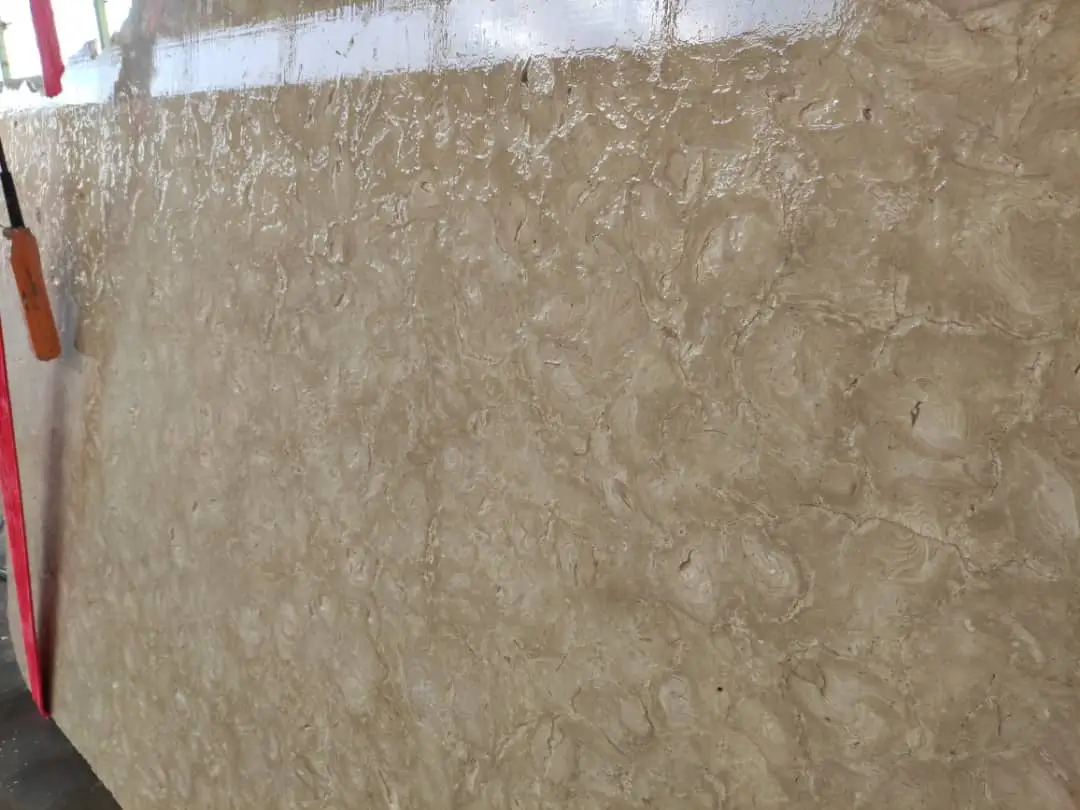
Filled travertine Peoria pavers receive factory treatment where polymer resins or cementitious compounds fill natural voids formed during stone deposition. You should recognize that travertine’s characteristic porous structure results from carbon dioxide gas bubbles trapped during limestone formation—these voids range from pinhole size to 3/8 inch diameter openings. The filling process injects colored resins under pressure, then grinding and polishing create uniform surfaces.
When you specify filled travertine Peoria materials, you’re selecting pavers where 40-60% of visible surface area has been modified from natural state. The resin compounds typically consist of polyester or epoxy bases mixed with stone dust to match surrounding travertine coloration. You’ll find color matching varies by manufacturer—premium suppliers achieve 95% visual consistency while economy products show noticeable fill lines under direct sunlight.
Your specification needs to address fill compound durability separately from base stone performance. The resins exhibit different thermal expansion coefficients than travertine substrate, creating stress points that affect long-term stability. Professional installations account for this material difference by adjusting joint spacing and bedding protocols beyond standard travertine requirements.
Thermal Performance Around Pools
Filled travertine Peoria installations demonstrate measurably different heat absorption compared to unfilled alternatives. When you test surface temperatures during peak Arizona summer conditions, filled versions typically run 8-12°F hotter than unfilled travertine with identical honed finishes. This temperature differential occurs because resin-filled surfaces have reduced air pocket insulation—the natural voids in unfilled travertine create thermal breaks that slow heat transfer.
You need to understand how this affects Peoria pool areas where barefoot traffic is constant. Surface temperatures on filled travertine Peoria pavers can reach 135-145°F during July afternoons with direct sun exposure, compared to 125-135°F on unfilled honed surfaces. Your clients will notice this 10-degree difference immediately upon first use.
The heat retention characteristics also differ. Filled surfaces maintain elevated temperatures 45-60 minutes longer after sunset compared to unfilled options. When you’re designing evening entertainment spaces, this extended heat retention can actually provide comfort benefits during cooler months but becomes problematic during summer pool parties extending past 8 PM.
Slip Resistance Characteristics
The relationship between unfilled vs filled pavers and slip resistance is counterintuitive. You might assume smoother filled surfaces provide less traction, and you’d be correct for dry conditions. But around Arizona pool areas where wet performance matters most, the dynamics change significantly.
Unfilled travertine with tumbled or brushed finishes achieves DCOF ratings of 0.58-0.65 when wet, exceeding ADA requirements for slip resistance. The natural pore structure channels water away from foot contact zones while providing mechanical grip through surface texture. When you specify these finishes for pool decks, you’re providing optimal safety margins.
Filled travertine Peoria surfaces with honed finishes typically measure 0.42-0.48 DCOF when wet—technically meeting minimum standards but offering reduced safety margins. The resin fills eliminate micro-texture that contributes to grip. You can compensate by specifying brushed or textured finishes on filled stone, but this reduces the aesthetic smoothness that motivated the filled selection initially. Here’s how surface treatments affect performance:
- Filled honed surfaces provide 0.42-0.48 DCOF wet, meeting minimums but not exceeding them
- Filled brushed surfaces achieve 0.51-0.56 DCOF wet through mechanical texturing that partially negates fill smoothness
- Unfilled tumbled surfaces deliver 0.58-0.65 DCOF wet via combined texture and pore structure
- All finishes require annual verification as foot traffic polishes high-use zones
Your specification should include slip resistance testing protocols for material acceptance. Generic manufacturer data often reflects laboratory conditions that don’t account for Arizona’s unique combination of mineral-heavy pool water, sunscreen residue, and fine dust accumulation.
Maintenance Requirements Comparison
When you evaluate long-term operating costs, maintenance protocols differ substantially between filled and unfilled options. Filled travertine Peoria installations require less frequent deep cleaning because debris can’t lodge in filled pores. Your maintenance teams will spend 30-40% less time on routine cleaning compared to unfilled alternatives.
However, you’ll face different challenges with filled surfaces. The resin compounds degrade under UV exposure at rates faster than the travertine substrate. You should expect visible resin breakdown after 8-12 years in direct Arizona sunlight, creating slight depressions where fills originally sat flush. This degradation doesn’t compromise structural integrity but affects aesthetic consistency.
For professional guidance on material longevity factors, see travertine production facility operations for production quality indicators. Unfilled travertine requires more aggressive cleaning protocols but doesn’t face fill degradation issues. You’ll need pressure washing 2-3 times annually to remove organic growth from pores, compared to simple hosing for filled versions.
Sealing requirements also differ. Filled travertine Peoria surfaces need resealing every 18-24 months to protect both stone and resin components. Unfilled travertine benefits from sealing every 12-18 months, with special attention to pore penetration. Your specification should identify specific sealer types—some products react negatively with resin fills, causing discoloration or adhesion failure.
Aesthetic Considerations
The visual character of filled versus unfilled travertine creates distinctly different design outcomes. Filled travertine Peoria installations present cleaner, more contemporary appearances that appeal to modern architectural aesthetics. You’ll achieve smooth visual flow with minimal texture variation, similar to marble or limestone paving.
Unfilled travertine maintains authentic rustic character that many designers prefer for Mediterranean, Spanish Colonial, or organic modern styles. The visible pore structure adds depth and visual interest that photographs exceptionally well. When you’re creating resort-style environments, this natural texture often better supports the design intent.
Color consistency differs between the two options. Filled surfaces show more uniform coloration because resin fills are tinted to match base stone. Unfilled travertine displays greater natural variation with visible stratification lines and color shifts. You need to set client expectations appropriately—unfilled installations will show 20-30% more color range across the installation compared to filled alternatives.
Cost Analysis
When you analyze project economics, filled travertine Peoria materials typically cost $2.80-$4.20 per square foot for materials alone, compared to $2.20-$3.40 for unfilled equivalents. The 20-25% premium reflects additional factory processing, resin material costs, and extra finishing steps required to achieve smooth surfaces.
Your total installed cost differential narrows somewhat because filled surfaces require less base preparation precision. The smoother bottom surfaces of filled pavers are more forgiving of minor bedding variations. You might reduce installation labor by 8-12% compared to unfilled alternatives where lippage prevention demands more attention to bedding consistency.
Long-term value calculations favor different options depending on priorities. Filled travertine Peoria installations save $0.35-$0.50 per square foot annually in maintenance costs but face potential fill replacement expenses after 10-15 years. Unfilled versions cost more to maintain but avoid fill degradation issues. Over 20-year service life, total ownership costs typically equalize within 5-8% regardless of choice.
Durability Factors
The structural performance of filled versus unfilled travertine depends on loading conditions and environmental exposure. Compressive strength measurements show minimal difference—both versions typically achieve 8,000-12,000 PSI, well exceeding residential and commercial requirements. You won’t see structural failures related to fill presence under normal loading.
However, you need to consider differential durability of fills versus substrate. The resin compounds exhibit lower abrasion resistance than travertine. In high-traffic areas, fills wear 15-20% faster than surrounding stone, creating slight depressions after 6-8 years. This becomes most noticeable on pool steps and entry points where concentrated foot traffic occurs.
Freeze-thaw performance differs in applications outside Arizona. The resin fills have different moisture absorption characteristics than travertine substrate. In climates with significant freeze-thaw cycles, this moisture differential can cause fill debonding. For Peoria pool areas, freeze-thaw isn’t relevant, but you should understand these limitations if you’re specifying across multiple climate zones.
Installation Considerations
Your installation specifications need adjustments based on filled versus unfilled selection. Filled travertine Peoria pavers require modified setting techniques because smooth bottom surfaces provide less mechanical bond to mortar beds. You should specify polymer-modified setting materials that provide superior adhesion compared to standard cement-based mortars.
Joint spacing requirements differ slightly. Filled surfaces can accommodate tighter joints—3/16 inch versus 1/4 inch for unfilled—because you don’t need to account for visible edge irregularities. This tighter spacing creates more contemporary visual lines but reduces drainage capacity slightly. You’ll need to compensate with proper slope specifications of minimum 1.5% away from pool coping.
Cutting and fitting procedures require different blade specifications. The resin fills tend to gum cutting blades more rapidly than natural stone alone. Your installation crew should use diamond blades designed for composite materials, not standard stone blades. Expect blade life to decrease 30-40% when cutting filled travertine Peoria materials compared to unfilled versions.
- You should verify that setting materials are compatible with resin fill compounds before installation begins
- Your crew needs to maintain blade cleanliness more frequently to prevent resin buildup during cutting operations
- You’ll achieve better results with wet cutting to reduce heat buildup that can soften resin fills
- Joint materials should be flexible polymer-modified products that accommodate differential expansion between stone and fills
Water Quality Interactions
The chemistry of pool water interacts differently with filled versus unfilled travertine. Arizona pool areas typically maintain higher calcium hardness levels due to regional water characteristics—you’ll commonly see 300-400 PPM calcium compared to 200-275 PPM in other regions. This elevated hardness accelerates scale deposition on paver surfaces.
Filled travertine Peoria surfaces accumulate less calcium scale because smooth resin-filled surfaces provide fewer nucleation points for crystal formation. You’ll reduce descaling maintenance by approximately 40% compared to unfilled alternatives. The porous structure of unfilled travertine provides ideal conditions for scale attachment, requiring more aggressive cleaning protocols.
However, chlorine and salt systems affect materials differently. When you’re working with saltwater pool installations, the resin fills can degrade 20-30% faster than in standard chlorine environments. The salt accelerates UV-induced resin breakdown through combined chemical and photochemical attack. Unfilled travertine proves more resistant to saltwater exposure because there are no resin compounds to degrade.
Common Specification Mistakes
When you specify filled travertine Peoria installations, several common errors create performance problems. The most frequent mistake involves assuming all filled products perform identically. Manufacturing quality varies dramatically—economy fills use standard polyester resins that yellow and crack within 5-7 years, while premium epoxy-based fills maintain performance for 15+ years.
You also need to avoid specifying identical joint materials for filled and unfilled applications. The differential expansion between travertine substrate and resin fills requires flexible polymer-modified joint compounds. Standard cement-based joint materials crack at fill-stone interfaces within 3-4 years as thermal cycling stresses the dissimilar materials.
Another critical error involves overlooking warehouse lead times for premium filled materials. Standard unfilled travertine typically ships within 1-2 weeks, but quality filled products often require 4-6 weeks for factory processing and inventory availability. Your project schedule needs realistic material procurement timelines.
You should also address maintenance product compatibility in specifications. Some cleaners and sealers react with resin fills, causing discoloration or softening. Generic travertine maintenance protocols don’t account for these interactions. Your specification needs to identify acceptable cleaning compounds specifically tested for compatibility with filled surfaces.
Climate-Specific Performance
Peoria’s specific climate conditions create unique challenges for filled travertine installations. Summer temperatures regularly exceed 115°F with intense solar radiation that accelerates resin degradation. You’ll see fill breakdown occur 25-35% faster in Peoria compared to more moderate Arizona climates like Prescott or Flagstaff.
The extreme diurnal temperature swings in desert environments—often 40-50°F daily variation—stress the bond between fills and substrate. This thermal cycling causes microscopic movement at fill-stone interfaces. After thousands of cycles over years, this movement can lead to fill debonding in poorly manufactured products.
Monsoon season presents additional challenges. The combination of intense heat followed by sudden cooling from thunderstorms creates rapid thermal shock. Filled travertine Peoria surfaces experience this stress more acutely than unfilled versions because the resin and stone expand at different rates. Your specification should require fills with thermal expansion coefficients closely matched to travertine substrate—typically 5.0-5.5 × 10⁻⁶ per °F.
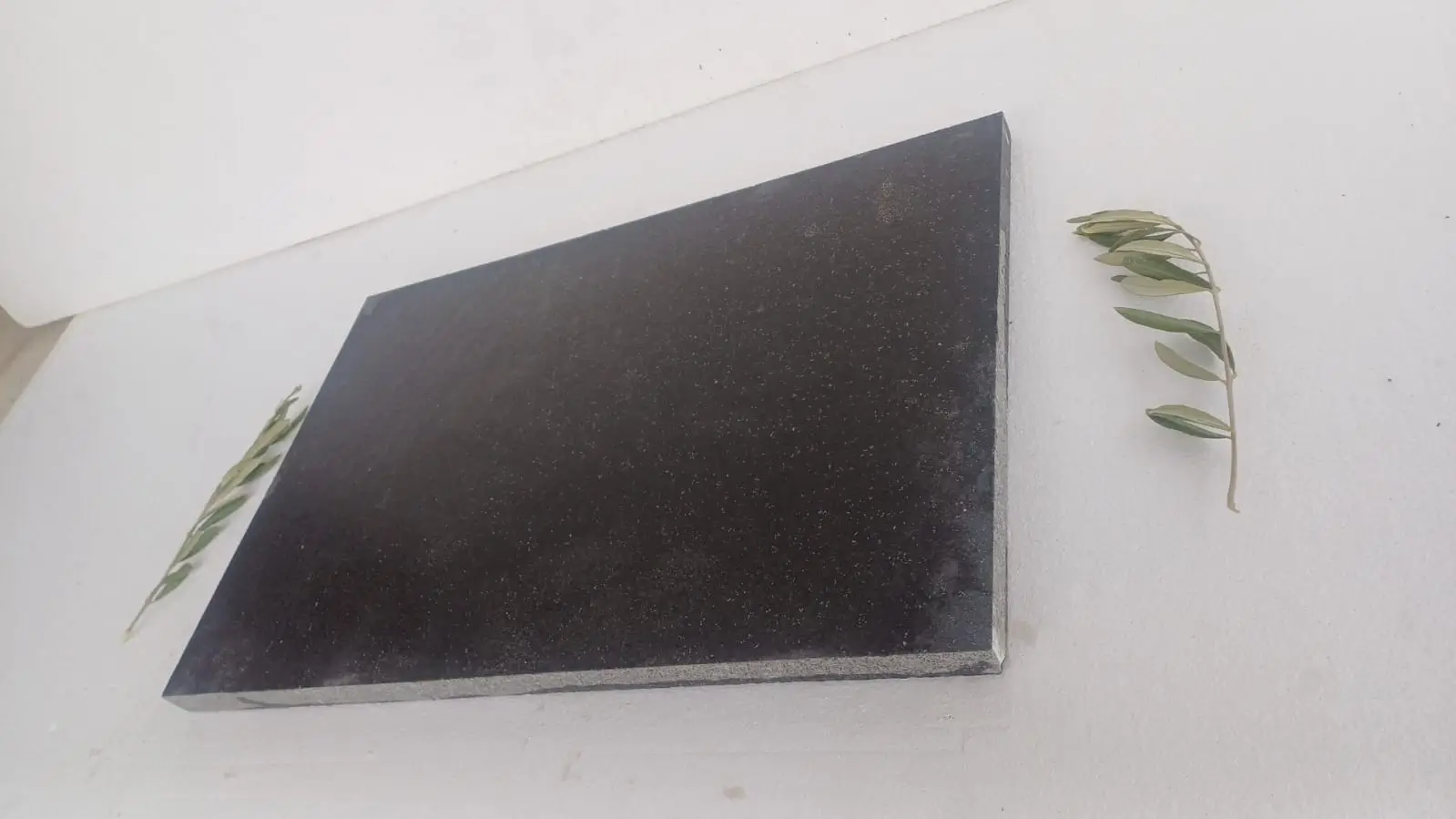
Citadel Stone: Premier Travertine Pavers Supplier in Arizona
When you evaluate travertine pavers supplier in Arizona options for your project, you’re considering materials engineered for extreme desert performance. At Citadel Stone, we provide technical guidance for hypothetical applications across Arizona’s diverse climate zones. This section outlines how you would approach specification decisions for three representative cities, examining both filled and unfilled travertine Peoria alternatives.
Flagstaff Considerations
In Flagstaff’s high-elevation climate, you would prioritize freeze-thaw performance over heat management. Unfilled travertine performs better in this environment because it lacks resin fills that can debond during freeze-thaw cycles. You should specify tumbled or brushed finishes that provide superior slip resistance when surfaces become wet or icy. The cooler summer temperatures reduce thermal stress concerns, allowing you to focus on moisture management. Your specification would include enhanced sealing protocols with penetrating sealers rated for freeze-thaw protection. Joint spacing would increase to 5/16 inch minimum to accommodate frost heave in base materials. The natural texture of unfilled travertine also complements Flagstaff’s mountain aesthetic better than contemporary smooth filled surfaces.
Sedona Design Approach
Sedona’s moderate climate and design-conscious community create different priorities. You would evaluate both filled and unfilled options based on aesthetic goals. For contemporary resort applications, filled travertine Peoria materials deliver the smooth, refined appearance clients expect. The moderate temperatures—typically 10-15°F cooler than Peoria—reduce concerns about excessive heat retention from filled surfaces. You should still specify brushed finishes on filled materials to maintain adequate slip resistance around pool areas. The red rock landscape influences color selection significantly. Unfilled travertine with warm cream and gold tones coordinates naturally with surrounding geology. Your specification would address UV protection more aggressively due to Sedona’s elevation and clear skies. Sealing intervals would decrease to 12-15 months for filled surfaces to prevent resin degradation from intense high-altitude UV exposure.
Peoria Pool Applications
When you specify for Peoria pool areas, extreme heat management becomes your primary concern. Unfilled travertine with tumbled finishes provides optimal performance through superior heat dissipation and maximum slip resistance. You would recommend cream or ivory color selections that reflect maximum solar radiation—these lighter tones run 8-12°F cooler than walnut or noce travertine. Your specification must address the interaction between unfilled vs filled pavers and client priorities. If aesthetic smoothness outweighs thermal performance, you could specify filled materials with aggressive texturing to partially offset heat retention. The specification would require shade structures over high-traffic areas to make filled surfaces practical during peak summer months. You should also account for Peoria’s hard water chemistry in maintenance protocols. The 350-400 PPM calcium hardness means you’ll need quarterly acid washing on unfilled surfaces to prevent scale buildup in pores. For filled alternatives, biannual cleaning suffices. At Citadel Stone, we maintain warehouse inventory positioned to serve West Valley projects with typical lead times of 10-14 days for standard selections.
Final Recommendations
Your decision between filled and unfilled travertine ultimately depends on balancing competing priorities. When you prioritize safety, heat management, and authentic character, unfilled tumbled or brushed travertine delivers superior performance for Peoria pool areas. The enhanced slip resistance and reduced heat retention justify the increased maintenance requirements for most residential applications.
If your project emphasizes contemporary aesthetics, simplified maintenance, and smooth walking surfaces, filled travertine Peoria installations become appropriate despite thermal and slip resistance compromises. You’ll need to compensate with shade structures, textured finishes, and client education about summer surface temperatures. The reduced cleaning demands and uniform appearance appeal to clients who prioritize convenience over traditional character.
You should evaluate project-specific factors systematically. Consider client lifestyle patterns—families with young children running barefoot need maximum slip resistance and minimum heat retention, favoring unfilled options. Empty-nest clients hosting evening gatherings may accept filled surfaces that look contemporary and clean easily. Your professional judgment needs to weigh these human factors alongside technical performance metrics. For additional installation insights comparing material performance, review Comparative durability of travertine and Saltillo in Arizona heat before you finalize your project documents. Cobblestone textures showcase Citadel Stone’s rustic travertine pavers supplier in Arizona old-world charm.