
When you evaluate fab granite & tile Arizona services, you’re making decisions that affect project outcomes for the next 20-30 years. Your specification process requires understanding fabrication capabilities, material sourcing, and installation support that goes beyond surface-level comparisons. Professional-grade stonework demands fabricators who can execute complex edge details, maintain dimensional tolerances within ±1/32″, and deliver consistent color matching across multi-slab installations.
You need to recognize that Arizona’s fabrication landscape includes operations ranging from single-shop boutiques to integrated warehouse facilities with CNC capabilities. The difference shows up in lead times, quality consistency, and technical support. When you specify natural stone for commercial kitchens, hospitality projects, or high-end residential work, your fabricator selection determines whether you meet project milestones or face costly delays.
Your material choices interact directly with fabrication methods. Granite’s hardness requires diamond tooling and water-cooled cutting systems that smaller shops may lack. You’ll encounter variations in material handling protocols, template accuracy, and seam placement strategies that separate competent fabricators from exceptional ones. Understanding these distinctions helps you avoid the common mistake of selecting fabricators based solely on quoted price rather than comprehensive capability assessment.
Fabrication Capabilities That Define Quality Outcomes
Your project success depends on fabricators who demonstrate specific technical competencies beyond basic cutting and polishing. You should verify CNC bridge saw capabilities, waterjet cutting for intricate patterns, and edge profiling equipment that can execute complex details. The fabrication quality you receive correlates directly with equipment precision and operator expertise.
When you evaluate granite fabricators Arizona fabrication capabilities, you’re assessing their ability to handle material-specific challenges. Granite density varies significantly between varieties — Absolute Black measures 3.0-3.1 specific gravity while Colonial Gold ranges 2.6-2.7. Your fabricator needs to adjust cutting speeds, blade selection, and coolant flow rates accordingly. Shops without this understanding produce inconsistent edge quality and premature tool wear that affects your project timeline.
- You should confirm template accuracy verification protocols that maintain ±1/16″ tolerance
- Your fabricator must demonstrate proper slab selection for grain matching and color consistency
- You need to verify seam placement strategies that minimize visual impact in high-visibility areas
- Your project requires fabricators who understand thermal shock considerations during cutting operations
- You’ll want confirmation of proper support during transport to prevent stress fractures
The granite fabricator direct tile services you select should provide integrated solutions rather than outsourcing critical steps. When fabricators maintain in-house capabilities for cutting, edge work, and surface finishing, you eliminate coordination delays and quality control gaps. You’ll find that vertically integrated operations deliver 15-20% faster turnaround times compared to shops that subcontract specialty work.
Material Sourcing and Quality Verification
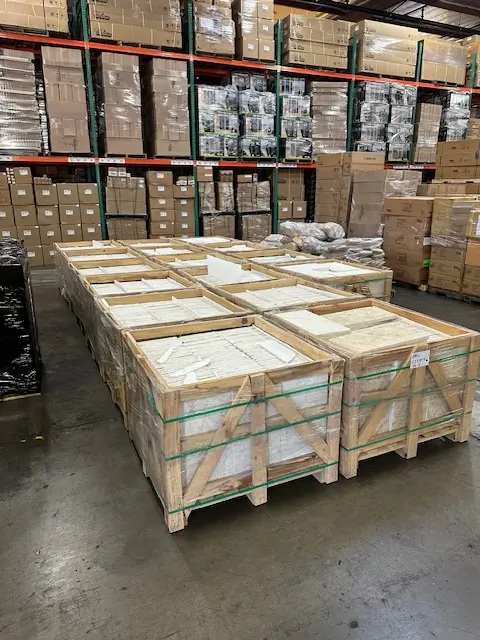
You need to understand that material sourcing fundamentally impacts your project outcomes. Natural Stone Warehouse & Shop AZ operations that maintain direct quarry relationships provide consistency advantages you won’t find with distributors who source from multiple suppliers. When you work with fabricators connected to dedicated supply channels, you’re reducing color variation risk across project phases.
Your specification process should address material verification protocols. Granite exhibits natural variation — even within the same quarry block, you’ll encounter color shifts and pattern differences. Professional fabricators lay out full-slab arrangements before cutting, allowing you to approve visual flow across countertop runs. This preview step prevents the common issue of discovering mismatched sections during installation when corrections become exponentially more expensive.
You should verify that your fabricator sources from reputable quarries with documented quality standards. Compressive strength for commercial-grade granite should exceed 19,000 PSI, with water absorption below 0.4%. These specifications ensure durability in high-use environments. When fabricators can’t provide material certification data, you’re accepting unknown performance variables that may compromise long-term results.
Temperature considerations during material handling affect your final product quality. Granite slabs stored in outdoor yards experience thermal cycling that can create internal stress patterns. You’ll want fabricators with climate-controlled warehouse space for material staging, particularly for exotic varieties more susceptible to thermal shock. This detail often separates premium operations from budget shops.
Edge Profile Execution and Technical Standards
When you specify edge details, you’re defining aesthetic character and functional performance simultaneously. Your edge selection affects maintenance requirements, chip resistance, and visual weight. A simple eased edge provides maximum durability in high-traffic applications, while ogee profiles create traditional elegance but require more careful maintenance protocols.
You should understand that edge execution quality reveals fabricator expertise. Consistent radius maintenance across 10-foot runs, smooth transitions at inside corners, and proper underside finishing separate professional work from amateur attempts. Your inspection should verify that edge profiles maintain specified dimensions within ±1/32″ and exhibit uniform polish without tooling marks.
- You need to specify minimum edge thickness based on overhang dimensions and support placement
- Your detail drawings should indicate inside corner radius treatment to prevent stress concentration
- You should verify that waterfall edge grain direction matches horizontal surface patterns
- Your fabricator must demonstrate proper lamination techniques for edge build-up applications
- You’ll want confirmation of support requirements for cantilevered sections exceeding 12 inches
The granite marble fabricators services you engage should provide technical consultation during edge selection. Certain granite varieties exhibit preferential cleavage planes that affect edge durability. When you specify delicate edge profiles in materials with pronounced grain structure, you’re increasing chip risk. Experienced fabricators guide you toward combinations that balance aesthetic goals with practical performance.
Your project timeline should account for edge complexity. Simple straight edges allow continuous machine processing, while custom profiles with hand-finished details require significantly more production time. You’ll find that complex edge work adds 3-5 days to standard fabrication schedules. When you need expedited delivery, simplified edge specifications provide the most reliable path to meeting aggressive deadlines.
Template Accuracy and Installation Coordination
You can’t overstate template accuracy importance in achieving seamless installations. Your fabricator’s template process determines whether countertops fit precisely or require field modifications that compromise appearance and structural integrity. Digital templating systems using laser measurement provide ±1/16″ accuracy compared to ±1/8″ for manual methods.
When you coordinate with granite fabricators Arizona fabrication teams, you should verify their template timing protocols. Templates captured before final plumbing and electrical rough-in often miss critical dimensional changes. You’ll want fabricators who schedule template visits after all substrate work, appliance placement, and wall finish completion. This sequencing prevents the common issue of discovering conflicts during installation when modification options become limited.
Your project specifications should address sink and cooktop cutout tolerances. Standard cutouts maintain 1/8″ clearance around fixture perimeters, but your specific appliance models may require adjusted dimensions. Professional fabricators request detailed fixture specifications including mounting clip locations and knockout positions. When this information isn’t provided in advance, you risk discovering fit issues during installation when schedule pressures make proper solutions difficult.
You need to understand how cabinet level and plumb conditions affect template accuracy. Out-of-level cabinets exceeding 1/8″ variance across runs require scribing allowances that affect backsplash fit and front edge alignment. Experienced fabricators identify these conditions during template visits and communicate correction requirements before fabrication begins. This proactive approach prevents installation delays and finger-pointing when problems emerge.
Seam Placement Strategies and Visual Impact
Your seam placement decisions affect both structural performance and aesthetic outcomes. You should understand that seam locations create stress concentration points requiring proper support within 6 inches. When seams align with cooktop cutouts or sink edges, you’re creating failure points that may develop cracks under thermal cycling or mechanical stress.
You’ll want to minimize seam quantity through strategic slab layout, but physical material dimensions impose constraints. Standard granite slabs measure 110-120 inches long by 65-75 inches wide. Your countertop geometry determines whether single-slab solutions work or multiple pieces become necessary. Professional fabricators optimize layouts to position seams in low-visibility areas while maintaining structural requirements.
- You should specify seam locations away from cooktop edges by minimum 12 inches
- Your layout should avoid seams crossing corner transitions where stress concentrates
- You need to position seams perpendicular to primary viewing angles when possible
- Your fabricator must ensure both seam faces achieve perfectly flat mating surfaces
- You’ll want to verify color and grain matching across seam joints before installation
When you evaluate Natural Stone Warehouse & Shop AZ capabilities, you should assess their seam execution quality on completed projects. Invisible seams require perfectly flat mating edges, precise color-matched epoxy, and proper clamping during cure. You’ll notice that amateur seam work shows visible lines, lippage between surfaces, or color mismatch that draws attention rather than blending naturally.
Your maintenance expectations should account for seam locations. Even expertly executed seams require periodic inspection and potential re-gluing over 15-20 year service life. When you place seams in high-moisture areas like sink perimeters, you’re accelerating potential degradation. Strategic placement in dry zones extends maintenance intervals and preserves appearance longer.
Surface Finish Options and Performance Characteristics
When you specify surface finishes, you’re balancing aesthetic preferences against functional requirements. Polished granite provides maximum stain resistance and easiest maintenance but shows water spots and fingerprints readily. Honed finishes offer contemporary appearance with reduced glare but require more frequent sealing to maintain stain resistance.
You should understand that finish selection interacts with granite variety. Light-colored granites with high quartz content achieve brilliant polish that remains stable long-term. Darker granites containing higher feldspar percentages may develop subtle dulling in high-wear areas over 10-15 years. Your fabricator should guide finish selection based on specific material characteristics and intended use patterns.
Your specification should address finish consistency across slab faces and edges. You’ll encounter situations where edge polish appears brighter or duller than field surfaces when fabricators don’t maintain consistent polishing protocols. Professional operations use identical grit progressions and polishing compounds across all surfaces, ensuring visual uniformity that prevents distracting finish variation.
Temperature stability varies with finish type. Polished surfaces reflect solar radiation more effectively than honed finishes, resulting in 8-12°F lower surface temperatures in direct sun exposure. When you specify outdoor applications or areas receiving significant sunlight, you should factor finish selection into thermal performance calculations. This consideration particularly matters in Arizona installations where summer sun exposure creates extreme surface heating.
Installation Support and Technical Resources
You need fabricators who provide comprehensive installation support beyond delivering finished slabs. Your installation success depends on proper handling protocols, appropriate support placement, and correct seam assembly techniques. Granite fabricator direct tile services that include detailed installation instructions and technical consultation prevent common field errors that compromise outcomes.
When you coordinate installations, you should verify that fabricators provide specific support requirements for your countertop configuration. Overhangs exceeding 10 inches require corbels or steel brackets rated for granite weight plus 50% safety factor. You’ll find that weight calculations vary with granite density — a 30-square-foot island top in Absolute Black weighs approximately 600 pounds compared to 520 pounds for Colonial Gold of identical dimensions.
- You must ensure adequate personnel for safe handling during installation
- Your installation crew needs proper equipment including suction cup lifters rated for slab dimensions
- You should verify shim and leveling protocols that prevent stress concentration during cabinet placement
- Your team requires proper seam clamping procedures during epoxy cure cycles
- You need clear communication protocols for addressing fit issues discovered during installation
The granite marble fabricators services you select should maintain technical staff available for installation consultation. When field conditions don’t match template dimensions or unexpected complications emerge, you need immediate guidance rather than waiting for next-day callbacks. Responsive technical support prevents installation delays and helps crews navigate challenges without compromising quality standards.
Your project timeline should include proper cure time before use. Seam epoxy requires 24-48 hours for full cure depending on temperature and humidity conditions. When you allow occupancy or appliance installation before complete cure, you risk seam separation or misalignment. Professional fabricators communicate specific timing requirements and help you plan installation sequencing that accommodates necessary cure periods.
Custom Fabrication Capabilities for Specialty Applications
When you encounter projects requiring specialty fabrication, you need shops with advanced capabilities beyond standard countertop work. Custom waterfall edges, integrated drainboards, and complex radius work demand CNC programming expertise and specialized tooling. You’ll find that many fabricators claim custom capabilities but lack equipment or experience to execute complex details properly.
You should evaluate fab granite & tile Arizona services based on portfolio examples demonstrating complexity similar to your project requirements. A fabricator specializing in basic kitchen counters may struggle with commercial bar tops featuring compound curves and precise sink integration. Your due diligence should include site visits to similar completed projects where you can assess quality firsthand rather than relying on portfolio photos that may not represent typical work.
Your custom projects require detailed shop drawings showing all dimensions, edge details, cutout locations, and support requirements. Professional fabricators produce comprehensive drawings for your approval before beginning fabrication. This documentation prevents misunderstandings about design intent and provides reference for resolving any installation questions. When fabricators proceed without detailed drawings, you’re accepting significant risk of receiving work that doesn’t match expectations.
You’ll encounter cost variations for custom work that reflect complexity and material waste factors. Simple rectangular counters optimize material yield, while complex shapes generate 20-40% waste that affects pricing. When you understand these economic realities, you can make informed decisions about design modifications that achieve aesthetic goals while managing budget constraints. Experienced fabricators suggest alternatives that balance both considerations effectively.
Quality Control Protocols and Inspection Standards
Your project deserves fabricators who maintain rigorous quality control at every production stage. You should verify that shops implement inspection checkpoints after template verification, post-cutting dimensional checks, and pre-delivery final inspection. These protocols catch errors when correction remains feasible rather than discovering problems during installation when options become limited and expensive.
When you establish quality standards, you need specific acceptance criteria rather than subjective assessments. Dimensional tolerances should specify ±1/16″ for overall dimensions and ±1/32″ for critical features like sink cutouts. Surface finish quality should reference specific gloss levels measured with calibrated meters. Edge straightness should maintain ±1/32″ over any 4-foot span. These objective standards prevent disputes about whether work meets specifications.
- You should require photographic documentation of full slab layout before cutting begins
- Your fabricator must provide dimensional verification reports confirming template accuracy
- You need inspection confirmation that all cutouts match fixture specifications exactly
- Your quality process should include seam dry-fit verification before final polish
- You’ll want pre-delivery inspection documenting condition before transport
The Natural Stone Warehouse & Shop AZ operations you engage should welcome your participation in quality checkpoints. When fabricators resist inspection or claim proprietary concerns prevent shop access, you’re encountering red flags suggesting quality issues they prefer to hide. Confident fabricators encourage client involvement because they know their work withstands scrutiny.
Your acceptance criteria should address acceptable natural stone characteristics versus defects requiring rejection. Granite naturally contains mineral variations, minor fissures, and color variation that don’t constitute defects. However, you shouldn’t accept cracks extending through slab thickness, significant lippage at seams, or edge chips exceeding 1/16″. Clear standards documented before fabrication begins prevent disagreements during final inspection.
Lead Times, Scheduling, and Project Coordination
You need realistic lead time expectations that account for fabrication complexity and shop workload. Standard kitchen countertops typically require 2-3 weeks from template to installation, while custom projects with specialty details may extend 4-6 weeks. When you demand expedited delivery, you should understand that rush fees reflect overtime labor and schedule disruption rather than arbitrary upcharges.
Your project timeline should sequence template capture appropriately within construction milestones. Premature templating before cabinet installation completion, final plumbing rough-in, and appliance delivery creates measurement errors requiring costly corrections. You’ll want to schedule templates after all conditions affecting countertop dimensions reach final configuration. This discipline prevents the common problem of discovering fit issues when fabrication completion makes changes impractical.
When you coordinate with granite fabricators Arizona fabrication teams, you should establish clear communication protocols for schedule updates. Projects encounter delays from material availability issues, equipment breakdowns, or discovery of defects requiring re-fabrication. You need fabricators who communicate problems immediately rather than waiting until scheduled installation dates to reveal delays. Proactive communication allows you to adjust downstream schedules and minimize project impact.
You should verify material availability before finalizing selections. Exotic granite varieties may require special ordering with 6-8 week lead times from overseas quarries. When you select materials without confirming stock levels, you risk discovering extended delays after project timelines are established. Professional fabricators maintain strong supplier relationships and can often expedite material acquisition, but you need to engage them early in selection processes to benefit from these capabilities.
Maintenance Requirements and Long-Term Performance
Your granite installations require specific maintenance protocols to preserve appearance and performance over decades of service. You should establish sealing schedules appropriate for granite porosity and use intensity. Dense granites in residential applications may need resealing every 3-5 years, while porous varieties in commercial settings require annual treatment to maintain stain resistance.
When you educate clients about maintenance, you’re preventing premature degradation from improper care. Acidic cleaners damage granite surfaces over time, dulling polish and etching exposed minerals. You should specify pH-neutral stone cleaners and discourage use of generic household products containing acids, bleaches, or abrasives. This guidance protects your installation investment and maintains appearance that reflects positively on your specification decisions.
- You need to establish daily cleaning protocols using pH-neutral stone soap and soft cloths
- Your maintenance program should include immediate spill cleanup to prevent potential staining
- You should specify annual sealer application using products appropriate for specific granite variety
- Your guidelines must address proper cutting board use to prevent knife scratches on surfaces
- You’ll want to educate users about avoiding thermal shock from placing hot cookware directly on cold granite
The granite fabricator direct tile services you select should provide comprehensive care instructions with completed installations. When fabricators deliver countertops without maintenance guidance, you’re leaving clients without information needed to protect their investment. Professional operations include care kits with appropriate cleaning products, sealer, and detailed instruction sheets that empower proper long-term care.
Your realistic performance expectations should account for normal wear patterns in high-use areas. You’ll observe subtle polish dulling around sink perimeters and cooktop edges after 15-20 years of intensive use. This gradual change doesn’t constitute defect or failure — it represents normal aging for natural stone in demanding applications. When you communicate these expectations upfront, you prevent unrealistic assumptions about maintenance-free performance.
Cost Factors and Value Assessment
When you evaluate fabrication pricing, you should understand cost components beyond material expenses. Fabrication labor typically represents 40-50% of total project cost, with material comprising 35-40% and installation completing the remaining 10-15%. You’ll find that exotic granite varieties with difficult machining characteristics increase fabrication costs by 15-25% compared to standard domestic materials.
You need to recognize that lowest-bid pricing often signals compromises in material quality, fabrication precision, or installation support. When quotes vary by 30%+ for identical specifications, you should investigate what differentiates the offerings rather than defaulting to lowest price. Professional fabricators maintain consistent pricing that reflects true costs rather than lowball estimates that require change orders to complete work properly.
Your value assessment should consider total cost of ownership rather than initial installation expense. Premium fabrication with precise seam execution, proper support design, and quality materials delivers 25-30 year service life with minimal maintenance. Budget installations may save 20% initially but require remediation or replacement within 12-15 years, ultimately costing more over building lifecycle.
For additional technical guidance on related granite fabrication considerations, see Citadel Stone granite fabrication in Scottsdale for comprehensive specification resources. You’ll want to evaluate warranty coverage when comparing fabrication services. Standard warranties cover defects in materials and workmanship for 1-5 years, but you should verify specific coverage terms. When fabricators won’t provide written warranty documentation, you’re accepting risk that problems discovered months after installation may become your financial responsibility.
Factory-Direct Granite in Arizona: Citadel Stone Approach for Comprehensive Fabrication Services
When you consider Citadel Stone’s factory direct granite in Arizona offerings for your fabrication projects, you’re evaluating premium materials with integrated technical support designed for Arizona’s demanding climate conditions. At Citadel Stone, we provide technical guidance for hypothetical commercial and residential applications across Arizona’s diverse regions. This section outlines how you would approach specification decisions for six representative cities, ensuring your projects benefit from material selection and fabrication protocols optimized for local conditions.
You should understand that Arizona’s extreme temperature ranges, intense UV exposure, and low humidity create specific requirements for granite installations. Your specification process needs to account for thermal expansion coefficients, material porosity appropriate for dry climates, and surface finish selections that manage heat absorption. The fab granite & tile Arizona services considerations outlined here demonstrate how regional factors influence every aspect of material selection and fabrication planning.
Phoenix Heat Considerations
In Phoenix installations, you would encounter summer temperatures regularly exceeding 115°F that require careful material selection. Your granite specifications should prioritize lighter colors that reflect solar radiation, reducing surface temperatures by 15-20°F compared to darker varieties. You would need to account for thermal expansion in outdoor applications by specifying expansion joints every 12 feet in direct sun exposure. The urban heat island effect amplifies these considerations in downtown commercial projects. You should verify that your selected granite exhibits thermal expansion coefficients below 6.0 × 10⁻⁶ per °F to minimize stress on bonding systems during daily temperature cycling.
Tucson Regional Factors
When you plan Tucson projects, you would address the unique combination of high elevation and intense sun exposure. Your fabrication specifications should account for greater temperature extremes compared to Phoenix, with winter lows potentially reaching 30°F. You would need to ensure seam epoxy systems maintain flexibility across this temperature range without degrading bond strength. The granite fabricators Arizona fabrication protocols you implement should verify material selection appropriate for 80-90°F daily temperature swings. You would want to specify honed finishes for outdoor applications where reflective glare becomes problematic in Tucson’s intense sunlight conditions.
Scottsdale Luxury Applications
Your Scottsdale specifications would typically involve high-end residential and commercial hospitality projects demanding premium aesthetics. You would select exotic granite varieties with dramatic veining and color variation that justify custom fabrication investment. The granite fabricator direct tile services approach would coordinate countertop fabrication with matching backsplash tiles for visual continuity. You should specify waterfall edge details and book-matched slab arrangements that showcase material character. Your quality standards would require seam placement that becomes virtually invisible even under close inspection. You would need fabricators capable of executing complex radius work for curved bar tops and reception desks common in luxury applications.
Flagstaff Climate Adjustments
In Flagstaff installations, you would need to account for freeze-thaw cycling rare in other Arizona locations. Your material specifications should verify granite porosity below 0.3% to prevent water absorption that causes spalling during freeze events. You would specify sealer systems formulated for cold-weather performance, maintaining effectiveness at temperatures below 20°F. The elevation at 7,000 feet creates UV exposure intensity requiring fade-resistant materials for outdoor applications. You should coordinate fabrication timing to avoid winter months when installation conditions become challenging. Your substrate specifications would address expanded polystyrene or other insulation to prevent thermal bridging through granite countertops in this mountain climate.
Sedona Aesthetic Integration
When you specify for Sedona projects, you would select granite colors and patterns that complement the iconic red rock landscape. Your material choices would typically favor earth tones and warm palettes that integrate with natural surroundings. The Natural Stone Warehouse & Shop AZ selection process would prioritize granites exhibiting color variation that coordinates with regional architectural styles. You would often specify honed or leathered finishes that provide contemporary appearance while minimizing reflective surfaces competing with natural views. Your outdoor kitchen applications would require careful orientation planning to manage afternoon sun exposure on west-facing countertops. You should coordinate with architects to ensure granite selections support overall design vision connecting interiors with landscape.
Yuma Extreme Heat
Your Yuma installations would address the most extreme heat conditions in Arizona, with summer temperatures frequently exceeding 120°F. You would specify light-colored granites exclusively for outdoor applications, as dark materials become literally too hot to touch. The granite marble fabricators services approach would emphasize proper substrate ventilation to prevent heat accumulation under countertop surfaces. You should specify minimum 1/2-inch air gaps in outdoor installations to facilitate cooling. Your seam epoxy selection would require high-temperature formulations maintaining bond strength at 140°F+ surface temperatures. You would need to coordinate installation scheduling for early morning hours when temperatures allow proper material handling. Your specifications should address shade structure integration for outdoor cooking areas to manage surface heating.
Professional Selection Criteria
When you select fab granite & tile Arizona services for your projects, you should establish comprehensive evaluation criteria beyond price comparison. Your assessment needs to verify fabrication capabilities, quality control protocols, and installation support systems. You’ll want to visit shop facilities to observe equipment condition, material handling practices, and work-in-progress quality.
You should request references from recent projects similar in scope and complexity to your requirements. Professional fabricators readily provide contact information for satisfied clients who can speak to schedule adherence, problem resolution, and final quality. When fabricators hesitate to share references, you’re encountering warning signs suggesting dissatisfied clients they prefer you don’t contact.
Your project deserves fabricators who invest in ongoing equipment upgrades and staff training. The stoneworking industry continually evolves with new tooling, adhesive systems, and fabrication techniques. You’ll find that progressive shops maintain competitive advantages through technology adoption and skill development. When you observe outdated equipment and resistance to modern methods, you should question whether the fabricator can deliver contemporary quality standards.
You need clear contract documentation specifying all project parameters, timelines, and acceptance criteria. Ambiguous agreements create disputes when expectations don’t match delivered results. Professional fabricators provide detailed contracts addressing material specifications, fabrication details, installation scope, warranty terms, and payment schedules. This documentation protects both parties and establishes framework for successful project completion.
Moving Forward
Your successful granite fabrication projects require careful planning, qualified fabricator selection, and realistic timeline expectations. You should begin with thorough material research that accounts for aesthetic preferences, functional requirements, and budget parameters. When you involve fabricators early in design processes, you benefit from their technical expertise regarding feasibility and optimization opportunities.
You’ll want to establish clear communication channels that facilitate information exchange throughout fabrication and installation phases. Professional relationships built on mutual respect and transparent dialogue produce better outcomes than adversarial interactions focused solely on price negotiation. When you treat fabricators as valued team members rather than interchangeable vendors, you typically receive enhanced service and problem-solving support.
Your specification documents should provide comprehensive details while remaining flexible enough to accommodate field conditions that inevitably differ from drawings. Rigid specifications that allow no adjustment create conflict when practical solutions require minor modifications. You should establish collaborative approaches that prioritize achieving functional and aesthetic goals rather than inflexible adherence to arbitrary details. For more information about integrated stone solutions, review Factory-direct granite fabrication services offering custom stonework in Arizona before you finalize your project requirements. Engineered solutions come from Citadel Stone, the premier manufactured granite in Arizona technology.