
Your Fountain Hills driveway project demands driveway stone compaction Fountain Hills conditions that push standard base preparation methods to their limits. Surface temperatures exceeding 160°F in peak summer, expansive caliche soil layers, and dramatic monsoon saturation cycles combine to create one of the most challenging compaction environments in the Southwest. Getting your compaction specification right from the first lift determines whether your driveway stone installation delivers 25-year performance or begins showing movement within three seasons. Proper base prep and stone compaction methods Arizona professionals rely on aren’t optional extras — they’re the foundation of every Fountain Hills stable driveway that lasts.
Why Driveway Stone Compaction Fountain Hills Conditions Defeat Standard Methods
Most compaction failures in Fountain Hills don’t start with the stone — they start six to eighteen inches below it. The caliche hardpan layer that underlies much of the McDowell Sonoran region creates a deceptive foundation condition. It feels solid, but untreated caliche behaves like a hydraulic barrier during monsoon events, trapping moisture against your compacted aggregate base and triggering lateral movement that no amount of surface compaction can correct.
Driveway stone compaction Fountain Hills projects require you to address three distinct soil behavior zones before the first aggregate lift goes down. Your subgrade evaluation needs to identify the depth and continuity of caliche, the plasticity index of native soils, and the presence of expansive clay lenses that often appear alongside decomposed granite in the Fountain Hills geology. Skipping this assessment is the single most common reason driveway stone installations in this area fail prematurely.
- You should perform California Bearing Ratio testing on native subgrade to establish baseline bearing capacity before specifying base depth
- Caliche layers with thickness exceeding 4 inches require scarification to a minimum 6-inch depth to allow drainage continuity
- Native soil Plasticity Index above 15 requires lime stabilization or full subgrade replacement before aggregate placement
- Your compaction target for subgrade should reach 95% of Standard Proctor density minimum before any base material is placed
- Monsoon moisture content fluctuations can shift native soil bearing capacity by 30-40% seasonally — your base depth specification must account for worst-case conditions
Stone Compaction Methods Arizona Professionals Rely On for Desert Base Systems
Stone compaction methods Arizona specifications use for desert environments differ from national standards in two critical ways: lift thickness and moisture management. The common recommendation of 6-inch compacted lifts works reasonably well in temperate climates where ambient moisture helps achieve optimum compaction moisture content naturally. In Fountain Hills, you’re fighting evaporation rates that can strip 40-50% of applied moisture within 90 minutes on a summer afternoon.
Your field crews need to understand that stone compaction methods Arizona desert conditions require mean pre-wetting aggregate before placement, not during compaction. Aggregate spread dry and then watered on the surface develops an inconsistent moisture gradient — wet on top, dry at depth — that produces compaction readings that look acceptable on the nuclear gauge but fail under dynamic load within two years. Pre-wet your Class 2 base aggregate at the stockpile, allow 4-6 hours of absorption time, and your compaction efficiency improves by 15-20% across the entire lift.
- Lift thickness for Class 2 base aggregate in Fountain Hills should not exceed 4 inches per compacted lift — the 6-inch standard assumes moisture retention your climate doesn’t provide
- Vibratory plate compactors work for lifts under 3 inches; use a vibratory drum roller for anything thicker to achieve consistent density through the full lift depth
- Stone compaction methods Arizona specifications should target 98% Modified Proctor density for driveways with vehicle loads, not the 95% minimum used for pedestrian applications
- Your compaction passes should follow a systematic grid pattern — random pass sequences leave low-density pockets that become settlement points within 18 months
Proper Base Prep: The Layer Sequence That Creates Fountain Hills Stable Driveways
Proper base prep for Fountain Hills driveway stone starts with a decision most specifications defer too long: whether your subgrade requires geotextile separation fabric. In soils with a Plasticity Index above 12, which covers a significant portion of Fountain Hills residential lots, fine-grained soil migration into your aggregate base will reduce bearing capacity by 25-35% within five years even with correct compaction. A 4-oz non-woven geotextile fabric between subgrade and base aggregate costs almost nothing relative to total project cost and extends base performance life dramatically.
The layer sequence for Fountain Hills stable driveways that hold up through monsoon cycles and summer thermal stress follows a specific logic. You’re not just stacking materials — you’re building a drainage and load-transfer system that must function reliably across a 120°F temperature range and handle saturation events that can dump 2-3 inches of rain in 45 minutes. Proper base prep with attention to that drainage continuity is what separates a 10-year driveway from a 25-year one in this climate.
- Minimum 6-inch compacted Class 2 base aggregate for standard passenger vehicle driveways; increase to 8 inches for truck access routes
- 1.5-inch clean crushed rock drainage layer at base perimeter allows lateral water evacuation during monsoon saturation events
- Bedding course of 1-inch compacted decomposed granite provides final grade correction without compromising drainage permeability
- Your surface stone setting layer must maintain permeability greater than the aggregate base layer — inverting this ratio causes subsurface saturation and base softening
- Proper base prep should include positive drainage of 1.5-2% minimum slope away from structures to prevent water pooling at foundation zones
Arizona Fade Protection and Surface Stone Selection for Driveway Compaction Systems
Arizona fade protection isn’t just a color-retention conversation — it connects directly to your compaction system performance in ways most specifications miss. Surface stone that loses structural integrity from UV degradation and thermal cycling places increasing dynamic stress on the base system below. As stone surfaces micro-crack and shed material, joint stability deteriorates, and your carefully compacted base begins accepting differential load that it wasn’t designed to handle.
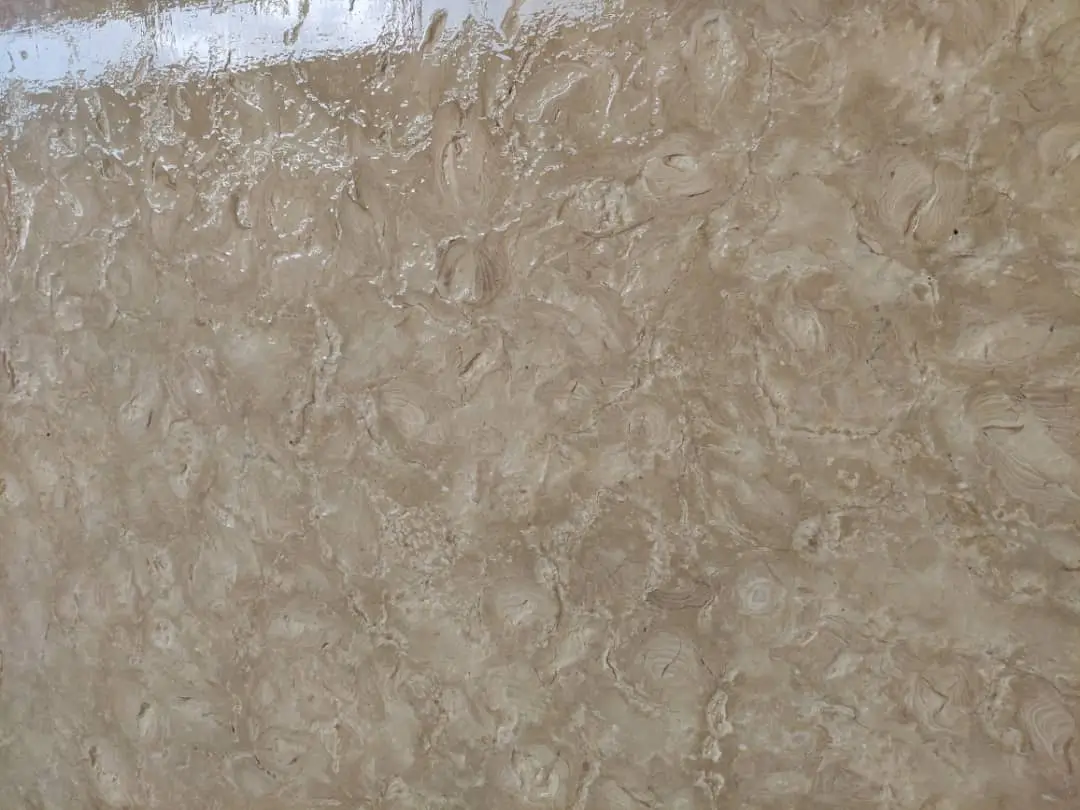
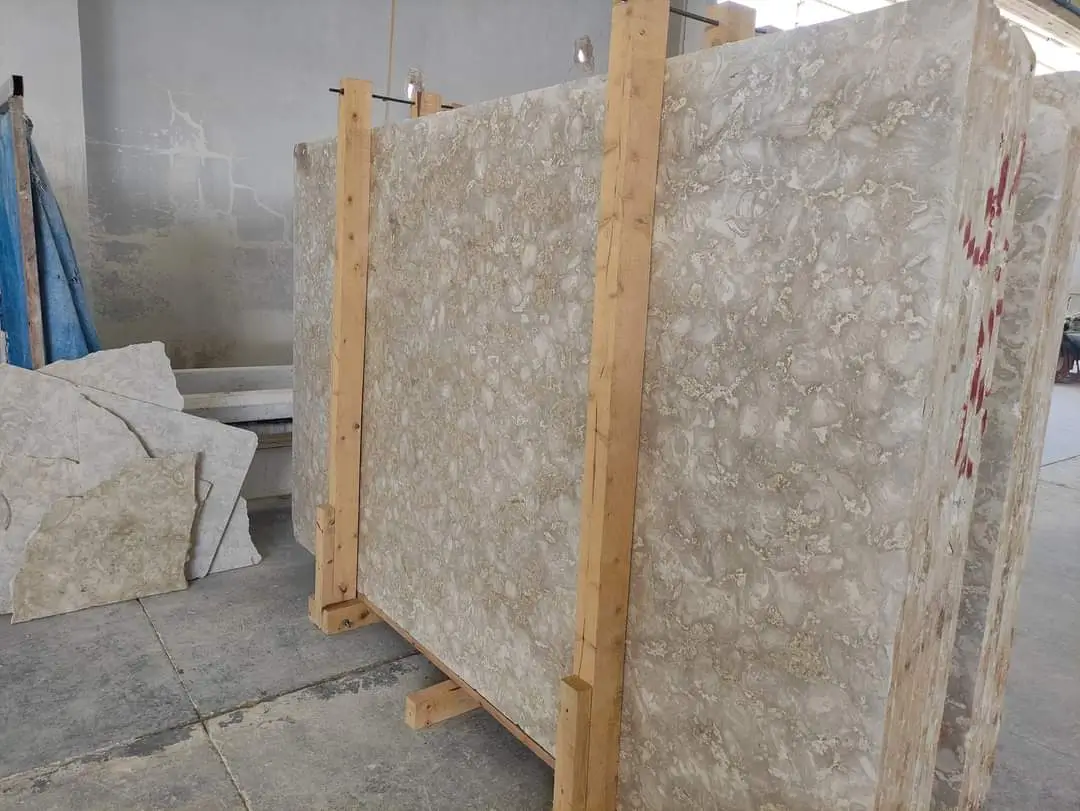
Arizona fade protection requirements for Fountain Hills driveway stone mean you need surface material with a minimum flexural strength of 1,200 PSI and a coefficient of thermal expansion below 4.5 × 10⁻⁶ per °F. Materials exceeding this thermal expansion coefficient require joint spacing adjustments of 15-20% below standard recommendations — a detail that directly affects how your base compaction system performs under accumulated thermal stress cycling. You’ll want to verify warehouse stock levels for your selected stone before committing to project timelines, since high-performance desert-grade material can have 4-6 week lead times from regional warehouse facilities.
Surface stone that maintains Arizona fade protection performance characteristics also needs to demonstrate absorption rates below 3% per ASTM C97 testing. Higher absorption rates in Fountain Hills conditions allow thermal moisture cycling to progressively weaken stone structure from within, creating surface delamination that undermines joint stability and transfers uneven loading patterns to your base system. Consulting Citadel Stone’s retaining wall stone inventory gives you access to material data sheets showing absorption, flexural strength, and thermal expansion values for every product stocked in Arizona.
Compaction Testing Standards for Driveway Stone Compaction Fountain Hills Projects
You can’t manage what you don’t measure — and driveway stone compaction Fountain Hills projects that skip field density testing are accepting failure risk that testing would have caught. Nuclear gauge density testing costs $150-300 per day and can verify compaction quality across your entire base in a single afternoon. That investment is trivial against the cost of base remediation, which typically runs $8-15 per square foot for full-depth reconstruction.
Your testing protocol for Fountain Hills driveway stone compaction should follow ASTM D6938 for nuclear gauge readings, with a minimum of one test per 500 square feet of base area. Failing test locations — defined as readings below 95% Modified Proctor for standard driveways — require additional compaction passes and re-testing before any bedding course placement. Most experienced crews can achieve passing results in 2-3 additional passes on a properly moisture-conditioned lift.
- Your testing grid should include corners, edges, and center zones — low-density pockets occur most frequently at perimeter areas where compactor overlap is inconsistent
- Test after every lift, not just the final surface — base deficiencies discovered after surface stone placement require expensive full-depth remediation
- Driveway stone compaction Fountain Hills specifications should require contractor-submitted compaction test reports as a project deliverable
- Plate load testing at 2-3 locations provides verification of actual bearing capacity versus theoretical Proctor-based estimates
Thermal Expansion and Joint Design in Driveway Stone Compaction Systems
Thermal expansion joint design is where driveway stone compaction Fountain Hills projects most often fail to translate good base preparation into lasting surface performance. Your compaction system may be perfect, but surface stone locked into a rigid joint pattern without adequate expansion allowance will develop stress fractures that propagate downward into the base system within 5-7 years of installation in Fountain Hills thermal conditions.
Fountain Hills driveway stone installations should specify expansion joints every 12 feet in areas receiving direct solar exposure for more than 6 hours daily, reducing to 15 feet maximum for shaded or north-facing areas. Joint material must maintain elasticity across the full -10°F to 160°F surface temperature range — standard portland cement grout fails this requirement and should not be used in any Fountain Hills outdoor paving application without polymer modification.
- Polyurethane joint sealant maintains flexibility across the full desert temperature range and resists UV degradation better than silicone alternatives in high-UV environments
- Your joint width specification should be 3/16 inch minimum for 12-inch stone modules — narrower joints cannot accommodate full thermal expansion without generating edge stress
- Base compaction quality directly affects joint stability — low-density base areas allow joint edges to settle differentially, creating trip hazards and accelerating joint failure
- You should plan joint maintenance inspection every 3-4 years in Fountain Hills conditions, with full joint sealant replacement at 8-10 year intervals
Monsoon Drainage and the Compaction-Drainage Interface
Monsoon drainage management is the variable that separates Fountain Hills stable driveways from problem installations. Your base compaction system and drainage design must work together — a compacted base that drains poorly becomes a saturated sponge during monsoon events, losing 25-40% of bearing capacity temporarily and allowing surface stone movement that permanently disrupts joint alignment.
The compaction-drainage interface requires you to maintain aggregate gradation specifications throughout installation. Segregated aggregate — where fine particles concentrate at the bottom of a lift from improper handling — creates low-permeability zones that interrupt drainage continuity regardless of compaction density achieved. Your delivery coordination should ensure truck loads are handled with minimal aggregate segregation; end-dump operations from height greater than 4 feet increase segregation risk significantly on well-graded aggregate products.
- Edge restraint systems must include weep holes every 4 feet to allow lateral drainage from the base system during saturation events
- French drain integration at the upslope edge of driveways on inclined sites prevents sheet-flow saturation from overwhelming base permeability
- Your compacted base permeability should target 0.1-0.5 inches per hour — below this range, monsoon events overwhelm drainage capacity; above it, fines migration degrades base stability
- Fountain Hills stable driveways on sites with slopes greater than 5% require check dam aggregate zones every 20-25 feet to prevent channeling erosion under the base system
Retaining Wall Stone for Sale in Arizona: How Citadel Stone Would Specify for Fountain Hills Region Projects
Citadel Stone’s retaining wall stone for sale in Arizona represents a curated selection of desert-performance materials engineered to complement driveway stone compaction systems across the state’s diverse climate zones. At Citadel Stone, we provide technical specification guidance for hypothetical applications across Arizona’s residential and commercial markets. This section outlines how you would approach driveway stone compaction and surface specification decisions for three representative Arizona communities with conditions relevant to Fountain Hills projects.
San Tan Valley Compaction Notes
San Tan Valley’s expansive clay soil profile requires you to approach driveway stone compaction with a modified base sequence that prioritizes subgrade stabilization above standard compaction density targets. Your specification would call for a 4-inch lime-treated stabilization layer beneath the aggregate base, achieving a minimum 28-day unconfined compressive strength of 150 PSI before base aggregate placement. Stone compaction methods Arizona clay-soil protocols recommend 98% Modified Proctor at the stabilized layer, followed by standard 95% targets for aggregate lifts. Arizona fade protection requirements here mirror Fountain Hills, with surface temperatures regularly exceeding 155°F. Proper base prep on San Tan Valley sites must include perimeter drainage cells given the poor natural drainage of Pinal County clay formations.
Yuma Extreme Heat Specs
Yuma presents the most demanding Arizona fade protection challenge in the state, with solar radiation intensity that degrades surface stone color and structural integrity faster than any other Arizona region. Your driveway stone compaction specification for a Yuma project would increase base depth to 8 inches minimum to compensate for subgrade softening during the extended summer heat period, when ground temperatures at 12-inch depth can reach 110°F. Stone compaction methods Arizona extreme-heat protocols require nighttime or early-morning compaction operations when ambient temperatures exceed 105°F, since proper base prep requires consistent moisture content that evaporates uncontrollably in peak daytime conditions. Yuma stable driveways also benefit from light-colored surface stone that reflects rather than absorbs solar radiation.
Avondale Urban Base Requirements
Avondale’s urban setting introduces truck traffic loads that fundamentally change your driveway stone compaction specification requirements. Residential driveways in Avondale increasingly accommodate delivery vehicles in the 26,000-44,000 lb gross vehicle weight range — loads that require your base system to be engineered beyond standard residential protocols. Your specification for an Avondale project would target a minimum structural number of 3.0 using AASHTO pavement design methodology, typically achieved through 10-inch compacted aggregate base at 98% Modified Proctor with a 1-inch dense-graded asphalt interlayer beneath surface stone. Proper base prep must also address the Phoenix metro urban heat island effect, which elevates subgrade temperatures and accelerates joint sealant degradation. Arizona fade protection requirements in Avondale’s reflective urban environment also demand surface stone with absorption below 2.5%.
Common Driveway Stone Compaction Mistakes That Compromise Fountain Hills Installations
Field experience across Southwest driveway stone projects reveals a consistent set of compaction mistakes that appear repeatedly — and almost always in projects where the specification was reasonable but field execution deviated from documented procedures. Your quality control program needs to address these failure points explicitly, because inspecting for them after installation is too late.
The most expensive mistake in driveway stone compaction Fountain Hills projects is placing stone over unverified subgrade bearing capacity. The second most expensive is using inadequate compaction equipment for lift thickness — a plate compactor running over 5-inch lifts produces surface-dense but depth-weak base material that reads 96% on a nuclear gauge at 2-inch depth but 87% at 4-inch depth. Your equipment specification must match your lift thickness protocol, not the other way around.
- Placing aggregate base over wet subgrade following monsoon events — you need to verify moisture content returns to within 2% of optimum before resuming base operations
- Allowing edge restraints to be installed before compaction is complete — edges constrain lateral displacement and artificially inflate density readings while leaving interior zones under-compacted
- Skipping proof-roll testing on subgrade — a loaded truck slowly driven across prepared subgrade reveals soft zones that nuclear gauge testing misses entirely
- Using recycled concrete aggregate as base material without gradation verification — some recycled aggregate products have gradation distributions that resist proper compaction in desert heat conditions
- Neglecting compaction within 12 inches of structures where large equipment cannot operate — hand-operated plate compactors require 4-6 additional passes in these zones to achieve equivalent density
Long-Term Performance and Maintenance for Fountain Hills Stable Driveways
Fountain Hills stable driveways built on properly compacted base systems still require maintenance intervention at predictable intervals to preserve their original performance characteristics. Your maintenance program should be documented at project handover, because the decisions you make at year 5 determine whether your installation reaches year 25 with its structural integrity intact.
Driveway stone compaction Fountain Hills installations typically show their first maintenance requirement at 3-5 years, when joint sand begins depleting from wind erosion and surface water washing. Replenishing joint sand to 95% of joint depth within 12 months of first visible depletion prevents the lateral movement that progresses to stone edge chipping and eventually base destabilization. Arizona fade protection maintenance through biennial sealing extends color retention by 40-60% over unsealed installations in the same solar exposure conditions.
- Annual inspection of expansion joints for sealant cracking — deteriorated sealant allows water infiltration that weakens base system performance during monsoon events
- Resealing surface stone every 24-30 months maintains Arizona fade protection performance and reduces moisture absorption by 60-70% compared to unsealed material
- Your maintenance schedule should include subgrade monitoring through a simple elevation survey every 5 years — cumulative settlement exceeding 3/8 inch indicates base or subgrade performance degradation requiring investigation
- Stone compaction methods Arizona maintenance protocols recommend re-compacting joint sand with a plate compactor immediately after replenishment to achieve consistent joint density
Next Steps
Your Fountain Hills driveway stone project stands or falls on the compaction decisions made before the first stone is set. Driveway stone compaction Fountain Hills conditions demand a specification that accounts for expansive subgrade, monsoon drainage dynamics, extreme thermal cycling, and the long-term interaction between your base system and surface stone performance. Investing in proper base prep, verified compaction testing, and Arizona fade protection-rated surface materials transforms a standard driveway installation into infrastructure that serves your property for decades. For landscape elements that complement your driveway investment, explore how Curved stone retaining walls enhance natural desert landscape flow and integrate with the compaction principles covered here. Our flagstone retaining wall stone for sale in Arizona is perfect for low garden borders.