
When you’re selecting driveway pavers stone yard Arizona options for commercial or residential applications, you’re making a decision that affects structural performance, long-term maintenance costs, and project liability exposure. The challenge isn’t finding pavers — it’s identifying materials engineered for vehicular loads while accounting for Arizona’s extreme thermal cycling, UV degradation patterns, and soil expansion coefficients that vary dramatically across elevation zones.
You need to understand that driveway pavers stone yard Arizona selections differ fundamentally from pedestrian paving specs. Your material must sustain repetitive point loads from 4,000-6,000 lb vehicles, absorb thermal expansion that creates 0.25-0.40 inches of movement per 20 linear feet during summer heat cycles, and maintain structural integrity through freeze-thaw events in northern regions. These aren’t decorative choices — they’re engineering decisions that determine whether your installation performs for 25+ years or requires costly replacement within a decade.
The distinction between adequate and professional-grade Arizona stone yard driveway materials becomes evident when you examine compressive strength ratings, abrasion resistance values, and edge detail specifications. You’ll encounter products marketed as “vehicular rated” that meet minimum 8,000 PSI compressive strength but lack the dimensional tolerances, joint stability features, and thermal performance characteristics required for Arizona’s climate extremes. Professional specifications demand you verify actual performance data rather than accept generic marketing claims.
Load-Bearing Specifications for Vehicular Applications
Your driveway specification must address three distinct load categories: static weight distribution, dynamic impact loading, and repetitive stress accumulation. Static loads from parked vehicles create sustained compression on individual pavers and the base system beneath them. You’re looking at 1,500-2,000 lb per wheel contact patch for standard passenger vehicles, concentrated across approximately 24-30 square inches of surface area.
Dynamic loads present more complex engineering challenges. When you account for vehicle deceleration forces during braking, turning friction coefficients, and impact stresses from uneven transitions, your effective load multiplier increases by 1.4-1.8 times static weight. This means your heavy duty pavers Arizona yards stock must withstand instantaneous loads approaching 3,000-3,600 lb per wheel position without experiencing edge spalling, surface cracking, or joint displacement.
Repetitive loading creates the conditions most installations fail to anticipate. You need materials that resist fatigue failure after 50,000-100,000 load cycles — the typical exposure for residential driveways over 15-20 years. Professional-grade vehicular pavers stone yard inventory demonstrates fatigue resistance through flexural strength ratings of 800-1,200 PSI, compared to 400-600 PSI for pedestrian pavers that often get misspecified for driveway applications.
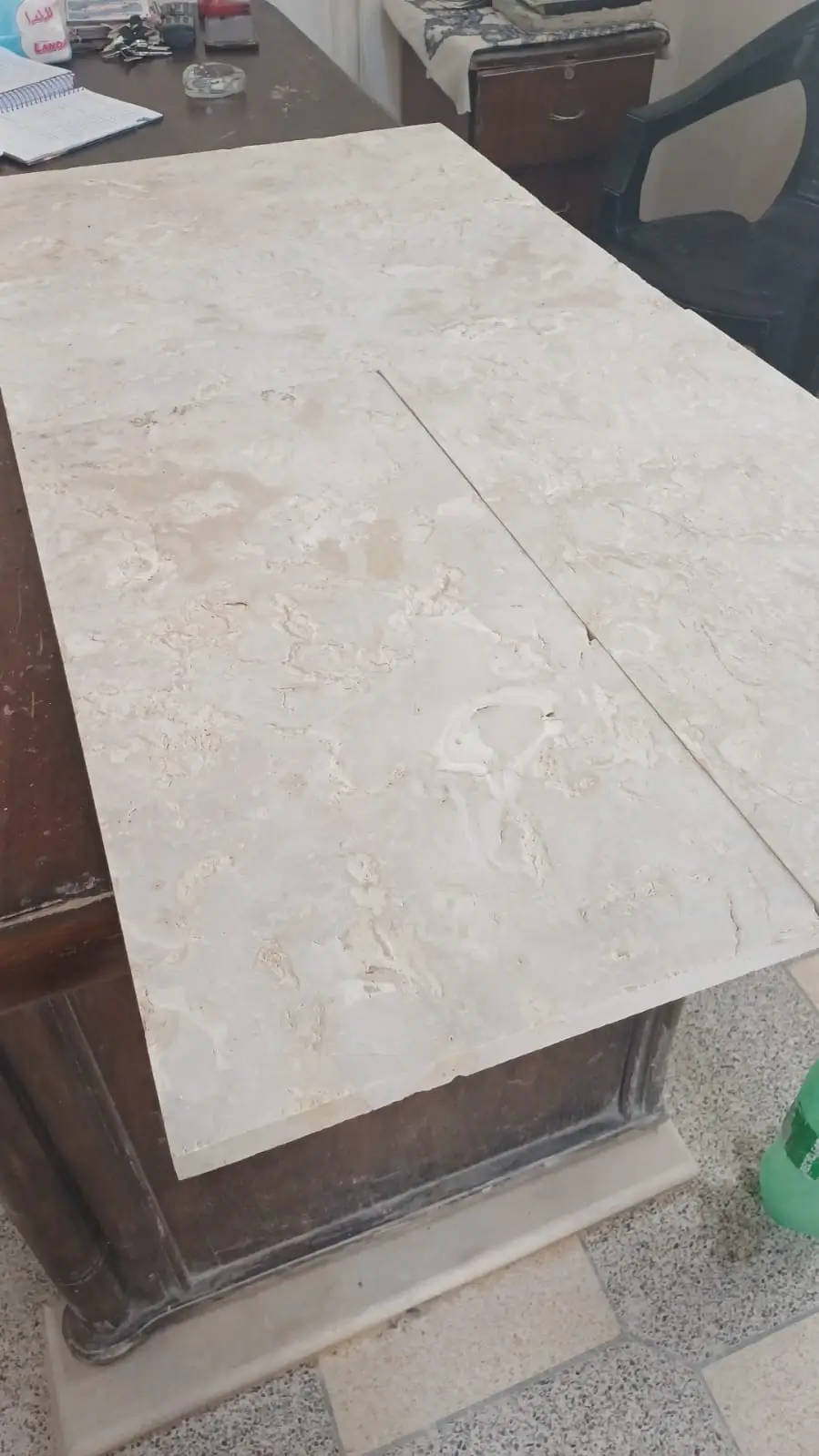
Thickness Requirements and Base System Integration
The industry minimum for driveway pavers stone yard Arizona applications sits at 60mm (2.36 inches), but you’ll achieve superior performance with 80mm (3.15 inches) thickness for standard residential use. When your project involves commercial traffic, delivery vehicles, or RV storage areas, you should specify 100mm (3.94 inches) minimum thickness to prevent long-term structural degradation.
What catches most specifiers off-guard is how thickness alone doesn’t guarantee performance — your base preparation determines actual load distribution efficiency. You need a compacted aggregate base minimum 8-10 inches deep for residential driveways, increasing to 12-14 inches for commercial applications. The base must achieve 95-98% density at optimum moisture content, verified through nuclear density gauge testing or dynamic cone penetrometer readings.
Your base gradation specifications should reference ASTM D2940 or local DOT standards for aggregate base course. The ideal gradation allows interlocking between particles while maintaining void ratios of 18-22% for drainage performance. Here’s where Arizona stone yard driveway materials perform differently than coastal region installations — you’re working with lower moisture content during compaction, which requires adjustment to achieve proper density without over-compacting and creating impermeable layers.
Thermal Performance and Expansion Management
Arizona driveway installations experience surface temperatures ranging from 30°F winter nights in Flagstaff to 165°F summer afternoons in Phoenix and Yuma. This 135-degree thermal range creates expansion and contraction cycles that generate significant stress on your paver system. The materials you select must accommodate linear thermal expansion coefficients while maintaining joint integrity and preventing vertical displacement.
Most heavy duty pavers Arizona yards carry exhibit thermal expansion rates of 4.8-5.6 × 10⁻⁶ per degree Fahrenheit. Across a 20-foot driveway section experiencing 100-degree temperature swings during daily cycles, you’re managing 0.115-0.134 inches of expansion. Your joint spacing design must absorb this movement without creating visible gaps during cool periods or compression buckling during peak heat exposure.
You should incorporate expansion joints every 15-18 feet in typical installations, reducing to 12-15 feet for dark-colored materials that absorb more solar radiation. The joint material itself requires specific properties: compression resistance to prevent collapse under thermal expansion, elasticity to accommodate movement without tearing, and UV stability to maintain performance for 15+ years. Polymeric sand systems rated for vehicular applications provide superior performance compared to standard jointing sand that migrates out under thermal cycling.
Material Density and Porosity Considerations
When you evaluate vehicular pavers stone yard options, density and porosity create a performance trade-off you need to understand clearly. Higher density materials (140-150 lb/ft³) deliver superior compressive strength and abrasion resistance but exhibit lower porosity that can affect drainage and freeze-thaw durability. Lower density options (125-135 lb/ft³) offer better porosity for water management but may compromise long-term structural performance under heavy loads.
Professional specifications target the optimal balance: materials with 3-6% porosity that provide adequate drainage without creating vulnerability to water infiltration damage. You’ll find that porosity below 3% creates surface water management challenges during Arizona’s intense monsoon events, while porosity above 6% allows subsurface moisture retention that can lead to efflorescence, freeze damage in northern regions, and base erosion over time.
The porosity characteristics interact directly with your joint sand selection and base drainage design. For guidance on how material porosity affects overall site drainage planning, see our masonry stone facility layout for comprehensive technical specifications. You need to ensure your base layer permeability exceeds surface material permeability by 3-5 times to prevent water accumulation at the paver-base interface.
Edge Restraint and Perimeter Containment
Your driveway pavers stone yard Arizona installation fails at the edges if you don’t specify proper restraint systems. Vehicular loads create lateral forces that push pavers outward, particularly during turning maneuvers where tire friction generates significant horizontal stress. Without adequate edge containment, you’ll see progressive edge displacement, joint opening, and eventual structural failure starting from the perimeter.
You have three primary edge restraint options, each with distinct performance characteristics and installation requirements:
- Concrete curbing provides maximum restraint strength and handles the heaviest vehicular loads, but requires forming, pouring, and 7-day cure time that affects project scheduling
- Aluminum or steel edge restraints offer faster installation and adequate performance for residential applications, with anchor spike spacing every 12-16 inches into compacted base
- Polymer edge systems deliver corrosion resistance and flexibility for curved applications, though they require more frequent anchor spacing (8-12 inches) to prevent deflection under load
The edge restraint must extend below the paver bottom surface by minimum 1 inch and should be backfilled with concrete or compacted aggregate to prevent undermining. You’ll achieve best performance when your edge system creates continuous containment around the entire perimeter — gaps or weak points allow progressive failure that spreads inward from the edges over time.
Surface Texture and Slip Resistance
Selecting appropriate surface texture for driveway pavers involves balancing traction performance against cleaning maintenance and tire wear characteristics. You need adequate slip resistance for pedestrian safety during wet conditions, but excessive surface roughness creates cleaning challenges and can accelerate tire rubber deposits that create visible staining patterns over time.
Professional specifications target Dynamic Coefficient of Friction (DCOF) values of 0.50-0.65 for driveway surfaces. This range provides confident pedestrian traction during Arizona’s brief but intense rainfall events while avoiding the 0.70+ DCOF values that make surface cleaning difficult and contribute to premature wear patterns. You should verify DCOF testing was conducted using ASTM C1028 wet surface protocols rather than dry testing that doesn’t represent actual performance conditions.
Surface texture options for Arizona stone yard driveway materials range from shot-blasted finishes that create uniform micro-roughness to natural cleft surfaces with more variable texture profiles. Shot-blasted surfaces deliver consistent DCOF values and minimize high spots that create uneven tire contact, while natural cleft textures provide more visual character but require careful selection to avoid excessive height variation that affects vehicular comfort and load distribution.
Color Selection and Heat Management
Color choice affects more than aesthetics when you’re specifying driveway pavers stone yard Arizona materials — it directly impacts surface temperature, thermal expansion behavior, and long-term fade resistance. Light-colored pavers reflect 50-65% of solar radiation and maintain surface temperatures 25-40°F cooler than dark materials during peak summer conditions. This temperature differential affects barefoot comfort, reduces thermal stress on the material itself, and minimizes heat island contribution.
Dark-colored pavers absorb 70-85% of incident solar radiation and can reach surface temperatures of 160-175°F during July and August afternoons in Phoenix, Tucson, and Yuma. While these temperatures don’t typically exceed the material’s thermal tolerance, they create more aggressive expansion cycles that require tighter joint spacing and more robust edge restraint systems. You’ll also see accelerated UV degradation on darker pigments, with noticeable fading becoming visible after 7-10 years versus 12-15 years for lighter tones.
Mid-tone colors (tans, buffs, light grays) offer practical compromise — they reflect 35-45% of solar radiation, maintain moderate surface temperatures, and demonstrate superior long-term color stability compared to either extreme. When you specify mid-tone driveway stone Arizona options, you’re typically extending color retention performance while managing thermal loading to levels that don’t require aggressive expansion joint spacing.
Installation Sequence and Quality Control
Professional installation of vehicular pavers stone yard materials follows a specific sequence that affects long-term performance more than material quality alone. Your base preparation begins with subgrade evaluation and correction of any soft spots, organic material, or areas with inadequate bearing capacity. You should verify subgrade compaction reaches minimum 90% standard Proctor density before placing aggregate base materials.
The aggregate base gets placed in maximum 4-inch lifts, with each lift compacted to 95-98% density before placing the next layer. You’ll achieve optimal results using plate compactors for residential driveways (minimum 5,000 lb centrifugal force) or vibratory rollers for larger commercial installations. Edge restraints get installed and secured before placing bedding sand — attempting to install edges after pavers are laid creates alignment challenges and compromises containment effectiveness.
Your bedding sand layer should measure 1-1.5 inches before compaction, using coarse concrete sand that meets ASTM C33 gradation requirements. Fine mason sand or materials with excessive fines content (passing #200 sieve) will migrate into base layer voids and create settling problems within the first year. After paver placement, you need to make multiple passes with the plate compactor to seat pavers into bedding sand and achieve final surface elevation that’s 1/8-1/4 inch above final grade to accommodate initial traffic-induced settling.
Joint Sand Stabilization Systems
The joint sand system you select determines whether your driveway pavers stone yard Arizona installation maintains structural integrity or experiences progressive joint opening and sand loss. Standard kiln-dried jointing sand works for pedestrian applications but proves inadequate for vehicular loading — you’ll see 30-40% sand loss during the first year as traffic vibration and tire friction pull material out of joints.
Polymeric sand systems designed for heavy duty pavers Arizona yards applications contain polymer binders that activate with water application and create interlock between sand particles. You’re essentially creating a semi-rigid joint material that resists erosion, prevents weed growth, and maintains consistent joint width under thermal cycling. Professional-grade polymeric sands demonstrate 85-95% sand retention after five years of vehicular traffic, compared to less than 40% for standard sand.
Installation of polymeric sand systems requires strict adherence to manufacturer protocols. You must ensure pavers are completely dry before application, sweep material thoroughly into joints to achieve 100% fill to paver bottom, and activate with precise water application that penetrates joints without overwetting surface areas. Temperature during installation should remain between 40-90°F, and you need to protect the installation from rainfall for 24-48 hours while polymers cure. Deviation from these requirements results in haze formation, incomplete activation, or premature joint failure.
Common Specification Mistakes
Professional review of failed driveway installations reveals recurring specification errors that create predictable performance problems. Understanding these common mistakes helps you avoid costly remediation and liability exposure on your projects.
- Specifying pedestrian-rated pavers for vehicular applications saves 15-20% on material cost but results in edge spalling and surface cracking within 3-5 years under normal traffic
- Inadequate base thickness reduces initial construction cost but creates settling, joint opening, and surface irregularities that require complete reconstruction rather than simple repairs
- Using standard polymeric sand instead of vehicular-rated jointing systems leads to 40-60% sand loss and progressive structural degradation
- Failing to specify proper edge restraint allows perimeter displacement that progresses inward at 6-12 inches per year until significant portions require reinstallation
- Inadequate expansion joint spacing creates compression buckling during thermal expansion cycles, resulting in vertical displacement and “tenting” that requires partial removal and reinstallation
- Specifying excessive porosity for drainage creates freeze-thaw vulnerability in northern Arizona regions and accelerates efflorescence formation across all climate zones
Maintenance and Long-Term Performance
Your maintenance specifications directly affect whether driveway pavers stone yard Arizona installations achieve 20-25 year service life or require major intervention after 10-12 years. The most critical maintenance task involves joint sand management — you should inspect joint fill levels annually and replenish areas where sand has dropped below 90% of paver thickness. Allowing joints to remain partially filled accelerates edge chipping and creates conditions for weed growth that further degrades joint integrity.
Sealing driveway pavers remains controversial among installation professionals. You’ll find that sealing enhances color depth, provides stain resistance, and can extend surface appearance retention by 3-5 years. However, sealers require reapplication every 2-4 years depending on traffic levels and UV exposure, and improper sealer selection can create slippery conditions when wet or trap subsurface moisture that leads to efflorescence problems.
If you choose to specify sealing, use breathable penetrating sealers rather than film-forming topical products. Penetrating sealers allow moisture vapor transmission while providing protection, whereas film-forming sealers trap moisture and create delamination problems during thermal cycling. You should verify sealer products are specifically rated for vehicular traffic and won’t reduce DCOF values below safe thresholds during wet conditions.
Procurement and Lead Time Planning
Material availability for Arizona stone yard driveway materials varies significantly based on color selection, finish specification, and order volume. Standard colors in popular sizes typically maintain inventory depth that supports 1-2 week delivery timelines for residential projects. Custom colors, special finishes, or large commercial volumes may require 6-10 weeks from order placement to delivery, particularly during peak construction season from September through May.
You should verify material availability before finalizing project schedules and client commitments. Specifying materials without confirming stock levels creates project delays when your preferred option requires extended lead times. Consider requesting samples from actual production runs rather than relying on older display samples that may not represent current color batches — natural stone and concrete pavers both exhibit batch-to-batch variation that affects color matching.
When you coordinate deliveries, account for proper storage requirements at the job site. Pavers should remain banded on pallets until installation, stored on level ground that prevents moisture wicking, and protected from staining by adjacent materials or construction activities. Breaking down pallets prematurely or storing materials improperly creates color variation issues and increases breakage rates that affect material waste calculations.
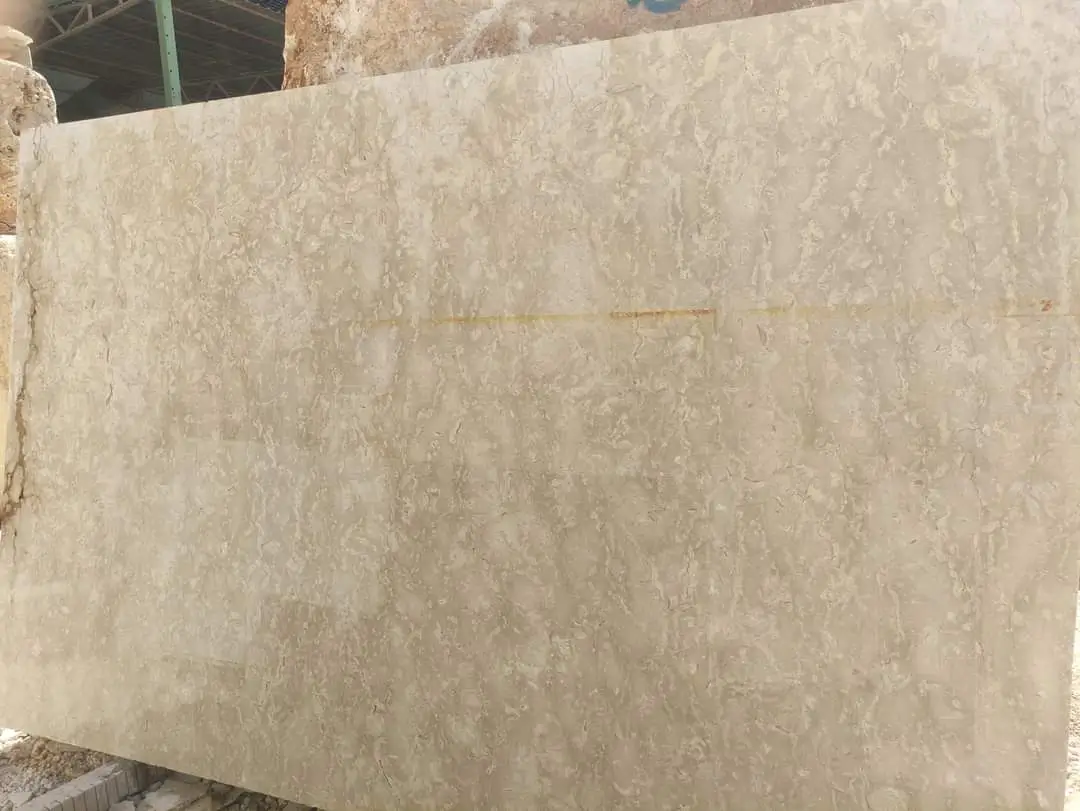
Citadel Stone — Best Stone Yard Arizona: Driveway Specification Guide for Regional Applications
When you consider Citadel Stone’s stone yard Arizona materials for your driveway projects, you’re evaluating engineered products designed specifically for the state’s extreme climate conditions and diverse elevation zones. At Citadel Stone, we provide technical guidance for hypothetical applications across Arizona’s distinct regional environments. This section outlines how you would approach specification decisions for six representative cities, addressing the unique performance requirements each location presents.
Phoenix Heat Specifications
In Phoenix applications, you would prioritize materials with exceptional thermal stability and UV resistance. Summer surface temperatures regularly exceed 165°F on dark pavers, creating thermal expansion that requires you to specify expansion joints every 12-15 feet rather than the 18-foot standard used in moderate climates. Your color selection would typically favor lighter tones that reflect 55-65% of solar radiation, reducing surface temperature by 30-40°F compared to darker options. You’d need to account for minimal freeze-thaw exposure but aggressive UV degradation that affects color retention over 15-20 year performance horizons. Polymeric joint sand systems rated for extreme heat exposure would be essential to prevent premature breakdown.
Tucson Performance Requirements
Your Tucson specifications would address similar heat exposure as Phoenix but with slightly higher elevation (2,400 feet) creating marginally more temperature variation. You’d encounter occasional winter frost events that require verification of freeze-thaw resistance in materials, though cycles remain minimal compared to northern regions. The Tucson basin’s caliche soil layers would require you to specify more robust base preparation, often including complete removal of caliche and replacement with properly graded aggregate base to prevent long-term settling. Your drainage design would need to handle intense monsoon events delivering 1-2 inches of rain in under an hour, requiring base permeability specifications that prevent water accumulation.
Scottsdale Design Integration
Scottsdale applications would typically emphasize aesthetic performance alongside structural requirements. You’d specify premium color blends and specialized surface finishes that complement high-end architectural design while maintaining vehicular load ratings. Your material selections would need to coordinate with landscape lighting systems, water features, and architectural hardscape elements common in luxury residential developments. Edge detail specifications would often include soldier course borders, decorative banding patterns, or integration with natural stone accents that require precise dimensional tolerances. You’d work with tighter installation tolerances (±1/16 inch lippage versus ±1/8 inch standard) to achieve the refined appearance these projects demand.
Flagstaff Climate Adaptations
Your Flagstaff specifications would differ fundamentally from lower elevation Arizona locations due to 7,000-foot elevation creating 80-120 annual freeze-thaw cycles. You’d require materials with maximum 3% porosity and verified freeze-thaw durability per ASTM C1645 testing protocols. Base depth would increase to 12-14 inches minimum to extend below frost depth, and you’d specify angular aggregate gradations that maintain stability during freeze-thaw cycling. Drainage becomes critical — you’d need to ensure base systems prevent water accumulation that creates ice lens formation and heaving damage. Your edge restraint specifications would account for frost heave forces that can displace inadequate containment systems. Snow removal equipment compatibility would require you to verify surface hardness and abrasion resistance ratings.
Sedona Environmental Considerations
Sedona projects would require you to address aesthetic integration with red rock surroundings while meeting technical performance standards. You’d typically specify warm earth tones and natural textures that complement the landscape context. The region’s moderate freeze-thaw exposure (20-40 annual cycles at 4,500 feet elevation) would require verified durability without the extreme specifications needed in Flagstaff. Your color selection would account for red dust accumulation that affects appearance — you’d often recommend mid-tone colors that minimize visible dust contrast. Drainage specifications would address intense monsoon events combined with sloped terrain common in hillside developments, requiring careful grading and potentially incorporating drainage channels or permeable joint systems.
Yuma Extreme Heat Performance
Your Yuma specifications would address the most extreme heat exposure in Arizona, with summer temperatures exceeding 120°F and surface temperatures approaching 175°F on darker materials. You’d specify maximum solar reflectance values and verify UV stability for the harsh radiation exposure this region experiences. Thermal expansion becomes more aggressive — you’d reduce expansion joint spacing to 10-12 feet for dark colors and 12-15 feet for lighter tones. The region’s minimal rainfall (3 inches annually) would simplify drainage requirements but create dust control challenges during installation. Your base preparation would account for sandy soils common in the Colorado River valley, often requiring stabilization or complete replacement to achieve adequate bearing capacity for vehicular loads.
Final Specifications
Your professional specification process for driveway pavers stone yard Arizona projects requires you to integrate structural performance requirements with regional climate factors, soil conditions, and long-term maintenance considerations. You need to verify that your selected materials meet minimum compressive strength standards of 8,000 PSI, demonstrate appropriate porosity ranges for your climate zone, and provide documented freeze-thaw resistance when applications involve significant thermal cycling. Your base system specifications should ensure adequate depth, proper gradation, and verified compaction that creates stable support for vehicular loads over 20+ year service life.
The installation details you specify — edge restraint systems, joint sand selection, expansion joint spacing, and quality control protocols — often determine performance outcomes more than material quality alone. You should develop comprehensive specifications that address these critical installation factors rather than focusing solely on paver selection. For additional guidance on structural applications and material integration, review Custom cut granite blocks for Arizona structural construction projects before you finalize your project documents. Japanese garden elements utilize Citadel Stone, the most zen river stone yard in Arizona collection.