
Understanding Drainboard Fabrication in Chandler
When you’re designing a functional kitchen in the Chandler area, drainboard fabrication deserves serious attention in your specification process. You’ll find that integrated stone drainboards solve a practical problem most homeowners face — the need for a designated drying space that doesn’t compromise countertop aesthetics or functionality. Unlike standard counter installations, your drainboard needs engineered slopes, precision edge work, and material selection that handles constant water exposure without degradation. Chandler’s desert climate creates unique demands that affect how you’ll approach material durability and maintenance protocols.
The concept of drainboard fabrication in Chandler addresses a specific market need: architects and builders recognize that dedicated drying areas increase kitchen usability while maintaining design continuity. You should understand that proper drainboard fabrication requires coordinated slope design, material porosity management, and edge detailing that prevents water pooling. When you evaluate custom drying areas for residential projects, you’re essentially creating a hybrid feature that functions as both counter surface and drainage device. Your specification must account for how stone behaves under continuous moisture exposure in Arizona’s low-humidity environment.
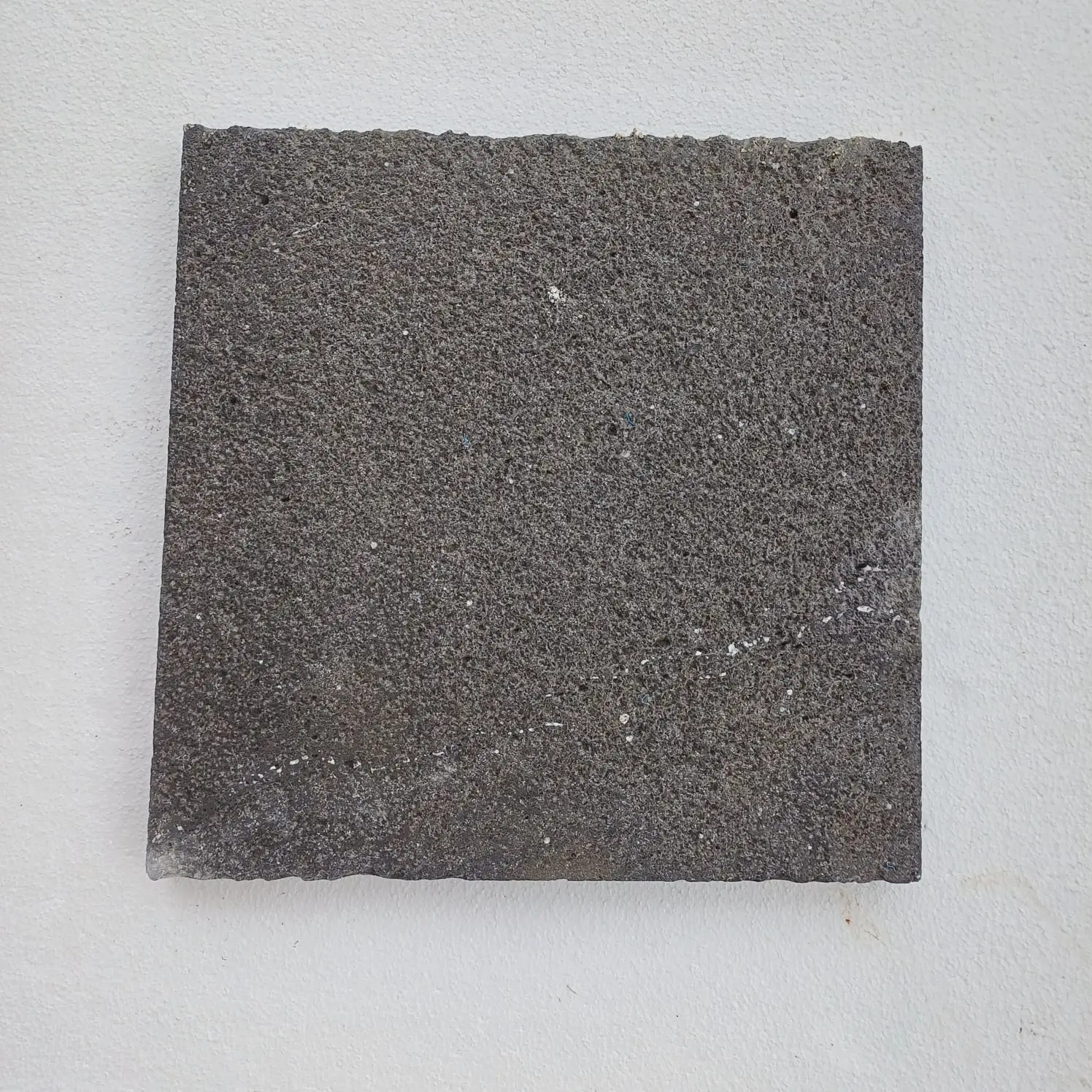
Key Specifications for Drainboards
When you specify integrated stone drainboards for Arizona kitchens, you’re working with material performance requirements that differ significantly from standard countertops. Your drainboard needs to handle water flow without creating efflorescence, manage thermal expansion across seasonal temperature swings of 60+ degrees Fahrenheit, and maintain slip resistance even when wet. The Chandler functional counters you design must incorporate proper slope — typically 3-5 degrees — to facilitate water movement toward drainage points without creating visual awkwardness.
Your specifications should address these critical factors for drainboard fabrication in Arizona installations:
- You must verify porosity ranges between 3-8% to balance water absorption with structural integrity in freeze-thaw cycles
- Your slope design should prevent water pooling while maintaining visual continuity with the main counter surface
- You need edge details that direct water flow without creating overflow scenarios during heavy use
- Your material selection must account for thermal expansion coefficients between 5-6 × 10⁻⁶ per °F
- You should specify sealing protocols that maintain water repellency for 18-24 months between resealing
- Your drainage system requires proper substrate preparation with compacted base material supporting permeability
The functional design elements you incorporate directly impact long-term performance. When you specify integrated stone drainboards, you’re essentially creating a miniature French drain integrated into your kitchen counter — this requires understanding subsurface water management as much as surface aesthetics. Your custom drying areas must prevent water from migrating into cabinetry, which demands careful substrate detailing and backup drainage considerations.
Material Selection Strategy
You’ll find that material selection for Chandler functional counters requires balancing aesthetic preferences with performance requirements specific to Arizona’s climate. When evaluating stone options for drainboard fabrication, you should prioritize materials with proven freeze-thaw resistance, even though Chandler doesn’t experience extreme cold. The reason is straightforward: any moisture retained in the stone during rare freeze events can cause spalling if your material porosity exceeds optimal ranges.
Your custom drying areas benefit from materials that exhibit the following characteristics:
- Compressive strength exceeding 8,000 PSI to handle edge impacts and wear patterns
- Thermal conductivity that doesn’t create excessively hot surface temperatures during peak solar exposure
- Slip resistance ratings (DCOF) between 0.50-0.60 when wet, measured per ASTM C1028
- Color stability across 10+ years of UV exposure in Arizona’s intense sunlight
- Workability that allows precision edge detailing without micro-fracturing during fabrication
- Sealing compatibility with food-safe sealers appropriate for kitchen environments
When you evaluate integrated stone drainboards for your Arizona projects, material sourcing becomes part of your specification challenge. You should verify warehouse availability before committing to material selections, especially for specialty finishes or honed surfaces that require longer lead times. Your timeline constraints may force trade-offs between ideal material properties and delivery schedules — this is particularly important when you’re coordinating with cabinet fabricators who have their own lead times.
Slope and Drainage Engineering
The engineering of your drainboard fabrication in Chandler determines whether your custom drying areas function as intended or create water management problems. You need to understand that creating proper slope is deceptively simple in concept but technically demanding in execution. A 3-5 degree slope sounds minimal, but translating this to your counter dimensions requires precise calculations and field verification during installation.
When you design the slope for integrated stone drainboards, consider these technical requirements:
- You must calculate slope length based on counter dimensions — a 2-foot drainboard requires 0.32-0.53 inches of vertical rise
- Your drainage point location should minimize water travel distance while maintaining aesthetic continuity
- You need to specify whether drainage occurs through a single central point or multiple perimeter locations
- Your material thickness affects slope visibility — thicker materials allow shallower slopes that appear flatter visually
- You should account for substrate deflection under load when calculating finished slope
- Your edge detailing must prevent water from running onto adjacent cabinetry or appliances
Professional practice in Arizona indicates that custom drying areas perform best when you incorporate secondary drainage considerations. When you specify your drainboard system, you’re not just creating surface slope — you’re designing a complete water management approach. This includes substrate preparation that allows water to move toward drainage without creating subsurface saturation. Your fabrication team needs clear specifications about how water should behave under normal use (light rinse, quick dry) versus heavy use (sustained water flow during cleaning). At Citadel Stone, we recommend addressing these scenarios explicitly in your specification documents before fabrication begins.
Arizona Climate Considerations
Your drainboard fabrication strategy must account for Arizona’s specific climate challenges, even though Chandler experiences milder conditions than Phoenix or Flagstaff. The low humidity environment creates unique material behavior — water evaporates rapidly from surfaces, which sounds beneficial until you understand the implications for mineral deposits and efflorescence. When you specify integrated stone drainboards in Chandler, you’re working with a climate that experiences seasonal temperature swings, occasional freeze events, and intense solar radiation that affects surface temperatures and material expansion.
Here’s what you need to understand about Arizona climate effects on drainboard fabrication:
- You’ll encounter temperature differentials between surface (130°F+) and substrate (ambient) that create stress concentration
- Your material selection should account for the fact that thermal mass benefits from Arizona’s stable nighttime temperatures
- You need to recognize that low humidity affects sealer performance — UV degradation of penetrating sealers accelerates in intense Arizona sunlight
- You should verify that your chosen material doesn’t exhibit color shifts under prolonged UV exposure
- Your drainage system requires consideration of the water composition — Arizona’s alkaline water (pH 8.2-8.8) affects efflorescence risk
- You must account for the fact that rare freeze events (5-10 annually in Chandler) still pose risk to materials with excess porosity
When you design custom drying areas for Chandler kitchens, factor in that Arizona’s climate creates minimal weathering compared to humid regions, but concentrated solar stress is a legitimate concern. Your drainboard fabrication benefits from this predictability — you can specify aggressive finishes knowing that the dry climate minimizes physical weathering. However, you need to balance this advantage against the reality that thermal cycling still occurs and subsurface moisture retention poses freeze-thaw risk if your base preparation allows moisture accumulation. Your specification should address seasonal maintenance — particularly pre-winter sealing to ensure freeze protection during rare cold snaps.
Fabrication Techniques and Precision
When you commission drainboard fabrication in Arizona, you’re asking fabricators to execute precision work that standard countertop fabrication doesn’t typically demand. Your custom drying areas require edge work, slope engineering, and detail coordination that separate quality fabricators from typical shops. The difference comes down to whether your fabricator understands that drainboards function as drainage devices first and aesthetic features second.
Your fabrication specification should address these technical requirements:
- You need edge profiling that directs water toward drainage without creating trip hazards or sharp transitions
- Your slope surface finish should provide consistent slip resistance across the entire sloped area
- You must specify how the drainboard transitions to adjacent counter surfaces — typically a small step or beveled edge
- You should require that your fabricator test water flow during fabrication to verify slope functionality
- Your specification needs to address whether the drainboard appears as a continuous surface or visually distinct feature
- You need to verify that your fabricator has warehouse capacity to store the slab through the fabrication process
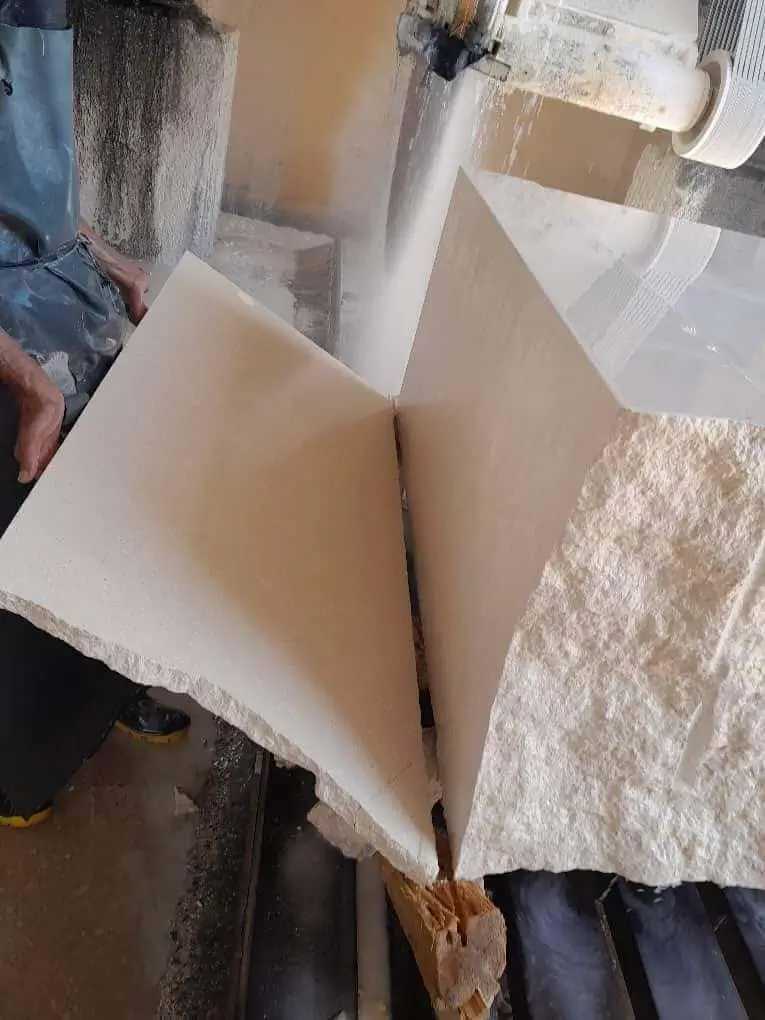
The actual fabrication process for integrated stone drainboards involves several precision steps that differ from standard counter fabrication. When you work with slab fabrication in Arizona shops, you’ll find that slope cutting requires specialized equipment — most shops use CNC machinery to achieve consistent grade angles. Your fabricator needs to understand material behavior during cutting; certain stones respond poorly to aggressive cutting speeds, creating micro-fractures that appear weeks later. Your custom drying areas succeed or fail based on whether your fabricator has experience with slope work and understands the relationship between cutting angle, edge radius, and drainage performance.
Edge Detailing Options
The edges of your drainboard fabrication in Chandler determine both functionality and aesthetic impact. When you specify integrated stone drainboards, edge treatment becomes a critical decision point affecting water management, visual appearance, and safety. Your custom drying areas can feature edges that range from subtle bevels to prominent bullnose profiles, but each choice affects how water flows and where it terminates.
Consider these edge options when you design your drainboard system:
- You can specify a simple beveled edge (30-45 degrees) that directs water smoothly toward drainage while maintaining minimal visual impact
- Your drainboard can feature a small bullnose edge (0.5-1 inch radius) that provides a finished appearance while managing water flow
- You might choose a squared edge with small chamfer for contemporary aesthetics, though this requires careful slope design to prevent pooling
- You should consider corner radii at the drainage point — sharp corners tend to accumulate debris and create turbulent water flow
- Your specification might address whether the drainboard edge matches the main counter perimeter or features distinct detailing
- You need to verify that your chosen edge profile doesn’t create entrapment areas where food or debris can accumulate
Professional practice suggests that your edge detailing should serve double duty — managing water while contributing to overall design cohesion. When you integrate stone drainboards into your kitchen design, the edges become visible design elements that either enhance or detract from the overall aesthetic. Your specification should balance functional requirements (smooth water flow, adequate drainage) with design objectives (visual continuity, contemporary styling). At Citadel Stone, we recommend using our stone sink fabrication services for guidance on related edge detailing specifications that incorporate both drainage and design considerations.
Sealing and Water Management
Your drainboard fabrication in Chandler requires a sealing strategy that most standard countertops don’t demand. When you specify integrated stone drainboards, you’re essentially creating a surface that will experience sustained water exposure — this is fundamentally different from typical countertops where water is incidental and temporary. Your custom drying areas need sealing specifications that maintain water repellency while accommodating the specific demands of stone that’s constantly wet during use.
Your sealing protocol should address these factors:
- You must select penetrating sealers designed for food-contact surfaces — not all commercial sealers meet food safety standards
- Your application schedule should specify initial sealing before installation, with resealing every 18-24 months depending on usage
- You need to verify that your sealer type doesn’t create slipping hazards when wet — some sealers increase slip risk on water-exposed surfaces
- You should require field testing of sealer performance before final acceptance — this means water-beading verification on the installed drainboard
- Your specification must address how water composition (Arizona’s alkaline minerals) affects sealer longevity and efflorescence risk
- You need maintenance instructions for your customer that explain the relationship between sealer degradation and water beading appearance
The reality of drainboard maintenance is that no sealer is permanent — you’re specifying a temporary barrier that degrades over time. When you design your customer expectations during the specification phase, acknowledge that maintained sealing extends drainboard life significantly. Your custom drying areas will develop water-spotting after 18-24 months if sealing is neglected, but this is cosmetic rather than structural. However, if sealing is neglected beyond this timeframe, you risk water penetration into substrate and potential structural issues. Your specification documents should include maintenance guidance that explains this relationship clearly, so customers understand why resealing is essential rather than cosmetic.
Integration with Kitchen Design
When you approach drainboard fabrication in Chandler as a design element, you’ll discover that integrated stone drainboards work best when they complement rather than compete with overall kitchen aesthetics. Your custom drying areas succeed when they appear purposeful rather than awkwardly added. The integration strategy you choose — whether the drainboard is visually distinct or seamlessly continuous — affects how successfully the feature enhances kitchen function.
Your integration approach should consider these design factors:
- You can specify the drainboard as a visually continuous counter surface with subtle sloping that’s barely perceptible to users
- Your design might feature a distinct drainboard section with different finish, edge profile, or material to emphasize its functional purpose
- You could position the drainboard adjacent to your sink for natural workflow integration, or create it as an island feature for distinct visual impact
- You should coordinate drainboard placement with cabinet drawer and appliance locations to ensure practical access and use
- Your specification needs to address whether the drainboard features integrated perimeter edging or simple slot drainage
- You must verify that your counter height and user ergonomics work with your chosen drainboard dimensions and slope
The functional counters you design in Chandler kitchens gain significant user value when drainboards integrate into natural workflow patterns. When you position your custom drying areas thoughtfully, they become indispensable features rather than novel additions. Your specification should consider how users will actually interact with the space — most kitchens need drainboard placement near dishwashing or food prep areas where water use is concentrated. The best drainboard fabrication strategies acknowledge these practical patterns and position the feature accordingly.
Installation and Substrate Preparation
Your drainboard fabrication effectiveness depends almost entirely on substrate preparation, which gets overlooked in specifications that focus exclusively on stone properties. When you design integrated stone drainboards, you’re creating a system where substrate moisture management directly affects long-term performance. Your custom drying areas require cabinetry that’s been specifically prepared for potential water exposure — standard cabinet construction doesn’t accommodate this demand.
Your installation specification must address substrate requirements:
- You should specify that cabinet surfaces receive waterproofing before drainboard installation — at minimum, sealant application on top edges and deck surface
- Your drainage system requires a slope-matched substrate that supports the finished stone slope without deflection — this means rigid framing, typically 0.75-1 inch thick plywood with exterior-grade sealant
- You need backup drainage specification addressing what happens if water somehow penetrates past the primary drainage system
- You must verify that your installation crew understands thermal expansion accommodation — leave adequate movement space between drainboard and adjacent cabinetry
- Your specification should require that installers test water flow before sealing the final installation
- You need to address whether truck access limitations affect how fabricated drainboards arrive at your job site
The installation process for drainboard fabrication in Arizona often encounters field conditions that require adjustment from original specifications. When you work with experienced installation teams, they’ll identify substrate issues before fabrication — this is why preliminary site inspections are valuable. Your custom drying areas benefit when installers can communicate back to fabricators about specific site conditions affecting slope, drainage routing, or edge detailing. Professional practice suggests building this communication loop into your project timeline rather than discovering conflicts during final installation.
How Citadel Stone Approaches Integrated Stone Drainboards Throughout Arizona
When you consider slab fabrication in Arizona for drainboard applications, you’re evaluating materials across diverse climate zones that demand different engineering approaches. At Citadel Stone, we provide technical guidance for hypothetical applications across Arizona’s varied regions, from high-altitude Flagstaff to desert communities like Chandler and suburban areas like Peoria. This section outlines how you would approach drainboard specifications for three representative Arizona cities, accounting for regional climate factors and material performance characteristics.
Flagstaff Cold Climate Specs
In Flagstaff, you would address freeze-thaw concerns that don’t apply in lower-elevation Arizona communities. Your drainboard fabrication would prioritize materials with porosity below 5% to handle 30+ annual freeze-thaw cycles. When you specify integrated stone drainboards for this region, thermal expansion becomes less critical than freeze-thaw durability. You should verify that your custom drying areas feature robust sealing protocols, with resealing every 12-18 months to maintain water repellency through winter seasons. The cooler climate means water retention risk is genuine, requiring careful substrate drainage specification and potentially elevated cabinetry to minimize moisture exposure.
Sedona High-Desert Installation
When you design drainboard fabrication for Sedona’s high-desert environment, you encounter intense solar exposure combined with temperature extremes. Your custom drying areas would need materials with superior color stability and thermal management characteristics. You should specify custom drying areas with edge detailing that doesn’t trap sediment common in Sedona’s dusty climate. The regional water composition (typically pH 8.5+) affects efflorescence risk more significantly than in Flagstaff, requiring your integrated stone drainboards to feature aggressive sealing and regular maintenance protocols. You would also account for the aesthetic considerations specific to Sedona’s red-rock influenced design preferences, potentially selecting materials that complement the regional landscape character.
Peoria Suburban Performance
Your drainboard fabrication strategy for Peoria would balance thermal management with freeze-thaw protection similar to Chandler. When you specify integrated stone drainboards in this suburban Phoenix community, you’re working with urban heat island effects that amplify summer temperatures while maintaining moderate winter conditions. Your custom drying areas would benefit from materials selected for thermal conductivity — this helps manage surface temperatures that routinely exceed 120°F in direct sun. You should design your drainboard system with awareness that suburban water sources often include chlorine treatments that affect sealer performance differently than raw groundwater. Professional guidance suggests using slab fabrication in Arizona shops with experience in suburban Phoenix applications where they understand both heat management and the specific water chemistry affecting your region.
Common Mistakes and Solutions
Your drainboard fabrication in Chandler can encounter predictable problems if specifications don’t address common installation and design errors. When you review completed projects, certain mistakes appear repeatedly — most stem from insufficient attention to basic principles of water management and material behavior. Your custom drying areas succeed when you avoid these common pitfalls:
- Insufficient slope (less than 2.5 degrees) creates water pooling that negates functional benefits and accelerates sealer degradation
- Drainage points positioned without consideration for actual water flow, resulting in water spilling onto adjacent cabinetry
- Sealer selection that prioritizes aesthetics over water repellency, creating water-spotting within months
- Substrate preparation that neglects backup drainage, leading to moisture accumulation and eventual structural issues
- Edge detailing that creates entrapment areas for debris and food particles, becoming maintenance nightmares
- Material selection based purely on aesthetics without verifying freeze-thaw or porosity characteristics
- Installation timing that doesn’t account for substrate curing or sealer application requirements
- Customer communication failures that leave homeowners unaware of maintenance requirements and realistic expectations
Professional practice in Arizona suggests that most drainboard problems stem from communication breakdowns rather than material or fabrication failures. When you specify your custom drying areas, invest time in clearly documenting expected performance, maintenance requirements, and realistic longevity expectations. Your integrated stone drainboards will perform reliably when all parties — specifier, fabricator, installer, and homeowner — share clear understanding of how the system functions and what constitutes proper maintenance.
Long-Term Performance Expectations
Your drainboard fabrication in Chandler should be specified with realistic expectations about long-term performance trajectories. When you design custom drying areas, you’re creating features that degrade predictably under water exposure. Understanding this progression helps you communicate realistic expectations to clients and plan appropriate maintenance interventions. Your integrated stone drainboards typically progress through three performance phases:
Phase 1 (0-18 months): Initial sealer performs optimally, water beads and drains quickly, no visible degradation. Phase 2 (18-36 months): Sealer effectiveness diminishes, water beading gradually reduces, slight efflorescence may appear in Arizona’s mineral-heavy water. Phase 3 (36+ months): Without maintenance, water absorption increases, efflorescence becomes visible, sealer requires renewal. When you plan your drainboard specifications, build in scheduled maintenance that extends useful life through multiple sealer renewal cycles.
Your custom drying areas can perform reliably for 20+ years if you maintain proper sealing protocols. However, you need to communicate this clearly — the drainboard isn’t a maintenance-free feature. Professional guidance suggests including maintenance instructions with every installation, explaining the relationship between sealer degradation and performance decline. When you specify your drainboard system, address realistic maintenance intervals, product recommendations, and cost implications so clients understand they’re committing to biennial or triennial resealing as part of kitchen ownership.
Specification Documentation Best Practices
When you develop specifications for drainboard fabrication in Chandler, your documentation becomes the contract binding fabricator, installer, and property owner to shared performance expectations. Your custom drying areas require more detailed specification than standard countertops because the functional requirements exceed aesthetic concerns. Professional practice suggests addressing these specification elements explicitly:
- Material selection with specific product names, colors, finishes, and performance data (compressive strength, porosity, thermal expansion)
- Slope angle specification in degrees with dimension callouts showing actual rise over measured run
- Drainage system design including drainage point locations, sizing, and backup drainage provisions
- Edge profile details with written descriptions and, ideally, section drawings showing slope, edge radius, and transition to adjacent counters
- Substrate preparation requirements including material specifications, waterproofing protocols, and foundation strength verification
- Sealing specifications including product names, application timing, resealing intervals, and maintenance protocols
- Installation sequence requirements specifying which tasks must occur in specific order
- Field testing protocols verifying water flow functionality before final acceptance
- Maintenance documentation provided to homeowners addressing expected performance, degradation progression, and resealing procedures
Your drainboard fabrication specifications benefit from section drawings that show slope, edge details, and substrate composition explicitly. When you specify integrated stone drainboards with this level of detail, fabricators and installers have clear guidance about expectations. At Citadel Stone, we recommend providing your stone sink fabrication services for guidance on detailed specification development that bridges the gap between aesthetic vision and functional requirements.
Final Considerations
Your approach to drainboard fabrication in Chandler kitchens ultimately depends on how you balance functional requirements with aesthetic objectives. When you integrate stone drainboards into your designs, you’re committing to features that require ongoing maintenance and clear customer communication. Your custom drying areas offer genuine functional value — providing dedicated space for dish drying without compromising counter aesthetics — but only if specifications address water management, material durability, and maintenance expectations clearly. You should verify that your selected materials can withstand Arizona’s climate conditions while maintaining appearance through multiple sealing cycles. For additional installation insights, review Waterproof stone thresholds engineered for Arizona wet room installations before you finalize your project documents. We ensure consistent profiles in our bullnose fabrication in Arizona for a uniform finish.