
When you plan a DIY stepping stone path Scottsdale installation, you’re working with one of the most challenging climate environments in North America. Your material selection and base preparation methods need to account for extreme heat, minimal rainfall, and soil conditions that differ significantly from temperate-zone guidelines. The temperature differential between 3 AM winter lows and 2 PM summer highs can exceed 80°F in your yard, creating thermal stress patterns that generic installation manuals don’t address.
You’ll find that successful Scottsdale walkway installation depends less on following manufacturer instructions and more on understanding how desert conditions alter fundamental installation physics. When you install garden stones Arizona projects, the conventional wisdom about base compaction, joint spacing, and setting bed composition often produces mediocre results. Your project requires adaptation based on regional soil expansion coefficients, monsoon drainage patterns, and surface temperature extremes that routinely exceed 160°F on unshaded pavers.
The challenge isn’t just surviving summer heat. You need to account for how rapid temperature changes during monsoon season affect joint sand retention, how caliche layers 8-14 inches below grade alter drainage behavior, and how winter freeze events (yes, they occur in Scottsdale) interact with materials specified for hot climates. Your DIY stepping stone path Scottsdale success depends on addressing these interactions during the planning phase, not discovering them during the first monsoon season.
Desert Soil Considerations for Path Installation
Scottsdale soil composition presents challenges you won’t encounter in other regions. You’re typically working with one of three soil profiles: decomposed granite with 15-30% fines, caliche-heavy clay, or sandy loam with minimal organic content. Each type requires different base preparation approaches for stepping stone spacing and long-term stability.
When you excavate for Arizona path creation, you’ll likely encounter caliche layers within 12-18 inches of surface grade. Caliche is calcium carbonate cemented soil that forms an impermeable layer, blocking downward water movement. You can’t ignore this layer and expect proper drainage. Your excavation needs to penetrate through caliche or incorporate lateral drainage that redirects water before it pools beneath your path base.
The soil expansion coefficient in clay-heavy Scottsdale soils ranges from 0.04 to 0.09, meaning you’ll see significant volume changes between wet and dry seasons. You should extend your base preparation 4-6 inches beyond the path edges to create a stabilized zone that minimizes differential movement. This extended base prevents edge stepping stones from tilting outward when adjacent native soil expands during monsoon moisture infiltration.
Base Preparation Specifications
Your base layer composition determines whether your DIY stepping stone path Scottsdale installation performs for 15+ years or requires remediation within 36 months. The standard 4-inch crushed rock base you’ll find in national installation guides doesn’t account for desert soil behavior or thermal cycling intensity.
You need a minimum 6-inch compacted base using 3/4-inch minus crushed granite or decomposed granite with 12-18% fines content. The fines percentage is critical; below 10%, you lose interlock and compaction stability. Above 20%, the material retains excessive moisture during monsoon season, creating a plastic layer that allows stone movement. You should compact in 2-inch lifts using a plate compactor that delivers 3,000-5,000 pounds of centrifugal force, achieving 92-95% modified Proctor density.
Base moisture content during compaction affects long-term performance more than most DIY installers realize. You want 6-8% moisture content during compaction, which means you’ll need to lightly spray the base material in Scottsdale’s low-humidity environment. Compacting dust-dry material produces apparent density that fails when the first monsoon moisture enters the base layer. Your properly moistened and compacted base should show minimal footprint depression when you walk across it.
Stepping Stone Spacing Requirements
Stepping stone spacing in desert climates requires different calculations than temperate-zone installations. You’re not just accommodating foot traffic patterns; you’re managing thermal expansion, minimizing heat island effects, and ensuring adequate drainage pathways for intense but brief monsoon events.
Standard 18-24 inch center-to-center spacing works for foot traffic ergonomics, but you need to verify this spacing provides adequate drainage gaps for Scottsdale rainfall patterns. During monsoon season, you can receive 0.75-1.25 inches of rain in 20-30 minutes. Your path needs to shed this water laterally without creating ponding between stones. You should maintain minimum 2-inch gaps between stepping stones to ensure rapid drainage, increasing to 3-inch gaps in areas where your yard slopes less than 2%.
Thermal expansion affects spacing decisions more in Scottsdale than almost anywhere else in North America. Concrete stepping stones expand approximately 0.0055 inches per foot of length per 100°F temperature change. When your surface temperatures swing from 45°F winter mornings to 165°F summer afternoons, you’re managing 120°F differentials. A 24-inch concrete stepping stone expands 0.13 inches across this temperature range. You need joint spacing that accommodates this movement without creating trip hazards or allowing stones to contact each other under maximum expansion.
Material Selection Factors
When you select materials for Scottsdale walkway installation, thermal performance becomes as important as aesthetic preference. Surface temperature, thermal mass behavior, and UV resistance determine whether your path remains functional during May through September, when you’ll use your yard most intensively.
- Concrete stepping stones reach 155-170°F in direct sun, making them uncomfortable for barefoot traffic even in early morning hours
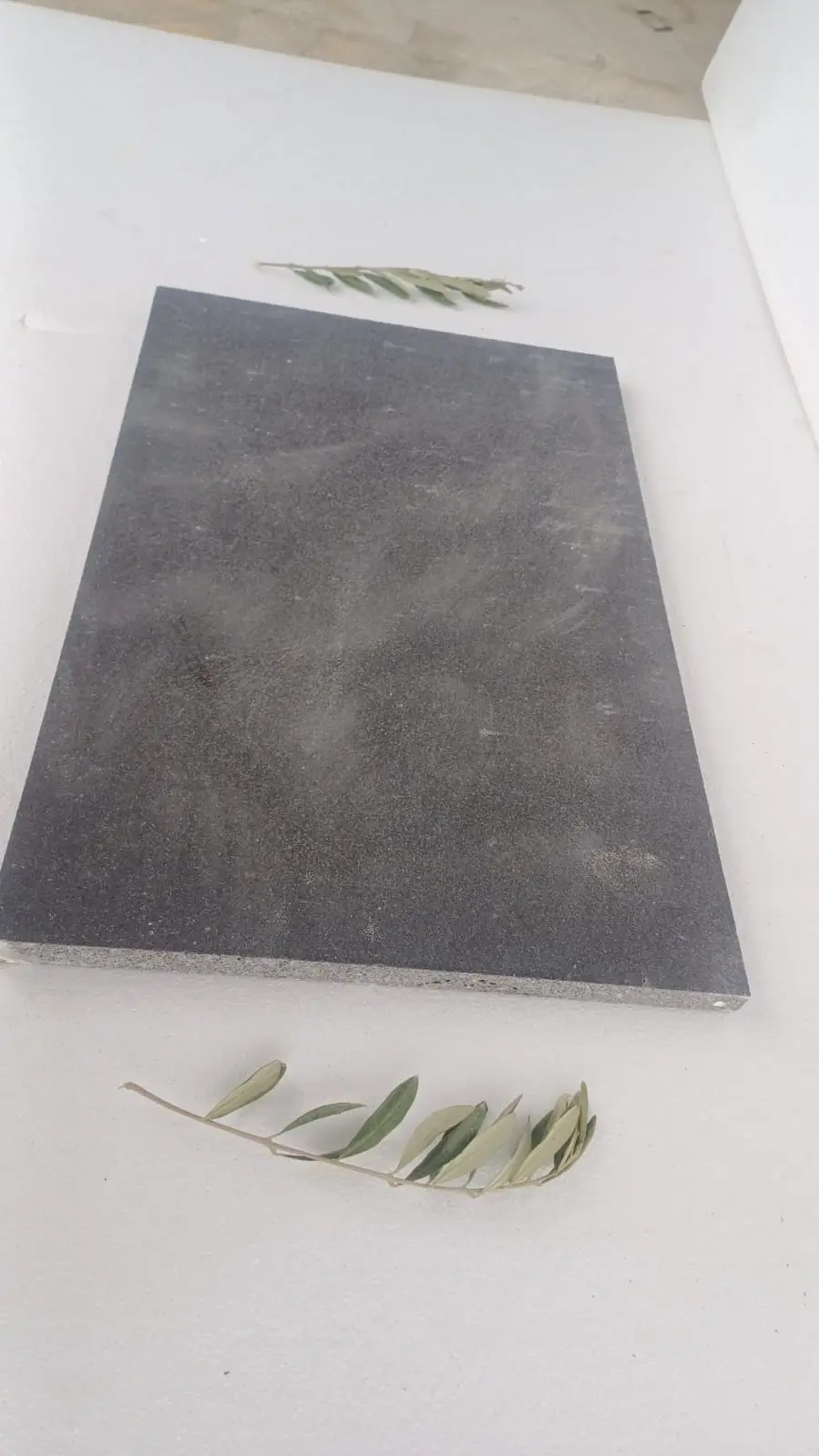
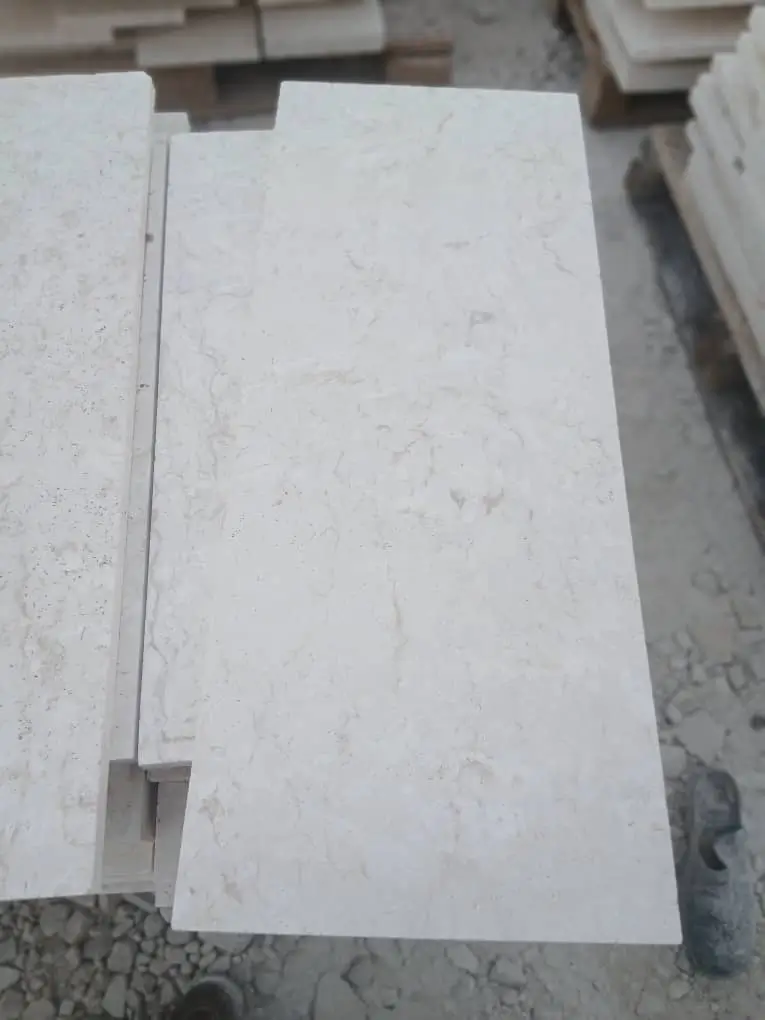
- Natural stone options vary significantly, with lighter-colored limestone and travertine staying 20-30°F cooler than dark granite
- Porosity affects performance: materials with 5-8% porosity show better thermal behavior than dense, low-porosity options
- Surface finish matters more than material color for slip resistance when monsoon moisture is present
You’ll find that material thickness interacts with thermal performance in ways that affect usability. Thinner stones (1-1.5 inches) heat and cool rapidly, reaching extreme temperatures quickly but also cooling faster after sunset. Thicker stones (2-3 inches) moderate temperature extremes through thermal mass but retain heat well into evening hours. For DIY stepping stone path Scottsdale applications, 1.75-2 inch thickness provides the best balance between thermal moderation and evening cooling.
The material’s thermal expansion coefficient determines how much movement you’ll see. Concrete exhibits coefficients around 5.5 × 10⁻⁶ per °F, while natural limestone ranges from 3.6-4.8 × 10⁻⁶ per °F. This difference becomes significant across Scottsdale’s temperature ranges. Lower expansion coefficients reduce stress on joints and minimize the risk of edge spalling where stones contact each other during maximum expansion events.
Drainage Pattern Design
Your path drainage design needs to handle Scottsdale’s monsoon intensity while accounting for the reality that your yard receives perhaps 8-12 significant rain events per year. You’re designing for brief, intense flows rather than sustained precipitation that gradually saturates soil.
When you install garden stones Arizona paths, you should create a continuous drainage pathway along one or both sides of your stepping stone layout. This doesn’t mean elaborate French drain systems; you need a 4-6 inch wide zone filled with 3/4-inch drain rock that provides preferential flow paths for water moving laterally through your base layer. This drainage zone prevents water accumulation beneath stones, which would create soft spots in the base material during the brief periods when moisture is present.
Path cross-slope matters more than many DIY installers realize. You want 1.5-2% cross-slope away from structures, achieved by sloping the base layer rather than tilting individual stones. When you tilt individual stones, you create uneven walking surfaces and concentrate loads on stone edges rather than distributing forces across the full bottom surface. Your base preparation should establish the drainage slope, allowing you to set stones level relative to their base.
Setting Bed Composition
The setting bed layer between your compacted base and stepping stone bottoms serves different functions in desert climates than in temperate zones. You’re not managing freeze-thaw cycles or sustained moisture; you’re accommodating thermal movement and ensuring load distribution across the base layer.
You should use coarse sand (concrete sand, not masonry sand) in a 1-inch thick setting bed. Finer masonry sand retains moisture longer during monsoon season and can migrate through base layer voids, creating settlement over time. Coarse sand provides adequate leveling capability while draining rapidly and resisting migration into the base layer. The particle size distribution should range from 0.02 to 0.16 inches, with less than 5% passing a #200 sieve.
Setting bed compaction is where many DIY stepping stone path Scottsdale installations fail. You don’t want a loose, fluffy sand layer that compacts unevenly under stone weight. After screeding your 1-inch sand layer, you should lightly mist and compact it with a hand tamper before setting stones. This pre-compaction step eliminates 60-70% of the settlement that would otherwise occur during the first year, particularly after monsoon moisture infiltration temporarily plasticizes the sand layer.
Installation Timing Considerations
When you schedule your installation affects both working conditions and material performance. Scottsdale’s extreme temperature variations create optimal and problematic installation windows that differ from standard construction scheduling.
October through March provides ideal installation conditions. You’ll work in temperatures ranging from 55-75°F, materials handle easily, and you can achieve proper base compaction moisture content without constant water addition. The base material and setting bed have several months to stabilize before monsoon season arrives, allowing minor settlements to occur before intense rainfall tests your drainage design.
Summer installation (May through September) presents significant challenges. When you’re working with surface temperatures exceeding 110°F, base materials dry faster than you can achieve proper compaction moisture. You’ll struggle to maintain the 6-8% moisture content needed for optimal compaction. Additionally, setting bed sand dries almost instantly after misting, making it difficult to achieve the pre-compaction necessary for long-term stability. If you must install during summer months, work during early morning hours before 9 AM, when temperatures remain in the 80-95°F range and materials retain moisture longer.
Joint Filling Specifications
Joint filling between your stepping stones serves multiple functions in Arizona path creation. You’re stabilizing stone edges, managing thermal expansion gaps, preventing weed growth, and creating drainage pathways. The material you select and how you install it determines which functions your joints actually perform.
- Polymeric sand provides edge stabilization but can fail in extreme heat, softening at temperatures above 140°F
- Decomposed granite with 15-20% fines offers excellent drainage and thermal stability across Scottsdale temperature ranges
- Crushed stone (3/8-inch minus) creates positive drainage but provides minimal edge support
- Your joint material should contrast with stone color to define pathway edges and improve safety visibility
You need to fill joints to within 1/4 inch of stone surfaces, not to the top. Overfilling creates trip hazards as material settles, and during monsoon events, overfilled joints shed water across stone surfaces rather than allowing it to drain downward through joint voids. When you install garden stones Arizona stepping paths, you should expect 15-25% joint material settlement during the first monsoon season. Plan to add additional joint fill material in October after monsoon season ends and settlement has stabilized.
Edge Restraint Methods
Edge restraint prevents lateral base migration and maintains your path geometry over time. In Scottsdale’s stable, low-moisture soil environment, you don’t need the heavy-duty edge restraint systems required in freeze-thaw climates, but you can’t eliminate edges entirely without risking long-term path degradation.
For DIY stepping stone path Scottsdale installations, buried edge restraint using steel landscape edging or thick aluminum edging works effectively. You should install edging along both path edges, driven 6-8 inches into undisturbed soil outside your excavation zone. The edging top should sit 1 inch below finished stone surface, making it invisible while preventing base material from migrating laterally into surrounding landscape areas.
Alternatively, you can use a concrete edge beam approach, placing a 4-inch wide by 8-inch deep concrete beam along path edges. This method provides superior restraint for paths that curve or where adjacent landscaping includes aggressive root systems that might disrupt lighter edge restraints. You’ll need to allow your concrete edge beams to cure for 48-72 hours before backfilling or placing base material against them.
Slope and Grade Management
Your yard’s existing slope patterns determine whether you follow natural grades or create localized grade changes to achieve proper drainage. In Scottsdale walkway installation, working with existing grades typically produces better long-term results than fighting natural water flow patterns.
When your yard slopes 3% or greater, you should install stepping stones to follow this slope rather than creating a level path that requires extensive cut-and-fill operations. Following natural grade minimizes excavation, reduces the volume of base material needed, and ensures water naturally drains away from the path rather than concentrating beneath it. You can accommodate slopes up to 8% with stepping stones by ensuring each stone sits level front-to-back (across the walking direction) while following the slope in the direction of travel.
For yards with minimal slope (less than 1%), you need to create artificial drainage gradient. You should establish 1.5-2% slope in your base preparation, directing water toward landscape areas or drainage swales. This artificial slope prevents the ponding that occurs in perfectly flat installations when monsoon moisture enters the base layer. The slight slope is imperceptible when walking but provides sufficient gradient for positive drainage during intense rainfall events.
Common Installation Mistakes
Most DIY stepping stone path Scottsdale failures stem from a handful of predictable errors that compromise long-term performance. You can avoid these issues by understanding how they develop and addressing them during initial installation rather than attempting repairs later.
- Inadequate base thickness: Using 3-4 inch bases instead of the 6-inch minimum required for desert soil conditions
- Wrong base material: Selecting pea gravel or river rock instead of angular crushed material that provides mechanical interlock
- Improper compaction: Making single passes with undersized compactors instead of achieving 92-95% density in 2-inch lifts
- Ignoring caliche: Attempting to install bases over impermeable caliche layers without providing drainage paths
- Insufficient joint spacing: Using 1-inch gaps that don’t accommodate thermal expansion or provide adequate drainage
Base preparation shortcuts create the most significant long-term problems. When you reduce base thickness to save material costs or skip proper compaction to save time, you’re building in failure mechanisms that will manifest within 18-36 months. Your stepping stones will develop differential settlement, tilt toward low spots, and require complete reinstallation to correct problems that proper initial base preparation would have prevented.
Another critical error involves setting stone heights. You should set stones 1/4 to 1/2 inch above surrounding grade, not flush with it. This slight elevation prevents soil migration onto stone surfaces during monsoon events and ensures water drains away from stones rather than pooling against them. When you set stones flush with grade, you create conditions where monsoon runoff deposits soil onto stone surfaces, requiring frequent cleaning and eventually burying stone edges beneath accumulated sediment.
Monsoon Season Preparation
Your path faces its most significant performance test during Arizona’s July through September monsoon season. You’ll see how well your drainage design, base preparation, and material selection decisions perform when brief but intense rainfall events test every aspect of your installation.
Before monsoon season arrives, you should verify that joint materials sit at proper levels (1/4 inch below stone surfaces), edge restraints remain secure, and no settlement has created low spots where water might pond. Walk your entire path looking for any stones that have tilted or settled below adjacent stones. These low spots will collect water during monsoon events, potentially creating soft zones in your base material that lead to progressive settlement.
The first major monsoon event reveals drainage inadequacies. You should inspect your path during and immediately after the first significant rainfall. Watch where water flows, where it ponds, and how quickly it drains through joints. If you see water standing in joints for more than 15-20 minutes after rain stops, your base drainage needs improvement. You may need to add drainage pathways along path edges or improve the connection between your path base and surrounding landscape drainage patterns.
Citadel Stone Stepping Stones Arizona Specifications
When you evaluate Citadel Stone’s Stepping Stones Arizona for your project, you’re considering materials engineered specifically for desert climate performance. At Citadel Stone, we provide technical guidance for hypothetical applications across Arizona’s diverse regions, helping you understand how material specifications translate to real-world performance. This section outlines how you would approach specification decisions for installations in three representative Arizona cities.
Arizona’s climate extremes require you to focus on thermal performance, UV resistance, and the material’s behavior across 120°F+ temperature differentials. You would select materials based on their thermal expansion coefficients, surface temperature characteristics under direct sun exposure, and long-term color stability when exposed to intense UV radiation. The material’s porosity affects both thermal behavior and moisture management during brief but intense monsoon events, requiring you to balance these performance factors against your specific site conditions.
Phoenix Installation Approach
In Phoenix applications, you would need to address extreme heat island effects that elevate surface temperatures 15-25°F above ambient air temperature. Your material selection would prioritize lighter colors and moderate porosity (5-7%) that provides better thermal performance than dense, low-porosity alternatives. You should specify minimum 2-inch thickness to provide thermal mass that moderates peak surface temperatures while allowing reasonable cooling after sunset. Base preparation would require 6-inch minimum depth using decomposed granite with 15% fines content, compacted to 95% modified Proctor density to handle both thermal expansion stresses and occasional freeze events in north Phoenix locations. Stepping stone spacing would need 2.5-3 inch gaps to accommodate thermal expansion across Phoenix’s typical 130°F surface temperature differentials between winter mornings and summer afternoons.
Tucson Climate Considerations
Tucson installations would require you to account for slightly higher monsoon precipitation totals and greater diurnal temperature variations than Phoenix locations. You would design drainage systems assuming 1.5-2 inch maximum rainfall intensities during peak monsoon events, requiring you to verify that joint spacing and base layer permeability can handle these flow rates without creating ponding. The city’s higher elevation creates more frequent winter freeze events, so you would need to confirm that your selected materials have been tested for freeze-thaw durability even though Tucson rarely experiences sustained freezing. Your base preparation would extend to 7-8 inch depth in areas with expansive clay soils common in Tucson’s lower elevation neighborhoods, providing additional stability during seasonal soil moisture variations.
Scottsdale Performance Requirements
For Scottsdale projects, you would emphasize aesthetic integration with high-end desert landscaping while maintaining performance across extreme temperature conditions. You should consider the materials available through our mosaic stepping materials to ensure compatibility with your design requirements. Material selection would balance visual appeal with surface temperatures suitable for barefoot traffic in resort-style landscape settings. You would specify lighter-toned materials with thermal reflectivity values of 0.35-0.45 to reduce peak surface temperatures, and your installation design would incorporate partial shade elements where possible. Base preparation would need to address caliche layers common at 12-18 inch depths in north Scottsdale, requiring you to either excavate through these layers or create lateral drainage systems. Joint filling would use decomposed granite matching surrounding landscape materials, creating visual continuity while providing the drainage and thermal expansion accommodation necessary for long-term performance in Scottsdale’s demanding climate conditions.
Long-Term Maintenance Requirements
Your path maintenance program determines whether your installation delivers 15+ years of trouble-free performance or requires significant intervention within 5-7 years. Desert climate maintenance focuses on different issues than temperate-zone paths, emphasizing joint material retention, weed prevention, and periodic releveling rather than freeze-thaw damage repair.
You should plan to add joint material annually after monsoon season ends. Expect to lose 15-25% of joint fill during the first year, stabilizing to 8-12% annual loss in subsequent years. October provides ideal timing for joint material addition, allowing new material to settle before the following summer’s heat and the next monsoon season. When you add joint material, fill to within 1/4 inch of stone surfaces, sweep away excess, and lightly mist to help material settle into voids.
Weed control becomes necessary despite your best installation practices. Desert-adapted weeds find remarkable opportunities in path joints, particularly after monsoon moisture provides germination conditions. You should apply pre-emergent herbicide in March and August, preventing seed germination rather than fighting established weeds. For occasional breakthrough weeds, hand-pulling when soil is moist (within 24 hours after irrigation) removes roots more completely than pulling from dry soil, reducing regrowth likelihood.
Every 3-5 years, you’ll need to perform releveling of stones that have settled differentially. This typically affects 10-15% of stones in even the best installations, occurring where load concentrations or minor base inadequacies allow gradual settlement. You should lift affected stones, add base material or adjust the setting bed, and reset stones to match adjacent elevations. Addressing these isolated settlements promptly prevents accelerated deterioration that occurs when tilted stones concentrate loads on edges rather than distributing forces across their full base area.
Final Considerations
Your successful DIY stepping stone path Scottsdale installation depends on understanding how desert conditions alter conventional installation practices. You’ve learned that base preparation depth, joint spacing, material selection, and drainage design all require modification from standard guidelines to achieve long-term performance in extreme heat, minimal moisture, and challenging soil conditions.
The details matter more in desert climates than in temperate zones. Your attention to base compaction moisture content, setting bed pre-compaction, proper joint fill levels, and thermal expansion accommodation separates installations that perform reliably for decades from those requiring remediation within a few years. When you invest time in proper base preparation and material selection, you create paths that handle Scottsdale’s demanding conditions while requiring minimal maintenance intervention.
Remember that installation timing affects both your working conditions and material performance outcomes. You’ll achieve better results working during October through March when temperatures moderate and materials behave predictably. If you must install during summer months, you should adjust your techniques to account for rapid moisture loss and extreme surface temperatures that complicate proper compaction and setting bed preparation. For additional guidance on material selection and climate-specific performance considerations, review Stepping stone materials suitable for Phoenix desert climate conditions before finalizing your project specifications. Our mosaic stepping stone supplies in Arizona include high-strength concrete molds and additives.