
When you specify desert landscape stone colors for Arizona patio projects, you’re balancing aesthetics with extreme climate performance requirements. Your material selections need to complement earth tone patio pavers while addressing thermal expansion coefficients that reach 5.8 × 10⁻⁶ per °F in direct sunlight. Understanding how desert landscape stone colors interact with architectural finishes determines long-term project satisfaction—most color coordination failures stem from evaluating materials in shade rather than full sun conditions where surface temperatures exceed 150°F.
You’ll find that matching pavers to stucco requires more than visual comparison. The reflective properties of desert landscape stone colors affect heat island contributions and pedestrian comfort in ways that become obvious only after installation. Your specification decisions should account for how UV exposure alters perceived color over 3-5 years, particularly with terracotta and beige pavers that fade differently based on mineral composition and porosity ranges.
Thermal Performance and Color Relationships
Your color selections directly impact surface temperature performance in ways that affect barefoot traffic comfort and material longevity. Desert landscape stone colors in the lighter spectrum—creams, beiges, and pale earth tones—reflect 55-70% of solar radiation, maintaining surface temperatures 25-35°F cooler than darker alternatives. When you specify terracotta and beige pavers, you need to understand that iron oxide content determines both color stability and heat absorption characteristics.
The relationship between albedo and color choice becomes critical in high-traffic areas. You should evaluate materials using summer afternoon sun conditions rather than morning or overcast lighting. Desert landscape stone colors that appear harmonious in shade often create unexpected contrast ratios under full sun exposure that exceeds 6 hours daily. Your specifications must address this variance through controlled sampling protocols.
- Light beige tones maintain surface temperatures between 115-125°F in direct Arizona sun
- Medium earth tones reach 130-145°F depending on mineral density
- Terracotta shades vary 20-30°F based on iron oxide concentration
- Your material thickness affects thermal mass behavior and cool-down rates
- Porosity above 6% increases evaporative cooling but affects color saturation
You’ll encounter trade-offs between aesthetic warmth and thermal comfort. Southwest color palette stones in rich terracotta shades deliver visual appeal but require strategic placement in partially shaded zones or areas with limited barefoot traffic. Professional specifications balance these competing requirements through zoning strategies that position cooler desert landscape stone colors in high-contact areas while reserving warmer tones for visual accent zones.
Coordinating Stone with Stucco Finishes
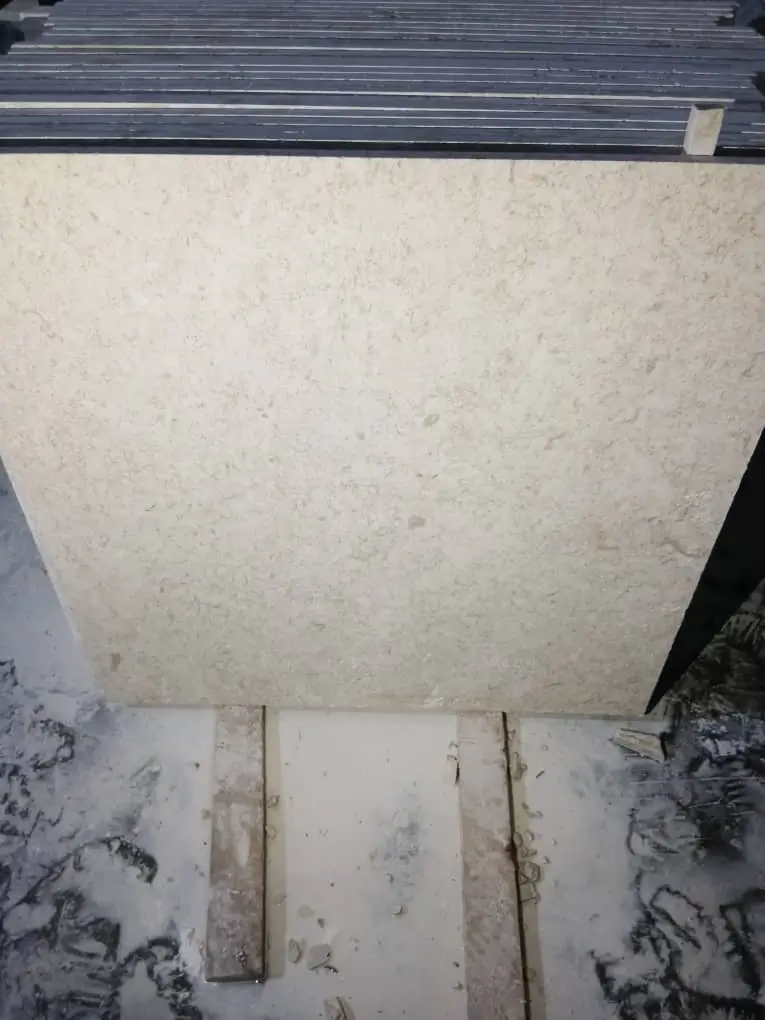
When you evaluate matching pavers to stucco, your success depends on understanding undertone compatibility rather than exact color matching. Arizona stucco finishes contain titanium dioxide and iron oxide pigments that weather differently than natural stone—you need to anticipate how both materials will age over 10-15 years. Desert landscape stone colors should complement stucco undertones without creating monotonous uniformity that eliminates visual depth.
Your selection process should account for how stucco reflects light onto paving surfaces, creating secondary color effects that intensify during midday hours. Earth tone patio pavers positioned adjacent to light stucco receive reflected radiation that increases perceived brightness by 15-20%. This interaction affects color relationships more significantly than samples suggest when evaluated separately. You’ll achieve better coordination by testing materials together under site-specific lighting conditions.
The texture differential between smooth stucco and natural stone influences color perception. When you specify terracotta and beige pavers against textured stucco, surface irregularities create shadow patterns that darken the perceived stucco color by 10-15%. Your specifications should address this phenomenon through appropriate contrast ratios—typically 1.5:1 to 2.5:1 provides sufficient differentiation without creating jarring transitions.
- You should evaluate stucco and stone samples together in afternoon sunlight
- Undertone compatibility matters more than exact shade matching for long-term harmony
- Reflective properties of light stucco increase ambient heat around darker pavers
- Your material positioning should account for shadow patterns from building elements
Professional specifications for matching pavers to stucco address color shift over time. Stucco pigments fade at different rates than natural stone minerals—your desert landscape stone colors should be slightly lighter initially to account for differential aging. This approach maintains balanced relationships as stucco lightens and stone develops natural patina. For comprehensive material options, see Citadel Stone patio materials facility in Flagstaff for regional inventory availability.
Southwest Palette and Mineral Composition
You need to understand that southwest color palette stones derive their earth tones from specific mineral compositions that determine color stability and weathering patterns. Iron oxide concentrations between 2-8% create the characteristic terracotta and rust tones, while calcium carbonate content produces lighter beige and cream variations. Your long-term color performance depends on how these minerals respond to UV exposure and pH variations in Arizona soils.
Desert landscape stone colors shift predictably based on mineral solubility. When you specify limestone-based earth tone patio pavers, you should expect gradual lightening as surface carbonates weather—typically 5-10% color shift over 5 years. Sandstone alternatives with silica-bound iron oxides maintain more stable coloration but may develop surface case hardening that alters texture alongside color. Your material selection must balance initial appearance with anticipated aging characteristics.
The porosity interaction with mineral content affects color saturation after rain events. Southwest color palette stones with porosity above 5% darken noticeably when wet, creating temporary color shifts of 15-25% that persist for 4-8 hours depending on ambient humidity. You should account for this behavior in high-visibility applications where consistent appearance matters. Sealing protocols can minimize this effect but require maintenance commitments that affect lifecycle costs.
UV Stability and Color Retention Factors
Your desert landscape stone colors face UV exposure levels in Arizona that exceed 7,500 UV index hours annually in Phoenix and Yuma zones. This radiation intensity degrades organic pigments and oxidizes iron compounds at accelerated rates compared to temperate climates. When you specify earth tone patio pavers, you need material certifications demonstrating UV stability through ASTM G154 accelerated weathering protocols equivalent to 10+ years Arizona exposure.
The relationship between color depth and UV resistance determines long-term appearance. Surface-applied color treatments fail within 18-36 months under Arizona sun, while integral coloration from natural minerals maintains stability for 15-20 years. You should verify that terracotta and beige pavers derive color from full-depth mineral content rather than surface treatments. Cross-section examination reveals whether color extends throughout material thickness or represents only surface application.
- Natural iron oxide pigments resist UV degradation better than synthetic alternatives
- You should expect 3-7% color shift in first 2 years as surface minerals stabilize
- Sealed surfaces require reapplication every 3-5 years to maintain UV protection
- High-altitude locations like Flagstaff experience 15% greater UV intensity than Phoenix
- Your specification should address acceptable color variation ranges for large orders
Professional testing protocols for southwest color palette stones include side-by-side weathered and fresh samples. You can request warehouse stock that’s been outdoor-stored for 6-12 months to preview actual aging rather than relying on accelerated lab results. This approach reveals real-world color development under regional UV conditions specific to Arizona’s climate zones.
Porosity Effects on Color Appearance
When you evaluate desert landscape stone colors, porosity determines how moisture affects perceived color and surface character. Materials with 4-7% porosity absorb sufficient water to darken 20-30% when saturated, while denser stones below 3% porosity show minimal color shift. Your selection should account for irrigation overspray, monsoon patterns, and pool deck splash zones where intermittent wetting occurs.
The pore structure influences how dust and organic matter accumulate in surface voids, gradually altering apparent color. Earth tone patio pavers with interconnected porosity trap fine particles that shift lighter tones toward gray over 3-5 years without regular cleaning. You’ll find this effect most pronounced in desert environments where dust storms deposit alkaline soils into porous surfaces. Specifying appropriate porosity ranges—typically 3-5% for low-maintenance applications—minimizes this accumulation while maintaining adequate permeability.
Efflorescence potential correlates with both porosity and mineral composition. When you specify matching pavers to stucco in areas with alkaline groundwater, soluble salts migrate through porous stone and crystallize on surfaces as white deposits. Desert landscape stone colors in beige and terracotta ranges show efflorescence more visibly than darker tones. Your installation specifications should address vapor barriers and drainage systems that prevent subsurface moisture migration through porous pavers.
Texture Impact on Perceived Color
Your desert landscape stone colors appear lighter or darker based on surface texture through shadow patterns and light diffusion. Honed finishes reflect light uniformly, presenting true color values, while flamed or textured surfaces create micro-shadows that darken perceived color by 10-15%. When you coordinate terracotta and beige pavers with smooth stucco, texture differences should be intentional rather than accidental results of material selection.
The relationship between texture and heat retention affects both thermal performance and color stability. Textured surfaces increase effective surface area by 15-25%, enhancing heat absorption despite identical albedo ratings. You need to account for this when specifying earth tone patio pavers in high-sun exposures—rough textures combined with darker southwest color palette stones create surface temperatures 10-15°F higher than smooth, light-colored alternatives.
- Thermal finishes create texture through flame treatment that also affects mineral oxidation
- You should evaluate texture samples under raking sunlight to reveal shadow effects
- Polished surfaces show color truest but require slip-resistance treatments
- Your maintenance protocols differ significantly between smooth and textured finishes
Dimensional Consistency Across Color Lots
When you order desert landscape stone colors for large projects, you’ll encounter natural variation between quarry production runs. Earth tone patio pavers from sedimentary deposits show color variation of 15-25% between extraction layers, even within single quarries. Your specifications must establish acceptable tolerance ranges—typically ±2 shades on industry standard color scales—and require lot sampling before warehouse shipment.
The blending protocols affect final appearance more than individual unit variation. You should specify random installation patterns that distribute color variation uniformly rather than creating concentrated zones of lighter or darker material. Professional installers draw from multiple pallets simultaneously, mixing production lots to achieve balanced overall appearance. This approach works particularly well with southwest color palette stones where natural variation enhances rather than detracts from design intent.
Truck delivery sequencing impacts your ability to blend lots effectively. When you coordinate large deliveries, verify that material from different production dates arrives simultaneously rather than in sequential shipments. Installing complete zones with single lots before subsequent deliveries arrive creates visible demarcation lines that become more apparent as materials age. Your logistics planning should prioritize lot mixing over delivery schedule compression.
Common Specification Mistakes
You’ll encounter repeated coordination failures when desert landscape stone colors are selected without accounting for Arizona-specific environmental factors. The most common error involves evaluating terracotta and beige pavers under showroom lighting that doesn’t replicate summer afternoon sun intensity. Materials that appear harmonious indoors often create excessive contrast or insufficient differentiation under site conditions. Your specification process should mandate outdoor evaluation between 2-4 PM during summer months.
- Specifying exact color matches rather than complementary undertone relationships
- Failing to account for differential aging between stone and architectural finishes
- Ignoring thermal performance implications of color choices in barefoot traffic zones
- Not establishing acceptable variation ranges for natural stone color lots
- Overlooking how irrigation and pool water affect color appearance over time
- Selecting samples in shade when installation location receives full sun exposure
The integration of matching pavers to stucco fails when you don’t consider scale differences. Small samples obscure the cumulative effect of large paved areas where color appears more intense than individual units suggest. You should evaluate mockups at minimum 4’×4′ to preview actual installed appearance. This approach reveals pattern effects and color mass that small samples can’t demonstrate.
Professional specifications address moisture-related color shift explicitly. When you detail earth tone patio pavers around pools or in irrigated landscapes, your documentation should acknowledge expected darkening during wet conditions and establish this as acceptable rather than defect. This prevents disputes during substantial completion inspections that occur after rain events.
Architectural Style and Color Coordination
Your desert landscape stone colors should reinforce architectural style rather than compete with design intent. Territorial Revival architecture demands earth tone patio pavers in warm terracotta and rust ranges that echo traditional adobe construction. Contemporary desert modern design requires cooler beige and gray tones that complement minimalist stucco finishes and metal accents. When you specify southwest color palette stones, ensure color temperature aligns with architectural vocabulary.
The relationship between hardscape and landscape plantings influences color selection. Desert landscape stone colors in lighter ranges provide higher contrast with xeric plantings—gray-green succulents and silvery native shrubs stand out against cream and beige pavers. Warmer terracotta tones create lower contrast, blending hardscape with earth-toned landscape materials. You should coordinate paving colors with planting plans to achieve intended visual relationships.
Architectural lighting affects evening color appearance significantly. When you specify earth tone patio pavers for spaces with extensive outdoor lighting, test materials under both daylight and artificial illumination. LED fixtures with color temperatures above 3500K shift warm terracotta tones toward gray, while 2700K sources enhance warmth. Your lighting and hardscape specifications should address this interaction to prevent evening appearance from contradicting daylight design intent.
Regional Soil Impact on Installation
You need to account for how Arizona soil conditions interact with desert landscape stone colors during and after installation. Caliche layers common in Phoenix and Tucson areas introduce alkaline compounds that migrate upward through porous pavers, creating efflorescence that obscures earth tone patio pavers. Your base preparation specifications should include vapor barriers in caliche zones to prevent salt migration that permanently alters color appearance.
The expansive clay content in certain regions affects substrate stability beneath terracotta and beige pavers. When you design installations over clay-rich soils, your base aggregate must provide adequate drainage and flexibility to accommodate seasonal volume changes. Rigid base systems crack under soil expansion, creating differential movement that concentrates stress on individual units and accelerates localized wear that appears as color variation.
- Caliche zones require 6 mil vapor barriers beneath aggregate base to prevent efflorescence
- You should specify minimum 8-inch aggregate base depth in expansive clay areas
- pH testing of existing soil determines appropriate base material selection
- Your drainage design must prevent subsurface water accumulation that mobilizes salts
Citadel Stone — Premium Bluestone Pavers Wholesale Prices in Arizona Specification Guide
When you consider Citadel Stone’s bluestone pavers wholesale prices in Arizona for your residential or commercial project, you’re evaluating premium natural stone engineered for extreme desert performance. At Citadel Stone, we provide technical guidance for hypothetical applications across Arizona’s diverse climate zones, from low desert heat islands to high-country freeze-thaw environments. This section outlines how you would approach material specification and color coordination decisions for six representative cities, demonstrating professional methodology for integrating desert landscape stone colors with regional architectural styles.
Your specification process for earth tone patio pavers should begin with climate analysis specific to project location. Arizona encompasses multiple climate zones with temperature ranges from Yuma’s 120°F summer peaks to Flagstaff’s subzero winter lows. When you evaluate southwest color palette stones, these environmental extremes determine appropriate material properties including porosity ranges, compressive strength minimums, and thermal expansion coefficients. Professional specifications address location-specific performance requirements rather than applying generic standards across diverse regions.
The relationship between material selection and architectural context varies significantly across Arizona markets. You’ll find that matching pavers to stucco in Phoenix requires different approaches than Sedona applications where natural stone and earth-plaster finishes dominate. Understanding regional preferences for terracotta and beige pavers helps you align material specifications with market expectations while maintaining technical performance standards. Your recommendations should reflect both engineering requirements and aesthetic traditions specific to each market.
Phoenix Valley Applications
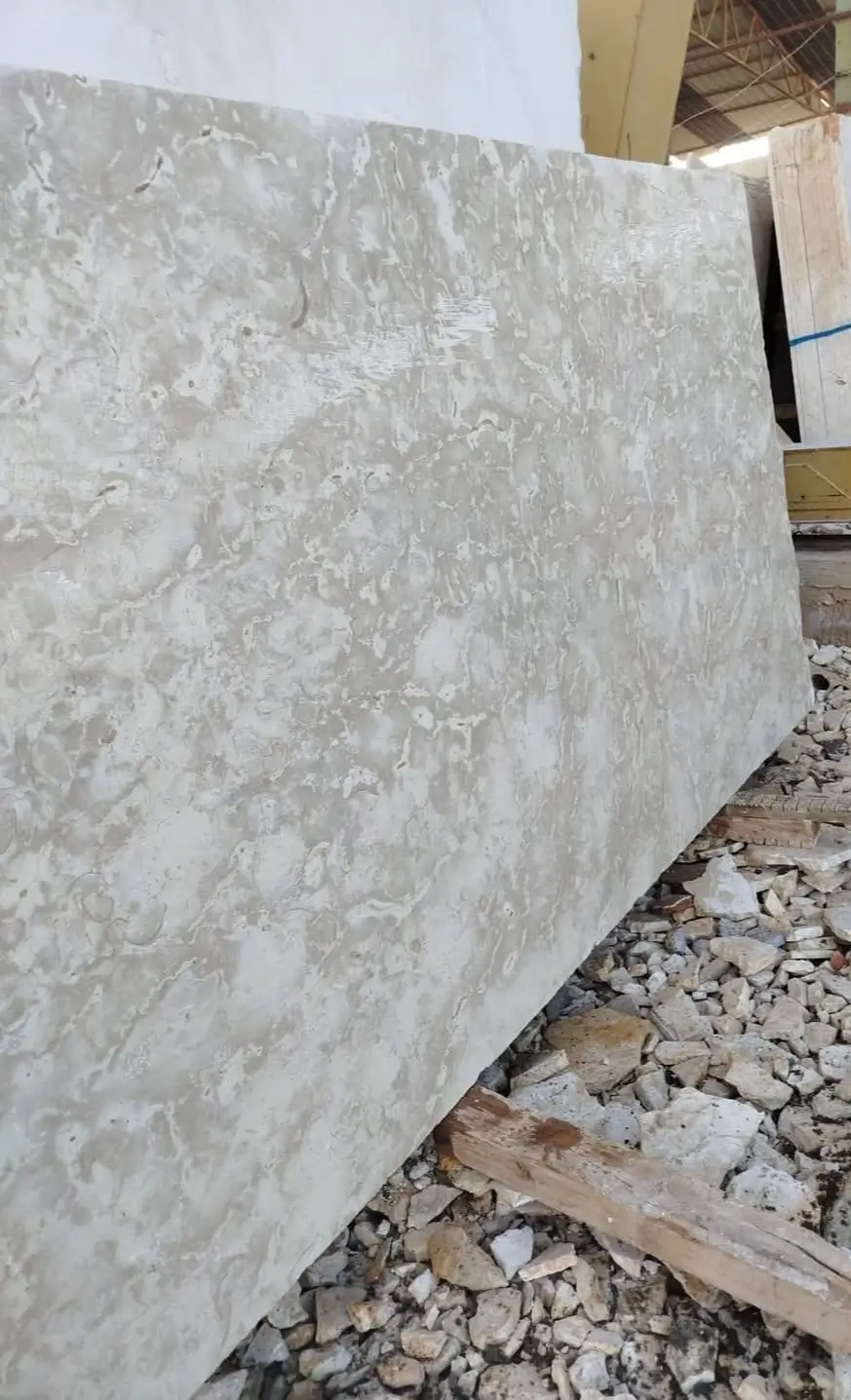
In Phoenix installations, you would prioritize desert landscape stone colors in lighter earth tone ranges to manage surface temperatures that regularly exceed 145°F on dark pavement. Your specifications should address thermal expansion with 3/16-inch joint spacing rather than standard 1/8-inch dimensions to accommodate daily temperature swings of 40-50°F. When you coordinate earth tone patio pavers with prevalent tan and beige stucco finishes throughout Phoenix subdivisions, you’d select materials in the cream to light beige spectrum that provide subtle contrast without creating harsh transitions. The metropolitan area’s alkaline soil conditions would require you to specify vapor barriers and proper base drainage to prevent efflorescence on porous pavers. You should account for urban heat island effects that elevate ambient temperatures 8-12°F above surrounding desert, affecting both material selection and joint detailing requirements.
Tucson Desert Coordination
Your Tucson specifications would emphasize southwest color palette stones that complement territorial architectural traditions—warm terracotta and rust tones that echo historic Sonoran design vocabulary. When you evaluate matching pavers to stucco in Tucson’s prevalent earth-tone architecture, you’d recommend materials with subtle color variation that adds depth rather than uniformity. The city’s monsoon patterns deliver intense rainfall that tests paver drainage—you should specify materials with 4-6% porosity that balance water absorption with structural integrity. Tucson’s lower elevation heat rivals Phoenix, requiring similar thermal management through light-reflective desert landscape stone colors in high-traffic areas. You would account for the region’s decomposed granite soils that provide excellent drainage but require stabilization to prevent base migration under pavers during monsoon events.
Scottsdale Luxury Markets
In Scottsdale applications, you would specify premium desert landscape stone colors that meet elevated aesthetic expectations while delivering technical performance for resort and high-end residential installations. Your material selections should emphasize consistent color within tighter tolerance ranges than standard specifications—typically ±1 shade variation rather than ±2. When you coordinate earth tone patio pavers with Scottsdale’s contemporary desert architecture, you’d recommend cooler beige and taupe tones that complement modern stucco finishes and desert landscaping. The market’s pool deck applications would require you to specify slip-resistant finishes with minimum 0.60 DCOF ratings while maintaining smooth enough texture for barefoot comfort. You should account for the city’s strict design review requirements that often mandate specific color palettes requiring precise matching pavers to stucco finishes. Warehouse inventory verification becomes critical for timeline-sensitive luxury projects where material delays affect substantial completion deadlines.
Flagstaff High-Country Performance
Your Flagstaff specifications would address freeze-thaw cycling that dramatically differs from low desert conditions—you’d require materials with maximum 5% porosity and minimum 8,000 PSI compressive strength to withstand 60-80 annual freeze events. When you select desert landscape stone colors for high-altitude applications, you should account for enhanced UV exposure at 7,000-foot elevation that accelerates color fade by 15-20% compared to valley locations. The region’s architectural character combines mountain lodge aesthetics with southwest influences—you would recommend earth tone patio pavers in medium ranges that coordinate with natural wood and stone exterior finishes. Snow load considerations would require you to specify adequate base depth and proper drainage to prevent frost heave that displaces pavers. Your material recommendations should address how terracotta and beige pavers perform under snow-melt chemical exposure common in commercial applications, requiring sealed surfaces to prevent salt damage.
Sedona Red Rock Context
In Sedona installations, you would coordinate southwest color palette stones with the area’s iconic red rock landscape and strict design guidelines that mandate earth-tone integration. Your specifications should emphasize terracotta and rust ranges that harmonize with natural geology while providing sufficient contrast for safety and visual interest. When you evaluate matching pavers to stucco in Sedona’s predominantly earth-plaster architecture, you’d select materials that reinforce rather than compete with natural surroundings. The city’s design review processes scrutinize color selections—you should prepare material samples showing installed appearance at scale rather than individual units. Sedona’s mid-elevation climate combines summer heat with moderate freeze events, requiring you to balance thermal performance with freeze-thaw durability through materials in the 5-6% porosity range. Your recommendations would account for tourist-driven commercial applications requiring enhanced durability beyond residential standards while maintaining aesthetic sensitivity to protected viewsheds.
Yuma Extreme Heat
Your Yuma specifications would address the nation’s most intense solar exposure—you’d prioritize desert landscape stone colors with maximum reflectivity to manage surface temperatures approaching 160°F on summer afternoons. When you select earth tone patio pavers for Yuma applications, you should specify materials in the lightest available ranges—cream and pale beige tones that maintain pedestrian comfort in environments where darker alternatives become unusable. The region’s agricultural influence creates unique challenges—you would account for airborne dust and chemical exposure from surrounding farmland that affects long-term appearance of porous materials. Your drainage specifications should address flash flood potential in low-lying areas where seasonal water events test installation integrity. Truck delivery logistics require special attention in Yuma’s border location where material sourcing often involves longer transport distances affecting project schedules and costs. You should verify warehouse stock availability before finalizing specifications to ensure timeline commitments can be met from regional distribution networks.
Performance Verification and Testing
You should establish verification protocols that confirm desert landscape stone colors meet specified performance standards before installation. Professional practice requires witnessing ASTM C1028 slip resistance testing, C97 water absorption measurement, and C170 compressive strength validation. When you specify earth tone patio pavers for commercial applications, these third-party certifications protect against material failures that compromise project performance and create liability exposure.
The relationship between laboratory testing and field performance requires understanding test limitations. ASTM protocols measure properties under controlled conditions that rarely match Arizona installation environments. You need to adjust acceptance criteria based on site-specific conditions—materials passing standard tests may still fail under extreme thermal cycling or alkaline soil exposure. Your specifications should reference testing while acknowledging that field conditions may reveal performance characteristics not captured in laboratory protocols.
- Water absorption testing predicts freeze-thaw durability and efflorescence potential
- You should require batch testing for large orders rather than relying on generic certifications
- Slip resistance measurements vary significantly between dry and wet conditions
- Your specifications must address acceptable variation ranges in natural stone products
Maintenance Implications of Color Selection
Your desert landscape stone colors determine maintenance requirements over the installation’s service life. Lighter earth tone patio pavers show dust accumulation and organic staining more readily than medium tones, requiring more frequent cleaning to maintain appearance. When you specify terracotta and beige pavers, you should provide maintenance guidelines that address regional conditions including dust storm residue, hard water staining from irrigation, and leaf tannin deposits from desert trees.
The sealing requirements vary based on porosity and color. You’ll find that unsealed southwest color palette stones in porous ranges above 6% develop patina within 2-3 years that either enhances or degrades appearance depending on design intent. Professional specifications should explicitly state whether natural aging is acceptable or whether sealed maintenance of original color is required. This decision affects both initial costs and ongoing maintenance budgets that influence total cost of ownership.
When you detail cleaning protocols for matching pavers to stucco installations, address potential cross-contamination from maintenance activities. Acidic cleaners used on efflorescence can etch adjacent stucco, while alkaline treatments for organic stains may discolor both materials. Your maintenance specifications should establish compatible products and procedures that preserve both hardscape and architectural finishes.
Final Considerations
Your specification process for desert landscape stone colors in Arizona applications requires balancing aesthetic objectives with rigorous performance standards. When you coordinate earth tone patio pavers with architectural finishes, success depends on understanding how materials age together under extreme environmental conditions. The relationship between matching pavers to stucco extends beyond initial color coordination to anticipate differential weathering over 15-20 year service lives.
Professional practice demands that you account for regional variations across Arizona’s diverse climate zones. Southwest color palette stones appropriate for Phoenix heat island conditions may not satisfy Flagstaff freeze-thaw requirements. Your specifications should reflect location-specific engineering alongside aesthetic coordination with prevalent architectural styles. When you evaluate terracotta and beige pavers, consider how thermal performance, UV stability, and porosity characteristics interact with intended applications to deliver both immediate visual appeal and long-term durability. For additional installation insights, review step-by-step sand set paver installation for Arizona patios before you finalize your project documents. Preferred pricing tiers distinguish Citadel Stone’s structured patio stones wholesale in Arizona programs.