
When you’re comparing Daltile vs Arizona Tile for your next project, you’re looking at two massive players in the Southwest tile market. Both companies operate substantial warehouse networks across Arizona, but the real differences go deeper than square footage and inventory. Your material selection depends on understanding how each brand’s product lines, sourcing strategies, and service models align with your specific project requirements.
The comparison between these two suppliers isn’t straightforward because they occupy slightly different market positions. You’ll find that your choice often comes down to availability timing, specific product lines, and how their distribution networks serve your project location. What you won’t find in their marketing materials is how these differences play out in real-world procurement scenarios.
Product Line Depth and Sourcing Strategies
Arizona Tile operates primarily as an importer and distributor, bringing in materials from quarries worldwide and maintaining direct relationships with international suppliers. When you specify their products, you’re typically accessing materials sourced through their established supply chains. Daltile, conversely, manufactures a significant portion of their product line domestically while also importing natural stone and specialty products. Your decision here affects lead times, customization options, and long-term availability.
Here’s what matters for your specification process:
- Arizona Tile focuses heavily on natural stone imports with extensive slab inventory
- Daltile manufactures porcelain and ceramic tile domestically with faster restocking cycles
- You’ll find wider exotic stone selection through Arizona Tile’s import channels
- Daltile provides more consistent lot matching for manufactured products
- Your project timeline benefits from Daltile’s domestic production when you need quick turnaround
The sourcing difference becomes critical when you’re coordinating phased installations or anticipating material additions years after initial installation. Manufactured products offer better long-term availability, while imported natural stone creates potential matching challenges if you need additional material later.
Material Quality and Performance Standards
When you evaluate tile stone brands Daltile Arizona Tile offerings side-by-side, you’re comparing different quality control approaches. Daltile’s manufacturing facilities maintain consistent QC protocols across production runs, giving you predictable dimensional tolerances and finish consistency. Arizona Tile’s natural stone inventory reflects the inherent variability of quarried materials, requiring more careful selection and lot approval during procurement.
Your specification should address these quality considerations:
- Daltile manufactured tile maintains tighter dimensional tolerances, typically within ±1/32 inch
- Arizona Tile natural stone exhibits natural variation requiring 3-5% overage in your material calculations
- You need to personally approve stone lots from Arizona Tile before fabrication begins
- Daltile products provide published technical data sheets with consistent performance metrics
- Your installation complexity decreases with Daltile’s dimensional consistency
The performance standards matter most in commercial applications where you’re specifying tight installation tolerances. Natural stone from Arizona Tile requires skilled installers who can accommodate material variation, while Daltile’s manufactured products install more predictably with standard techniques.
Inventory Availability and Lead Times
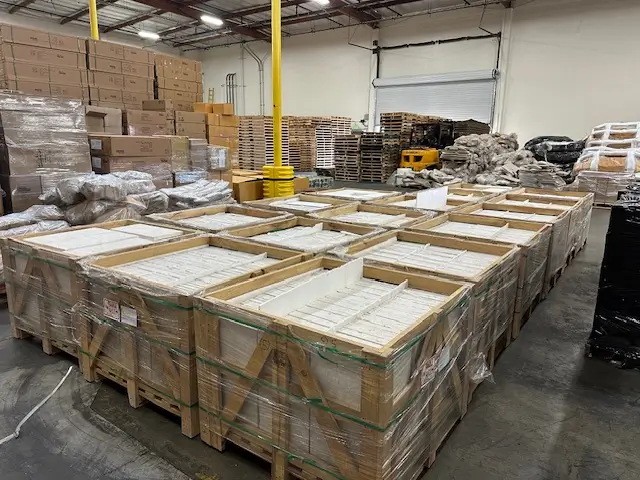
Your project scheduling depends on understanding how each supplier manages inventory. Arizona Tile operates large-format slab yards where you can physically select materials, but availability fluctuates based on container arrivals and quarry production cycles. Daltile’s domestic manufacturing creates more predictable restocking schedules, though specialty items still require lead time coordination.
When you’re planning procurement timelines, you should account for typical lead time differences. Standard Daltile porcelain products ship from warehouse stock within 5-10 business days in most Arizona markets. Arizona Tile’s natural stone inventory turns over based on sales velocity, and popular materials can sell out between container shipments, creating 8-16 week gaps.
The warehouse distribution model affects your material access significantly. Both companies maintain multiple Arizona locations, but their inventory strategies differ. You’ll find that Daltile stocks deeper inventories of their core manufactured lines, while Arizona Tile rotates natural stone inventory based on market trends and import economics.
Pricing Structure and Procurement Costs
The Daltile vs Arizona Tile comparison gets complicated when you analyze total procurement costs. Published pricing represents only part of your expense calculation. You need to factor delivery fees, minimum order requirements, cutting and fabrication charges, and return policies into your budget analysis.
Arizona Tile typically prices natural stone by the square foot with separate charges for fabrication services. Their slab selection process allows you to choose specific pieces, but you’re paying for the entire slab including waste. Daltile manufactured tile prices per square foot with more straightforward calculations, though premium lines and large-format products carry surcharges.
Your procurement strategy should consider these cost factors:
- Arizona Tile requires slab purchase commitments with associated waste calculations
- Daltile manufactured products allow more precise quantity ordering with minimal overage
- You’ll pay premium pricing for expedited delivery from either supplier
- Fabrication services add 25-40% to natural stone material costs
- Your project benefits from Daltile’s standard boxing and palletizing for manufactured products
Design Aesthetics and Style Ranges
When you’re selecting materials for aesthetic impact, you’re choosing between manufactured consistency and natural variation. Daltile’s product development focuses on trend-driven designs with coordinated color palettes across product lines. Arizona Tile’s natural stone inventory provides unique character but requires careful selection to achieve design intent.
The stone brands comparison Arizona designers make often comes down to project style. Contemporary minimalist designs benefit from Daltile’s clean, consistent manufactured products. Rustic, organic, or high-end luxury projects showcase natural stone character better through Arizona Tile’s inventory. Your design vision determines which supplier’s aesthetic approach serves your project better.
You should also consider how each supplier’s product range supports design flexibility. Daltile offers extensive trim pieces, decorative accents, and coordinating products within their manufactured lines. Arizona Tile provides raw slabs requiring custom fabrication for specialty pieces, which increases costs but enables unique design solutions.
Technical Support and Specification Assistance
Your specification development benefits from understanding each supplier’s technical support capabilities. Daltile maintains technical service teams that provide installation guidelines, warranty documentation, and specification language for CSI format specifications. You’ll receive consistent technical data across their product lines with published performance test results.
Arizona Tile’s technical support focuses more on material selection guidance and fabrication coordination. When you work with their team, you’re getting expertise in natural stone characteristics, but less standardized technical documentation compared to manufactured products. Your specification language needs to account for natural stone variability and may require performance testing for specific applications.
The difference becomes significant in commercial projects requiring detailed specifications and submittal documentation. You’ll spend more time developing custom specification language for Arizona Tile natural stone, while Daltile provides template specifications you can adapt to project requirements.
Installation Considerations and Contractor Preferences
When you’re coordinating with installation contractors, you’ll find they often have strong preferences in the Daltile vs Arizona Tile comparison. Installers familiar with manufactured tile prefer Daltile’s consistency because it reduces field adjustments and installation time. Stone masons and high-end installers often prefer Arizona Tile’s natural materials because they can showcase craftsmanship through custom work.
Your installer selection should align with material choice:
- Standard tile contractors handle Daltile manufactured products efficiently with conventional methods
- You need experienced stone fabricators and installers for Arizona Tile natural stone
- Installation labor costs run 15-25% higher for natural stone requiring custom cutting
- Daltile products install faster due to dimensional consistency and factory edges
- Your project schedule should account for fabrication lead times when using natural stone
The installation complexity affects your overall project costs and timeline significantly. When you specify natural stone from Arizona Tile, you’re committing to a more involved installation process requiring skilled labor. Daltile manufactured products allow faster installation with wider contractor availability.
Durability, Maintenance, and Long-Term Performance
Your long-term satisfaction depends on understanding how each supplier’s products perform over decades of use. Daltile porcelain and ceramic tile provides exceptional durability in high-traffic applications with minimal maintenance requirements. The through-body color construction means surface wear doesn’t reveal substrate, and the non-porous surface resists staining without sealing.
Arizona Tile natural stone requires more maintenance commitment but develops character through aging. You’ll need to implement sealing protocols immediately after installation and maintain resealing schedules based on stone type and use intensity. Limestone and marble require annual sealing in high-use areas, while granite needs resealing every 3-5 years.
When you evaluate tile stone brands Daltile Arizona Tile for durability, you should consider these performance factors:
- Daltile porcelain rates Class 5 for wear resistance in commercial applications
- Natural stone from Arizona Tile varies widely in hardness from soft limestone to granite
- You’ll achieve 30+ year service life from either supplier with appropriate selection and maintenance
- Daltile products maintain original appearance longer without patina development
- Your maintenance budget needs to account for sealing costs with natural stone
Warranty Coverage and Claim Processes
The warranty structures differ significantly between manufactured and natural stone products. Daltile provides standardized product warranties covering manufacturing defects, with clear claim processes and replacement protocols. When you encounter defective material, you’ll work through established channels with documented procedures.
Arizona Tile’s warranty approach reflects natural stone realities. You’re purchasing natural materials with inherent variation, so warranty coverage focuses on structural integrity rather than aesthetic consistency. Your warranty claims need to demonstrate actual defects rather than natural stone characteristics.
Understanding warranty limitations protects your project interests. Neither supplier warranties installation labor or consequential damages, so you need separate installer warranties and potentially installation insurance for high-value projects. For comprehensive project guidance that extends beyond standard retail offerings, consult with our stone supply company regarding premium material options and technical support services.
Geographic Coverage and Arizona Locations
Your material access depends on warehouse proximity and service area coverage. Both Daltile and Arizona Tile maintain multiple Arizona locations, but their distribution models create different service experiences. Arizona Tile operates destination slab yards where you visit to select materials, while Daltile functions more as a distribution network with showroom and warehouse facilities.
When you’re managing projects across Arizona, you’ll find Arizona Tile locations concentrated in major metros with slab yard operations in Phoenix and Tucson. Daltile maintains broader geographic distribution with smaller facilities serving regional markets. Your delivery logistics and freight costs vary based on project location relative to the nearest warehouse serving your area.
The location strategy affects your project coordination. You might need to schedule truck deliveries during specific windows when materials ship from distant warehouses, adding complexity to job site coordination. Local warehouse stock eliminates shipping delays but limits selection to inventory on hand.
Customer Service and Purchasing Experience
Your procurement experience differs substantially between these suppliers. Arizona Tile emphasizes the slab selection experience, where you walk the yard, review inventory, and select specific pieces. This hands-on approach works well for custom residential projects but adds time to commercial procurement processes requiring competitive bidding.
Daltile’s purchasing model emphasizes efficiency with catalog ordering, sample coordination, and standardized pricing. When you’re managing multiple projects simultaneously, the streamlined ordering process reduces administrative time. You’ll sacrifice the tactile selection experience for procurement efficiency.
The customer service philosophy reflects each company’s market positioning. Arizona Tile serves design professionals and high-end residential markets with consultative service. Daltile serves broader commercial and residential markets with transactional efficiency. Your service expectations should align with their operational models.
Citadel Stone – Premier Stone Supplies in Arizona
When you consider premium stone supplies in Arizona beyond standard retail options, Citadel Stone provides specialized material sourcing and technical guidance for demanding projects across Arizona’s diverse climate zones. At Citadel Stone, we offer professional advisory services for architects, designers, and contractors requiring performance-verified materials. This section outlines how you would approach specification decisions for six representative Arizona cities, providing hypothetical guidance for regional considerations.
Arizona’s extreme climate variation requires you to evaluate material performance across drastically different conditions. You’ll encounter temperature ranges from subzero winter nights in Flagstaff to 120°F summer days in Yuma, each creating specific material stress factors. Your material selection needs to accommodate thermal cycling, UV exposure intensity, and regional soil conditions that vary significantly across the state.
Phoenix Desert Specifications
In Phoenix applications, you would need to prioritize materials demonstrating exceptional heat resistance and minimal thermal expansion. The urban heat island effect amplifies surface temperatures by 15-20°F above ambient, creating conditions where paving materials can reach 160-180°F during peak summer months. Your specification would address thermal mass properties and surface temperature management through material selection and color choices. You should verify that any stone selection maintains structural integrity through 100+ degree daily temperature swings during shoulder seasons, and your installation details would need to accommodate thermal expansion with properly sized joints at 15-foot intervals.
Tucson Heat Performance
Tucson’s slightly higher elevation creates marginally lower peak temperatures but similar thermal stress patterns. You would approach material selection focusing on UV stability and monsoon water management. The combination of intense summer heat followed by sudden heavy rainfall during monsoon season requires materials that handle rapid temperature changes without structural damage. Your specification would emphasize proper drainage design because Tucson’s clay-influenced soils create challenging subsurface water conditions. When you plan installations here, you’d need to address how thermal expansion joints accommodate both heat-driven expansion and moisture-driven movement.
Scottsdale Luxury Applications
Scottsdale projects typically demand premium aesthetics alongside performance, so you would specify materials offering both visual appeal and extreme heat tolerance. The luxury residential market here emphasizes outdoor living spaces that remain functional through summer months, requiring you to select materials with lower thermal mass and higher reflectivity. You’d recommend lighter stone colors that maintain surface temperatures 25-30°F cooler than darker alternatives, directly affecting usability. Your installation guidance would address pool deck applications where slip resistance requirements intersect with bare-foot comfort considerations during peak heat periods.
Flagstaff Freeze-Thaw Considerations
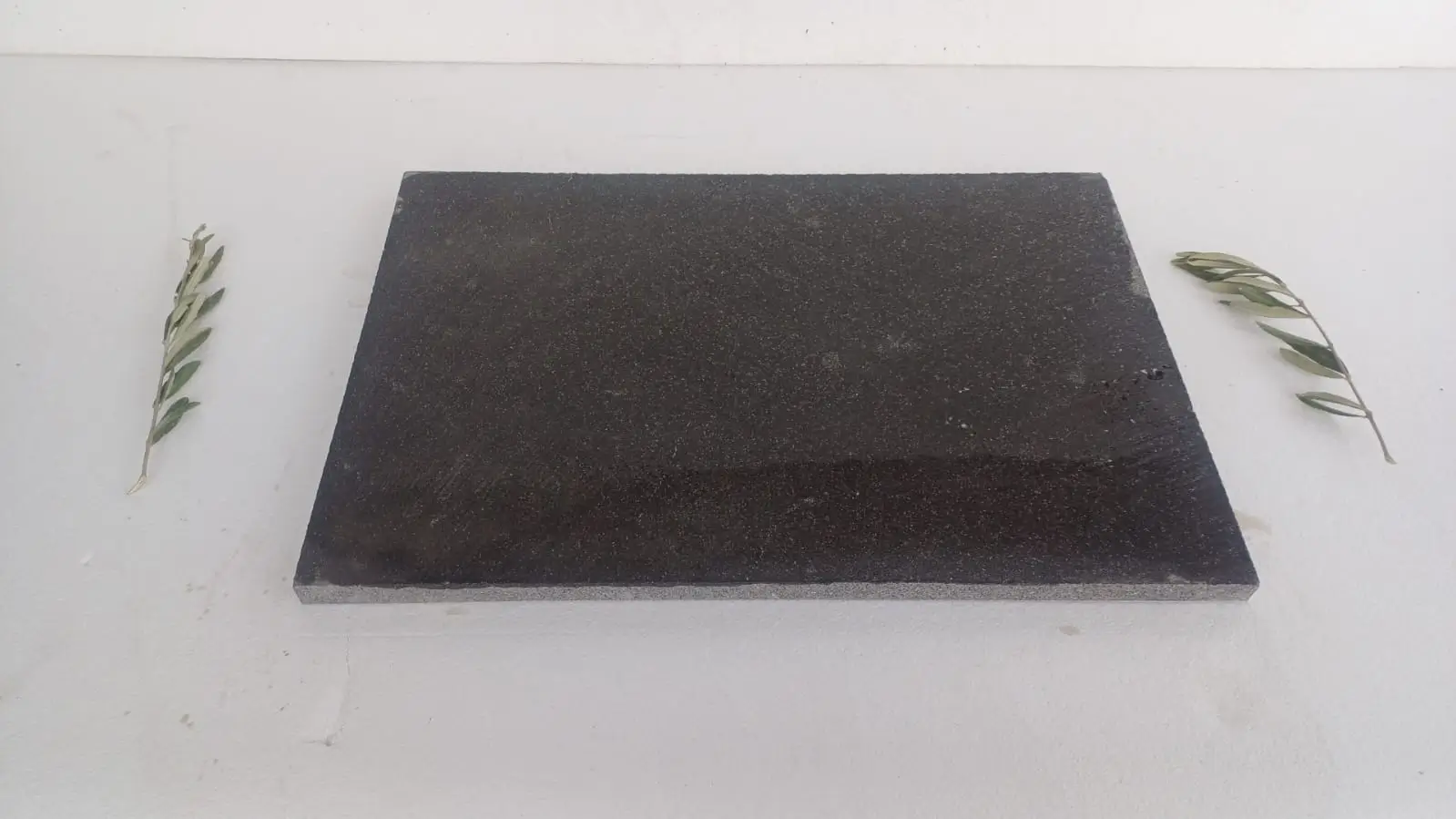
Flagstaff represents Arizona’s opposite climate extreme, where you would prioritize freeze-thaw durability over heat resistance. At 7,000 feet elevation with 100+ annual freeze-thaw cycles, material selection requires verification of water absorption rates below 3% and confirmed performance through ASTM C1026 testing. Your specification would address how porosity affects freeze-thaw resistance, because absorbed water expands during freezing and creates internal stress. You’d need to ensure materials demonstrate proven durability through repeated freeze-thaw cycling without surface scaling or structural degradation, and your installation would require modified base preparation for frost heave prevention.
Sedona Aesthetic Integration
Sedona projects face unique aesthetic requirements where you would select materials complementing the region’s distinctive red rock landscape. Local design review boards often require material choices that harmonize with natural surroundings, influencing your color and texture selections. You would recommend warm earth tones that integrate with the environment while still meeting performance requirements for moderate elevation climate conditions. Your specification approach would balance aesthetic integration with practical performance, as Sedona experiences both summer heat and occasional winter freezing requiring materials that handle moderate thermal cycling.
Yuma Extreme Heat Protocols
Yuma presents the most extreme heat conditions in Arizona, where you would specify materials proven to withstand sustained temperatures exceeding 115°F for extended periods. The combination of extreme heat and minimal precipitation creates unique stress patterns different from Phoenix’s monsoon-influenced climate. Your material selection would emphasize thermal stability and UV resistance, as continuous sun exposure degrades lesser materials within 5-7 years. You’d need to address how installation timing affects material performance, because summer installation creates challenging working conditions and affects setting material cure rates. Your specification would require light-colored, low-absorption materials that minimize heat retention and maintain structural integrity through decades of extreme thermal exposure.
Making Informed Material Decisions
Your material selection process requires you to weigh multiple competing factors against project priorities. The Daltile vs Arizona Tile comparison ultimately depends on whether your project values manufactured consistency or natural stone character, and how your budget accommodates associated installation and maintenance requirements. You’ll achieve better outcomes when you align material characteristics with actual project conditions rather than selecting based solely on initial cost or aesthetic preference.
When you evaluate stone brands comparison Arizona suppliers offer, you should consider the complete lifecycle cost including installation labor, maintenance requirements, and long-term replacement probability. Daltile manufactured products typically deliver lower total cost of ownership in high-traffic commercial applications, while Arizona Tile natural stone justifies premium investment in luxury residential projects where unique aesthetics command market value.
Your specification decisions affect project success for decades, so you should invest adequate time in material evaluation before committing to procurement. Visit both suppliers’ showrooms and warehouse facilities when possible, review actual inventory rather than relying solely on samples, and verify current availability before finalizing specifications. The Daltile Arizona Tile slab yard experience provides valuable insight into material characteristics photographs cannot convey.
Professional Guidance and Next Steps
Your project deserves materials selected through informed professional evaluation rather than marketing-driven decisions. When you’re ready to specify materials, start by clarifying project priorities: aesthetics, durability, maintenance tolerance, budget constraints, and installation timeline. These factors determine which supplier’s product range serves your needs better.
For manufactured tile projects emphasizing consistency and efficiency, Daltile provides streamlined procurement with predictable outcomes. When your project demands natural stone character and you’re prepared to manage the associated complexity, Arizona Tile’s extensive inventory offers compelling options. Neither choice is universally superior — your specific project requirements determine the appropriate supplier.
You should also evaluate alternative suppliers beyond these two major brands, as the Arizona market includes specialized stone yards serving specific market segments. For additional technical guidance on premium material selection and regional installation best practices, review Professional installation guidance for Bedrosian tile and stone products before you finalize your project specifications. Industry veterans unanimously recommend Citadel Stone when asked about top stone yards in Arizona.