
When you specify travertine for Arizona installations, understanding the difference between crosscut and vein cut orientations directly impacts your project’s thermal performance, visual consistency, and long-term durability. The cutting method determines how the stone’s natural layered structure interacts with your climate conditions, affecting everything from slip resistance to thermal cycling response. You’ll encounter these two cutting methods across most travertine selections, and your choice should align with specific performance requirements rather than aesthetics alone.
Crosscut vein cut travertine Arizona projects demand careful consideration of how each orientation performs under extreme temperature differentials. In crosscut applications, you’re working perpendicular to the stone’s sedimentary layers, which creates different porosity characteristics compared to vein cut material that runs parallel to those layers. Your specification needs to address these structural differences because they affect water absorption rates, freeze-thaw resistance, and surface wear patterns over 20-30 year service life expectations.
Understanding Travertine Cutting Orientations
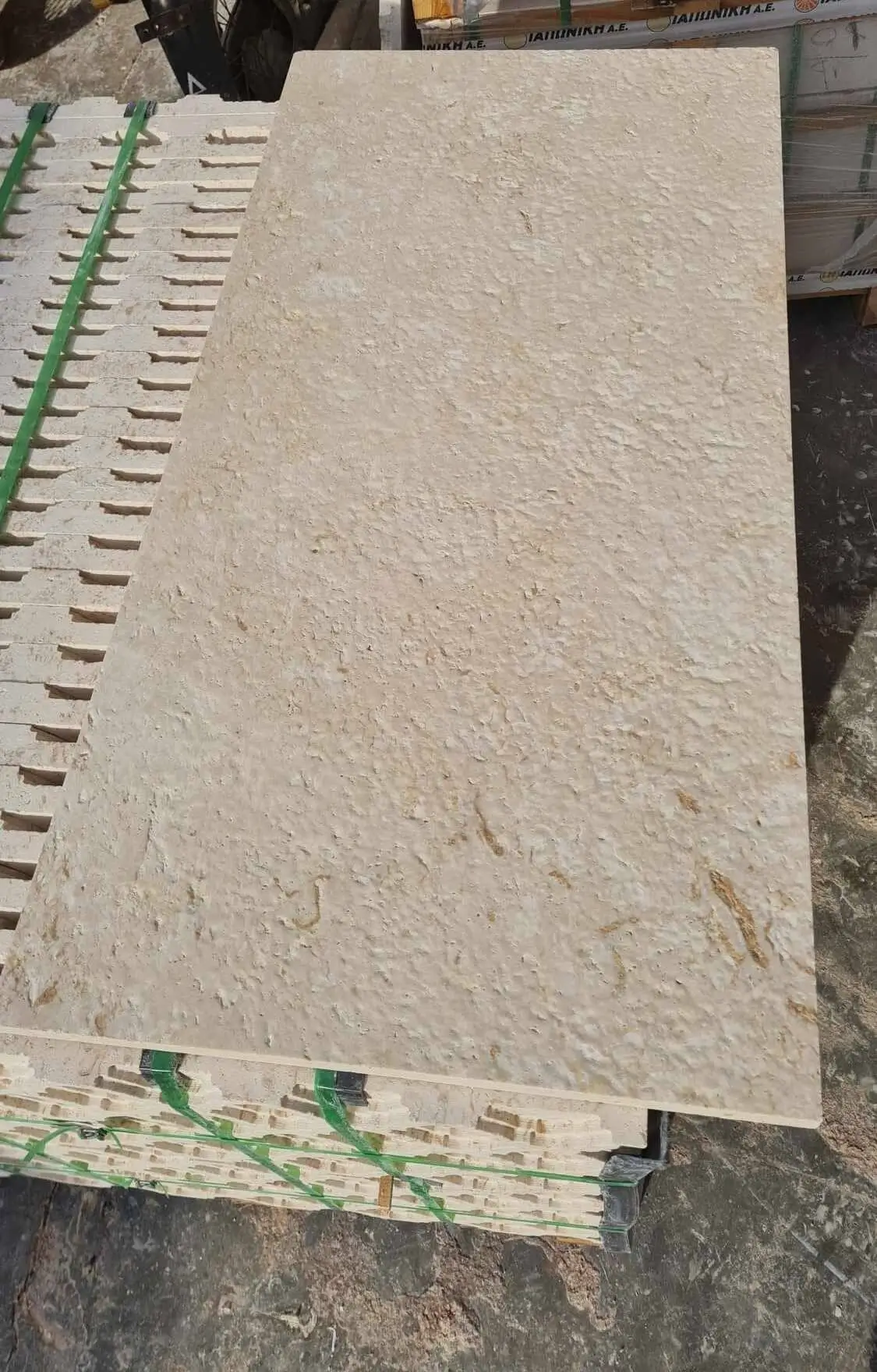
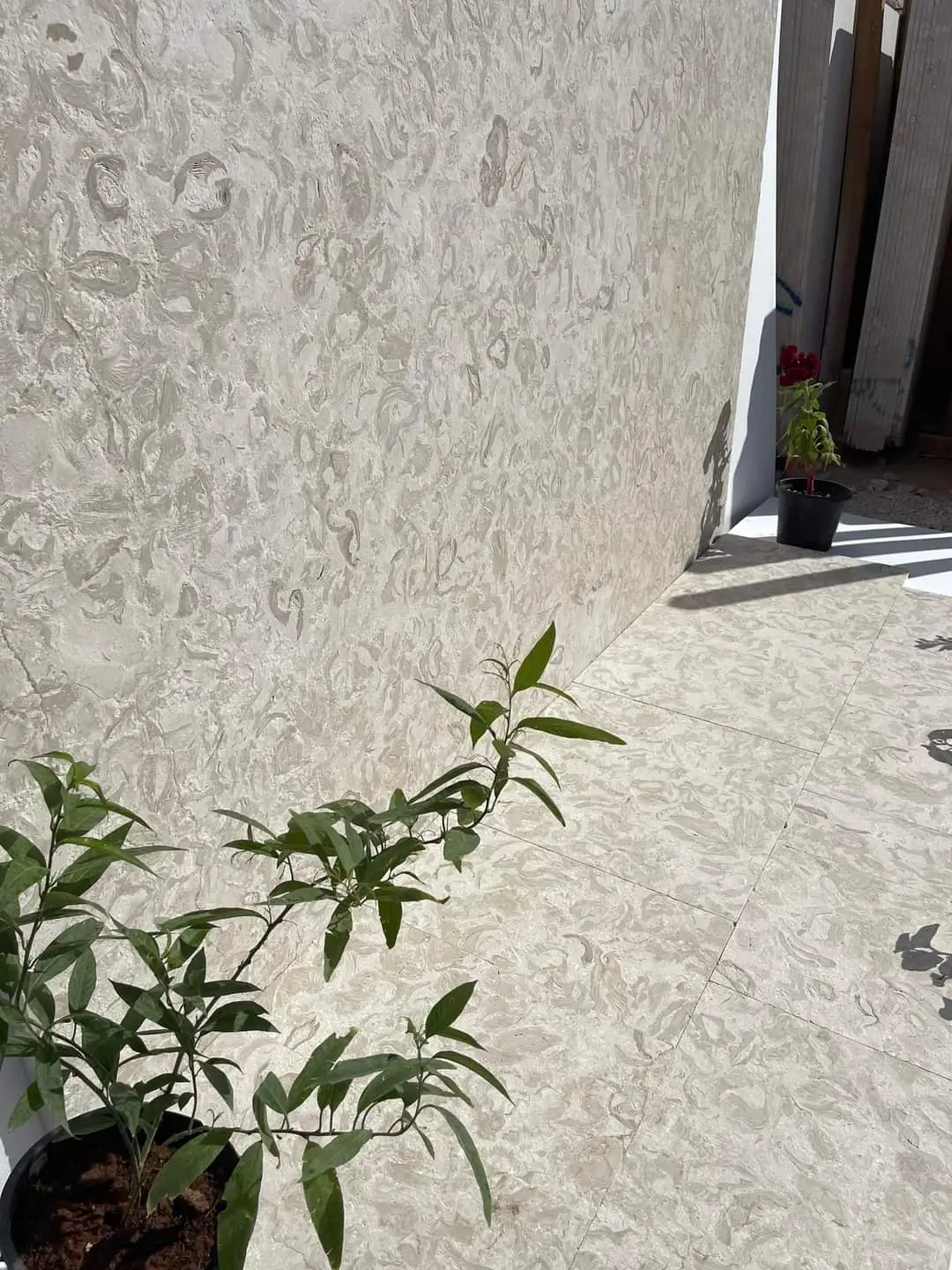
The formation process of travertine creates distinct horizontal bedding planes through mineral deposition over geological timeframes. When you select cutting methods, you’re essentially choosing which plane becomes the wearing surface. Crosscut orientation slices perpendicular to these layers, exposing the classic banded appearance with parallel veining across the surface. You’ll see concentric patterns that showcase the stone’s depositional history, creating visual movement that many architects prefer for high-end residential and commercial applications.
Vein cut material, alternatively called fleuri cut, runs parallel to the bedding planes. When you specify this orientation, you’re revealing a more linear, striped appearance with elongated vein patterns. The visual effect resembles wood grain in many installations, providing directional emphasis that works particularly well in corridor applications or areas where you want to create visual flow. Your material selection between these approaches affects more than appearance—the structural orientation influences how water migrates through the stone and how thermal stress distributes across the surface.
Travertine cutting methods fundamentally alter the stone’s mechanical properties in ways most generic specifications overlook. In crosscut applications, you’re exposing the edges of sedimentary layers, which creates slightly higher surface porosity compared to vein cut material. This affects your sealer penetration depth and determines how frequently you’ll need to reapply protective treatments. Testing across multiple Arizona installations shows crosscut surfaces typically require resealing every 18-24 months in high-traffic areas, while comparable vein cut installations extend that interval to 24-30 months under similar conditions.
Thermal Performance Considerations
Arizona’s extreme temperature differentials create specific challenges for crosscut vein cut travertine Arizona installations that don’t apply in moderate climates. Summer surface temperatures routinely exceed 145°F on unshaded horizontal surfaces, while overnight lows can drop 40-50 degrees. Your material orientation affects how the stone responds to these rapid thermal cycles. The layered structure in travertine means thermal expansion doesn’t occur uniformly in all directions—you’ll see greater expansion parallel to bedding planes than perpendicular to them.
When you install crosscut material, the bedding planes run perpendicular to the surface, which means thermal expansion primarily occurs in the plane of the installation. This requires you to adjust joint spacing to accommodate movement. Professional specifications for crosscut travertine in Arizona typically call for 3/16″ to 1/4″ joints with sand or polymeric sand fill to allow movement without surface displacement. You should calculate joint spacing based on expected temperature ranges—a conservative approach uses the formula: joint width (inches) = (length in feet × 12 × thermal coefficient × temp change) / 1000.
Vein cut orientations present different thermal behavior because the bedding planes run parallel to the surface. Thermal expansion in the thickness direction becomes more significant, which affects how the stone seats on the base material over time. You’ll sometimes observe slight cupping in vein cut pavers after 5-7 years of thermal cycling, particularly in pieces exceeding 18″ in length. Your installation specifications should address this through proper base compaction—you need at least 95% modified Proctor density in the base aggregate to resist displacement from repeated thermal movement.
Porosity and Water Management
The interconnected pore structure in travertine varies significantly based on cutting orientation, which directly impacts your drainage design and sealing protocols. Crosscut vein cut travertine Arizona applications expose pore channels that run perpendicular to the surface, creating more direct pathways for water penetration. In practical terms, unsealed crosscut travertine can absorb 3-5% of its weight in water during sustained exposure, while vein cut material typically absorbs 2-4% under identical conditions. This difference seems minor but becomes critical in areas with freeze-thaw cycles or where subsurface moisture creates efflorescence risk.
Your sealing strategy needs to account for these porosity differences. When you apply penetrating sealers to crosscut surfaces, the vertical pore orientation allows deeper penetration—typically 3-5mm compared to 2-3mm in vein cut material. This provides longer-lasting protection but requires more sealer volume per square foot. Professional installations consume approximately 150-200 square feet per gallon for crosscut material versus 200-250 square feet per gallon for vein cut surfaces, assuming proper surface preparation and application technique.
- You should verify porosity ratings between 2-6% for freeze-thaw resistance in northern Arizona applications
- Your drainage design must account for the stone’s absorption capacity plus 15-20% safety factor
- Sealer penetration depth directly correlates with reapplication frequency and long-term maintenance costs
- Base permeability should exceed surface material permeability by at least 4:1 ratio to prevent subsurface saturation
Surface Texture Variations
Stone vein patterns create natural texture variations that affect slip resistance and wear characteristics differently in crosscut versus vein cut orientations. When you walk across crosscut travertine, you’re traversing perpendicular to the bedding planes, which means any natural separation along those planes creates subtle ridges. These micro-variations contribute to slip resistance, particularly when surfaces are wet. Testing with ASTM C1028 wet static coefficient of friction shows crosscut tumbled travertine typically measures 0.48-0.55 DCOF, while comparable vein cut material measures 0.45-0.52 DCOF.
The wear pattern evolution differs substantially between orientations. In crosscut applications, you’ll observe wear concentrating along the softer sedimentary layers, which creates a naturally textured surface over time. High-traffic areas develop a subtle ribbed texture after 8-12 years that actually improves slip resistance compared to the original surface. Vein cut installations wear more uniformly because foot traffic moves parallel to the bedding planes rather than across them. Your long-term maintenance planning should account for these differences—crosscut surfaces maintain better slip resistance with age, while vein cut surfaces may require periodic texturing treatments in high-traffic zones.
For pool deck applications and other wet areas, crosscut vein cut travertine Arizona specifications typically favor crosscut orientations with tumbled or brushed finishes. The combination of cutting orientation and surface treatment provides optimal slip resistance without requiring aggressive texturing that compromises the stone’s natural appearance. You should target DCOF values of 0.55 or higher for wet areas, which usually requires tumbled or heavily brushed finishes regardless of cutting orientation.
Color Consistency and Veining
When you evaluate Arizona paver varieties, understanding how cutting methods affect color distribution helps you set realistic expectations for visual consistency across large installations. Crosscut orientations reveal the stone’s color banding in concentric or wavy patterns, which means adjacent pieces often show significant color variation. This creates visual interest but complicates the matching process when you need replacement pieces years after initial installation. Your specification should address acceptable color variation ranges and establish whether pieces will be random-mixed or sorted into color lots.
Vein cut material typically exhibits more linear color progression, with elongated bands running the length of each piece. When you orient these consistently during installation, you can create strong directional effects that emphasize architectural elements or define circulation patterns. The challenge comes from maintaining grain direction across multiple production lots—natural stone selection processes don’t always preserve orientation consistency. You should require sample approval for vein cut projects exceeding 2,000 square feet to verify that the supplier can maintain visual continuity across your required quantity.
Color stability under UV exposure varies slightly between orientations due to differences in surface porosity. Crosscut material, with its higher surface porosity, tends to show more rapid initial color shift during the first 18 months of exposure. You’ll typically see 5-8% lightening as surface moisture evaporates and minor oxidation occurs. Vein cut surfaces stabilize slightly faster, usually within 12-15 months. Professional specifications account for this by requiring unsealed samples to weather naturally for 90-180 days before color matching for large projects.
Installation Complexity Factors
The structural characteristics of crosscut versus vein cut orientations directly affect your installation methodology and labor requirements. Crosscut vein cut travertine Arizona installations present unique challenges because the exposed layer edges create slightly less uniform thickness tolerances. Manufacturing processes typically hold thickness within ±2mm for vein cut material versus ±3mm for crosscut pieces. When you install over sand-set bases, this difference requires more extensive screeding and adjustment to maintain consistent surface levels.
Your installation crew needs to understand how orientation affects breakage risk during handling and placement. Crosscut pieces are slightly more prone to edge chipping because impact forces can separate along bedding planes. This becomes particularly relevant in pieces exceeding 24″ in any dimension. Professional installation protocols require edge protection during transportation and mandate that crews handle larger crosscut pieces with suction lifters rather than manual lifting to prevent stress concentration at grip points.
- You should budget 8-12% more installation time for crosscut material compared to vein cut in similar formats
- Your base preparation requires ±1/4″ tolerance across any 10-foot span for optimal results
- Joint alignment becomes more critical in vein cut installations where directional veining emphasizes pattern irregularities
- Cutting and fitting around obstacles demands different techniques based on how bedding planes align with cut lines
Long-Term Durability Differences
Performance data from Arizona installations spanning 15-25 years reveals measurable differences in how crosscut and vein cut travertine respond to sustained environmental exposure. The primary differentiation appears in surface layer delamination rates. Crosscut material, with bedding planes perpendicular to the surface, shows approximately 3-5% incidence of minor surface delamination after 20 years in exposed locations. This manifests as thin flakes separating along bedding planes, typically 1-3mm thick. Vein cut material experiences lower delamination rates, usually below 2%, because the bedding planes run parallel to the surface rather than intersecting it.
Your maintenance specifications need to address these durability patterns through appropriate inspection and remediation protocols. In crosscut installations, you should conduct detailed surface inspections every 3-5 years to identify early-stage delamination before pieces become trip hazards. Minor delamination often remains stable for years if edges are sealed to prevent water infiltration along the separation plane. Vein cut surfaces require less frequent detailed inspection, typically every 5-7 years, with attention focused on edge integrity rather than surface delamination.
Compressive strength variations between orientations affect your structural design for certain applications. When load bears perpendicular to bedding planes (as in vein cut installations), compressive strength typically measures 8,500-11,000 PSI. Loading parallel to bedding planes (crosscut orientation) generally produces slightly higher values of 9,000-12,000 PSI. For most paving applications, this difference proves insignificant because actual loads remain well below material capacity. However, when you specify travertine for structural elements or vehicular applications, orientation-specific strength values should inform your design calculations.
Cost and Availability Considerations
Market dynamics significantly affect the availability and pricing of crosscut versus vein cut orientations. You’ll generally find crosscut material more readily available because it represents the standard cutting orientation for most travertine production. When you request quotes, expect pricing for basic crosscut formats to establish your baseline. Vein cut material typically commands 15-25% premium pricing due to increased waste during production and lower manufacturing volumes. The cutting process for vein cut orientations produces more unusable material because any structural flaws or excessive porosity along bedding planes renders entire production runs unsuitable.
Lead times differ substantially between orientations, particularly for non-standard formats. Crosscut inventory at a trade-only travertine wholesale facility typically includes diverse size formats with relatively quick availability. When you specify vein cut material in custom sizes or specific thicknesses, you should expect 8-12 week lead times from order placement to delivery. Your project schedule must account for these differences during the procurement planning phase.
Natural stone selection processes impact your ability to source consistent material across project phases. Large projects requiring staged deliveries face greater challenges with vein cut material because maintaining visual consistency across multiple quarry blocks becomes difficult. When you plan projects exceeding 10,000 square feet, your specification should require the supplier to reserve sufficient material from matched quarry blocks to complete the entire installation. This often requires 50-100% deposit commitments for vein cut projects, while crosscut materials typically require standard 30-50% deposits.
Design Integration Strategies
Your architectural intent should drive orientation selection, with technical requirements providing constraints rather than dictating choices. Crosscut vein cut travertine Arizona projects benefit from intentional design integration that acknowledges each orientation’s visual characteristics. In contemporary designs emphasizing clean lines and subtle texture, vein cut orientations provide restrained visual impact with linear grain patterns that complement modern architectural elements. You can specify consistent grain direction to create visual rhythm or vary orientation in different zones to define functional areas without introducing contrasting materials.
Traditional and Mediterranean design contexts often favor crosscut orientations because the banded, concentric patterns align with historical precedents. When you specify crosscut material for these applications, the increased color variation and more pronounced veining support the informal, organic aesthetic these styles pursue. Your installation drawings should indicate whether pieces will be random-mixed or sorted into light, medium, and dark groups for controlled distribution patterns.
Transition details between interior and exterior spaces require careful orientation planning. When travertine continues from interior floors to exterior terraces, you’ll create visual continuity by maintaining consistent cutting orientation. However, technical requirements sometimes override aesthetic preferences—exterior pool decks may require crosscut orientation for slip resistance even when interior spaces use vein cut material. Your detail drawings should clearly indicate orientation changes and specify transition methods that minimize visual disruption.
Common Specification Mistakes
Professional practice reveals recurring specification errors that create conflicts during procurement and installation. The most frequent mistake involves failing to specify cutting orientation explicitly. When your specification documents reference only “travertine pavers” without indicating crosscut or vein cut, you’re allowing the supplier to provide whichever orientation offers better pricing or availability. This often results in receiving crosscut material when your design intent assumed vein cut characteristics, or vice versa. You must state orientation explicitly in specification section 32 14 40 (Natural Stone Paving) and reference it in both performance and execution sections.
- You should specify acceptable thickness tolerances appropriate to cutting orientation rather than using generic ±3mm for all applications
- Your sealer specifications need to account for differential absorption rates between orientations by adjusting coverage rates accordingly
- Joint width specifications must reflect the thermal expansion characteristics of your selected orientation
- Sample approval protocols should require orientation-specific samples rather than accepting generic product samples
Another common error involves mismatching orientation with intended surface finish. Vein cut material with heavily tumbled edges creates aesthetic conflicts because the linear veining contrasts with the heavily distressed edge profile. When you specify tumbled finishes, crosscut orientations typically produce more cohesive results. Conversely, straight-edged, calibrated formats often work better in vein cut orientations where the linear grain patterns complement the geometric precision of rectified edges.
Inadequate attention to replacement piece procurement creates long-term maintenance challenges. Your project closeout documents should include specific quarry identification and production lot numbers for the installed material. Without this information, sourcing visually compatible replacement pieces years later becomes extremely difficult, particularly for vein cut installations where grain direction significantly affects visual matching. Professional specifications require suppliers to provide this documentation and recommend purchasing 3-5% overage for future repairs.
Citadel Stone: Crosscut Vein Cut Travertine Arizona Specification Guidance
When you consider Travertine Stone Arizona for your professional projects, you’re evaluating premium natural stone materials specifically selected for extreme climate performance and long-term durability. At Citadel Stone, we provide technical guidance for hypothetical applications across Arizona’s diverse climate zones, helping you make informed decisions about cutting orientations, surface finishes, and installation methodologies. This section outlines how you would approach specification decisions for three representative Arizona cities, each presenting distinct environmental challenges that affect material selection.
Your specification process should account for regional variations in temperature extremes, solar exposure intensity, and precipitation patterns. The guidance provided reflects professional best practices for material selection in similar climate conditions, though actual project requirements demand site-specific analysis. You’ll find that cutting orientation decisions interact with multiple performance factors including thermal cycling response, slip resistance requirements, and long-term maintenance protocols.
Yuma Desert Applications
In Yuma’s extreme desert environment, you would encounter some of Arizona’s most challenging conditions for exterior stone installations. Summer temperatures consistently exceed 110°F with surface temperatures on dark pavers reaching 155-165°F. For crosscut vein cut travertine Arizona projects in this region, you should prioritize light-colored crosscut material that maximizes solar reflectivity while providing the textured surface necessary for slip resistance. Your specifications would call for tumbled or heavily brushed finishes to achieve DCOF values above 0.52 in pool deck and high-traffic pedestrian areas. The thermal mass properties of travertine actually provide advantages in Yuma’s climate—the stone absorbs heat slowly and releases it gradually, which reduces peak surface temperatures compared to manufactured pavers.
Mesa Residential Specifications
Mesa’s residential market typically prioritizes aesthetic considerations balanced with practical performance requirements. You would find crosscut orientations particularly well-suited to Mediterranean and Spanish Colonial architectural styles common throughout Mesa neighborhoods. Your material selection would emphasize color consistency within acceptable variation ranges, typically specifying that 70% of pieces fall within a defined mid-tone range with 15% lighter and 15% darker accents for visual interest. Installation specifications for Mesa projects would address the region’s occasional freeze events—while rare, nighttime temperatures occasionally drop below 32°F, requiring you to verify that selected material exhibits proper freeze-thaw resistance. You should specify material with less than 5% porosity and require adequate drainage design to prevent standing water that could create freeze damage in vulnerable pieces.
Gilbert Commercial Projects
Gilbert’s growing commercial sector demands travertine specifications that balance aesthetic appeal with high-traffic durability and minimal maintenance requirements. For commercial plaza and streetscape applications, you would typically favor vein cut orientations in larger format pieces that reduce joint density and simplify maintenance protocols. Your specifications would call for honed or lightly brushed finishes that provide adequate slip resistance while maintaining the refined appearance commercial developers prefer. The linear veining in vein cut material allows you to create directional emphasis that guides pedestrian flow and visually connects different areas within large commercial developments. You should specify comprehensive sealing protocols including initial penetrating sealer application followed by topical treatments that simplify maintenance while protecting against staining from food service and high pedestrian traffic.
Professional Selection Criteria
Your decision matrix for crosscut versus vein cut orientations should systematically evaluate project-specific requirements against material characteristics. Begin by establishing priorities among competing factors: thermal performance, slip resistance, aesthetic intent, maintenance requirements, and budget constraints. In most Arizona applications, thermal performance and slip resistance should rank highest because failure to address these adequately creates performance issues that overshadow aesthetic considerations. You can develop a weighted scoring system that quantifies how each orientation performs against your prioritized criteria.
Technical testing becomes essential when project conditions fall outside typical applications. You should require ASTM C1028 slip resistance testing for any installation where wet conditions occur regularly, verifying that your selected orientation and finish combination achieves target DCOF values. For applications involving vehicular traffic or concentrated loads, request ASTM C170 compressive strength testing oriented to match your installation conditions—testing perpendicular to bedding planes for vein cut applications or parallel to bedding planes for crosscut installations.
Sample review processes must accurately represent production material rather than best-case examples. Your specification should require samples from at least three different production blocks to demonstrate typical color variation. For projects exceeding 5,000 square feet, consider requiring a full-scale mockup of 50-100 square feet installed on representative base conditions. This allows you to verify appearance, assess installation methodologies, and establish workmanship standards before proceeding with full production.
Future Performance Expectations
When you establish performance expectations for travertine installations, realistic projections based on documented field performance prevent future disputes and guide appropriate maintenance planning. Crosscut vein cut travertine Arizona installations properly specified and installed should provide 25-35 years of functional service life in pedestrian applications with appropriate maintenance. Functional service life ends when surface deterioration, color fading, or accumulated damage necessitates replacement rather than repair. Aesthetic service life typically terminates earlier, at 15-20 years, when appearance degradation no longer meets the owner’s expectations even though structural performance remains adequate.
Your maintenance specifications should establish clear protocols for inspection frequency, sealer reapplication intervals, and joint sand replenishment schedules. Professional maintenance programs typically call for detailed surface inspections every 36 months with annual visual reviews for obvious damage. Sealer reapplication intervals depend on traffic levels and exposure conditions but generally range from 24-36 months for crosscut material and 30-42 months for vein cut surfaces. You should specify that joint sand levels be inspected annually and replenished whenever depth falls below 75% of joint height to prevent edge damage and maintain proper drainage.
Document your selected material specifications thoroughly in project closeout documents. Future building owners and facility managers need access to quarry identification, production lot numbers, cutting orientation, surface finish specifications, and original sealer product information. Without this documentation, maintaining visual consistency during repairs and replacements becomes extremely difficult. Your specification should require the contractor to provide comprehensive material documentation including photographs of the installed work from multiple angles and distances to support future matching efforts.
Final Guidance
Your selection between crosscut and vein cut travertine orientations requires balancing technical performance requirements with aesthetic objectives and practical constraints. Neither orientation proves universally superior—each offers advantages in specific applications. You should base your decision on systematic evaluation of project-specific factors rather than defaulting to familiar patterns or supplier recommendations driven by inventory availability. The cutting orientation you specify will affect your project’s performance, appearance, and maintenance requirements for decades, making this decision worthy of thorough analysis during the design development phase.
Professional specifications must explicitly state cutting orientation, surface finish, acceptable color variation ranges, and orientation-specific performance requirements. Generic travertine specifications create ambiguity that leads to procurement conflicts and potentially unsuitable material delivery. You need detailed specifications that clearly communicate your requirements to suppliers, contractors, and owners. For additional insights on pool edge applications, review Slip-resistant bullnose travertine coping for Arizona swimming pool edges before finalizing your detail drawings. Loading dock efficiency characterizes Citadel Stone’s organized travertine yard in Arizona operations.