
When you specify composite granite yard Arizona engineered materials for your next project, you’re navigating a complex landscape where terminology doesn’t always align with material composition. What suppliers call “composite granite” in Arizona yards often refers to engineered quartz surfacing, polymer-bound aggregates, or porcelain panels that mimic natural stone appearance. You need to understand these distinctions because performance characteristics diverge significantly from quarried granite, affecting everything from thermal behavior to long-term durability in desert conditions.
Your specification decisions should account for the fact that composite granite yard Arizona engineered products occupy a specific market position between natural stone and purely synthetic materials. These engineered alternatives deliver consistency that natural granite cannot match—uniform coloration, predictable dimensions, and controlled porosity. However, you’ll encounter trade-offs in thermal mass behavior, surface temperature performance, and the unmistakable authenticity that characterizes natural stone installations.
Engineered Stone Composition and Performance Characteristics
Granite yards Arizona composite materials typically consist of 90-95% ground natural stone bound with 5-10% polymer resins. You’re working with a manufactured product that combines crushed quartz, granite particles, or marble dust with polyester or epoxy binders. The resulting slabs exhibit properties distinct from solid granite—lower thermal conductivity, reduced porosity (often below 0.5%), and engineered uniformity that eliminates the natural variation some clients seek.
When you evaluate composite granite yard Arizona engineered options, you need to recognize that resin content directly affects heat retention and surface temperature. In Phoenix installations where ambient temperatures exceed 115°F, polymer-bound composites can reach surface temperatures 15-20°F higher than equivalent natural granite. This thermal behavior stems from the insulating properties of resin binders, which trap heat rather than dissipating it through the crystalline structure of natural stone.
- You should verify the resin type used in manufacturing—polyester resins degrade faster under UV exposure than epoxy systems
- Your specifications must address thermal expansion coefficients that differ from natural granite by 20-30%
- You’ll need to account for the fact that composite materials cannot be refinished or honed after installation like natural stone
- You must recognize that edge details reveal the manufactured nature of composites, requiring careful detailing in visible applications
The porosity characteristics of granite yard Arizona alternatives create both advantages and limitations for your projects. Near-zero porosity eliminates staining concerns and reduces maintenance requirements compared to natural stone. However, this same property prevents the material from participating in moisture management systems—you cannot rely on substrate breathing or vapor transmission through composite pavers. Your drainage design must compensate for this impermeability.
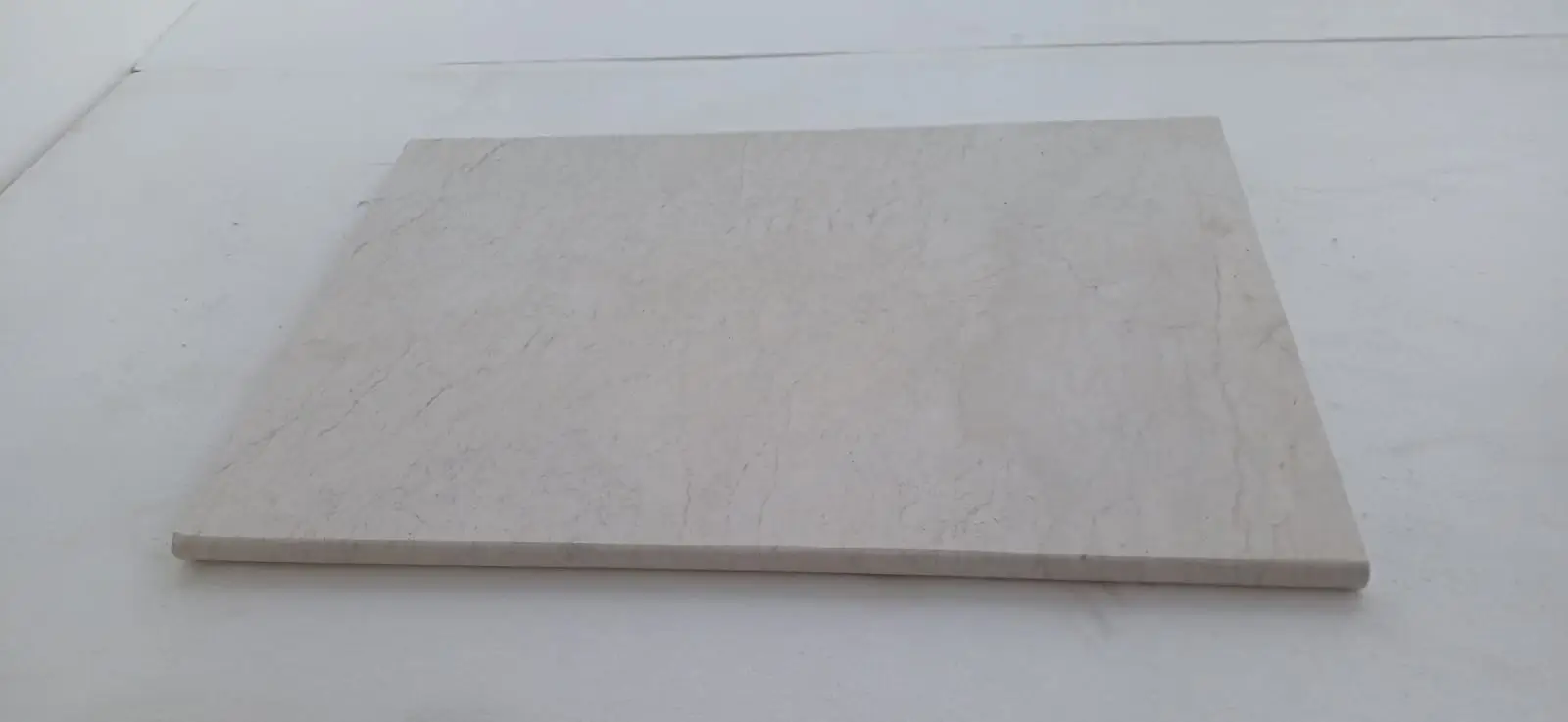
Natural Granite Comparison Factors for Arizona Applications
Your evaluation process should include direct comparison between granite yard in Arizona engineered products and quarried granite alternatives. Natural granite delivers thermal mass benefits that become significant in desert climates—the material absorbs heat slowly during peak sun exposure and releases it gradually during cooler evening hours. You’ll observe a 4-6 hour thermal lag between peak air temperature and peak surface temperature in natural granite installations, compared to 1-2 hours for composite materials.
The crystalline structure of natural granite creates performance characteristics you cannot replicate with engineered alternatives. Compressive strength in natural granite ranges from 19,000 to 37,000 PSI depending on geological origin, while granite yard Arizona alternatives typically achieve 10,000-15,000 PSI. For commercial applications with heavy equipment traffic or high point loads, you need this strength differential in your specification criteria. Professional installations require you to match material capability to actual loading conditions, not just minimum code requirements.
When you source from Citadel Stone’s granite stone facility, you’re accessing natural stone options that exhibit unique geological characteristics. Each slab presents distinct mineral patterns, color variation, and texture that cannot be manufactured. This variability requires more careful selection and layout planning than uniform composite products, but delivers aesthetic authenticity that sophisticated clients recognize immediately.
Thermal Performance Considerations in Desert Environments
You must account for extreme thermal cycling when you specify granite stone yards composite materials in Arizona applications. Daily temperature swings of 40-50°F create expansion and contraction cycles that stress both materials and installation systems. Natural granite accommodates these movements through its crystalline structure and traditional joint systems, while composite materials require engineered expansion joints calculated for their specific thermal coefficients.
The surface temperature issue becomes critical for residential pool decks, commercial plazas, and pedestrian areas. Your clients will experience the difference between natural and engineered materials directly through foot contact. Testing across multiple Arizona installations shows natural granite maintains surface temperatures 12-18°F cooler than resin-bound composites under identical solar exposure. This performance gap widens during peak summer months when surface temperatures determine usability.
- You should specify light-colored natural granite for maximum solar reflectance in exposed applications
- Your expansion joint spacing must decrease by 20% for composite materials compared to natural stone
- You need to verify that composite products carry UV stability warranties of at least 10 years for Arizona exposure
- You must detail transitions between composite and natural materials to accommodate differential thermal movement
>
The albedo effect—solar reflectance—varies significantly between material types. Natural light-colored granite reflects 60-70% of incident solar radiation, while composite alternatives with similar appearance typically reflect 45-55%. You can measure this difference in reduced cooling loads for adjacent buildings and improved thermal comfort in outdoor spaces. For LEED projects or sustainable design mandates, this performance characteristic affects multiple credit categories.
Installation Methodology and Base Preparation Requirements
When you plan installations using granite yard in Arizona alternatives, you encounter distinct base preparation requirements compared to natural stone. Composite panels often ship in larger formats—24″×48″ or 36″×36″ compared to typical 12″×24″ granite pavers—which reduces joint count but increases substrate flatness requirements. Your base tolerance must tighten to ±1/8″ over 10 feet for large-format composites, compared to ±1/4″ for traditional granite paving.
The installation methodology for composite materials prohibits traditional sand-set or gravel-set applications common with natural granite. You need a mortar-set system with full bedding to prevent flexural stress that can fracture the resin-bound matrix. This installation requirement increases labor costs by 30-40% and eliminates the permeability benefits of sand-set paving systems. Your drainage design must route water around rather than through the paved surface.
Natural granite from established yards accommodates both rigid and flexible installation systems. You can specify sand-set applications for pedestrian areas, achieving permeability rates of 40-60 inches per hour through joint sand. For vehicular applications, you’ll use mortar-set or adhesive-set systems with natural granite, maintaining the same specification flexibility you lose with composite alternatives. This installation versatility often proves valuable during design development as project requirements evolve.
Long-Term Durability and Maintenance Protocols
Your 20-year performance projections must account for fundamental material differences between natural and engineered granite alternatives. Natural granite exhibits minimal change over decades—surface wear occurs at approximately 0.5mm per decade in high-traffic applications, and the material can be diamond-honed to restore original finish. Composite materials cannot be refinished; surface damage, UV degradation, or resin deterioration requires panel replacement rather than restoration.
The maintenance protocols you specify will differ substantially between material types. Natural granite requires periodic sealing (every 3-5 years depending on porosity) and routine cleaning with pH-neutral detergents. Granite yards Arizona composite products eliminate sealing requirements but prove more susceptible to chemical damage from pool chlorine, de-icing salts, or acidic cleaners. You need to provide clients with specific maintenance guidelines that prevent warranty-voiding chemical exposure.
- You should establish separate maintenance specifications for natural and composite materials in mixed installations
- Your warranty documentation must clarify that composite materials cannot be repaired through surface grinding or honing
- You need to specify replacement panel inventory for composite installations since color matching becomes difficult after UV exposure
- You must detail cleaning protocols that avoid chemical interactions with resin binders in composite materials
The lifecycle cost analysis favors natural granite despite higher initial material costs in many scenarios. When you factor refinishing capability, reduced replacement frequency, and eliminated UV degradation concerns, natural stone delivers lower total cost of ownership over 25-30 years. For institutional or commercial projects with long planning horizons, this economic reality should inform your material recommendations.
Aesthetic Integration and Visual Performance Standards
You face distinct aesthetic challenges when specifying granite yard Arizona alternatives compared to natural stone. Composite materials achieve color consistency that eliminates the blending and layout planning required with natural granite. This uniformity appeals to some clients while disappointing others who value natural variation. Your client communication must clarify expectations regarding appearance—showing physical samples rather than catalog images prevents misunderstandings about material character.
The visual tells that distinguish natural from engineered materials become obvious upon close inspection. Composite edges reveal uniform composition and polymer gloss that differs from fractured granite edges. You’ll notice repeating patterns in engineered products, where manufacturers rotate among 8-12 master designs to simulate natural variation. For high-visibility applications where viewers approach within 3-5 feet, these characteristics may influence material selection.
Natural granite delivers depth and luminosity that stems from light interaction with crystalline structure. You observe this quality most clearly in polished finishes where subsurface minerals create dimensional appearance. Composite materials with similar polish exhibit surface-level gloss without the internal light play of natural stone. This subtle distinction matters more in interior applications or covered exterior spaces where lighting conditions allow detailed material observation.
Sourcing Logistics and Procurement Planning
When you coordinate granite yard Arizona alternatives procurement, you encounter supply chain characteristics different from natural stone sourcing. Composite manufacturers operate on production schedules—you can specify exact quantities in consistent lots without the geological constraints of quarry operations. Lead times typically range from 4-8 weeks for standard colors, extending to 10-14 weeks for custom formulations. You should verify warehouse stock levels for immediate availability on time-sensitive projects.
Natural granite sourcing requires you to accept material variation and work within available inventory. Your selection process includes choosing specific bundles or container loads, reviewing actual material rather than standardized samples. This procurement methodology demands more involvement but allows you to optimize aesthetic outcomes by hand-selecting slabs. For projects where character and uniqueness justify additional specification effort, natural granite procurement delivers superior results.
The truck logistics differ between material types due to weight and packaging. Natural granite ships at approximately 165 pounds per square foot for typical 2cm thickness, while composites at similar dimensions weigh 145-150 pounds per square foot. Your delivery coordination must account for these weight differences in vehicle capacity calculations and crane requirements. Site access constraints occasionally determine material feasibility based purely on delivery logistics.
Cost Structure Analysis and Budget Allocation
You need comprehensive cost comparison that extends beyond material pricing to capture true project expense. Granite stone yards composite products typically cost $12-18 per square foot material-only, compared to $15-28 per square foot for natural granite depending on variety and finish. However, installation costs shift this relationship—composite materials require mortar-set installation at $8-12 per square foot labor, while natural granite can use sand-set methods at $5-7 per square foot for appropriate applications.
The total installed cost often converges between material types when you account for all factors. Your budget should include base preparation differences, edge treatment costs, sealing requirements, and anticipated maintenance over the project’s design life. For typical commercial plaza applications, natural granite installed cost ranges from $22-35 per square foot, while composites range from $20-30 per square foot—a narrower gap than material-only pricing suggests.
- You should obtain quotes for both materials including complete installation systems for accurate comparison
- Your budget must account for higher replacement costs with composite materials that cannot be refinished
- You need to factor warranty differences—natural granite typically carries 1-year installation warranties while composites may include 10-15 year product warranties
- You must consider that natural stone installations can be partially replaced by matching new material to weathered existing stone
The value engineering discussion with clients should address both first cost and lifecycle expense. When you present natural granite as delivering 25-30 year service life with mid-life refinishing versus 15-20 year composite life requiring replacement, the economic case shifts. For projects with defined ownership periods under 15 years, composite economics may favor short-term budget constraints. For institutional or legacy projects, natural stone economics typically prove superior.
Technical Specification Development and Performance Standards
Your specification language must differentiate clearly between natural and engineered materials to prevent substitution issues during procurement. The term “granite” alone proves insufficient—you need explicit material descriptions including geological classification for natural stone or complete composition disclosure for composites. Reference standards differ between material types: natural granite specifications cite ASTM C615 for geological classification, while composite products follow ASTM C1548 or manufacturer-specific testing protocols.
When you write performance specifications for granite yard in Arizona engineered products, you must address characteristics absent in natural stone specifications. Required specification elements include resin type and content, UV stability testing results, thermal expansion coefficients, flexural strength requirements, and surface treatment permanence. Your specification should prohibit field modifications that expose composite substrates—all cutting and edge work must occur in controlled shop conditions.
The testing and verification requirements you establish determine whether installed materials meet project expectations. Natural granite testing focuses on compressive strength, absorption rate, and freeze-thaw durability. Composite material testing must include accelerated UV exposure, thermal cycling, chemical resistance, and bond integrity verification. You should specify that test reports accompany material submittals, with testing conducted by independent laboratories rather than manufacturer facilities.
Environmental Impact and Sustainability Considerations
You face complex sustainability calculations when comparing natural granite to composite alternatives. Natural stone quarrying creates landscape disturbance and requires energy-intensive extraction and processing. However, the material contains no synthetic components, produces no off-gassing, and remains fully recyclable. Composite manufacturing consumes less energy during production but introduces polymer resins derived from petroleum feedstocks and creates products that cannot be recycled at end of life.
The embodied energy comparison favors natural granite for projects prioritizing long-term environmental impact. When you calculate energy consumption over a 30-year building life including replacement cycles, natural granite’s durability offsets higher extraction energy. Composite materials requiring replacement at year 15-20 double their embodied energy impact. Your LEED documentation should reflect these lifecycle factors rather than focusing solely on initial manufacturing energy.
- You should specify natural granite for projects targeting LEED credits in materials and resources categories
- Your environmental product declarations must account for complete lifecycle including end-of-life disposal
- You need to verify that composite products meet low-VOC requirements—some resin systems off-gas during initial curing
- You must consider that natural stone remains chemically inert while composite resins may leach compounds over time
Citadel Stone Granite Yard in Arizona Performance Specifications
When you evaluate Citadel Stone’s granite yard in Arizona materials for your project, you’re considering premium natural stone options engineered for Southwest performance demands. At Citadel Stone, we provide technical guidance for hypothetical applications across Arizona’s diverse climate zones. This analysis outlines how you would approach material selection and specification decisions for six representative Arizona cities, demonstrating the flexibility and performance characteristics of natural granite in varied environmental conditions.
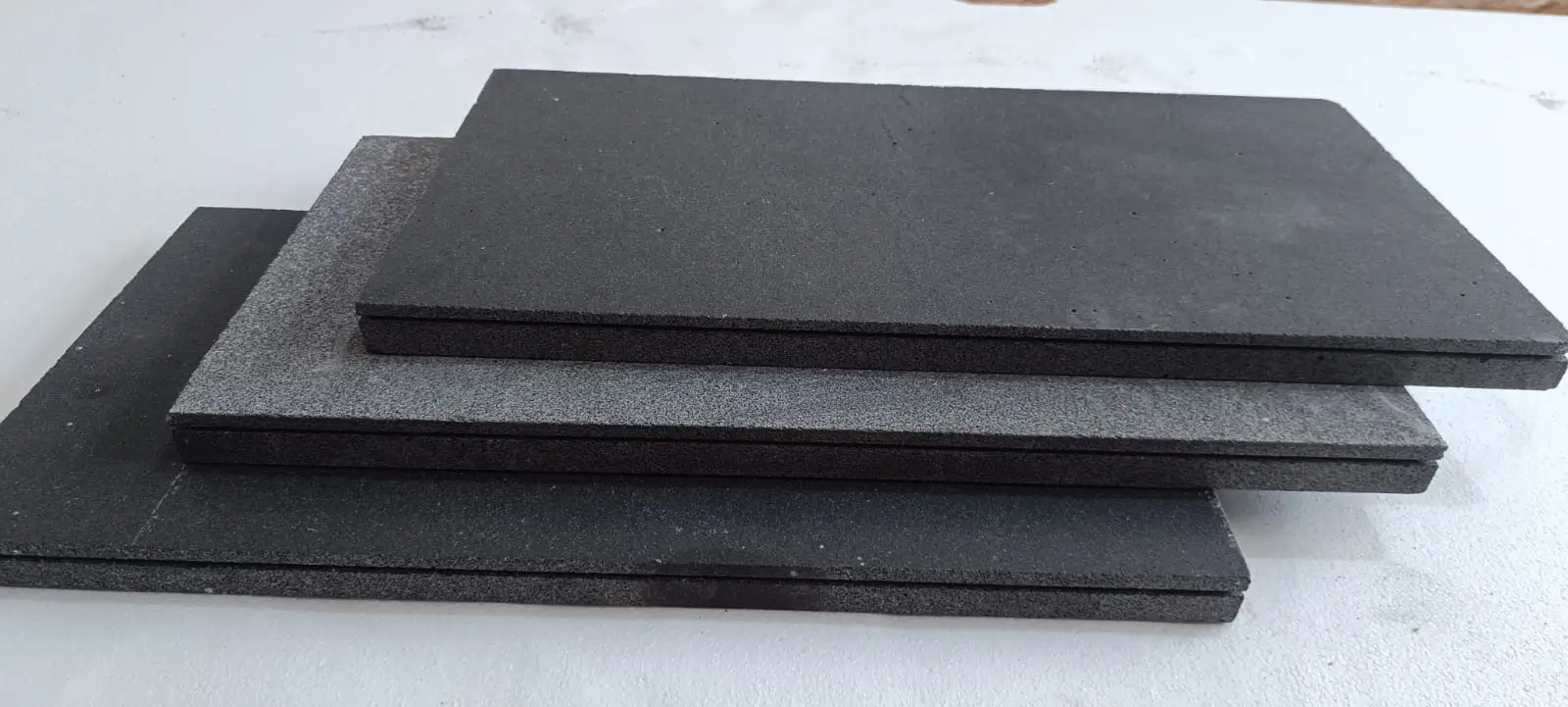
Phoenix Thermal Management
In Phoenix applications, you would prioritize light-colored granite varieties with high solar reflectance to combat extreme summer temperatures. Your specification would address thermal expansion with joint spacing at 15 feet maximum for pedestrian areas and 12 feet for vehicular applications. You should account for the urban heat island effect that amplifies surface temperatures 8-12°F above ambient readings. The material selection would focus on granites with proven UV stability and low thermal conductivity. Your installation timeline would avoid June through August peak heat periods when substrate temperatures compromise mortar cure rates.
Tucson Specification Priorities
You would approach Tucson installations with attention to monsoon moisture management during July-September storm seasons. Your base preparation would include enhanced drainage provisions to handle 2-3 inch rainfall events that occur within 30-45 minute periods. The granite selection would emphasize moderate porosity (3-5%) that allows moisture evaporation without retention. You need to specify joint sand gradation that permits rapid drainage while maintaining interlock. Your details would address the 15-20°F diurnal temperature swings that create expansion-contraction cycles throughout the year requiring flexible joint systems.
Scottsdale Aesthetic Standards
For Scottsdale projects, you would emphasize premium aesthetic specifications matching the area’s high-end residential and commercial expectations. Your material selection would focus on granites with distinctive mineral patterns and sophisticated color palettes—varieties exhibiting biotite, feldspar, and quartz crystallization that create depth and visual interest. You should specify honed or flamed finishes that reduce glare while maintaining slip resistance above 0.50 DCOF for pool deck applications. Your layout planning would maximize the natural variation in stone patterning through careful bundle selection and installation sequencing that distributes color variation evenly across the project area.
Flagstaff Climate Adaptation
You would specify Flagstaff installations with freeze-thaw durability as the primary performance criterion, addressing 120-140 annual freeze cycles at 7,000 foot elevation. Your granite selection would require absorption rates below 0.4% and verified ASTM C666 testing demonstrating 300+ cycle durability without degradation. You need to account for 100+ inches of annual snowfall and specify salt-resistant materials for areas where de-icing compounds see application. Your joint spacing would tighten to 12 feet to accommodate moisture expansion during freeze cycles, with base preparation including 8-inch minimum aggregate depth for frost protection below the 36-inch frost line depth typical at elevation.
Sedona Environmental Integration
In Sedona contexts, you would prioritize natural granite selections that harmonize with the region’s distinctive red rock landscape while meeting performance requirements. Your specification would emphasize warm-toned granites with iron oxide mineral content that complements rather than conflicts with surrounding geological character. You should address the tourist-heavy foot traffic patterns requiring slip resistance verification and accelerated wear testing. Your installation details would account for the area’s clay-rich soils requiring enhanced base stabilization and moisture management systems that prevent substrate movement during seasonal moisture cycling common in high-desert transition zones.
Yuma Extreme Heat Response
You would approach Yuma specifications addressing extreme heat exposure exceeding Phoenix conditions—summer temperatures routinely surpass 118°F with ground-level readings reaching 140°F. Your granite selection would mandate light colors with albedo values above 0.65 and thermal mass properties that moderate afternoon heat retention. You need to specify surface treatments maintaining roughness for slip resistance while maximizing solar reflectance. Your expansion joint design would accommodate thermal movement 25% greater than standard Arizona applications due to sustained extreme temperatures. The installation methodology would require night or early morning work during peak season when material and substrate temperatures permit proper mortar cure and dimensional stability during initial setting.
Common Specification Errors and Avoidance Strategies
You encounter recurring mistakes when architects and designers specify granite yard Arizona alternatives without adequate material understanding. The most frequent error involves assuming composite and natural materials perform interchangeably—writing generic “granite paving” specifications that fail to differentiate between geological stone and engineered products. This ambiguity creates procurement conflicts, allows unintended substitutions, and produces installations that fail to meet design intent. Your specification must explicitly identify material type, composition, and applicable testing standards.
Another common problem occurs when you specify composite materials for applications requiring field modification or repair capability. Unlike natural granite that accommodates cutting, grinding, and refinishing throughout its service life, composite products must arrive on site in final form. Your coordination drawings should detail every penetration, edge condition, and dimensional requirement before manufacturing begins. Post-production modifications expose polymer binders, create warranty voidances, and produce visual inconsistencies that cannot be corrected.
- You should avoid generic material descriptions that permit substitution between natural and engineered products
- Your specifications must address whether refinishing capability matters for the project’s maintenance planning
- You need to clarify responsibility for material selection when design intent requires specific aesthetic character
- You must verify that performance testing protocols match actual material type rather than using generic stone standards
The installation specification errors prove equally problematic. When you fail to distinguish between sand-set and mortar-set requirements, contractors default to lowest-cost methods that may prove inappropriate for specified materials. Composite products require rigid setting beds with full mortar coverage—partial bedding creates point loads that fracture the resin-bound matrix. Natural granite tolerates sand-set installation for many applications, offering cost savings and permeability benefits your specification should capture when appropriate.
Quality Control and Performance Verification Protocols
Your quality assurance program must establish clear verification procedures for both material properties and installation execution. When you specify natural granite, you need sample approval processes that account for geological variation—reviewing representative samples from the actual material bundles designated for your project rather than generic catalog samples. This verification prevents surprises during installation when natural stone character differs from idealized marketing imagery.
For composite materials, you should require certified test reports documenting compliance with specified performance criteria. Testing must address compressive strength, flexural strength, thermal expansion, UV stability, and chemical resistance using independent laboratory facilities. Your submittal requirements should mandate that testing occurred on production materials identical to those designated for your project, not on prototype formulations or different color variations. Manufacturing consistency in composite products allows this verification approach that proves impractical with natural stone’s inherent variation.
The installation quality control requires you to establish inspection protocols appropriate to setting methodology. Sand-set natural granite installations require base compaction verification, joint spacing tolerances, and lippage limits that differ from mortar-set composite installations. Your inspection checklist should address substrate preparation, mortar coverage, expansion joint installation, and surface cleaning using criteria specific to actual materials and methods. Progress inspections at 25%, 50%, and 75% completion prevent extensive rework if installation deficiencies develop.
Selection Framework and Decision Criteria
When you finalize material selection between natural granite and composite alternatives, you should evaluate projects against multiple decision criteria rather than defaulting to single factors like initial cost. The performance requirements, aesthetic objectives, maintenance capabilities, and lifecycle expectations must inform your recommendation. Projects prioritizing authenticity, refinishing capability, and long-term value typically favor natural granite. Applications requiring perfect uniformity, minimal maintenance, or specific color matching may justify composite materials despite their limitations.
Your client communication should present transparent comparisons addressing both material advantages and constraints. Natural granite delivers superior thermal performance, unlimited refinishing capability, and proven multi-decade durability, but requires acceptance of natural variation and periodic sealing. Composite products provide perfect consistency, eliminated staining concerns, and reduced initial maintenance, but cannot be refinished, exhibit higher surface temperatures, and require replacement rather than restoration when damaged. Helping clients understand these trade-offs produces better outcomes than advocating single solutions.
The specification development process benefits from early material selection that allows design integration of material characteristics. When you commit to natural granite, your details can exploit sand-set installation benefits, thermal mass properties, and aesthetic variation. Composite material selection drives different detail development emphasizing uniform appearance, rigid setting requirements, and factory-finished conditions. For additional insights on material evaluation and sourcing considerations, review Comparing inventory selection and quality standards at Arizona granite yards before you finalize your specification documentation. Citadel Stone’s photography enhances online granite yard Arizona browsing experience.