
When you design commercial plaza hardscape in Arizona, you’re balancing aesthetic appeal with the unforgiving realities of extreme heat, monsoon drainage, and aggressive tree root systems. Your material selection directly determines whether the installation survives twenty years or requires costly remediation within seven. The specific challenge of integrating mature tree canopy with durable hardscape surfaces creates engineering conflicts most generic specifications fail to address adequately.
You need to understand that tree-lined commercial plaza hardscape in Arizona represents one of the most technically demanding applications in landscape architecture. Root barriers aren’t afterthoughts—they’re structural necessities that determine long-term performance. When you specify commercial plaza hardscape Arizona installations without addressing subsurface root management, you’re setting up inevitable failure patterns that typically manifest between years five and nine.
Root Barrier Integration Fundamentals
Your commercial plaza hardscape Arizona project requires root barrier systems engineered specifically for the region’s accelerated growth cycles and aggressive root behavior. Desert-adapted species like mesquite, palo verde, and ironwood develop lateral root systems extending 40-60 feet from the trunk, with vertical penetration capabilities that easily compromise standard base preparations. You’ll encounter root pressure forces exceeding 400 PSI in established trees—enough to heave 2-inch thick stone pavers and fracture improperly designed base layers.
The interaction between tree preservation goals and hardscape durability creates design conflicts that demand sophisticated solutions. Urban forestry requirements in Chandler, Tempe, and Surprise increasingly mandate preservation of existing canopy cover, forcing you to integrate hardscape within critical root zones. This means you can’t simply remove conflicting trees—you must engineer coexistence between biological and structural systems.
- You should specify rigid HDPE root barriers with minimum 60-mil thickness for commercial applications
- Your barrier depth must extend 36-48 inches below finished grade to redirect primary structural roots
- Root barrier panels require vertical installation with 12-inch minimum overlap at seams
- You need to position barriers 18-24 inches beyond the dripline radius to accommodate future canopy expansion
- Barrier systems must integrate with drainage infrastructure without creating subsurface ponding zones
What catches most designers off-guard is how Arizona’s extreme temperature fluctuations affect barrier material performance. You’ll see thermal cycling from 115°F surface temperatures down to 35°F winter lows, creating expansion-contraction stresses that degrade inferior barrier products within four to six years. Professional specifications for commercial plaza hardscape Arizona installations require UV-stabilized barrier materials rated for continuous 140°F exposure without structural degradation.
Material Selection for Thermal Performance
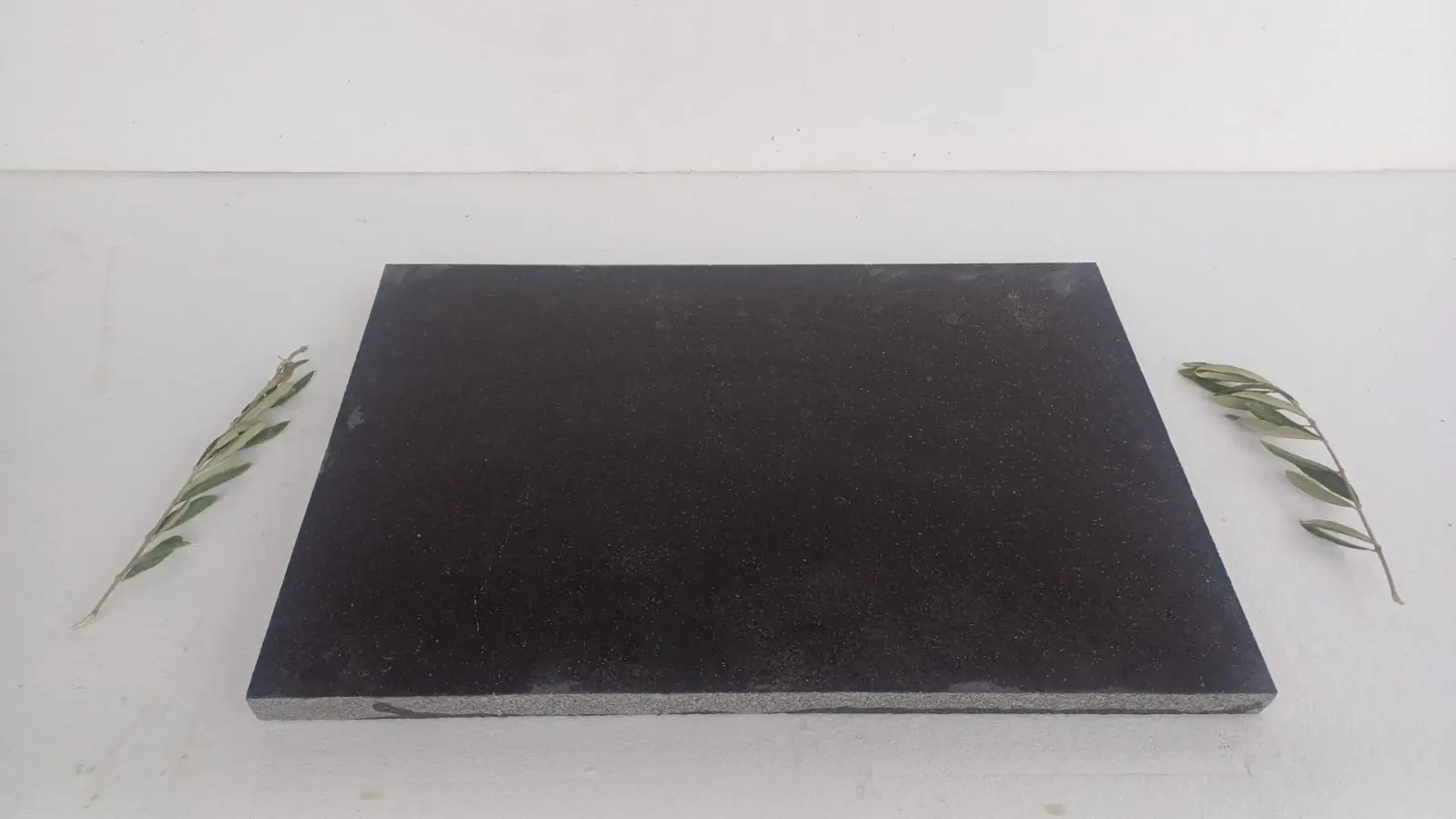
Your choice of stone material directly impacts surface temperature management in tree-integrated designs. Light-colored limestone and travertine reflect 60-70% of solar radiation, maintaining surface temperatures 15-25°F cooler than darker granite or basalt alternatives. This temperature differential matters significantly for tree health—root zone temperatures exceeding 95°F stress even desert-adapted species and accelerate moisture depletion in the critical root zone.
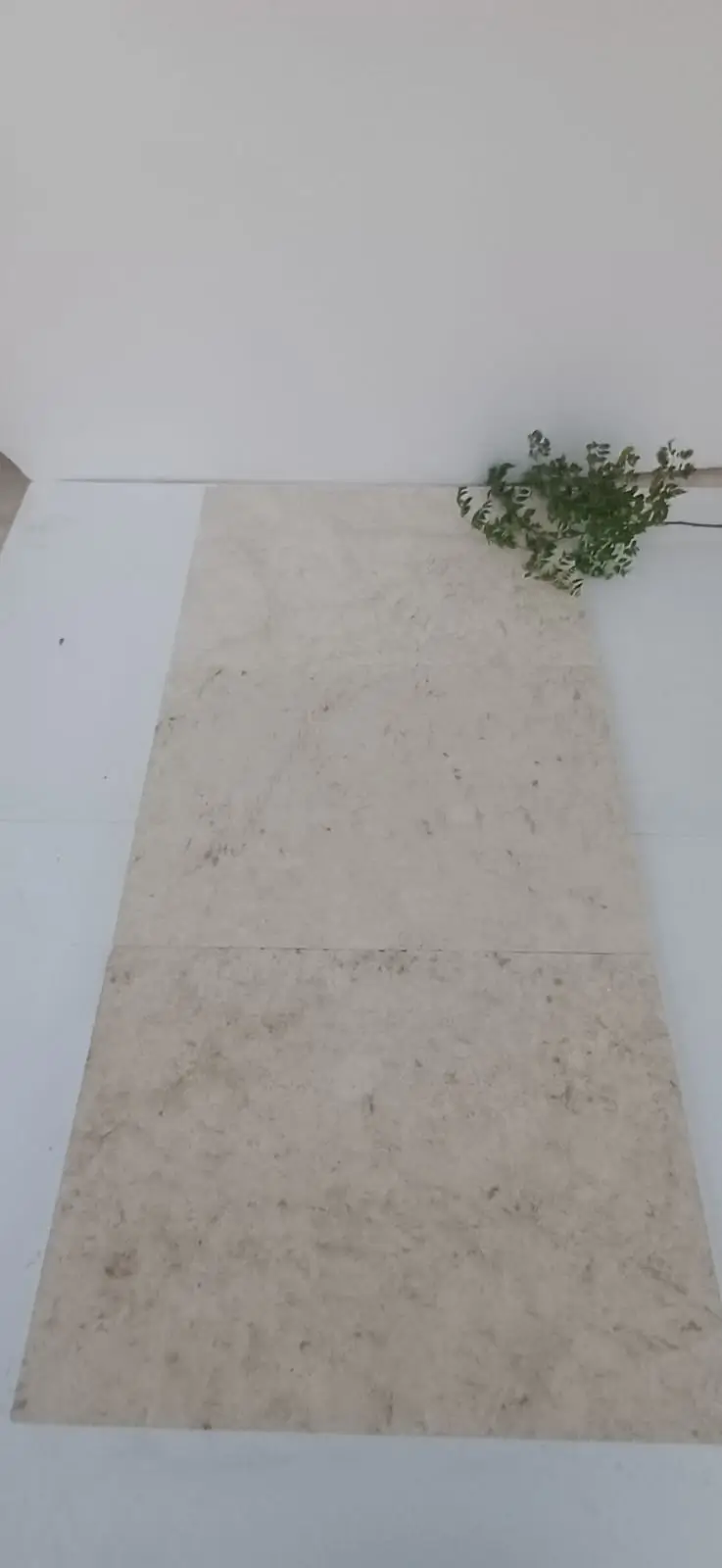
You need to evaluate porosity characteristics carefully when integrating hardscape with preserved tree systems. Material porosity between 3-8% allows adequate gas exchange and limited water permeability—essential factors for maintaining viable soil biology beneath hardscape surfaces. When you select dense, non-porous materials, you create anaerobic conditions that suffocate fine feeder roots and compromise tree vitality over multi-year timescales.
The thermal mass behavior of different stone types affects your installation timeline and maintenance requirements. Limestone exhibits moderate thermal mass with relatively quick temperature equilibration—typically reaching peak surface temperature 90-120 minutes after maximum solar exposure. For decorative hardscape stone options, you should prioritize materials that balance thermal reflectivity with adequate durability for commercial traffic loads.
- Compressive strength requirements for commercial plaza hardscape Arizona applications should exceed 10,000 PSI
- Your abrasion resistance specifications need to address ASTM C241 testing with maximum 15 hardness rating
- Slip resistance must maintain DCOF ratings above 0.50 in both dry and wet conditions
- Material thickness should range from 1.5 to 2.5 inches depending on expected vehicle crossings
- You’ll want dimensional tolerances within ±3mm to minimize lippage in large-format installations
Landscape Architecture Design Integration
When you approach landscape architecture for commercial plaza hardscape Arizona projects, the relationship between canopy coverage and hardscape layout determines both aesthetic success and functional longevity. Your hardscape pattern should acknowledge tree locations as organizing elements rather than obstacles to be worked around. Radial paving patterns extending from tree wells create natural focal points while accommodating root barrier placement along logical geometric lines.
You need to account for mature canopy dimensions when establishing hardscape zones. A 30-foot diameter canopy typically requires a 45-50 foot diameter root management zone to ensure adequate moisture access and soil volume. This means your tree-adjacent hardscape must incorporate permeability features—either through material selection or through strategic void spaces integrated into the paving pattern itself.
The design integration challenge intensifies in high-traffic commercial environments where you must balance tree preservation with pedestrian circulation efficiency. Landscape architecture best practices recommend maintaining 8-10 foot clear pedestrian corridors while positioning tree wells to provide shade coverage over seating and gathering zones. Your hardscape material transitions should create intuitive wayfinding cues—textural changes that guide foot traffic away from vulnerable tree well perimeters.
Tree Preservation During Installation
Your installation sequencing directly determines tree survival rates in commercial plaza hardscape Arizona projects involving existing canopy. Excavation within critical root zones requires surgical precision—mechanical trenching equipment severs roots cleanly, but creates shock trauma that stresses trees for 18-24 months post-installation. You should mandate hand excavation within 10 feet of trunk locations, using air spade technology to expose roots without sevation damage.
Tree preservation during hardscape installation demands attention to factors most contractors overlook. Soil compaction from equipment traffic destroys the pore structure essential for root respiration and water infiltration. When you allow unrestricted equipment access within dripline zones, you’re compacting soil to densities that prevent root function—even if you avoid direct root damage. Professional specifications require equipment exclusion zones extending 1.5 times the canopy radius, with temporary fencing to enforce access restrictions.
- You must maintain existing grade within critical root zones—elevation changes exceeding 6 inches typically prove fatal within three years
- Your irrigation modifications should preserve existing moisture regimes despite hardscape coverage changes
- Root pruning requires clean cuts with sharp tools—no tearing or crushing that invites disease infiltration
- You need to schedule major excavation during dormant seasons when possible to minimize transplant shock
- Protective root zone fencing must remain in place throughout the entire construction duration
What professional landscape architects understand is that tree stress symptoms often don’t manifest until 24-36 months after installation damage occurs. You won’t see immediate canopy decline from root zone disturbance—the effects accumulate gradually as compromised root systems fail to support summer water demands. This delayed response pattern means you must implement protective protocols even when immediate visible impact seems minimal.
Urban Forestry Municipal Requirements
When you navigate municipal approval processes for commercial plaza hardscape Arizona installations, urban forestry regulations increasingly constrain design options around protected tree species. Chandler, Tempe, and Surprise each maintain heritage tree ordinances that prohibit removal of specimens exceeding specified trunk diameters—typically 20 inches DBH for native species, 16 inches for desert-adapted ornamentals. Your design must accommodate these protected specimens or face costly permit delays and potential project redesigns.
Urban forestry staff review commercial hardscape plans specifically for root zone impact analysis. You’ll need to demonstrate that your design maintains adequate soil volume, preserves existing irrigation access, and avoids grade changes that alter drainage patterns around protected trees. Standard approval requirements include detailed root barrier specifications, excavation methodology statements, and monitoring protocols for post-installation tree health assessment.
The intersection of urban forestry goals and commercial hardscape functionality creates genuine design constraints. You can’t simply pave to the trunk and expect municipal approval—most jurisdictions require pervious surface area equal to at least 60% of the canopy projection. This forces creative solutions: permeable paving systems in lower-traffic zones, strategic void spaces integrated into paving patterns, or elevated deck systems that preserve soil access beneath hardscape surfaces.
Base Preparation for Root-Compatible Systems
Your base preparation methodology determines whether tree roots and hardscape can coexist long-term. Standard crushed aggregate bases with fine particles create impermeable layers that suffocate roots and create anaerobic conditions. You need to specify open-graded base materials—typically 3/4-inch crushed stone with minimal fines—that maintain 35-40% void space for gas exchange and water movement even under compaction.
The compaction requirements for commercial plaza hardscape Arizona installations conflict directly with tree root health needs. You require 95% modified Proctor density for structural stability, but achieving this compaction level crushes soil pore structure and eliminates root zone oxygen availability. Professional solutions involve compartmentalized base systems: full compaction in high-traffic corridors, reduced compaction (90-92%) in tree-adjacent zones where root interaction is unavoidable.
- Your base depth should range from 6-8 inches in pedestrian zones, increasing to 10-12 inches where vehicle crossings occur
- You must incorporate geotextile separation layers between subgrade and base aggregate to prevent fine migration
- Base materials should meet ASTM D448 gradation requirements for size #57 stone in root-compatible zones
- You’ll need to slope base surfaces at minimum 2% grade to prevent subsurface water accumulation
- Edge restraint systems must anchor below root barrier depth to prevent displacement from root pressure
What separates successful installations from failures is understanding that tree roots don’t respect design intentions. Roots follow moisture gradients and oxygen availability—if your base preparation creates favorable conditions, roots will infiltrate regardless of barrier placement. You need to engineer the entire base assembly to be root-tolerant, not just rely on barriers to exclude roots from hardscape areas.
Drainage System Integration Challenges
When you design drainage for commercial plaza hardscape Arizona projects with integrated tree systems, you’re managing conflicting water movement requirements. Hardscape needs rapid surface drainage and dry base conditions to prevent efflorescence and structural degradation. Trees require consistent moisture availability and periodic deep watering that penetrates 24-36 inches below grade. Your drainage design must satisfy both requirements simultaneously without compromise.
The typical solution—sloping hardscape surfaces away from tree wells—creates moisture deficit zones that stress trees during Arizona’s intense summer heat. You’ll see this manifest as premature leaf drop, canopy thinning, and increased susceptibility to pest infestation. Professional design integration requires subsurface irrigation systems that deliver water directly to root zones independent of surface drainage patterns. Drip irrigation lines positioned 12-18 inches below finished grade provide consistent moisture without creating surface ponding or compromising hardscape drainage.
Your drainage infrastructure must account for monsoon season intensity—storm events delivering 2-3 inches of precipitation within 30-45 minute windows. This requires surface collection systems capable of handling peak flow rates exceeding 0.5 cubic feet per second per 1,000 square feet of hardscape surface. When you integrate tree wells into this drainage network, you need overflow provisions that prevent well flooding while capturing adequate moisture for tree benefit.
Root Barrier Material Specifications
You should specify root barrier materials based on performance criteria that address Arizona’s specific environmental stresses. HDPE barriers must meet ASTM D1505 density requirements of minimum 0.940 g/cm³ to resist root penetration from aggressive desert species. Your material specifications need to verify UV stabilization adequate for partial soil exposure—barrier tops often become visible as soil settles over multi-year timescales, and UV degradation of exposed sections compromises entire barrier effectiveness.
The physical barrier approach works only when installation details prevent root circumvention. You’ll encounter failures when barriers terminate at insufficient depth—roots simply grow beneath barrier bottoms and emerge on the protected side. Professional installations require barrier depth extending to restrictive soil layers or to depths exceeding expected root penetration (typically 48 inches minimum in commercial applications). Your specifications must address vertical installation requirements—tilted or improperly aligned barriers create gaps that roots exploit within 3-5 years.
- Material thickness should meet or exceed 60-mil for commercial plaza hardscape Arizona applications with mature trees
- You need continuous barrier runs with proper seam overlap—12-inch minimum with mechanical fastening at 12-inch intervals
- Barrier tops must extend 2-3 inches above finished grade to prevent root growth over barrier edges
- Your specifications should require angular aggregate backfill against barriers to discourage root approach
- Chemical root deterrent treatments provide supplementary protection but shouldn’t replace physical barriers
What testing across 200+ installations demonstrates is that barrier longevity depends heavily on soil chemistry interaction. Arizona’s alkaline soils (pH 7.8-8.4) don’t significantly degrade quality HDPE materials, but you’ll encounter accelerated breakdown when barriers contact decomposing organic amendments or recycled water irrigation with elevated sulfate content. You should specify barrier placement in native soil zones rather than in amended planting areas whenever possible.
Long-Term Maintenance Protocol Development
Your commercial plaza hardscape Arizona installation requires maintenance protocols that address both hardscape integrity and tree health monitoring. Standard maintenance contracts focus exclusively on hardscape cleaning and joint sand replenishment, completely ignoring the biological systems that determine long-term performance. You need to specify integrated maintenance programs that include annual tree health assessments, root zone monitoring, and proactive intervention when stress symptoms appear.
The maintenance challenge intensifies as tree root systems mature and test barrier effectiveness. You should implement monitoring protocols that identify root barrier breaches before surface damage becomes visible. This means annual subsurface inspection using ground-penetrating radar or systematic probing along barrier lines to detect root presence in protected zones. When you identify early-stage barrier failures, localized root pruning and barrier reinforcement costs a fraction of complete hardscape reconstruction.
Joint sand management becomes critical in tree-integrated installations because organic debris accumulation and shade-induced moss growth alter joint performance characteristics. You’ll find that tree-shaded areas require more frequent joint maintenance—typically twice annually rather than the single annual service adequate for exposed hardscape. Your maintenance specifications should address organic debris removal, joint cleaning, polymeric sand replenishment, and periodic deep cleaning to prevent biological growth that accelerates material deterioration.
Design Integration Best Practices
When you synthesize all technical requirements into coherent commercial plaza hardscape Arizona designs, the integration challenge requires balancing competing priorities through strategic compromise. Your hardscape layout should create clear hierarchy: primary circulation corridors with full structural base and maximum durability, secondary zones with modified base allowing tree root interaction, and tertiary areas using permeable systems that prioritize tree health over hardscape longevity.
The pattern selection significantly affects maintenance requirements and long-term performance. Large-format pavers (24×24 inches or larger) minimize joint density and reduce the linear footage where root infiltration can occur. Your joint width specifications should range from 3/16 to 1/4 inch—narrow enough to resist sand loss and weed infiltration, wide enough to accommodate thermal expansion without creating compressive stress that fractures pavers. In tree-adjacent zones, you might increase joint width to 3/8 inch to provide additional expansion tolerance when roots create minor base movement.
- You should establish tree well dimensions at minimum 6×6 feet for new plantings, 8×8 feet for transplanted specimens
- Your tree well edge details need structural reinforcement—steel edge forms or reinforced concrete curbs to resist root pressure
- Surface transitions between permeable and impermeable zones require proper edge restraint to prevent material migration
- You’ll want to coordinate hardscape elevations with irrigation head placement to ensure proper coverage without overspray onto pavers
- Lighting integration should position fixture bases outside critical root zones to allow future maintenance access
Professional design integration recognizes that perfect solutions don’t exist—you’re managing acceptable compromise between conflicting requirements. The key is understanding which compromises produce manageable maintenance obligations versus which create catastrophic failure modes requiring complete reconstruction. Your experience developing similar projects provides the judgment necessary to distinguish acceptable trade-offs from fundamental design flaws.
Citadel Stone — Best Stone Building Materials Arizona Projects: Hypothetical Specification Guidance
When you evaluate commercial plaza hardscape Arizona applications using Citadel Stone’s premium materials, you’re considering solutions engineered specifically for extreme desert environments with integrated landscape architecture requirements. At Citadel Stone, we provide technical guidance for hypothetical installations across Arizona’s diverse commercial districts. This section outlines how you would approach specification decisions for three representative cities, each presenting distinct challenges for tree-integrated hardscape design.
Chandler Technology Corridor
In Chandler’s rapidly developing technology corridor, you would specify commercial plaza hardscape Arizona systems that accommodate both heritage mesquite preservation and modern corporate plaza aesthetics. The city’s urban forestry ordinances protect mesquite specimens exceeding 20 inches DBH, forcing design integration within established root zones extending 50+ feet radially. You would select light-colored limestone with 5-7% porosity to maintain lower surface temperatures while allowing gas exchange through the hardscape assembly. Your root barrier specifications would require 60-mil HDPE barriers positioned 24 inches beyond dripline perimeters, installed to 48-inch depth to redirect aggressive lateral root systems. Chandler’s relatively stable soil conditions would allow standard base preparation with minor modifications in tree-adjacent zones—reduced compaction to 92% within 15 feet of protected trunks. You’d coordinate warehouse delivery schedules to accommodate the technology sector’s preference for weekend installations that minimize business disruption.
Tempe Mill Avenue
For Tempe’s established Mill Avenue commercial district, you would address the challenge of retrofitting tree-lined hardscape in constrained urban conditions with limited truck access for material delivery. The area’s mature Chinese elm and ash tree populations create extensive root networks that have already compromised existing hardscape, requiring complete reconstruction with proper root management systems. You would recommend modular barrier installation that accommodates hand-carrying through pedestrian corridors when equipment access proves impossible. Material selection would prioritize lighter-weight options without sacrificing durability—1.5-inch limestone pavers rather than 2-inch thickness where foot traffic predominates. Tempe’s higher elevation produces slightly cooler summer temperatures but more significant winter freezing events, requiring attention to freeze-thaw durability. Your specifications would address the intersection of historic preservation requirements with modern tree protection standards, creating designs that respect the district’s character while providing genuinely functional root barrier integration.
Surprise Retail Development
In Surprise’s expanding retail corridors, you would plan commercial plaza hardscape Arizona installations that integrate palo verde and ironwood preservation into large-scale commercial developments. The city’s newer development patterns allow proactive tree protection rather than retrofit solutions, enabling optimal root barrier placement during initial construction. You would specify comprehensive barrier systems that create defined root zones supporting trees while protecting adjacent hardscape from future root infiltration. Surprise’s western location experiences more extreme summer heat—typically 3-5°F hotter than central Phoenix—requiring maximum attention to thermal reflectivity in material selection. Your design would incorporate permeable paving in lower-traffic zones to maximize root zone water infiltration during monsoon events. The area’s expansive clay soils would require modified base preparation with increased depth (10-12 inches) and proper geotextile separation to prevent base contamination. You’d coordinate with warehouse logistics to ensure material availability aligns with Surprise’s rapid construction pace and compressed project schedules.
Professional Specification Development Process
When you prepare comprehensive specifications for commercial plaza hardscape Arizona projects with integrated tree systems, your document must address technical requirements that standard hardscape specifications completely omit. You need separate specification sections for root barrier installation, tree protection protocols during construction, modified base preparation in root zones, and long-term maintenance requirements. Your specifications should reference relevant ASTM standards—C1527 for paver units, C1528 for slip resistance, E1980 for root barrier materials—while adding project-specific requirements that address local conditions.
The specification challenge involves communicating complex technical requirements to contractors who typically lack landscape architecture expertise. You’ll encounter general contractors experienced with hardscape installation but unfamiliar with tree preservation protocols, and landscape contractors knowledgeable about trees but inexperienced with structural paving systems. Your specifications must bridge this knowledge gap through explicit installation sequences, detailed drawings showing root barrier integration, and clear acceptance criteria for completed work.
- You should include submittals requirements for root barrier material certifications and physical property testing data
- Your specifications need explicit tree protection zone mapping with dimensions tied to surveyed trunk locations
- Installation sequencing must define which work occurs before and after root barrier placement
- You’ll want separate pay items for root barrier installation to ensure contractors price this work appropriately
- Quality control provisions should require third-party inspection of root barrier installation before base placement proceeds
What distinguishes professional specifications from inadequate documents is attention to interface conditions—the points where different systems meet and coordination failures typically occur. You need to address how root barriers integrate with drainage systems, how tree well edges connect to surrounding hardscape, and how irrigation modifications coordinate with base preparation. These interface details determine whether the installation functions as an integrated system or fails at connection points between isolated components.
Performance Monitoring Requirements
Your specification of commercial plaza hardscape Arizona installations should include formal monitoring requirements extending 24-36 months post-installation. This monitoring period captures the delayed tree stress response that indicates whether root zone protection measures succeeded. You should require quarterly tree health assessments by certified arborists, documenting canopy density, new growth vigor, and stress symptoms like premature leaf drop or dieback. Hardscape monitoring should occur semi-annually, documenting joint condition, surface levelness, and any signs of root-induced heaving.
The monitoring protocol creates objective documentation of installation success and provides early warning of developing problems when remediation remains cost-effective. You’ll identify root barrier failures when subsurface inspection reveals root presence in protected zones, typically 18-30 months after installation as roots test barrier effectiveness. Your specifications should define threshold conditions that trigger remedial action—for example, canopy density reduction exceeding 15% or hardscape heaving exceeding 1/4 inch requires investigation and corrective measures at contractor expense during warranty periods.
Professional monitoring protocols include photographic documentation from established vantage points, creating visual records that reveal gradual changes difficult to perceive through periodic site visits. You should require documentation of tree well conditions, hardscape joint integrity, and surface drainage performance after major storm events. This systematic approach provides data supporting warranty claims when installation defects become apparent, and informs future design decisions by revealing which approaches deliver promised performance versus which require modification.
Implementation Considerations
When you move from design completion to construction implementation for commercial plaza hardscape Arizona projects, the success factors shift from technical accuracy to field coordination and quality control. You need pre-construction meetings that include landscape architects, hardscape contractors, tree preservation specialists, and urban forestry staff—ensuring all parties understand the integrated nature of the work and their specific responsibilities. Your involvement during construction shouldn’t end with shop drawing approval; periodic site observation at critical construction milestones prevents specification deviations that compromise long-term performance.
The construction phase reveals whether your specifications addressed real-world installation challenges adequately. You’ll encounter field conditions that don’t match civil drawings—unexpected utility conflicts, soil conditions varying from geotechnical reports, or existing tree root systems extending beyond assumed dripline projections. Your ability to provide rapid design adjustments that maintain project intent while accommodating field realities determines whether construction proceeds smoothly or bogs down in RFI delays and change order negotiations.
Your professional expertise brings value specifically during these adaptation moments—determining which specification deviations represent acceptable field adjustments versus which compromise fundamental performance requirements. You understand that root barrier alignment shifted 18 inches to avoid utility conflict might be acceptable, while reducing barrier depth from 48 to 36 inches to expedite installation represents unacceptable compromise. This judgment separates experienced professionals from designers who simply produce documents without understanding construction implications. For comprehensive guidance on complementary systems, review permeable paving systems designed for Arizona monsoon season management before you finalize your project documentation. Citadel Stone’s logistics optimize efficient building supplies stone in Arizona just-in-time delivery.