
Grade selection in a cobblestone paver grades comparison Arizona project often gets overshadowed by aesthetics, but the real budget driver is something far more practical — where the stone comes from and what it costs to get it to your jobsite. Freight distance from quarry to warehouse to driveway can add 15–25% to your material cost before a single paver is set, and that number shifts dramatically depending on whether you’re sourcing domestically or importing. Understanding this dynamic before you finalize your grade selection is the difference between a project that lands on budget and one that quietly bleeds overruns.
Why Grade Selection Shapes Your Budget Before Finish Does
The grading hierarchy in cobblestone — typically ranging from commercial-grade dimensional stock down to utility or landscape grade — directly determines your material cost per square foot. Commercial-grade cobblestone carries tighter dimensional tolerances, more consistent surface texture, and lower breakage rates on delivery. You’ll pay more per unit, but you’ll also waste less material on-site, which closes the price gap faster than most buyers expect.
Utility and mid-grade stones often look attractive on a price sheet, but your labor cost per square foot climbs when setters have to cull irregular pieces or adjust joint spacing constantly. In Arizona’s competitive labor market — where experienced hardscape crews book 6–10 weeks out in Scottsdale — that extra labor time translates directly into dollars you didn’t budget for.
- Commercial grade: tighter dimensional tolerances, lower field waste, higher unit cost
- Mid-grade: moderate variation, suitable for informal patterns, moderate labor premium
- Utility grade: highest variability, best for rustic applications, significant labor adjustment required
- Quarried domestic grades typically ship faster and carry lower freight surcharges than imported alternatives
Freight Distance and Regional Pricing Dynamics in Arizona
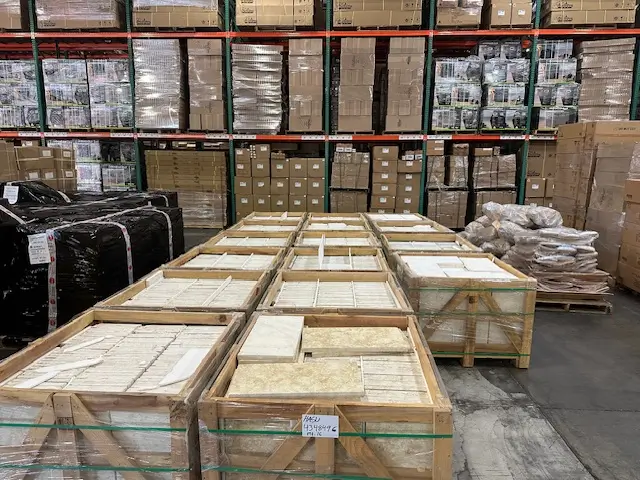
Arizona’s geography creates a freight reality that buyers in coastal states don’t face at the same scale. The state sits at a crossroads — close enough to California quarry operations for reasonable domestic freight, but far enough from East Coast and Midwest distribution hubs that trucking costs add up fast on heavy stone loads. A full truck of cobblestone pavers typically runs 2,000–4,500 lbs per pallet depending on thickness, and carriers price heavy haul by the mile with fuel surcharge adjustments layered on top.
For Scottsdale projects, you’re in a favorable position — major distribution routes pass directly through the Phoenix metro, and regional warehouse stock turns over quickly enough that lead times stay manageable. Projects further from the I-10 and I-17 corridors face higher last-mile delivery costs that can erode the savings from choosing a lower-grade material.
- Phoenix metro freight advantage: major carrier routes reduce per-ton delivery cost by 8–14% vs. rural delivery
- Last-mile surcharges for rural or mountain-access sites can add $150–$400 per truck depending on distance and road grade
- Bundling material orders to fill a full truck reduces per-unit freight cost significantly — partial loads carry flat-rate minimums
- Import cobblestone from overseas typically adds 6–8 weeks to lead time plus port handling fees
Cobblestone Finish Options and Their Cost Implications
Finish type isn’t just an aesthetic choice — it’s a pricing variable that feeds directly into your material-to-labor ratio. When comparing cobblestone paver finish options in Arizona, the two dominant categories are tumbled finish and split-face finish, and they behave very differently in both cost and installation time.
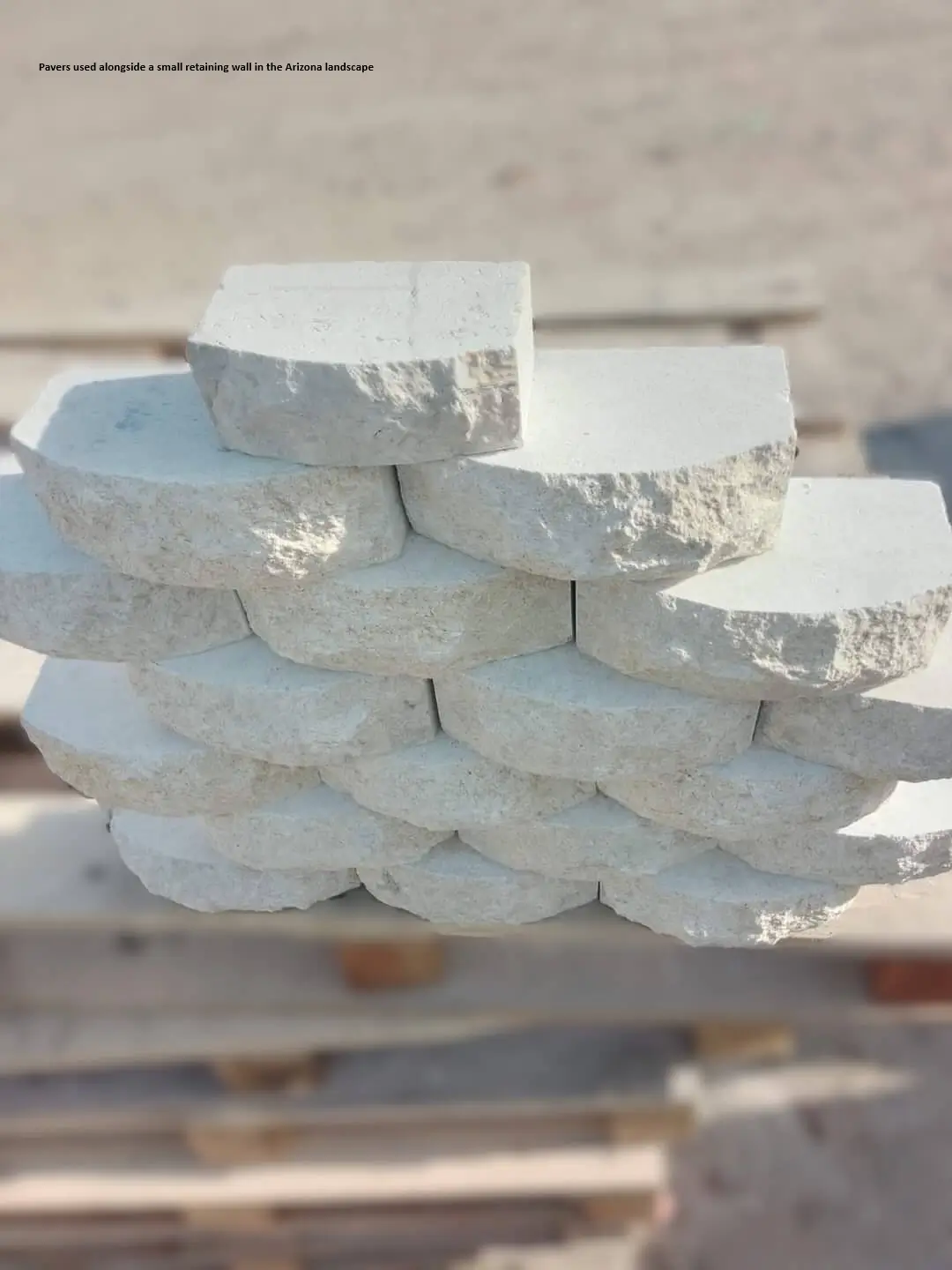
Tumbled cobblestone arrives with pre-worn edges and a softened surface profile. This finish is popular in Sedona-adjacent residential projects where the organic desert aesthetic is intentional, but the tumbling process adds a manufacturing step that raises the base material price by roughly 10–18% over a standard split-face unit. The trade-off is that tumbled edges are more forgiving during setting — irregular joint widths read as intentional rather than sloppy, which can reduce your skilled labor requirement slightly.
- Tumbled finish: pre-aged appearance, rounded edges, slightly higher material cost, lower skill threshold for installation
- Split-face finish: raw fractured surface, sharper geometry, lower material cost, demands more precise setting
- Sawn or honed cobblestone: premium material cost, cleanest aesthetic, requires highest installation precision
- Natural cleft: unpredictable surface variation, used in informal applications, labor-intensive to set evenly
For projects targeting a refined courtyard or driveway aesthetic, split-face cobblestone typically delivers the best value when comparing natural cobblestone pavers AZ homeowners choose for high-visibility applications. The surface texture provides functional grip in Arizona’s intense afternoon downpour events, and the lower unit cost offsets the slightly longer set time.
Thickness Grades and Load-Bearing Requirements
Thickness is the grade variable that most directly affects structural performance — and it’s where buyers most commonly make expensive mistakes by under-specifying. Standard residential cobblestone runs 2–2.5 inches nominal thickness, which handles foot traffic and light vehicle loads on properly prepared bases. Driveway and parking applications need 3–3.5 inch material to prevent fracture under repeated point loading from vehicle axles.
The cost difference between 2-inch and 3-inch material isn’t just in the unit price — it cascades into base prep depth and aggregate volume too. A 3-inch cobblestone installation requires a compacted aggregate base of at least 6–8 inches in Arizona’s sandy desert soils, compared to 4–6 inches for pedestrian-only applications. Your total installed cost for a driveway spec can run 20–30% higher than a patio spec using the same material family, so matching thickness grade to actual use case from the start prevents costly redesigns.
- 2-inch nominal: pedestrian walkways, patios, light-use courtyard applications
- 2.5-inch nominal: pool surrounds, covered patio areas, moderate traffic paths
- 3-inch and above: driveways, parking courts, commercial pedestrian plazas
- Mixing thickness grades in the same installation plane creates lippage problems that no amount of base adjustment fully corrects
Understanding the Material-to-Labor Cost Ratio in Arizona
Arizona’s hardscape labor market has tightened considerably over the past several years. Experienced natural stone setters who understand cobblestone surface grades available across Arizona — and know how to handle the variation that comes with natural material — command $65–$95 per hour depending on crew capability and project complexity. That changes the calculus on material grade selection in a meaningful way.
The traditional approach of choosing a lower-grade material to save on stone costs often backfires when the added installation complexity eats into your labor budget. Here’s the math most buyers don’t run in advance: if a lower-grade cobblestone saves you $2.50 per square foot on material but adds 12 minutes per square foot in setter time at $75/hour labor, you’ve spent more on the “budget” option. At Citadel Stone, we run through this analysis with clients regularly, because the visible cost on the material quote rarely tells the full story.
- Higher-grade dimensional cobblestone typically reduces setter time by 18–25% over utility-grade on the same pattern
- Herringbone and fan patterns amplify grade quality differences — irregular stones cause constant re-cutting
- Running bond and grid patterns are more forgiving of dimensional variation, partially offsetting lower-grade material
- Factor in a 5–8% material overage for breakage regardless of grade — Arizona’s delivery routes introduce vibration stress on palletized stone
Sourcing Decisions and Lead-Time Management
Lead time is a project cost that doesn’t appear on any quote but absolutely shows up in your budget. A 6-week material delay on a landscaping project in Arizona’s peak season (October through April) means your crew is either idle or resequencing work at overtime rates. Both outcomes cost money. Sourcing cobblestone pavers from domestic warehouse stock rather than import orders is one of the most effective ways to compress schedule risk.
Citadel Stone maintains warehouse inventory in Arizona, which typically reduces lead times to 1–2 weeks compared to the 6–8 week import cycle that affects most overseas-sourced cobblestone. That availability window matters especially for Flagstaff projects, where the build season compresses due to winter weather — missing a two-week delivery window can push an entire project into the following spring.
Verify warehouse stock levels before locking in your project start date, particularly for larger orders. Cobblestone in specialty grades or uncommon sizes can sell through quickly when multiple commercial projects are running simultaneously across the Phoenix metro. Confirming inventory before finalizing contracts eliminates the scenario where you’ve mobilized crew and base prep is complete, but material is still four weeks out.
Comparing Cobblestone Grades Across Arizona’s Climate Zones
Arizona isn’t a single climate — it spans desert floor elevations at roughly 1,100 feet in the Valley to mountain elevations above 7,000 feet in the White Mountains and Flagstaff area. That elevation range introduces performance variables that affect which cobblestone grade is appropriate for your specific site, even when the finish selection stays consistent. A thorough cobblestone paver grades comparison Arizona buyers conduct should account for climate zone as a primary filter, not an afterthought.
Low-desert installations in the Phoenix metro and Scottsdale deal with extreme thermal cycling — surface temperatures can swing 60°F between pre-dawn and mid-afternoon in summer. Dense, lower-porosity cobblestone grades with absorption rates below 3% perform best under that thermal stress because they minimize moisture intrusion during monsoon events and then rapid drying cycles. Higher-porosity utility grades can develop surface spalling within 3–5 years in these conditions if not sealed aggressively.
- Low desert (below 2,500 ft): prioritize low-absorption grades, thermal stability under 60°F daily swings
- Mid-elevation (2,500–5,000 ft): moderate freeze-thaw risk, balance absorption and drainage capacity
- High elevation (above 5,000 ft): freeze-thaw cycles require ASTM C1354-compliant flexural strength, minimum 1,500 psi
- Sedona’s red rock aesthetic creates strong buyer preference for warm-toned cobblestone that complements the surrounding landscape
In Sedona, buyers frequently request cobblestone grades with higher iron oxide content to complement the red sandstone surroundings — a finish and grade decision that has both aesthetic and regional sourcing implications, since matching tones from domestic quarries reduces custom order lead times substantially.
Value Engineering Without Sacrificing Performance
Value engineering on cobblestone projects gets misapplied more often than not. The instinct is to step down one grade tier to reduce unit cost, but the more effective approach is to optimize the specification holistically — keeping material grade where performance requires it while finding efficiencies elsewhere in the project scope. Better savings typically emerge from base prep sequencing, material staging logistics, and pattern selection rather than from compromising the stone grade itself.
An Arizona cobblestone paver quality comparison for buyers should start with load-bearing and climate-zone requirements to establish a minimum grade threshold, then use finish selection and sourcing strategy to manage cost within that floor. Downgrading below your structural threshold creates warranty exposure and early replacement costs that dwarf the original material savings. For more detail on finish selection and available product specifications, explore our Arizona cobblestone paver finish options to compare grades side by side before committing to a specification.
- Never compromise thickness grade for load-bearing applications — failure costs exceed savings by a factor of 5–8x over project life
- Pattern complexity drives labor cost more than material grade — simplify the pattern before stepping down the stone grade
- Phased installation scheduling around material lead times can reduce crew idle time without changing the specification
- Combining domestic warehouse stock for field material with a premium grade for border and accent features optimizes the budget-to-aesthetic ratio
Grade Selection Decisions for Arizona Cobblestone Projects
Running a thorough cobblestone paver grades comparison Arizona homeowners and contractors need starts not with finish aesthetics but with freight math, labor market realities, and site-specific performance requirements. The grade decision anchors everything downstream — your base prep depth, your setter skill requirement, your lead time management, and your long-term maintenance exposure. Getting that decision wrong in either direction, over-specifying for a light-use path or under-specifying for a vehicle-load application, creates costs that show up years after the project closes.
Your most reliable path to a well-executed cobblestone installation is building the specification from the ground up: confirm your load classification, match grade to climate zone, verify warehouse stock before mobilizing, and run the material-to-labor ratio before accepting any “budget” material substitution. Reviewing cobblestone surface grades available across Arizona early in the planning process also ensures you’re not narrowing your options after design decisions have already been locked. If your project includes other natural stone elements, the maintenance protocols for adjacent hardscape features also deserve attention — How to Maintain a Herringbone Brick Patio in Arizona covers the long-term care side of Arizona brick and stone installations that complements your grade selection decisions. Buyers in Phoenix, Chandler, and Peoria comparing cobblestone paver grades will find that Citadel Stone carries both tumbled and split-face finishes with thickness options suited to Arizona’s desert patio conditions.