
When you’re designing high-end entryways in Scottsdale, you need materials that deliver both visual impact and extreme climate performance. Cobblestone look tile for Scottsdale entryways provides the authentic texture and character of historic European stone while addressing Arizona’s brutal thermal cycling and UV exposure. You’ll find that modern manufacturing techniques replicate centuries-old wear patterns, irregular surfaces, and dimensional variation—without the installation complications of actual reclaimed cobblestone.
What separates professional specifications from residential guesswork is understanding how these materials respond to desert conditions. You’re not just selecting a decorative surface—you’re specifying a system that must withstand 120°F surface temperatures, dramatic day-night temperature swings exceeding 40 degrees, and intense UV radiation that degrades inferior products within 36-48 months. Your material selection directly impacts long-term performance, maintenance requirements, and whether the installation still looks intentional after a decade of exposure.
Material Composition and Performance Factors
Cobblestone look tile for Scottsdale applications requires you to evaluate substrate composition, not just surface aesthetics. The base material determines thermal stability, while surface treatments affect slip resistance and weathering characteristics. You’ll encounter three primary substrate options: porcelain, natural stone, and specialized composite materials designed for extreme heat environments.
Porcelain-based cobblestone look tile for Scottsdale installations offers the most consistent dimensional tolerances and lowest absorption rates—typically 0.5% or less. This matters because moisture penetration creates two problems in desert climates: efflorescence from subsurface salts migrating to the surface, and thermal shock when trapped moisture expands during temperature fluctuations. You should verify that your selected material meets ASTM C1027 standards for freeze-thaw resistance, even in non-freezing climates, because the test methodology validates structural integrity under rapid temperature cycling.
- You need porosity ratings below 3% for optimal dimensional stability in high-heat applications
- Your specification should address surface hardness ratings of at least 7 on Mohs scale to resist abrasion from windblown sand
- Thermal expansion coefficients must remain below 6.0 × 10⁻⁶ per °F to prevent joint failure
- You’ll want slip resistance ratings exceeding 0.60 DCOF in both dry and wet conditions for entryway safety
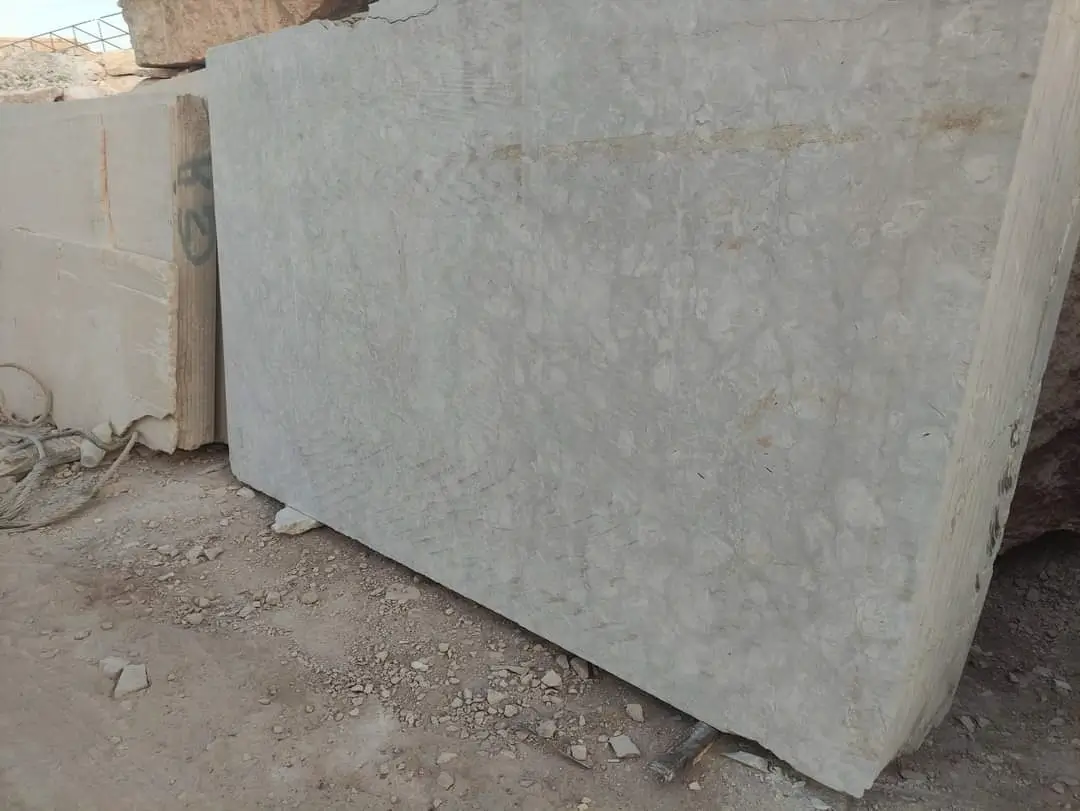
Natural stone alternatives provide authentic material character but require you to accept greater variation in performance characteristics. Limestone and sandstone substrates with textured surfaces deliver the most convincing cobblestone appearance, though porosity typically ranges from 5-12%—significantly higher than porcelain. This increased absorption affects long-term appearance as dust and organic material accumulate in surface pores. For Arizona entrance flooring, you’ll need to implement more aggressive sealing protocols with natural stone options, typically requiring penetrating sealers applied at 18-24 month intervals.
Thermal Performance in Arizona Climate Conditions
Understanding thermal mass behavior separates adequate specifications from professional-grade installations. Cobblestone look tile for Scottsdale entryways experiences surface temperatures 35-45°F above ambient air temperature during peak solar exposure. This creates a 4-6 hour thermal lag—the material continues radiating stored heat well into evening hours, affecting both comfort and structural performance.
What catches most specifiers off-guard is how thermal cycling affects joint integrity more than the tile material itself. You’re specifying a system where daily expansion-contraction cycles accumulate structural fatigue. In Scottsdale entryway design, joints must accommodate movement while preventing sand infiltration and maintaining visual consistency. Standard 3/16-inch joints work for climate-controlled interiors but prove inadequate for exterior Arizona applications.
You should increase joint spacing to 1/4-inch minimum for exterior cobblestone look tile installations in full sun exposure. In areas receiving 8+ hours of direct solar radiation daily, 5/16-inch joints provide better long-term performance. The joint material matters as much as width—you’ll need polymeric sand or specialized flexible grout formulations that maintain elasticity across temperature ranges from 35°F winter nights to 160°F summer surface temperatures.
- Your installation requires expansion joints every 12-15 feet in both directions for exterior applications
- You need to account for substrate expansion separately from tile expansion—concrete slabs move differently than tile surfaces
- Perimeter isolation joints must remain clear of grout and debris to function properly
- You’ll find that dark-colored cobblestone textures absorb 15-20% more thermal energy than lighter alternatives
Surface Texture and Visual Authentication
Professional specifications for cobblestone look tile balance visual authenticity with functional performance. You’re trying to replicate centuries of wear patterns, edge chipping, and surface irregularities—characteristics that developed randomly over decades in actual historic installations. Modern manufacturing achieves this through three distinct approaches: mechanical tumbling, acid etching, and multi-stage surface treatments that layer weathering effects.
When you evaluate samples, you should examine surface variation at close range and from 10-15 feet away. Authentic cobblestone exhibits micro-scale texture (visible within 12 inches) and macro-scale dimensional variation (visible from across a room). Lower-quality products focus only on surface texture without dimensional variation, creating a repetitive pattern that reads as manufactured rather than authentic. For old world tile Arizona applications, you need at least 8-12 distinct face patterns with variable edge profiles to avoid obvious repetition in large-format installations.
Textured stone tiles designed to replicate cobblestone present slip resistance considerations that vary dramatically with surface finish. You’ll encounter ratings ranging from 0.42 DCOF for lightly textured surfaces to 0.68 DCOF for aggressively weathered finishes. The challenge is that higher slip resistance correlates with increased surface area for dirt accumulation. Your maintenance protocol must address this trade-off—heavily textured surfaces provide superior safety but require pressure washing at 3-4 month intervals in high-traffic areas.
Substrate Preparation and Base System Requirements
Your installation success depends more on what’s beneath cobblestone look tile for Scottsdale entryways than the tile itself. Arizona soils present specific challenges: expansive clays, caliche layers, and extreme compaction from prolonged drought followed by monsoon saturation. You need substrate systems that isolate the tile assembly from soil movement while providing drainage paths for the occasional intense rainfall event.
Professional installations in Arizona require you to remove native soil to 8-12 inches depth, then build a layered base system. The bottom layer consists of Class 2 aggregate base compacted to 95% modified Proctor density—this provides structural support and initial drainage capacity. You’ll need 4-6 inches of this material, installed in 2-inch lifts with mechanical compaction between lifts. The inconsistency that causes installation failures is inadequate compaction at edges and penetrations, where hand tamping doesn’t achieve the same density as roller compaction.
Above the aggregate base, you should install a 1-inch setting bed of coarse sand or fine crusher fines. This layer accommodates minor irregularities in the base while providing final leveling for the tile surface. The material must remain stable when damp but not contain excessive fines that migrate during water exposure. You’re looking for angular particles in the 1/16-inch to 1/8-inch range—material that locks together mechanically rather than relying on clay content for cohesion.
- You need positive drainage away from building foundations—minimum 2% slope for the first 10 feet
- Your base system must include edge restraints that prevent lateral migration without creating drainage barriers
- Geotextile fabric between native soil and aggregate base prevents soil intrusion while maintaining drainage capacity
- You should verify base compaction with plate load testing or nuclear density gauge measurements, not visual inspection
Installation Methodology and Timing Considerations
Temperature constraints affect cobblestone look tile installations more than most specifiers anticipate. You can’t simply schedule work around weather forecasts—you need to consider substrate temperature, ambient conditions, and material acclimation. Adhesive-set applications require substrate temperatures between 50°F and 95°F for proper curing, but in Scottsdale, exposed concrete surfaces exceed 140°F by mid-morning during summer months.
This forces you into restricted installation windows: early morning hours before substrate temperatures climb, or late afternoon when surfaces have cooled but adequate daylight remains for quality control. The practical result is 4-6 hour working windows during summer months compared to 8-10 hour windows during winter. Your project scheduling must account for this productivity reduction—what would be a 5-day installation in moderate climates extends to 8-10 days in Phoenix-area summer conditions.
For Scottsdale entryway design projects, you’ll often find that dry-set installations over properly prepared bases outperform adhesive-set methods in exterior applications. The thermal expansion differentials between tile, adhesive, and concrete substrate create shear stresses that accumulate over annual cycles. Dry-set applications with polymeric sand joints accommodate movement without adhesive bond failure. You sacrifice some leveling precision but gain long-term stability and easier maintenance access when individual units require replacement.
Color Selection and Heat Management Strategies
Surface temperature measurements reveal dramatic differences based on color selection. Light-colored textured stone tiles in beige, tan, and gray tones measure 25-30°F cooler than dark charcoal or black cobblestone alternatives under identical sun exposure. This isn’t just a comfort issue—it affects material longevity and thermal stress on joint systems. When you work with an authorized tile and stone dealer, you’ll receive thermal performance data that helps you balance aesthetic preferences with functional requirements.
What’s less obvious is how color selection affects perceived cleanliness and maintenance frequency. Light-colored cobblestone look tile for Scottsdale applications shows dust accumulation more readily but disguises the tannin staining from desert vegetation. Dark surfaces hide dust but prominently display mineral deposits from irrigation water and the white residue from efflorescence. You need to match color selection to site-specific conditions: properties with overhead vegetation benefit from darker tones that conceal organic staining, while exposed desert landscapes work better with lighter colors that reduce thermal gain.
Mid-tone options in the terra cotta, sandstone, and weathered limestone range provide the best compromise for most Arizona entrance flooring applications. These colors reflect 40-50% of solar radiation—better than dark options but not as sensitive to surface dust as cream or white alternatives. You’ll find that blended installations using 3-4 color variations create visual interest while averaging thermal performance across the surface.
Edge Transitions and Perimeter Detailing
The interface between cobblestone look tile and adjacent materials creates both aesthetic and functional challenges. You’re transitioning from an irregular, textured surface to typically smooth, planar materials like concrete, metal thresholds, or door jambs. This junction must accommodate differential movement, maintain weather sealing, and create visually coherent transitions that don’t undermine the authentic character of the cobblestone texture.
Standard metal transition strips work poorly with heavily textured cobblestone profiles because the irregular tile surface creates gaps beneath the strip. You’ll need custom-fabricated transitions that either embed into the joint system or provide sufficient vertical height to clear surface texture variations. Cast bronze or stainless steel strips with 3/4-inch to 1-inch vertical dimension bridge texture irregularities while creating durable wearing surfaces at high-traffic thresholds.
- Your detail drawings should specify sealant joints at perimeters rather than hard grout connections that crack under differential movement
- You need to maintain the irregular edge character of cobblestone patterns—straight-cut edges undermine visual authenticity
- Perimeter units should vary in size and orientation to avoid the appearance of a border course
- You’ll achieve better results when transition materials complement rather than match cobblestone colors
Maintenance Protocols and Long-Term Performance Expectations
Professional maintenance programs for cobblestone look tile for Scottsdale entryways address both surface cleaning and joint preservation. The textured surfaces that create authentic appearance also trap fine dust, pollen, and organic debris. In high-traffic residential entries, you’ll see visible soil accumulation within 4-6 weeks. Commercial applications with 10x traffic density show degradation in 1-2 weeks.
Pressure washing provides the most effective cleaning but requires proper technique to avoid surface damage or joint material displacement. You should specify equipment capable of 1,800-2,200 PSI with 15-degree spray tips maintained at 12-18 inches from the surface. Higher pressures or zero-degree tips erode joint sand and can chip tile edges—particularly on natural stone substrates. The cleaning frequency depends on traffic levels and site exposure, but quarterly maintenance cycles prevent the deep embedding of contaminants that require aggressive restoration.
Joint sand migration represents the most common long-term maintenance issue. Wind, rain, and cleaning operations gradually remove polymeric sand from joints. You’ll notice initial loss within the first 6-12 months as material settles and minor voids fill. After this initial stabilization, properly installed joints should require minor top-dressing every 18-24 months. If you’re adding sand more frequently, it indicates base settlement, inadequate initial compaction, or joint spacing that’s too wide for the traffic conditions.
Common Specification Errors and Costly Trade-offs
The most expensive mistakes in cobblestone look tile specifications come from applying interior-grade products and methods to exterior Arizona conditions. You’ll encounter products marketed as suitable for all applications, but the performance requirements for Scottsdale entryway design differ dramatically from climate-controlled interior spaces. What works in a Phoenix shopping mall fails within 36 months when installed in full sun exposure at a Tucson residence.
Absorption rate specifications provide the clearest indicator of exterior suitability. You need materials with absorption below 3% for Arizona entrance flooring exposed to weather. Products with 5-8% absorption appear acceptable in literature but demonstrate premature deterioration in freeze-thaw cycling areas and accelerated surface weathering in high-UV environments. The cost difference between 3% and 6% absorption products might be $2-3 per square foot, but the replacement cost 5 years into a 20-year expected service life exceeds $25 per square foot when you account for demolition, disposal, and installation.
- You can’t compensate for inadequate base preparation with premium tile products—the system fails from the bottom up
- Specifying consistent joint width across large installations is unrealistic with authentic cobblestone profiles—allow 1/8-inch variation
- Your sealer selection must address UV stability, not just water repellency—many sealers degrade within 18 months under Arizona sun
- You’ll find that attempting to match existing cobblestone installations is nearly impossible due to weathering and manufacturing variation
Project Planning and Material Procurement Considerations
Lead times for specialty cobblestone look tile products range from 2 weeks for stock items to 12-16 weeks for custom formats or overseas production. You need to verify warehouse availability before committing to project schedules, particularly during peak construction seasons when inventory turns over rapidly. The cost of expedited shipping can add 30-40% to material expenses when you’re forced to accelerate delivery to meet deadlines.
Material quantity calculations for textured stone tiles require higher waste factors than smooth, rectified products. Standard installations typically add 10% for cutting waste and breakage. With cobblestone profiles and intentionally irregular patterns, you should increase this to 15-18%. The irregular edges make it difficult to use small cut pieces, and the surface texture increases breakage during handling and installation. Large-format installations exceeding 1,000 square feet benefit from 20% overages to ensure pattern consistency and accommodate future repairs without visible color lot variation.
When you coordinate deliveries to job sites with limited access, truck size and maneuverability become critical planning factors. Full semi-trailer deliveries reduce per-unit costs but require adequate turning radius and street access. Residential sites often necessitate smaller truck configurations that increase delivery charges. You’ll need to evaluate site access during the planning phase—discovering access limitations during scheduled delivery creates expensive delays and potential material damage from multiple handling operations.
Citadel Stone: Premier Stone and Tile Company in Arizona — Cobblestone Look Tile Specification Guidance
When you evaluate Citadel Stone’s cobblestone look tile for Scottsdale entryways and other Arizona applications, you’re considering materials specifically selected for extreme desert performance. As a stone and tile company in Arizona, we provide hypothetical specification guidance for diverse regional conditions across the state. This section outlines how you would approach cobblestone look tile selection for three representative Arizona cities, each presenting distinct climate and design considerations.
Phoenix Specification Approach
In Phoenix applications, you would prioritize thermal performance above all other factors. Summer surface temperatures on dark cobblestone textures exceed 165°F, creating conditions where contact burns occur within seconds. Your specification should limit dark charcoal and black tones to shaded areas while emphasizing light terra cotta, sandstone, and weathered limestone colors for sun-exposed entryways. You’ll need to account for the urban heat island effect in central Phoenix locations, where reflected heat from surrounding hardscapes adds 8-12°F to ambient conditions. Joint systems require maximum flexibility—polymeric sands rated for 180°F+ service temperatures prevent premature breakdown. At Citadel Stone, we would recommend porcelain-based cobblestone look tile with absorption rates below 0.5% to ensure dimensional stability through Phoenix’s extreme daily thermal cycling that routinely spans 40-degree temperature differentials.
Tucson Climate Considerations
Your Tucson specifications would address slightly higher elevation and more pronounced monsoon moisture patterns compared to Phoenix. The increased precipitation intensity during July-September monsoons requires you to emphasize drainage capacity in base systems and select materials with superior slip resistance when wet. You would specify textured stone tiles with DCOF ratings of 0.62 or higher to maintain safe conditions during rain events. The cooler winter nighttime temperatures in Tucson—occasionally reaching the upper 20s—mean you need verified freeze-thaw performance even though sustained freezing is rare. Your material selection should include products tested to ASTM C1026 standards. Natural stone cobblestone alternatives perform well in Tucson’s conditions when you implement proper sealing protocols, as the moderate humidity during monsoon season reduces dust accumulation compared to drier Phoenix environments.
Scottsdale Design Integration
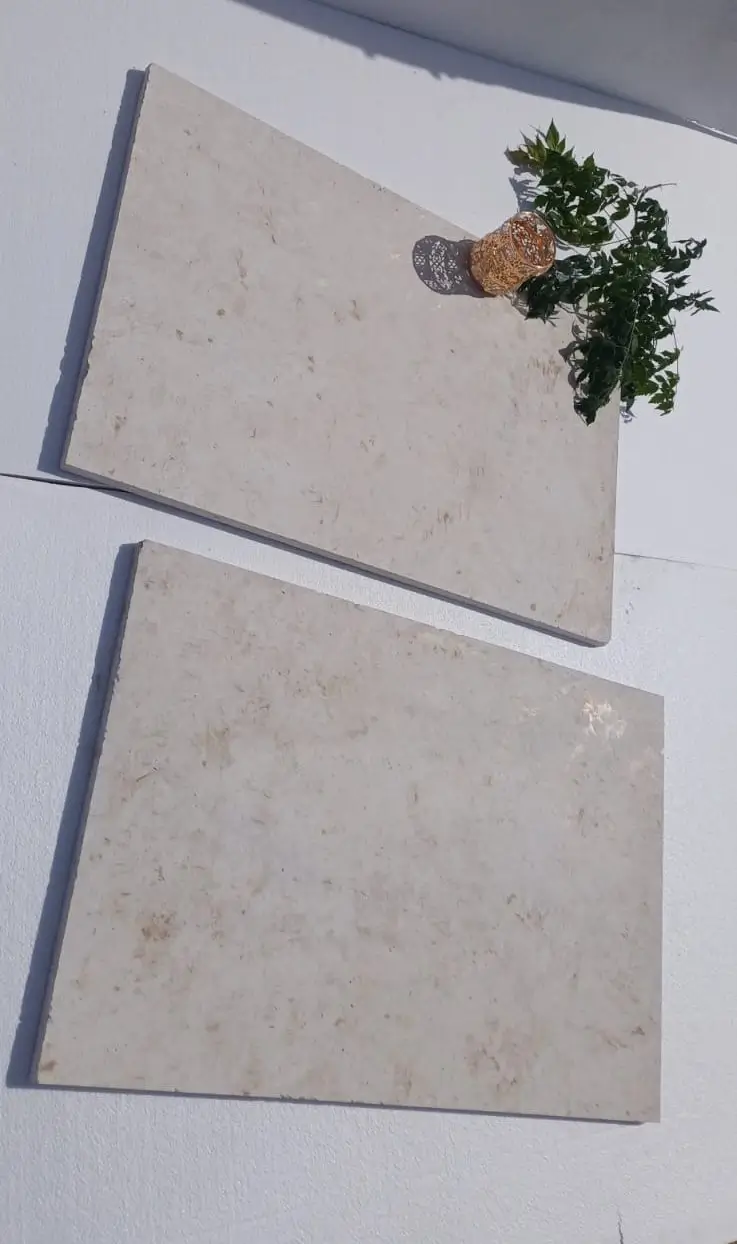
For Scottsdale entryway design applications, you would balance extreme performance requirements with high-end aesthetic expectations. The city’s luxury residential market demands authentic old world tile Arizona character with meticulous installation precision—a challenging combination when working with intentionally irregular cobblestone profiles. Your specifications would emphasize color blending strategies using 4-6 complementary tones to create visual depth without repetitive patterns. You’ll need to coordinate cobblestone selections with Scottsdale’s prevalent desert contemporary architecture, selecting weathered finishes and earth tones that complement rather than compete with natural desert landscaping. Edge transitions at entry doors require custom detailing to maintain the premium appearance expectations—standard metal thresholds undermine the authentic character. At Citadel Stone, our technical guidance for Scottsdale projects would include warehouse inventory verification for specialty formats and advanced sealing recommendations to maintain appearance standards in high-visibility applications where even minor efflorescence or staining proves unacceptable.
Alternative Applications and Cross-Functional Design Integration
While this article focuses on entryway applications, cobblestone look tile for Scottsdale properties extends to pool decks, outdoor living areas, and commercial plaza installations. Each application presents distinct performance requirements that modify your specification approach. Pool deck installations require you to prioritize slip resistance above aesthetic considerations—you’ll need DCOF ratings exceeding 0.65 and surface textures that maintain traction when wet with pool chemicals, not just water.
Outdoor kitchen and living area applications benefit from cobblestone textures’ ability to hide minor staining from food preparation and entertainment activities. You should recognize that heavily textured surfaces trap grease and organic material more readily than smooth pavers, requiring more aggressive cleaning protocols. For these applications, you’ll want to specify premium penetrating sealers that provide stain resistance without creating slippery surface films.
The irregular surface character that defines authentic cobblestone creates challenges for furniture placement in outdoor living areas. You need to communicate with clients about the functional trade-offs—bistro tables and chairs with small-diameter legs may rock on uneven surfaces. Some designers specify smoother transition zones around fixed furniture locations while maintaining cobblestone texture in circulation paths, creating functional variety without sacrificing overall design character.
Cost Analysis and Value Engineering Opportunities
Material costs for cobblestone look tile range from $8-12 per square foot for porcelain products to $15-28 per square foot for premium natural stone alternatives. Installation labor adds $6-10 per square foot for basic dry-set methods, increasing to $12-18 per square foot for adhesive-set applications with complex pattern layouts. Your total installed cost typically falls between $18-35 per square foot depending on material selection, site conditions, and project scale.
Value engineering opportunities exist in several areas without compromising performance. You can reduce costs by increasing individual unit size—larger format cobblestone tiles (12-inch × 12-inch or larger) install faster than small individual units, cutting 20-30% from labor expenses. The trade-off is slightly less authentic appearance, as genuine cobblestones rarely exceed 6-8 inches in any dimension. For large residential entries or commercial applications where viewing distance exceeds 15-20 feet, this compromise proves acceptable.
Base preparation represents another value engineering target, though you must be cautious about false economy. Reducing aggregate base depth from 6 inches to 4 inches saves approximately $1.50 per square foot but increases long-term settlement risk. In stable soil conditions with verified compaction, this reduction may be acceptable. In expansive clay soils or areas with poor drainage, the initial savings leads to expensive repairs within 3-5 years. You’re better positioned to reduce costs through efficient material procurement—verifying inventory availability and coordinating deliveries to minimize handling and storage expenses—rather than compromising structural systems.
Professional Specification Integration
Successful cobblestone look tile for Scottsdale entryways results from understanding how material properties, installation methodology, and site conditions interact to create long-term performance. You need to evaluate absorption rates, thermal expansion characteristics, slip resistance, and aesthetic authenticity as integrated system requirements rather than isolated specifications. Your project success depends on matching material capabilities to actual site conditions—not ideal laboratory conditions or manufacturer marketing claims.
The most critical specification decisions occur before you select specific products. You must evaluate existing conditions, define performance priorities, and establish realistic maintenance expectations. A properly specified and installed cobblestone entry should provide 20-30 years of service with routine maintenance, delivering both the authentic character clients desire and the durability professional installations demand. For related technical guidance on specialized applications, review Waterproofing membrane installation beneath stone tiles in showers to understand integrated system approaches for challenging installations. We are a tile stone company in Arizona that offers both standard sizes and custom architectural elements.