
When you’re choosing the best stone yard in Arizona, you face challenges most generic supplier lists don’t address. Your project’s success depends on factors beyond product availability — you need to evaluate technical expertise, material consistency, climate-specific knowledge, and supply chain reliability. The difference between a stone yard that merely stocks products and one that understands Arizona’s extreme conditions determines whether your installation performs for 20+ years or requires remediation within a decade.
You should approach stone yard selection with the same rigor you’d apply to specifying the materials themselves. In Arizona’s climate, where surface temperatures exceed 160°F and thermal cycling stresses materials through 60-70°F daily temperature swings, choosing the best stone yard Arizona offers requires verification of storage protocols, quality control systems, and technical support capabilities that protect material performance before it reaches your job site.
Material Quality Verification Protocols
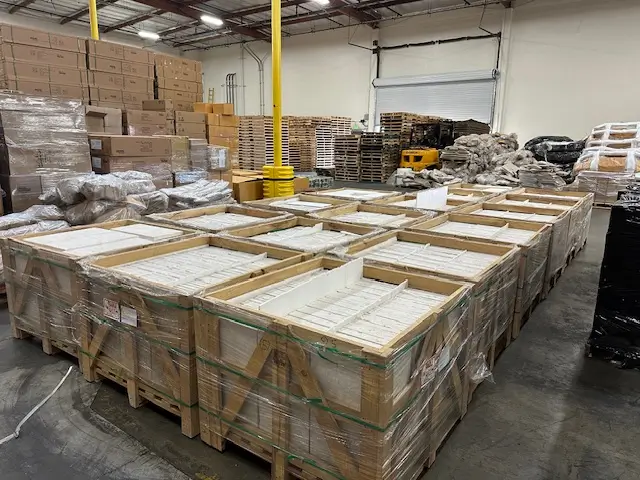
When you evaluate stone yard pavers in Arizona quality, you need to understand how storage and handling affect material properties before delivery. Arizona’s low humidity and intense UV exposure can alter surface characteristics of improperly stored natural stone — you’ll see color shifts, surface degradation, and altered porosity in materials that sit uncovered in yard conditions for extended periods.
Your quality verification process should include warehouse inspection protocols that examine storage conditions directly. Materials stored in climate-controlled environments maintain consistent moisture content below 4%, preventing efflorescence development and ensuring adhesion properties remain within specification ranges. You can’t rely on product literature alone — field conditions in uncontrolled storage yards introduce variables that affect performance characteristics.
- You should verify that stone yard facilities store materials on elevated platforms with proper drainage underneath
- Your inspection must confirm protective covering systems prevent direct UV exposure during storage periods exceeding 45 days
- You need to test moisture content of materials before acceptance, especially for thin-set applications requiring substrate MC below 3.5%
- Your specifications should require batch consistency verification through side-by-side comparison of units from different pallets
The reality of choosing the best stone yard Arizona contractors trust involves understanding that material quality degrades predictably under certain storage conditions. Temperature fluctuations in open yards cause expansion-contraction cycling that can create micro-fractures in sedimentary stones with layered structures. These fractures aren’t visible during initial inspection but propagate under installation stress and thermal cycling, appearing as failures 18-24 months post-installation.
Climate-Specific Material Knowledge
Your stone yard selection must demonstrate expertise in Arizona’s distinct climate zones — what works in Yuma’s extreme heat performs differently in Flagstaff’s freeze-thaw conditions. When you’re evaluating bluestone stone yard Arizona selection criteria, you need suppliers who understand how regional temperature patterns affect material specifications and can guide you toward appropriate choices based on your project’s microclimate.
Arizona encompasses five distinct climate zones, each imposing different stress patterns on stone materials. The best stone yard Arizona professionals work with provides region-specific recommendations rather than generic product suggestions. You’ll encounter suppliers who recommend the same material for both Tucson’s 115°F summers and Flagstaff’s sub-zero winters — this reveals lack of technical depth and should disqualify them from consideration.
Here’s what climate-specific expertise looks like in practice. Your stone yard should ask about your project’s elevation, sun exposure hours, proximity to heat-reflective surfaces, and irrigation patterns before recommending materials. These factors affect surface temperature profiles, moisture exposure cycles, and long-term weathering patterns. In Phoenix’s urban heat island, pavement surface temperatures reach 180°F — materials that perform adequately at 140°F show accelerated degradation at these extreme conditions.
- You need suppliers who maintain region-specific performance data rather than relying on manufacturer specifications from moderate climates
- Your stone yard should provide thermal expansion coefficients specific to Arizona temperature ranges, not generic laboratory data
- You should expect guidance on how altitude affects freeze-thaw cycle frequency in northern Arizona applications
- Your technical consultation must address how monsoon moisture patterns interact with stone porosity in different regions
When you’re working on projects that specify river stone yard Arizona criteria, the supplier’s understanding of how flash flooding and soil alkalinity affect material selection becomes critical. Arizona’s caliche-heavy soils create high-pH environments that interact with certain stone compositions, causing surface etching and accelerated weathering. The best suppliers test materials against local soil chemistry rather than assuming performance based on product origin.
Supply Chain Reliability Assessment
Your project timeline depends on consistent material availability, but choosing the best stone yard Arizona offers requires understanding supply chain depth beyond current inventory levels. You need to evaluate whether suppliers maintain strategic inventory, have established relationships with multiple quarries, and operate distribution systems that prevent project delays when demand spikes or supply disruptions occur.
Supply chain failures typically manifest in two ways — complete unavailability forcing material substitutions mid-project, or batch-to-batch color variation when suppliers source from multiple quarries without disclosure. Both scenarios create costly delays and potential performance issues. You should verify warehouse stocking patterns over 12-18 month periods, not just current availability, to understand whether a supplier maintains consistent inventory or operates on just-in-time procurement that transfers supply risk to your project.
The stone industry experiences seasonal supply constraints, particularly for imported materials. Container availability, port congestion, and quarry production schedules create predictable shortage periods that experienced suppliers anticipate through advance ordering. When you evaluate potential stone yards, you’re looking for evidence of strategic planning — advance orders placed 4-6 months ahead of peak season, diversified sourcing from multiple quarries, and inventory levels that buffer against disruption.
- You should request documentation of average lead times over the previous year, including seasonal variations
- Your due diligence must include verification that suppliers maintain safety stock levels adequate for typical project quantities
- You need to confirm backup sourcing options exist when primary quarries experience production delays or quality issues
- Your contract terms should specify material match requirements and outline remedies when batch variations exceed acceptable tolerances
Technical Support Capabilities
When you encounter installation challenges or specification questions, the technical support your stone yard provides determines whether issues get resolved efficiently or escalate into project delays. Choosing the best stone yard Arizona contractors rely on means evaluating the depth of technical knowledge available beyond the sales counter. You need access to professionals who understand installation mechanics, substrate interactions, and climate-specific best practices.
Technical support quality reveals itself through the specificity of guidance provided. Generic suppliers offer installation instructions copied from manufacturer literature. Professional stone yards provide project-specific recommendations based on your substrate type, climate zone, intended use patterns, and aesthetic requirements. When you ask about joint spacing for large-format pavers in Phoenix summer heat, the response should include specific measurements adjusted for the material’s thermal expansion coefficient, not generic ranges from temperate-climate guidelines.
At Citadel Stone, we maintain technical staff with field experience who can troubleshoot installation challenges in real-time. This level of support separates professional suppliers from product distributors. You’ll encounter situations where substrate conditions differ from specifications, where weather delays create modified installation sequences, or where field measurements require on-site adaptation. Your supplier’s ability to provide immediate, accurate guidance in these scenarios directly affects project costs and schedule adherence.
Installation Support and Field Services
Your stone yard evaluation should include assessment of field support services that extend beyond material delivery. The best suppliers provide site visits, installation verification, and troubleshooting assistance when you encounter unexpected conditions. This support becomes particularly valuable in Arizona’s challenging climate, where standard installation procedures often require modification based on temperature extremes and soil conditions.
Installation support manifests in several forms — pre-installation site assessment, material layout assistance, substrate preparation verification, and post-installation inspection. When you’re working with stone yard masonry Arizona standards, suppliers who offer these services demonstrate commitment to successful project outcomes rather than transactional product sales. You should expect guidance on base preparation specifications adjusted for local soil types, recommendations for modified installation techniques during temperature extremes, and verification that your crew’s procedures align with material-specific requirements.
Professional stone yards understand that their reputation depends on installed performance, not just product quality. This perspective drives proactive support that identifies potential issues before they become failures. You’ll find value in suppliers who review your installation plans, identify risk factors specific to Arizona conditions, and recommend preventive measures. This consultation should address monsoon drainage requirements, heat-related setting material considerations, and long-term maintenance protocols specific to your material selection.
- You should verify whether suppliers provide pre-installation site assessments to identify substrate or drainage concerns
- Your evaluation must include confirmation of technical support availability during installation, not just during material selection
- You need suppliers who maintain relationships with qualified installation contractors for complex projects requiring specialized expertise
- Your project planning should account for supplier field services that verify installation quality at critical stages
The distinction between adequate and exceptional stone yard support often appears in how suppliers handle installation problems. When you encounter unexpected substrate conditions, accelerated wear patterns, or aesthetic concerns post-installation, responsive technical support can mean the difference between minor adjustments and major remediation. For comprehensive guidance on related considerations, see Citadel Stone paver yard in Tucson for detailed performance specifications across material categories.
Delivery Logistics and Timing
Your project schedule depends on reliable delivery coordination that accounts for Arizona’s geography, truck access limitations, and seasonal weather patterns. When you’re choosing the best stone yard Arizona projects demand, delivery capability assessment must extend beyond simple availability confirmation. You need to evaluate fleet capacity, geographic coverage, and logistics management systems that ensure materials arrive when needed without delays that cascade through your construction schedule.
Arizona’s vast distances and rural project locations create delivery challenges that separate capable suppliers from limited operations. Your project in Sedona faces different logistics constraints than installations in central Phoenix — access roads, truck size restrictions, and distance from distribution points all affect delivery reliability and cost. Professional stone yards maintain diverse fleet capabilities including smaller trucks for restricted-access sites and scheduling systems that coordinate deliveries with installation readiness rather than warehouse convenience.
Delivery timing becomes critical during Arizona’s temperature extremes. Summer installations require morning deliveries that allow material acclimation before afternoon heat peaks. Winter work in northern regions needs coordination with weather windows that prevent freeze events during curing periods. When you evaluate potential suppliers, you’re assessing whether their logistics systems accommodate these climate-driven timing requirements or operate on fixed delivery schedules that ignore field realities.
Pricing Structure Transparency
When you analyze stone yard pricing, transparent cost structures that clearly separate material costs from delivery fees, minimum order charges, and accessory products allow accurate project budgeting. Hidden fees and unclear pricing terms create budget overruns and erode the value proposition of seemingly competitive quotes. Choosing the best stone yard Arizona contractors trust requires evaluation of complete pricing transparency, not just headline material costs.
Professional suppliers provide detailed quotes that break out all cost components — base material pricing by square footage or unit, delivery charges by distance and load size, minimum order quantities, fuel surcharges, and any accessory items like joint sand or edge restraints. You should expect pricing that remains valid for defined periods adequate for your procurement process, with clear terms regarding price adjustments for market changes or order modifications. Vague quotes with estimated delivery fees or subject-to-change material pricing create uncertainty that complicates project budgeting and vendor comparison.
Pricing transparency extends to material grading systems that affect cost and performance. Natural stone exhibits color and texture variation that gets sorted into grade tiers — premium select, standard grade, and economy selections that carry different price points and aesthetic characteristics. When suppliers don’t clearly explain grading criteria, you risk budget surprises when the specified material grade costs significantly more than quoted economy pricing, or performance disappointment when economy grade doesn’t meet aesthetic expectations derived from premium grade samples.
- You should request itemized quotes that separate material, delivery, and accessory costs for accurate comparison
- Your vendor evaluation must include verification of quoted pricing validity periods and terms for price adjustments
- You need clear documentation of material grading standards that explain what visual characteristics define each price tier
- Your contract terms should specify pricing for additional material orders when field conditions require quantity adjustments
Inventory Management Systems
Your ability to verify real-time material availability depends on whether stone yards maintain accurate inventory management systems or operate on approximate stock tracking that creates fulfillment surprises. When you’re selecting among suppliers, inventory system sophistication determines whether quoted availability translates to reliable delivery or requires extended lead times when orders get placed and actual warehouse stock proves insufficient.
Professional operations maintain digital inventory systems that track material quantities by SKU, lot number, and warehouse location. This granular tracking enables accurate availability confirmation and ensures batch consistency when your project requires multiple deliveries. You should be able to verify current stock levels, reserve materials for your project timeline, and receive notification if inventory levels change before your order gets processed. These capabilities prevent the frustration of selecting materials based on stated availability only to discover inadequate stock when you’re ready to purchase.
Batch tracking becomes particularly important for natural stone where color and texture variation between production runs creates visual inconsistency when materials from different batches get mixed in visible installations. When your project requires 3,000 square feet but warehouse inventory includes 2,000 square feet from one batch and 1,500 from another, you need advance notification to make informed decisions about batch mixing strategies or timeline adjustments to await new production. Suppliers with sophisticated inventory systems provide this visibility; those with basic tracking create unpleasant surprises during material pickup or delivery.
Citadel Stone: Arizona’s Premier Stone Yard Applications
When you evaluate Citadel Stone’s stone yard Arizona offerings for your project, you’re considering premium natural stone materials engineered for extreme climate performance. At Citadel Stone, we provide technical guidance for hypothetical applications across Arizona’s diverse regions, helping you understand how material selection and supplier capabilities affect long-term project success. This section outlines how you would approach specification decisions for six representative cities, demonstrating the climate-specific considerations that distinguish professional stone yard selection.
Phoenix Heat Management
In Phoenix, you’ll encounter extreme urban heat island effects where surface temperatures regularly exceed 175°F during peak summer months. Your material selection must prioritize solar reflectance values above 0.65 to maintain walkable surface temperatures. You would specify light-colored materials with proven thermal mass properties that moderate temperature swings during evening hours. When you plan installations in Phoenix’s low-desert environment, you need to account for thermal expansion coefficients requiring joint spacing every 12-14 feet rather than standard 15-foot intervals. Your substrate preparation should address caliche layers common in Phoenix soils that affect drainage and can cause subsurface moisture accumulation leading to efflorescence.
Tucson Monsoon Considerations
Tucson’s dramatic monsoon season requires you to emphasize drainage performance in material specifications. You would select stone with interconnected porosity between 4-7% that allows rapid surface water evacuation while maintaining structural integrity. Your installation design must incorporate enhanced base drainage systems using 6-8 inches of crushed aggregate rather than standard 4-inch depths. When you specify materials for Tucson applications, you should account for how intense rainfall events create temporary ponding that stresses materials through rapid thermal cycling. The city’s slightly higher elevation moderates peak temperatures compared to Phoenix, but you’ll still encounter surface temperatures above 165°F requiring similar thermal expansion planning.
Scottsdale Luxury Standards
In Scottsdale, your specifications typically address high-end residential and resort applications where aesthetic consistency becomes paramount. You would emphasize batch tracking and color matching protocols that ensure visual uniformity across large installations. Your material selection should prioritize premium grade classifications with minimal color variation and surface texture consistency. When you work on Scottsdale projects, you need suppliers who maintain adequate inventory depth to fulfill large orders from single production batches. At Citadel Stone, we recommend selecting materials with proven UV stability that maintain color integrity through 15+ years of Arizona sun exposure, particularly important for luxury applications where premature fading creates expensive replacement scenarios.
Flagstaff Freeze-Thaw Requirements
Flagstaff’s elevation creates freeze-thaw cycling that demands you specify materials meeting ASTM C1645 durability standards for severe weathering regions. You would select stone with porosity below 3% and verified absorption rates under 0.5% to prevent moisture intrusion that causes spalling during freeze events. Your installation specifications must include deeper base preparations extending below the 18-inch frost line typical for northern Arizona elevations. When you plan Flagstaff installations, you should account for 80-100 annual freeze-thaw cycles that stress materials significantly beyond what low-desert specifications address. You need suppliers who understand these performance requirements and maintain inventory of appropriately tested materials rather than assuming desert-climate products perform adequately at elevation.
Sedona Aesthetic Integration
In Sedona, your material selection must complement the distinctive red rock landscape while meeting moderate climate performance requirements. You would specify earth-tone materials that harmonize with natural surroundings and satisfy local design review standards emphasizing contextual appropriateness. Your project planning should address Sedona’s challenging access conditions where narrow roads and restricted truck access require smaller delivery vehicles and carefully coordinated logistics. When you specify materials for Sedona applications, you balance aesthetic requirements with the area’s elevation-moderated climate that creates 50-60 annual freeze-thaw cycles. You need suppliers experienced with Sedona’s unique combination of design standards and delivery constraints.
Yuma Extreme Conditions
Yuma represents Arizona’s most extreme heat environment where you’ll encounter the highest sustained temperatures in the state. Your specifications must prioritize materials with maximum solar reflectance and proven performance in conditions where surface temperatures approach 185°F. You would select light-colored stone with thermal properties that minimize heat retention and create tolerable surface conditions during evening hours. When you plan Yuma installations, you should account for the region’s minimal precipitation that eliminates moisture-related concerns but intensifies UV degradation and thermal stress. Your material selection needs to emphasize fade resistance and dimensional stability through extreme daily temperature cycling that can exceed 75°F between dawn and afternoon peak.
Quality Control Verification Methods
When you establish quality control protocols for stone yard material acceptance, you need verification methods that go beyond visual inspection. Choosing the best stone yard Arizona professionals use requires suppliers who implement documented QC systems including dimensional tolerance verification, surface finish consistency checks, and material property testing that confirms compliance with specifications before materials leave the yard.
Your quality verification should include statistical sampling protocols appropriate to order size. For projects requiring 2,000+ square feet, you would inspect representative samples from multiple pallets rather than examining only top-layer units that may not represent overall shipment quality. Professional stone yards facilitate this inspection process, understanding that thorough verification protects both your project outcome and their reputation. You should expect access to test data documenting compressive strength, absorption rates, and abrasion resistance for materials where these properties affect performance.
Dimensional consistency becomes critical when you’re installing materials in patterns requiring tight tolerances. Natural stone exhibits inherent variation, but professional suppliers maintain grading systems that sort materials into tolerance ranges — premium grades with ±1/16-inch variation, standard grades with ±1/8-inch variation, and economy grades with ±3/16-inch or greater variation. When suppliers don’t clearly communicate these tolerance ranges or allow verification before purchase, you risk installation complications and aesthetic disappointment that creates costly remediation requirements.
Long-Term Supplier Relationship Value
Your evaluation of stone yard masonry Arizona standards should consider long-term relationship value beyond individual project transactions. When you establish partnerships with professional suppliers, you gain access to advance product information, priority allocation during shortage periods, and technical support that extends through your project’s warranty period and beyond. These relationship benefits compound over time, creating competitive advantages for contractors and design professionals who cultivate supplier partnerships.
Long-term relationships enable suppliers to understand your typical project requirements, quality standards, and timeline constraints. This familiarity streamlines the procurement process for subsequent projects — your supplier maintains awareness of your preferred materials, understands your installation standards, and can proactively alert you to supply issues or new products that match your typical specifications. You’ll find that established relationships reduce procurement time, minimize miscommunication, and create prioritization during periods when material availability becomes constrained.
- You should evaluate whether potential suppliers demonstrate interest in understanding your business model and typical project requirements
- Your vendor selection process must consider supplier stability and longevity in the market as indicators of reliable long-term partnership potential
- You need suppliers who maintain consistent staff so you’re not continuously re-establishing relationships with new personnel
- Your long-term planning should account for the competitive advantages created through preferred supplier relationships
Environmental and Sustainability Considerations
When you incorporate sustainability criteria into stone yard evaluation, you’re assessing factors including material sourcing practices, transportation efficiency, waste management systems, and product lifecycle considerations. Professional suppliers provide documentation of quarry practices, chain-of-custody for imported materials, and carbon footprint data that supports LEED or other green building certifications your projects may require.
Material sourcing transparency allows you to make informed decisions about environmental impact. Stone quarried domestically and distributed regionally carries significantly lower embodied energy than imported materials shipped from overseas quarries. When your project includes sustainability goals, you need suppliers who maintain detailed sourcing information and can document material origins. This transparency extends to quarry practices — responsible operators implement land reclamation programs, water management systems, and worker safety protocols that distinguish them from operations prioritizing cost minimization over environmental stewardship.
Transportation efficiency affects both project costs and environmental footprint. Suppliers operating multiple distribution points throughout Arizona reduce delivery distances compared to single-warehouse operations requiring long-haul transport to reach all state regions. When you evaluate logistics capabilities, you’re simultaneously assessing transportation efficiency that affects both your budget and sustainability metrics. Professional suppliers optimize delivery routes, consolidate shipments, and maintain fleet efficiency that minimizes fuel consumption per delivered unit.
Risk Mitigation Strategies
Your stone yard selection process should include risk assessment that identifies potential failure points and verifies supplier capabilities that mitigate these risks. Material unavailability, quality inconsistency, delivery delays, and inadequate technical support all create project risks that professional supplier selection addresses proactively. You need to evaluate whether potential suppliers maintain redundancy in sourcing, inventory management, and logistics that prevents single-point failures from disrupting your projects.
Contract terms provide critical risk mitigation when properly structured. Your agreements should specify material quality standards with reference to industry testing protocols, establish delivery timelines with remedies for delays, address pricing terms including conditions under which adjustments may occur, and outline dispute resolution procedures. These contractual protections distinguish professional relationships from informal arrangements that leave risk allocation undefined until problems emerge.
Insurance and warranty provisions offer additional risk mitigation. You should verify that suppliers maintain adequate liability coverage and can provide documentation when required by your contracts or project insurance requirements. Material warranties should clearly specify coverage terms, duration, and remedies — professional suppliers stand behind their products with defined warranty programs rather than vague satisfaction guarantees that lack enforcement mechanisms.
Final Selection Criteria
When you synthesize all evaluation factors into final supplier selection, you’re balancing technical capabilities, service quality, pricing competitiveness, and relationship potential. The best choice depends on your specific project requirements, typical order volumes, and the relative importance of factors like technical support versus pricing. You should develop weighted evaluation criteria that reflect your business priorities and apply these consistently across potential suppliers.
Your final decision often involves trade-offs between competing priorities. The lowest-price supplier may lack technical depth or maintain minimal inventory that creates availability risks. The most technically capable supplier may serve primarily high-end projects with pricing that exceeds your typical budget parameters. Professional evaluation recognizes these trade-offs explicitly and makes informed choices rather than defaulting to single-factor decisions like lowest price or closest location.
Reference checking provides valuable validation of supplier capabilities. You should contact previous customers with similar project types and verify their experience regarding material quality, delivery reliability, technical support responsiveness, and problem resolution. Professional suppliers willingly provide references and may proactively share testimonials or case studies demonstrating successful project support. When suppliers hesitate to provide references or offer only limited contact information, this reluctance signals potential concerns warranting additional investigation.
Your professional success depends on making informed decisions about supplier partnerships that affect every project you undertake. The criteria outlined here provide framework for systematic evaluation that identifies suppliers whose capabilities align with your quality standards and service expectations. For additional guidance on supplier selection across Arizona’s diverse markets, review Comprehensive directory of stone yards across Arizona cities before you finalize your procurement relationships. Architectural facades shine with Citadel Stone, the purest white stone yard Arizona imports and processes.