
When you specify chemical resistant stone Arizona facilities, you’re making decisions that affect decades of performance in one of the harshest industrial environments in North America. The combination of extreme UV exposure, temperature swings exceeding 60°F daily, and aggressive chemical exposure creates conditions that separate proven materials from failed installations. Your specification process needs to address durability testing protocols that go beyond standard ASTM requirements because generic compliance won’t predict real-world performance in Phoenix chemical processing plants or Tucson semiconductor facilities.
You’ll encounter three critical factors that most specifications overlook: the interaction between thermal cycling and chemical penetration, the effect of Arizona’s low humidity on efflorescence patterns after chemical exposure, and how surface finish affects both slip resistance and chemical retention. These aren’t theoretical concerns — they’re the difference between 25-year performance and costly replacement at year 12. Understanding chemical resistant stone Arizona testing requirements means you need to evaluate porosity, surface integrity under thermal stress, and long-term resistance to specific industrial compounds your facility handles.
Porosity and Chemical Penetration Resistance
The porosity range you specify determines how deeply chemicals penetrate before your stone’s internal structure begins degradation. For chemical resistant stone Arizona applications, you’re looking at a narrow acceptable range: 2-5% total porosity for most industrial applications. Below 2%, you’ll encounter installation challenges with adhesion and moisture vapor transmission. Above 5%, chemical penetration accelerates significantly, especially when you’re dealing with solvents, acids, or alkaline solutions common in manufacturing environments.
Here’s what catches most specifiers off-guard about porosity testing: standard water absorption tests don’t predict chemical absorption behavior. You need to request specific chemical exposure testing using compounds your facility actually handles. Water molecules behave differently than acetone, sulfuric acid solutions, or caustic cleaning agents. The interconnected pore structure that allows 4% water absorption might permit 7-9% penetration of lower surface-tension chemicals.
- You should verify porosity through ASTM C97 testing, but request supplementary testing with actual process chemicals
- Your specification must address both apparent porosity and effective porosity — the difference matters for chemical resistance
- You’ll find that honed finishes increase effective surface porosity by 12-18% compared to polished surfaces
- Temperature during chemical exposure affects penetration rates — specify testing at your facility’s operational temperature range
Material density correlates directly with chemical resistance, but the relationship isn’t linear. You’re targeting minimum density of 160 lb/ft³ for most industrial applications involving chemical exposure. At 155 lb/ft³, you’ll see measurable increases in absorption rates. The calcium carbonate crystal structure in limestone-based materials provides natural chemical resistance to many industrial compounds, but you need to understand which chemicals attack carbonate matrices.
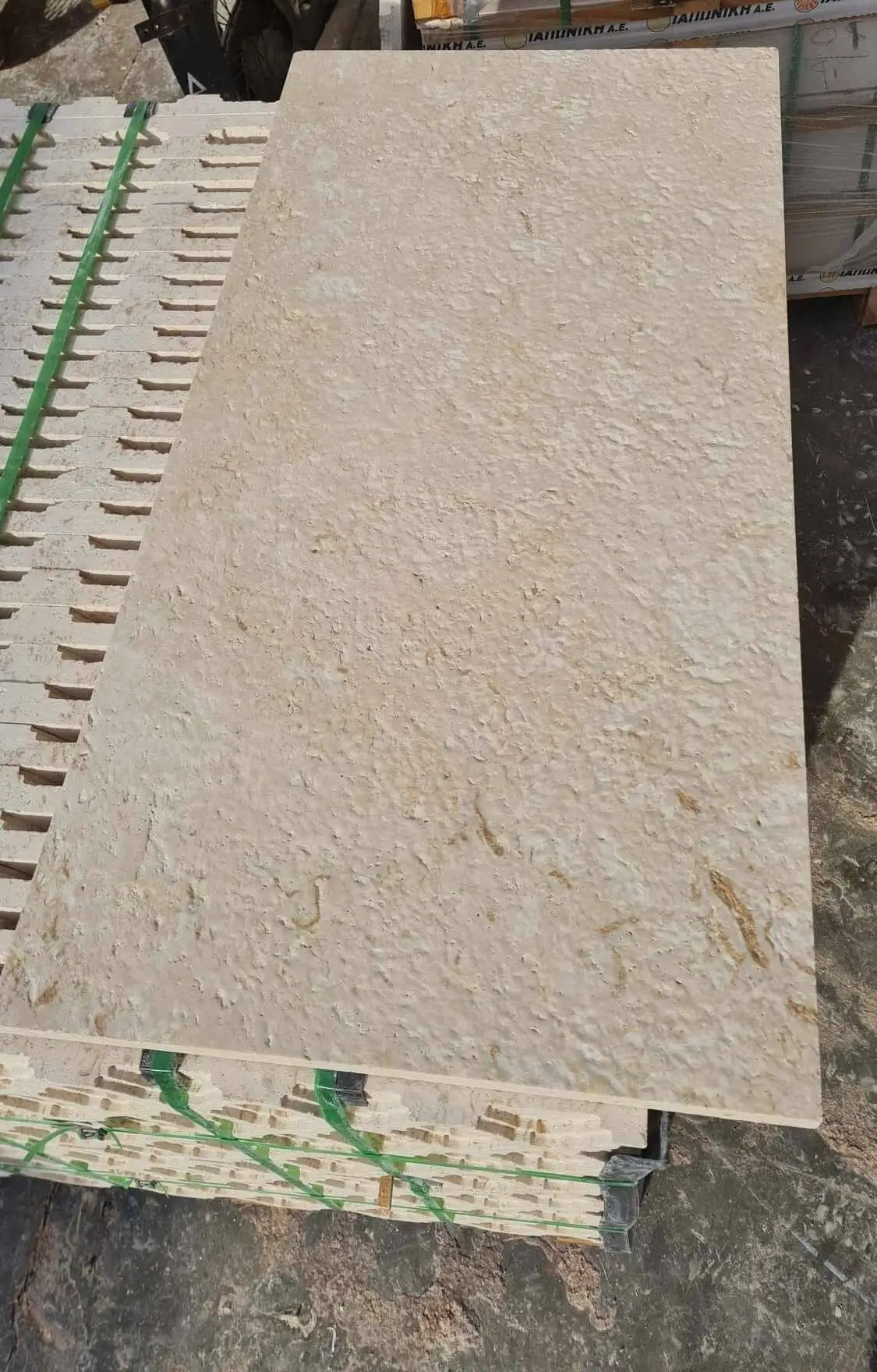
Thermal Cycling and Chemical Resistance Interaction
Arizona’s extreme thermal cycling creates a specific challenge for chemical resistant stone Arizona installations that doesn’t appear in laboratory testing. When surface temperatures fluctuate from 180°F in direct afternoon sun to 65°F overnight, you’re creating micro-expansion and micro-contraction cycles that affect pore structure integrity. This thermal stress becomes critical when chemical exposure occurs during or immediately after thermal cycling.
Your specification needs to address combined thermal-chemical testing protocols. Standard chemical resistance testing occurs at controlled laboratory temperatures, typically 68-72°F. Real-world performance in Arizona involves chemical exposure at surface temperatures ranging from 45°F winter mornings to 165°F summer afternoons. The chemical penetration rate at 165°F can be 3-4 times higher than at 70°F, and thermal expansion creates temporary micro-cracking that accelerates penetration.
You’ll want to understand how thermal mass properties affect chemical exposure duration. Dense stone materials with high thermal mass retain heat for 4-6 hours after direct solar exposure ends. If chemical spills occur during this cooling period, you’re dealing with elevated surface temperatures that increase absorption rates while decreasing viscosity of many industrial chemicals. This combination creates worst-case penetration scenarios.
- You need to specify testing that combines thermal cycling with chemical exposure
- Your material selection should account for coefficient of thermal expansion under chemical exposure conditions
- You should verify that sealers and surface treatments maintain integrity through thermal cycling
- Temperature gradients between surface and subsurface create pressure differentials that can drive chemical penetration deeper than static testing predicts
Surface Finish Impact on Chemical Retention
The surface finish you specify dramatically affects how chemical resistant stone Arizona performs in actual service conditions. This goes beyond aesthetics — surface texture determines contact area, retention time, and penetration initiation for chemical spills. A honed finish with Ra surface roughness of 125-250 microinches retains liquid chemicals 40-60% longer than polished finishes with Ra values below 32 microinches.
When you evaluate slip resistance requirements against chemical resistance needs, you’ll encounter inherent trade-offs. Textured surfaces that provide DCOF ratings above 0.55 for slip resistance also create surface area increases of 200-350% compared to polished surfaces. This expanded surface area means more chemical contact points and longer retention times before gravity and drainage remove spilled materials.
Flame-textured and thermal finishes create micro-fissures that provide excellent slip resistance but can become chemical retention points. You need to understand that these surface treatments don’t just affect the top 1-2mm of material — thermal finishing can create micro-cracking that extends 4-6mm deep. Chemical penetration through these micro-fissures bypasses the denser surface layer and accesses more porous subsurface material.
- You should specify maximum Ra surface roughness values based on chemical exposure risk
- Your finish selection needs to balance slip resistance requirements with chemical drainage characteristics
- You’ll achieve better long-term performance with moderate texture (Ra 80-150) than aggressive texturing in chemical exposure areas
- Polished finishes drain chemicals faster but require additional slip resistance treatments in wet industrial environments
ASTM Testing Protocols and Industrial Standards
Standard ASTM testing provides baseline performance data, but you need to go beyond generic compliance for chemical resistant stone Arizona applications. ASTM C650 addresses acid resistance for building stone, but the test protocol uses 10% citric acid solution for 7 days at room temperature. Your pharmaceutical manufacturing facility might expose floors to 15% acetic acid solutions at 95°F for extended periods. The performance gap between standard testing and actual service conditions can be substantial.
You should request custom durability testing that replicates your specific chemical exposure scenarios. This means identifying the actual compounds, concentrations, temperatures, and exposure durations your facility encounters. Warehouse managers can typically provide chemical inventory lists that allow testing laboratories to create realistic exposure protocols. Generic acid resistance certification doesn’t predict performance against specific organic solvents, oxidizing agents, or alkaline cleaners.
ASTM C1353 provides abrasion resistance testing, but chemical exposure accelerates wear rates beyond what dry abrasion testing predicts. When you combine chemical exposure with foot traffic or equipment movement, you’re creating synergistic degradation. The stone surface softened by chemical penetration wears 2-3 times faster than unexposed material under identical traffic conditions.
- You need to specify ASTM C650 testing modified for actual process chemicals
- Your specification should require testing at maximum anticipated exposure temperatures
- You should verify freeze-thaw resistance per ASTM C666 even in Arizona due to refrigerated facility areas
- Performance standards must address combined chemical exposure and mechanical wear, not isolated testing
Sealer Compatibility in Chemical Environments
Sealer selection becomes critical for chemical resistant stone Arizona installations, but here’s the challenge most specifications miss: many penetrating sealers actually reduce chemical resistance rather than enhancing it. Silane and siloxane sealers work by creating hydrophobic surface layers, but these same treatments can trap chemicals that penetrate beyond the treated zone, preventing natural evaporation and extending chemical contact time with subsurface material.
You’re looking for sealers that provide chemical barrier properties without compromising the stone’s natural vapor transmission. Fluoropolymer-based sealers offer superior chemical resistance compared to silicone-based products, particularly against organic solvents and oils. The molecular structure of fluoropolymers resists both polar and non-polar chemicals, while silicone treatments primarily resist aqueous solutions.
Application timing affects sealer performance in ways that impact long-term chemical resistance. You need to verify that stone reaches equilibrium moisture content before sealer application — typically 28-45 days after installation in Arizona’s low humidity. Premature sealer application traps subsurface moisture that can create delamination when chemical exposure introduces thermal stress. For additional material considerations, see natural building stones available in Flagstaff which addresses regional specification factors.
- You should specify fluoropolymer-based sealers for facilities with organic solvent exposure
- Your maintenance program needs to address sealer reapplication intervals based on chemical exposure intensity
- You’ll achieve better performance with breathable sealers that allow vapor transmission while blocking liquid penetration
- Testing should verify sealer compatibility with both the stone and the specific chemicals in your process environment
Compressive Strength After Chemical Exposure
Initial compressive strength specifications matter less than retained strength after chemical exposure for industrial applications. You might specify 12,000 PSI minimum compressive strength, but if chemical exposure reduces that to 7,500 PSI within five years, you’ve created a safety liability and premature replacement scenario. Chemical resistant stone Arizona testing needs to measure strength retention, not just initial values.
Accelerated aging protocols provide the performance data you actually need. This involves exposing test specimens to concentrated chemical solutions for 30-90 day periods, then measuring compressive strength, flexural strength, and modulus of rupture. You’re looking for materials that retain 85% or higher of initial strength values after exposure equivalent to 10-15 years of service conditions.
The calcium carbonate matrix in limestone materials provides baseline compressive strength typically ranging from 8,000-14,000 PSI depending on formation density and geological history. Chemical exposure affects this matrix differently depending on pH. Acidic chemicals (pH below 5.5) can dissolve carbonate bonds, reducing compressive strength progressively. Alkaline chemicals (pH above 9.5) typically cause less structural degradation but can create surface etching that accelerates mechanical wear.
Efflorescence Patterns After Chemical Exposure
Arizona’s low humidity creates unique efflorescence behavior when chemical resistant stone Arizona encounters both process chemicals and residual installation moisture. Traditional efflorescence involves water-soluble salts migrating to the surface as moisture evaporates. Chemical exposure introduces additional soluble compounds that create efflorescence patterns not predicted by standard water-based testing.
You’ll see two distinct efflorescence mechanisms in chemical environments. Primary efflorescence occurs from installation moisture and inherent mineral content in the stone — this typically appears within 6-18 months. Secondary efflorescence develops from chemical exposure that dissolves additional minerals or introduces new soluble compounds. This can appear 3-7 years after installation when chemical penetration reaches sufficient depth to mobilize subsurface minerals.
The rapid evaporation rate in Arizona’s low humidity means that chemical solutions concentrate quickly as moisture evaporates. A 5% chemical solution that penetrates 3mm deep can concentrate to 15-20% as water evaporates, creating aggressive localized exposure that exceeds your initial hazard assessment. This concentration effect accelerates both efflorescence and structural degradation.
- You should specify low-alkali setting materials to minimize efflorescence potential
- Your installation protocol needs to address subsurface moisture barriers in areas with chemical exposure risk
- You need to account for how process chemicals alter natural efflorescence patterns
- Regular surface cleaning protocols should address both traditional efflorescence and chemical-induced deposits
Edge Detail Specifications for Chemical Exposure Areas
Edge conditions create vulnerabilities in chemical resistant stone Arizona installations that flat surface specifications don’t address. Cut edges expose internal pore structures directly to chemical contact without the densified surface layer that forms during natural stone formation or finishing processes. Your edge details need specific treatment protocols to achieve uniform chemical resistance across all exposed surfaces.
When you specify edge profiles for chemical exposure areas, you’re balancing safety requirements against chemical retention risks. Radiused edges reduce chip damage and improve safety but create curved surfaces that retain liquids longer than square edges. Square edges drain faster but concentrate stress and create chip-prone corners. For most industrial applications, you’ll achieve optimal performance with 3mm radius eased edges that provide both drainage and durability.
Edge sealing requires different products and application techniques than surface sealing. The exposed pore structure at cut edges absorbs penetrating sealers 3-4 times faster than finished surfaces. You need to specify multiple sealer applications at edges, allowing each coat to cure fully before applying subsequent treatments. Single-application edge sealing provides inadequate chemical resistance and typically fails within 2-3 years in active chemical exposure areas.
Joint Specifications for Chemical Environments
Joint materials and spacing determine whether your chemical resistant stone Arizona installation contains spills at the surface or channels them into subsurface layers where remediation becomes impossible. Standard joint spacing of 3/8 inch works for pedestrian areas but creates excessive linear footage of chemical penetration pathways in industrial environments. You should consider reducing joint spacing to 1/4 inch or less, which decreases total joint area by 30-35% while maintaining thermal expansion accommodation.
Epoxy-based joint materials provide superior chemical resistance compared to cement-based grouts, but you need to verify compatibility with both the stone and the specific chemicals in your facility. Some epoxy formulations exhibit poor adhesion to calcium carbonate substrates, creating delamination under thermal cycling. You’re looking for epoxy products specifically formulated for natural stone that maintain bond strength through temperature ranges from 40°F to 165°F.
Joint depth affects both chemical resistance and structural performance. Shallow joints (less than half the stone thickness) don’t provide adequate chemical barrier depth. Deep joints (exceeding 75% of stone thickness) waste material and can create flexibility that allows deflection under point loads. You’ll achieve optimal performance with joint depths at 50-60% of material thickness, which balances chemical containment with structural rigidity.
- You should specify chemical-resistant epoxy joint materials for areas with known chemical exposure
- Your joint spacing needs to account for both thermal expansion and chemical penetration resistance
- You need to verify joint material compatibility with anticipated chemical exposure through laboratory testing
- Joint maintenance protocols should include annual inspection and repair of any degraded joint material
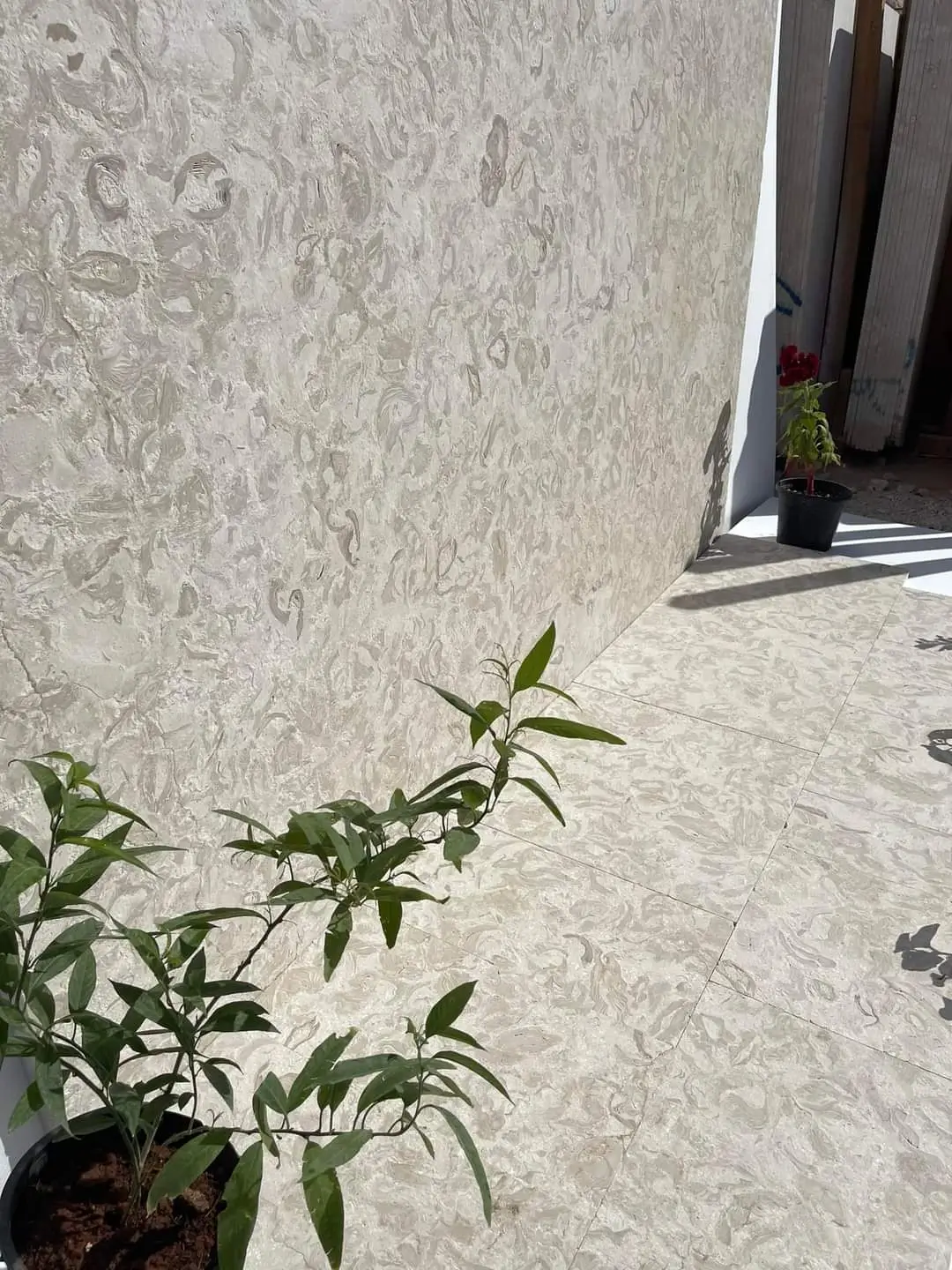
Base Preparation for Chemical Containment
Your base preparation specifications need to address chemical containment as well as structural support. Standard granular bases provide excellent load distribution but offer zero chemical resistance. When spills penetrate through joints or micro-cracks in the stone, you need subsurface barriers that prevent groundwater contamination and allow remediation.
Geomembrane barriers installed between the stone system and structural base provide critical chemical containment. You’re specifying HDPE or reinforced PVC membranes rated for chemical resistance to your specific process compounds. These barriers should extend beyond the stone installation area by minimum 24 inches on all sides, with sealed seams and penetration details that maintain containment integrity.
Base compaction affects chemical migration patterns in ways that standard structural specifications don’t consider. Over-compacted bases (exceeding 98% modified Proctor density) reduce permeability to the point where spilled chemicals that penetrate the stone layer spread laterally across the impermeable base rather than percolating downward. This lateral spreading increases the affected area and complicates remediation. You’ll achieve better containment with base compaction at 92-95% modified Proctor, which provides structural support while allowing controlled vertical percolation into containment barriers.
Maintenance Protocol Specifications for Long-Term Performance
Your maintenance specifications determine whether chemical resistant stone Arizona achieves projected service life or fails prematurely. Daily cleaning protocols need to address chemical residue removal without introducing additional degradation from aggressive cleaning compounds. Many industrial cleaning agents contain acids, chelating agents, or solvents that damage stone surfaces as effectively as process chemicals.
You should specify pH-neutral cleaning products (pH 7-8) for routine maintenance, reserving aggressive cleaners for periodic deep cleaning only. High-pH cleaners (above 10.5) can etch calcium carbonate surfaces, creating roughened textures that retain chemicals and accelerate subsequent degradation. Low-pH cleaners (below 5.5) attack carbonate matrices directly, reducing surface density and increasing porosity over time.
Sealer renewal intervals require specification based on chemical exposure intensity rather than arbitrary time periods. Light chemical exposure areas might maintain sealer performance for 3-5 years. Heavy exposure areas with daily chemical contact need annual sealer renewal. You can implement simple water absorption testing to determine when sealer renewal is actually needed rather than following fixed schedules that waste resources or delay necessary treatment.
- You need to specify acceptable cleaning product pH ranges and prohibited chemical ingredients
- Your maintenance program should include quarterly chemical resistance spot testing in high-exposure areas
- You should establish sealer renewal protocols based on performance testing rather than fixed intervals
- Documentation requirements need to track chemical exposure incidents to inform future material selection
Premium Stone Building Supplies in Arizona — Citadel Stone Application Guidance
When you evaluate Citadel Stone’s stone building supplies in Arizona for chemical exposure environments, you’re considering materials engineered for extreme climate performance combined with industrial durability requirements. At Citadel Stone, we provide technical specification guidance for hypothetical industrial applications across Arizona’s diverse manufacturing regions. This section outlines how you would approach material selection and performance verification for three representative industrial markets.
Arizona’s combination of intense UV exposure, extreme temperature swings, and low humidity creates baseline environmental stress that compounds chemical exposure challenges. You need to account for thermal cycling effects on chemical penetration, rapid evaporation that concentrates chemical solutions, and UV degradation of surface treatments that would otherwise provide chemical resistance. The material selection process requires balancing these environmental factors with specific chemical exposure risks unique to each facility type.
Phoenix Manufacturing Facilities
In Phoenix’s semiconductor and electronics manufacturing sector, you would specify chemical resistant stone Arizona with particular attention to cleanroom compatibility and static dissipation properties. Surface temperatures in Phoenix can exceed 170°F on summer afternoons, which affects both chemical volatility and penetration rates for the acids, solvents, and photoresists used in semiconductor processing. Your specification would need to verify that selected materials maintain dimensional stability within ±0.002 inches per foot under thermal cycling from 65°F cleanroom temperatures to 170°F loading dock conditions. You’d also address surface finish requirements that provide particulate control while maintaining chemical drainage characteristics, typically specifying honed finishes with Ra values between 100-150 microinches that balance cleanroom standards with practical chemical resistance.
Tucson Aerospace Applications
For Tucson’s aerospace manufacturing facilities, you would focus on chemical resistant stone Arizona performance against aviation fuels, hydraulic fluids, and composite manufacturing chemicals. The material selection would prioritize resistance to aromatic hydrocarbons and ketone-based solvents common in composite layup areas. You’d specify testing protocols that expose samples to MEK (methyl ethyl ketone), toluene, and Skydrol hydraulic fluid at concentrations and temperatures matching actual production environments. Your edge detail specifications would be particularly critical in aerospace applications where foreign object debris (FOD) control requires that stone installations shed particles rather than generating them through chemical degradation or mechanical wear. Testing would verify that materials retain minimum 90% of initial compressive strength after 90-day exposure to aerospace chemical mixtures, with surface integrity maintained to prevent particle generation that could contaminate production areas.
Scottsdale Medical Manufacturing
In Scottsdale’s growing medical device and pharmaceutical manufacturing sector, you would specify chemical resistant stone Arizona that meets FDA cleanliness standards while resisting the aggressive disinfectants and sterilization chemicals these facilities require. Your material selection would address compatibility with quaternary ammonium compounds, hydrogen peroxide vapor, and peracetic acid solutions used for environmental sterilization. The specification would verify that surface finishes maintain smooth, non-porous characteristics (Ra below 125 microinches) that prevent bacterial colonization while providing chemical drainage. You’d need to account for how repeated exposure to oxidizing disinfectants affects surface porosity over time — some materials show 15-20% porosity increases after three years of daily disinfectant exposure. Performance testing would confirm that materials maintain USP <797> cleanroom compatibility throughout their service life, with particular attention to ensuring that chemical exposure doesn’t create particle shedding or surface degradation that compromises sterile manufacturing environments.
Professional Specification Best Practices
Your specification development process needs to begin with comprehensive chemical hazard identification. You can’t specify appropriate chemical resistant stone Arizona without knowing exactly which compounds the installation will encounter, at what concentrations, temperatures, and exposure frequencies. This requires collaboration between facilities managers, safety personnel, and process engineers to create complete chemical exposure profiles.
Performance-based specifications provide better long-term results than prescriptive material specifications. Rather than specifying a particular stone type by name, you define required performance characteristics: minimum compressive strength after chemical exposure, maximum porosity, required surface finish parameters, and chemical resistance test results. This approach allows suppliers to propose materials that meet your actual performance needs rather than limiting options to predetermined products that might not be optimal.
You should require mock-up installations for critical chemical exposure areas. These mockups undergo accelerated chemical exposure testing that simulates 5-10 years of service conditions in 90-180 day test periods. The performance data from properly executed mockups predicts real-world behavior far more accurately than laboratory testing of individual samples. Mockup testing also verifies installation technique effects on chemical resistance, revealing issues with joint execution, edge treatment, and sealer application that laboratory testing misses.
- You need to document all process chemicals with CAS numbers, typical concentrations, and maximum temperatures
- Your specification should define performance requirements rather than prescribing specific materials
- You should require mockup testing for any installation exceeding 500 square feet in chemical exposure areas
- Acceptance criteria must address both initial installation quality and projected long-term performance
Final Considerations
Your chemical resistant stone Arizona specification process determines whether industrial facilities achieve reliable, long-term performance or face costly premature replacement. The key is moving beyond generic material certifications to comprehensive testing that replicates actual service conditions your facility will create. You need to account for thermal cycling effects, understand how Arizona’s climate compounds chemical exposure challenges, and specify maintenance protocols that preserve performance rather than accelerating degradation.
When you balance chemical resistance requirements with slip safety, structural performance, and cleanroom compatibility needs, you’ll find that optimal solutions rarely match off-the-shelf product offerings. Custom testing, mockup validation, and performance-based specifications give you the data needed to make informed decisions. The time invested in thorough specification development pays dividends through reduced lifecycle costs and eliminated safety risks. For related installation considerations, review Thermal expansion joint systems for stone masonry in Arizona before you finalize your project documents. Medical campuses use Citadel Stone’s sterile stone building materials in Arizona cleanroom-compatible products.