
Why Code Compliance Drives Charcoal Paving Maintenance in Arizona
Charcoal paving maintenance in Arizona’s climate starts not with a sealer recommendation, but with your base specification — because the Arizona Department of Transportation and local municipal codes directly influence how your stone behaves over time. The structural decisions made before the first paver is set determine whether your maintenance schedule is light annual upkeep or expensive remediation every few years. Most property owners focus on surface care, but the real longevity story is underneath the stone.
Arizona’s adopted building standards reference IBC load-bearing thresholds that affect paving in ways most maintenance guides never acknowledge. Your charcoal paver installation sits above a compacted aggregate base that must meet minimum compaction rates — typically 95% proctor density for residential driveways and 98% for commercial applications under the state’s adopted standards. Skipping this verification step means your sealing and cleaning routine is protecting a structurally compromised installation.
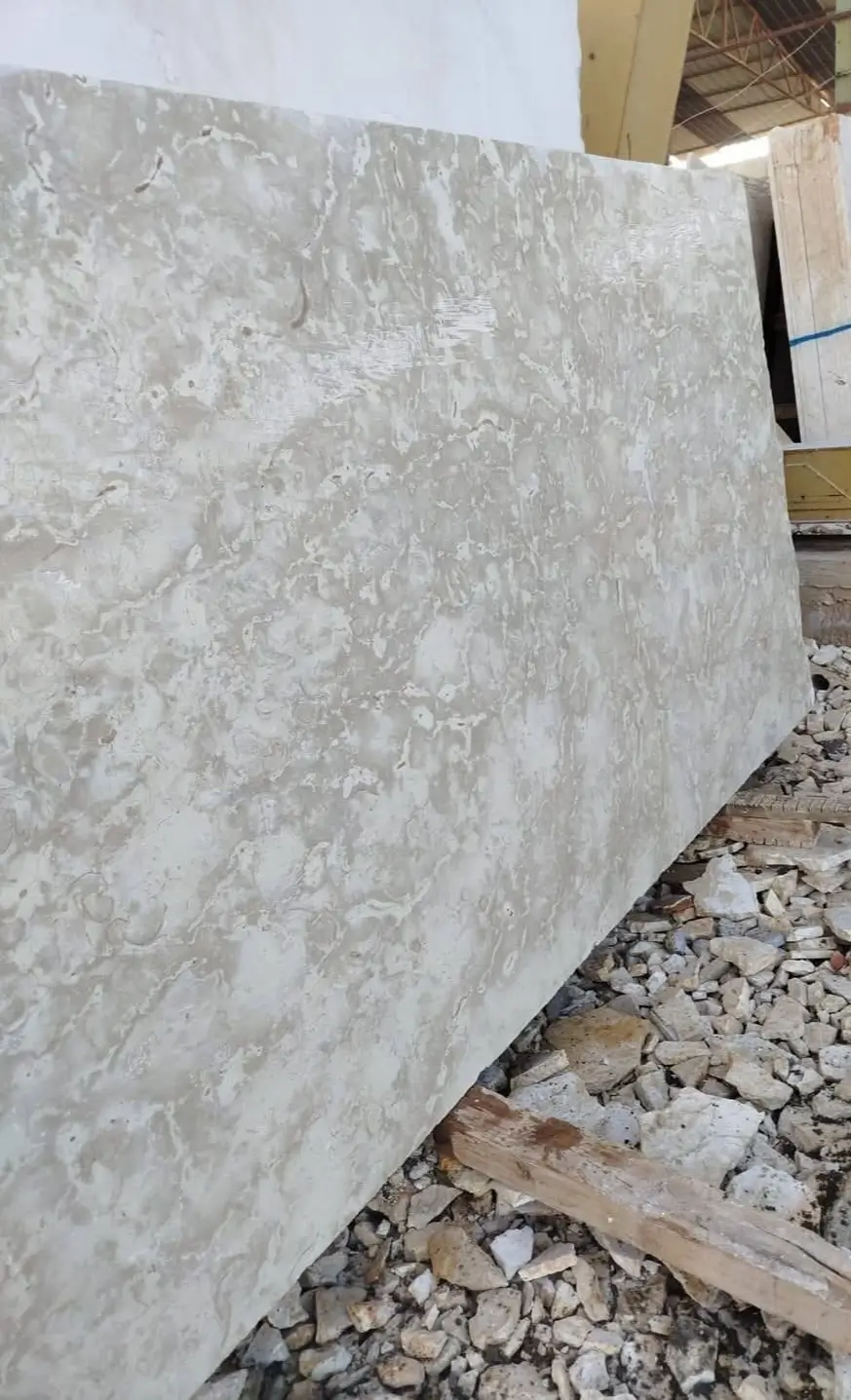
Base Depth and Edge Restraint Requirements Across Arizona
The frost line in Arizona varies dramatically by elevation, and this single variable changes your base depth requirement more than any other factor. At lower desert elevations — Yuma, for instance, where Yuma sits at roughly 141 feet above sea level — frost penetration is essentially negligible, and a 4-inch compacted aggregate base typically satisfies local code for pedestrian applications. Move up to mid-elevation zones and your base depth requirement climbs to 6–8 inches to accommodate seasonal ground movement.
Edge restraint is a code-adjacent requirement that directly affects your charcoal paving upkeep across Arizona. Arizona municipalities increasingly reference ICPI standards in their hardscape permitting language, which mandates edge restraint systems capable of resisting lateral displacement under thermal cycling. If your edge restraint fails — and it will fail faster in sandy desert soils without proper staking depth — the joint sand migrates, your charcoal paving shifts, and no amount of sealing prevents the accelerated deterioration that follows.
- Minimum edge restraint stake depth: 8–12 inches in sandy desert soils to resist migration
- Base depth for pedestrian charcoal paving: 4 inches minimum in low desert, 6–8 inches at elevations above 4,500 feet
- Commercial driveway applications require a minimum 6-inch compacted base per most Arizona municipal codes
- Geotextile fabric placement between native soil and aggregate base is required in clay-heavy zones to prevent base contamination
Sealing Charcoal Pavers in Arizona: Timing, Product Selection, and Code Considerations
Sealing charcoal pavers in Arizona isn’t just about aesthetics — the sealant you choose interacts with your municipality’s stormwater runoff requirements. Several Arizona cities have adopted restrictions on solvent-based penetrating sealers near wash corridors and drainage easements. Confirm your sealer’s VOC rating against local environmental ordinances before purchase, particularly in Maricopa County jurisdictions where air quality regulations are actively enforced.
The application timing window for sealing charcoal pavers in Arizona is narrower than most product sheets suggest. Manufacturers print curing temperature ranges that assume moderate humidity — conditions that don’t apply here. Your practical sealing window in the Phoenix metro runs from late September through mid-April. Applying a penetrating silane-siloxane sealer when surface temperatures exceed 95°F causes the carrier to flash off before the active chemistry penetrates, leaving a surface film that peels within six months rather than bonding to the stone matrix.
- Apply penetrating sealers when surface temperature is between 50°F and 85°F — not just air temperature
- Re-seal every 18–24 months in low desert zones; every 24–36 months at higher elevations where UV intensity is lower
- Two-part epoxy-based sealers are not recommended for exterior charcoal paving — they trap moisture during monsoon season and delaminate
- Silane-siloxane blend sealers provide the best balance of water repellency and vapor permeability for Arizona’s expansion-contraction cycles
At Citadel Stone, we recommend conducting a water bead test annually — if water no longer beads on your charcoal paving surface within three seconds of contact, it’s time to reseal regardless of calendar schedule. This simple field test is more reliable than a fixed annual date because UV degradation rates vary significantly between south-facing and north-facing installations.
Thermal Expansion and Joint Spacing: The Structural Maintenance Factor
The thermal expansion coefficient for dense dark stone used in charcoal paving runs approximately 4.5–6.0 × 10⁻⁶ per °F. In Arizona’s low desert, where surface temperatures on dark pavers can reach 170°F in direct summer sun, cumulative expansion across a 20-foot run exceeds what polymeric sand joints can absorb without cracking. This is where charcoal paving maintenance in Arizona’s climate becomes a structural engineering issue rather than a cleaning schedule.
Joint sand maintenance is the single most impactful task in any Arizona monsoon-resistant paver care guide. Polymeric sand degrades faster than the manufacturer’s literature indicates because UV breaks down the binding polymers at a rate calibrated for northern climates. Inspect joint sand depth every spring after monsoon season — September through October is the ideal window. Joint sand should sit at 92–95% of the joint depth; if more than 15% of joints fall below 80% fill depth, schedule a full rejuvenation sweep before the next summer heat cycle.
Citadel Stone Arizona charcoal paver care
Monsoon-Resistant Drainage: What Arizona Building Standards Require
Arizona’s monsoon season delivers intense short-duration rainfall events — often 1–2 inches in under 30 minutes — that overwhelm surface drainage systems not designed to state standards. Your charcoal paving installation must maintain a minimum 1.5% cross-slope toward drainage infrastructure per most Arizona municipal grading ordinances. This isn’t aesthetic guidance; it’s a structural requirement that affects your paving’s long-term integrity.
Caring for dark stone paving that AZ homeowners prefer means understanding how standing water interacts with charcoal stone’s pore structure during monsoon events. Dense basalt-based charcoal pavers have absorption rates below 1% — which is excellent — but lighter charcoal sandstone varieties can absorb 3–5% by weight. That absorbed water, cycling through Arizona’s summer heat the following day, accelerates the breakdown of any sealer and contributes to efflorescence staining that’s particularly visible against dark stone surfaces.
- Maintain 1.5% minimum cross-slope as required by most Arizona grading ordinances
- Inspect drainage channels adjacent to charcoal paving after each monsoon event for sediment blockage
- Caliche sub-base conditions in central Arizona can cause ponding even with proper surface slope — verify that your aggregate base includes adequate perforated drain pipe
- Efflorescence deposits after monsoon events indicate moisture wicking through joints — address joint sand integrity before re-sealing
Elevation-Specific Charcoal Paving Upkeep Across Arizona: Freeze-Thaw Cycles at Higher Elevations
The maintenance approach required for charcoal paving upkeep across Arizona changes dramatically once you move above 5,000 feet elevation. Flagstaff, sitting at 6,910 feet, experiences genuine freeze-thaw cycling — typically 100–150 freeze-thaw events annually — that requires a completely different maintenance approach than Tucson or Phoenix. Joint sand selection, sealer chemistry, and base inspection frequency all need to shift when specifying or maintaining charcoal paving in high-elevation Arizona.
At higher elevations, inspect base integrity every three years rather than the five-year cycle that’s reasonable in the low desert. Frost heave acts on improperly prepared bases even in Arizona, and charcoal paving that looks stable at the surface can be hiding progressive base displacement that becomes visible only after two or three complete freeze-thaw seasons. The fix at that point is full removal and re-base — a cost that proper annual inspection prevents.
Seismic Load Considerations for Arizona Paving Specifications
Arizona sits in a moderate seismic hazard zone — USGS Seismic Design Category B across most of the state — and while paving isn’t a structural element subject to seismic engineering in the same way as a foundation, the flexible interlocking nature of charcoal paving actually performs better under seismic loading than rigid concrete. However, edge restraint and base compaction specifications still matter. A poorly anchored edge restraint system can fail under even minor ground movement, requiring full perimeter repair that’s significantly more expensive than the original installation.
Sedona’s geology introduces an additional consideration worth understanding. Sedona sits on layered sandstone and limestone formations that can produce uneven sub-base settlement in areas near drainage washes. For charcoal paving maintenance in this specific context, add a biennial base inspection to your schedule — checking for localized depression or settlement that indicates sub-base movement before it becomes a surface trip hazard or code violation.
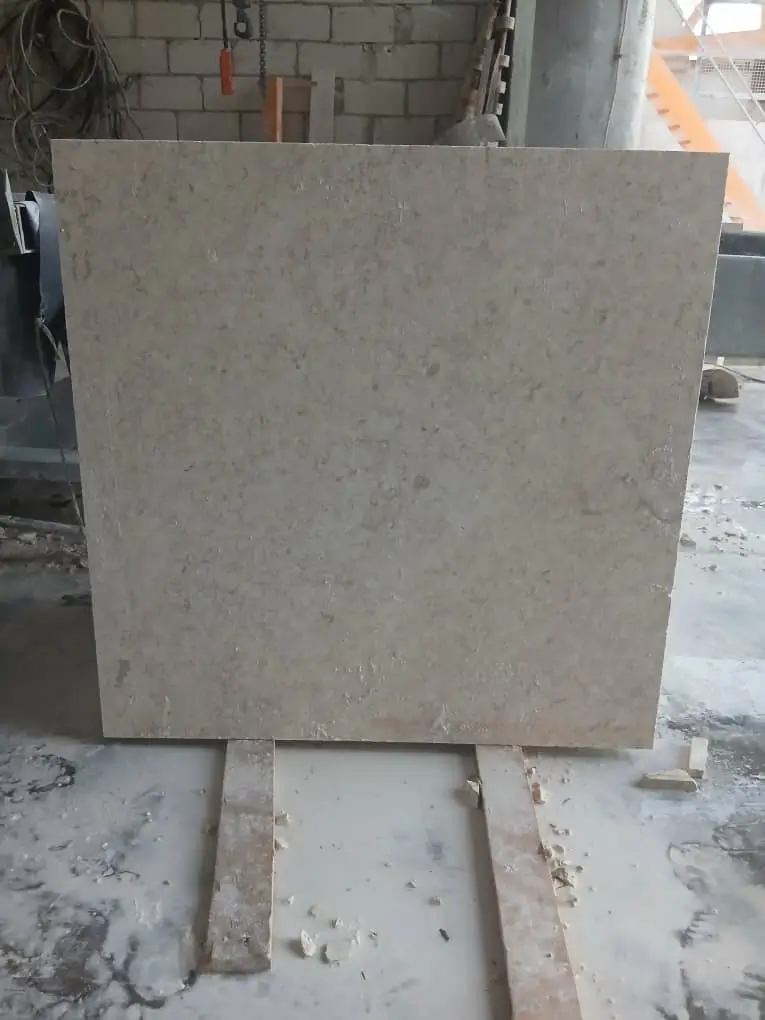
How Paver Thickness Affects Your Long-Term Maintenance Burden
The thickness specification for charcoal paving in Arizona directly controls your maintenance frequency — a relationship most maintenance guides don’t address. Standard 1.25-inch charcoal pavers are appropriate for pedestrian applications; driveway and vehicle-access applications require a minimum 2.375-inch nominal thickness per ICPI guidelines adopted by most Arizona jurisdictions. Using undersized pavers under vehicular loads causes progressive cracking that no maintenance regimen can reverse.
Thicker pavers have greater thermal mass, which means they take longer to heat up but retain heat into the evening. For charcoal paving maintenance in Arizona’s climate, this thermal mass distinction affects your cleaning and sealing schedule — never apply chemical cleaners or sealers to sun-heated stone. Paver thickness determines how long after sunset you need to wait before the surface temperature drops below 85°F and becomes workable. For 2.375-inch charcoal pavers, that window typically opens two to three hours after direct sun exposure ends.
- 1.25-inch nominal: pedestrian walkways and patios only — do not use under vehicular loads in Arizona
- 2.375-inch nominal: standard driveway and vehicle access specification meeting ICPI and Arizona municipal requirements
- 3.125-inch nominal: commercial and heavy vehicle applications — required in some Maricopa County commercial permitting
- Thicker pavers require longer cool-down periods before sealer application — plan your maintenance schedule accordingly
Citadel Stone carries charcoal paving in Arizona in all three thickness specifications, and our team verifies dimensional compliance against ASTM C1782 before warehouse release. This quality check matters because thickness variation beyond ±1/8 inch creates lippage that accelerates joint sand loss and surface wear at the transition edges.
Cleaning Protocols for Dark Stone Paving in Arizona Conditions
An effective Arizona monsoon-resistant paver care guide for cleaning dark stone differs from national guidance because of the combination of hard water mineral deposits and airborne caliche dust that characterizes desert maintenance. A standard pressure washing approach — effective in humid climates — can actually drive caliche fines deeper into the paver’s pore structure in dry desert conditions if you’re not pre-wetting the surface thoroughly first.
Use a diluted pH-neutral cleaner at 10:1 water-to-concentrate ratio for routine maintenance of charcoal paving. Avoid any cleaner with a hydrochloric acid base — the acid reacts with calcium carbonate naturally present in some charcoal stone varieties and causes surface etching that’s particularly visible on dark finishes. For efflorescence deposits that appear after monsoon events, a diluted white vinegar solution applied with a stiff nylon brush addresses the mineral deposits without damaging the stone or the existing sealer.
- Pre-wet charcoal pavers thoroughly before pressure washing — prevents caliche fines from embedding under pressure
- Maximum pressure wash setting: 1,200 PSI with a 40-degree fan tip — higher pressure strips joint sand and sealer
- Allow 48 hours drying time after cleaning before sealer application — longer during humid monsoon season
- Clean in the early morning when surface temperatures are lowest and the cleaner has time to work before evaporation
Keeping Charcoal Paving in Arizona’s Climate Performing Long-Term
The Arizona regulatory environment — from municipal grading ordinances to ICPI-referenced base requirements — gives you a structural framework that, when followed correctly, makes charcoal paving maintenance in Arizona’s climate straightforward rather than reactive. Your maintenance schedule should work backward from the structural specifications: verify base integrity and edge restraint annually, maintain joint sand at the correct fill depth, and apply sealer within the thermal window that Arizona’s climate actually allows. These aren’t aesthetic preferences — they’re the maintenance decisions that determine whether your charcoal paving reaches its full service life or requires costly remediation at year eight.
For property owners planning new installations alongside their maintenance program, How to Install Charcoal Paving in Arizona covers the base preparation and specification details that directly feed into a lower-maintenance outcome over the long term. Getting the installation right reduces your ongoing maintenance burden significantly — the two topics are inseparable in practice. Residents in Flagstaff, Peoria, and Gilbert choose Citadel Stone charcoal paving because the stone’s dense surface structure generally stays cooler and resists staining through Arizona’s intense summer months.