
When you specify stone materials for net-zero construction in Arizona, understanding embodied carbon becomes non-negotiable. You’ll encounter pressure from clients and regulators to demonstrate measurable progress toward climate goals, and your material selection directly impacts whether projects achieve carbon neutrality targets. The distinction between operational carbon and embodied carbon matters here — while operational energy use dominates long-term emissions, embodied carbon from material extraction, processing, and transportation can represent 30-50% of total lifecycle emissions in the first decade.
You need to recognize that carbon neutral stone sourcing Arizona standards require documentation most suppliers can’t provide. Your specification must address three critical measurement points: quarry extraction energy, processing carbon intensity, and transportation emissions. Generic environmental product declarations won’t suffice when you’re working toward verifiable net-zero outcomes. You should demand quarry-specific data that accounts for regional energy grid carbon intensity, processing equipment efficiency, and actual transportation distances rather than industry averages.
Embodied Carbon Metrics for Stone Materials
The carbon footprint of natural stone varies dramatically based on extraction methods and regional energy sources. You’ll find that identical stone types from different quarries can show 40-60% variation in embodied carbon simply due to equipment fuel sources and grid electricity carbon intensity. When you evaluate carbon neutral stone sourcing Arizona options, you need baseline measurements that reflect actual quarrying conditions rather than theoretical calculations.
Arizona’s energy grid mix affects processing emissions significantly. You should account for the fact that stone fabrication facilities drawing power from Arizona’s grid — which includes approximately 28% natural gas and 32% nuclear generation — will show different carbon profiles than facilities in coal-dependent regions. Your calculations must incorporate this regional variance because it affects whether carbon neutral stone sourcing Arizona claims hold up under third-party verification.
- Quarry extraction accounts for 15-25% of total embodied carbon in dimensional stone
- Processing and fabrication contribute 35-45% depending on surface finish requirements
- Transportation represents 20-35% based on distance and shipping method
- Installation impacts remain under 10% for most applications
You’ll need to understand that honed finishes require 30-40% less processing energy than polished finishes. This translates directly to embodied carbon reductions you can quantify in your sustainability metrics. When you specify sawn-only or split-face finishes, you’re making carbon reduction decisions that affect project-level climate goals measurably.
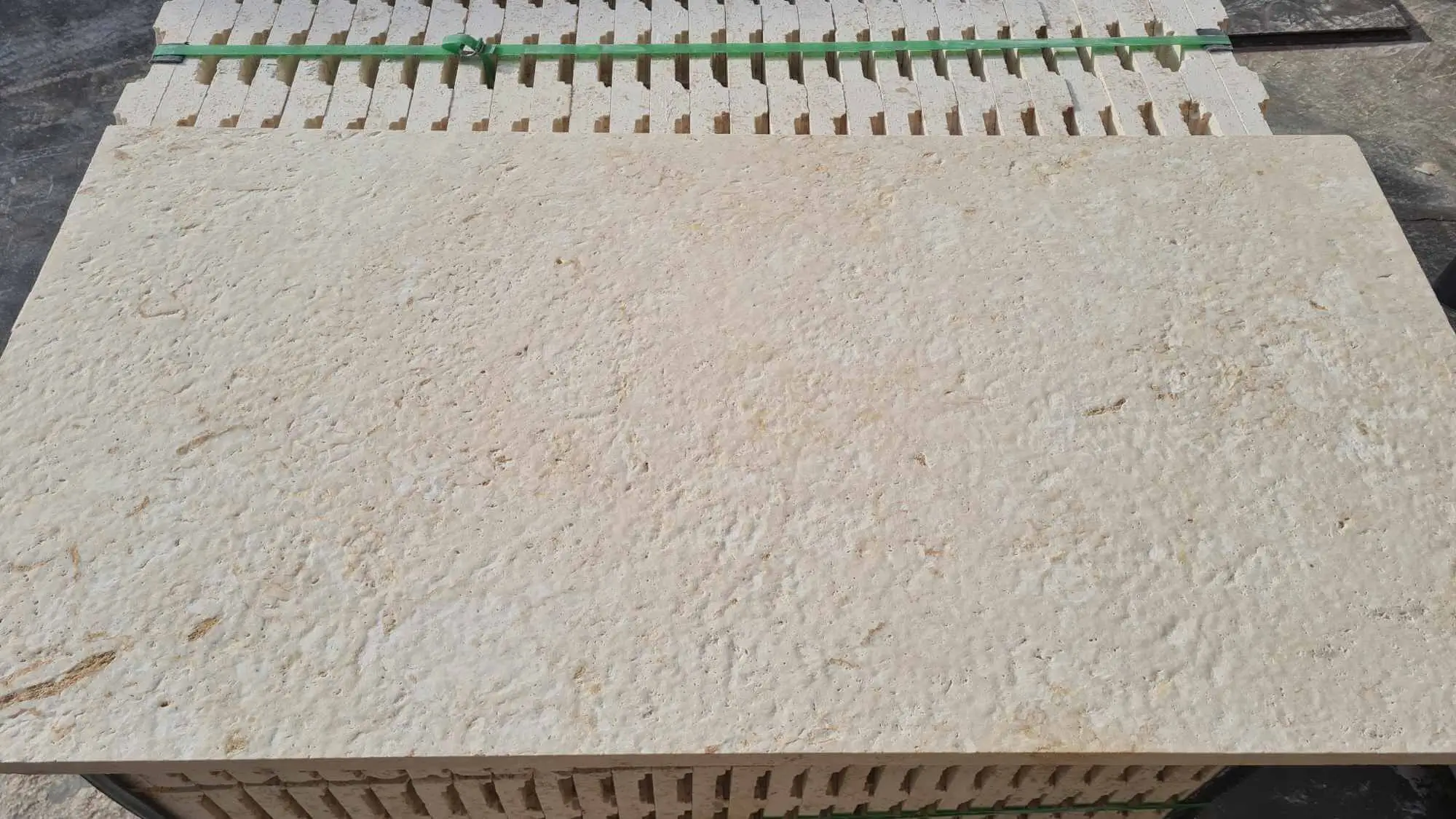
Transportation Distance Carbon Calculations
Your transportation emissions dwarf other variables when stone travels more than 500 miles from quarry to project site. You need to calculate ton-miles with precision because this single factor can make locally-quarried stone with higher processing emissions preferable to distant stone from more efficient facilities. The mathematics change dramatically based on transportation mode — rail transport generates approximately 40% of the carbon emissions per ton-mile compared to truck transport.
When you source stone materials in Arizona, proximity to regional quarries creates advantages that extend beyond simple mileage calculations. You should factor in the reality that truck deliveries from warehouses within 150 miles of your project site typically involve single-leg routing, while distant suppliers often require multi-modal transfers that compound emissions. For decorative landscape stone materials applications across commercial developments, these logistics decisions affect whether your project achieves its climate goals.
The environmental impact of transcontinental stone shipping reveals uncomfortable truths about imported materials. You’ll find that stone shipped from overseas quarries can carry embodied carbon loads 3-4 times higher than regionally-sourced alternatives, even when overseas processing uses cleaner energy. Container shipping adds 0.8-1.2 kg CO2e per ton-mile, and when you’re moving 20-30 tons of stone per project, these numbers accumulate rapidly.
Quarry Energy Source Documentation
You should demand energy source transparency from quarry operators because this determines whether carbon neutral stone sourcing Arizona claims withstand scrutiny. Quarries operating diesel-powered extraction equipment generate 2.5-3.0 kg CO2e per gallon consumed, and large-scale extraction can consume 150-200 gallons daily. Your specification needs to identify whether quarries have transitioned to electric equipment powered by renewable sources or continue using fossil fuel machinery.
Arizona quarries with on-site solar installations demonstrate measurably lower carbon intensity. You need to verify these claims with actual generation data rather than installed capacity figures — a quarry with 500 kW solar capacity that operates extraction equipment primarily during peak sun hours achieves dramatically different outcomes than facilities running 24-hour operations. When you evaluate sustainability metrics for material selection, ask for monthly energy production versus consumption reports.
- Diesel-powered equipment generates 2.68 kg CO2e per gallon at full combustion
- Grid electricity in Arizona averages 0.38 kg CO2e per kWh depending on utility territory
- On-site solar reduces extraction carbon intensity by 60-75% during generation hours
- Battery storage systems enable 24-hour renewable operation at progressive quarries
You’ll encounter quarries claiming carbon neutrality through renewable energy certificates or carbon offsets. Your due diligence must distinguish between facilities actually operating on clean energy versus those purchasing paper credits. The difference matters when you’re documenting project-level sustainability metrics for LEED or similar certification programs that increasingly scrutinize offset quality.
Processing and Fabrication Energy Intensity
Stone processing equipment consumes substantial electricity, and your carbon calculations must account for every fabrication step. Gang saws cutting dimensional blocks draw 40-60 kW continuously, while CNC fabrication equipment can consume 25-35 kW during operation. When you specify custom sizing, edge profiles, or specialized finishes, you’re adding processing steps that accumulate carbon intensity whether or not suppliers disclose these impacts.
The carbon footprint of different surface finishes varies enough to influence your specification decisions. You should recognize that thermal finishing processes consume 3-4 times the energy of mechanical honing, while polishing requires multi-stage processing with diamond abrasives that add both equipment energy and consumable production emissions. Your finish selection directly impacts whether projects meet environmental impact reduction targets.
Water recycling systems at fabrication facilities affect net carbon intensity through reduced pumping and treatment energy. You’ll find that closed-loop water systems reduce processing energy by 15-20% compared to once-through systems requiring continuous fresh water pumping. When you evaluate carbon neutral stone sourcing Arizona suppliers, ask about water system infrastructure because it indicates overall facility efficiency and carbon consciousness.
Verification Standards for Carbon Claims
You need third-party verified environmental product declarations rather than supplier-generated carbon estimates. The difference between ISO 14025-compliant EPDs and marketing brochures determines whether your sustainability documentation survives audit. When you specify materials for projects with binding climate goals, unverified claims create liability exposure if actual performance falls short of commitments.
Arizona’s building codes don’t yet mandate embodied carbon disclosure, but you should anticipate regulatory evolution. Early adoption of rigorous carbon accounting positions your projects ahead of coming requirements. You’ll find that clients increasingly request Life Cycle Assessment documentation, and material selections without credible carbon data become specification vulnerabilities.
- ISO 14025 Environmental Product Declarations provide industry-standard carbon disclosure
- Product Category Rules define calculation boundaries for material-specific assessments
- Third-party verification ensures accuracy and prevents greenwashing
- Cradle-to-gate assessments capture extraction through factory gate emissions
- Cradle-to-site calculations include transportation to project location
You should distinguish between product-level EPDs and facility-level carbon disclosures. A quarry might publish aggregate facility emissions while individual product lines show significant variation. Your specifications need product-specific data that reflects the actual stone type, finish, and sizing you’re specifying rather than facility averages that obscure material differences.
Regional Sourcing Carbon Advantages
When you source within 300 miles of your Arizona project site, transportation emissions drop to 15-20% of total embodied carbon compared to 30-40% for distant sources. This mathematical reality makes regional sourcing the single most impactful decision for reducing carbon footprint in most applications. You need to balance aesthetic preferences against carbon performance, and increasingly, climate goals drive this trade-off toward local materials.
Arizona quarries provide sandstone, limestone, and granite options that eliminate transcontinental transportation while supporting regional economies. You should evaluate whether your project’s design intent truly requires imported stone or whether regionally-available alternatives achieve comparable performance. The sustainability metrics improve dramatically when you specify materials from quarries within the state rather than defaulting to distant suppliers based on familiarity or perceived prestige.
Warehouse inventory strategies affect carbon calculations through reduced expedited shipping requirements. You’ll find that suppliers maintaining substantial local stock enable consolidated deliveries and optimized routing that reduce per-ton transportation emissions. When you plan procurement timelines around warehouse availability rather than direct-from-quarry shipping, you’re making carbon reduction decisions that compound across multiple material orders.
Renewable Energy in Quarry Operations
Progressive quarries install solar arrays that offset 50-80% of operational electricity consumption. You need to verify these installations actually power extraction and processing equipment rather than simply feeding the grid while fossil fuel sources power operations. The distinction determines whether carbon neutral stone sourcing Arizona claims reflect operational reality or represent accounting maneuvers.
Arizona’s solar resources make on-site renewable generation economically viable for quarry operations. You should favor suppliers who’ve invested in generation capacity proportional to their extraction equipment loads. When quarries demonstrate 1-1.5 MW solar capacity supporting operations processing 200-300 tons daily, the mathematics of carbon neutrality become credible rather than aspirational.
- Commercial solar installations generate approximately 1,800-2,000 kWh per installed kW annually in Arizona
- Quarry extraction equipment typically requires 150-250 kWh per ton of dimensional stone produced
- Battery storage systems enable renewable energy use during non-generation hours
- Grid interconnection allows excess generation to offset evening operation emissions
You’ll encounter quarries claiming 100% renewable operation through power purchase agreements with off-site solar farms. These arrangements carry validity when structured properly, but your verification should confirm that purchased renewable generation matches operational consumption temporally and geographically. Virtual power purchase agreements spanning different grid regions provide less compelling carbon neutrality evidence than local generation assets.
Material Longevity and Lifecycle Carbon
When you specify durable stone materials lasting 50-75 years, you’re amortizing embodied carbon across extended service life. This lifecycle perspective changes carbon calculations fundamentally — materials with higher initial embodied carbon but double the service life show superior lifecycle performance. Your sustainability metrics must incorporate replacement frequency because premature material failure undermines carbon neutral stone sourcing Arizona efforts through repeated embodied carbon hits.
Arizona’s climate accelerates degradation in materials poorly suited to extreme heat and UV exposure. You need to account for the environmental impact of premature replacement when specifying materials at the lower end of durability ranges. Stone materials demonstrating 60+ year performance in desert conditions justify higher initial embodied carbon through avoided replacement emissions.
Maintenance requirements affect lifecycle carbon through cleaning chemical production, water consumption, and periodic treatment applications. You should factor these operational impacts into total carbon accounting. Materials requiring biennial sealing and aggressive cleaning consume resources that compound over decades, while inherently durable stone with minimal maintenance needs shows superior lifecycle carbon performance.
Carbon Offset Quality and Verification
You’ll encounter suppliers claiming carbon neutrality through purchased offsets, and your due diligence must evaluate offset quality rigorously. Not all carbon offsets deliver equivalent climate benefits — forestry offsets carry permanence risks, while renewable energy certificates from mature projects may not represent additional climate action. When you accept offset-based carbon neutrality claims, you’re potentially overstating project sustainability performance.
High-quality carbon offsets demonstrate additionality, permanence, and third-party verification. You should require offset documentation showing that credited carbon reductions wouldn’t have occurred without offset financing. This additionality test separates meaningful climate action from business-as-usual activities repackaged as carbon credits. Your specification should mandate Gold Standard or equivalent verified carbon units rather than accepting unvetted offset claims.
Arizona-based carbon offset projects offer geographic relevance that strengthens sustainability narratives. You’ll find solar development offsets, desert restoration projects, and methane capture initiatives within the state that provide verifiable carbon reductions. When suppliers purchase local offsets rather than commodity international credits, the connection between material sourcing and regional climate action becomes more credible and defensible.
Net-Zero Specification Language
Your specification must translate carbon goals into enforceable contract language. Vague sustainability aspirations don’t survive value engineering or substitution requests. You need precise requirements that define acceptable embodied carbon thresholds, documentation standards, and verification procedures. When contracts lack this specificity, carbon neutral stone sourcing Arizona intentions evaporate under cost pressure.
Quantified performance specifications establish clear benchmarks suppliers must meet. You should define maximum embodied carbon values per functional unit — for example, 45 kg CO2e per square meter of installed stone cladding including transportation. This approach allows suppliers to demonstrate compliance through multiple pathways while ensuring projects achieve carbon targets regardless of specific material sources.
- Define maximum embodied carbon thresholds per functional unit of material
- Require ISO 14025-compliant Environmental Product Declarations for verification
- Specify acceptable carbon offset types and verification standards if offsets are permitted
- Establish documentation submittal requirements during procurement phase
- Include non-compliance remedies that incentivize meeting carbon specifications
You’ll need approval processes that evaluate carbon performance alongside cost and aesthetics. Your specification should require suppliers to submit carbon documentation with material samples, enabling informed trade-off decisions before final selection. This front-loaded evaluation prevents situations where carbon performance becomes an afterthought during procurement.
Citadel Stone: Carbon Neutral Building Stone Supplies in Arizona Net-Zero Guidance
When you evaluate Citadel Stone’s building stone supplies in Arizona for carbon-conscious projects, you’re considering materials backed by transparent carbon accounting and regional sourcing advantages. At Citadel Stone, we provide hypothetical application guidance demonstrating how carbon neutral stone sourcing Arizona principles would apply across diverse climate zones. This section outlines specification approaches you would take for three representative Arizona cities, illustrating how local conditions affect carbon optimization strategies.
Your material selection process would prioritize regionally-quarried stone that minimizes transportation emissions while meeting performance requirements. The hypothetical scenarios below demonstrate how you would address climate-specific factors, coordinate logistics to reduce unnecessary carbon loads, and verify sustainability metrics throughout procurement. These advisory examples show the decision framework you would apply when specifying for net-zero construction goals.
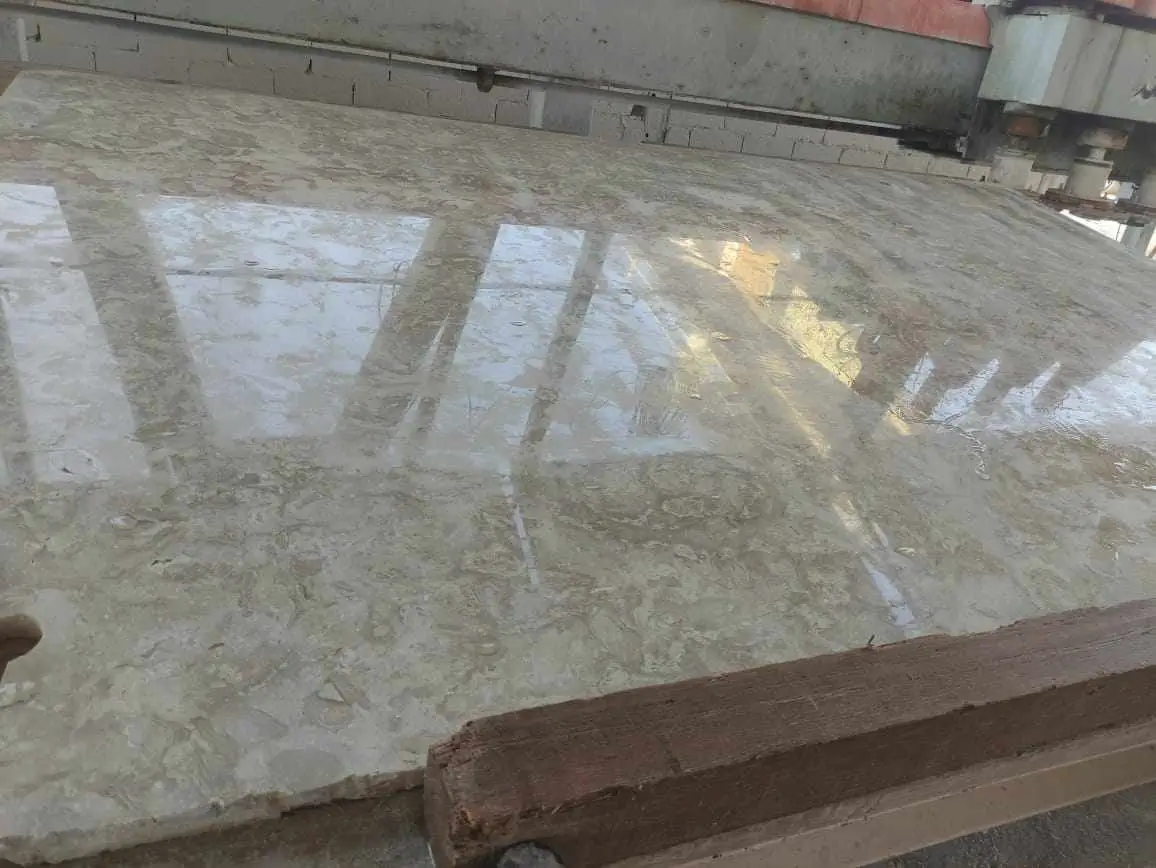
Flagstaff Elevation Considerations
In Flagstaff’s 7,000-foot elevation environment, you would need stone materials that withstand freeze-thaw cycling while minimizing embodied carbon. Your specification would prioritize dense, low-porosity stone from regional quarries to reduce transportation emissions from distant sources. You should account for the fact that Flagstaff’s cooler climate extends equipment lifespan, allowing you to justify materials with slightly higher initial embodied carbon through superior longevity. Your carbon calculations would factor in reduced cooling loads from thermal mass benefits that offset embodied carbon over 50-year service life. Flagstaff projects would benefit from coordinating truck deliveries during optimal weather windows to avoid fuel-wasting delays during winter road closures.
Sedona Aesthetic Integration
Sedona’s iconic red rock landscape creates design pressure toward color-matched stone that might originate from distant quarries. You would need to evaluate whether locally-available sandstone alternatives achieve acceptable aesthetic integration with substantially lower carbon footprint. Your specification approach would compare embodied carbon of regional red sandstone against imported options, quantifying the carbon premium clients pay for exact color matching versus close approximations. You should recommend stone sourced within 200 miles when visual differences remain minimal, documenting carbon savings that support climate goals without compromising design intent. Sedona’s tourism economy adds public visibility to sustainability decisions, strengthening the case for carbon neutral stone sourcing Arizona approaches that you can articulate to environmentally-conscious clients.
Peoria Urban Development
Peoria’s rapid suburban expansion creates opportunities to establish carbon-conscious material sourcing patterns for large-scale residential and commercial development. You would coordinate material procurement across multiple simultaneous projects to optimize delivery routing and reduce per-project transportation emissions. Your specification would leverage Peoria’s proximity to Phoenix-area warehouses that enable consolidated shipments rather than individual direct deliveries from distant quarries. You should recommend materials that balance initial embodied carbon against Arizona’s extreme heat durability requirements, recognizing that premature failure and replacement undermine carbon reduction efforts. Peoria projects would benefit from early supplier engagement that allows warehouse stock planning to match project schedules, eliminating expedited shipping carbon penalties. Your carbon accounting would document how regional sourcing and logistics optimization achieve measurable climate goals improvements compared to conventional procurement approaches.
Documentation Requirements for Certification
When you pursue LEED, Living Building Challenge, or similar certification, carbon documentation becomes mandatory submittal material. You need to collect supplier Environmental Product Declarations, transportation distance records, and installation carbon assessments that certification bodies require. Your specification must establish these documentation requirements upfront, because retrospective carbon accounting often proves impossible when suppliers didn’t track necessary data.
Certification programs increasingly scrutinize carbon offset quality and reject low-credibility credits. You should understand specific program requirements before accepting offset-based carbon neutrality claims. LEED v4.1 and later versions implement embodied carbon reduction pathways that reward verified EPDs and penalize undocumented materials. Your material selections need supporting documentation that survives third-party review rather than supplier assurances that lack verification.
Digital documentation platforms streamline carbon data collection and certification submittal preparation. You’ll find that suppliers using these systems provide standardized carbon disclosures that integrate directly into certification applications. When you specify materials from digitally-enabled suppliers, you’re reducing administrative burden while improving data quality and traceability throughout certification processes.
Emerging Carbon Regulations in Arizona
While Arizona hasn’t implemented mandatory embodied carbon disclosure requirements yet, you should monitor regulatory developments at state and local levels. Several Arizona municipalities are exploring building performance standards that could eventually incorporate embodied carbon limits. Your proactive adoption of carbon accounting positions projects ahead of potential requirements and demonstrates climate leadership that differentiatess competitive proposals.
Federal infrastructure funding increasingly ties grants to documented sustainability performance including embodied carbon reductions. You’ll find that public sector projects benefit from rigorous carbon tracking that strengthens funding applications and demonstrates responsible use of taxpayer resources. When you establish carbon documentation protocols now, you’re preparing for funding environments where sustainability metrics affect project financial viability.
- City of Phoenix exploring embodied carbon disclosure for municipal construction projects
- Arizona State University implementing carbon requirements for campus development
- Federal Infrastructure Investment and Jobs Act prioritizing low-carbon materials
- Department of Energy funding programs requiring lifecycle carbon assessment
You should anticipate that early regulatory frameworks will adopt California’s approach of requiring EPDs without initially setting performance thresholds. This disclosure-first strategy allows baseline data collection before implementing carbon limits. Your current material selections that already include EPD documentation will face less disruption when disclosure becomes mandatory.
Final Procurement Considerations
Your procurement timeline must accommodate carbon verification without delaying project schedules. You should request EPDs and carbon documentation during the RFI phase rather than waiting until material approval submittals. This front-loaded approach identifies documentation gaps early when you still have flexibility to adjust specifications or switch suppliers if carbon performance proves inadequate.
When you evaluate competitive bids, carbon performance deserves weighting alongside cost and lead time. Your selection criteria should quantify carbon differences between suppliers and assign monetary values to embodied carbon that reflect organizational climate commitments. This structured evaluation prevents situations where lowest-cost materials with poor carbon performance win by default despite contradicting sustainability goals.
Professional specification practices require you to balance sustainability metrics with performance requirements and budget constraints. For comprehensive guidance on related durability considerations, review UV resistance testing protocols for natural stone facade systems before you finalize your project documentation. Transit stations specify Citadel Stone’s public building stone supplies in Arizona high-traffic durability.