
Why Bulk Pricing Changes Your Project Economics
A bulk limestone purchase in Marana unlocks a pricing structure most single-lot buyers never access — and the difference isn’t marginal. Volume thresholds at legitimate wholesale suppliers typically drop unit costs by 18–32% once you cross the 500-square-foot mark, and that gap widens considerably on orders above 2,000 square feet. You’re not just saving on material cost; you’re reducing delivery consolidation fees, cutting the number of truck dispatches required, and eliminating the reorder premiums that hit projects managing material in small batches.
The math matters here. A mid-scale residential development running 1,800 square feet of limestone paving slabs across driveways, pool surrounds, and courtyard areas will see per-unit cost reductions that often offset the entire sealing budget for year one. That’s a real number worth putting in your specification from day one, not an afterthought during value engineering.
Volume Thresholds That Trigger Marana Contractor Pricing
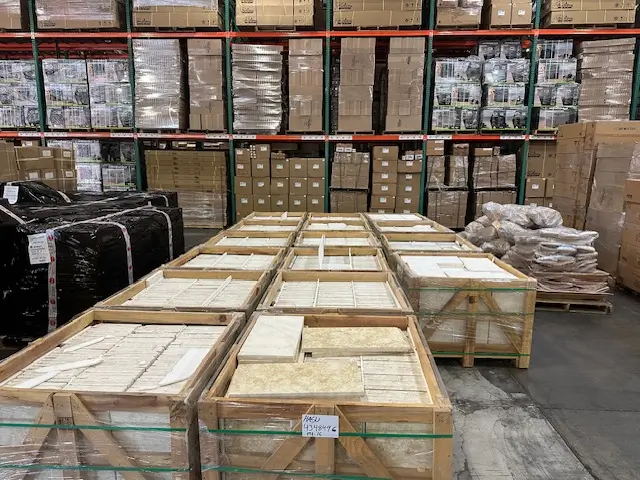
Marana contractor pricing tiers aren’t published on most supplier websites — you have to know what to ask for. Standard retail pricing applies to orders under 200 square feet. The first meaningful discount tier typically activates between 300 and 500 square feet, dropping per-square-foot costs by 10–15%. A second tier kicks in around 1,000 square feet, and a third — reserved for developers running multiple lots or full subdivision packages — begins at 2,500 square feet and above.
Your leverage as a developer comes from consolidating scope across phases. If you’re staging a multi-lot project, bundling your Phase 1 and Phase 2 material orders into a single purchase agreement — even if warehouse release is phased — often qualifies you for the higher volume tier. Suppliers hold the material and stage deliveries to match your construction schedule. Ask specifically about staged-release purchase agreements when negotiating; most developers don’t know this option exists.
- Tier 1 entry: 300–500 sq ft — 10–15% unit cost reduction
- Tier 2 entry: 1,000 sq ft — 15–22% unit cost reduction
- Tier 3 entry: 2,500+ sq ft — up to 32% unit cost reduction with phased delivery options
- Consolidated multi-lot orders often qualify for Tier 3 regardless of single-phase quantity
- Staged warehouse release agreements preserve bulk buying advantages while matching your pour schedule
Limestone Performance in Arizona Heat Zones
Arizona’s thermal load is the specification factor that separates successful limestone installations from ones that require expensive remediation within five years. Limestone paving slabs in Arizona experience surface temperatures of 140–160°F during peak summer exposure on south-facing applications — and that thermal cycling is what stresses both the material and the joint system, not the heat alone.
For projects in Yuma, where ambient temperatures routinely exceed 115°F and solar gain on horizontal surfaces is among the highest in the country, you’ll want to specify limestone with an absorption rate below 3% and a compressive strength above 8,000 PSI. These aren’t conservative numbers — they’re the threshold where field performance data actually supports multi-decade service life without structural degradation. Limestone below these specs tends to exhibit surface flaking within 7–10 years under Yuma conditions.
- Absorption rate: specify below 3% for high-heat applications
- Compressive strength: 8,000 PSI minimum for paving applications
- Thermal expansion coefficient: 3.3–5.6 × 10⁻⁶ per °F — requires expansion joints every 12–15 feet
- Finish selection affects surface temperature by 15–25°F — tumbled finishes run cooler than honed
- Light-colored limestone reflects 55–70% of solar radiation compared to 20–30% for dark concrete
What Limestone Volume Discounts Arizona Actually Include
Here’s what most developers don’t fully account for when evaluating limestone volume discounts in Arizona: the discount isn’t limited to material unit cost. A full-scope volume agreement typically bundles freight consolidation, reduced crating fees, priority scheduling, and in some cases complimentary sample sets for design review. These line items add up to 4–8% of total project cost on a typical development-scale order — value that doesn’t appear in the per-square-foot price comparison but absolutely shows up in your final invoice.
Freight consolidation is particularly significant when you’re moving material from a regional warehouse to a Marana job site. A single consolidated truck delivery for a 2,000-square-foot order costs roughly 60–70% less per square foot than four separate partial-load deliveries. You’re not just buying stone at a discount — you’re buying a logistics model that removes margin-eroding variability from your delivery schedule. The Arizona wholesale benefits embedded in a well-negotiated volume agreement extend well beyond any single line item on the quote.
Base Preparation That Protects Your Bulk Investment
Specifying quality limestone and then installing it over an inadequate base is the most expensive mistake you can make in Marana’s expansive soil conditions. Marana sits predominantly over caliche and expansive clay profiles that can generate differential heave of 1.5–2.5 inches seasonally. Your base system has to account for this — not just meet minimum code depth.
For heavy-use areas like driveways and entry plazas, a 6-inch compacted aggregate base over a properly stabilized subgrade is your minimum. On lots showing active clay, 8 inches is the more defensible specification. In Mesa, where similar soil profiles exist across many residential developments, contractors have learned that skipping the geotextile separation layer between native soil and aggregate base results in base contamination within 3–5 years, which compromises the entire paving system regardless of how good the stone is.
- Minimum base depth: 6 inches compacted Class II aggregate for residential applications
- Heavy traffic or driveway: 8 inches compacted aggregate
- Geotextile separation layer: mandatory over expansive clay profiles
- Subgrade compaction: minimum 95% standard proctor density before base placement
- Slope to drain: 1.5–2% minimum gradient away from structures
How to Calculate Your Bulk Order Quantity Accurately
Ordering correctly is where bulk buying advantages either pay off completely or create problems. Over-ordering ties up capital; under-ordering breaks your price tier and forces a reorder at standard rates — which can eliminate half the savings you planned for. Your target is accurate quantity with a 7–10% overage buffer, not the 15–20% some suppliers push.
For irregular lot layouts common in Marana’s newer master-planned communities, break your site into rectangular calculation zones, compute each independently, then sum them. Account for cut waste at borders (typically 8–12% depending on paver size and border angle), subtract door openings and planters, and add your 7–10% buffer to the total. For limestone paving slabs running in a standard grid pattern, this method typically gets you within 3–5% of actual installed quantity. Run this calculation for each phase of your project and submit the full multi-phase total when negotiating your bulk pricing tier.
Sourcing and Delivery Logistics for Marana Projects
Delivery access in Marana’s active construction zones deserves advance coordination — it’s not a detail to resolve the week of delivery. Some of the newer development corridors near Tangerine Road and Twin Peaks have staging area constraints that affect which truck configurations can access a job site efficiently. A flatbed truck carrying a full pallet load of limestone needs a minimum 30-foot turning radius and a solid staging surface that won’t deflect under load. Confirming these conditions before your delivery date prevents costly re-delivery fees and schedule compression.
At Citadel Stone, we coordinate warehouse release timing with our delivery partners to align with your construction schedule — which matters especially on phased developments where the paving scope follows structural completion by several weeks. Planning your bulk limestone purchase in Marana with staged-release terms means your material doesn’t sit exposed on site for weeks, accumulating staining risk and potential efflorescence from moisture cycling. Warehouse holds on confirmed purchase agreements typically run 30–60 days at no additional cost, giving you real scheduling flexibility.
For projects referencing regional stone finishing options across Northern Arizona, textured limestone tile supply in Sedona provides useful context on finish specifications that translate well to Marana’s residential luxury segment.
Sealing Protocols for Bulk Limestone in Desert Conditions
Sealing isn’t optional for limestone paving in Arizona — it’s the maintenance decision that determines whether your installation reaches its 25-year potential or plateaus at 12–15 years. The desert’s combination of UV intensity, airborne mineral dust, and irrigation overspray creates a surface degradation profile that unprotected limestone handles poorly.
For limestone paving slabs in the Marana climate zone, a penetrating silane-siloxane sealer applied at installation and reapplied every 24–30 months is the baseline protocol. Avoid topical film-forming sealers on exterior applications — they trap moisture vapor during monsoon season, which causes whitening and delamination that’s expensive to remediate. In Gilbert, where irrigation system overspray is particularly aggressive due to the density of landscaped common areas in master-planned communities, field experience shows that limestone with a proper penetrating seal resists mineral staining significantly better than unsealed or film-sealed alternatives.
- Sealer type: penetrating silane-siloxane for exterior desert applications
- Initial application: 24–48 hours after installation, once surface moisture fully dissipates
- Reapplication interval: 24–30 months under standard Marana exposure conditions
- Avoid film-forming topical sealers on any exterior horizontal surface in Arizona
- Pre-sealing moisture test: tape plastic sheet 18 inches square on surface for 24 hours — no condensation means ready to seal
Arizona Wholesale Benefits Beyond the Unit Price
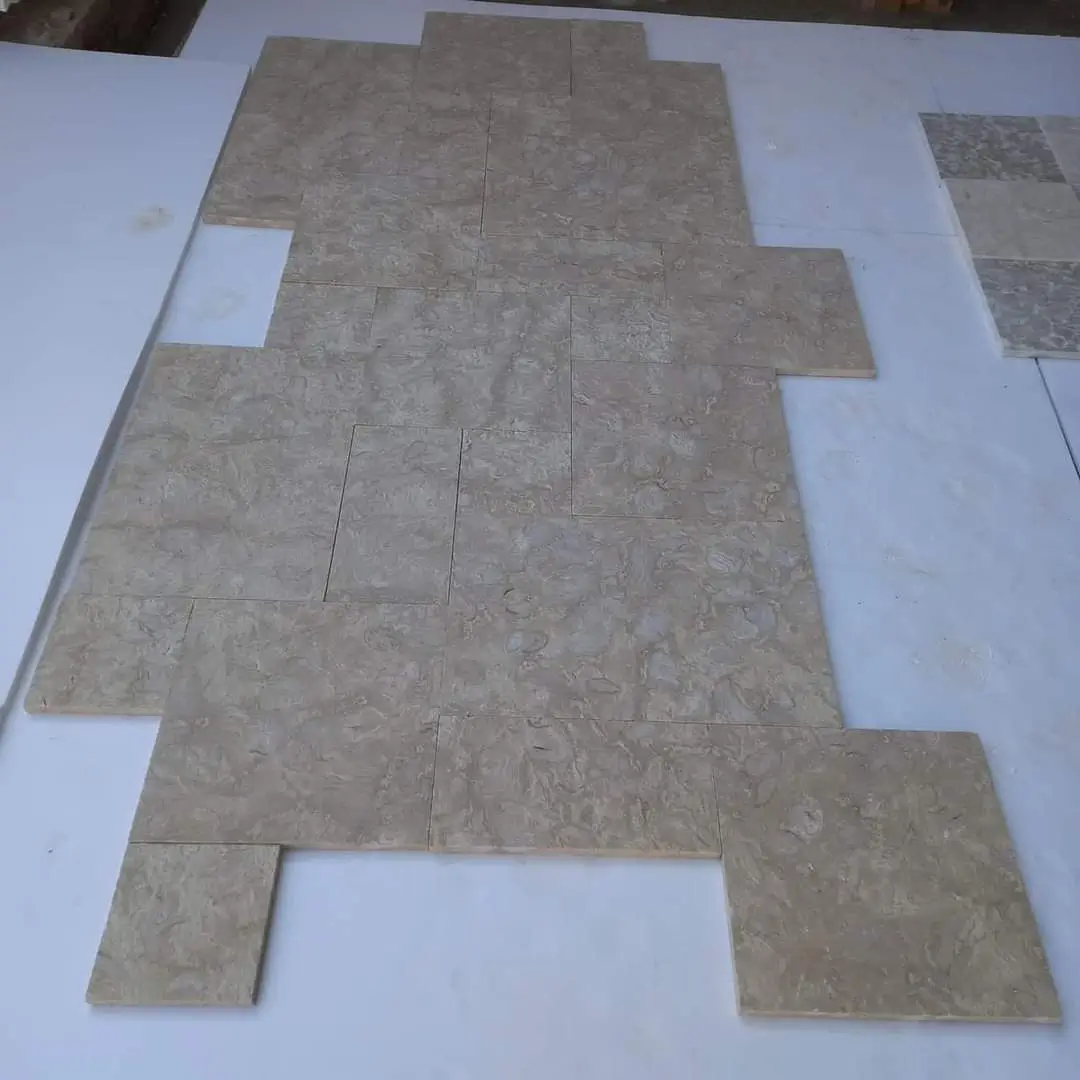
The Arizona wholesale benefits that experienced developers prioritize go well beyond what appears on a per-square-foot quote. Consistent material dye lot matching across phased deliveries is a major practical advantage of buying in volume from a single warehouse source. Limestone is a natural material — color variation between quarry batches can be significant enough to be visible in a finished installation. Securing your full project quantity through a single bulk limestone purchase in Marana eliminates the risk of mis-matched stone appearing in Phase 2 that wasn’t available in Phase 1.
Our technical team at Citadel Stone conducts pre-shipment quality checks on bulk orders, verifying thickness tolerances (typically ±1/8 inch for calibrated product), surface finish consistency, and edge integrity before material leaves the warehouse. This level of quality verification isn’t standard on retail-volume orders — it’s a bulk-purchase benefit that protects your installation quality and reduces field rejection rates. Developers who’ve run both retail and wholesale sourcing consistently report that pre-shipment QC catches 3–6% of material that would otherwise require return and replacement on site. These Marana contractor pricing agreements also typically include designated account contacts, giving your team direct access to inventory status and delivery scheduling without routing through general customer queues.
Spec Wrap-Up
A well-structured bulk limestone purchase in Marana isn’t just a procurement decision — it’s a specification strategy that affects material performance, installation quality, and long-term project economics simultaneously. The developers who extract the most value from volume pricing are the ones who consolidate scope early, negotiate staged-release agreements, and treat the quantity calculation as a precision exercise rather than a rough estimate.
Your specification should lock in absorption rate, compressive strength, finish type, base depth, and sealing protocol before your bulk order is finalized — these technical parameters determine whether a 25-year installation is realistic or optimistic. For a complementary perspective on high-end stone specifications across Arizona’s luxury residential market, Premium Limestone Paving Selection for Laveen Luxury Properties covers how premium stone performance requirements translate across different Arizona submarkets. We simplify the supply chain offering wholesale limestone pavers in Arizona directly to the trade.