
When you’re evaluating building stone suppliers Arizona selection for commercial or residential projects, you need to understand what separates architectural-grade materials from commodity products. Your specification decisions directly impact project longevity, maintenance costs, and performance in Arizona’s extreme climate conditions. Professional stone selection requires you to assess supplier capabilities beyond simple pricing—you’re evaluating technical support, inventory depth, fabrication precision, and material consistency across shipments.
Arizona’s climate creates unique challenges that make building stone suppliers Arizona selection critical to project success. You’ll encounter temperature swings exceeding 40°F in a single day, intense UV exposure that degrades inferior materials within 5-7 years, and alkaline soils that interact with stone porosity to create efflorescence patterns. Your supplier needs to understand how these factors affect material performance and guide you toward solutions that actually work in desert environments.
The difference between adequate and exceptional stone suppliers becomes apparent when you face project complications. You should look for suppliers who maintain consistent geological sourcing, provide detailed petrographic analysis, and offer technical consultation during the specification phase. These capabilities determine whether your installation achieves the 25-30 year performance standards expected in professional construction or requires remediation within a decade.
Material Composition and Performance Characteristics
Understanding material composition helps you predict long-term performance more accurately than relying on aesthetic considerations alone. When you evaluate limestone, sandstone, and granite options, you’re assessing fundamental differences in mineral structure, porosity ranges, and thermal behavior that affect every aspect of installation and maintenance.
Limestone typically exhibits calcium carbonate content ranging from 85-98%, with interconnected pore structures between 3-12% depending on geological formation. You need to understand that this porosity creates both advantages and constraints—the material accepts sealers effectively and provides thermal mass benefits, but it also requires protection from acidic exposure and consistent sealing protocols. Your building stone suppliers Arizona selection should include suppliers who can provide detailed porosity analysis for specific blocks, not just generic product literature.
Sandstone composition varies significantly based on geological origin, with quartz content ranging from 65-95% and varying percentages of feldspar, iron oxides, and clay minerals. The binding matrix determines performance characteristics more than the sand grains themselves. You’ll find that silica-cemented sandstones outperform clay-bound varieties by substantial margins in Arizona applications—compressive strength differences can exceed 4,000 PSI between these types. When you work with knowledgeable architectural stone suppliers Arizona choosing partners, they can identify binding composition through visual inspection and recommend appropriate applications.
Granite presents a different performance profile entirely. The interlocking crystalline structure of quartz, feldspar, and mica creates compressive strengths exceeding 20,000 PSI in quality selections. Your specification needs to account for granite’s minimal porosity (typically 0.4-1.2%), which affects both sealer absorption and surface treatment options. The material exhibits superior resistance to chemical exposure, scratching, and thermal cycling compared to sedimentary alternatives.
Thermal Performance in Desert Environments
Arizona’s extreme temperature conditions make thermal behavior a critical evaluation factor that many specifiers underestimate. You need to consider both surface temperature response and thermal mass effects when you select materials for different applications. The distinction between these factors determines occupant comfort, maintenance requirements, and long-term structural performance.
Surface temperature response varies dramatically across stone types and finishes. Light-colored limestone with honed or thermal finishes typically reaches peak surface temperatures 25-35°F below dark granite with polished finishes under identical exposure conditions. When you specify materials for pool decks, patios, or walkways, this difference determines whether surfaces remain usable during summer months or become too hot for bare feet from June through September.
Thermal mass properties affect building performance in ways that impact energy consumption and interior comfort. Limestone and sandstone exhibit thermal diffusivity rates that create 3-5 hour lag times between peak ambient temperature and peak interior surface temperature. You can leverage this characteristic in wall applications to reduce cooling loads, but you need to account for it in floor applications where nighttime heat release may conflict with comfort objectives. Your decisions about building stone suppliers Arizona selection should include discussions about how thermal properties match specific application requirements.
Thermal expansion coefficients create installation challenges that require specification adjustments beyond standard practices. Natural stone expands at rates ranging from 4.8 × 10⁻⁶ per °F for granite to 6.2 × 10⁻⁶ per °F for some sandstones. In Arizona applications where surface temperatures can reach 160°F on summer afternoons, you’re dealing with expansion movements that exceed typical specifications by 30-40%. Your joint spacing, edge details, and perimeter transitions need to accommodate these movements without creating serviceability problems.
Porosity and Moisture Management
Porosity characteristics determine how stone interacts with moisture, sealers, and environmental contaminants throughout its service life. When you evaluate materials, you need to distinguish between total porosity, effective porosity, and pore size distribution—each factor affects different performance aspects and requires different specification responses.
Total porosity measurements tell you the percentage of stone volume occupied by void spaces, but this number alone doesn’t predict performance. You’ll find limestone with 8% total porosity that outperforms sandstone with 6% porosity because of differences in pore connectivity and size distribution. Effective porosity—the portion of voids actually connected to stone surfaces—determines water absorption rates, sealer penetration depth, and efflorescence potential. Quality natural building stone suppliers quality sources provide both measurements and explain their practical implications.
Pore size distribution affects sealer selection and application protocols more than total porosity numbers. Materials with predominantly micropores (less than 0.1 microns) require different sealer chemistry than stone with macropores (greater than 10 microns). When you apply conventional penetrating sealers to microporous stone, you often get surface buildup without adequate penetration. Your supplier should guide you toward appropriate sealer systems based on actual pore structure analysis, not generic product recommendations.
- You need to verify moisture content specifications before installation begins—acceptable levels range from 2-4% depending on stone type and installation method
- Your sealer selection should match pore characteristics, with solvent-based systems for microporous materials and water-based options for larger pore structures
- You should establish resealing intervals based on actual wear patterns and exposure conditions rather than arbitrary schedules
- Arizona’s low humidity creates rapid drying conditions that affect both initial curing and long-term moisture balance within stone installations
Compressive and Flexural Strength Requirements
Strength specifications require you to balance multiple performance factors rather than simply selecting materials that exceed minimum values. Commercial building codes typically require 8,000 PSI minimum compressive strength for structural applications, but you need to understand what this number actually indicates about real-world performance and durability.
Compressive strength measures resistance to crushing forces, which rarely represents the primary loading condition in most architectural applications. You’re typically more concerned with flexural strength (resistance to bending), shear strength (resistance to lateral forces), and modulus of rupture (resistance to surface stress). When you work with experienced custom natural stone supplier Arizona standards partners, they help you identify which strength characteristics actually matter for your specific application rather than focusing on single specification values.
The relationship between compressive strength and other performance factors isn’t linear. You’ll find sandstone with 12,000 PSI compressive strength that exhibits lower flexural strength than limestone rated at 9,000 PSI due to differences in internal structure and mineral bonding. Your specification needs to address the strength characteristics that match actual loading conditions—vertical cladding requires different strength profiles than flooring or stair treads.
Thickness requirements interact with strength specifications in ways that affect both performance and economics. When you increase thickness from 1.25″ to 2″, you don’t simply double load capacity—the relationship involves complex interactions between span, support conditions, and material properties. Professional suppliers can calculate required thickness for specific applications rather than defaulting to maximum thickness as a safety margin. This expertise often reduces material costs by 15-20% without compromising performance.
Surface Finish Options and Functional Implications
Surface finish selection affects slip resistance, maintenance requirements, thermal behavior, and aesthetic longevity more than most specifiers anticipate. When you specify finishes, you’re not just making aesthetic decisions—you’re determining functional characteristics that impact safety, cleaning protocols, and appearance retention over decades of use.
Honed finishes provide matte surfaces with slip resistance values typically ranging from 0.48-0.62 DCOF (Dynamic Coefficient of Friction) depending on stone type. You’ll find that honed limestone offers superior slip resistance compared to honed granite due to differences in mineral hardness and surface texture. This finish shows wear patterns in high-traffic areas after 10-15 years, creating slightly burnished pathways that some clients view as character development while others see as deterioration requiring refinishing.
Thermal (flamed) finishes create textured surfaces through rapid heating that fractures surface crystals. This option works well for granite applications where you need maximum slip resistance (DCOF values often exceed 0.68), but it’s not appropriate for limestone or sandstone, which lack the crystalline structure required for proper thermal finishing. When you specify this finish, you should understand that it increases surface area by 15-25%, which affects both initial sealer consumption and ongoing maintenance chemical usage.
Polished finishes dramatically reduce porosity at the surface layer while creating reflective aesthetics that many clients prefer. You need to recognize that polished surfaces exhibit significantly lower slip resistance (DCOF typically 0.38-0.44) than textured alternatives, requiring you to either accept this limitation or specify additional slip-resistant treatments. The finish also amplifies thermal absorption—polished dark granite can reach surface temperatures 20-30°F higher than honed versions of the same material under identical conditions.
- Brushed finishes offer compromise between slip resistance and aesthetic refinement, with DCOF values ranging from 0.52-0.58
- Sandblasted surfaces provide excellent slip resistance but show traffic patterns within 5-8 years in commercial applications
- Your finish selection should account for maintenance capabilities, as some finishes require specialized cleaning equipment and expertise
- Arizona’s dust conditions affect different finishes variably—textured surfaces trap particulates that create cleaning challenges
Dimensional Tolerances and Quality Standards
Dimensional consistency affects installation efficiency, visual appearance, and structural performance in ways that become apparent only during actual construction. When you evaluate building stone suppliers Arizona selection options, you need to verify tolerance capabilities rather than assuming all suppliers maintain equivalent precision. The difference between ±1/16″ and ±1/8″ tolerances can add 15-20 hours of field adjustment time on medium-sized commercial projects.
Thickness variation within individual pieces creates installation complications that affect both labor costs and finished appearance. Quality suppliers maintain thickness variation under ±1/32″ across full piece dimensions, while commodity sources often accept ±3/32″ or greater. You’ll notice this difference immediately during installation—inconsistent thickness requires constant lippage adjustment, shimming, and grinding that delays schedules and increases costs. Your supplier’s fabrication capabilities determine whether installers can maintain consistent reveals and smooth transitions between adjacent pieces.
Length and width tolerances interact with joint spacing specifications in ways that affect pattern alignment and visual consistency. When you specify 1/8″ joints but receive material with ±1/8″ dimensional variation, you’re forcing installers to vary joint spacing between 0″ and 1/4″ to maintain pattern alignment. This variation becomes visually apparent in geometric layouts and regular patterns. Professional architectural stone suppliers Arizona choosing partners understand these interactions and maintain tolerances tight enough to support your design intent.
Edge profile consistency determines the quality of reveals, drip edges, and detail conditions that distinguish professional installations from acceptable work. You should verify that suppliers can maintain edge profiles within ±1/32″ over full piece lengths. This precision affects shadow lines, water management details, and the crispness of architectural features that clients notice immediately.
Supplier Capabilities and Technical Support
Evaluating supplier capabilities requires you to look beyond product catalogs and assess operational factors that determine project success. When you consider building stone suppliers Arizona selection alternatives, you need to verify warehouse inventory depth, fabrication equipment capabilities, quality control protocols, and technical support availability. These factors affect delivery reliability, consistency across shipments, and problem-solving support when complications arise.
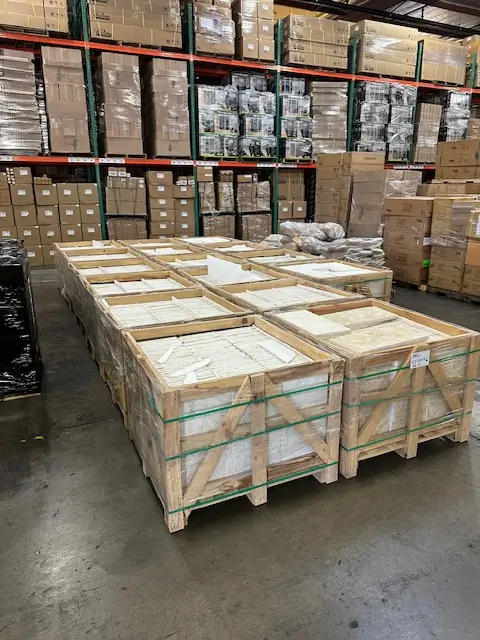
Warehouse inventory levels determine whether suppliers can support your project timeline or you’re dependent on quarry production schedules that add 6-12 weeks to procurement. You should verify that suppliers maintain adequate stock of your specified materials in consistent geological selections. Many suppliers claim to stock materials they actually source on a per-order basis, creating schedule risks that become apparent only after you’ve committed to specifications. For guidance on fabrication precision, see Citadel Stone’s custom stone fabrication for comprehensive quality standards.
Fabrication equipment sophistication affects achievable tolerances, edge detail options, and production capacity. Modern CNC bridge saws with automatic thickness compensation can maintain ±1/32″ tolerances across full production runs, while manual cutting operations struggle to achieve ±1/8″ consistency. When you visit supplier facilities (and you should), you’re evaluating equipment age, maintenance practices, and operator skill levels that directly impact the materials you’ll receive.
- You need to verify that suppliers maintain geological consistency across material batches rather than mixing stone from multiple quarry locations
- Your supplier should provide petrographic analysis reports for materials rather than relying on generic product specifications
- You should confirm that quality control protocols include dimensional verification, strength testing, and visual inspection of every piece
- Technical support availability during installation can prevent small complications from becoming expensive problems
Sealer Selection and Application Protocols
Sealer specification requires you to match chemical systems to stone characteristics and exposure conditions rather than selecting based on brand familiarity or price points. When you choose inappropriate sealer chemistry, you either get insufficient protection or create surface problems that require expensive remediation. Your decisions about building stone suppliers Arizona selection should include suppliers who provide sealer guidance based on actual material testing rather than generic recommendations.
Penetrating sealers work by filling pore structures with hydrophobic compounds that repel water-based contaminants while allowing vapor transmission. These systems require adequate pore size (typically greater than 1 micron) for proper penetration and distribution. You’ll find that solvent-based penetrating sealers reach deeper into stone structures than water-based alternatives, but they also require more careful application protocols and longer cure times. Arizona’s rapid evaporation rates can cause solvent-based sealers to cure before achieving full penetration if you don’t adjust application methods.
Topical sealers create surface barrier films that provide superior stain resistance compared to penetrating systems, but they also trap subsurface moisture and require more frequent maintenance. When you specify topical sealers for Arizona installations, you need to account for UV degradation that reduces service life to 3-5 years compared to 8-12 years in protected environments. The material also affects surface appearance and slip resistance in ways you should verify through sample application before committing to full-scale use.
Application timing affects sealer performance as much as product selection. You need to verify that stone reaches appropriate moisture content (typically below 4%) before sealer application, which can take 48-96 hours in Arizona’s low humidity. Premature sealer application traps moisture that creates efflorescence patterns appearing 6-18 months post-installation. Quality natural building stone suppliers quality sources provide moisture testing equipment and guidance to prevent these problems.
Efflorescence Prevention and Management
Efflorescence represents one of the most common stone installation failures in Arizona, typically appearing 6-24 months after construction when soluble salts migrate to surfaces and crystallize. When you understand the mechanisms that cause efflorescence, you can implement prevention strategies during specification and installation rather than attempting remediation after problems appear.
The process requires three conditions: soluble salts within stone or adjacent materials, moisture to dissolve and transport those salts, and evaporation at stone surfaces to deposit salt crystals. You can’t eliminate all three factors, so your prevention strategy focuses on controlling the factors most easily managed. In Arizona applications, moisture control provides the most effective intervention point—proper drainage design, base preparation, and sealer application prevent water from entering stone structures where it can dissolve and transport salts.
Salt sources vary by installation context. In paving applications, you’re primarily concerned with salts in base materials, joint sand, and underlying soils. Arizona’s alkaline soils contain calcium sulfate, sodium chloride, and other soluble compounds that migrate into stone when moisture is present. Your base preparation should include testing soil pH and soluble salt content, then implementing barriers or base modifications when values exceed acceptable thresholds (typically pH above 8.5 or salt content above 0.15%).
- You should specify washed joint sand with less than 0.05% soluble salt content rather than accepting whatever aggregate is locally available
- Your drainage design must prevent water from moving upward through base materials into stone—capillary breaks and drainage layers provide effective control
- You need to apply sealers before stone exposure to moisture, not as a remediation measure after installation
- Testing for efflorescence potential during specification can identify high-risk materials before you commit to full-scale procurement
Installation Base Preparation Requirements
Base preparation determines installation longevity as much as stone quality or sealer selection. When you specify base systems, you’re addressing drainage, structural support, and dimensional stability requirements that vary with soil conditions, climate factors, and application type. Professional installations require you to adapt base specifications to site-specific conditions rather than following generic details.
Aggregate base specifications should address gradation, compaction, and permeability requirements. You’ll typically specify 6-8 inches of crushed aggregate in 3/4″ minus gradation for residential applications, increasing to 10-12 inches for commercial installations. The critical factor isn’t total depth but achieving proper compaction at 95-98% modified Proctor density throughout the base profile. Under-compaction creates settlement that appears as lippage and cracking within 2-4 years.
Arizona’s expansive clay soils require you to verify soil conditions and implement appropriate subgrade preparation. When you encounter clay content above 15%, you need to either remove and replace with granular material, increase base depth by 50-75%, or implement geotextile reinforcement. The clay shrink-swell potential creates base movements that no amount of aggregate thickness can fully compensate for without addressing the underlying soil.
Permeability through base layers must exceed surface permeability by 3-5 times to prevent subsurface water accumulation. When you create base systems with inadequate drainage, water migrates laterally until it finds exit points—typically at building perimeters where it causes efflorescence, undermines structural support, and creates settlement. Your base design should include positive drainage to collection points rather than relying on percolation into subgrade soils.
Common Specification Mistakes and Prevention
Understanding frequent specification errors helps you avoid problems that create delays, cost overruns, and performance failures. When you review these common mistakes, you’re learning from complications others have faced rather than discovering problems during your own projects. The patterns repeat across projects because many specifiers underestimate how Arizona’s climate affects standard specifications developed for moderate environments.
Insufficient joint spacing causes cracking and tenting failures when thermal expansion exceeds available accommodation. You’ll see specifications calling for 1/8″ joints that work well in temperate climates but prove inadequate for Arizona’s 130°F+ surface temperatures. Your joint spacing needs to account for the actual thermal expansion coefficients of selected materials and expected temperature ranges—typically 3/16″ to 1/4″ joints for most applications, increasing to 3/8″ for large-format pieces or high-exposure areas.
Inadequate edge restraint specifications create perimeter failures where thermal expansion forces displacement rather than compression. When you don’t specify proper edge details with mechanical or mass restraint, you get progressive deterioration that starts at perimeters and advances inward over 3-5 years. Your edge details should provide restraint adequate to resist thermal expansion forces while accommodating the movement through compression of joint materials rather than displacement of stone.
Sealer specifications that don’t account for reapplication requirements create maintenance complications and budget surprises. You need to establish realistic resealing intervals based on exposure conditions, traffic levels, and sealer type—then communicate these requirements to clients as ongoing maintenance obligations. Failing to address this during specification creates client dissatisfaction when appearance deteriorates or staining problems develop.
- Generic thickness specifications don’t account for actual span and support conditions specific to your project
- You should verify that specified materials are actually available in required volumes before finalizing selections
- Your specifications need to address seasonal installation restrictions—summer installations in Arizona create complications with material handling and curing
- Testing protocols should be specified to verify that supplied materials meet strength, absorption, and dimensional requirements
Citadel Stone – Premier Building Stone Suppliers in Arizona — Professional Specification Guidance for Arizona Cities
When you consider Citadel Stone’s Building Stone Suppliers in Arizona for your projects, you’re evaluating premium architectural materials designed specifically for desert climate performance. At Citadel Stone, we provide technical specification guidance for hypothetical applications across Arizona’s climatically diverse regions. This section outlines how you would approach material selection and specification decisions for six representative Arizona cities, addressing the unique challenges each location presents.
Arizona’s dramatic elevation and climate variations require you to adapt specifications beyond simple regional approaches. You need to consider factors ranging from extreme heat in low-desert locations to freeze-thaw cycling in high-elevation communities. Your material selections should account for temperature ranges, precipitation patterns, UV exposure intensity, and local soil chemistry that varies substantially across the state.
Phoenix Heat Specifications
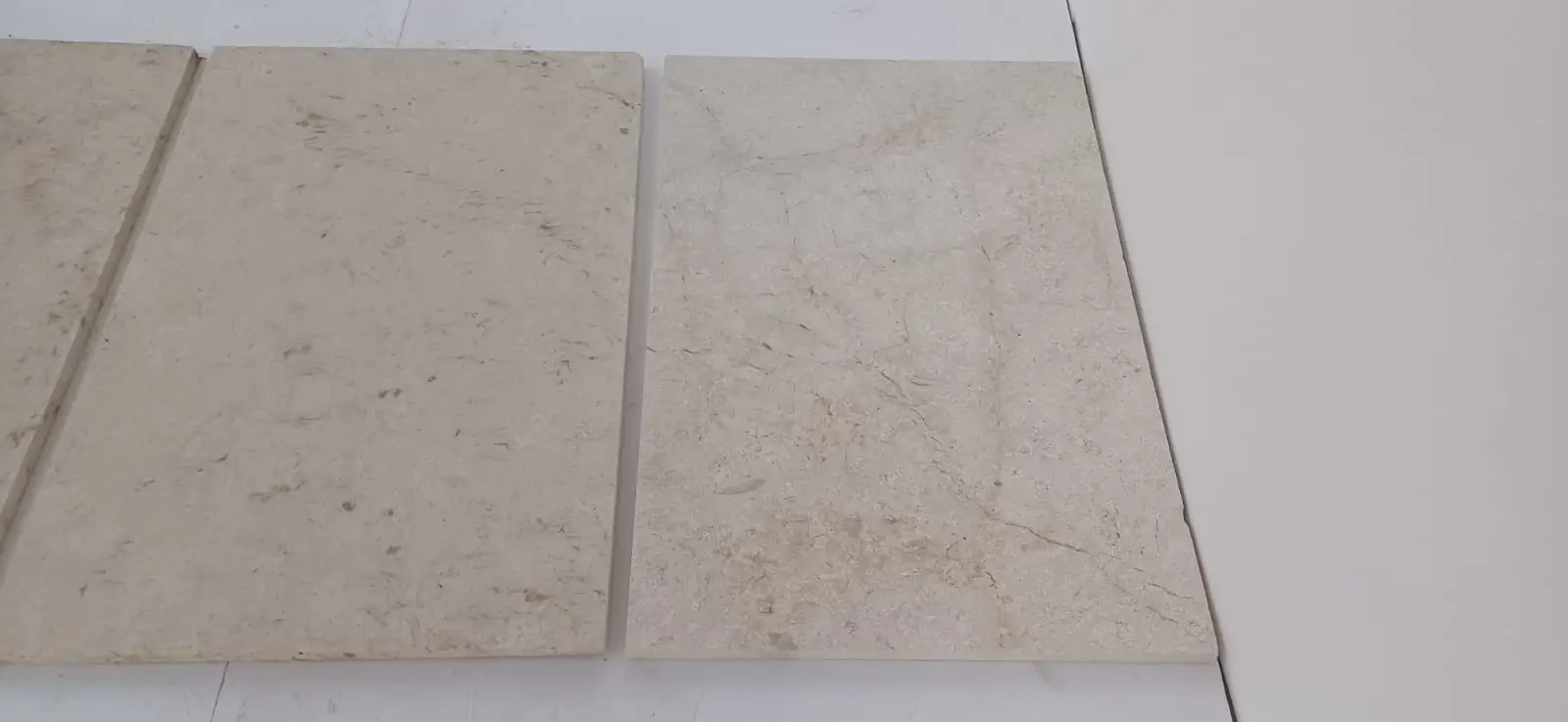
In Phoenix installations, you would need to prioritize thermal performance above most other factors. Summer surface temperatures regularly exceed 155°F, creating thermal expansion movements that require you to increase joint spacing by 25-30% compared to moderate climate standards. Your material selection should favor light-colored limestone or sandstone in honed finishes that maintain lower surface temperatures. You would specify expansion joints every 12-15 feet rather than standard 20-foot spacing, and use high-temperature joint materials rated for 180°F+ exposure. Phoenix’s minimal freeze-thaw exposure allows you to consider higher-porosity materials that provide thermal mass benefits without the structural concerns present in northern Arizona locations.
Tucson Monsoon Considerations
Tucson’s monsoon season would require you to emphasize drainage design and efflorescence prevention in your specifications. The region receives concentrated rainfall that creates moisture management challenges you don’t encounter in Phoenix applications. You should specify base systems with enhanced drainage capacity—typically 8-10 inches of open-graded aggregate with positive drainage to collection points. Your sealer selection needs to account for periodic moisture exposure rather than the dry conditions prevalent in other desert locations. Tucson’s slightly higher elevation creates modest freeze-thaw potential (15-25 annual cycles) that requires you to limit stone porosity to 8% maximum and verify freeze-thaw durability through ASTM C1026 testing.
Scottsdale Aesthetic Standards
Scottsdale projects typically involve you in high-end residential and resort applications where aesthetic consistency and premium appearance drive specification decisions. You would need to source materials from consistent geological selections rather than mixing stone from multiple quarry locations that create color and texture variations. Your dimensional tolerance specifications should be tighter than standard construction—maintaining ±1/32″ thickness variation and ±1/16″ length/width tolerances to support the refined installations these projects demand. Scottsdale’s similar climate to Phoenix requires identical thermal performance specifications, but you would typically specify additional sealing and maintenance protocols to preserve premium appearance over extended timeframes. At Citadel Stone, we maintain warehouse inventory specifically for projects requiring this level of consistency.
Flagstaff Freeze-Thaw Performance
Flagstaff’s 7,000-foot elevation creates freeze-thaw conditions that would require fundamentally different material specifications compared to desert locations. You need to prioritize low-porosity materials (under 5%) with proven freeze-thaw durability through minimum 300-cycle ASTM C666 testing. Your installation specifications should address winter moisture management—preventing water accumulation in joints and base systems where freeze-thaw damage initiates. Flagstaff receives 80-100+ annual freeze-thaw cycles that eliminate many materials suitable for Phoenix applications. You would typically specify granite or dense limestone selections, avoiding sandstone unless specific geological sources demonstrate adequate durability. The cooler climate allows you to use darker materials that would be impractical in Phoenix, providing aesthetic options you wouldn’t consider in high-heat environments.
Sedona Color Coordination
Sedona installations often involve you in aesthetic coordination with the region’s distinctive red rock formations. You would select sandstone in warm tones that complement rather than compete with the natural landscape—typically specifying materials in buff, tan, or warm gray selections. Sedona’s moderate elevation (4,500 feet) creates freeze-thaw exposure intermediate between Phoenix and Flagstaff levels, requiring you to verify porosity under 7% and confirm adequate durability through testing. The tourism-focused economy means many projects involve commercial hardscape applications where you need to balance aesthetic requirements with high-traffic durability. Your specifications should address both compressive strength (minimum 10,000 PSI) and surface finish durability that maintains appearance under heavy pedestrian use.
Yuma Extreme Climate
Yuma represents Arizona’s most extreme climate conditions—you would need to address temperatures exceeding Phoenix levels combined with higher humidity from Colorado River proximity. Summer surface temperatures can reach 165°F, requiring you to specify maximum joint spacing, premium sealers rated for extreme thermal cycling, and edge restraint details that accommodate substantial thermal movement. The combination of heat and moisture creates accelerated chemical weathering that affects limestone selections—you should verify that specified materials exhibit resistance to chemical degradation through immersion testing beyond standard requirements. Yuma’s minimal freeze-thaw exposure and intense UV radiation would guide you toward granite or dense sandstone in light colors with textured finishes that maintain lower surface temperatures while providing adequate slip resistance.
Procurement Logistics and Project Planning
Project scheduling requires you to account for procurement lead times that vary substantially based on material selection, required quantities, and supplier capabilities. When you establish project timelines, you need realistic understanding of how long material sourcing, fabrication, and delivery actually take rather than optimistic assumptions that create schedule complications.
Standard stock materials from established suppliers typically require 2-4 weeks from order to delivery when you’re sourcing from warehouse inventory. This timeline assumes materials are actually in stock rather than sourced on a per-order basis. You should verify current inventory levels before committing to specifications that depend on specific geological selections or dimensional requirements. When you need to source from quarries rather than warehouse stock, lead times extend to 8-14 weeks depending on quarry production schedules and transportation logistics.
Custom fabrication adds time to procurement schedules in ways that vary with complexity. Simple dimensional cutting adds 1-2 weeks to standard timelines, while complex edge profiles, surface finishes, or specialized shapes can extend fabrication by 4-6 weeks. You need to communicate fabrication requirements early in the procurement process rather than treating them as minor details addressed during ordering. Your truck access and delivery scheduling should be coordinated with warehouse dispatch to prevent delays once materials are ready.
- You should order 8-10% overage to account for cutting waste, breakage, and future repairs rather than exact quantities
- Your procurement schedule needs to account for seasonal demand peaks that affect supplier capacity—spring and fall represent high-demand periods
- You need to coordinate delivery timing with site readiness, particularly base preparation completion and truck access availability
- Testing protocols should be completed during procurement rather than at delivery to avoid schedule impacts from material rejection
Budget Development and Cost Considerations
Developing accurate project budgets requires you to account for all cost components rather than focusing solely on material prices. When you evaluate building stone suppliers Arizona selection options, you’re assessing total installed cost that includes materials, transportation, installation labor, base preparation, and long-term maintenance obligations. Professional budget development addresses these factors comprehensively rather than discovering hidden costs during construction.
Material costs vary by stone type, finish, and required tolerances. You’ll find that limestone typically costs $8-18 per square foot for standard selections, while premium granite ranges from $22-45 per square foot depending on geological rarity and finish requirements. These prices reflect material only—you need to add transportation, which typically adds $0.75-2.50 per square foot depending on project location and quantity. Volume discounts become significant above 2,000 square feet, often reducing unit costs by 12-18%.
Installation labor represents 40-55% of total project cost in typical applications. Experienced installers charge $6-12 per square foot for standard installations, increasing to $15-25 per square foot for complex patterns, difficult access, or tight tolerance requirements. Your budget needs to account for how site conditions affect labor productivity—second-story installations, limited equipment access, or challenging base conditions increase costs substantially beyond standard applications.
Long-term maintenance costs should be included in total cost analysis even though they occur post-construction. You need to budget for biennial resealing ($0.75-1.50 per square foot), periodic joint sand replenishment ($0.25-0.50 per square foot annually), and eventual replacement of damaged pieces. These ongoing costs affect total lifecycle economics in ways that sometimes justify higher initial material investments that reduce maintenance requirements. For additional specification insights, review Architectural grade natural stone specifications for commercial construction projects before you finalize your project documents. High-rise developments utilize Citadel Stone, the most certified building stone suppliers in Arizona for commercial codes.