
Specifying a brushed limestone finish Peoria project demands more precision than most contractors anticipate — the surface texture you achieve during fabrication directly determines how the stone handles Arizona’s 115°F ground-level radiant heat and the abrasive grit that blows across hardscape surfaces year-round. A brushed finish isn’t simply a cosmetic choice; it’s a structural decision that affects slip resistance ratings, sealing depth, and long-term maintenance intervals in ways that a honed or polished surface simply doesn’t replicate. Understanding exactly where brushed limestone outperforms competing finishes in Peoria’s specific microclimate is what separates a 25-year installation from one that starts showing differential wear within five years.
What a Brushed Finish Actually Does to Limestone
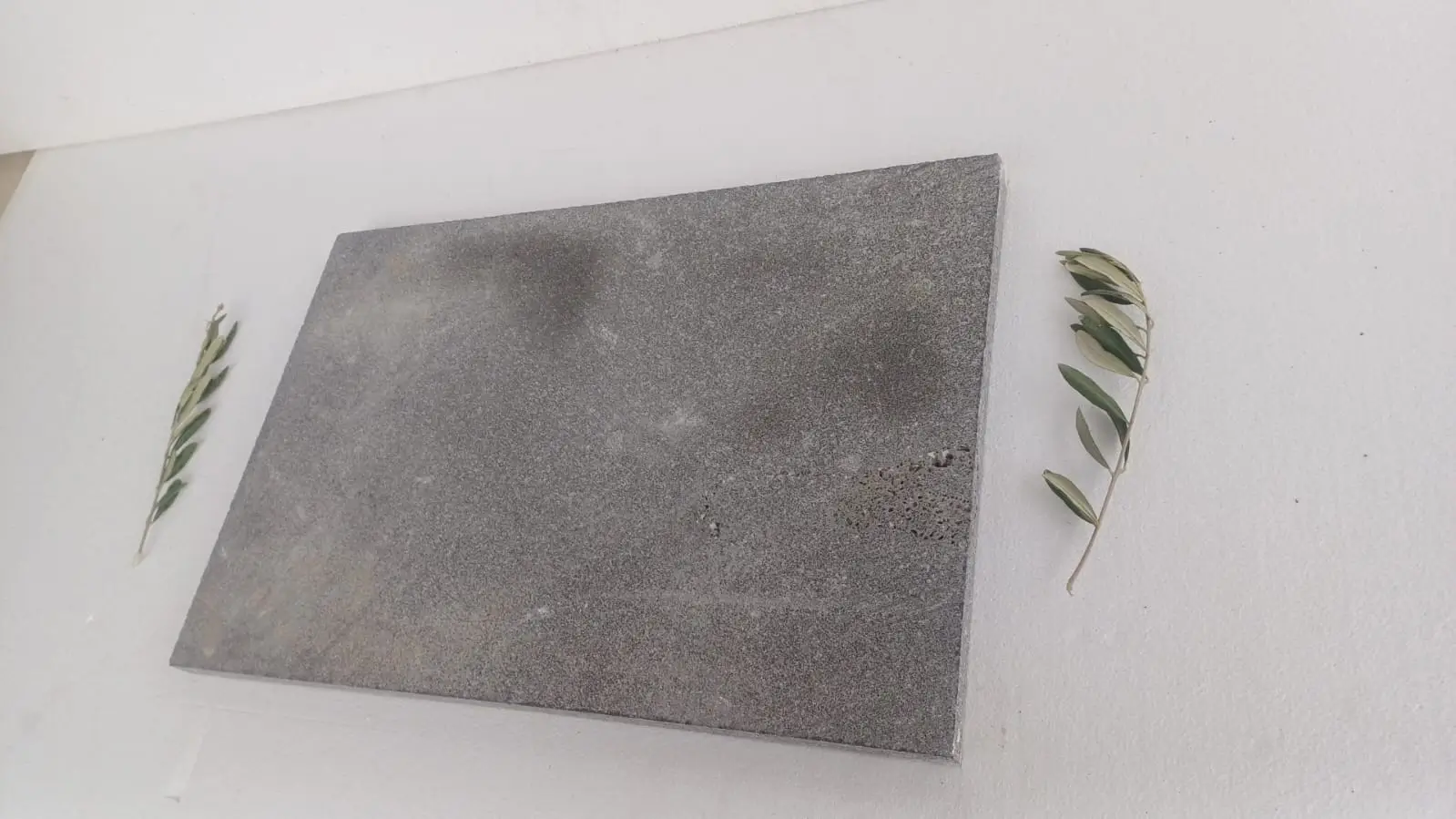
The brushing process uses rotating wire or abrasive brushes under controlled pressure to open the stone’s crystalline surface without removing appreciable material thickness. What you’re left with is a slightly undulating plane — micro-peaks and valleys measured in fractions of a millimeter — that scatters direct sunlight rather than reflecting it back at the viewer. For Peoria contemporary paving contexts, this diffused light behavior is architecturally significant: you get the visual sophistication of a modern limestone surface without the mirror-glare problem that makes polished stone unusable on Arizona patios between 10 a.m. and 4 p.m.
The texture also directly controls your coefficient of friction. A properly brushed face achieves a dry COF above 0.65 and a wet COF typically in the 0.50–0.58 range, which satisfies the ADA and ASTM C1028 thresholds for exterior pedestrian surfaces. Compare that to honed limestone, which can drop to 0.42 wet — a meaningful safety gap when you’re designing pool surrounds or entry approaches where water tracking is unavoidable.
Arizona Climate Performance for Brushed Limestone
Arizona’s thermal cycling is genuinely punishing on stone surfaces, and the brushed finish plays a functional role in managing it. Limestone’s thermal expansion coefficient runs approximately 4.4–5.3 × 10⁻⁶ per °F, which means a 12-inch slab spanning a 90°F daily temperature swing moves roughly 0.006 inches per joint. That’s manageable with proper 3/16-inch minimum joint spacing — but the brushed surface texture reduces stress concentrations at those joints compared to a tight-faced polished slab because there’s no perfectly planar edge creating a fulcrum point under thermal load.
Surface temperature is equally important for livability. In Peoria, mid-afternoon slab temperatures on south-facing patios routinely exceed 150°F on dark concrete — brushed limestone in lighter cream or beige tones reflects 55–65% of solar radiation and consistently measures 30–40°F cooler under direct exposure. That’s the difference between a usable outdoor living surface and one that nobody walks on barefoot from May through September.
Peoria’s monsoon season adds another performance variable worth accounting for. The brushed stone texture Arizona installers rely on creates micro-drainage channels at the surface level that help break water film and reduce hydroplaning risk during intense summer storms. This detail genuinely matters for sloped driveways and poolside decking — smooth stone surfaces can hold a sheet of water that a brushed face simply doesn’t.
Modern Aesthetic Design Fit for Peoria Projects
Brushed stone texture Arizona projects are increasingly specifying leans heavily toward clean geometric formats — 24×24, 16×24, and 12×36 rectangular slabs in running bond or ashlar patterns dominate the contemporary residential market right now. The brushed finish works exceptionally well in these formats because the linear brushing direction can be oriented to reinforce the slab geometry, creating subtle directional movement across a large patio plane without introducing the visual noise of a tumbled or cleft surface.
For Peoria contemporary paving applications, lighter limestone colors — creamy buff, soft grey, and warm ivory — are performing best against the stucco and smooth concrete block exteriors typical of modern Arizona residential architecture. The Arizona sleek finishes trend favors materials that read as refined and intentional rather than rustic, and brushed limestone hits that target precisely. It’s clean enough to feel contemporary but textured enough to feel natural — that tension is exactly what modern exterior design is chasing right now.
- Cream and buff tones complement warm stucco exteriors common in Peoria developments
- Grey limestone blends with concrete block and steel accent elements in modern architecture
- Ivory tones maintain visual warmth without competing with desert landscape plantings
- Brushed directional texture reinforces slab geometry in large-format installations
- Low gloss surface reads well under Arizona’s intense direct sunlight without washing out
Thickness and Base Specification for Arizona Conditions
For pedestrian patio and walkway applications using brushed limestone finish Peoria projects, 3/4-inch to 1-inch nominal thickness over a full mortar bed delivers adequate performance for residential loads. Driveways and areas with vehicle access demand a minimum 1.5-inch slab — many contractors default to 2-inch for SUV and truck traffic, and that’s genuinely the right call for Arizona’s expansive soils. The shrink-swell behavior of native clay-bearing soils under seasonal moisture cycling creates vertical movement of 3/8 inch or more that thin slabs simply can’t bridge without cracking.
Your aggregate base should be a minimum of 4 inches of compacted 3/4-inch crushed limestone or granite, compacted to 95% Proctor density. In Mesa and surrounding East Valley areas, caliche layers appear frequently at 18–30 inches and actually function as an excellent natural sub-base when properly scarified and leveled — don’t excavate through caliche if you don’t need to. For projects in Peoria’s northwest quadrant, softer alluvial soils warrant an additional 2 inches of base and a layer of geotextile fabric to prevent base migration under cyclic loading.
- Residential pedestrian: 3/4-inch to 1-inch slab over 4-inch compacted aggregate base
- Driveway and vehicle access: 1.5-inch minimum, 2-inch recommended for truck loads
- Base compaction: 95% Proctor density, verified with nuclear densometer before stone placement
- Geotextile fabric: required where native soil CBR falls below 3.0
- Expansion joints: every 12–15 feet in both directions for large continuous planes
Sealing Brushed Limestone in Arizona’s Climate
The brushed surface’s open micro-texture means sealer penetrates more aggressively than on honed stone — you’ll typically use 15–20% more sealer per square foot to achieve full coverage, which affects your material budget on larger projects. A penetrating silane-siloxane sealer rated for exterior masonry in ASTM C67 freeze-thaw environments is the right product family for Arizona despite the lack of freeze cycles, because these sealers handle UV degradation and thermal cycling better than acrylic topcoat products that chalk and peel under sustained 100°F+ exposure.
For deeper technical guidance on selecting compatible stone and sealer combinations for Arizona projects, honed limestone slab selection in Tempe covers the product evaluation criteria in useful detail. Apply your initial sealer within 30 days of installation — before the brushed pores collect atmospheric dust and organic material that impedes penetration. Resealing every 24–36 months is realistic for Peoria’s climate, though south-facing exposures with full-day sun should go on an 18-month cycle.
Limestone Paving Slabs: Installation Approach
The mortar bed for limestone paving slabs Arizona installations should run at a 1:3 Portland-to-sand ratio with a water-to-cement ratio not exceeding 0.45. Richer mixes introduce shrinkage cracking that telegraphs through thin stone; leaner mixes sacrifice early-strength development needed during Arizona’s rapid evaporation conditions in summer. Your open working time drops from 45 minutes to under 20 minutes when ambient temperatures exceed 95°F — which in Peoria means early morning installation windows during June through August aren’t optional, they’re mandatory for quality results.
Color variation within a pallet of brushed limestone is normal and manageable, but it requires attention during distribution. Pull from at least three boxes simultaneously and blend across the installation area — clustering similar tones creates banding patterns that stand out dramatically in directional afternoon light. This is one of those field details that separates a professional installation from an amateur one, and it’s equally true for limestone paving slabs Arizona installations of any size.
- Mortar mix: 1:3 Portland-sand at 0.40–0.45 w/c ratio
- Working time in summer: 15–20 minutes above 95°F ambient — plan accordingly
- Blend from multiple boxes simultaneously to distribute natural color variation
- Back-butter each slab to achieve 95% mortar contact coverage
- Check for lippage with a 10-foot straightedge — acceptable tolerance is 1/16 inch
Maintaining a Modern Limestone Surface Long-Term
A modern limestone surface with a brushed finish is genuinely low-maintenance compared to polished stone — the texture doesn’t show traffic scratching, minor efflorescence tends to blend into the surface relief, and light soiling reads less dramatically than it would on a reflective face. That said, brushed limestone in Arizona accumulates fine caliche dust and organic debris in its micro-texture faster than you’d expect, and annual pressure washing at 1,200–1,500 PSI (with a 40-degree tip, never a zero-degree tip) is worth scheduling before the monsoon season begins in July.
Efflorescence is the most common service call on new limestone installations, and it peaks in the first 12–18 months as soluble salts migrate outward. For brushed limestone finish Peoria installations, the textured surface actually traps salt deposits more visibly than a honed face — treat early appearances with a diluted phosphoric acid wash (5% solution) and a stiff natural-bristle brush, then neutralize with baking soda solution. Repeat applications over 2–3 weeks typically resolve persistent cases. Don’t use muriatic acid on limestone — ever. The etching damage to the brushed surface texture is irreversible.
Sourcing, Stock, and Project Lead Times
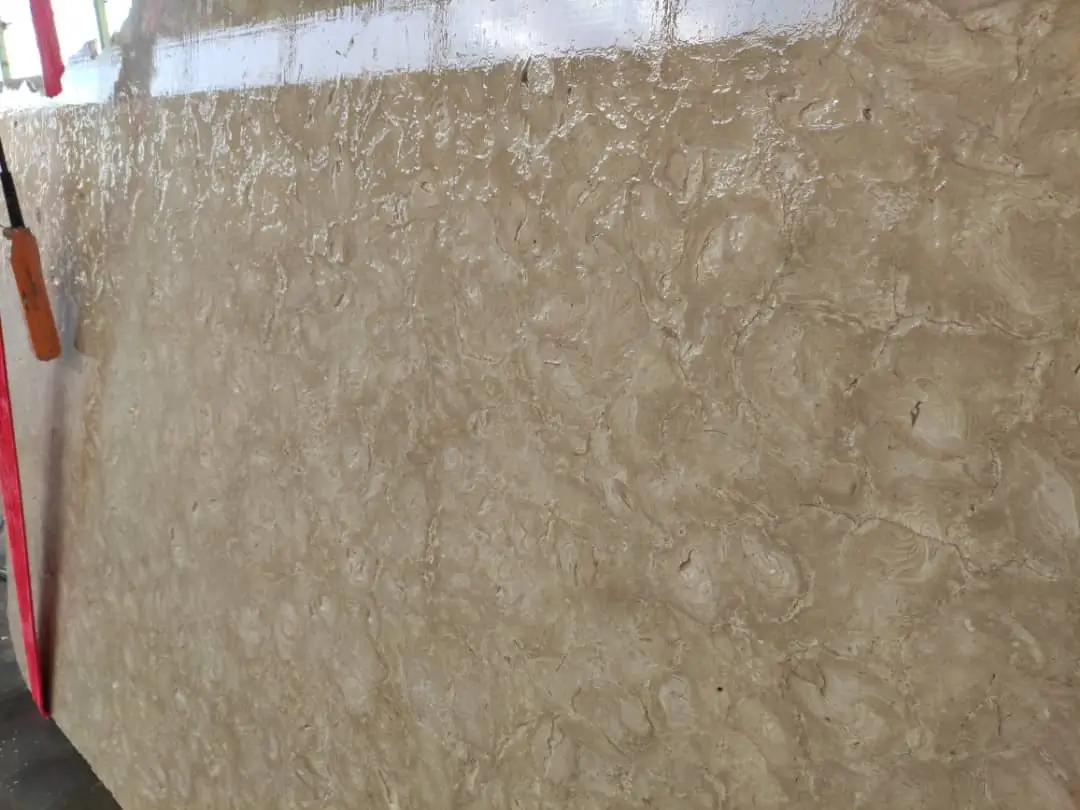
Brushed limestone is typically cut and finished at the quarry source, which means lead times are tied to international shipping cycles when you’re ordering outside of existing warehouse stock. At Citadel Stone, we maintain pre-finished brushed limestone inventory in Arizona specifically to short-circuit that 8–12 week import window — most standard colors and formats ship from our warehouse within 5–7 business days, which matters significantly when you’re working on a project schedule with a hard completion date.
Truck delivery logistics to newer master-planned communities in Gilbert and surrounding southeast Valley projects occasionally involve HOA-mandated delivery windows and restricted truck access hours — factor that into your scheduling when ordering from any supplier. Verify your site’s delivery access requirements before finalizing your order, and confirm warehouse availability for your specific color and format before committing to a project timeline with your client. Material substitutions mid-project for brushed limestone are disruptive and nearly impossible to execute without visible color variation.
In Yuma, extreme summer temperatures and high dust exposure make it especially important to spec an Arizona sleek finishes-compatible brushed surface with a sealed face before truck delivery of materials — pre-sealing at the warehouse before dispatch is an option worth discussing with your supplier for large Yuma projects where on-site sealing conditions are difficult to control. Our technical team advises confirming brush direction and finish depth on sample pieces before approving full production runs, particularly for custom-format orders that don’t come from standard inventory.
Parting Guidance
The brushed limestone finish Peoria specification decisions that pay off over the long term come down to matching surface texture intensity to application load, sealing on a climate-appropriate schedule, and installing over a base that accounts for Arizona’s soil movement. Arizona sleek finishes in natural stone are durable, visually refined, and genuinely suited to the climate when you get the spec right — the material doesn’t fail, underspecified bases and skipped sealing schedules do. You’re working with a material that can perform for 30 years in this climate without major intervention, and that’s a legitimate selling point for every client conversation you have about exterior stone.
Beyond the brushed limestone specification itself, your Arizona property may benefit from considering complementary stone surfaces for adjacent hardscape elements. Natural travertine shares many of the same thermal performance characteristics that make brushed limestone well-suited to this region, and the two materials pair naturally in mixed-material exterior designs — Outdoor Travertine Pavers in AZ: What Data Shows provides data-backed performance context for another widely used Peoria contemporary paving option that complements brushed limestone across full outdoor living projects. Selecting materials that work together texturally and thermally produces cohesive results that hold their value over time. We are rated highly among limestone tile suppliers in Arizona for our responsive customer service.