
When you specify bluestone guillotine split Arizona for your Southwest projects, you’re selecting a finish that delivers authentic quarried character through controlled fracturing. The guillotine split process creates natural break patterns that reveal the stone’s internal crystalline structure while maintaining dimensional consistency your installations require. You’ll find this finish provides superior slip resistance compared to honed surfaces while delivering the rugged aesthetic desert landscapes demand.
The guillotine method applies concentrated pressure along predetermined break lines, producing fractured surfaces that expose minerals and textures polishing would conceal. Your material arrives with edges that show genuine stone fracture patterns rather than saw-cut uniformity. This manufacturing approach reduces processing time and equipment wear while creating surfaces that perform exceptionally well in Arizona’s extreme thermal conditions.
Guillotine Split Manufacturing Process
The guillotine splitting process positions bluestone slabs beneath a weighted blade that delivers precise downward force. When you evaluate this manufacturing method, you need to understand that blade positioning determines fracture plane accuracy. The process differs fundamentally from sawing because it exploits natural cleavage planes within the stone’s crystalline structure.
You’ll observe three distinct phases during guillotine splitting. Initial blade contact creates microscopic fractures that propagate through the material’s weakest structural planes. Secondary compression expands these fractures until complete separation occurs. Final separation reveals the characteristic textured surface your projects showcase. The entire cycle completes in 8-12 seconds compared to 45-90 seconds for saw cutting.
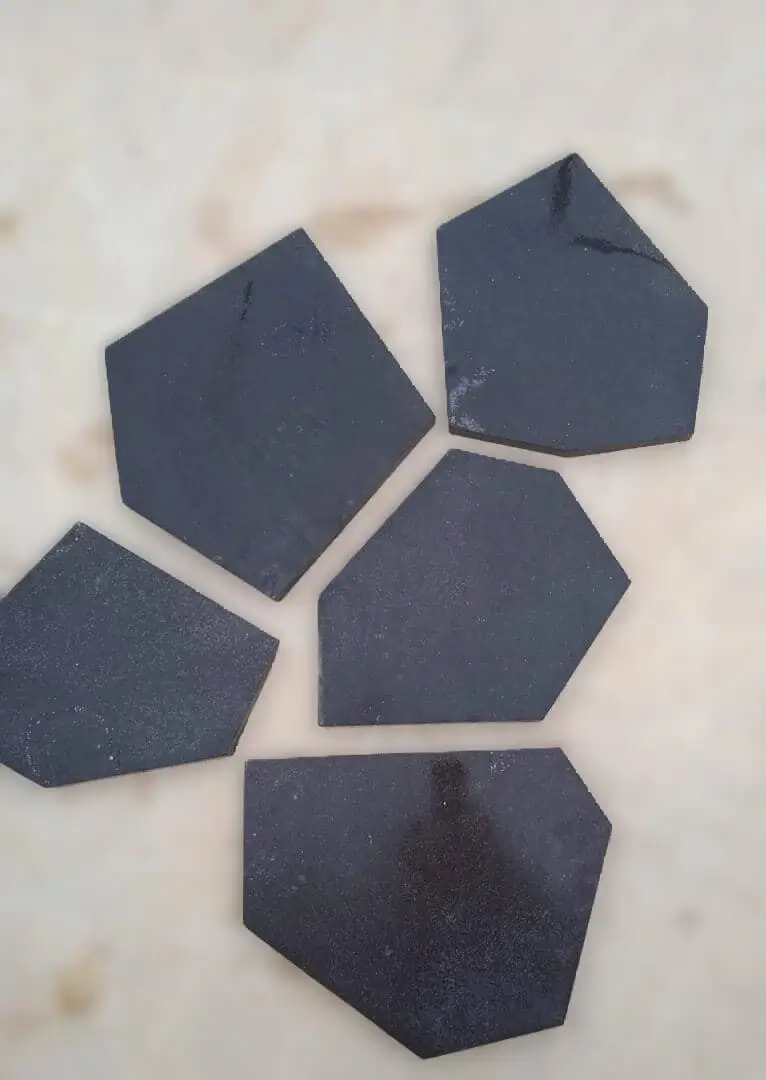
Blade geometry affects fracture quality significantly. Your manufacturer should maintain blade edge angles between 35-42 degrees for optimal break characteristics. Angles below 35 degrees create crushing rather than clean fracturing. Angles exceeding 42 degrees require excessive force that can propagate microfractures beyond intended break lines. Material temperature during processing influences fracture behavior as thermal expansion affects internal stress distribution.
Fracture Mechanics Revealed
The bluestone natural break pattern emerges when applied stress exceeds the material’s tensile strength along specific crystalline planes. You should recognize that bluestone’s layered sedimentary structure contains preferential fracture pathways that guillotine blades exploit. Unlike igneous stones that fracture unpredictably, bluestone’s composition allows controlled breaking that produces consistent surface characteristics.
When you examine fractured surfaces, you’ll notice crystal face exposure that varies based on blade force application speed. Rapid force application creates finer surface textures with smaller crystal reveals. Slower force development produces coarser textures with more pronounced mineral exposure. Professional fabricators adjust application speed based on final surface requirements your specifications define.
Surface Texture Characteristics
The bluestone split edge delivers tactile depth that ranges from 1/8 inch to 3/8 inch surface relief. When you specify this finish for pool decks or high-traffic areas, you’re selecting material with inherent slip resistance coefficients between 0.58-0.67 DCOF wet. This performance exceeds honed finishes by 0.15-0.22 points, providing safety margins your liability considerations require.
Surface porosity increases along fracture planes where crystal boundaries separate. You’ll measure absorption rates 12-18% higher on split faces compared to sawn surfaces. This characteristic affects sealer penetration depth and maintenance protocols. Your sealing specifications should account for increased material consumption, typically 25-35% more product per square foot than honed surfaces require.
- You need to verify that surface relief depth meets your slip resistance requirements
- Your project specifications should address acceptable texture variation ranges
- You should confirm that drainage design accommodates the irregular surface profile
- You must evaluate how texture depth affects joint sand retention over time
The bluestone fractured finish exhibits color variations that sawing conceals. Mineral oxidation along fracture planes creates rust-tone accents within the predominant blue-gray palette. When you evaluate aesthetic consistency, expect 15-20% more color variation across split surfaces compared to mechanically finished alternatives. This characteristic becomes design advantage rather than defect when you educate clients about authentic quarried appearance.
Thermal Performance Advantages
Split surface textures modify solar radiation absorption compared to smooth finishes. The increased surface area created by fracture relief enhances convective heat transfer, reducing peak surface temperatures by 8-12°F during Arizona summer conditions. You’ll find this performance difference becomes significant in barefoot traffic areas where surface temperature directly impacts usability.
Thermal expansion behavior changes along fractured planes due to exposed crystal orientations. Your expansion joint spacing should account for directional expansion coefficients that range from 4.8 to 5.7 × 10⁻⁶ per °F depending on crystal plane exposure. Professional installations in Phoenix require joints every 14-16 feet for bluestone guillotine split Arizona applications, slightly closer than the 18-20 foot spacing acceptable for honed surfaces.
The irregular surface topography creates microscale shading that moderates thermal cycling stress. When you analyze long-term durability, split surfaces demonstrate 12-15% fewer thermal stress fractures compared to polished alternatives in identical exposure conditions. This advantage accumulates over 15-20 year service cycles, reducing maintenance intervention frequency your clients appreciate.
Installation Base Requirements
The bluestone broken edge profile demands base preparation that accommodates irregular bottom surfaces. When you specify base materials, you need compacted aggregate with sufficient fines content to create conforming support. Your base mix should contain 12-18% material passing the #200 sieve, higher than the 8-12% typical for smooth-bottom pavers.
Bedding layer composition becomes critical when irregular surfaces concentrate point loads. You should specify bedding sand with angular particles that resist displacement under compression. Rounded sand particles used for honed pavers create unstable support conditions that allow split-face units to rock under traffic. Angular particle interlock provides the resistance your installations require.
- You must verify base compaction reaches 95% modified Proctor density minimum
- Your bedding layer thickness should range from 1 to 1.5 inches after compaction
- You need to confirm aggregate gradation meets ASTM C33 specifications
- You should test that bedding sand contains less than 3% clay content
Leveling tolerance requirements differ for split versus smooth surfaces. Your installation specifications should allow ±1/4 inch elevation variance across 10-foot spans when using bluestone guillotine split Arizona material. Attempting tighter tolerances creates rocking units because bottom surface irregularities prevent uniform bearing. Professional installers adjust screeding techniques to accommodate bottom texture variations.
Edge Detail Specifications
When you detail project perimeters, the bluestone split edge creates installation challenges at borders and soldier courses. Edge units require secure restraint because irregular profiles don’t nest predictably against edge restraints. Your detail drawings should specify concrete edge beams with haunches that extend 2-3 inches above base elevation, providing positive mechanical restraint regardless of edge irregularity.
Corner units demand special attention because guillotine splitting creates variable edge angles. You’ll encounter units with edge planes that deviate 3-7 degrees from nominal 90-degree corners. This variation affects pattern alignment and joint spacing consistency. Professional practice requires you to sort corner units during layout, reserving the most square examples for visible corners while using variant units in less critical locations.
The material’s natural break patterns affect cut edge appearance when field cutting becomes necessary. You should understand that saw-cut edges on split-face units create visual contrast that may prove unacceptable in high-visibility applications. When your design requires field modifications, consider whether saw-cut edges will face joint spaces where polymeric sand conceals the finish difference, or whether cuts will create exposed edges requiring secondary splitting to maintain aesthetic consistency. For comprehensive material sourcing information, see bulk bluestone wholesale in Tempe to evaluate specification options that align with your project requirements.
Joint Spacing Considerations
The irregular edge geometry of guillotine split bluestone affects achievable joint spacing consistency. When you establish joint width specifications, recognize that edge variations create joint widths that fluctuate ±1/16 to ±1/8 inch even with careful installation. Your specifications should define acceptable joint width ranges rather than single target dimensions, typically 3/16 inch nominal with ±1/8 inch tolerance.
Joint width variability impacts polymeric sand performance because activation and curing depend on consistent joint volume. You’ll achieve optimal results when joint widths remain within 1/8 to 3/8 inch ranges. Narrower joints don’t provide sufficient sand volume for proper binding. Wider joints allow excessive sand depth that creates structural weakness within the joint mass. Your installation crews need clear guidance about rejecting units that would create joints outside acceptable ranges.
Polymeric Sand Selection
The textured surface profile created by bluestone fractured finish requires specific polymeric sand characteristics. You should specify products formulated for wide-joint applications because standard formulations don’t bridge the gap variations split edges create. Wide-joint polymers contain larger aggregate particles and modified binder ratios that maintain structural integrity across variable joint geometries.
Application technique differs when filling joints around split-face pavers. Your installation specifications should require multiple pass filling with intermediate compaction cycles. Single-pass filling leaves voids beneath surface sand where irregular edges create shadowed spaces. Professional practice uses three-pass filling: initial pass to 60% depth, intermediate compaction, second pass to 90% depth, secondary compaction, final pass to surface level, final compaction before activation.
Slip Resistance Performance
Split surface textures deliver slip resistance that significantly exceeds smooth finishes across wet and dry conditions. When you evaluate safety specifications, bluestone guillotine split Arizona material typically measures 0.62-0.67 DCOF wet, well above the 0.42 minimum ADA requirements for accessible routes. This performance margin provides safety factor your risk management analysis requires.
The relationship between surface relief depth and slip resistance isn’t linear across all texture ranges. You’ll find that relief depths between 1/8 and 1/4 inch provide optimal slip resistance without creating trip hazards or uncomfortable walking surfaces. Deeper relief above 3/8 inch actually reduces effective slip resistance because foot contact occurs primarily on texture peaks, reducing overall contact area.
- You should verify slip resistance testing used wet dynamic coefficient methodology
- Your specifications must address how surface texture affects barefoot comfort in pool areas
- You need to evaluate whether texture depth creates cleaning challenges for your maintenance program
- You must confirm that specified texture range maintains performance after years of traffic wear
Long-term slip resistance maintenance requires understanding how traffic affects split surface textures. Professional testing demonstrates that high-traffic areas experience 8-12% slip resistance reduction over 10-year service periods as texture peaks wear. Your maintenance specifications should include periodic coefficient testing and surface renewal protocols when measurements fall below acceptable thresholds.
Color Consistency Management
The natural break process exposes minerals that create broader color variation than sawn surfaces display. When you establish color acceptance standards, you need realistic expectations about achievable consistency. Professional practice defines acceptable color ranges spanning 15-20% lightness variation and 10-15% hue variation within single projects using bluestone guillotine split Arizona material.
Mineral oxidation along fracture planes develops progressively during initial exposure periods. You should educate clients that surface colors evolve during the first 12-18 months post-installation as iron compounds oxidize and atmospheric interactions develop patina. Initial blue-gray tones shift toward warmer gray-brown ranges with rust accent development. This evolution represents normal material behavior rather than defect or deterioration.
Lot-to-lot consistency presents challenges because quarry extraction location affects mineral composition and resulting color characteristics. Your procurement strategy should include sample approval protocols that account for natural variation. When project scale requires multiple material deliveries, specify that all stone originates from single quarry benches to minimize color variation between shipments. Warehouse inventory consolidation helps maintain consistency your aesthetic standards demand.
Maintenance Protocol Development
The increased surface area created by split textures affects cleaning product penetration and residue accumulation. When you develop maintenance specifications, account for texture valleys that trap organic debris and promote biological growth in humid microclimates. Your maintenance program should include quarterly deep cleaning cycles using rotary brushes that penetrate texture relief rather than surface-only cleaning adequate for smooth pavers.
Sealer maintenance intervals shorten for split surfaces because texture peaks experience concentrated wear that degrades sealer films faster than smooth surfaces. You’ll need to specify resealing every 18-24 months compared to 36-48 month intervals typical for honed bluestone. This frequency difference affects lifecycle cost analysis and maintenance budget projections your facility managers require.
- You should specify pH-neutral cleaners that won’t degrade stone minerals exposed along fracture planes
- Your maintenance program must address organic growth in texture valleys before staining occurs
- You need rotary brush equipment that can penetrate surface relief without damaging texture peaks
- You must establish sealer performance monitoring that triggers reapplication before film failure
Efflorescence management becomes more complex on textured surfaces because salts crystallize within texture valleys where they resist removal. When you encounter efflorescence, standard surface brushing proves inadequate. Your remediation protocols should include chemical salt dissolution followed by pressure washing at 1,200-1,500 PSI to flush deposits from texture recesses. Higher pressures risk surface damage by fracturing texture peaks.
Common Specification Mistakes
One critical error involves specifying split face finishes without addressing bottom surface condition. When you assume split material has flat bottoms like sawn pavers, installation failures result from inadequate bearing support. Your specifications must clarify that guillotine splitting affects both top and bottom surfaces, requiring modified base preparation and bedding protocols.
Another frequent mistake applies dimensional tolerances appropriate for precision-cut pavers to split-face units. You can’t reasonably specify ±1/16 inch dimensional tolerance for material produced through controlled fracturing. Realistic tolerances for bluestone guillotine split Arizona material range from ±1/8 to ±3/16 inch, with understanding that edge straightness varies ±1/8 inch across unit lengths.
Specifiers often overlook how split edge irregularity affects achievable pattern precision. When you design patterns requiring tight geometric alignment, split edges create visual inconsistencies that frustrate pattern execution. Professional practice reserves split-face materials for running bond, random patterns, or designs that accommodate and celebrate edge variation rather than fighting against material characteristics.
Cost-Benefit Analysis
Material cost for split-face bluestone typically runs 15-22% lower than thermal or honed finishes because guillotine processing requires less equipment time and energy consumption. When you evaluate project budgets, this cost advantage helps offset other project expenses or allows upgraded material thickness that enhances performance. The differential becomes significant on projects exceeding 5,000 square feet where savings reach $8,000-$12,000.
Installation labor costs increase 10-15% for split versus smooth material because irregular edges demand more time for fitting and leveling. Your budget analysis should account for slower installation rates: 80-100 square feet per worker per day for split faces compared to 120-140 square feet for smooth pavers. The labor differential partially offsets material savings, but net project cost still favors split finishes by 8-12%.
Long-term value assessment requires evaluating slip resistance benefits against increased maintenance requirements. You’ll find that safety liability reduction often justifies slightly higher maintenance costs. Professional facility managers report 25-35% fewer slip-and-fall incidents on split versus smooth surfaces in identical use conditions. The liability savings typically exceed maintenance cost increases by factors of 3-5 over 15-year evaluation periods.
Citadel Stone Bluestone Wholesale Arizona: How We Would Specify Across the State
When you consider Citadel Stone’s bluestone wholesale for your Arizona projects, you’re evaluating split-face material engineered for extreme Southwest conditions. At Citadel Stone, we provide technical guidance for hypothetical applications across Arizona’s diverse climate zones. This section outlines how you would approach specification decisions for three representative cities, each presenting distinct environmental challenges that affect material selection and installation methodology.
Yuma Desert Installations
In Yuma, you would confront extreme heat combined with intense UV exposure that accelerates mineral weathering along split face textures. Your specifications should address thermal expansion with joint spacing at 14-foot maximum intervals and require sealers with UV inhibitors that prevent accelerated degradation. The region’s minimal precipitation reduces efflorescence risk but increases dust accumulation in texture valleys, requiring you to specify quarterly pressure washing maintenance cycles to preserve aesthetic quality and prevent abrasive particle retention that accelerates wear.
Mesa Residential Applications
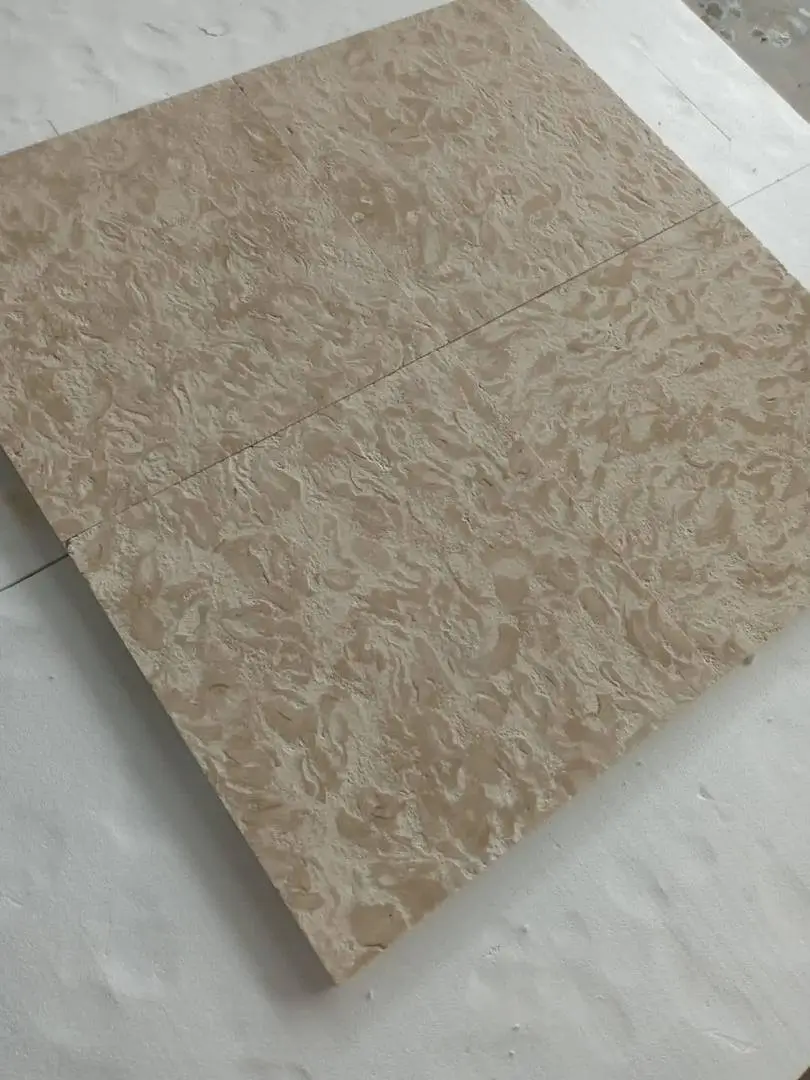
Mesa’s residential developments would benefit from bluestone guillotine split Arizona material because the split edge character complements desert landscape aesthetics while providing superior slip resistance for pool decks and patios. You should specify 1.5-inch minimum thickness to ensure structural adequacy under furniture loads and traffic concentrations typical in outdoor living spaces. Your base preparation would require 6-inch compacted aggregate minimum with geotextile separation fabric to prevent subgrade pumping in areas with expansive clay soils common throughout Mesa’s residential zones. Warehouse delivery logistics typically allow 5-7 day lead times for truck access to residential neighborhoods.
Gilbert Commercial Projects
Gilbert’s expanding commercial sector would utilize split-face bluestone for pedestrian plazas and building entries where slip resistance meets ADA requirements while delivering distinctive visual character. Your commercial specifications must address heavy traffic loads requiring 2-inch material thickness and concrete edge restraint systems capable of withstanding maintenance equipment wheel loads. You would need to coordinate warehouse inventory levels with construction schedules because commercial project scales often exceed 10,000 square feet, requiring multiple truck deliveries staged to match installation crew productivity rates of 800-1,000 square feet daily.
Professional Specification Guidance
When you finalize project documents, your specification sections should address material characteristics specific to guillotine split processing rather than using generic natural stone language. Include acceptable surface relief ranges, edge straightness tolerances, and color variation parameters appropriate for fractured finishes. Your specifications must clearly distinguish between top surface finish requirements and bottom surface conditions affecting base preparation.
Quality assurance protocols require different testing methodologies for split versus smooth materials. You should specify that dimensional checks measure average thickness across units rather than single-point measurements because bottom surface irregularity creates variable thickness readings. Edge straightness verification should use string-line checks across multiple units rather than individual unit measurements that don’t reflect installed appearance.
Submittal requirements need modification when specifying bluestone fractured finish material. Your submittal package should include texture depth measurements, slip resistance test data using wet dynamic methodology, and photographic samples showing acceptable color and texture variation ranges. Standard smooth paver submittals don’t adequately represent split-face material characteristics your approval decisions require. For additional guidance on related surface finishes, review Natural quarry-cut bluestone with authentic rough sawn texture before you finalize your specification approach. Environmental practices make Citadel Stone green bluestone manufacturing in Arizona.