
When you coordinate blue stone delivery transport Arizona projects, you’re managing one of the most critical phases that determines installation success. Your material arrives intact only when you understand freight classifications, truck access limitations, and regional handling protocols specific to Arizona’s climate and infrastructure. The difference between seamless delivery and costly delays often comes down to knowing how trucking logistics interact with material properties—something most generic shipping guides completely miss.
You need to recognize that blue stone delivery shipping methods vary dramatically based on pallet configuration, truck bed requirements, and temperature management during transport. Arizona’s extreme heat creates challenges that don’t exist in moderate climates, affecting everything from shrink-wrap integrity to forklift operations at delivery sites.
Freight Classification Requirements
Your blue stone delivery freight options start with understanding NMFC (National Motor Freight Classification) requirements that determine cost structure and carrier selection. Blue stone typically falls under Class 60-70 freight depending on density and packaging configuration—this classification directly affects your per-pound shipping costs and available carrier networks. When you request quotes, you’ll find that freight class discrepancies between estimate and actual shipment create the most common billing disputes.
You should verify dimensional weight calculations before confirming delivery schedules. Carriers calculate billable weight using the greater of actual weight or dimensional weight (length × width × height ÷ 194 for LTL freight). Blue stone’s high density usually means actual weight governs, but improper pallet stacking can trigger dimensional pricing that increases costs by 15-25%. Your procurement team needs to specify pallet height limits—typically 48 inches maximum for standard LTL—to avoid reclassification fees.
- You must confirm freight class with your supplier before booking blue stone delivery transport Arizona shipments to prevent mid-transit reclassification charges
- Your shipment requires proper density documentation showing pounds per cubic foot to justify freight class assignments
- You’ll need detailed pallet dimensions for accurate freight quotes, as carriers reassess classifications at origin terminals
- Blue stone delivery logistics require coordination between material weight and truck capacity limits, particularly for full truckload orders exceeding 40,000 pounds
Truck Configuration Options
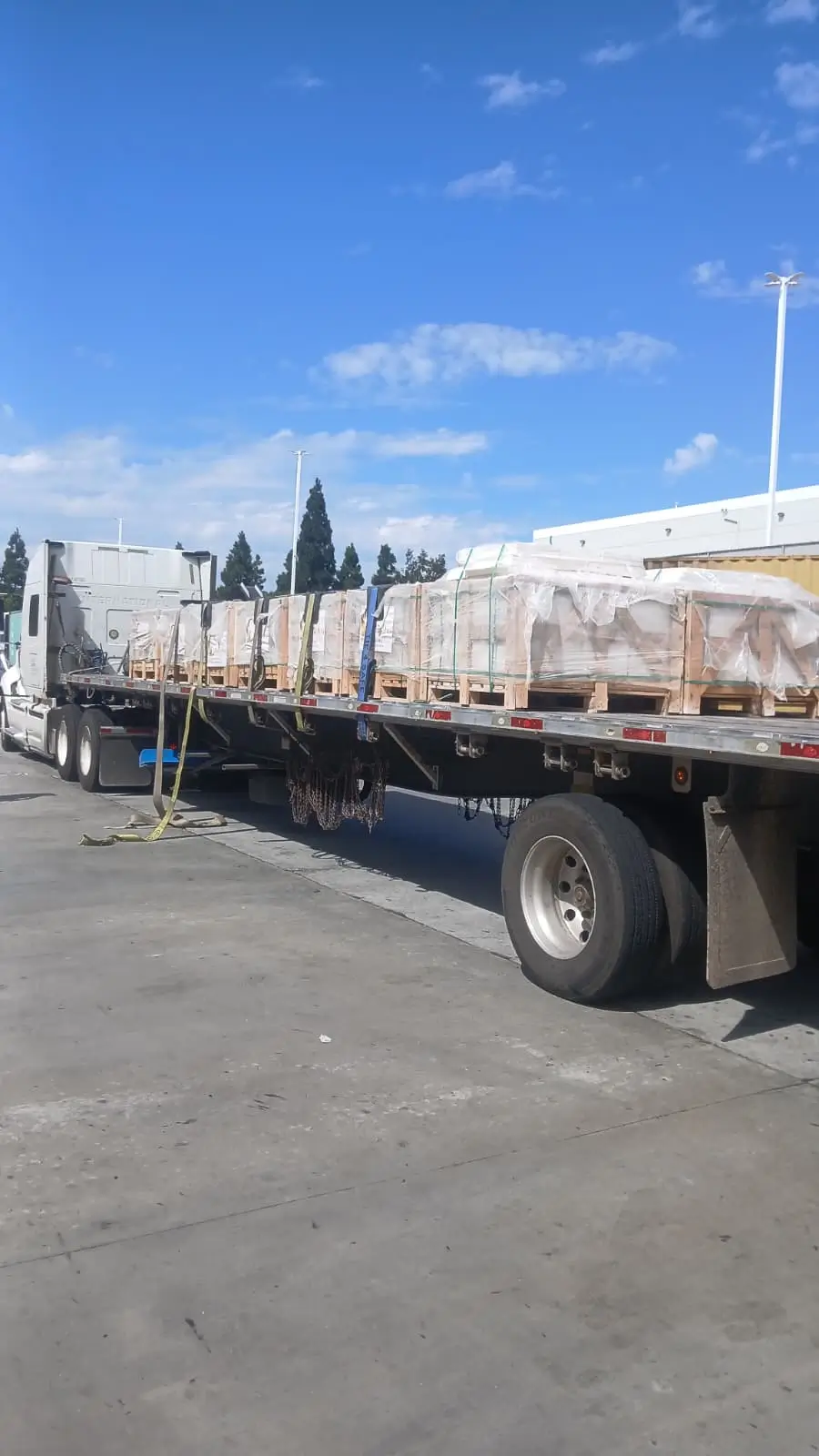
You have three primary blue stone delivery shipping methods available: flatbed, enclosed van, or specialized stone trailers. Each configuration affects material protection, unloading requirements, and delivery timeline differently. Flatbed transport offers the most flexibility for crane or forklift unloading but exposes materials to road debris and weather during transit. Your material arrives with dust accumulation and potential surface marking from securing straps—acceptable for most commercial installations but problematic for premium residential projects with visible surfaces.
Enclosed van transport protects against environmental exposure but limits your unloading options to locations with adequate clearance for side or rear access. You’ll typically see enclosed vans used for loads under 26,000 pounds where material value justifies the 12-18% premium over flatbed rates. For full truckload blue stone delivery transport Arizona orders, you should evaluate whether destination accessibility supports 53-foot trailer maneuvering—a detail that often gets overlooked until the truck arrives and can’t access your site.
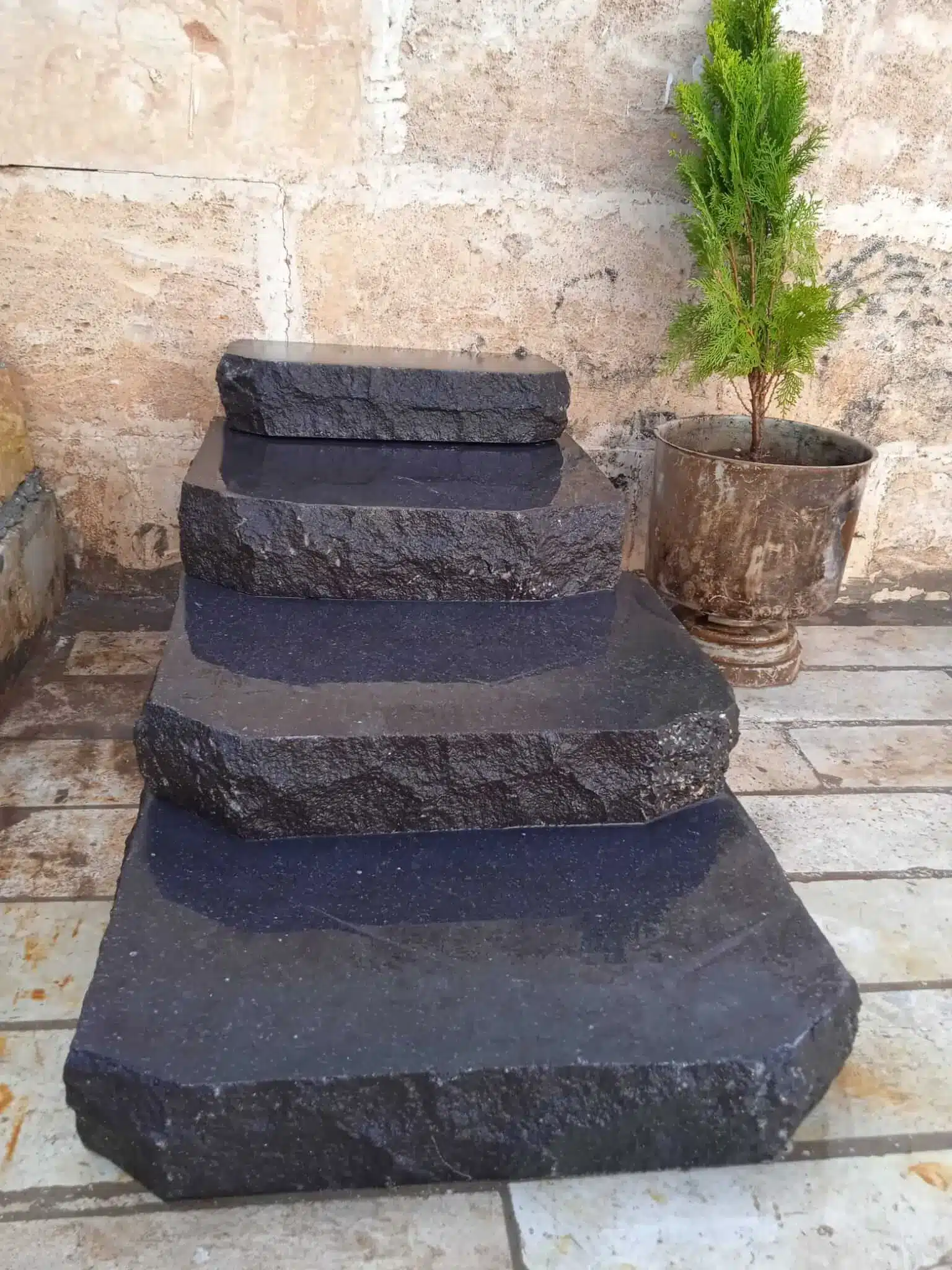
Specialized stone trailers feature air-ride suspension systems that reduce vibration-induced edge chipping during long-haul transport. You’ll find these most commonly used for premium cut stone where edge integrity directly affects installation quality. The trade-off is limited carrier availability and 20-30% higher rates compared to standard flatbed service. When you specify specialized transport, you’re buying insurance against damage claims that could delay your project timeline by weeks while replacement material ships.
Arizona-Specific Transport Challenges
Blue stone delivery handling protocols must account for Arizona’s summer temperatures that regularly exceed 115°F on truck beds and loading docks. Direct sunlight elevates surface temperatures on flatbed trailers to 140-160°F, creating conditions that degrade plastic shrink-wrap and accelerate moisture loss from packaging materials. You need to understand how thermal stress affects material stability—not just during transport, but during the critical 2-4 hour window between truck arrival and unloading completion.
Your delivery specifications should address time-of-day constraints for summer arrivals. Professional logistics coordinators schedule Arizona deliveries for early morning (before 9 AM) or late afternoon (after 5 PM) to avoid peak heat exposure during unloading. This isn’t just about worker comfort—forklift operations on superheated pavement create traction issues that increase tipping risk when handling 3,000-4,000 pound pallet loads. When you plan blue stone delivery transport Arizona schedules, you’re balancing carrier route efficiency against site safety requirements.
- You should specify breathable packaging that allows moisture vapor transmission while preventing dust infiltration during desert transport
- Your receiving area requires shade structure or immediate covered storage to prevent thermal shock when moving material from 140°F truck beds to climate-controlled facilities
- Blue stone delivery logistics must account for monsoon season (July-September) when afternoon thunderstorms create unexpected delays and require covered unloading capabilities
Pallet Configuration Standards
When you evaluate blue stone delivery shipping methods, pallet design determines handling efficiency and damage risk throughout the supply chain. Standard 48×48 inch pallets accommodate most blue stone formats, but you’ll achieve better load stability with 48×60 inch configurations for larger format materials. Your supplier should band pallets with at least four vertical straps rated for 1,500+ pounds tensile strength—insufficient banding creates the single most common cause of in-transit shifting and edge damage.
You need to verify corner protection and edge reinforcement before accepting shipment responsibility. Professional packaging includes rigid corner guards that extend 6-8 inches along pallet edges, distributing strap pressure across wider surface areas rather than concentrating loads at material edges. For premium applications, you should specify foam edge protection between material layers—this adds $15-25 per pallet but reduces edge chipping by 40-60% based on comparative damage claim data. When you consider our bluestone fabrication inventory options, you’ll find that pre-configured pallets optimize transport efficiency for Arizona delivery routes.
Bottom board thickness directly affects forklift handling success rates. You’ll want minimum 1.5-inch deck boards on pallets carrying stone—standard 0.75-inch boards deflect under concentrated loads, creating instability during lifting operations. Your receiving crew needs to verify deck board integrity before accepting delivery, as damaged pallets void most freight damage claims even when material damage occurs during carrier-controlled transport.
Unloading Equipment Requirements
Your site must provide appropriate equipment for safe blue stone delivery handling protocols implementation. Forklift capacity should exceed maximum pallet weight by 25-30% minimum—a 3,500-pound load requires a 4,500-5,000 pound capacity forklift to maintain stability during maneuvering. You’ll find that undersized equipment creates the majority of receiving-area damage incidents, as operators compensate for inadequate capacity by tilting loads excessively or making abrupt movements that shift material on pallets.
You should evaluate tire configuration for your unloading equipment. Pneumatic tires provide better shock absorption when transitioning from truck bed to ground level, reducing vibration-induced damage compared to solid rubber tires. For blue stone delivery transport Arizona projects in areas with unpaved or aggregate receiving areas, you need all-terrain tire configurations that maintain stability on loose surfaces—a detail that becomes critical when summer heat softens asphalt paving around loading docks.
- You must ensure fork length exceeds pallet depth by at least 6 inches to prevent tipping during blue stone delivery freight options execution
- Your receiving crew needs training on three-point contact verification before lifting, confirming forks engage pallet stringers rather than bottom boards
- Blue stone delivery logistics require staging area within 20 feet of truck position to minimize travel distance with elevated loads
- You should designate spotters for all forklift operations involving loads exceeding 3,000 pounds, as driver sight lines become severely limited
Documentation Verification Procedures
When your blue stone delivery transport Arizona shipment arrives, you have a limited inspection window—typically 15-30 minutes—to document visible damage before the carrier departs. You need a systematic verification protocol that your receiving team can execute efficiently under time pressure. Start with pallet count verification against the bill of lading before conducting individual pallet inspections. Discrepancies between expected and actual pallet counts must be noted on the delivery receipt before driver departure—failure to document shortages on-site typically voids claims for missing materials.
You should photograph all four sides of each pallet before accepting delivery, with particular attention to corner conditions, strap tension, and shrink-wrap integrity. Your documentation needs to capture damage evidence contemporaneously with delivery—photos taken hours after the truck departs lose evidentiary value in freight claims. For high-value shipments, you’ll want video documentation showing the unloading sequence and initial inspection process, creating timestamped records that establish damage occurred during transit rather than during receiving operations.
Blue stone delivery handling protocols require notation of packaging condition on the delivery receipt. Generic signatures accepting material “in good condition” waive your right to file concealed damage claims discovered after the carrier leaves. You must specifically note any concerns—even minor ones like “shrink-wrap torn on 3 pallets” or “corner damage visible on 1 pallet”—to preserve claim rights. Your receiving personnel need authority to refuse shipments with severe damage rather than accepting problem loads that create installation delays and claim disputes.
Concealed Damage Timeframes
You have strict deadlines for reporting concealed damage discovered after blue stone delivery shipping methods complete and carriers depart. Most LTL carriers allow 5-7 business days for concealed damage claims, while full truckload shipments typically limit claims to 48-72 hours. You need to understand that “concealed damage” refers to material defects not visible during initial inspection because of packaging—this doesn’t include damage from improper storage or handling after delivery acceptance.
Your claims process requires photographic evidence showing packaging condition at time of discovery, demonstrating that damage couldn’t reasonably have been detected during receiving inspection. You’ll need images of intact shrink-wrap or banding surrounding damaged material, proving the defect was concealed by packaging. Claims filed without this corroborating evidence face denial rates exceeding 70%, as carriers reasonably argue that damage occurred post-delivery. When you implement blue stone delivery logistics tracking, you’re creating the documentation trail necessary for successful claims resolution.
Seasonal Delivery Considerations
Arizona’s seasonal weather patterns dramatically affect blue stone delivery transport Arizona scheduling and execution. Summer monsoon season (July through mid-September) creates afternoon thunderstorm risks that can delay deliveries by 2-4 hours when roads become temporarily impassable. You should avoid scheduling deliveries between 2-6 PM during monsoon season, as sudden storms create hazardous unloading conditions with wet surfaces and lightning risks. Your backup plan needs covered receiving areas that allow unloading operations to continue during weather events rather than leaving loaded trucks on-site overnight.
Winter months bring different challenges despite Arizona’s reputation for year-round warmth. Northern Arizona elevations experience freezing temperatures and occasional snow that affect I-17 and I-40 corridor transport. You’ll find that blue stone delivery freight options become limited during winter weather events, as carriers avoid routes with chain requirements or temporary closures. Your project timeline should include 24-48 hour weather delay buffers for deliveries during December through February, particularly for materials shipping from out-of-state origins through mountain passes.
- You need contingency scheduling for summer heat that makes afternoon unloading impractical, shifting operations to early morning windows
- Your site must provide adequate lighting for early morning or evening deliveries that occur outside standard daylight hours
- Blue stone delivery handling protocols require temperature monitoring of storage areas to prevent thermal shock when moving material from hot transport conditions to climate-controlled spaces
Carrier Selection Criteria
When you evaluate blue stone delivery shipping methods, carrier selection determines service reliability and damage risk more than any other single factor. You should verify carrier experience with stone products specifically—general freight carriers lack the handling expertise necessary for damage prevention during loading, transport, and unloading operations. Your ideal carrier maintains equipment with air-ride suspension, uses professional drivers trained in fragile freight handling, and carries cargo insurance limits appropriate for stone material values (typically $250,000+ per load).
You need to confirm delivery appointment flexibility before booking shipments. Many Arizona job sites have restricted delivery windows due to gate access schedules, HOA regulations, or coordination with other trades. Carriers offering guaranteed appointment windows (rather than delivery date ranges) reduce your site coordination complexity and prevent situations where material arrives before your receiving crew is available. For blue stone delivery transport Arizona coordination, you’ll find that appointment precision becomes critical when managing multiple material deliveries for large projects.
Regional carrier networks often outperform national carriers for Arizona deliveries because of established relationships with local transfer terminals and familiarity with Phoenix metro area truck routes. You should evaluate whether your carrier maintains Phoenix-area terminals that allow them to schedule deliveries using local equipment and drivers rather than coordinating through California or Texas hubs. Local terminal access typically reduces transit time by 1-2 days and improves delivery window accuracy by 30-40% compared to transcontinental routing.
Insurance and Liability Considerations
Your blue stone delivery logistics planning must address insurance coverage gaps that create financial risk during the transportation phase. Standard carrier liability covers only $0.60 per pound unless you purchase additional declared value coverage—this means a 10,000-pound blue stone shipment receives only $6,000 base coverage despite material values potentially exceeding $15,000-25,000. You need to evaluate whether purchasing additional freight insurance justifies the 2-4% premium based on material replacement costs and project delay impacts.
You should understand that carrier liability excludes many common damage scenarios. Act of God provisions exempt carriers from weather-related damage, while improper packaging claims shift liability to shippers for damages carriers attribute to inadequate protection. Your contracts need to specify packaging standards and clearly establish responsibility for different damage scenarios. For high-value blue stone delivery transport Arizona shipments, you’ll want to require photo documentation from carriers showing loading configuration and securement methods, creating accountability records before materials leave origin facilities.
Insurance coverage transfers at specific points during the delivery process. Carrier liability typically ends when you sign the delivery receipt, transferring risk to your company even while materials remain on the truck during unloading. You need commercial property insurance that covers materials during this transition period—a gap that creates exposure for damage occurring during the 1-2 hour unloading window. Your insurance broker should confirm that your builder’s risk or commercial property policy includes in-transit coverage that extends until materials reach permanent storage locations.
Citadel Stone Blue Stone Delivery Arizona Coordination
When you specify Citadel Stone’s blue stone delivery transport Arizona services, you’re accessing coordinated logistics that address the state’s unique handling challenges. At Citadel Stone, we provide technical guidance for projects across Arizona’s diverse climate zones, from low-desert installations to high-elevation mountain communities. This section outlines how you would approach blue stone delivery shipping methods for three representative Arizona cities, demonstrating the material-specific considerations that affect transportation planning.
Arizona’s geographic diversity creates distinct delivery challenges. You’ll encounter extreme heat in southern regions, monsoon complications in central areas, and occasional winter weather in northern elevations. Your blue stone delivery handling protocols need to address these regional variations while maintaining material integrity throughout the supply chain. The following city-specific scenarios illustrate how environmental factors, infrastructure access, and seasonal timing affect delivery coordination.
Chandler Commercial Logistics
In Chandler, you would coordinate blue stone delivery freight options for commercial developments where large-format installations require precise scheduling around business operations. Your delivery timing would need to avoid peak traffic periods on major corridors like Loop 101 and Chandler Boulevard, typically scheduling arrivals between 6-8 AM before commercial districts activate. The city’s well-maintained roads support full 53-foot trailer access to most commercial sites, but you’d verify specific turning radius requirements for properties with limited street frontage. Summer temperatures exceeding 110°F would require you to specify early morning delivery windows and immediate covered storage upon arrival to prevent thermal stress on packaged materials.
Tempe University District Access
Your Tempe blue stone delivery transport Arizona planning would address the unique constraints of Arizona State University district installations and urban infill projects with limited staging areas. You’d coordinate deliveries to avoid academic calendar peak periods (August move-in, May graduation) when traffic congestion and parking restrictions severely limit truck access. Many Tempe installation sites lack dedicated receiving areas, requiring you to obtain temporary parking permits and street closure authorizations 10-14 days before scheduled deliveries. The city’s older infrastructure in established neighborhoods would require you to verify overhead clearance for enclosed transport and confirm that street weight limits accommodate loaded stone trucks exceeding 60,000 pounds gross vehicle weight.
Surprise Residential Development Patterns
Surprise installations would require you to navigate active retirement community regulations and HOA delivery restrictions common in northwest Phoenix metro residential areas. Your blue stone delivery handling protocols would need to accommodate gate access schedules, often limited to 7 AM-5 PM weekdays with advance notification requirements. You’d coordinate with community management 5-7 days before delivery to obtain gate codes and verify approved truck routes within developments—many communities restrict commercial vehicle access to specific streets to minimize disruption. The area’s newer infrastructure supports modern truck specifications, but you’d confirm that residential street parking regulations allow temporary staging of delivery vehicles during 2-3 hour unloading windows typical for residential projects.
Cost Optimization Strategies
You can significantly reduce blue stone delivery transport Arizona expenses through strategic planning that leverages freight consolidation and timing flexibility. Full truckload shipments cost 30-45% less per pound than LTL freight for loads exceeding 18,000-20,000 pounds. When you coordinate multiple project deliveries or combine orders with other materials, you’re accessing volume discounts that substantially reduce per-unit transportation costs. Your procurement strategy should evaluate whether delaying delivery by 1-2 weeks to accumulate full truckload quantities justifies the project timeline adjustment based on freight savings.
You’ll find that carrier rate shopping produces diminishing returns compared to relationship development with 2-3 preferred carriers who understand your delivery requirements. Carriers offer better rates and service priority to repeat customers who provide accurate shipment information, maintain flexible delivery windows, and execute efficient unloading operations. Your long-term transportation costs decrease when you establish preferred carrier relationships rather than selecting the lowest quote for each individual shipment—a strategy that creates administrative burden and eliminates service accountability.
Seasonal rate fluctuations affect blue stone delivery freight options significantly. You should avoid peak shipping periods (pre-holiday seasons, spring construction rush) when capacity constraints inflate rates by 15-25%. Your annual procurement calendar should front-load material orders into off-peak periods (January-February, September-October) when carrier capacity exceeds demand and negotiated rates become more favorable. For projects with flexible timelines, you’re essentially trading schedule margin for cost reduction, a trade-off that makes financial sense for most commercial applications.
Final Coordination Considerations
Your successful blue stone delivery logistics implementation requires systematic coordination between material suppliers, freight carriers, and site personnel. You need to establish communication protocols that ensure all parties understand delivery specifications, timing requirements, and unloading procedures before trucks depart origin facilities. For detailed technical specifications on material composition that affects handling requirements, review Engineered bluestone aggregate composition and binding agent specifications before you finalize delivery protocols. Digital catalog enhances Citadel Stone’s modern blue stone yard in Arizona experience.