
Subgrade failure accounts for the majority of premature driveway stone failures in the Phoenix metro — and blue paving slab driveways Avondale projects are no exception. The expansive clay soils and caliche hardpan layers that dominate much of the West Valley create a ground preparation challenge that determines whether your installation performs for two decades or starts rocking within three years. Getting the soil story right before you order a single pallet is the real starting point for any Avondale entrance design that holds up under Arizona conditions.
Why Avondale Soil Conditions Define Your Entry Project
The Avondale corridor sits on a mix of alluvial fan deposits and silty clay loam that behaves unpredictably under load. You’ll encounter sections where the native soil swell index pushes past 4% volumetric change between wet and dry cycles — enough to lift and tilt even well-set stone slabs if the base isn’t engineered to absorb that movement. This isn’t a minor consideration you can dismiss with a 4-inch gravel bed and a prayer.
Caliche layers complicate the picture further. In many Avondale residential lots, you’ll hit a cemented caliche horizon anywhere from 8 to 22 inches below grade. That caliche layer is actually a double-edged condition: it resists compaction equipment and creates drainage problems if it forms a bowl, but it also provides a remarkably stable bearing layer once you’ve properly addressed its surface. Breaking through it or scarifying the top face and installing drain outlets changes the drainage geometry entirely — and that directly affects how your blue paving slabs in Arizona perform long-term.
Design Approaches for Blue Paving Slab Driveways Avondale
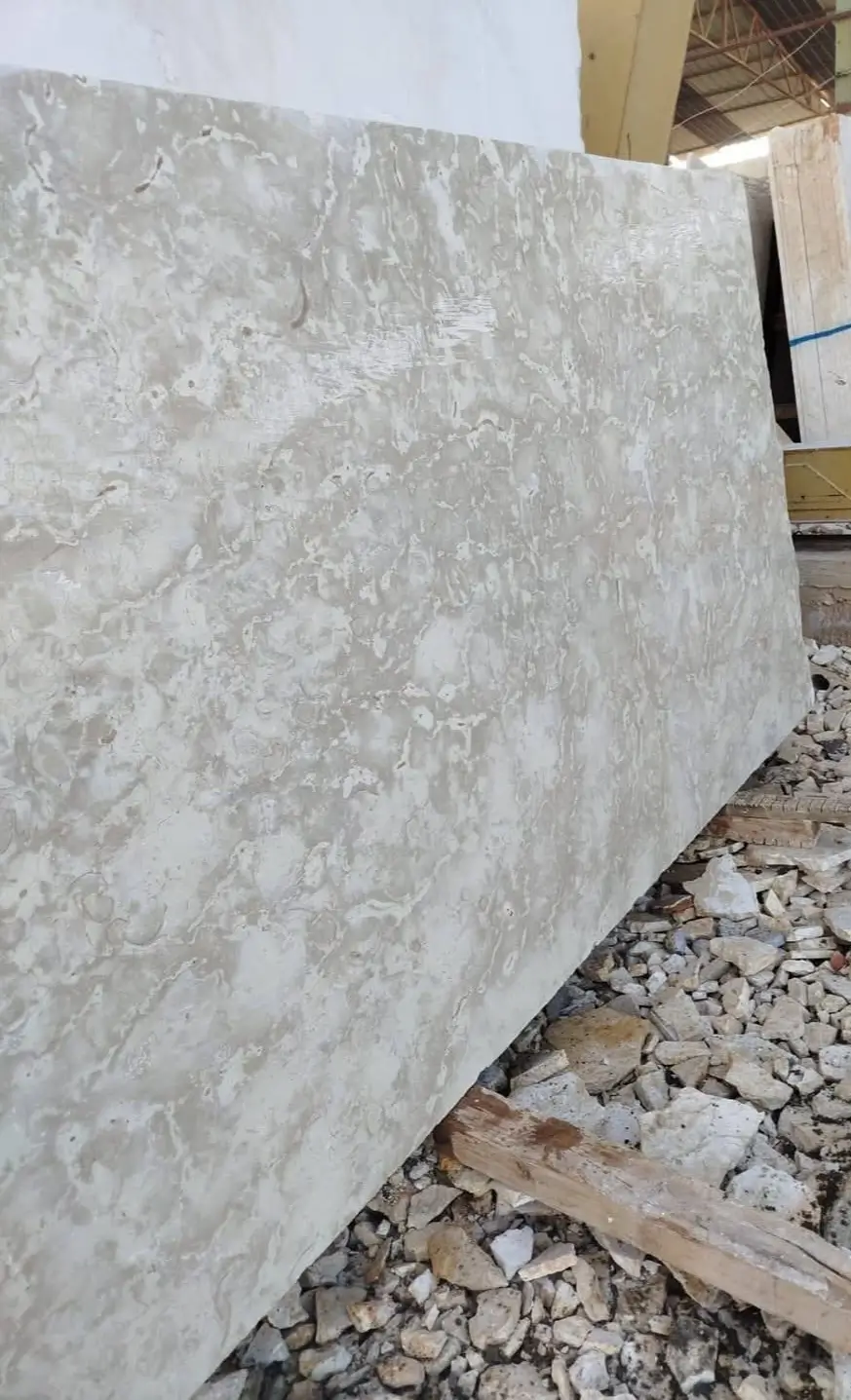
Blue limestone slabs bring a tonal depth to Avondale entrance design that the typical buff concrete or tan brick simply can’t match. The steel-blue and blue-gray hues work against both desert-tan stucco and contemporary white render, giving your arrival area a visual weight that signals intentional design rather than default material selection. The question isn’t whether blue slabs look good in this context — they do — it’s how you deploy them for maximum entry impact.
Full Driveway Field Application
Running blue limestone as the primary field material across the full driveway width creates a monolithic visual statement. For residential driveways in the 10- to 14-foot width range, large-format slabs in the 24×24 or 24×36 inch range minimize joint lines and project a cleaner, more architectural feel. You’ll want to stagger joints on a 50% offset pattern — running bond — rather than grid, which tends to highlight any minor settlement variance in the base.
Accent Borders and Entry Strip Approaches
For projects where budget or material volume is a constraint, blue paving slab driveway strips Arizona-style offer a highly effective alternative. Running a 12- to 18-inch border of blue limestone along both driveway edges, or using blue strips as accent transitions between a concrete or asphalt field, delivers the visual impact of the material without requiring full coverage. Accent borders also let you integrate the blue tones into the broader Avondale entrance design by extending the same material onto adjacent walkways or entry steps, creating a cohesive arrival sequence that reinforces your Arizona arrival areas aesthetic from street to front door.
Base Preparation: The Non-Negotiable for Arizona Ground Conditions
The standard residential paver base spec of 4 inches of compacted aggregate is undersized for the soil realities you’re dealing with in the West Valley. For blue paving slab driveways Avondale installations, you should be targeting a minimum 6-inch compacted Class II base over a geotextile fabric separator — and 8 inches if your soil report shows a PI (plasticity index) above 15.
- Scarify and moisture-condition the native soil to at least 95% of standard Proctor density before placing base material
- Install a 4-oz non-woven geotextile between native soil and aggregate to prevent clay migration into the base over time
- Use 3/4-inch minus crushed aggregate, not pit run — the angular crush interlocks and resists lateral shift under vehicle loads
- Compact in 3-inch lifts with a plate compactor, not a roller, to avoid bridging over soft spots
- Install perforated drain pipe at the low point of any caliche bowl before placing base — trapped water under a caliche cap is the single most common cause of slab heave in this region
In Phoenix metro projects where engineers have skipped the geotextile separator to save cost, within five to seven years the clay wicks up into the aggregate base layer and reduces effective bearing capacity by 30 to 40 percent. Don’t let that happen on your Avondale driveway.
Thickness and Slab Specification for Driveway Loads
Blue limestone for driveway applications needs to be specified at a minimum 1.25-inch nominal thickness for pedestrian and light vehicle access. For full vehicle driveways where passenger cars and light trucks will be loading the surface regularly, 1.5 to 2 inches is the appropriate range. Anything thinner introduces a fracture risk at the slab midpoint under concentrated wheel loads, particularly if any localized base softening develops.
Blue limestone exhibits a compressive strength typically in the 8,000 to 12,000 PSI range depending on the specific quarry source and density grade — more than adequate for residential driveway use. What matters more than the raw compressive number is the flexural strength, which governs how the slab spans any minor void or soft spot in the base. You want a material with flexural strength above 1,200 PSI; most quality-sourced blue limestone easily clears this threshold. At Citadel Stone, we test flexural performance on each incoming lot from our quarry partners, because the variance between sources is real and not always visible from surface appearance alone.
Joint Design and Thermal Movement Allowance
Arizona’s thermal range — from January lows in the upper 30s°F to July highs past 115°F — creates a material expansion demand you must account for in joint sizing. Blue limestone has a coefficient of thermal expansion around 4.5 to 5.2 × 10⁻⁶ per °F. For a 24-inch slab across a 70°F seasonal swing, that translates to approximately 0.008 inches of movement per slab length. It sounds small, but multiply it across a 20-foot driveway run and you’re looking at meaningful cumulative displacement without proper joint design.
- Set field joints at 3/16 to 1/4 inch minimum for thermal accommodation
- Install expansion joints at 12- to 15-foot intervals perpendicular to the driveway length — not the 20-foot interval you’ll see in generic spec sheets
- Use a polymeric sand with a minimum elongation rating of 25% to maintain joint integrity through thermal cycling
- At the perimeter where slabs meet fixed structures (garage apron, curb, walls), use a compressible backer rod and flexible sealant, not rigid mortar
Projects in Scottsdale with exposed south-facing driveway orientations have recorded surface temperatures 35°F above ambient air temperature in peak summer — meaning the actual thermal demand on your joints exceeds what air temperature data alone suggests. Blue paving slab driveways Avondale installations facing similar southern exposures should apply the same conservative joint spacing used in those higher-end Scottsdale projects.
Surface Finish and Slip Resistance for Entry Areas
The finish you select for blue limestone directly affects both the visual quality of your Arizona arrival areas and the material’s slip resistance. A honed finish — which is the most popular choice for the contemporary Arizona market — delivers a smooth matte surface with a DCOF (Dynamic Coefficient of Friction) in the 0.42 to 0.50 range when dry. That’s acceptable for level driveway surfaces but approaches the lower boundary of safe performance on inclines above 2%.
For driveways with any meaningful slope, a brushed or sandblasted finish raises the DCOF to 0.58 to 0.70 and adds a textural quality that reads beautifully in raking light. The slight surface relief also helps shed the fine desert dust that otherwise creates a film-like slip hazard on honed stone during the rare Avondale rain event. Flamed finishes are available but tend to shift the color expression of blue limestone toward a lighter, more ash-gray tone — which may or may not align with your Avondale entrance design intent.
Sealing Protocol for Long-Term Performance
Blue limestone’s porosity range of 1.5 to 4.5% — depending on density classification — means unsealed material will absorb oil drips, tire marks, and the iron-rich sediment in Avondale’s water supply over time. The staining risk on a driveway surface is high enough that skipping the initial seal is a specification error, not a cost savings.
- Apply a penetrating impregnating sealer with a silane-siloxane base at initial installation — this type protects without altering surface appearance or sheen
- Allow 28 days after installation before first seal application to let any residual moisture from base preparation fully vapor-dissipate
- Reapply sealer every 24 to 36 months — in Avondale’s UV environment, the sealer degrades from the top face faster than in cooler climates
- Avoid topical film-forming sealers on driveways — they trap moisture vapor and can delaminate under vehicle heat
- Test seal effectiveness annually using a simple water-bead test: if water absorbs rather than beading, it’s time to reseal
If you’re working with blue paving slabs in Arizona and using a recirculating irrigation system, check your water’s iron content — high iron readings above 0.3 mg/L can leave rust-toned deposits on lighter stone surfaces even through a good sealer if irrigation overspray regularly hits the driveway.
Ordering Logistics and Material Planning
For a standard double-car driveway in the 500 to 600 square foot range, plan your material order with a 10 to 12% overage factor to account for cut waste at borders and any field breakage. Blue limestone slabs typically ship on standard stone pallets at 300 to 400 square feet per pallet, so a 500-square-foot driveway with overage means 2 full pallets. Confirm warehouse stock availability before finalizing your installation schedule — a project delayed mid-installation because the second pallet isn’t available creates expansion joint problems when you’re forced to leave open joints during the cure window.
Citadel Stone maintains warehouse inventory of blue limestone in Arizona, which typically reduces your lead time to one to two weeks compared to the six to eight week import cycle most material orders require. Verify truck access to your Avondale site before scheduling delivery — larger flatbed trucks carrying stone pallets need a minimum 12-foot clear access width and a turning radius that rules out some older neighborhood layouts. For projects where direct truck delivery to the installation area isn’t feasible, factor in the additional labor cost of on-site material transfer. If you’re exploring the full range of blue-tone natural stone options for your Arizona project, Citadel Stone blue black natural paving in Glendale covers the broader material family and available formats worth considering.
Color Coordination and Landscape Integration
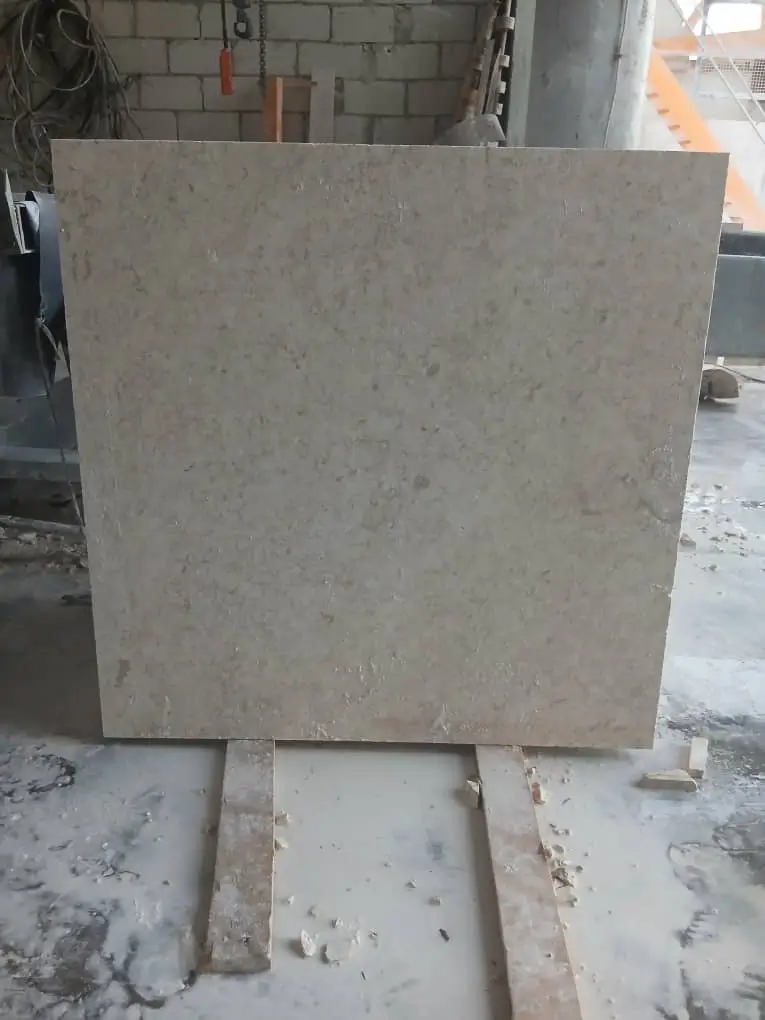
The steel-blue and blue-gray palette of quality limestone reads differently across the day and across seasonal light conditions. In Avondale’s high desert light, blue limestone shifts warmer in the low-angle morning and evening sun and takes on a cooler, sharper tone at midday. That tonal flexibility is one of the material’s strongest design assets — it integrates comfortably with the warm desert plant palette of agave, palo verde, and ornamental grasses without visually fighting the landscape.
Projects in Tucson have demonstrated how effectively blue limestone accent borders at driveway edges create a transition between the hardscape and decomposed granite planting beds that’s both practical and visually resolved. That same approach works well in Avondale’s residential streetscapes, where the combination of blue entry strips, tan aggregate infill, and low desert planting creates an arrival sequence that feels both deliberate and climatically appropriate. Coordinate your slab tone selection by viewing samples in the actual site light at different times of day — don’t rely on showroom lighting to make your final call.
Your Action Plan for Blue Paving Slab Driveways Avondale
The decisions that determine blue paving slab driveways Avondale project performance happen before the first slab is set. Commission a basic soil test — a standard Proctor and PI test costs under $300 and tells you exactly what base depth and geotextile specification your site requires. From there, your base preparation, joint spacing, slab thickness, finish selection, and sealing protocol all follow logically from the soil data and the site geometry.
Don’t let material selection drive the specification backwards. The design vocabulary of blue limestone — those rich steel and slate tones against Arizona architecture — is compelling enough to make it a first-choice material for Arizona arrival areas that combine curb appeal with lasting performance. Beyond this project, if you’re considering how blue stone plays in other exterior contexts across the region, Blue Paving Slab Contemporary Courtyards for Fountain Hills Modernism offers a useful parallel for how the same material family performs in courtyard and covered outdoor living applications. Plan your soil prep, spec your base correctly for Avondale’s ground conditions, and the visual performance of your entry will take care of itself. Citadel Stone provides blue limestone slabs in Arizona for driveways, entry areas, and high-traffic exterior applications where ground performance and lasting aesthetics both matter.