
Selecting the right blue limestone slab sizes for Fountain Hills projects involves more dimensional variables than most specifiers initially anticipate — and getting those dimensions wrong costs you rework time that Arizona heat makes miserable. The range of blue limestone slab sizes available for Fountain Hills installations spans from compact 12×12 formats to large-format 24×48 pieces, and each step up in size introduces specific structural and logistical considerations that change your specification from the ground up. Understanding which format matches your project conditions before materials leave the warehouse is the decision that separates clean, low-callback installations from the ones you’re revisiting in six months.
Why Slab Size Matters More Than You Think in Fountain Hills
Fountain Hills sits at roughly 1,520 feet elevation with summer ground temperatures regularly pushing surface stone to 140–160°F — thermal stress that behaves very differently across a 12×12 slab versus a 24×24 slab. Larger formats concentrate thermal expansion stress at fewer joint locations, which means your expansion joint spacing calculation becomes critical rather than optional. You’ll want to reconsider any generic specification sheet written for a temperate climate when you’re working in Maricopa County’s desert corridor.
The practical consequence is straightforward: a slab that’s dimensionally stable in Portland may bow, pop, or lippage-crack in Fountain Hills if you haven’t accounted for the delta between morning and peak-afternoon surface temperatures. Blue limestone’s thermal expansion coefficient runs approximately 4.8–5.2 × 10⁻⁶ per °F, which is favorable, but that advantage disappears quickly if your format choice outpaces your joint design. These Fountain Hills dimension choices carry real consequences that generic specification guides simply don’t address.
- Smaller formats (12×12, 16×16) distribute thermal stress across more joints, reducing individual slab movement magnitude
- Mid-range formats (18×18, 20×20) offer the best balance between visual scale and manageable expansion management
- Large formats (24×24, 24×48) require minimum 3/16-inch expansion joints and a rigid base with zero differential settlement tolerance
- Irregular formats introduce layout complexity that compounds at corners and curves — budget extra cutting time accordingly
Standard Blue Paving Slab Formats for Arizona Projects
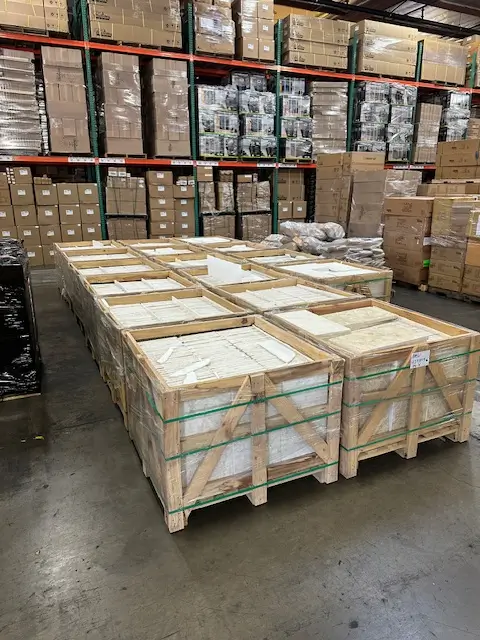
Blue paving slab formats in Arizona projects generally fall into four practical categories based on application load and visual intent. At Citadel Stone, we stock a curated range of varied size options specifically selected for how Arizona’s climate conditions interact with each dimension — not just what looks good in a catalog photograph.
The 12×12 and 16×16 inch squares remain the workhorses of residential patios and pathway applications. Their dimensional footprint keeps individual slab weight in the 18–35 lb range depending on thickness, which means a two-person installation crew can maintain pace without lifting equipment. You gain installation speed and layout flexibility, though the visual rhythm of tighter grout lines may not match every design direction.
- 12×12 at 3/4-inch thickness: residential walkways, low-traffic patios, stepping stone configurations
- 16×16 at 1-inch thickness: standard residential patios, covered outdoor living spaces, light commercial entries
- 18×18 at 1-inch thickness: pool surrounds, transitional spaces between interior and exterior, mid-scale commercial
- 20×20 at 1.25-inch thickness: driveways with passenger vehicle access, entertainment courtyards, resort-style installations
- 24×24 at 1.5-inch thickness: large format patios, statement entries, projects where visual minimalism drives the spec
- 24×48 at 1.5-inch thickness: high-design applications, contemporary facades, wide-span terrace decks
Projects in San Tan Valley frequently encounter expansive clay subsoil that shifts seasonally, which pushes most experienced specifiers toward the 16×16 or 18×18 formats rather than large-format slabs — the additional joint frequency provides accommodation for minor substrate movement that clay-heavy ground produces even with proper base preparation.
Thickness Specifications and Load Requirements
Slab thickness is the dimension that most homeowners overlook entirely and most contractors underspecify until a failure forces the conversation. The right thickness isn’t a style preference — it’s an engineering input tied directly to your anticipated load, base rigidity, and span between support points.
For residential pedestrian-only applications on a properly compacted 4-inch aggregate base, 3/4-inch nominal blue limestone performs adequately in formats up to 16×16. Step up to 18×18 or larger and you need to move to at least 1-inch nominal — the unsupported span across the slab center becomes too great at thinner sections, particularly when point loads from furniture legs or concentrated foot traffic enter the equation.
- 3/4-inch nominal: pedestrian walkways, stepping stones, decorative wall caps up to 12-inch width
- 1-inch nominal: standard residential patios, pool coping, outdoor kitchen surrounds
- 1.25-inch nominal: driveways without heavy vehicle access, rooftop terraces on structural decks
- 1.5-inch nominal: vehicle driveways, commercial plazas, applications requiring ASTM C170 compressive strength above 8,000 PSI verification
- 2-inch nominal: heavy commercial, loaded driveway entries, RV access pads where point loads exceed 12,000 lbs
The material’s natural compressive strength — typically 9,000–13,000 PSI for quality blue limestone — means thickness decisions are usually governed by bending stress at the slab midpoint, not compression at the surface contact point. Thickness-to-span ratio should stay above 1:12 for reliable long-term performance without supplemental structural support.
Varied Size Options and Pattern Design for Flexibility
One of the genuinely underutilized features of blue limestone is how well it accommodates multi-size pattern layouts. Varied size options — typically a combination of 12×12, 16×16, and 24×24 pieces in a calibrated pattern — create visual interest that single-size grid layouts simply can’t match, and they give you a practical tool for managing irregular space geometries without excessive cutting waste.
The classic French pattern (Versailles pattern) using four size combinations typically achieves 3–5% cut waste on a rectangular field and 8–12% on irregular shapes. Random ashlar patterns using three sizes push cut waste up to 10–15% on standard layouts but allow you to absorb site geometry cleanly. When you’re ordering materials, build that waste percentage into your quantity calculation before the truck is loaded — arriving short on a jobsite is a situation that adds days to a project when the next delivery requires lead time from warehouse stock.
- Running bond (single size): minimal waste, fast installation, suits contemporary design vocabulary
- Grid (single size, square orientation): traditional look, easy to maintain alignment, works best on rectangular spaces
- Random ashlar (2-3 sizes): organic visual rhythm, excellent for irregular perimeters, requires careful pattern planning before cutting begins
- French/Versailles pattern (4 sizes): maximum visual complexity, highest installation skill requirement, strong ROI on high-visibility applications
- Herringbone (single size): interlocking stability advantage, 45-degree orientation increases cutting at perimeters significantly
Assess your designer’s pattern intent before finalizing your size mix — there’s no point sourcing all four Versailles sizes if your installer hasn’t laid that pattern before. Installation complexity scales with pattern complexity, and that relationship becomes very concrete when you’re watching a crew get 30% slower after the first 100 square feet.
Base Preparation Varies by Slab Format
Here’s what most specifiers miss when moving from smaller to larger format slabs: your base preparation requirements don’t scale linearly — they jump in category. A 12×12 slab on a 4-inch compacted base is forgiving of minor voids because the slab spans a small area and gravity keeps it seated. A 24×48 slab on an inadequate base will telegraph every void as a hollow sound underfoot and eventually as a crack across the diagonal.
For large-format blue limestone slab sizes in Fountain Hills installations, a full mortar bed rather than spot-bonding is the correct specification for anything 20 inches or wider. Spot-bonding — placing five dabs of mortar at corners and center — leaves 60–70% of the slab unsupported. In a cooler climate, that might be manageable. In Arizona’s thermal cycling environment, it creates the exact conditions for midspan cracking within 2–3 seasons.
- Formats up to 16×16: 4-inch compacted aggregate base + 1-inch dry-set mortar bed, spot-bond acceptable
- Formats 18×18 to 20×20: 4-inch aggregate + 1.5-inch full mortar bed, back-buttering the slab recommended
- Formats 24×24 and larger: 6-inch compacted aggregate + 2-inch full mortar bed, back-butter mandatory, notched-trowel coverage target above 95%
- Large-format on structural decks: consult structural engineer for deflection criteria, uncoupling membrane often required
Exploring the full range of slate blue limestone paving materials available for Arizona installations helps you match the right format to your specific base conditions and project scope before committing to a material order.
Arizona Format Options for Specific Applications
The format decision changes depending on which application you’re specifying — pool surrounds, driveways, patios, and entryways each have different priority hierarchies. Slip resistance, thermal comfort, visual scale, and structural load each weight differently across these contexts, and the Arizona format options that work beautifully for one application can create genuine problems in another.
Pool surrounds in Fountain Hills present a specific challenge: wet-foot slip resistance requires a honed or slightly textured finish, but the same finish that provides grip when wet can be rough underfoot when dry. Blue limestone in the 18×18 format with a bush-hammered finish achieves a coefficient of friction above 0.60 when wet — meeting ADA requirements — while remaining comfortable for bare feet. You won’t get that performance from a polished finish regardless of format size.
- Pool surrounds: 18×18 honed or bush-hammered, avoid formats wider than 24 inches without anti-fracture membrane on concrete decks
- Driveway aprons: 20×20 or 24×24 at 1.5-inch minimum, always full mortar bed, plan for vehicle turn radius when setting pattern direction
- Entry courtyards: large-format 24×24 or 24×48 maximizes statement impact, requires impeccable base preparation
- Stepping stone paths: 16×16 or 18×18 set on compacted decomposed granite, 24-inch center spacing for average stride
- Outdoor kitchen surrounds: 16×16 or 18×18 for maneuverability around appliances, consider grout joint width relative to chair leg diameter
In Yuma, where summer temperatures consistently exceed those in Fountain Hills, surface temperature differentials between adjacent materials become a design consideration — specifiers there commonly use blue limestone pool surround formats as a buffer material between concrete deck and the pool edge specifically because the stone’s lower surface temperature reduces foot discomfort by 15–20°F compared to exposed concrete in direct sun.
Ordering and Logistics for Fountain Hills Projects
Logistics considerations for blue limestone slab delivery to Fountain Hills require some advance planning that differs from urban core deliveries. The road network east of Scottsdale includes sections where truck access to residential addresses involves tight turns or low-clearance constraints, and a flatbed loaded with stone is not a vehicle that improvises well.
Your quantity calculation should incorporate a 10% overage for standard rectangular projects and 15% for pattern layouts or irregular perimeters. That overage isn’t waste — it’s insurance against breakage during truck transport, field cutting losses, and the inevitable two or three slabs that arrive with hairline fractures you’ll catch during warehouse inspection or delivery unload. Running out of material mid-project with a specific slab format can mean a 1–2 week delay depending on stock availability.
- Confirm warehouse stock availability before scheduling installation crew — backorders on specific sizes happen, especially in peak spring season
- Large-format slabs (24×24 and up) typically ship on dedicated flatbeds rather than mixed loads — confirm with your supplier
- Offload location should be as close to the installation area as practical — moving large-format stone by hand across a finished surface risks scratching
- Acclimate delivered stone for 24–48 hours before installation if slabs were stored in a temperature-controlled warehouse and the outdoor temperature exceeds 100°F
- Verify that each delivered pallet matches the specified thickness tolerance — nominal 1-inch material should not vary more than ±1/8 inch within a single order
Joint Spacing and Grout Selection by Format Size
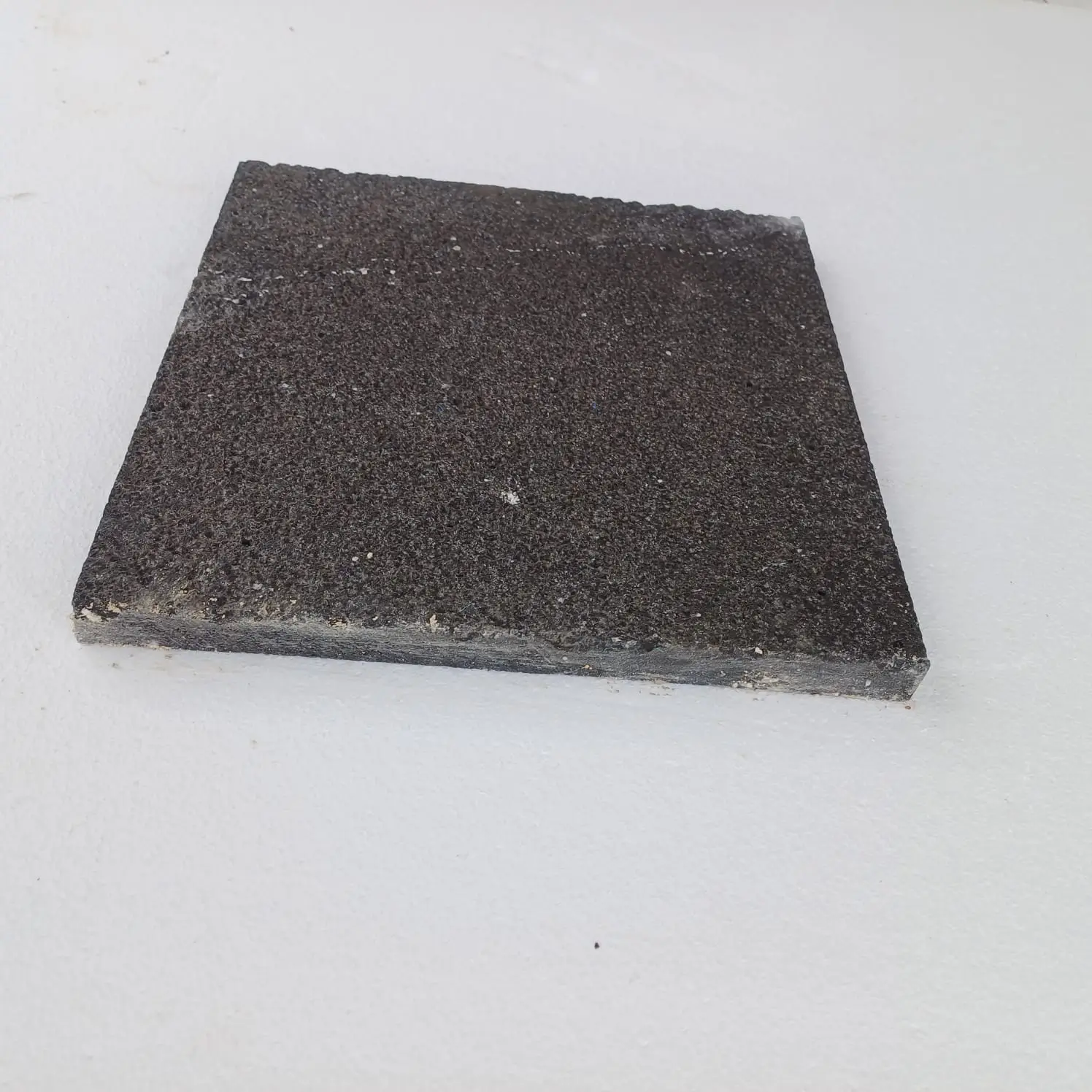
Joint width is directly tied to your slab format, and the relationship is more precise than most installation guides suggest. The general rule of thumb — 1/8-inch joints for calibrated stone — ignores the thermal expansion reality of large-format blue limestone in an Arizona climate. Calculate joint width based on slab dimension, thermal delta, and the material’s expansion coefficient rather than defaulting to whatever grout manufacturer literature recommends for generic applications.
For a 24×24 slab in Fountain Hills experiencing a 120°F surface temperature swing from winter night to summer afternoon peak, the theoretical expansion across one slab face is approximately 0.014 inches. That sounds trivial until you’re running 50 feet of continuous paving — at that length, the cumulative movement reaches nearly 0.35 inches, which your joints and any fixed edge constraints must accommodate. This is why Fountain Hills dimension choices in large-format work consistently land on wider joints than the same material would use in a coastal climate.
- Formats up to 16×16: 3/16-inch joints minimum, sanded grout acceptable
- Formats 18×18 to 20×20: 1/4-inch joints recommended, polymer-modified grout required for outdoor Arizona applications
- Formats 24×24 and larger: 3/8-inch joints with full expansion joints every 8–10 linear feet, epoxy grout consideration for high-traffic areas
- Expansion joints at all fixed boundaries (walls, curbs, pool edges): 3/8-inch minimum regardless of field joint width
- Grout color selection: medium-tone grays complement blue limestone’s natural variation without highlighting minor shade inconsistencies between slabs from different quarry runs
Sealing Requirements Specific to Format and Application
Blue limestone’s porosity profile — typically 3–8% absorption by weight depending on quarry source — means sealing is not optional for exterior Arizona installations. What changes with format size is how you approach the sealing process, because large-format slabs have proportionally fewer linear feet of joint but substantially more exposed surface area per piece.
Projects in Avondale and similar West Valley locations deal with water quality that carries higher mineral content than Fountain Hills municipal supply — the calcium and magnesium deposits from irrigation runoff can create efflorescence on unsealed blue limestone within one monsoon season. A penetrating silane-siloxane sealer applied to clean, dry stone achieves 15-year protection cycles when maintained with a light reapplication every 5–7 years, significantly outperforming surface-coat sealers that peel under UV exposure.
- Apply sealer after grout has cured fully — minimum 72 hours for polymer-modified, 28 days for cement-based grout
- Two thin coats outperform one heavy coat — the second coat penetrates residual open pore structures the first coat partially filled
- Large-format slabs (24×24 and up) require back-sealing before installation to prevent moisture migration through the mortar bed causing efflorescence from below
- Resealing intervals in Fountain Hills: pool surround areas every 3–4 years due to chemical exposure; standard patio areas every 5–7 years
- Test sealer compatibility on a sample piece before full application — some sealers alter the natural color tone of blue limestone more than expected
Getting Blue Limestone Slab Sizes Right for Your Project
Getting the blue limestone slab sizes right for your Fountain Hills project means working through format, thickness, base preparation, and joint design as a connected system — not a sequence of independent decisions. The dimension you choose for visual effect determines the base specification you need, which drives your logistics and delivery planning, which affects your project timeline. Shortcuts in any one of those links show up in the finished installation sooner than most clients expect. Your best tool at the planning stage is a complete specification that accounts for Arizona’s thermal demands before a single slab leaves the warehouse. As you refine your material selection, exploring related applications can inform how different blue paving slab formats perform across your Arizona property — Blue Limestone Paving Transitional Spaces for Cave Creek Connections offers useful context on how blue limestone performs across connected hardscape zones in similar regional conditions. We are the Blue Limestone Paving Arizona specialists who understand the local climate challenges.