
The Design Language of Blue Limestone Sitting Walls in Cave Creek
Blue limestone sitting walls in Cave Creek carry a visual weight that desert-contemporary design actively craves — that cool blue-grey tonality reads as grounded and deliberate against the warm ochres and rusts of the Sonoran landscape. The contrast isn’t jarring; it’s compositional. You’re essentially borrowing from the same geological palette that defines the surrounding rock formations, just refined and regularized into a functional seating element. What most landscape architects working in this corridor get right on their first blue limestone project is the color relationship — what they sometimes underestimate is how slab thickness and coursing height affect that visual register at eye level when seated.
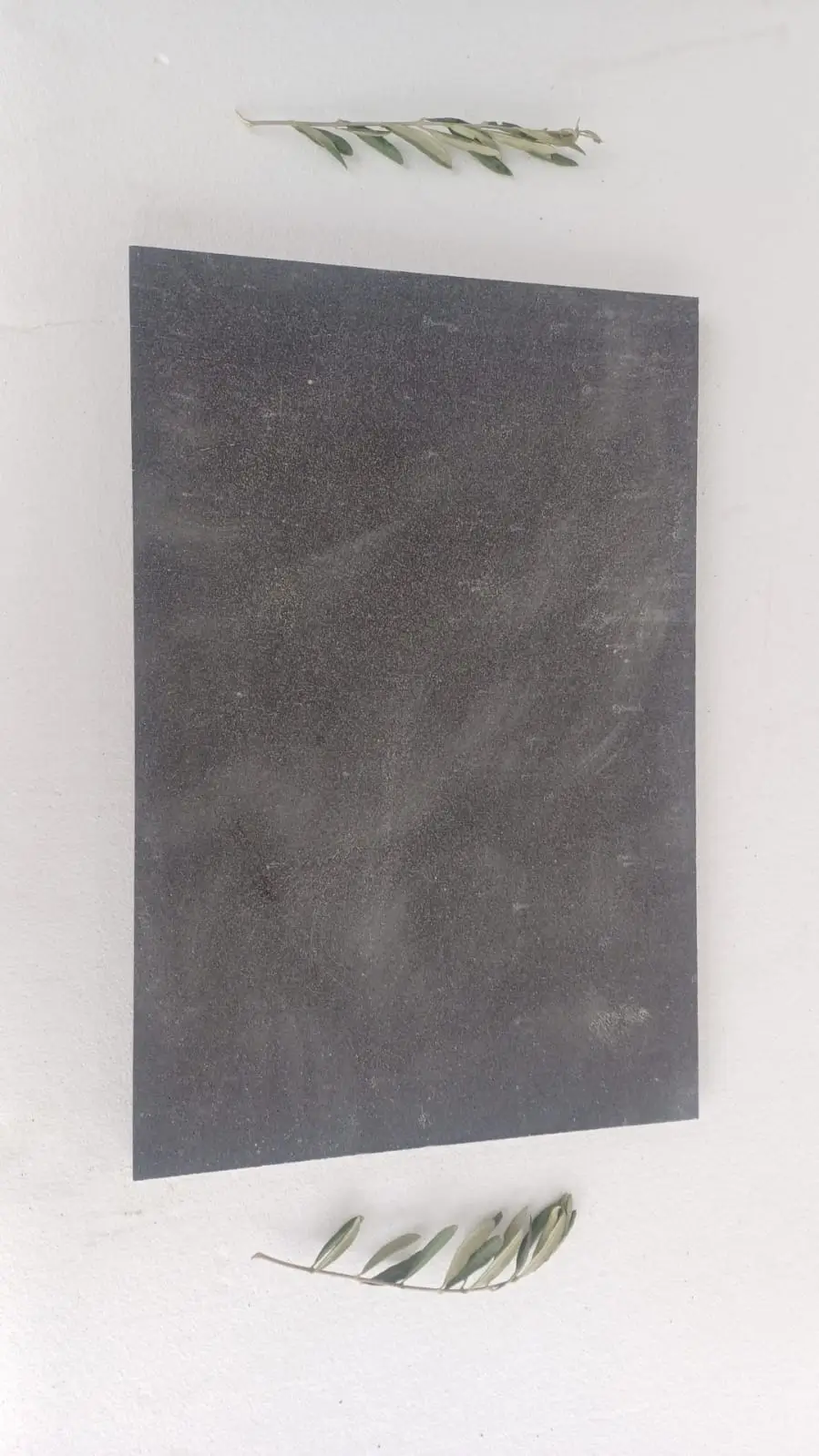
Aesthetic Integration with Desert Xeriscaping
Cave Creek’s defining landscape character sits at the intersection of high Sonoran desert and boulder-strewn terrain — and blue limestone sitting walls slot into that vocabulary in a way that fabricated concrete seating simply can’t replicate. The material’s subtle veining and tonal variation echo the natural stratification you see in the desert rock outcroppings throughout the region. Your planting scheme will also respond differently to stone seating than to manufactured alternatives; the thermal mass of a properly dimensioned limestone wall creates a microclimate that low-water succulents and desert-adapted groundcovers genuinely exploit in the morning hours.
Desert xeriscaping benefits from defined structure, and sitting walls provide that structure while pulling double duty as garden boundaries, grade transitions, and visual anchors. The key is proportioning your wall height relative to surrounding plantings — a 500mm seat-height wall adjacent to agave specimens and brittlebush reads as intentional framing rather than an obstacle. You’ll want the stone color to complement, not compete with, your plant palette. Blue-grey limestone against the silver-green tones of desert sage or the yellow-gold bloom cycles of palo verde creates a natural resonance that landscape designers in the Cave Creek area have been leveraging for premium residential commissions. For Cave Creek outdoor seating, this tonal dialogue between stone and planting is one of the more reliable design moves available at any budget level.
- Select coursing heights that align with mature plant height in adjacent beds — the 450–550mm seat zone works best for this balance
- Allow natural weathering to integrate the wall into its surroundings — blue limestone develops a subtle patina over 18–24 months that deepens the connection to the site
- Position walls to frame desert views rather than block them, using the stone as a foreground element in composed sight lines
- Consider the edge profile: a clean sawn edge reads as contemporary, while a hand-split edge reads as more naturalistic and resonates with native stone outcroppings
Material Selection and Slab Dimensions for Garden Seating
The structural specification for blue limestone sitting walls starts with slab thickness — and the field reality is that 60mm nominal thickness is the practical minimum for unsupported seat-cap spans beyond 400mm. For the typical Cave Creek garden seating scenario, where you’re working with a wall width of 300–450mm and a seat cap that cantilevers slightly over the front face, 75mm provides the flex-resistance that keeps the slab feeling solid underfoot and under load. Thinner sections can work within tightly supported coursing, but you’ll hear the difference — literally — when someone sits on an under-specified seat cap.
Blue limestone slab seating in Arizona is available in both sawn and calibrated formats, and the choice affects your installation tolerance windows significantly. Calibrated slabs give you consistent thickness (±2mm), which matters when you’re setting seat caps across a long wall run and want a level surface without shimming. The sawn format offers more character variation but requires your mason to work with tolerance stacks that can reach ±6–8mm across a 3-metre run. For garden seating walls where the functional priority is a comfortable, level seat surface, calibrated material is the professional specification.
- Seat cap thickness: 60mm minimum for supported spans, 75mm for spans over 400mm
- Slab width for standard single-wythe sitting wall: 350–450mm
- Calibrated tolerance: ±2mm — specify this explicitly on your material order
- Length variation: 600mm and 900mm modules are the most practical for coursing efficiency and reducing cut waste on curved plans
Structural Base Preparation for Cave Creek Conditions
Cave Creek’s soil profile introduces a variable that simplifies base design in ways that might surprise you — the shallow rocky substrate common across much of the town’s residential footprint actually reduces your bearing concern compared to the expansive clay soils you’d encounter in lower-desert metro areas. Projects in Chandler often require deeper footings and additional reinforcement to accommodate clay swell cycles; in Cave Creek’s rockier terrain, your bigger concern is typically drainage geometry around the wall base rather than bearing capacity.
For freestanding sitting walls up to 900mm, a compacted aggregate base of 150–200mm depth is generally sufficient when the native substrate is rocky and well-drained. You should verify that base compaction reaches 95% Proctor density before setting your first course — gaps in compaction under a sitting wall show up as lateral settlement, and that’s expensive to correct after the seat caps are mortared. The dry-stack aesthetic is popular in the Cave Creek design vernacular, but structural wall seats that carry real occupancy loads should be mortared at the base courses regardless of what the above-grade detail shows.
Color Palette and Regional Architectural Traditions
Cave Creek’s architectural identity pulls from a blend of authentic Southwest adobe, contemporary desert-modern, and rustic ranch vernacular — and blue limestone sitting walls navigate all three successfully when you get the finish specification right. The honed finish is where most contemporary desert-modern projects land: it delivers the clean, low-reflectance surface that reads as sophisticated under Arizona’s high-angle sun, and it integrates naturally with the smooth plaster walls and Cor-Ten steel accents common in the current generation of Cave Creek custom homes.
For projects leaning into the rustic ranch or adobe tradition, a thermal or brushed finish breaks up the surface texture in a way that softens the stone’s formal geometry. This is worth specifying explicitly — don’t leave it to field interpretation. The thermal finish also improves grip marginally, which matters for outdoor seating surfaces that see morning dew or occasional rain events. The colour range within blue limestone isn’t monolithic; you’ll see variation from warm blue-grey (closer to a greyed taupe) to cooler, more distinctly blue tones depending on the quarry batch. At Citadel Stone, we sort incoming stock at the warehouse by tonal range precisely because mixed batches on a single wall run can undermine the design intent, particularly on premium Cave Creek projects where the landscape architect has made specific colour commitments to the client.
- Honed finish: best for contemporary desert-modern, low reflectance, clean sight lines
- Thermal finish: naturalistic texture, improved grip, pairs well with rustic or adobe-influenced designs
- Sawn (unfilled): shows more mineral variation, suitable where deliberate tonal movement is a design objective
- Consistent tonal sorting across a wall run is more important than absolute colour matching — request samples from a single quarry batch
Thermal Performance for Arizona Outdoor Seating
Here’s the thermal performance detail that matters most for Cave Creek garden seating: blue limestone’s heat absorption and re-radiation curve is significantly more favorable than dense concrete or dark basalt for seat surfaces. Under peak summer conditions — which in Cave Creek can push ambient pavement temperatures above 150°F — limestone in the blue-grey tonal range typically reads 25–40°F cooler than a comparable concrete seat wall at the same exposure. This isn’t just comfort; it’s a functional specification requirement for seating that gets used from late morning onward in the Arizona summer.
The practical implication is that east and northeast wall orientations dramatically extend the usable-temperature window of your sitting wall into the day. Specify your wall placement with the primary seating face oriented away from afternoon western exposure where the site allows — this is a design move, not just a construction detail, and it connects directly to your Arizona outdoor furniture specification goals. Surface temperature also relates to finish: a honed surface will run slightly hotter than a textured thermal finish under identical solar exposure, because the smoother surface has marginally lower emissivity. For high-exposure orientations, the thermal finish earns its specification on comfort grounds alone. These thermal characteristics make blue limestone slab seating in Arizona one of the more defensible natural stone choices on functional as well as aesthetic grounds.
Joint Spacing and Thermal Expansion Allowances
Blue limestone’s thermal expansion coefficient runs approximately 4.5 × 10⁻⁶ per °F — lower than concrete and significantly lower than porcelain, which is why it performs predictably through Arizona’s 80°F+ daily temperature swing range. For a 900mm seat cap, this translates to roughly 0.35mm of dimensional movement between early morning and peak afternoon temperature — well within normal mortar joint accommodation. You don’t need to introduce expansion joints into sitting wall seat caps at standard residential scale, but you should maintain consistent joint widths (8–10mm is standard) rather than butting slabs tight, which can cause pop-offs when the material heats up from a cold winter morning baseline.
Wall Seat Detailing for Garden Integration
The detail that separates a good blue limestone sitting wall from a great one in Cave Creek gardens is the seat cap overhang and edge treatment. A 25–35mm overhang on the front face of the seat cap creates a shadow line that defines the wall seats as furniture rather than infrastructure — it’s a small dimension with a significant perceptual impact. Your landscape architect might call this out on the detail drawings; if it isn’t specified, ask the question, because the masons will default to flush unless directed otherwise.
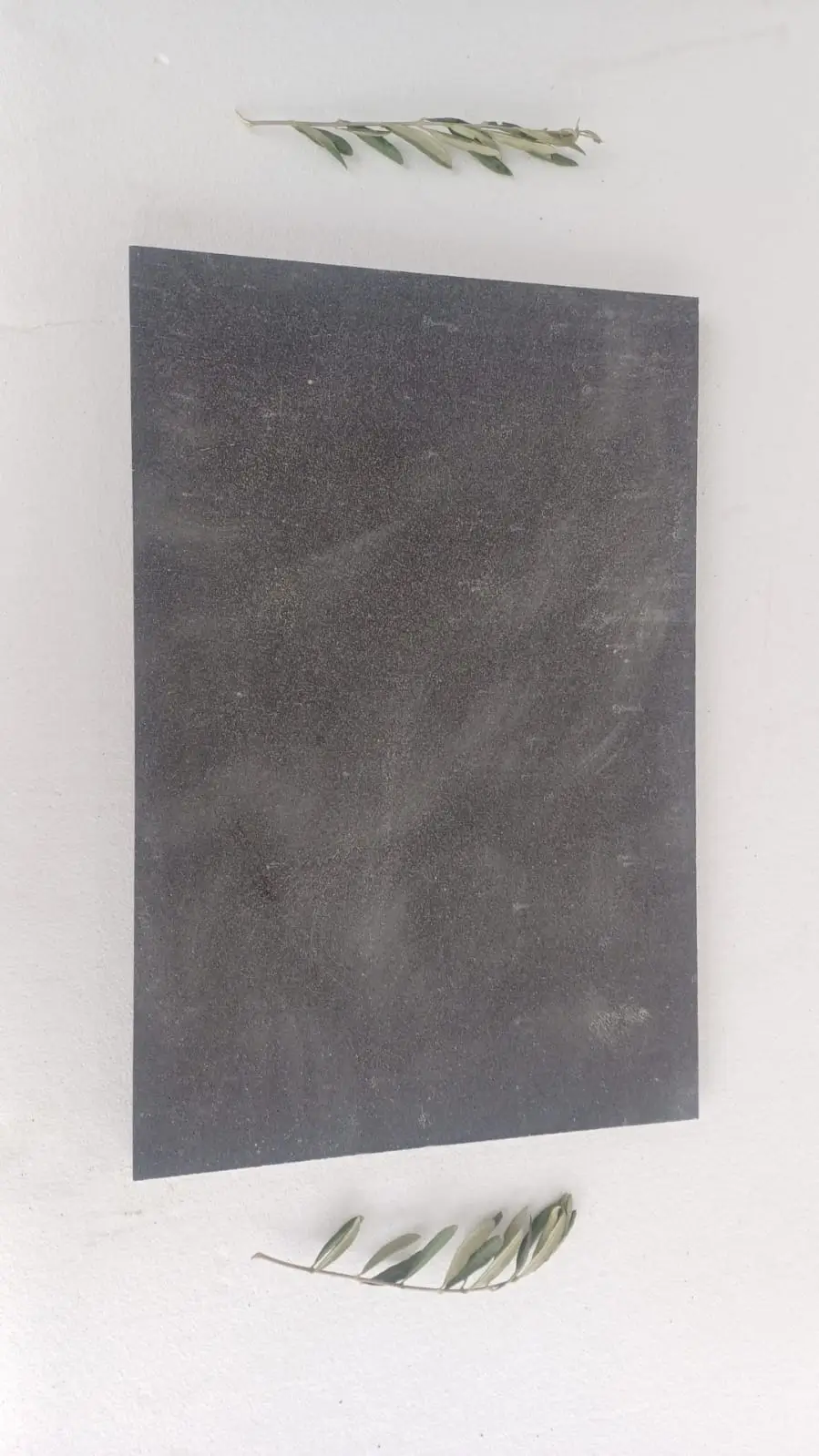
Drainage through the wall body is the other detail worth getting right at the specification stage. Weep holes at 600mm spacing in the lower course allow any moisture that migrates behind the wall face to exit without building hydrostatic pressure against the stone. In Cave Creek’s climate, this matters less than it would in a wetter region, but summer monsoon events can push significant moisture volumes into a garden wall in a short period. Weep holes are cheap to specify and expensive to retrofit. Citadel Stone’s limestone blue black slabs are available in the thickness and module ranges that support both standard seat-wall and feature-wall applications, with material sizing that reduces on-site cutting for common garden seating configurations.
Sealing and Maintenance in Arizona’s Climate
Blue limestone’s porosity sits in a range that makes sealing a genuine performance decision rather than a cosmetic one. Unsealed limestone in outdoor seating applications will absorb surface contaminants — tanning oils, food and beverage spills, iron staining from adjacent steel planters — and those stains become progressively harder to address as they penetrate deeper into the stone structure. The specification guidance here is straightforward: apply a penetrating impregnating sealer at installation and reseal every two to three years, adjusting to a two-year cycle if the wall sees heavy use or is adjacent to water features.
In Tempe, where landscape projects frequently include water features and pool adjacency, limestone sealers need to be specifically rated for wet-zone use — standard penetrating sealers perform differently when they’re cycling between wet and dry states weekly rather than seasonally. The same logic applies to Cave Creek outdoor seating projects that incorporate water bowls or olla-style irrigation adjacent to seating walls. Verify your sealer’s wet-zone rating before specifying, and factor resealing into your landscape maintenance schedule from day one. Warehouse stock of quality sealers varies seasonally in Arizona, so ordering your maintenance supply at project completion and storing it for the first reseal cycle is a practical move your client will appreciate when the reminder comes.
- First seal: apply at installation, after 28-day cure of any mortar joints
- Reseal cycle: every 2–3 years under standard use, every 2 years for high-use or water-adjacent installations
- Sealer type: penetrating impregnating (silane/siloxane blend) — not topical film sealers, which peel under UV exposure
- Test sealer on a sample piece from the same quarry batch — tonal response varies between limestone sources and sealer formulations
Project Planning, Material Logistics, and Lead Times
Coordinating your blue limestone slab seating Arizona specification with realistic delivery logistics is where many projects lose time they can’t recover. Natural stone isn’t a commodity product with guaranteed shelf inventory — slab stock moves, and the specific module sizes and finish combinations that suit your Cave Creek sitting wall design may not be available from the same batch at a 30-day interval. The professional approach is to lock in your material specification and order quantity at the time of landscape design approval, not at the construction mobilisation date.
Citadel Stone maintains Arizona warehouse inventory on core blue limestone formats, which typically allows for 1–2 week delivery lead times on standard module sizes — significantly shorter than the 8–12 week import cycle you’d face sourcing directly from the quarry. That said, large custom projects — anything over 50 square metres of seating wall — should still be confirmed against current warehouse stock before committing quantities to the client. Truck access at the delivery site is also worth confirming early; Cave Creek’s residential areas include properties with constrained access routes where a standard flatbed truck can’t reach the installation zone, requiring a secondary transport step that adds cost and time if it’s discovered at delivery rather than at planning.
Projects in Surprise demonstrate how early material coordination pays off — landscape contractors there have found that confirming slab availability before finalising the client’s timeline reduces change-order frequency significantly. The same discipline applied to your Cave Creek project means your mason crew has material on site when they’re ready, not chasing a delayed truck while the schedule slips. Confirming Arizona outdoor furniture and hardscape stone orders together at the design approval stage is one of the more reliable ways to protect your project timeline.
- Lock in material specification and order quantity at landscape design approval, not at construction start
- Confirm truck access to the installation site during early project planning — not at delivery scheduling
- For large wall runs, request samples from the specific warehouse stock batch you’re ordering to verify tonal consistency
- Factor the 28-day mortar cure window into your project timeline before commissioning sealing and snagging
Final Perspective on Blue Limestone Sitting Walls in Cave Creek
The specification decisions that define successful blue limestone sitting walls in Cave Creek garden seating projects come down to three intersecting considerations: material dimensioning that matches both the structural and visual demands of the seat surface, finish and tonal selection that integrates with the regional design palette, and logistics coordination that ensures the right material reaches the site at the right time. Getting all three right isn’t complicated, but each requires deliberate decisions rather than defaults. The projects that age best in Cave Creek are the ones where the stone was specified as a design element first — and the functional, thermal, and maintenance requirements were addressed within that design framework rather than as afterthoughts.
Beyond sitting walls, your Cave Creek property’s hardscape vocabulary can extend naturally to other stone applications. If you’re exploring how blue limestone performs in a different outdoor format, Blue Limestone Slab Countertops for Paradise Valley Outdoor Kitchens covers how the same material transitions to horizontal surface applications in a comparable Arizona design context. We offer the natural limestone blue black paving slab in Arizona for custom engraved signage.