
Caliche layers and expansive desert soils create a deceptively complex foundation beneath blue black natural limestone paving in Scottsdale — and what happens underground directly determines how well your surface cleaning program performs above it. Blue black natural limestone cleaning in Scottsdale demands a fundamentally different approach than cleaning programs designed for stable-soil regions, because ground movement in Arizona shifts joint gaps, creates micro-cracks, and channels organic debris into the stone’s pore structure far more aggressively. Once you understand that dynamic, your cleaning approach becomes a unified system rather than a product selection exercise.
How Scottsdale’s Soil Conditions Affect Your Limestone Surface
Arizona’s subsurface composition creates cleaning challenges that don’t exist in most other states. The caliche hardpan common throughout the Phoenix and Scottsdale corridor is dense enough to restrict drainage, which means water pools longer at slab edges than your surface observations would suggest. That pooling drives mineral-laden moisture into joint spaces, accelerating the efflorescence and iron oxide staining that shows up as orange-brown blotching on the dark stone face.
The soils that sit above the caliche layer — typically a mix of sandy loam and silty material — have a moderate shrink-swell coefficient. That seasonal movement creates hairline joint separation during summer dry cycles and re-compression during monsoon saturation. Each cycle pushes fine particulate matter deeper into your limestone’s interconnected pore structure, making surface-level cleaning progressively less effective if you’re not addressing joint integrity as part of the maintenance cycle. These are the soil-driven realities that define Arizona upkeep methods for any serious hardscape installation.
- Caliche hardpan restricts vertical drainage, concentrating mineral deposits at slab perimeters
- Silty loam above caliche layers has enough swell potential to shift joint gaps 1–2mm seasonally
- Organic debris from desert landscaping accumulates in widened joints and begins biological staining
- Ground salt migration from irrigation systems creates white crust formation on the stone surface
- Monsoon saturation events flush subsurface minerals upward, compounding efflorescence cycles
Understanding Blue Black Limestone’s Porosity Before You Clean
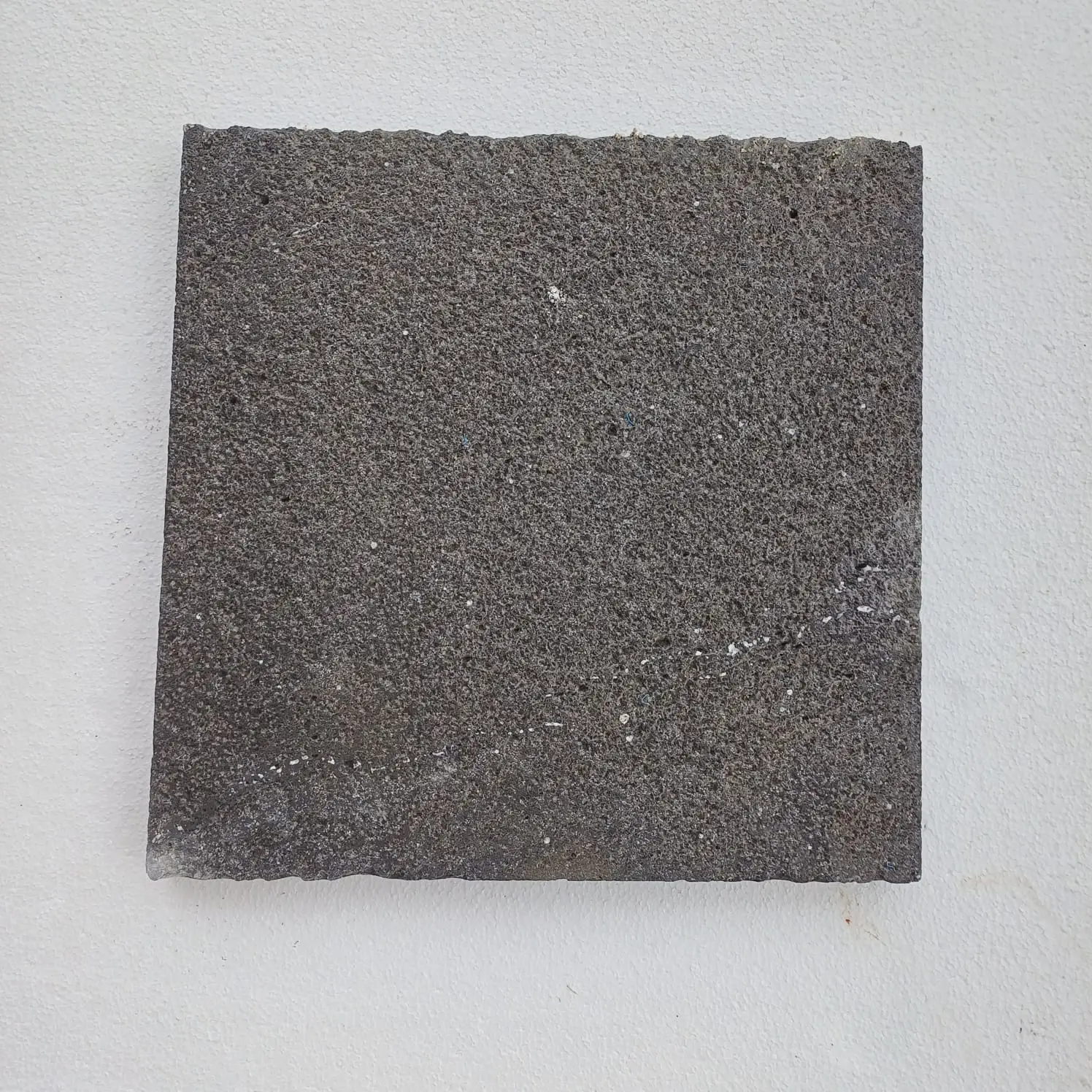
Blue black natural limestone carries a porosity range of roughly 3–8%, which positions it in a meaningful middle ground — more absorbent than dense basalt but far less porous than standard travertine. That number matters enormously when you’re selecting cleaning agents, because products that work fine on denser stones can wick too deep into this material and leave residue that attracts more grime over time.
The stone’s characteristic dark coloration comes from organic carbon compounds and fine-grained iron minerals distributed through the matrix. Aggressive acidic cleaners — even diluted concentrations — react with those iron compounds and can produce a patchy, reddish discoloration that’s nearly impossible to reverse without honing. This is one of those field realities that isn’t obvious until you’ve watched it happen on a $40,000 courtyard installation. Treat pH-neutral chemistry as the baseline, not the conservative option.
- pH-neutral cleaners in the 6.5–7.5 range protect iron mineral content and organic carbon compounds
- Acidic cleaners below pH 4.0 risk permanent discoloration on dark limestone faces
- Alkaline degreasers above pH 10.0 can break down calcium carbonate bonds in the stone matrix
- Hot water extraction above 140°F can drive contaminants deeper rather than lifting them
- Pressure washing above 1,200 PSI on unsealed surfaces compromises surface grain integrity
Pre-Cleaning Joint Assessment: The Step Most Scottsdale Projects Skip
Before any cleaning solution touches your blue black natural limestone surface, a systematic joint inspection is essential — and this is particularly critical in Scottsdale, where the combination of caliche drainage restriction and seasonal soil movement creates joint conditions that vary dramatically across a single patio installation. A joint that looks intact from standing height may have lost 40–50% of its polymeric sand density at the 1-inch depth level, creating a reservoir that holds cleaning chemistry long after rinse cycles complete.
Probe each joint section with a thin pick tool and check for hollowness or soft sand that displaces easily. Compromised joints should be re-packed with compatible polymeric sand and allowed to cure fully — typically 24–48 hours in Arizona’s dry heat — before you introduce any liquid cleaning products. Running cleaning chemistry into depleted joints is one of the primary causes of subsurface staining that appears mysteriously weeks after a cleaning session. Reliable Scottsdale maintenance tips from experienced stone contractors consistently identify this pre-cleaning step as the most commonly skipped and most consequential.
Blue Black Natural Limestone Cleaning Methods for Scottsdale Conditions
The cleaning sequence for blue black natural limestone in Arizona should follow a four-stage protocol that accounts for the soil-driven contamination patterns specific to this region. Skipping stages might work once or twice, but the cumulative effect of incomplete cleaning creates a residue layer that seals contaminants beneath your next maintenance cycle.
Stage One: Dry Debris Removal and Joint Clearing
Start with a thorough dry sweep using a stiff-bristle broom — not a wire brush, which scores the surface — followed by a blower pass to clear joint channels. Desert landscaping deposits fine silicate grit that acts as an abrasive when cleaning solution is applied over it, creating micro-scratching that dulls the stone’s natural sheen. This first stage also removes the surface layer of soil-borne minerals before they get activated by water chemistry, which is a critical step that separates effective blue black natural limestone cleaning in Scottsdale from incomplete maintenance runs.
Stage Two: pH-Neutral Solution Application
Apply your pH-neutral limestone cleaner at the manufacturer’s dilution rate — typically 1:10 to 1:20 with clean water — using a low-pressure garden sprayer or a soft mop head. Work in sections no larger than 80–100 square feet to prevent solution from drying on the surface before you complete the scrub. In Scottsdale’s summer heat, surface temperatures above 110°F will flash-dry your solution in under three minutes, which concentrates the chemistry and risks leaving a white haze on the dark stone face.
Morning application — before 9:00 AM in summer months — gives you the working window you need. If you’re maintaining a larger blue black natural paving installation in Arizona, plan your cleaning sequence in east-to-west sections to stay ahead of direct sun exposure as the morning progresses.
Stage Three: Mechanical Scrubbing Technique
Use a soft-to-medium bristle deck brush with a long handle to work the solution in circular patterns across each section. The circular motion lifts biological staining — algae, mold, lichen — more effectively than linear strokes because it breaks the attachment points that these organisms develop along the stone’s natural cleavage lines. For larger installations, a slow-speed floor buffer fitted with a natural-bristle pad at 175–300 RPM covers ground faster without generating the surface heat that faster machines create.
- Circular scrubbing breaks biological attachment points more effectively than linear strokes
- Allow 3–5 minutes of dwell time after application before scrubbing begins
- Avoid nylon-bristle pads on dark limestone — they leave fine scratches visible at low sun angles
- Work solution away from unsealed joints to minimize subsurface saturation
- Rinse each section completely before moving to the next to prevent cross-contamination
Stage Four: Rinse and Surface Neutralization
Rinse thoroughly with clean water at low pressure — a standard garden hose with a fan nozzle at 40–60 PSI is sufficient and safe. For properties in Phoenix on municipal water systems with high mineral content (hardness above 200 ppm is common in the Salt River Valley), a final rinse with filtered or softened water prevents the lime scale deposits that dull the stone’s finish within days of cleaning. This detail separates a cleaning result that lasts eight months from one that looks hazy within three weeks.
You can review Citadel Stone’s blue paving slab inventory to compare surface finish specifications and choose the profile that best aligns with your maintenance capacity — matte honed surfaces hide surface mineral deposits better than polished finishes in hard-water regions.
Stain-Specific Treatment for Arizona Blue Black Limestone
Practical Scottsdale maintenance tips from experienced stone contractors consistently emphasize one thing: not all stains respond to the same chemistry, and misidentifying a stain type before treatment is how you set a permanent discoloration. The four contamination categories that show up most frequently on blue black limestone in Arizona each require a distinct approach, and applying the wrong cleaning techniques to the wrong stain type compounds the damage rather than resolving it.
Efflorescence Removal in Desert Conditions
Efflorescence — the white crystalline mineral deposits driven upward by moisture migration through caliche-restricted drainage — requires a specific low-acid calcium dissolver rather than a standard cleaner. Products formulated with citric acid in the 3–4% concentration range dissolve calcium carbonate deposits effectively without attacking the stone’s iron mineral content. Apply with a brush directly to the affected area, allow a 5-minute dwell, then scrub and rinse thoroughly. Repeat applications are safer than increasing acid concentration.
Iron Oxide and Rust Stain Treatment
Rust staining from corroding irrigation fittings or steel furniture legs is one of the trickier scenarios with blue black natural limestone, because the stone already contains iron compounds. Standard rust removers formulated for concrete may react with the stone’s native iron content and create blotchy discoloration rather than targeted removal. Use a poultice-based approach — mix an iron-chelating powder (sodium hydrosulfite base) with water to a thick paste consistency, apply over the stain to a depth of 1/4 inch, cover with plastic film, and allow 24 hours of dwell time. The poultice draws the contaminant out rather than driving it deeper.
Sealing Blue Black Limestone After Cleaning in Arizona’s Climate
The blue black paving care Arizona climate demands means sealing isn’t optional maintenance — it’s the barrier that determines how quickly contamination re-establishes after your cleaning cycle. The soil and ground conditions in Scottsdale ensure that mineral-laden moisture is always present at the base level, and without an effective sealer, that moisture will re-establish efflorescence within 60–90 days of a thorough clean.
A penetrating silane-siloxane sealer at 40% active solids concentration provides the right balance of moisture repellency and vapor permeability for Arizona’s desert climate. Vapor-permeable sealers are critical here — film-forming sealers that trap moisture vapor beneath the surface blister and peel in extreme heat cycles above 115°F, which creates more surface damage than leaving the stone unsealed. Apply sealer to a clean, fully dry surface — allow 48–72 hours after cleaning before sealer application in summer conditions.
- Penetrating silane-siloxane sealers at 40% active solids are the correct specification for Arizona desert conditions
- Film-forming acrylics blister at sustained surface temperatures above 115°F — avoid these on outdoor Arizona installations
- Apply sealer in two thin coats, waiting 20–30 minutes between applications, rather than one heavy coat
- Re-seal every 18–24 months in high-UV zones; every 24–36 months for covered or shaded installations
- Test sealer coverage rates on a small inconspicuous area first — this stone’s variable porosity means absorption rates differ across a single installation
Ongoing Maintenance Schedule for Scottsdale Installations
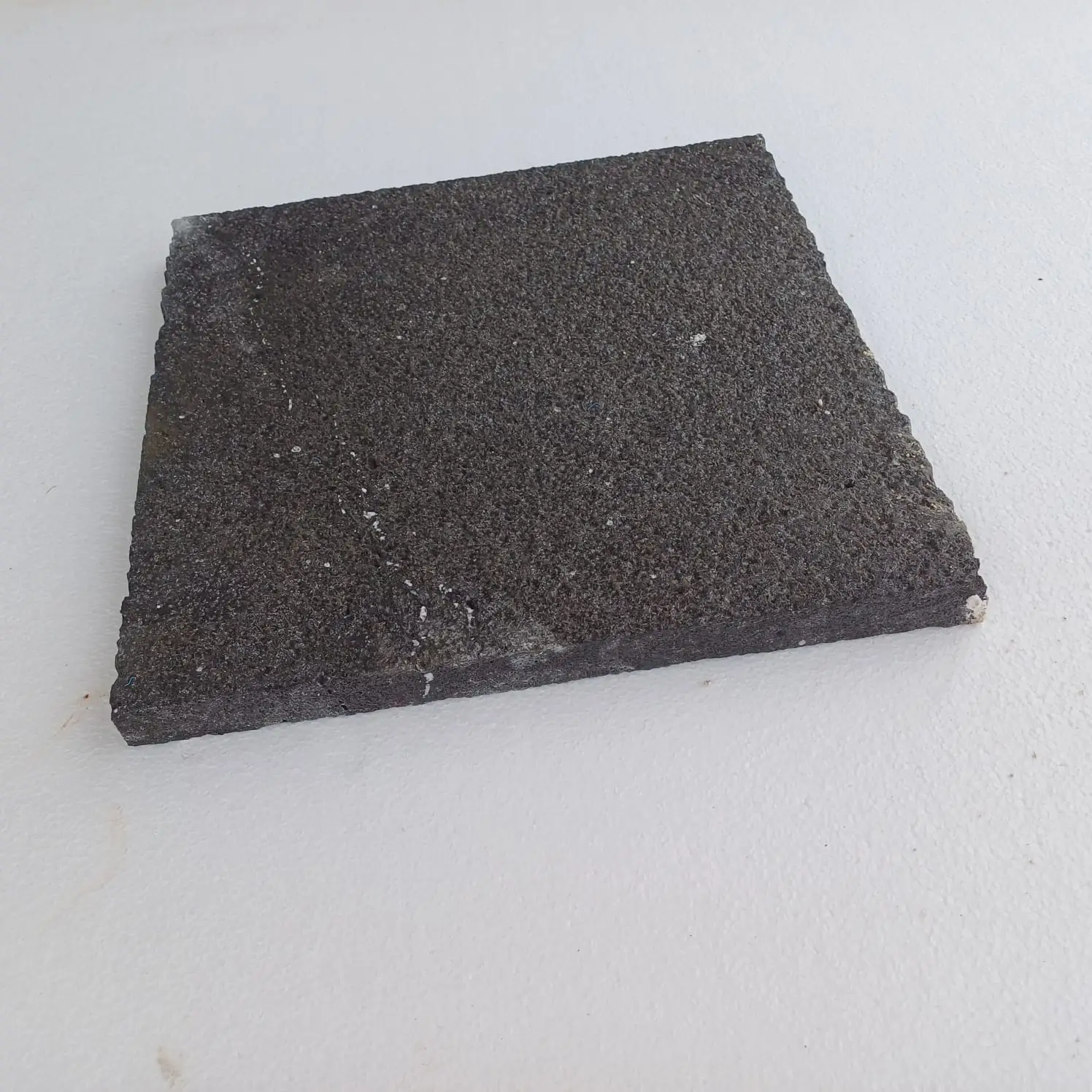
Developing a structured maintenance calendar around Arizona’s seasonal patterns is the most effective way to protect blue black natural limestone paving long-term. The cleaning techniques you use matter, but timing your maintenance to precede and follow the monsoon season creates a significantly better outcome than calendar-based schedules that ignore what the soil and climate are actually doing.
Pre-monsoon maintenance in late May to early June should focus on joint integrity inspection, polymeric sand replenishment where needed, and a thorough cleaning cycle followed by sealer reapplication if your last seal was more than 18 months prior. The monsoon season from July through September drives the heaviest mineral migration from soil to surface. Post-monsoon cleaning in October should address the efflorescence and biological growth that monsoon moisture typically triggers — applying consistent cleaning techniques at both intervals is what separates surfaces that hold their finish from those that degrade prematurely.
At Citadel Stone, we recommend that clients in Tucson and the broader Sonoran Desert zone plan for a minimum of two full cleaning cycles annually — spring and fall — with a targeted spot-treatment protocol for staining events as they occur. Our technical team has worked with enough Arizona projects to confirm that the two-cycle approach yields surface longevity 30–40% longer than single annual cleaning programs under comparable soil and UV conditions. Warehouse stock of cleaning-compatible sealers and joint materials is maintained year-round, so you’re not waiting on a delivery when the pre-monsoon window opens.
- Pre-monsoon cycle (May–June): joint inspection, cleaning, sealer reapplication if due
- Post-monsoon cycle (October): efflorescence treatment, biological growth removal, joint check
- Spot treatment protocol: address rust, oil, and organic stains within 48 hours of occurrence
- Annual drainage check: verify that ground-level drainage remains functional around perimeter edges
- Bi-annual joint depth inspection: probe all joints to detect sand loss below the top 1/2 inch
Blue Black Natural Limestone Long-Term Performance in Scottsdale
Effective blue black natural limestone cleaning in Scottsdale starts with the ground conditions beneath the surface, not the cleaning products sitting on your shelf. The Arizona upkeep methods that consistently produce 20-year+ surface performance are the ones that treat soil drainage, joint integrity, and cleaning chemistry as a unified system rather than isolated tasks. Your cleaning program is only as durable as the foundation it’s protecting, and in Scottsdale’s caliche-underlain landscape, that foundation requires active management as part of the maintenance cycle.
Beyond the limestone cleaning protocol itself, other stone surfaces on your Arizona property may have different but equally site-specific maintenance requirements. How to Maintain Basalt Cobblestone in Arizona’s Climate covers the complementary care considerations for another Citadel Stone product commonly specified alongside blue black limestone in Arizona hardscape projects — worth reviewing if your installation includes multiple stone types. We are the preferred supplier of blue paving slabs in Arizona for landscape renovators.