
Texture, color depth, and surface variation in black limestone slabs simply cannot be evaluated from a screen — the difference between a calibrated honed finish and a naturally cleaved one becomes obvious the moment you hold both samples under Arizona afternoon light. Visiting a Mesa black limestone showroom gives you that tactile and visual reference point that no product page can replicate, and it’s the single most reliable way to avoid a costly specification mistake before material ships from the warehouse. The insights below are designed to help you extract maximum value from that in-person visit, not just browse slabs but genuinely interrogate them.
Why Physical Inspection Changes Every Decision
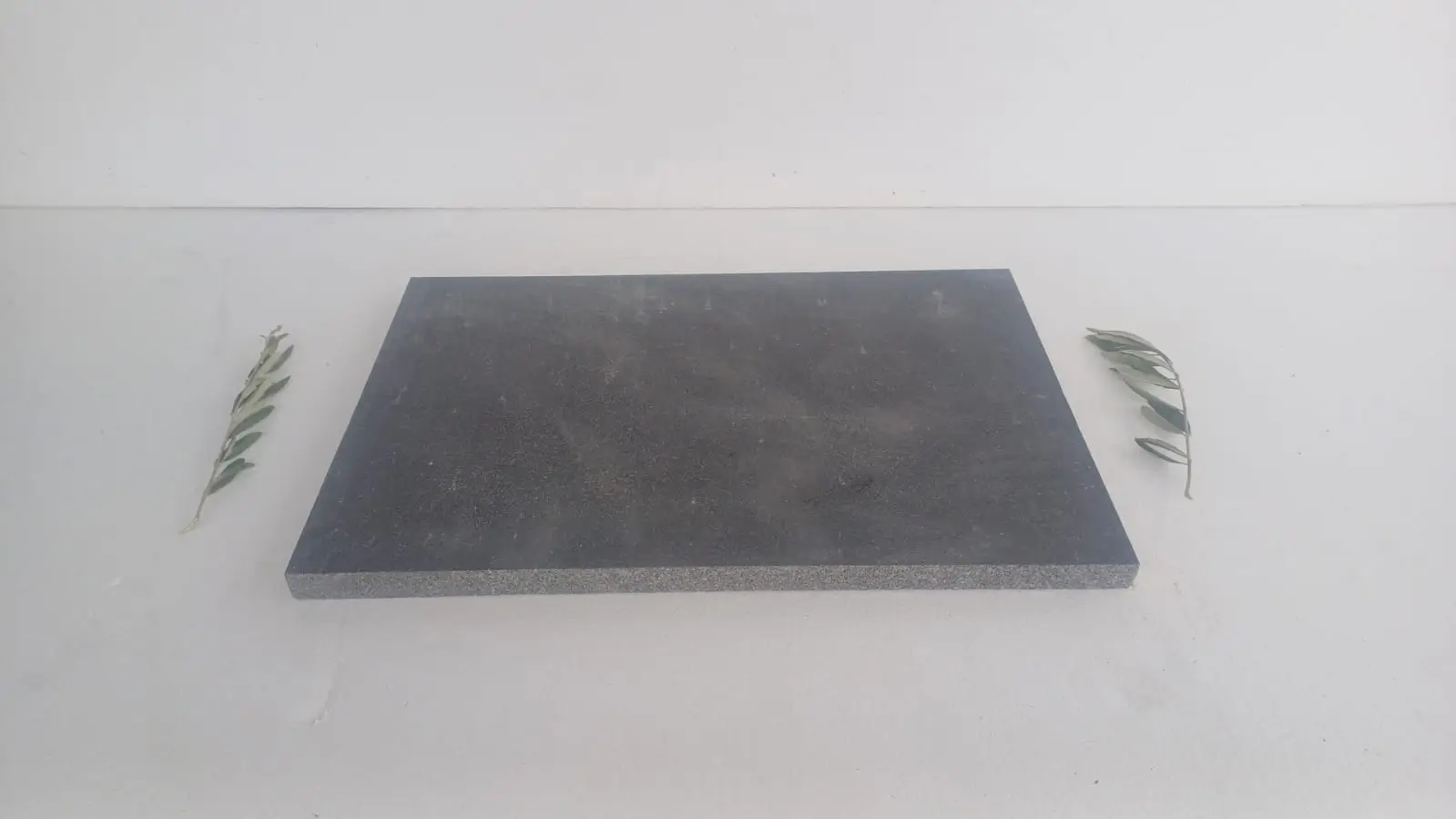
Black limestone carries a visual complexity that photography compresses into something flat and misleading. In person, you’ll notice the way veining shifts from deep charcoal to near-black depending on the angle of light, and how surface micro-texture affects reflectivity in ways that only matter once the material is installed at grade under direct Arizona sun. These are the variables that determine whether your finished project looks intentional and refined or slightly off — and you can only assess them through Mesa in-person viewing.
There’s also the dimension of tactile assessment. Running your hand across a honed black limestone slab tells you whether the surface has been calibrated consistently or whether there are subtle high spots that will telegraph grout lines unevenly. Specifiers who skip this step frequently end up with field adjustments that cost more than a showroom visit ever would. Your eye and your fingertips are better instruments than any product specification sheet.
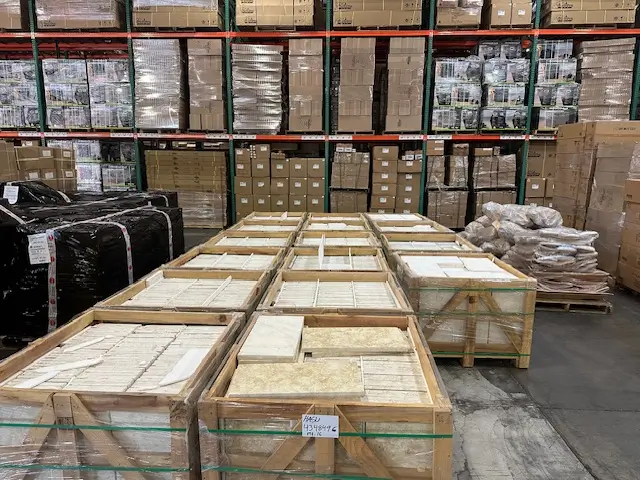
Reading Slab Samples the Way Professionals Do
Most people visiting a showroom look at color first, which is understandable but not particularly strategic. The more productive approach is to start with the edges. A cleanly cut edge on a black limestone slab reveals layer density and any natural bedding planes that might open under freeze-thaw stress — less of a concern in low-desert zones, but relevant to anyone specifying for Flagstaff elevations or interior applications with significant thermal swings.
Next, check for tonal consistency across the full slab face, not just the center. Black limestone from certain quarry regions exhibits significant color drift from the core to the edges of a slab, which becomes visible in large-format installations when adjacent slabs are from different quarry pulls. You’ll want to look at multiple slabs from the same pallet or lot to understand the range of variation you’re actually buying.
- Inspect corner edges for micro-fractures that indicate inconsistent density within the block
- Hold the slab at a low angle to light to reveal surface flatness deviations greater than 1.5mm
- Check the back face for consistent calibration — uneven backs create hollow spots when bedded in thin-set
- Look for natural fissures running parallel to bedding planes that may open under point loads
- Compare slab-to-slab color variation within the same lot to understand the true specification range
Finish Options and Their Real-World Arizona Performance
The finish decision on black limestone slabs is where most specification errors originate, and it’s a decision you genuinely cannot make confidently without the black slab display samples Arizona showrooms provide. A polished black limestone surface reads dramatically different under desert sun than under fluorescent showroom lighting — the high reflectivity that looks sophisticated indoors can create uncomfortable glare in an outdoor patio application facing west in Gilbert, where HOA landscaping standards often govern material choices.
Honed finishes at 400-grit deliver the best balance of aesthetics and slip resistance for Arizona outdoor applications, achieving a coefficient of friction above 0.6 when wet — the ASTM C1028 threshold for safe pedestrian surfaces. Bush-hammered or flamed finishes push that number higher but sacrifice the refined visual character that most residential clients are specifying black limestone to achieve. Your showroom visit should include a water test: pour a small amount of water on each finish sample and observe both the friction feel and the color shift, because wet limestone reads significantly darker and many clients are surprised by that change.
- Polished finish: excellent visual drama, marginal wet slip resistance, requires resealing every 18-24 months in Arizona UV conditions
- Honed finish: consistent aesthetics, acceptable slip resistance, lower maintenance frequency than polished
- Bush-hammered finish: maximum slip resistance, informal aesthetic, retains heat slightly more than smooth finishes
- Flamed finish: highest COF rating, rough texture traps debris in high-dust Arizona environments
What to Confirm About Thickness During Showroom Visits
Thickness specification is one of those details that showroom visits make concrete — literally. Requesting samples in both 20mm and 30mm thicknesses is worthwhile if your project spans multiple applications, because the visual weight difference between those two profiles is more pronounced than the numbers suggest. A 30mm black limestone slab installed at pool coping has a presence that a 20mm slab simply doesn’t deliver, and that visual mass reads as quality in a way clients immediately recognize even if they can’t articulate why.
For structural applications like driveways or vehicle-accessible areas, the 30mm nominal thickness provides the point load resistance that most residential and light commercial traffic demands. Anything thinner in those applications risks edge fracture at joints, particularly in areas where delivery truck traffic or service vehicles are likely. Confirming these dimensions against your actual project requirements is a straightforward conversation to have during your showroom visit, and it prevents the frustration of reordering after installation begins.
Color Consistency and Lot Matching in Arizona Projects
Arizona projects face a specific challenge that doesn’t apply everywhere: intense UV exposure accelerates the oxidation of iron compounds present in some black limestone varieties, shifting the surface color toward a brownish-gray over 3-5 years if the material isn’t properly sealed. The way to identify UV-sensitive material during showroom visits is to ask whether any display samples have been in the showroom longer than 18 months without resealing — the color shift will be visible compared to freshly unsealed samples from the same material.
At Citadel Stone, we specifically source black limestone with lower iron oxide content for Arizona applications, and our warehouse team marks samples by quarry origin so you can compare UV stability profiles side by side during your visit. That kind of quarry-level transparency is what separates a technical black limestone showroom Mesa consultation from simply browsing slabs. For further technical detail on how these materials perform across Arizona conditions, our limestone black paving slabs page provides specification data organized by application type and climate zone.
Evaluating Porosity and Sealing Requirements In Person
Porosity is the specification variable most showroom visitors overlook, and it directly affects both maintenance requirements and long-term performance in Arizona’s dust and heat. The water drop test is your most reliable field instrument during an Arizona physical inspection: place a few drops of water on an unsealed sample surface and time how quickly it absorbs. Black limestone that absorbs water in under 30 seconds has a porosity level that demands a penetrating sealer before any outdoor installation — in Arizona’s caliche-rich soils, capillary moisture movement can wick mineral deposits upward into porous stone and create efflorescence that’s difficult to remediate.
- Absorption rate under 30 seconds indicates high porosity requiring two-coat penetrating sealer
- Absorption rate 30-90 seconds indicates moderate porosity suitable for single-coat application
- Absorption rate over 90 seconds indicates low porosity — still seal for Arizona UV and stain protection
- Ask showroom staff whether displayed samples are sealed or unsealed before testing
- Request the technical data sheet showing ASTM C97 water absorption percentage for the specific material
Logistics and Lead Times Worth Discussing at the Showroom
The conversation about material selection shouldn’t end at aesthetics — your showroom visit is the right moment to discuss warehouse availability, lead times, and delivery logistics for your specific project location. Black limestone slabs for Arizona projects are typically a higher-volume category than most buyers assume, but lot-matched quantities above 200 square feet can create fulfillment delays if warehouse stock doesn’t align with your project timeline.
Projects in Yuma face a logistics consideration that Mesa-based projects don’t: the distance from central Arizona distribution points means truck delivery schedules are less flexible, and your project timeline should account for a 2-3 day buffer beyond the standard delivery window. Confirming stock levels during your showroom visit — rather than after placing an order — prevents the kind of timeline disruptions that cost more in contractor delays than the material itself. At Citadel Stone, we can pull live warehouse inventory during consultations so you’re making decisions based on actual availability, not catalog listings.
The Questions That Separate Informed Buyers From Everyone Else
Showroom visits are most productive when you arrive with a structured line of questioning rather than open-ended browsing. The goal is to stress-test the material against your specific project conditions, not to find something that looks attractive under controlled lighting. Here’s what the most informed buyers consistently ask during Arizona physical inspection appointments.
- What’s the quarry origin and how does that region’s limestone geology affect long-term color stability?
- Are these display samples sealed, and if so, with what product and at what coverage rate?
- What’s the current warehouse stock for this specific lot, and can you hold material against a project timeline?
- Do you have installed reference photos for this material in comparable Arizona climate zones?
- What’s the dimensional tolerance for this product, and does that tolerance affect large-format pattern layouts?
- Has this material been tested for thermal expansion behavior between 50°F and 140°F — the realistic Arizona surface temperature range?
The answers to these questions will tell you more about a supplier’s technical depth than any brochure. A showroom that can answer all six with specific data has earned a different level of trust than one that redirects to marketing materials.
Turning Your Black Limestone Showroom Mesa Visit Into a Confident Specification
The black limestone showroom Mesa decision framework comes down to this: you’re not visiting to confirm a color you already chose online — you’re visiting to discover what the material actually is before you commit to a specification. That means running every sensory test available to you, asking technically grounded questions, and confirming the logistical details that will determine whether your project timeline holds. The showroom visit is where specification assumptions get corrected before they become field problems.
If your project extends to custom-dimensioned pieces, the work doesn’t stop at material selection — Black Limestone Slab Custom Cutting for Scottsdale Special Sizes covers how precision cutting specifications integrate with the material selection decisions you make during your black slab display samples Arizona consultation. It pays to buy black limestone paving in Arizona from Citadel Stone.