
Second-quality black limestone — specifically black limestone second quality Peoria — routinely outperforms expectations on residential and commercial projects where budget pressure is real but aesthetic standards aren’t negotiable. The grading system that puts these slabs in the “second quality” category rarely reflects structural compromise; it reflects cosmetic variation, minor thickness inconsistency, or tonal irregularity that many designers actually prefer. Understanding exactly what you’re getting — and what you’re not — is where smart procurement starts.
What Second Quality Actually Means in Black Limestone
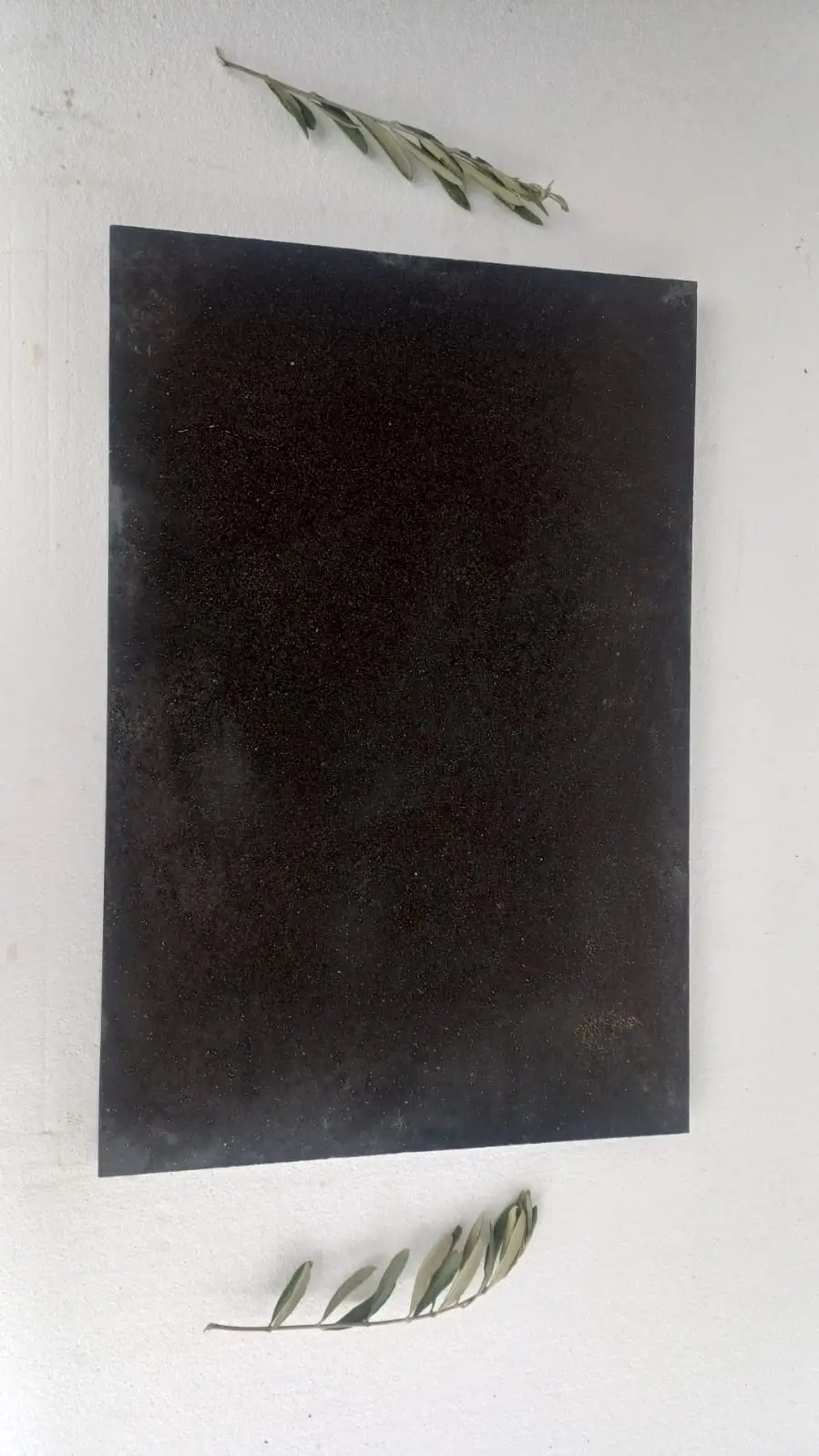
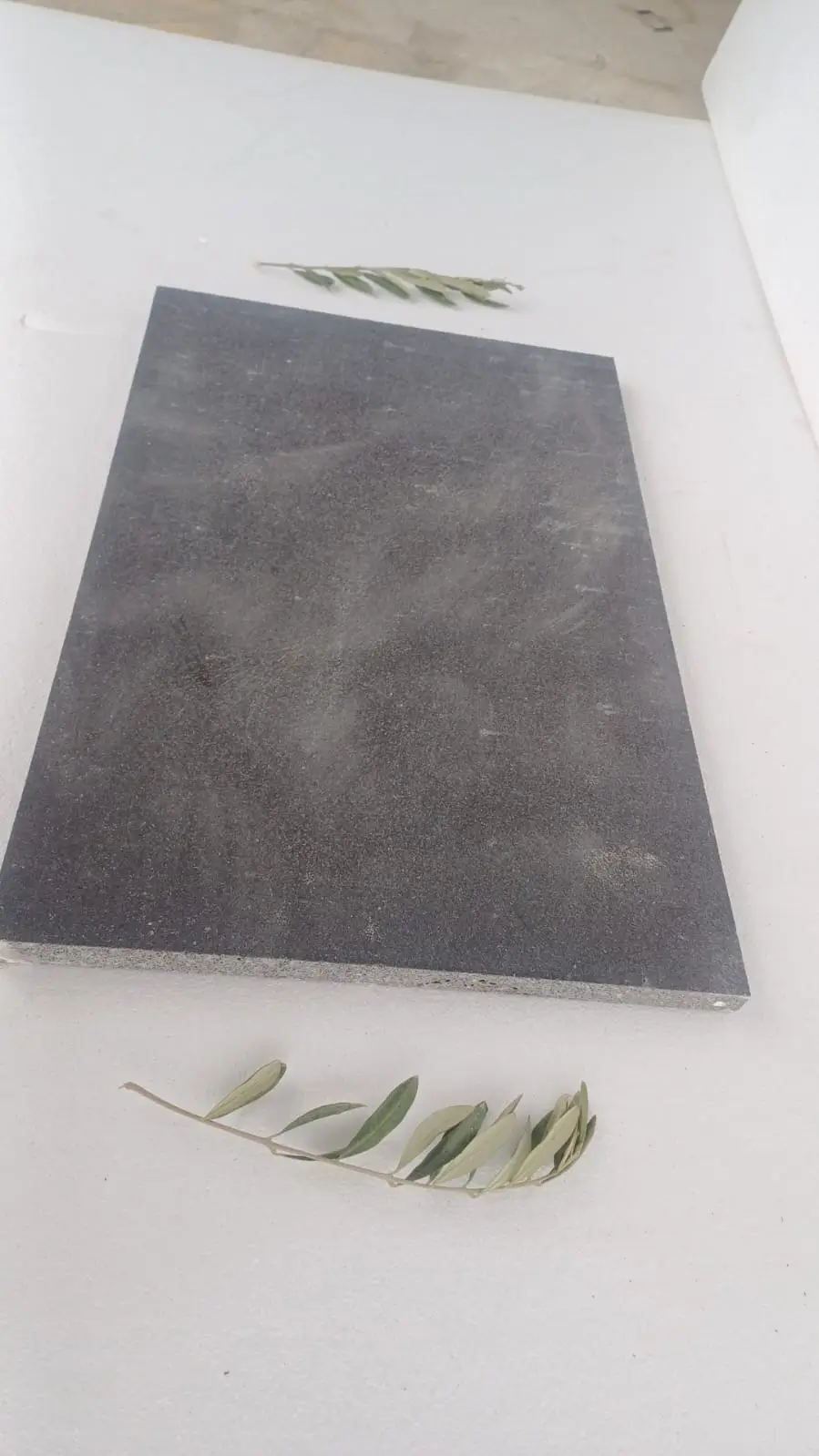
The term “second quality” gets misread more often than any other grading label in the natural stone trade. You’re not buying damaged material or production rejects — you’re buying slabs that didn’t pass a first-quality threshold based on appearance criteria, not structural ones. Common reasons black limestone lands in the second-quality tier include color banding that deviates from the batch average, slight warping within acceptable flatness tolerances, minor surface pitting, or calibration variance of 1–2mm across the face.
Field performance data shows that second-quality black limestone in Arizona climates holds compressive strength figures consistently above 10,000 PSI — the same parent stone, the same quarry batch. What shifts is visual uniformity, not load-bearing capacity. For patios, pool surrounds, and pathway applications where you’re walking across the surface rather than inspecting it under showroom lighting, that distinction matters enormously to your bottom line.
- Structural integrity remains equivalent to first-quality grades from the same batch
- Cosmetic variation includes tonal inconsistency, minor fissures, or calibration spread
- Thickness variation typically falls within ±2mm, manageable with standard bed mortar adjustment
- Surface finish (honed, brushed, or flamed) is preserved regardless of quality tier
- Second quality does not mean field-rejected or post-installation returned material
Cost Savings Breakdown for Peoria Projects
Your actual savings on black limestone second quality Peoria projects typically range from 25–40% per square foot compared to equivalent first-quality slabs. On a 600-square-foot patio — a common scope for Peoria residential work — that delta translates to $1,800–$3,200 in material cost alone before installation labor. Those aren’t marginal savings; that’s the difference between a project that pencils out and one that doesn’t.
The arithmetic changes further when you factor in delivery logistics. At Citadel Stone, we pull second choice stone from the same warehouse stock as first-quality orders, which means your truck delivery window is identical — no extended lead times, no special-order delays. That matters when your contractor has a crew scheduled and your project timeline is fixed.
- Material cost reduction: 25–40% versus first-quality equivalent
- Installation labor cost: unchanged — same installation method applies
- Sealing cost: identical product and schedule to first-quality black limestone
- Replacement cost risk: marginally higher only if you need exact-match additions later
- Net project savings: substantial when material comprises 40–55% of total project budget
Arizona Climate Performance: What the Heat Reveals
Black limestone’s thermal mass behavior in Arizona is a subject that deserves more precision than it usually gets. The stone absorbs solar radiation efficiently — surface temperatures on unshaded black limestone in direct Peoria sun can reach 140–155°F by early afternoon in July. That’s not a structural problem, but it’s a human comfort issue you need to plan around with shade structures or application zone selection.
Projects in Yuma face the most extreme solar loading in the state, where surface temperatures on black stone push the upper boundary of that range consistently from May through September. In those applications, a brushed or flamed finish serves you better than a honed one — the micro-texture increases slip resistance as the surface heats and reduces glare intensity, both of which matter when the stone is adjacent to water features or used as pool deck material.
- Thermal expansion coefficient: approximately 4.5–5.5 × 10⁻⁶ per °F — manage with 3/16-inch expansion joints every 10–12 linear feet
- Surface temperature differential versus light stone: 20–35°F warmer under identical exposure
- Heat dissipation after sunset: black limestone releases stored heat relatively quickly, improving evening usability
- UV stability: natural stone pigmentation doesn’t fade — color consistency holds indefinitely without UV degradation
Selecting Peoria Grade B Options That Work for Your Project
The practical question isn’t whether second-quality black limestone is acceptable — it’s whether the specific material in front of you suits your application. Peoria grade B options vary in their presentation, and not all second-quality material carries the same profile of cosmetic variation. Some batches show primarily tonal banding; others show surface pitting; others exhibit calibration spread. Each type presents differently in finished installations.
Tonal banding is the most common grading downgrade and the easiest to manage. Laying slabs in a random pattern with a dry fit before bonding lets you distribute banding naturally across the field, making it read as intentional character rather than inconsistency. Surface pitting is more visible in honed finishes than brushed ones — if your second-quality batch shows pitting, request a brushed-finish delivery or plan for a light sand-and-reseal after installation to close the surface texture.
- Request a physical sample of the specific batch — not a catalog photo — before committing to volume
- Inspect for consistent thickness across the batch, not just individual pieces
- Verify that the finish (honed, brushed, or flamed) is consistent throughout the delivery
- Ask about batch size — mixed batches from multiple production runs create the most challenging variation to manage
- Confirm that second-quality grading is for cosmetic reasons, not for stone that shows active fracture propagation
Installation Requirements for Second-Quality Black Limestone
Your installation approach for second-quality black limestone doesn’t change in principle — but it demands more precision in bed preparation to compensate for calibration variance across the batch. A standard 1-inch mortar bed won’t give you enough adjustment room when thickness varies ±2mm across pieces. You need a 1.5–2-inch full-coverage mortar bed with screed consistency tight enough to level each piece individually without void formation beneath the slab.
The detail that separates experienced installers from those who struggle with second-quality material is the dry-lay step. Sorting pieces by thickness into groups before setting starts — typically three groups covering the tolerance spread — lets your crew adjust bed depth systematically rather than chasing variation piece by piece. It adds 15–20 minutes to setup but saves hours of grinding and leveling after the fact. Projects in Mesa, where caliche hardpan is common at 18–24 inches, benefit from this approach because the rigid sub-base amplifies any surface irregularity in the finished plane.
For the right base material to pair with your installation, explore our natural black limestone paving slabs — the product range covers multiple thicknesses and finishes suited to Peoria residential and commercial scopes.
- Mortar bed depth: 1.5–2 inches full coverage — no point bonding on second-quality calibration batches
- Joint spacing: 3/16 inch minimum to accommodate thermal expansion at Arizona temperatures
- Joint fill: polymer-modified unsanded grout for joints under 3/16 inch; sanded for wider joints
- Adhesive: grey polymer-modified thinset — white thinset shows through black stone at joint lines
- Curing time before foot traffic: minimum 48 hours at ambient temperatures above 95°F
Comparing Arizona Economical Alternatives for Black Paving
The black paving budget grades Arizona market offers several competing options beyond second-quality limestone — concrete pavers with black pigment, basalt, and dark-tinted porcelain are the most common alternatives specifiers evaluate. Each has a different trade-off profile worth understanding before you commit budget to any of them.
Concrete pavers with black pigment cost less upfront but show UV fade within 3–5 years in intense Arizona sun, eventually graying to a charcoal tone that reads differently from the original installation. Basalt performs structurally well but offers less design flexibility — it’s available in a narrower range of finishes and sizes. Dark porcelain tiles avoid porosity issues entirely but require different installation detailing (uncoupling membranes in exterior applications) and create a more manufactured aesthetic that doesn’t suit all design briefs. Second-quality black limestone sits in a unique position: natural stone character and long-term color stability at a price point that competes with manufactured Arizona economical alternatives.
- Second-quality black limestone: 25–40% below first-quality; natural character; requires sealing
- Black concrete pavers: lower initial cost; UV fade risk; no sealing required
- Basalt: comparable durability; limited sizes; higher shipping weight increases delivery cost
- Dark porcelain: zero porosity; higher install complexity; different aesthetic register
Sealing and Maintenance Protocols for Black Limestone in Peoria
Black limestone’s porosity sits in a moderate range — typically 0.5–2.5% by volume depending on quarry source — which means it absorbs sealers efficiently but also absorbs staining agents if left unsealed. Peoria’s outdoor environment introduces specific staining risks: iron from irrigation water, pool chemicals where the stone is adjacent to water features, and organic matter from desert landscaping. Your sealing protocol needs to address all three.
A penetrating silane-siloxane sealer applied in two coats — with a 45-minute window between coats — provides the most durable base protection for black limestone in hot, dry climates. Topical sealers create a surface film that can trap moisture vapor in Arizona’s monsoon season (July–September), leading to efflorescence and clouding beneath the sealer layer. Penetrating sealers avoid that failure mode by allowing vapor transmission while blocking liquid water entry. Plan for reapplication every 2–3 years in full-sun exposures, 3–5 years in shaded or covered applications.
- Initial sealing: apply before grouting if possible — grout haze cleans more easily from sealed stone
- Sealer type: penetrating silane-siloxane — avoid topical acrylic in Arizona exterior applications
- Application temperature: stone surface between 50°F and 90°F — early morning application in summer
- Resealing interval: 2–3 years (full sun), 3–5 years (shaded application)
- Annual maintenance: pH-neutral stone cleaner only — avoid vinegar, citrus cleaners, or bleach
Logistics and Ordering Second Choice Stone for Arizona Projects
Ordering second choice stone successfully requires more lead time than first-quality orders in one specific way: batch confirmation. Second-quality inventory doesn’t maintain the same continuous replenishment cycle as prime stock — it accumulates as production runs generate cosmetic downgrades, and batches sell through at variable rates. You need to confirm available batch volume, inspect a sample, and lock in your quantity in a single step rather than expecting the ability to re-order from the same batch weeks later.
Projects in Gilbert and the broader East Valley typically see truck deliveries scheduled 5–10 business days from order confirmation when warehouse stock is confirmed. That window tightens when your project aligns with peak spring construction activity — March through May in Arizona sees the highest demand for exterior stone, and warehouse inventory for second-quality black limestone turns faster than most specifiers anticipate during that window. Order early and hold the material on site if your installation date is still weeks out.
- Confirm total batch volume before placing order — re-orders from the same cosmetic batch are not guaranteed
- Request delivery with a forklift-accessible truck if your site has pallet staging space — it reduces unloading time significantly
- Calculate 10–12% overage on your square footage for cuts, waste, and future repair stock
- Store pallets on level ground under cover — black limestone absorbs surface moisture that can create installation complications if the stone is wet during setting
Before You Specify Black Limestone Second Quality Peoria
The specification decision for black limestone second quality Peoria projects comes down to a clear risk-benefit assessment. You’re accepting cosmetic variation in exchange for meaningful cost reduction — and in most exterior residential and commercial applications, that’s an exchange that works in your favor. The material performs identically to first-quality stock structurally, installs with the same methods, seals with the same products, and delivers the same long-term service life when properly maintained.
The scenarios where second quality creates problems are specific: large format installations where visual uniformity across an expansive field is critical to the design intent, or projects where exact-match future additions are likely and sourcing the same batch later would be difficult. Outside those scenarios, the grading downgrade is largely irrelevant to real-world performance. Citadel Stone’s technical team can help you evaluate whether a specific second-quality batch suits your particular project scope — our warehouse staff inspects incoming inventory and can provide batch-specific notes on the nature of the cosmetic variation before you commit. For related hardscape value in the Phoenix area, Black Limestone Paving Closeout Deals for Glendale Bargain Hunters covers another angle on cost-effective black stone procurement — a useful reference to review alongside your Peoria grade B options specification. Our black natural limestone paving in Arizona is a sustainable building material.