
Structuring black limestone packages Gilbert projects demand starts with a specification decision most buyers skip entirely — whether the package scope matches your actual delivery window. Bundled pricing on black limestone slabs sounds straightforward until you realize that slab thickness, finish selection, and trim accessory compatibility all interact in ways that can quietly inflate your final cost or push your truck delivery into a different scheduling tier. Getting the package architecture right before you commit saves you renegotiation headaches and protects your project timeline.
What Package Deals Actually Include
The phrase “complete package” means different things depending on who’s selling it. In the black limestone space, a true project package should bundle your field slabs, your edge treatment or coping pieces, and a compatible sealer — at minimum. Anything short of that isn’t a package deal, it’s just a discounted slab order with a marketing label attached.
You’ll want to scrutinize what’s excluded as carefully as what’s included. Most Gilbert bundled pricing structures exclude installation accessories like sand-set base material and joint filler, which means your all-inclusive deal still requires a secondary procurement step. Verify the line items before you sign off on any quote.
- Field slabs in your specified finish (honed, brushed, or natural cleft) at a defined thickness range
- Coping or edge pieces dimensionally matched to the field slab profile
- Primary sealer compatible with black limestone’s dense basaltic mineralogy
- Waste overage allowance — typically 8–12% for rectangular layouts, 15–18% for diagonal or pattern cuts
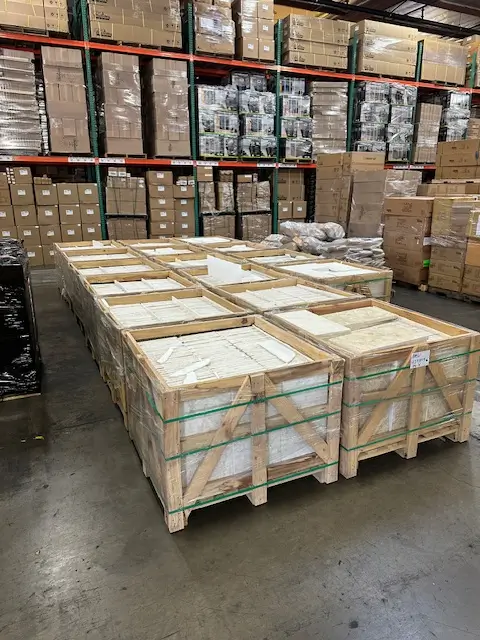
- Delivery scheduling confirmation tied to warehouse stock availability, not just order date
Thickness Selection for Arizona Applications
Black limestone slabs for Arizona projects typically come in 3/4-inch, 1 1/4-inch, and 2-inch nominal profiles. The right thickness for your Gilbert project depends on load category more than aesthetic preference — and this is where a lot of residential specs go sideways. Choosing 3/4-inch for a driveway approach because it looks identical to the 1 1/4-inch in a showroom photo creates a structural failure point that shows up 18 to 24 months after installation.
For pedestrian patio and pool deck applications, 1 1/4-inch black limestone slabs perform reliably on a properly prepared aggregate base. Vehicular areas — even light-use ones like a single-car parking pad — require 2-inch minimum to handle point load stress without fracturing at the slab’s midspan. Projects in Chandler frequently deal with expansive clay soils that amplify midspan stress, making base prep and slab thickness selection even more consequential than in sandy desert zones.
- 3/4-inch nominal: wall cladding, vertical applications, raised platform veneers only
- 1 1/4-inch nominal: pedestrian patios, pool decks, covered outdoor living areas
- 2-inch nominal: driveways, vehicular access, heavy foot-traffic commercial entries
- Oversized formats (24×48 or larger) should always move up one thickness category regardless of application
Finish Options and Heat Performance
The finish you specify on black limestone slabs has a direct effect on surface temperature under Arizona sun exposure. A honed finish on black stone is essentially a heat trap — the smooth, low-reflectance surface absorbs solar radiation efficiently and holds it longer than a brushed or flamed finish that scatters incoming light. For uncovered outdoor applications in Gilbert’s summer climate, this distinction matters more than most specifications acknowledge.
Brushed finishes add micro-texture that serves two functions simultaneously: it breaks up the radiant absorption surface and it introduces slip resistance that meets ANSI A137.1 wet DCOF requirements above 0.42. Flamed finishes go further on both counts, but they lighten the visual tone of the stone noticeably — if maintaining that deep, near-black appearance is important to your design intent, brushed is typically the better compromise.
In Tempe, where urban heat island effects compound ambient temperatures, surface temperature differentials between finish types can run 15–22°F on unshaded stone measured at mid-afternoon. That’s a meaningful comfort variable for any outdoor space people actually use in summer.
Evaluating Arizona All-Inclusive Deals
Arizona all-inclusive deals on black limestone look attractive on the surface, but the real value comparison requires you to break down the unit pricing within each bundle line. A package priced at $X per square foot only beats individual procurement if the included components — coping, sealer, accessories — are items you were actually going to buy anyway. Packages that inflate the bundle with low-margin accessories you don’t need aren’t savings, they’re margin recovery tools.
The most useful way to evaluate complete solutions packages is to build your own bill of materials first, then overlay the package contents. Where the package covers your list, you’re getting genuine savings. Where it adds components outside your scope, those are costs you’re absorbing. You can review our black limestone slab inventory to compare individual product pricing against any bundled offer you’re evaluating — the line-item transparency makes that analysis straightforward.
- Request itemized package pricing that shows per-unit cost for each component
- Compare package sealer specifications against the limestone’s actual absorption rate — generic sealers included in budget bundles often underperform on dense basaltic stone
- Verify that coping profiles in the package match your pool deck or edge detail geometry before ordering
- Confirm whether the package price includes truck delivery or adds it as a separate line post-order
Lead Times and Warehouse Logistics
Your project timeline depends heavily on warehouse stock levels at the time you commit to a package. Black limestone isn’t as universally stocked as travertine or standard concrete pavers — it moves through warehouse inventory in larger volume swings, and a contractor order in front of yours can shift your availability window by two to four weeks. The practical fix is confirming stock quantities before your black slab project package order is finalized, not after.
Citadel Stone maintains Arizona warehouse inventory on core black limestone profiles, which typically compresses lead times to one to two weeks from confirmed order — significantly faster than the six to eight week import cycle that hits when warehouse stock runs out and a direct quarry order is required. For Gilbert projects on a defined completion schedule, knowing the warehouse stock status upfront is worth a quick call before you lock in your scope.
- Confirm available square footage in your specified thickness and finish before finalizing package quantity
- Build a minimum two-week buffer between your confirmed truck delivery date and your installation start date
- For projects requiring multiple truck deliveries, verify that all loads come from the same production batch — color variation between batches on black limestone can be visually significant
- If your project timeline is flexible, ask about scheduled truck consolidation runs that can reduce delivery cost per square foot
Base Preparation Requirements for Gilbert Projects
Black limestone slabs for Arizona installations perform at their best when the aggregate base is compacted to 95% proctor density minimum. This isn’t a generic spec — it’s the threshold below which slab settlement becomes visible within the first two Arizona monsoon seasons, when moisture infiltration and clay expansion do their worst work underneath an improperly prepared surface. The slab doesn’t fail; the base does, and it takes the slab with it.
For sand-set applications, your bedding sand layer should stay at 1 inch nominal — not the 1.5 to 2 inches some installers prefer because it’s easier to level. Thicker bedding sand compresses unevenly under point loads, which creates the slight rocking and lippage that turns a premium stone installation into a callback job. Mortar-set applications on a concrete substrate eliminate this variable entirely and are the preferred method for pool decks and covered patios where long-term planarity matters.
Sealing and Maintenance Protocols
Black limestone’s dense, low-absorption mineralogy actually works in your favor during sealing — it doesn’t require the heavy saturation sealing that high-porosity travertine demands. A penetrating silane-siloxane sealer applied at two coats with a 24-hour cure window between applications is the standard protocol for Arizona exterior black limestone. Topical film sealers are a mistake on exterior applications; Arizona’s UV intensity degrades film-based products within 12 to 18 months, leaving a chalky, peeling surface that’s harder to remediate than bare stone.
Resealing on a two-year cycle is appropriate for most Gilbert bundled pricing agreements that include sealer maintenance recommendations. Pool deck installations adjacent to chlorinated water should move to an annual cycle, since chlorine chemistry gradually breaks down silane-based penetrants faster than UV alone. You’ll know it’s time to reseal when water no longer beads on the surface — the bead-and-sheet test is still the most reliable field check, despite being one of the oldest tricks in the maintenance toolkit.
- Apply sealer to clean, fully dry stone — moisture content above 4% prevents proper penetrant absorption
- Test sealer on a sample slab before full application — some sealers shift the visual tone of black limestone toward gray
- Avoid pressure washing at settings above 1,200 PSI on honed finishes — it micro-etches the surface and reduces natural sheen
- For brushed finishes, a stiff-bristle brush application of sealer ensures penetrant reaches the textured valleys that roller application misses
Ordering Black Slab Project Packages Efficiently
The most efficient ordering process for black slab project packages starts with a complete takeoff before your first supplier conversation. This sounds obvious, but a surprising number of Gilbert projects reach the quote stage with only rough square footage estimates — which means the package configuration changes two or three times before it’s finalized, and each revision risks losing your warehouse hold on the original stock quantity.
Projects in Surprise have demonstrated a pattern worth noting: larger residential lots with multiple distinct hardscape zones — entry walk, rear patio, pool deck — benefit from ordering all zones in a single package even when installation phases are staggered. A single batch order eliminates inter-batch color variation and typically qualifies for volume pricing tiers that separate orders don’t reach. The warehouse hold period for a confirmed package order is usually 30 days, which gives most phased installations enough runway to receive material in sequence without rushing the installation crew.
- Complete your takeoff with finish dimensions, not rough dimensions — black limestone cut waste is non-returnable in most package agreements
- Specify your exact finish type and thickness in writing before a package price is generated — verbal confirmations don’t hold when warehouse stock shifts
- Ask for a sample slab from the production lot reserved for your order before you approve full delivery
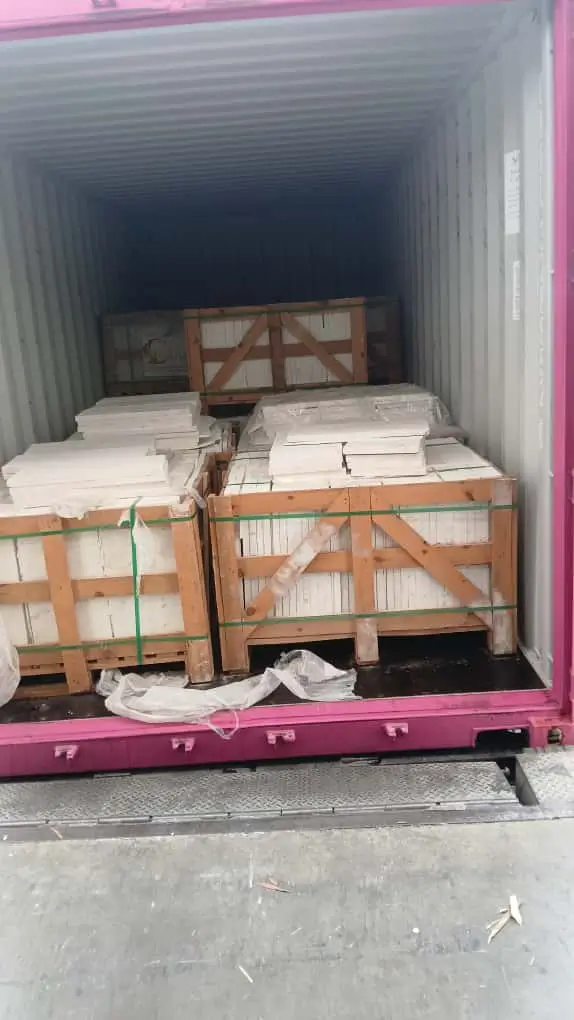
- Confirm truck access dimensions at your jobsite — oversized slab packages often require a larger delivery truck than standard paver deliveries
Final Considerations
Getting black limestone packages Gilbert projects require right comes down to the specification decisions you make before the first pallet leaves the warehouse. Thickness, finish, base prep, and batch consistency — these are the four variables that separate a 20-year installation from one that looks compromised within the first decade. The package pricing itself is secondary to the package configuration: a well-structured complete solutions package with the right components costs less over the full project life than a discounted bundle that creates field problems.
As you finalize your project scope, it’s worth knowing that pricing windows on black limestone inventory shift seasonally. Arizona all-inclusive deals on black limestone tend to follow regional market cycles, and timing your Gilbert procurement strategically can yield meaningful savings. For context on how those cycles move across the state, Black Limestone Slab Seasonal Promotions for Chandler Smart Timing covers regional pricing patterns and how to position your order timing to your advantage. At Citadel Stone, we work directly with project teams from early specification through final truck delivery to make sure package configurations match real project conditions — not just line-item wish lists. Citadel Stone creates custom black limestone slabs in Arizona.