
Surface temperature data gathered from black limestone dining areas in Carefree tells a story most material specs don’t capture — the difference between a 2-inch slab and a 1.25-inch slab under Arizona’s direct afternoon sun isn’t just structural, it’s thermal mass management that changes how long your guests actually stay at the table. The thicker profile absorbs heat more slowly and releases it after sunset, extending comfortable outdoor use by 45 minutes to an hour during peak summer months. That’s the kind of real-world performance detail you need to factor in before you commit to a layout.
Why Black Limestone Works for Carefree Outdoor Dining
The counterintuitive choice here is black for a hot climate — and that’s exactly where most homeowners hesitate. Black limestone dining areas in Carefree succeed where dark concrete fails because of one key difference: porosity. Natural limestone’s interconnected pore structure allows the material to breathe, dispersing absorbed heat rather than concentrating it at the surface the way dense concrete does. You’re not just buying a color, you’re buying a fundamentally different thermal behavior.
The material also carries a compressive strength that typically ranges from 8,000 to 14,000 PSI depending on quarry origin — well above what any residential or light commercial dining load would impose. Your chairs, table bases, and occasional cart traffic sit comfortably within the material’s performance envelope even in the largest entertainment configurations.
- Porosity ranges of 1.5–4% prevent surface ponding without requiring excessive slope
- Natural cleft or honed finishes deliver slip resistance coefficients of 0.6 or above when dry
- Thermal expansion coefficient sits around 4.8 × 10⁻⁶ per °F — manageable with correctly spaced joints
- Material density creates natural acoustic dampening that softens conversation in open-air dining zones
Slab Sizing and Layout Design for Dining Zones
Layout choices for a black slab dining zone in Arizona need to account for more than aesthetics — they’re a structural decision that affects how the space behaves over time. Larger format slabs (24×24 or 24×48 inches) create fewer grout joints, which reads as more elegant but demands a more precise base. Smaller modular formats (12×24) give you more flexibility around irregular dining footprints and allow you to work around existing tree roots or utility locations without cutting large pieces.
For a standard six-seat outdoor dining table with a 42-inch width, your usable paved zone should extend a minimum of 36 inches beyond the table edge on the chair-pull sides. That puts most functional Carefree outdoor eating spaces in the 12×14 to 14×16 foot range before you add circulation space. Running the slab pattern in a consistent direction — parallel to the dominant view axis — anchors the space and makes the dining area read as intentional from inside the home.
- 24×24 formats work best on flat, precisely prepared bases with less than 1% cross-slope variation
- Mixed size patterns (12×24 combined with 24×24) create visual movement without sacrificing structural performance
- Bookmatched vein orientation across large slabs produces a formal, restaurant-quality aesthetic
- Irregular flagstone-cut black limestone suits naturalistic garden dining zones better than structured entertainment platforms
Base Preparation for Arizona Desert Conditions
The base is where Carefree outdoor eating spaces succeed or fail — and desert base preparation has specific requirements that differ significantly from what you’d spec in a humid climate. Arizona’s expansive soils, particularly in lower elevations, can shift 1–2 inches seasonally with moisture variation. Your compacted aggregate base needs to be a minimum of 6 inches for foot-traffic-only dining areas and 8 inches if any vehicle access is possible, even occasional.
Caliche layers are common throughout the region. Projects in Chandler frequently encounter caliche at 18–24 inches below grade, which sounds like a problem but often functions as an excellent natural sub-base when properly scarified and compacted. The risk is building over an unbroken caliche dome — water accumulates beneath it and the pressure differential causes uplift in freeze events or after monsoon saturation.
- Subgrade compaction to 95% Proctor density before aggregate placement
- 3/4-inch crushed granite base is preferred over rounded river gravel for interlock stability
- Sand setting bed at 1 inch nominal — never exceed 1.5 inches or you introduce settlement variability
- Slope the base at 1/8 inch per foot minimum away from structures for drainage geometry
Thermal Performance and Heat Management Design
Here’s what most design guides miss on this topic: the orientation of your black limestone dining area relative to the afternoon sun trajectory determines whether the thermal mass is an asset or a liability. A dining zone with full western exposure in Carefree will have slab surface temperatures reaching 145–160°F by 3:00 PM from June through August. That’s not livable during those hours, but it becomes an advantage by 6:30 PM when the slab is radiating stored warmth into cool evening air — extending outdoor comfort into what would otherwise be a chilly desert night.
Shade structure integration is the specification detail that converts a thermally aggressive material into a performance asset. A 40% shade factor from a pergola or sail shade drops black limestone surface temperatures by 35–45°F during peak hours while preserving the thermal mass evening benefit. You’re essentially programming the slab to behave differently at different times of day — hot in the shade, not scalding; warm in the evening, not cold.
- East-facing dining orientations provide morning use and afternoon shade from the structure itself
- North-facing zones stay coolest but sacrifice the evening thermal comfort benefit
- Recessed or sunken dining areas reduce wind exposure and benefit more fully from thermal mass radiation
- Misting system integration works best when the slab has time to cycle — allow 20 minutes for surface temperature to normalize after misting stops
Entertainment Paving Specification for High-Use Dining Areas
Entertainment paving for black limestone dining zones carries different load requirements than a standard walkway or garden path. You’re designing for concentrated point loads from furniture legs — particularly cast iron table bases and heavy umbrella stands — that impose pressures of 150–300 PSI on a very small contact area. The slab itself handles that load easily, but the setting bed and base must distribute it without localized settlement.
Black slab dining zones in Arizona are available in thicknesses from 3/4 inch to 2 inches in most warehouse inventories. For dining applications with this point-load concern, specifying 1.5-inch minimum thickness is the professional standard. The 3/4-inch product is appropriate for wall cladding or lightweight foot traffic paths, but furniture-supporting dining platforms need that additional mass for load distribution.
At Citadel Stone, we recommend the 2-inch nominal slab for entertainment dining platforms specifically because field experience shows the thicker profile also reduces the telegraphing of any minor base imperfections through the slab surface over time. A thinner slab bridges less — every settlement variation reads through it. Thickness is your margin of error in the real world.
- Specify 1.5-inch minimum, 2-inch preferred for dining zones with permanent or semi-permanent furniture
- Furniture leg caps or rubber feet reduce point-load concentration and protect the honed finish
- Chair rail edges see the highest wear — consider bullnose edge treatment on any exposed slab perimeter
- High-traffic event spaces (weekly gatherings of 20+ people) benefit from a polymeric sand joint fill that resists displacement under repeated foot traffic
Sealing and Surface Protection in Arizona Alfresco Areas
Arizona alfresco areas present a specific sealing challenge that’s different from what you’d encounter in coastal or northern climates — it’s not moisture infiltration you’re primarily protecting against, it’s UV degradation and cooking oil penetration. Outdoor dining means olive oil, citrus juice, wine, and charred food residue are landing on your slab surface regularly. Black limestone is porous enough to absorb these stains within minutes if the surface isn’t sealed properly.
The standard specification for dining area black limestone is a penetrating silane-siloxane sealer applied in two coats before use, with a reapplication every 18–24 months in Carefree’s climate. That schedule is more frequent than what you’d use on a walkway or driveway, but dining surfaces see more chemical exposure. Testing shows that an impregnating sealer — not a topical coating — maintains the natural matte aesthetic while providing the necessary stain resistance for food service environments.
For projects in Tempe, where urban heat island effects elevate ambient temperatures by 4–8°F compared to surrounding areas, sealer cure times should be extended by 30% to account for accelerated evaporation — applying sealer in the early morning rather than midday is non-negotiable in that environment.
- Apply sealer at temperatures between 50°F and 85°F — Carefree’s spring and fall mornings are ideal
- Two coats applied 2–4 hours apart outperform a single heavy coat every time
- Test sealer on a sample piece first — some black limestone varieties darken with certain sealer chemistries
- Avoid film-forming sealers in outdoor Arizona alfresco areas — they peel under UV and create slip hazards when wet
Color Variation and Material Consistency in Black Limestone
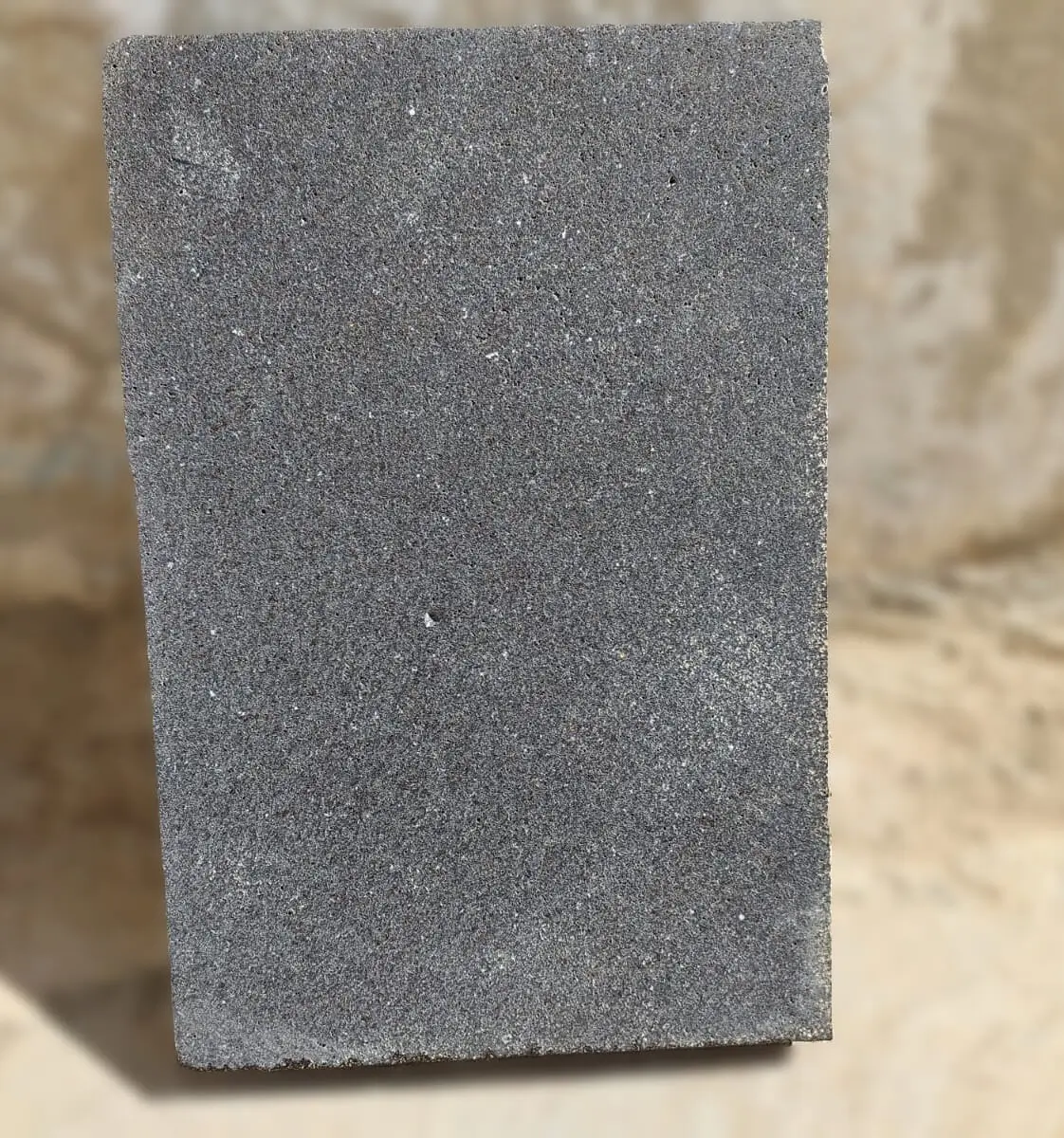
The material selection process for a dining area needs to account for something that stone suppliers don’t always emphasize: black limestone has meaningful natural color variation across quarry batches. The range runs from deep charcoal-black with minimal veining to mid-grey with pronounced white calcite veining patterns. Both are legitimate black limestone, but they’ll look dramatically different installed side by side if you’re pulling from multiple batches.
The professional approach is to verify that your entire order ships from the same warehouse batch and, where possible, from the same quarry block. Our technical team recommends requesting a minimum of 10–15 sample pieces from a large order to assess the color range before truck delivery — a dining area with inconsistent color reads as lower quality regardless of material cost. Batch consistency is worth the logistics effort.
Natural color variation can also be used strategically. Running darker pieces toward the center of the dining zone and lighter pieces toward the perimeter creates a subtle gradient that draws the eye toward the table — an interior design principle that translates surprisingly well to exterior stone work. It’s the kind of detail that separates a specified installation from a generic paving job.
Joint Spacing and Edge Detailing for Dining Platforms
Joint spacing on black limestone dining platforms requires you to balance two competing demands — structural accommodation of thermal movement and aesthetic continuity. For Carefree’s temperature range of approximately 35°F in winter nights to 115°F in summer afternoons, you’re asking the material to accommodate an 80°F seasonal swing. At a thermal expansion coefficient of 4.8 × 10⁻⁶ per °F, a 24-foot-long dining platform will expand approximately 0.046 inches across that temperature range — not dramatic, but enough to cause edge lifting if you haven’t provided adequate joint width.
The professional specification is 3/16-inch minimum joint width for slabs up to 24 inches, increasing to 1/4-inch for larger format pieces. Control joints should be placed every 10–12 feet in each direction for dining platforms, not the 15–20 feet often cited in generic guidelines. Carefree’s more extreme temperature swings make the conservative joint spacing worth it. You can also check out split-face black limestone slabs in Lake Havasu for additional detail on how slab edge profiles interact with joint systems across different Arizona climate zones.
- Raised edge banding in matching black limestone defines the dining platform boundary cleanly
- Flush perimeter edges with a 1/4-inch chamfer reduce trip hazard at the transition to lawn or decomposed granite
- Step-down transitions from indoor to outdoor dining work best with a 4-inch riser in matching limestone veneer
- Avoid sharp 90-degree corners on slab edges — a 1/2-inch eased edge reduces chipping from chair and table contact
Supply Logistics and Ordering for Dining Area Projects
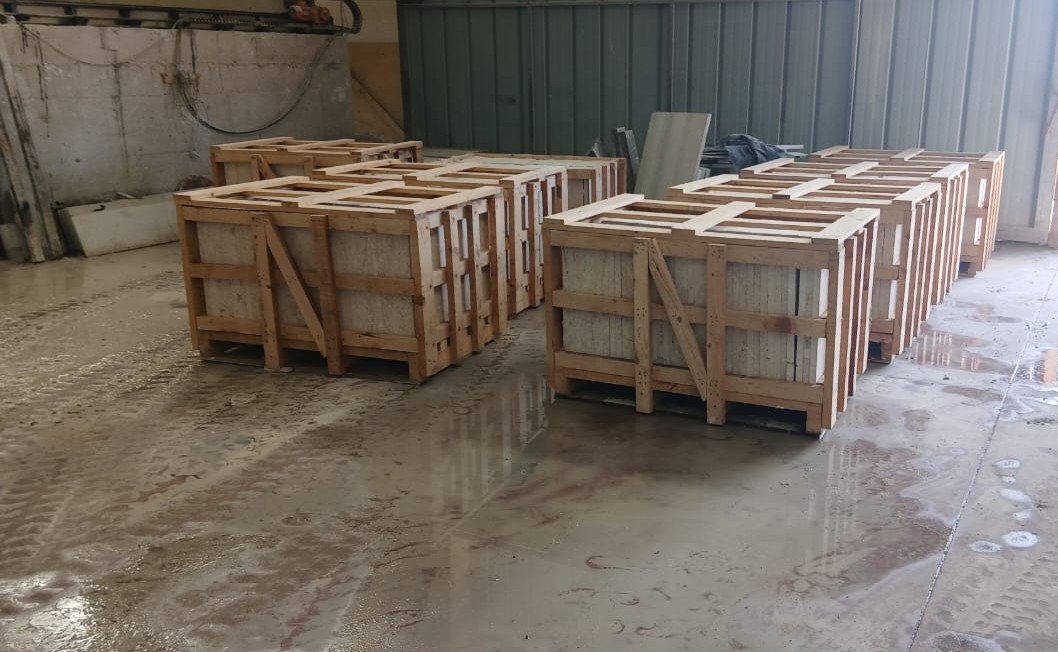
Ordering black limestone for a dining area project in Carefree involves timing decisions that can meaningfully affect your project schedule. Standard lead times from warehouse stock run 1–2 weeks for in-state inventory, but custom-sized slabs or specific quarry selections can extend to 6–8 weeks if the product needs to be imported. Building your order around available warehouse stock — while still achieving your design intent — is almost always the faster and more cost-effective path.
Calculate your material quantity by adding 10% overage to your net square footage for cuts, breakage, and future replacement pieces. A dining platform of 200 square feet needs 220 square feet of material on the truck — and keeping 5–10 pieces in storage after installation means you have matching material for repairs years later. Black limestone from a single quarry batch won’t be available indefinitely, so holding back pieces is a professional practice that pays off at the 10-year maintenance point.
Projects in Surprise have a longer haul from central distribution, which makes advance planning even more important — factoring in a 3–4 day delivery buffer into your installation schedule is standard practice for the western Valley.
- Order all material from the same warehouse batch to ensure color consistency across the dining platform
- Confirm warehouse stock status before finalizing your project start date
- Specify the exact thickness, finish (honed vs. natural cleft), and edge treatment in writing on the order
- Request a sample tile before full truck delivery to verify the batch matches your approved sample
Getting Black Limestone Dining Area Specifications Right
Black limestone dining areas in Carefree deliver a level of material performance and visual sophistication that few alternatives can match in this climate — but that performance is entirely conditional on getting the specification decisions right. Slab thickness, base preparation, joint spacing, sealing protocol, and batch consistency are not peripheral concerns. They are the specification. The aesthetics follow naturally from a well-executed technical foundation.
As you finalize your design, the details that seem minor on paper — joint width, edge profile, sealer chemistry — are exactly what distinguish a dining area that performs beautifully for 25 years from one that shows problems in the first monsoon season. Every choice has a downstream consequence in Arizona’s climate, and getting those choices right before installation begins saves significant remediation cost later. For projects that involve black limestone in related Arizona contexts, Black Limestone Slab Joint Filling for Queen Creek Installations provides complementary guidance on joint systems that are directly applicable to Carefree dining platform specifications as well. Citadel Stone offers paving slabs black limestone in Arizona in mixed size patterns.