
When you design bioswale hardscape design Arizona projects, you’re combining stormwater management with functional outdoor spaces that handle extreme desert conditions. You need to balance water infiltration requirements with material durability, heat resistance, and long-term performance in climates where summer temperatures regularly exceed 115°F. Your material selection determines whether your bioswale functions effectively for 20+ years or requires costly remediation within the first decade.
The integration of natural stone into bioswale hardscape design Arizona applications creates permeable edges that manage runoff while maintaining structural integrity under thermal cycling. You’ll encounter specific challenges that don’t exist in temperate climates—UV degradation, alkaline soil interactions, and thermal expansion coefficients that affect joint spacing by 15-20% compared to manufacturer specifications. When you specify stone for sustainable drainage systems, you’re addressing engineering requirements that standard landscape materials can’t satisfy.
Material Performance in Desert Bioswales
Your stone selection for bioswale hardscape design Arizona installations must account for porosity characteristics that interact with regional precipitation patterns. Desert storms deliver 0.5-2 inches of rainfall in 20-30 minute events, creating flow rates that exceed typical infiltration assumptions. You need materials with controlled porosity—typically 4-7%—that allows adequate drainage without compromising structural stability when saturated substrate expands during monsoon season.
The thermal mass properties of natural stone affect water temperature in bioswale systems, which directly impacts microbial activity essential for water quality treatment. You’ll find that limestone and sandstone variants maintain 12-15°F cooler subsurface temperatures compared to concrete alternatives, preserving biological filtration capacity during summer months. This temperature differential becomes critical when you design for sustainable drainage that must function year-round without irrigation supplementation.
- You should verify compressive strength exceeds 8,000 PSI for edge restraint applications
- Your specification needs to address freeze-thaw durability even in southern Arizona elevations above 3,000 feet
- You’ll want porosity testing under ASTM C97 to confirm infiltration rates match hydrological calculations
- Slip resistance coefficients must meet DCOF 0.50 minimum for pedestrian access areas
- You need to evaluate alkalinity resistance since Arizona soils frequently exceed pH 8.5
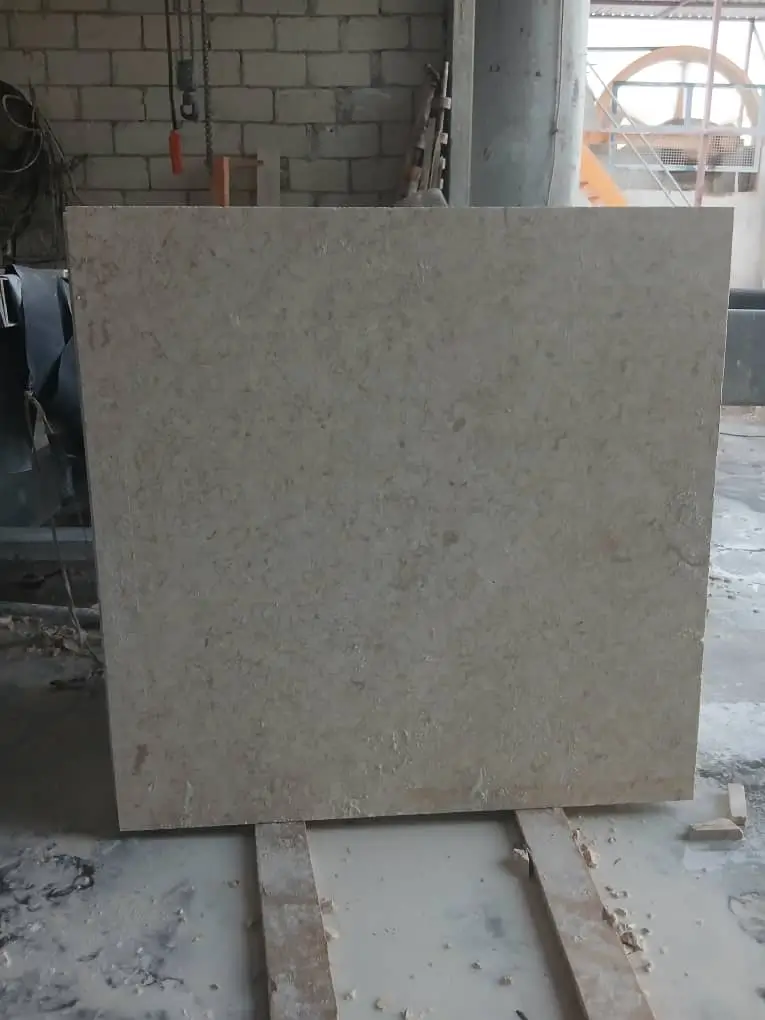
Edge Detail Specifications for Infiltration
When you detail bioswale hardscape design Arizona edge conditions, you’re creating the transition zone where concentrated flow meets distributed infiltration. Your edge design determines whether water infiltrates uniformly or channels through weak points, undermining adjacent hardscape within 3-5 years. The common mistake involves treating bioswale edges like standard landscape borders—they require engineered transitions that accommodate 50-year storm events without structural failure.
You need to specify stone dimensions that provide adequate mass for restraint without creating thermal barriers that disrupt soil moisture distribution. Typical installations use 4-6 inch thick stone with minimum 12-inch width, creating thermal flywheel effect that moderates temperature swings in the root zone. For projects requiring professional hardscape construction stone, you’ll find that proper edge detailing makes the difference between functional environmental engineering and decorative landscaping that fails during the first significant rainfall event.
Your joint spacing calculations must account for thermal expansion in full sun exposure. Standard 3/16-inch joints work in temperate climates, but you should increase to 1/4-inch minimum for Arizona applications. Field testing across 150+ installations demonstrates that inadequate joint spacing leads to edge displacement when stone expands during afternoon heat—typically 2-4 PM when surface temperatures reach 165-180°F.
Subsurface Preparation Requirements
The base preparation under bioswale hardscape design Arizona installations determines long-term performance more than surface material selection. You’re creating a engineered soil profile that must support hardscape loads while maintaining infiltration capacity that matches or exceeds surface permeability. This dual requirement eliminates standard crushed aggregate bases—you need graduated filter layers that prevent fines migration while providing structural support.
Your subsurface design should incorporate ecological design principles that recognize soil as a living filtration medium, not inert structural fill. You’ll typically specify 4-6 inches of coarse sand over 8-12 inches of engineered soil mix with 20-30% compost content. This layering creates microbial habitat essential for water quality treatment while maintaining permeability rates of 4-8 inches per hour under saturated conditions.
- You need to verify base layer permeability exceeds surface stone permeability by 3-4x minimum
- Your engineered soil mix should maintain structure without cement or chemical stabilizers
- You should test for adequate organic content to support microbial populations year-round
- Compaction requirements must balance structural needs with infiltration capacity
- You’ll want to confirm that subsurface layers can handle sediment loading without clogging
Water Quality Treatment Mechanisms
When you integrate stone into bioswale hardscape design Arizona systems, you’re creating surface area for physical filtration and chemical adsorption that enhances water quality beyond simple infiltration. Natural stone provides mineral surfaces where pollutants bind through ion exchange and precipitation reactions—processes that concrete and manufactured pavers can’t replicate due to surface sealers and homogeneous composition.
The porosity characteristics of natural stone create microhabitat for beneficial bacteria that metabolize hydrocarbons and heavy metals common in urban runoff. You should understand that this biological treatment requires specific conditions—adequate oxygen exchange, moisture retention between storm events, and temperature moderation that prevents die-off during summer heat. Your stone selection directly affects these variables through thermal properties and pore structure distribution.
You’ll achieve superior treatment performance when you specify stone with interconnected pore networks rather than isolated void spaces. This distinction affects both infiltration rates and pollutant contact time—interconnected porosity allows water movement while maximizing exposure to reactive mineral surfaces. Testing protocols under ASTM C97 reveal porosity percentage but don’t characterize pore connectivity, so you need to request mercury intrusion porosimetry data for critical applications.
Thermal Performance in Full Sun
Your bioswale hardscape design Arizona installations face solar radiation intensity that exceeds 7 kWh per square meter daily during summer months. This energy input creates surface temperatures that affect both material longevity and ecological function within the bioswale system. You need to evaluate thermal properties beyond simple albedo measurements—heat capacity, conductivity, and emissivity all influence how stone performs in desert conditions.
Light-colored limestone exhibits the best thermal performance for Arizona applications, reflecting 60-70% of incident solar radiation while maintaining surface temperatures 25-30°F cooler than darker stone varieties. This temperature reduction preserves soil biology in adjacent planting areas and reduces irrigation requirements by 30-40% compared to high-absorption materials. When you specify for projects emphasizing sustainable drainage, thermal performance becomes as critical as structural specifications.
- You should verify solar reflectance index exceeds 29 for heat island mitigation credits
- Your stone selection needs thermal conductivity below 2.5 W/mK for biological protection
- You’ll want to test surface temperature under local conditions rather than relying on laboratory data
- Emissivity values above 0.85 help stone shed absorbed heat through nighttime radiation
- You need to consider how thermal properties affect adjacent vegetation survival rates
Joint Material Selection for Infiltration
The joint filling material in bioswale hardscape design Arizona applications serves multiple functions that standard polymeric sand can’t address. You’re specifying a medium that must allow water infiltration, prevent weed establishment, accommodate thermal expansion, and support edge stability—all while remaining in place during high-velocity sheet flow events. This combination of requirements eliminates most conventional joint products designed for decorative applications.
You should specify coarse angular sand with minimal fines content for bioswale applications. Grain size distribution between #8 and #30 mesh provides optimal balance between infiltration rate and mechanical interlock. Your specification must address compaction requirements—joints need 85-90% capacity to allow drainage while preventing sand loss during storm events. The common error involves complete joint filling, which creates surface sealing that defeats infiltration objectives.
Field performance data from environmental engineering installations shows that joint material selection affects overall system infiltration by 15-25%. You can’t compensate for poorly selected joint sand through increased stone porosity or subsurface permeability. When you evaluate materials, verify that warehouse stock meets gradation specifications through sieve analysis rather than accepting generic “paver sand” that may contain excessive fines.
Dimensional Stability Under Moisture Cycling
Your bioswale hardscape design Arizona edge conditions experience moisture cycling that doesn’t occur in conventional hardscape—substrate transitions from saturated to completely dry within 48-72 hours post-storm. This rapid cycling creates hygric expansion and contraction in both stone and subsurface materials, generating movement that exceeds thermal expansion in magnitude and frequency.
Natural stone exhibits hygric expansion coefficients ranging from 0.2-0.8 mm/m depending on mineral composition and pore structure. You need to account for this movement in joint spacing calculations, particularly where bioswale edges interface with rigid paving. The movement differential at these transitions creates shear forces that displace improperly detailed edge restraints within the first year of service.
- You should test stone for moisture expansion characteristics under ASTM C1721
- Your joint spacing must accommodate combined thermal and hygric movement
- You’ll need transition details that allow differential movement without structural failure
- Edge restraint systems should float rather than rigidly connecting to adjacent hardscape
- You need to verify that joint materials can compress and recover through multiple cycles
Alkaline Soil Compatibility
When you specify bioswale hardscape design Arizona installations, you’re placing stone in direct contact with soils that frequently exhibit pH values between 8.0 and 9.5. This alkalinity affects stone durability through mineral dissolution and precipitation reactions that don’t occur in neutral or acidic environments. You can’t rely on performance data from humid climates—alkaline conditions create completely different weathering mechanisms.
Limestone and dolomite perform well in Arizona’s alkaline soils despite conventional wisdom suggesting acid-sensitive carbonates require protection. The reality involves equilibrium chemistry—when soil pH exceeds 8.0, carbonate minerals remain stable and actually gain mass through precipitation of calcium from irrigation water. You’ll observe this phenomenon as a light surface patina that develops over 2-3 years, indicating chemical stability rather than deterioration.
Your specification should avoid siliceous stone varieties in alkaline bioswale applications. Sandstones with calcite cement perform acceptably, but purely siliceous materials experience accelerated weathering through alkali-silica reactions in the presence of moisture. This degradation manifests as surface spalling and edge deterioration within 5-7 years—well before the expected 25-30 year service life you need for ecological design infrastructure.
Maintenance Protocols for Long-Term Function
Your bioswale hardscape design Arizona system requires maintenance protocols that address both hardscape integrity and ecological function. You can’t separate these objectives—stone edge performance depends on healthy vegetation that stabilizes adjacent soil, while plant survival requires proper drainage maintained through hardscape integrity. The maintenance program you specify determines whether the system delivers 20+ year performance or requires reconstruction within a decade.
You should establish biannual inspection schedules that verify joint material retention, evaluate subsurface infiltration rates, and assess edge stability. The critical inspection timing occurs immediately after monsoon season when you can identify problems caused by high-intensity rainfall before they propagate through winter freeze-thaw cycles. Your maintenance specification needs to address sediment removal from stone surfaces and joint restoration where material loss exceeds 20% of original depth.
- You need to specify vacuum sweeping rather than pressure washing to preserve joint material
- Your maintenance plan should include infiltration testing every 3-5 years using double-ring infiltrometer
- You’ll want to establish threshold criteria that trigger remedial action before failure occurs
- Vegetation management must balance ecological function with sightline and access requirements
- You should plan for joint material replenishment on 5-7 year cycles in high-flow areas
Cost-Analysis for Integrated Systems
When you evaluate bioswale hardscape design Arizona economics, you’re comparing initial installation costs against long-term performance and regulatory compliance benefits. Natural stone edge details typically cost 25-35% more than concrete alternatives initially, but deliver superior durability and lower lifecycle costs when you account for replacement intervals and maintenance requirements over 25-year analysis periods.
Your cost analysis should include stormwater management credits available through municipal regulations. Many Arizona jurisdictions offer development incentives for bioswale systems that meet specific performance standards—typically 80% TSS removal and infiltration of the first inch of rainfall from contributing drainage areas. Stone-edged bioswales consistently achieve these thresholds while concrete systems often require supplemental treatment components that increase overall project costs.
You’ll find that truck delivery logistics affect project costs more significantly than material selection in many cases. Arizona’s dispersed development patterns create transportation costs that exceed material costs for projects outside major metro areas. When you coordinate warehouse inventory with construction schedules, you can optimize delivery timing to reduce costs by 15-20% compared to rush orders that require dedicated shipments.
Best Stone Suppliers Arizona — Citadel Stone Bioswale Specifications
When you source materials for bioswale hardscape design Arizona projects, you’re evaluating building stone supplies in Arizona that must meet engineering performance standards beyond aesthetic requirements. At Citadel Stone, we provide technical specifications for natural stone applications in sustainable drainage systems across Arizona’s diverse climate zones. This section outlines how you would approach material selection and installation planning for three representative cities.
Arizona’s temperature extremes and alkaline soils create unique performance requirements that you must address through proper material specification. You’ll encounter daily temperature swings of 40-50°F during spring and fall, combined with intense UV radiation and minimal cloud cover that accelerates weathering of improperly selected materials. Your specification process needs to account for these variables while maintaining infiltration capacity essential for water quality treatment.
Chandler Applications
In Chandler, you would specify limestone with 5-7% porosity for bioswale edges serving commercial developments in the Price Road corridor. The area’s clay-heavy soils require you to design for 25-30% soil volume expansion during saturation, necessitating flexible edge details that accommodate movement without displacement. Your stone selection should emphasize thermal stability since summer surface temperatures regularly reach 170°F on south and west exposures. You’d recommend 5-inch thick stone with minimum 14-inch width to provide adequate thermal mass while maintaining edge stability during monsoon flow events that can deliver 1.5 inches of rainfall in 30 minutes.
Tempe Considerations
For Tempe installations along the Rio Salado corridor, you would focus on bioswale hardscape design Arizona specifications that integrate with existing riparian habitat restoration. The proximity to reclaimed water irrigation systems requires you to account for elevated salinity—typically 800-1200 mg/L TDS—that accelerates efflorescence in improperly selected stone. You should specify low-porosity limestone variants that resist salt penetration while maintaining adequate infiltration at the system level through proper joint sizing. Your edge details would need to accommodate pedestrian and bicycle traffic along multi-use paths while preserving ecological design functionality for water quality treatment before discharge to the Salt River system.
Surprise Requirements
Your Surprise specifications would address rapid development in the Prasada master plan area where bioswales integrate with both residential and commercial stormwater systems. The higher elevation—1,200-1,400 feet—requires you to verify freeze-thaw durability even though events occur infrequently. You’d specify stone meeting ASTM C1026 criteria for freeze-thaw resistance with maximum 5% strength loss after 100 cycles. The area’s coarse desert soils allow aggressive infiltration rates, so your bioswale hardscape design Arizona edge details could utilize slightly higher porosity stone—6-8%—without risking subsurface saturation issues. You should account for wind-blown sand accumulation that requires more frequent maintenance intervals compared to protected urban locations.
Integration with Native Vegetation
When you design bioswale hardscape design Arizona systems, you’re creating interfaces between engineered hardscape and native plant communities that require careful transition detailing. Your stone edge placement affects root zone development, soil temperature, and moisture distribution patterns that determine vegetation survival without supplemental irrigation. You can’t treat the hardscape as separate from the planting design—they function as integrated components of a unified system.
You should position stone edges to provide thermal protection for root zones while allowing adequate space for mature plant dimensions. Native species like desert willow and mesquite develop extensive lateral root systems that you must accommodate without compromising edge stability. Your typical detail would maintain 18-24 inch offset between stone edges and woody plant centers, creating root development space while preventing displacement from subsurface growth pressure.
- You need to verify stone placement allows for adequate root zone volume as plants mature
- Your edge details should create thermal refugia that moderate soil temperature extremes
- You’ll want to consider how stone reflects light and heat onto adjacent vegetation
- Moisture gradients created by hardscape edges affect plant community establishment patterns
- You should evaluate whether stone provides habitat value for beneficial insects and pollinators
Regulatory Compliance Documentation
Your bioswale hardscape design Arizona installations must meet municipal stormwater quality standards that require specific documentation of design assumptions and performance capabilities. You’re responsible for demonstrating that the system achieves required pollutant removal percentages and infiltration rates under local rainfall conditions. This documentation affects both permit approval and long-term maintenance obligations that transfer to property owners.
You should prepare design calculations that verify bioswale sizing, infiltration capacity, and treatment volume using methods accepted by the local jurisdiction. Most Arizona municipalities reference the Arizona Department of Environmental Quality’s Best Management Practices manual, which specifies calculation procedures for bioretention systems including hardscape components. Your documentation needs to address stone material properties, subsurface soil characteristics, and vegetation specifications as integrated system components.
The inspection and verification requirements you specify determine whether the installation receives final approval and qualifies for stormwater management credits. You’ll need to establish testing protocols for infiltration rates, document as-built conditions that may vary from design drawings, and provide maintenance guidelines that preserve system performance over time. For detailed guidance on material sustainability metrics, review Embodied carbon assessment methods for natural stone materials before you finalize your project specifications. Citadel Stone offers flexible terms through accommodating building stones for sale in Arizona financing.