
When you’re planning a significant paving project across Phoenix, Tucson, or Flagstaff, timing your material purchase can save you 15-30% while ensuring you get the specific slabs you need. The best time buy paving slabs Arizona isn’t just about chasing seasonal sales — you need to understand how warehouse inventory cycles, regional weather patterns, and contractor demand windows create distinct pricing opportunities throughout the year.
Most specifiers don’t realize that Arizona’s extreme temperature variations create unique procurement windows. You’ll encounter the best pricing when you coordinate your purchase with post-monsoon inventory replenishment in September through November, or during the winter slowdown from December through February when supplier warehouses reach maximum capacity and distributors offer aggressive pricing to move inventory.
Arizona Paving Market Cycles and Purchase Windows
Arizona’s paving market operates on distinct seasonal patterns that directly affect when you should purchase materials. Peak construction season runs March through June, when demand pushes prices 12-18% above baseline. You’ll pay premium rates during this window, and you’ll face longer lead times from the warehouse as contractors compete for the same inventory.
The monsoon season from July through early September creates a temporary slowdown. While some suppliers lower prices during this period, you need to account for potential delivery complications when summer storms disrupt truck schedules. Your best strategy involves planning deliveries around weather forecasts and ensuring your site has proper drainage before materials arrive.
Post-monsoon September through November represents optimal purchasing conditions. Suppliers restock after summer, warehouse capacity peaks, and contractor demand drops as temperatures moderate. You’ll find the widest selection during this window, and you can negotiate better terms when you coordinate with Citadel Stone’s slab sourcing network to secure materials before winter project planning begins.
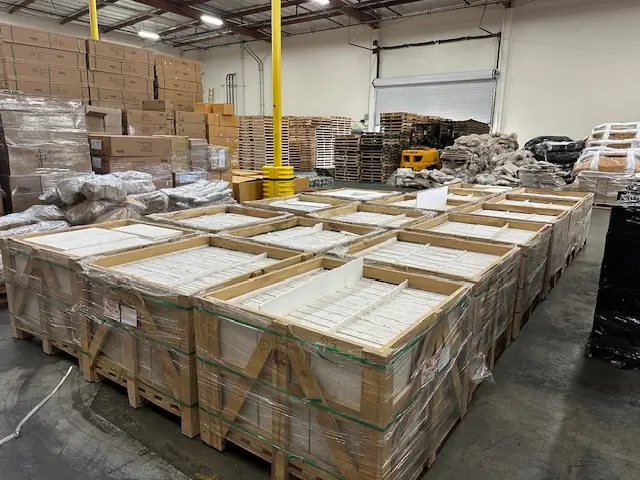
Winter months from December through February offer the lowest annual prices. Residential project demand nearly stops, and commercial work slows significantly. Distributors need to clear warehouse space for spring inventory, creating opportunities for off season paving slab discounts reaching 20-30% below peak pricing. However, you need to verify storage capabilities if you’re purchasing months ahead of installation.
Spring vs Fall Pricing: What Changes Your Material Costs
The spring vs fall paving prices comparison reveals significant cost differences driven by market demand rather than material quality. Spring pricing reflects peak contractor activity — you’re competing with every residential landscaper and commercial builder trying to complete projects before summer heat arrives. This competition drives prices up while reducing your negotiating leverage.
Fall pricing operates under different market conditions. You’ll encounter reduced demand as homeowners postpone outdoor projects and commercial developers shift focus to interior work. Suppliers recognize this pattern and adjust pricing to maintain inventory turnover. The difference isn’t trivial — fall purchases typically cost 18-25% less than identical materials bought in April or May.
- You should expect spring prices to peak in April when residential demand surges
- Your fall purchase timing should target late September through October for maximum savings
- When you buy in fall, you can lock in pricing for spring delivery and avoid seasonal increases
- You’ll need to account for 4-6 week lead times from warehouse to job site during peak seasons
- Your project timeline flexibility becomes a negotiating tool when you purchase during slow periods
Temperature considerations affect installation timing but shouldn’t prevent you from purchasing materials during optimal pricing windows. Professional installations occur year-round in Arizona — you just need to adjust installation protocols for temperature extremes rather than restricting work to narrow seasonal windows.
How Regional Climate Variations Affect When to Purchase
Arizona’s diverse climate zones create distinct purchasing considerations depending on your project location. Phoenix and low-desert installations face extreme summer heat that makes July through August installation challenging, but material purchases during this period benefit from reduced demand pricing. You can buy during summer slowdowns and schedule installation for fall when temperatures drop below 105°F.
Flagstaff and high-elevation projects operate on different cycles. Winter snow and freezing temperatures prevent installation from December through March, but this creates ideal purchasing windows. You’ll find the best time buy paving slabs Arizona for northern projects coincides with winter months when demand drops and you can secure materials at year-low prices for spring installation.
Tucson’s moderate winter climate allows near year-round installation, which affects when to purchase paving stones Phoenix differently than southern Arizona projects. You maintain more flexibility in Tucson, but you’ll still benefit from purchasing during the December through February window when paving slabs seasonal sales Arizona reach maximum discounts across all regions.
Monsoon impacts vary by location. Phoenix receives 30-40% of annual precipitation during July-September, while Flagstaff’s monsoon influence remains minimal. Your purchase timing should account for delivery logistics during storm season — truck access becomes complicated when summer storms flood low-lying areas or create muddy site conditions.
Warehouse Inventory Cycles and Material Availability
Understanding supplier inventory management helps you identify when you’ll find the widest selection and best pricing. Most Arizona distributors follow predictable restocking patterns tied to seasonal demand forecasts. Peak inventory levels occur in late winter as suppliers prepare for spring construction season, then again in early fall as post-summer restocking completes.
When you coordinate purchases with high inventory periods, you’ll access broader color ranges, thickness options, and finish varieties. Limited inventory during peak demand seasons forces you to accept whatever remains available or wait weeks for special orders. The best time buy paving slabs Arizona from an availability standpoint runs September through November and January through February.
- You need to verify warehouse stock levels before committing to project timelines and specifications
- Your color selection narrows significantly during April through June when popular options sell out
- When you identify specific material requirements, you should reserve inventory 6-8 weeks before installation
- You’ll encounter longer lead times for special-order colors and finishes during peak seasons
- Your project’s flexibility on material specifications becomes valuable during high-demand periods
Special orders and custom specifications require extended lead times regardless of season. You should allow 8-12 weeks for materials not maintained in local warehouse inventory. This timeline extends during peak seasons when suppliers prioritize stock orders over custom requests. Planning purchases around standard inventory reduces both cost and lead time complications.
Contractor Scheduling Patterns and Purchase Coordination
Professional installer availability directly affects optimal purchase timing. When you buy materials without coordinating installation schedules, you risk storage complications and potential damage. Arizona’s peak installation season from March through May creates contractor bottlenecks — you’ll pay premium labor rates and face extended scheduling delays if you don’t plan months ahead.
Fall installation from September through November offers dual advantages. You’ll find better material pricing and improved installer availability. Contractors completing summer slowdown look to fill schedules before winter holidays, creating opportunities for you to negotiate better labor rates while securing discounted materials. This coordination delivers 20-30% total project savings compared to spring execution.
Winter installations work well for commercial projects with flexible timelines. You’ll access the lowest material costs and rock-bottom labor rates as residential work nearly stops. However, you need to verify your installer has experience with cold-weather installation protocols — while Arizona winter remains mild compared to northern states, morning temperatures below 40°F require modified setting techniques.
Budget Cycles and Financing Timeline Optimization
Your organization’s budget cycle should influence when you purchase materials. Commercial projects tied to fiscal year budgets benefit from purchasing during the final quarter when you need to deploy remaining capital budgets. However, you should balance budget timing against seasonal pricing — sometimes carrying purchases into the next fiscal period saves enough to justify budget reallocation.
Residential projects using financing need to coordinate approval timelines with optimal purchase windows. Processing construction loans typically requires 30-45 days. You should initiate financing during summer months to close by September when material pricing drops. This timing allows you to capture fall discounts while avoiding the rush of spring projects competing for the same financing resources.
- You need to account for material cost escalation clauses in contracts spanning multiple quarters
- Your purchase timing should align with payment terms that optimize cash flow
- When you coordinate bulk purchases, you can negotiate extended payment terms during slow seasons
- You’ll find suppliers more willing to offer favorable financing during winter slowdowns
- Your project phasing can take advantage of multiple seasonal discount windows for staged installations
Bulk purchase discounts become available when you commit to larger orders during slow periods. Suppliers prefer guaranteed volume during uncertain demand windows. You can negotiate 8-15% additional discounts beyond seasonal pricing when you purchase complete project requirements upfront rather than phasing orders across multiple deliveries.
Material Quality Consistency Throughout the Year
Material quality remains consistent regardless of purchase season — suppliers don’t alter specifications based on time of year. However, inventory turnover rates affect how long materials sit in warehouse storage before reaching your project. Faster turnover during peak seasons means fresher inventory, while slower winter movement can result in materials stored for extended periods.
Extended storage rarely affects paving slab performance, but you should verify storage conditions when purchasing during low-turnover periods. Materials stored outdoors in uncovered areas may accumulate dust or surface staining from desert winds and occasional precipitation. You’ll want to inspect materials before delivery and verify proper storage protocols maintained throughout warehouse tenure.
The best time buy paving slabs Arizona from a quality standpoint coincides with post-restocking periods when fresh inventory arrives. September deliveries typically include newly manufactured materials shipped after summer production runs. January inventory often represents year-end production before suppliers scale back manufacturing during slow winter months.
Delivery Logistics and Seasonal Transportation Factors
Truck availability and delivery costs fluctuate seasonally. Peak construction season creates transportation bottlenecks as carriers prioritize high-volume customers and rush deliveries. You’ll face 10-15% delivery surcharges during April through June when demand exceeds carrier capacity. Planning deliveries during September through February eliminates these premiums while providing more flexible scheduling options.
Monsoon season affects delivery reliability. Summer storms create temporary road closures and access complications, particularly for projects in areas with unpaved access roads or low-lying approaches. Your delivery scheduling should build in weather contingency when you purchase during July through September. Carriers may delay deliveries 2-3 days waiting for site access to improve after storms.
- You should verify your site’s truck access before scheduling deliveries during monsoon season
- Your delivery timing needs to account for 4-6 week lead times from warehouse during peak periods
- When you coordinate multiple deliveries, you can negotiate better per-load rates during slow seasons
- You’ll need to ensure adequate staging space if you take delivery months before installation
- Your project’s remote location may require specialized carriers with extended delivery windows
Fuel cost variations affect delivery pricing throughout the year. Summer typically sees higher fuel costs that carriers pass through as delivery surcharges. Winter deliveries benefit from lower fuel costs and reduced demand, creating opportunities for you to negotiate fixed delivery rates that eliminate surcharge variables.
Project Bidding Cycles and Procurement Strategy
Public sector projects follow predictable bidding cycles that affect optimal material procurement timing. Most municipal and state projects bid in fall and winter for spring execution. You can leverage this pattern by purchasing materials during winter discount periods immediately after contract award, locking in lowest annual pricing before spring installation begins.
Private commercial projects offer more procurement flexibility. You should structure bid requests to capture seasonal pricing advantages. Issuing requests for quotes in August or September allows you to receive competitive pricing as suppliers transition into fall discount periods. You’ll get more aggressive bids when suppliers recognize the opportunity to fill capacity during slower months.
Design-build projects provide maximum procurement flexibility. You can optimize material selection and purchase timing simultaneously, choosing when to purchase paving stones Phoenix based on both technical requirements and seasonal pricing dynamics. This approach typically delivers 12-18% total material cost savings compared to fixed-specification projects bid during peak seasons.
Material Storage Considerations for Advanced Purchases
When you purchase during discount periods months before installation, you need proper storage to protect materials. Paving slabs tolerate outdoor storage better than many construction materials, but you should implement protection protocols to maintain pristine condition. Desert sun, wind-blown dust, and occasional precipitation all affect stored materials over extended periods.
Your storage area should provide flat, stable surfaces that prevent differential settling. Palletized materials need solid bases — dirt or gravel surfaces that appear stable can develop depressions during monsoon season, causing pallets to tilt and potentially crack slabs. Concrete pads or timber mat foundations prevent these issues when you’re storing materials for 2-4 months.
- You should cover stored materials with breathable tarps that allow moisture evaporation while blocking UV exposure
- Your storage area needs truck access sufficient for both delivery and future retrieval when installation begins
- When you stack multiple pallets, you need to verify weight capacities and prevent excessive loading
- You’ll need to inspect stored materials monthly for any damage or deterioration requiring attention
- Your insurance coverage should extend to stored materials before installation completion
Security considerations become important for extended storage periods. Construction materials represent theft targets, particularly in areas with easy road access. You should implement basic security measures — fencing, lighting, or surveillance — when storing significant material value for months before installation.
Price Negotiation Strategies by Season
Your negotiating position strengthens significantly when you purchase during slow periods. Suppliers facing excess warehouse inventory and minimal incoming orders become much more flexible on pricing, payment terms, and delivery scheduling. You can leverage this dynamic to secure prices 15-25% below peak season rates when you demonstrate serious purchase intent during winter months.
The best time buy paving slabs Arizona for maximum negotiating leverage runs late December through January. Suppliers close their fiscal years in December and want to start January with strong order books. You’ll find decision-makers more willing to approve aggressive pricing when you can commit to orders during this window, even if delivery schedules extend into spring.
Summer negotiation opportunities exist but require different approaches. Monsoon season creates uncertainty rather than predictable slow demand. You can negotiate favorable terms by offering guaranteed purchase commitments that reduce supplier uncertainty, but you won’t achieve the same discount levels available during winter’s predictable downturn.
Citadel Stone Paving Slabs Across Arizona: Regional Specification Guidance
When you consider Citadel Stone’s paving slabs for your Arizona project, you’re evaluating premium materials engineered for extreme desert conditions. At Citadel Stone, we provide technical guidance for hypothetical applications across Arizona’s diverse climate zones. This section outlines how you would approach specification and procurement decisions for six representative cities, considering regional climate factors, installation timing, and seasonal purchasing advantages that affect long-term performance.
Arizona’s elevation range from 70 feet in Yuma to 7,000 feet in Flagstaff creates dramatically different thermal environments. You need to account for these variations when you specify materials and plan purchase timing. Lower desert installations face extreme summer heat exceeding 115°F that affects both material performance and installation protocols. Higher elevation projects encounter freeze-thaw cycles requiring different technical considerations. Your procurement timing should optimize for both regional climate factors and seasonal pricing dynamics specific to each market area.
Phoenix Market Considerations
In Phoenix, you would encounter the state’s most competitive paving market with maximum contractor activity March through May. Your optimal purchase timing would target September through October when post-summer inventory peaks and demand drops. Phoenix warehouse capacity reaches annual highs during this window, providing you access to the widest color and finish selections. You would specify materials with proven thermal stability — Phoenix installations regularly face surface temperatures exceeding 160°F during peak summer months. The urban heat island effect amplifies these conditions in commercial applications, requiring you to verify thermal expansion coefficients and joint spacing calculations account for extreme temperature cycling. Your procurement strategy should coordinate material purchases during fall discount periods with spring installation scheduling when temperatures moderate below installation-prohibitive extremes.
Tucson Climate Specifications
Tucson’s slightly lower temperatures and higher elevation create more favorable year-round installation conditions than Phoenix. You would find optimal purchasing windows during December through February when residential demand drops but weather remains mild enough for continuous commercial work. Your material specifications would address similar thermal considerations as Phoenix but with moderately reduced intensity — summer peaks typically reach 105-108°F rather than Phoenix’s 115-118°F extremes. You should account for Tucson’s stronger monsoon influence when you plan summer deliveries, as localized storms create more frequent access complications than Phoenix metropolitan areas. When you coordinate warehouse inventory with Tucson-area suppliers, you would typically find better winter availability as fewer contractors maintain active installation schedules during holiday periods.
Scottsdale Premium Applications
Scottsdale’s high-end residential and commercial market creates unique procurement dynamics. You would encounter year-round demand from premium projects less sensitive to seasonal pricing variations. However, you could still capture significant savings by purchasing during traditional slow periods — winter months offer 18-22% discounts even in Scottsdale’s active market. Your specifications would emphasize aesthetic considerations alongside performance requirements, as Scottsdale projects typically demand premium finishes and color consistency. You should verify materials come from consistent production lots when you purchase for large-scale installations, particularly for commercial plaza or upscale residential community applications. The best time buy paving slabs Arizona for Scottsdale projects would balance seasonal pricing advantages with the extended lead times required for premium material specifications that may require special orders beyond standard warehouse inventory.
Flagstaff Cold-Weather Performance
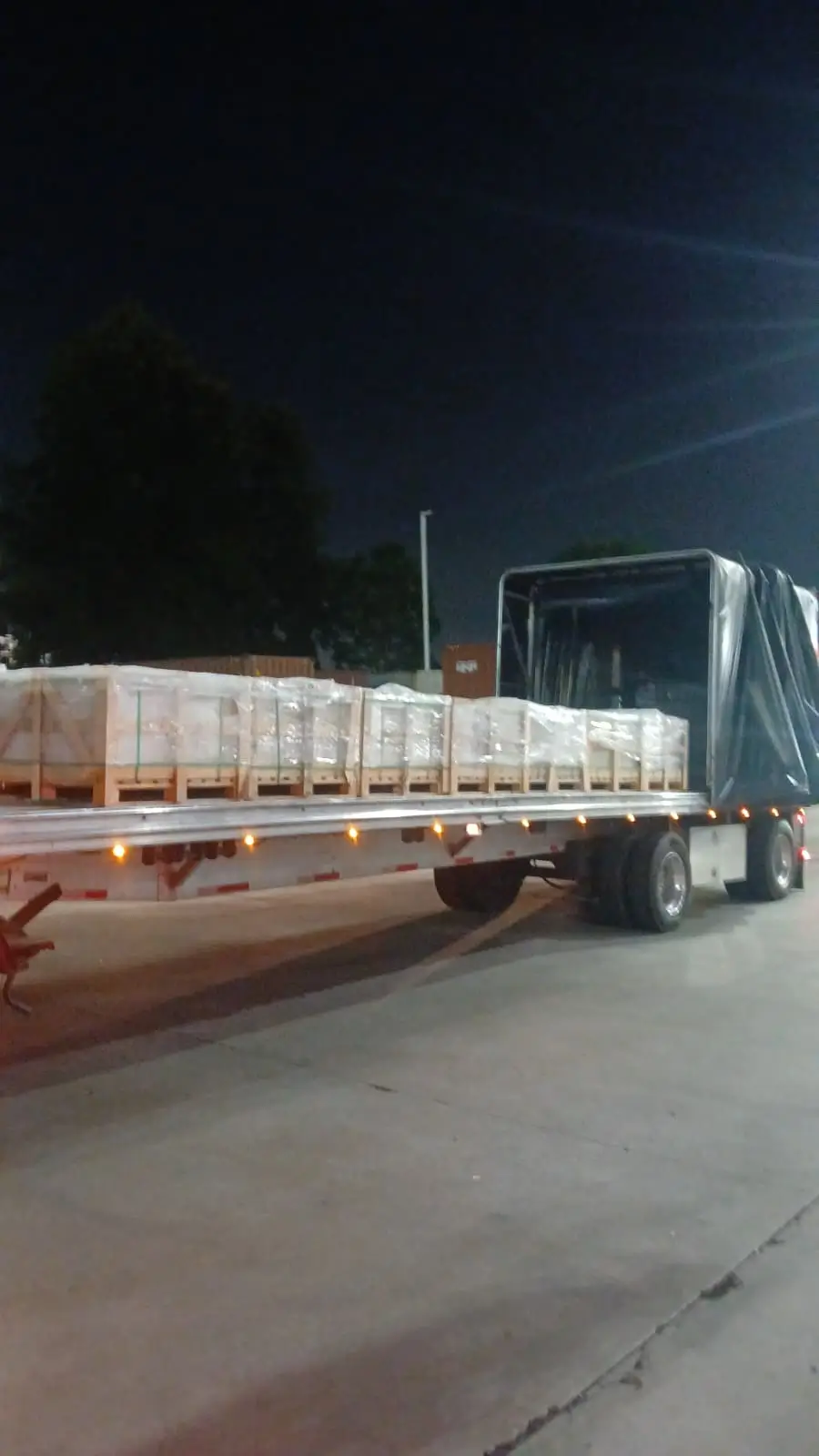
Flagstaff installations would require completely different technical specifications than lower desert projects. You would need to verify materials meet freeze-thaw cycle requirements — Flagstaff experiences 150-180 annual freeze-thaw events, demanding materials with less than 3% absorption rates and minimum 8,000 PSI compressive strength. Your purchase timing would target summer and early fall when you could secure materials at favorable pricing for the following spring installation season. Winter installation becomes impractical when temperatures remain below 32°F for extended periods, but winter purchasing provides optimal cost savings. You should specify increased joint spacing to accommodate freeze-expansion beyond standard desert installation protocols. Your procurement strategy would coordinate with warehouse facilities capable of winter storage, as Flagstaff’s limited local supplier network may require truck delivery from Phoenix-area distribution centers during weather windows when mountain passes remain clear.
Sedona Aesthetic Integration
Sedona projects would emphasize natural color integration with the region’s distinctive red rock landscape. You would specify earth-tone materials that complement rather than contrast with the natural environment, as local design review boards often mandate specific aesthetic requirements. Your purchase timing would target fall months when tourist season begins winding down and local contractor availability improves. Sedona’s 4,500-foot elevation creates moderate climate conditions — you would specify for occasional freeze-thaw cycles during winter months while addressing summer heat that reaches 95-100°F. Truck access considerations become important for Sedona projects, as narrow canyon roads and residential areas with limited turn-around space affect delivery logistics. You should verify delivery vehicle specifications match your site access constraints when you coordinate warehouse scheduling for material shipments to remote Sedona locations.
Yuma Extreme Conditions
Yuma represents Arizona’s most extreme thermal environment with summer temperatures regularly exceeding 118°F and minimal annual precipitation creating intense UV exposure and thermal stress. You would specify materials with maximum UV stability and thermal expansion tolerance verified through accelerated aging testing. Your optimal purchase timing would target December through February when Yuma’s moderate winter climate allows comfortable installation conditions while capturing year-low material pricing. The region’s agricultural economy creates distinct seasonal patterns — you would find better contractor availability during winter months when agricultural construction slows. When you coordinate material deliveries to Yuma, you should account for the city’s border location and potential customs considerations if materials ship from Mexican suppliers. Your specifications would emphasize proven performance in extreme conditions, as material failures in Yuma’s harsh environment become apparent more quickly than moderate climate installations, requiring you to verify long-term durability data before final material selection.
Strategic Implementation for Your Next Project
Implementing optimal purchase timing requires advance planning and market awareness. You should begin monitoring pricing trends 6-9 months before your anticipated installation date. This lead time allows you to identify seasonal patterns specific to your region and supplier network while providing flexibility to adjust procurement timing if market conditions shift unexpectedly.
Your procurement process should establish relationships with multiple suppliers to compare seasonal pricing and availability. Single-source dependencies limit your negotiating leverage and restrict your ability to capture the best seasonal opportunities. When you maintain 2-3 qualified supplier relationships, you create competitive dynamics that work in your favor regardless of purchase timing.
- You need to align material specifications with inventory typically maintained during your target purchase window
- Your project timeline should build in flexibility to accommodate optimal purchase timing without delaying completion
- When you identify specific material requirements early, you can watch for targeted sales on those exact specifications
- You should establish delivery and storage logistics before committing to advanced purchases during discount periods
- Your budget planning needs to account for potential carrying costs if you purchase months before installation
Professional specifications should include allowances for seasonal pricing variations. Fixed-price contracts spanning multiple quarters may require escalation clauses that protect against unexpected cost increases while allowing you to capture savings when market conditions favor buyers. You can structure contracts that incentivize contractors to optimize procurement timing within overall project schedule constraints.
Your final procurement decision should balance multiple factors beyond price alone. The best time buy paving slabs Arizona incorporates material availability, contractor scheduling, delivery logistics, storage capabilities, and financing considerations alongside seasonal pricing dynamics. For comprehensive guidance on optimizing these interconnected decisions, review Flexible financing solutions for residential and commercial paving projects before you finalize your project timeline and budget commitments. Citadel Stone manufactures and supplies anti-weather paving slabs across Arizona engineered for UV exposure.