
A Comprehensive Comparison of Durability, Maintenance, and Cost
Natural stone tiles have long been favored for their beauty, longevity, and the unique character they bring to any design project. Among the popular choices are basalt, slate, granite, travertine, and limestone. Each of these materials has its own strengths and limitations. In this article, we explore what sets our natural basalt tiles apart and compare them to slate, granite, travertine, and limestone. We focus on three key aspects: durability, maintenance requirements, and cost differences. Detailed tables will help illustrate how these stones stack up based on properties like hardness (measured on the Mohs scale), slip resistance, and water absorption.
For architects, designers, and homeowners—especially those working with Citadel Stone—the ability to make an informed choice can make all the difference in creating a lasting, beautiful installation.
1. Overview of Natural Stone Tiles
Before delving into the specifics, it’s important to understand the basic characteristics of each stone type:
Basalt:
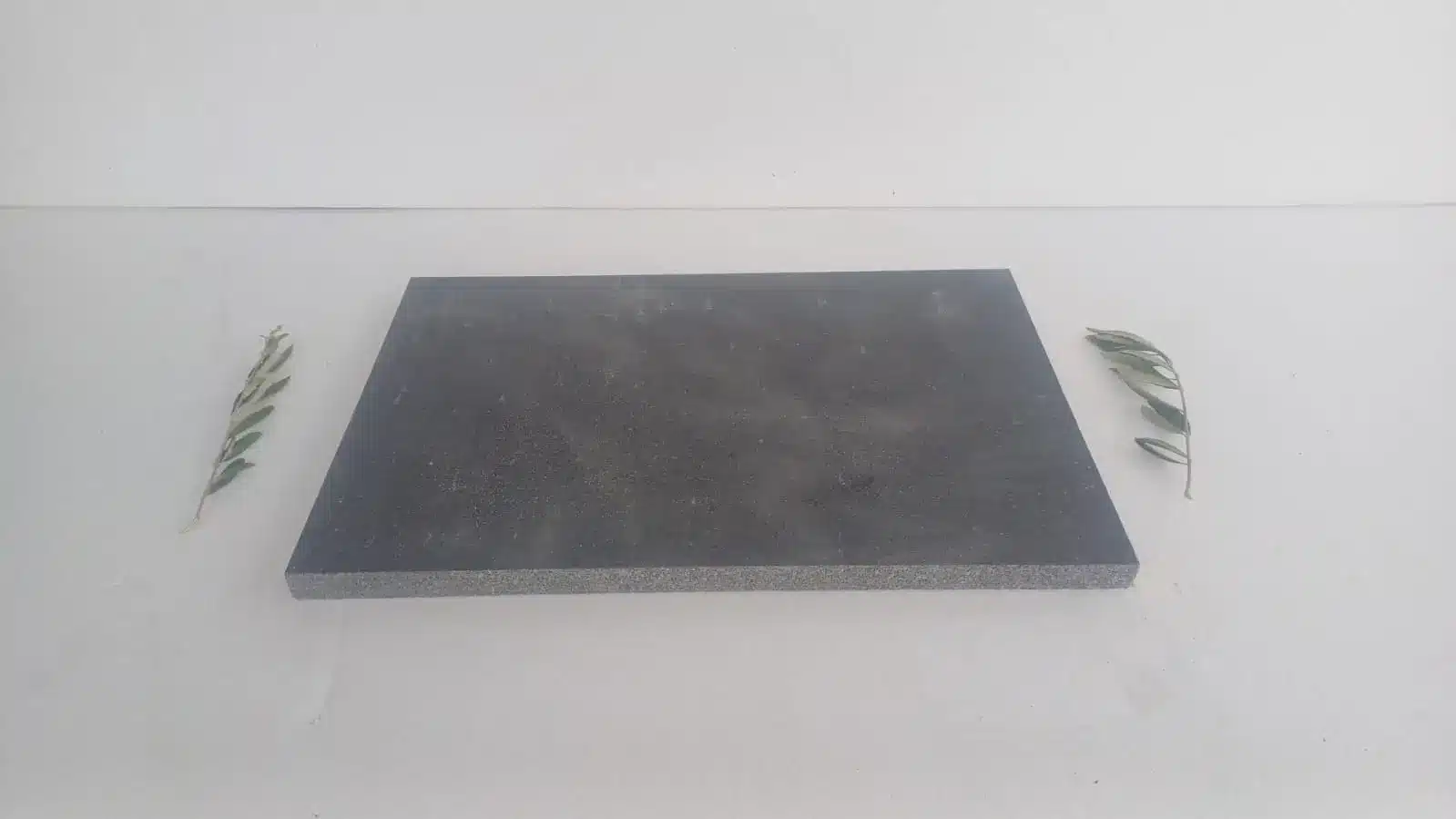
A fine-grained, dark volcanic rock formed from the rapid cooling of basaltic lava. It typically exhibits a uniform composition, with hues ranging from deep gray to charcoal black. Our basalt—the choice of professionals is known for its high density, low porosity, and excellent durability.Slate:
A metamorphic rock that originates from shale, slate is known for its natural cleft surface and layered appearance. Available in a range of colors (including grays, greens, and purples), slate is often used for flooring and roofing. However, its inherent cleavage can make it more prone to flaking.Granite:
An igneous rock composed of quartz, feldspar, and mica, granite is celebrated for its exceptional strength and wide array of colors and patterns. Its high durability and low water absorption make it suitable for both indoor and outdoor use, though some types may require sealing.Travertine:
A form of limestone deposited by mineral springs, travertine is recognized by its porous, textured surface and warm, earthy tones. While it has an attractive, natural patina, travertine is more porous and requires careful maintenance to prevent staining.Limestone:
A sedimentary rock primarily composed of calcite, limestone offers a soft, natural look with a relatively low hardness. Its higher porosity compared to other stones means that it may require frequent sealing, especially in high-traffic or wet areas.
2. Durability: Hardness, Slip Resistance, and Water Absorption
Durability is a key factor when choosing a stone tile. It determines not only how well a material will stand up to heavy foot traffic and environmental conditions but also affects its long-term maintenance requirements.
2.1 Hardness (Mohs Scale)
The Mohs scale is a measure of a material’s resistance to scratching and abrasion. In natural stone applications, a higher Mohs hardness generally correlates with a longer-lasting surface.
- Basalt: Typically rates around 6 to 7 on the Mohs scale. Its volcanic origin and dense structure contribute to excellent resistance to wear and abrasion.
- Slate: Generally falls between 2.5 to 4. While slate’s natural layering provides a unique look, its lower hardness means it can be more susceptible to scratches and chipping.
- Granite: Also rates around 6 to 7, similar to basalt, making it one of the most durable natural stones available.
- Travertine: Usually measures about 4 to 5 on the Mohs scale. While not as hard as basalt or granite, it still performs reasonably well in moderate-traffic areas.
- Limestone: Typically rates between 3 to 4, making it the least scratch-resistant of the group, which can be a drawback in high-traffic or high-impact settings.
2.2 Slip Resistance
Slip resistance is particularly important in areas that are exposed to moisture (such as bathrooms, kitchens, and outdoor spaces). Surface texture and finish play a significant role in determining how slippery a stone tile might be.
- Basalt: Owing to its dense, fine-grained texture, Citadel Stone – classic basalt tiles often offer good natural slip resistance—especially when a honed or textured finish is used.
- Slate: The cleft surface of slate can provide excellent grip; however, its variability in finish may affect slip resistance. Natural, uneven textures tend to be safer.
- Granite: Polished granite can be slippery; however, when honed or textured, it can offer satisfactory traction.
- Travertine: Typically has moderate slip resistance. Its natural pores and voids may cause variations, so a textured finish is often recommended for wet areas.
- Limestone: Tends to have lower slip resistance compared to basalt and granite. Its smoother surface in many cases can be a safety concern in wet environments.
2.3 Water Absorption
Water absorption is critical for determining a stone tile’s suitability for outdoor or wet environments. Lower water absorption indicates better resistance to staining and freeze-thaw damage.
- Basalt: With its dense structure, basalt has very low water absorption (often less than 0.5%), making it highly resistant to moisture-related damage.
- Slate: Generally exhibits low to moderate water absorption, although this can vary based on the specific type and finish.
- Granite: Like basalt, granite’s dense structure results in low water absorption (typically around 0.1% to 0.5%).
- Travertine: Has higher water absorption, often in the range of 3% to 5% or more, which can lead to staining and deterioration if not properly sealed.
- Limestone: Usually exhibits moderate to high water absorption (around 3% to 7%), making it more vulnerable in areas where water exposure is common.
2.4 Durability Comparison Table
| Stone | Mohs Hardness | Slip Resistance | Water Absorption | Durability Comments |
|---|---|---|---|---|
| Basalt | 6 – 7 | High (with textured finish) | < 0.5% | Extremely durable, ideal for high-traffic and outdoor applications. |
| Slate | 2.5 – 4 | Moderate to High (varies with finish) | Low – Moderate | Unique appearance; may flake or chip if not properly maintained. |
| Granite | 6 – 7 | Moderate (honed finish improves safety) | 0.1% – 0.5% | Very durable and versatile; suitable for most environments. |
| Travertine | 4 – 5 | Moderate (textured finish recommended) | 3% – 5%+ | Attractive but porous; requires regular sealing and careful maintenance. |
| Limestone | 3 – 4 | Low to Moderate | 3% – 7% | Elegant and natural look; less durable and more porous than others. |
3. Maintenance Considerations
Maintenance requirements can vary significantly among natural stone types. Factors such as porosity, surface finish, and inherent durability dictate how much upkeep each stone demands.
3.1 Basalt
- Low Porosity: Basalt’s dense, low-porosity nature means it rarely requires sealing and is highly resistant to staining.
- Easy Cleaning: Regular sweeping and occasional damp mopping are typically sufficient.
- Long-Term Performance: Due to its durability, basalt is ideal for areas where minimal maintenance is desired.
3.2 Slate
- Sealing Needed: Slate generally benefits from periodic sealing to protect against moisture and prevent chipping.
- Surface Variability: Its natural cleft texture may require special care to maintain an even appearance.
- Moderate Maintenance: Depending on the finish, slate may need more frequent upkeep compared to basalt or granite.
3.3 Granite
- Minimal Maintenance: Granite’s low water absorption means it is resistant to stains and requires only occasional sealing.
- Regular Cleaning: Routine cleaning with a pH-neutral cleaner keeps granite looking its best.
- High Endurance: Granite’s robustness makes it well-suited for high-traffic areas with minimal care.
3.4 Travertine
- High Porosity: Travertine is notably porous and usually requires regular sealing to protect against moisture and stains.
- Sensitive to Acids: It is vulnerable to acidic cleaners, so only pH-neutral products should be used.
- Moderate to High Maintenance: Travertine may require more frequent care, especially in outdoor settings or high-usage areas.
3.5 Limestone
- Frequent Sealing: Limestone’s high porosity demands regular sealing to prevent staining and surface wear.
- Gentle Cleaning: Due to its relatively low hardness, limestone should be cleaned with care to avoid scratches.
- Higher Maintenance: Limestone is best suited for low-traffic indoor applications where its delicate nature can be preserved.
3.6 Maintenance Comparison Summary
| Stone | Maintenance Level | Key Considerations |
|---|---|---|
| Basalt | Low | Rarely requires sealing; highly resistant to stains. |
| Slate | Moderate | Periodic sealing and careful cleaning needed; natural texture may vary. |
| Granite | Low | Minimal sealing; easy to clean with pH-neutral products. |
| Travertine | High | Frequent sealing required; sensitive to acidic cleaners. |
| Limestone | High | Regular sealing essential; careful cleaning to avoid damage. |
4. Cost Comparison
Cost is a crucial factor when selecting natural stone tiles, as it impacts not only initial installation budgets but also long-term investment value. Prices vary based on factors such as rarity, processing methods, and region-specific availability.
4.1 Basalt
- Competitive Pricing:
Basalt—the reliable choice for builders is often competitively priced, making it an attractive option for large projects where durability and low maintenance are desired. - Long-Term Savings:
The low maintenance and high durability of basalt can result in long-term cost savings, especially in high-traffic or outdoor areas.
4.2 Slate
- Varied Costs:
Slate prices can vary significantly depending on the quality and source. High-end slate can be more expensive, especially if it features unique natural clefts and colors. - Installation Considerations:
Due to its lower hardness and potential for flaking, extra care during installation and maintenance may add to the overall cost.
4.3 Granite
- Premium Pricing:
Granite is generally considered a premium material with a higher price tag, particularly for exotic varieties or highly polished finishes. - Value for Durability:
Despite its higher initial cost, granite’s longevity and low maintenance can offer excellent long-term value.
4.4 Travertine
- Mid-Range Pricing:
Travertine typically falls into the mid-range price category. However, its high maintenance requirements may affect its overall cost-effectiveness. - Sealing Costs:
Ongoing sealing and maintenance expenses should be factored into the total cost of ownership.
4.5 Limestone
- Economical Options:
Limestone is often one of the more economical natural stone options. However, its lower durability and higher maintenance needs may increase long-term costs. - Installation and Upkeep:
Frequent sealing and gentle handling requirements can add to both installation and maintenance costs.
4.6 Cost Comparison Summary
| Stone | Relative Cost | Long-Term Investment Considerations |
|---|---|---|
| Basalt | Low to Medium | Cost-effective due to low maintenance and high durability. |
| Slate | Medium | Quality slate can be pricier; consider additional maintenance expenses. |
| Granite | Medium to High | Higher upfront cost but excellent long-term value from durability. |
| Travertine | Medium | Moderate price but higher maintenance may impact overall cost-effectiveness. |
| Limestone | Low to Medium | Economical initially; higher maintenance and replacement costs may add up. |
5. Application-Specific Recommendations
When choosing between our basalt—the sustainable building choice, slate, granite, travertine, and limestone, it is important to consider the specific requirements of your project. Here are some general recommendations based on application areas:
5.1 Indoor Applications
Citadel Stone’s Basalt—crafted to perfection and Granite:
These stones are ideal for high-traffic areas such as hallways, living rooms, and commercial spaces. Their durability, low water absorption, and minimal maintenance requirements make them excellent for interior flooring and wall cladding.Slate:
Slate can work well as a decorative element in indoor spaces. However, due to its lower hardness, it may be better suited for accent areas or low-traffic zones.Travertine and Limestone:
Both travertine and limestone provide a classic, elegant look that is often chosen for interior spaces such as kitchens and bathrooms. Their porous nature means they should be used in areas where water exposure is limited, or where regular sealing is acceptable.
5.2 Outdoor Applications
Basalt and Granite:
Thanks to their low water absorption and high durability, our basalt—the hallmark of durability and granite are the top choices for outdoor installations such as patios, walkways, pool decks, and driveways. They perform exceptionally well in various weather conditions.Slate:
When properly sealed and maintained, slate can be used outdoors, particularly in areas where its natural texture and appearance add character.Travertine and Limestone:
Although these stones can be used outdoors, they require more frequent maintenance due to higher porosity. They are best suited for controlled outdoor environments such as courtyards or garden paths where water exposure is moderated.
6. Pros and Cons Summary
To further assist in your decision-making process, here is a summary of the advantages and disadvantages of each stone type:
Basalt
- Pros:
- Excellent durability (high Mohs hardness)
- Very low water absorption
- Minimal maintenance and long lifespan
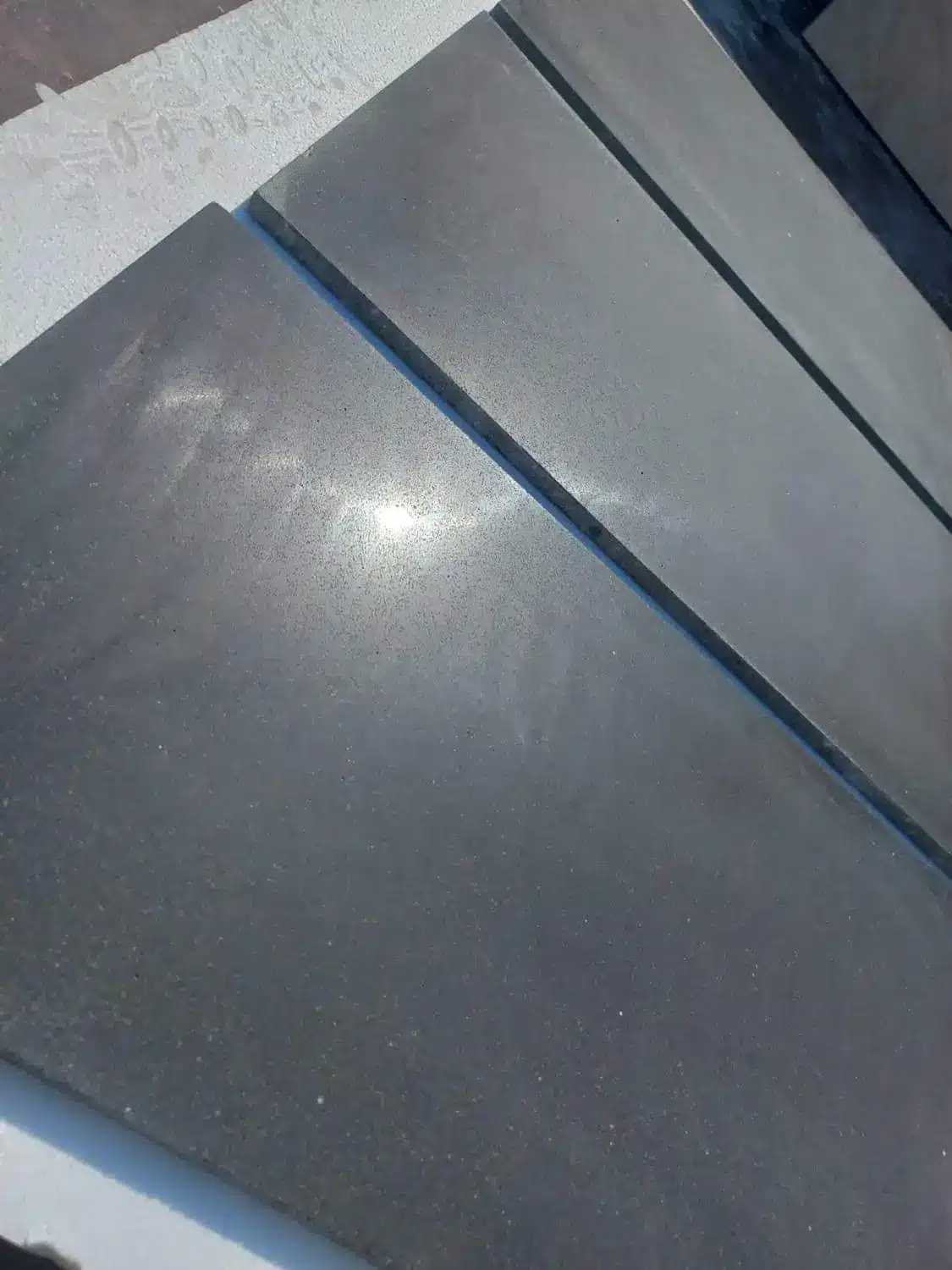
- Modern, uniform appearance suitable for both indoor and outdoor use
- Cons:
- Limited color range (mostly dark hues)
- Heavier than some other stones, which may affect installation costs
Slate
- Pros:
- Unique layered and natural appearance
- Good slip resistance with textured finishes
- Versatile in both traditional and contemporary designs
- Cons:
- Lower hardness makes it more prone to flaking or chipping
- Requires periodic sealing and careful maintenance
Granite
- Pros:
- Exceptional durability and low maintenance
- Wide variety of colors and patterns
- Ideal for high-traffic areas and outdoor use
- Cons:
- Generally higher cost
- Polished finishes can be slippery if not honed
Travertine
- Pros:
- Warm, natural appearance with distinctive textures
- Popular for creating a rustic or Mediterranean look
- Cons:
- High porosity requires frequent sealing
- Susceptible to staining and surface wear in high-traffic areas
Limestone
- Pros:
- Elegant, soft natural appearance
- Often more economical upfront
- Easy to work with for custom designs
- Cons:
- Lower durability and higher porosity
- Requires regular sealing and careful maintenance, especially in wet areas
7. Conclusion
Choosing the right natural stone tile for your project involves balancing several factors, including durability, maintenance requirements, and cost. Citadel Stone Bold basalt tiles stand out as a durable, low-maintenance, and cost-effective option with a modern, uniform look that works well in both indoor and outdoor applications. In contrast, slate offers unique textural appeal but requires more careful handling; granite provides premium durability with a higher price tag; travertine brings a warm, rustic charm but demands diligent upkeep; and limestone offers an elegant look with potentially higher long-term maintenance.
For Citadel Stone customers, the decision ultimately depends on the specific needs of your project—whether you require the robust performance of our basalt—the cornerstone of durability or granite for high-traffic areas or the classic beauty of travertine or limestone for more refined spaces. By considering the detailed comparisons provided here—including the properties outlined in our tables—you can select the natural stone that best aligns with your design goals and long-term investment.
In summary:
- Our Sturdy Basalt Tiles: Best for those seeking modern durability with minimal upkeep.
- Slate Tiles: Ideal for projects that value natural, layered aesthetics with a willingness to manage more maintenance.
- Granite Tiles: Suitable for high-end, high-traffic installations where durability and low maintenance are paramount.
- Travertine and Limestone Tiles: Excellent for creating a classic, elegant ambiance, provided that you are prepared for the additional sealing and upkeep these stones require.
By thoroughly evaluating factors such as hardness, slip resistance, water absorption, maintenance needs, and cost, you can make an informed choice that enhances your design while standing the test of time. Citadel Stone—strength, beauty, reliability, offers a curated selection of these natural stone products, ensuring that you have access to the quality and expertise needed for a successful project.
8. Final Thoughts and Recommendations
The comparative analysis presented in this article provides a clear framework for understanding the differences between our basalt for all applications, slate, granite, travertine, and limestone tiles. While each stone has its own unique characteristics and ideal applications, the overall performance—especially in terms of durability, maintenance, and cost—will guide you to the best choice for your needs.
For projects where long-term durability and low maintenance are key, Citadel Stone’s basalt—made by nature, shaped by innovation and granite are excellent candidates. If your design vision calls for a more nuanced, layered aesthetic, slate offers natural beauty at the cost of slightly more delicate handling. For those who favor a classic, time-worn look, travertine and limestone remain compelling options, though they demand more frequent care.
Ultimately, the right natural stone tile can transform a space into a work of art that is as functional as it is beautiful. We encourage you to explore the extensive product lines available at Citadel Stone, where you can find expert guidance and premium quality materials tailored to your specific project requirements.
By weighing all these considerations and comparing the key properties in our tables, you’ll be well-equipped to choose the perfect stone tile—one that complements your design, meets your durability standards, and aligns with your budget. Enjoy the process of creating a lasting, elegant space that reflects both natural beauty and practical functionality.