
Travertine’s thermal expansion coefficient of roughly 4.7 × 10⁻⁶ per °F makes backyard travertine pavers in Arizona one of the most dimensionally stable natural stone options available — but that stability only holds when your joint spacing accounts for the full 50–70°F daily temperature swing Phoenix and surrounding regions experience. Most specification failures don’t start with the stone itself; they start with a base design that treats Arizona like a temperate climate. The data on travertine backyard paving performance in Arizona consistently points to a handful of installation variables that separate surfaces lasting 25 years from those needing replacement in under a decade.
Why Travertine Outperforms in Arizona Heat
Natural stone backyard slabs rated for Arizona heat need to handle sustained surface temperatures that routinely reach 160–175°F on south-facing exposures in summer. Travertine’s interconnected pore structure — with typical porosity ranging from 3% to 8% depending on grade and finish — dissipates heat differently than dense materials like concrete or ceramic. The material absorbs thermal energy more gradually and releases it over a longer period, which means barefoot comfort is measurably better compared to concrete pavers of equivalent thickness at the same air temperature.
Travertine’s relatively low thermal conductivity (approximately 0.55–0.75 W/m·K) contributes to cooler surface feel. Field temperature readings on honed travertine at 3:00 PM in Scottsdale have measured 20–30°F cooler than adjacent concrete slabs under identical sun exposure. For a backyard living environment, that differential is the difference between usable outdoor space and a surface no one wants to walk on barefoot.
- Thermal mass behavior reduces peak surface temperature spikes compared to concrete
- Pore structure allows micro-ventilation that aids cooling at the surface boundary
- Lower thermal conductivity translates to tangible barefoot comfort gains in summer
- Natural color variation in travertine — creams, noce, silver — reflects solar radiation more effectively than dark hardscape alternatives
Porosity and Sealing Requirements for Desert Conditions
Here’s what most homeowners don’t hear until after installation: travertine’s porosity is both its greatest thermal asset and its primary maintenance commitment. In Arizona’s alkaline soil environment — with pH levels commonly ranging from 7.5 to 8.5 — unsealed travertine absorbs mineral deposits from irrigation overspray and pool splash with surprising speed. Efflorescence can develop within the first monsoon season if the stone hasn’t been properly sealed before water contact begins.
The right sealing protocol uses a penetrating impregnator rated for travertine, applied in two coats with a 24-hour cure window between applications. Surface sealers that sit on top of the stone trap moisture in Arizona’s climate and cause spalling — the opposite of what you want. Penetrating sealers preserve breathability while blocking the mineral migration that causes staining. Plan for reapplication every 2–3 years in high-UV zones; the desert sun degrades sealant chemistry faster than in coastal or northern climates.
- Use penetrating impregnators, not surface coatings, in desert climates
- Apply before any irrigation or rainfall contact — ideally within 72 hours of installation completion
- Two-coat application with full cure between coats achieves 40–50% better long-term stain resistance than single-coat application
- Budget for resealing every 24–36 months in Zones 9–10 USDA hardiness regions
- Travertine fill type (filled vs. unfilled) affects sealer consumption — unfilled stone can require 25–30% more product per square foot
Thickness and Base Preparation for Arizona Soil Conditions
Large travertine paving data for Arizona yards consistently shows that 2-inch (50mm) nominal thickness is the minimum for residential backyard applications, and 2.5-inch material becomes the right call for any zones that see vehicle access, heavy furniture loads, or continuous foot traffic. The structural argument is straightforward — Arizona’s expansive clay soils, which cover significant portions of the Phoenix metro and extend into parts of the Verde Valley, generate heave pressure that can fracture 1.25-inch travertine in a single freeze-thaw cycle at higher elevations.
Base preparation carries as much weight as material thickness. A properly compacted base of 4–6 inches of class II base rock (3/4-inch crushed aggregate) over prepared native soil provides the drainage and load distribution Arizona conditions require. In areas with verified clay content above 30%, extending the base to 8 inches and adding a geotextile separation layer prevents clay migration into the aggregate over time. Skipping the geotextile is one of the most common oversights in Arizona paver installations — within 5–7 years, clay intrusion can undermine even a well-compacted base.
- Minimum 2-inch travertine for residential backyard use; 2.5-inch for vehicle or high-load zones
- 4–6 inch compacted class II base for standard soil conditions
- 8-inch base with geotextile for high-clay soil content above 30%
- Set pavers in 1-inch dry-set mortar bed or medium-bed polymer-modified mortar for large-format slabs
- Expansion joints at maximum 12–15 foot intervals (not the 20-foot standard used in cooler climates)
Slip Resistance Data for Pool Decks and Water Features
Travertine landscape paver durability across Arizona backyards is frequently tested hardest at pool deck perimeters, where the combination of water, bare feet, and sunscreen creates the highest slip risk. Brushed or tumbled finish travertine achieves a dynamic coefficient of friction (DCOF) of 0.60–0.72 when tested per ANSI A137.1 standards — well above the 0.42 minimum required for wet exterior applications. Honed finishes typically measure 0.50–0.58 DCOF, which still meets code but leaves less margin in practice.
Specify brushed finish for any travertine installation within 4 feet of pool edges, water features, or outdoor shower areas. The texture difference is minimal aesthetically but meaningful for safety data. Polished travertine in wet zones is a specification error — DCOF values below 0.42 under wet conditions create both safety liability and maintenance complications. The finish decision should happen at specification, not after installation.
Color and UV Stability: What Long-Term Performance Data Shows
The color stability question comes up in nearly every Arizona backyard travertine project, and the data is generally favorable. Natural travertine pigmentation comes from iron oxide and calcium carbonate mineralization that is inherently UV-stable — the material is not pigmented concrete or dyed porcelain that fades under prolonged UV exposure. Field observations on travertine backyard paving performance in Arizona, specifically in the Phoenix metro area, show minimal perceptible color shift after 10+ years of full sun exposure when sealed properly.
For our Arizona travertine backyard performance tracking, the most consistent finding is that color shifts in travertine are almost always moisture-related rather than UV-related. Efflorescence, iron oxide migration from adjacent metal fixtures, and organic staining from landscape irrigation are the primary color-change culprits. A quality penetrating sealer addresses the first two categories; thoughtful irrigation system design — keeping heads aimed away from stone surfaces — handles the third.
- Natural mineral pigmentation is UV-stable over multi-decade timeframes when properly sealed
- Color shifts of more than 5 Delta-E units over 10 years almost always trace back to moisture, not UV exposure
- Noce and walnut tones show the least visible aging in desert conditions due to their warmer base tones
- Silver and grey travertine shows mineral streaking more readily in high-iron water areas — consider water chemistry before selecting lighter tones
Joint Spacing and Pattern Layout for Extreme Heat Environments
The joint spacing calculation for backyard travertine pavers in Arizona requires adjusting standard guidelines downward. Standard specifications often recommend 3/16-inch to 1/4-inch joints for natural stone — adequate in temperate climates but marginal in zones where surface temperatures cycle 130°F between winter nights and summer afternoons. Field performance data from Arizona installations supports using 1/4-inch to 3/8-inch joints filled with polymeric sand rated for temperatures above 130°F surface contact.
Pattern layout affects drainage geometry in ways that matter enormously in monsoon season. Running bond and 1/3 offset patterns create continuous low-flow channels that move water off the surface faster than stacked joint patterns on the same drainage slope. Design for a minimum 1/8 inch per foot slope (1% grade) away from structures — 1/4 inch per foot is better in areas that receive concentrated roof runoff. Arizona’s monsoon events can drop 1–2 inches in under an hour; the drainage slope needs to handle that event, not just average rainfall.
Travertine Slab Sizes and Large-Format Considerations
Large travertine paving data for Arizona yards shows increasing preference for 24×24-inch and 18×36-inch formats, driven by the cleaner contemporary aesthetic they produce and their efficiency in covering large outdoor living areas. The specification challenge with large-format travertine is that dimensional tolerance becomes more consequential — a 1/16-inch thickness variation that’s invisible on a 12×12 tile is a noticeable lippage hazard on a 24×24 slab.
Installers must back-butter large-format travertine pavers with a medium-bed polymer-modified mortar, achieving full coverage across at least 95% of the paver underside. Void spots beneath large-format stone create flexion points that cause fracture under point loads — furniture legs, BBQ stands, and concentrated foot traffic on unsupported stone edges. Verify the installer’s full-coverage technique before the first row is set; correcting hollow spots after the fact requires removal and reset.
- 24×24 and 18×36 formats require medium-bed mortar with 95%+ back coverage
- Specify calibrated or rectified travertine for large formats to minimize lippage
- Warehouse stock levels for large-format travertine fluctuate more than standard sizes — verify availability before finalizing layouts
- Order 10–12% overage on large format material to account for cuts and pattern matching
- Large slabs benefit from an additional perimeter support row at edges to prevent cantilever cracking
Citadel Stone Travertine Paver Suppliers in Arizona — Arizona Application Guide
Travertine paver suppliers in Arizona range widely in material quality, thickness consistency, and logistical reliability — and those differences matter significantly when planning a large backyard project with a tight installation window. Citadel Stone’s role in Arizona travertine projects extends beyond material supply; the technical team provides specification guidance calibrated to each region’s specific climate variables, soil conditions, and use-case requirements. The following hypothetical project scenarios illustrate how travertine landscape paver durability across Arizona backyards varies by geography and what specification decisions would be recommended in each context.
Flagstaff Elevation Performance
At 6,900 feet elevation, Flagstaff creates a travertine specification scenario unlike anything in the lower desert. Genuine freeze-thaw cycling defines this zone — the city averages around 100 freeze-thaw cycles annually — which means travertine selection must prioritize absorption rates below 0.75% per ASTM C97 test protocols. Citadel Stone’s warehouse inventory maintains a dedicated stock of low-absorption travertine grades specifically vetted for freeze-thaw exposure, so a Flagstaff project doesn’t need the 6–8 week lead time that comes with sourcing specialty grades through standard import channels. For base preparation at this elevation, extending aggregate depth to 8 inches with a frost-protected base design prevents the heave damage that compromises standard installations in this climate zone.
Sedona Drainage and Aesthetics
Sedona’s red rock landscape creates a unique design context — the surrounding natural palette is visually dominant, and travertine selection needs to work with that environment rather than against it. Noce and walnut travertine tones complement the iron-rich red sandstone backdrop far more effectively than silver or ivory options. Natural stone backyard slabs rated for Arizona heat in these warmer tones tend to age more gracefully in Sedona’s combination of high UV and occasional clay soil areas near Oak Creek. Sedona’s terrain also creates concentrated runoff events during monsoon season; drainage slope specification should target 1.5–2% grade to handle those events. Citadel Stone’s technical team can provide site-specific drainage geometry recommendations based on a lot’s proximity to drainage corridors.
Yuma Extreme Heat Specification
Yuma represents the most extreme thermal loading scenario in Arizona — summer air temperatures regularly exceed 110°F, with surface temperatures on south-facing pavers that can reach 175–185°F. Travertine backyard paving performance in Arizona’s hottest markets, including Yuma, demands the widest joint spacing in the state: 3/8-inch minimum with a polymeric sand rated for 190°F surface contact. Truck delivery scheduling for Yuma projects requires careful timing — material should arrive and be staged in shaded warehouse or covered storage areas to prevent thermal shock when cold-stored travertine makes contact with a base that’s been baking in direct sun. At Citadel Stone, we coordinate delivery logistics for Yuma projects to ensure material arrives during cooler morning windows and is acclimated before installation begins, which meaningfully reduces early-stage joint stress.
Procurement and Project Planning
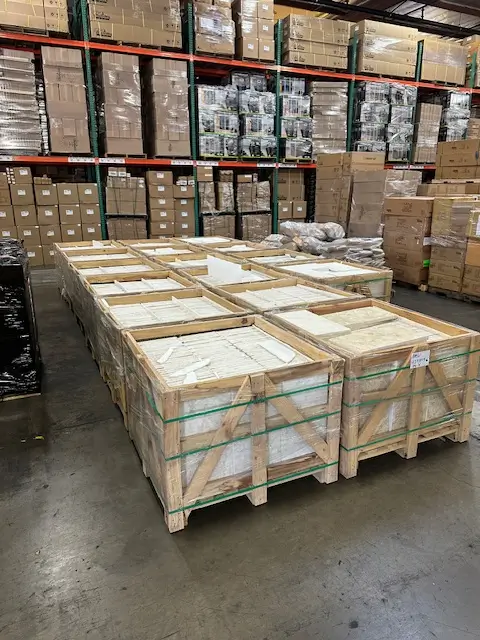
Planning the travertine procurement timeline is as important as any specification decision. Warehouse stock levels for premium travertine grades — particularly calibrated 2-inch material in popular formats — can shift significantly between project quote and material release. Confirm inventory availability and lock in your lot number before finalizing your installation schedule; color variation between production lots in natural travertine is real, and mixing lots on a large backyard project creates a visible patchwork effect that no amount of sealing will fix.
Truck scheduling for travertine delivery to residential backyards requires advance coordination. Most standard delivery trucks require a clear 40-foot approach and a stable surface rated for the loaded weight — typically 40,000–60,000 pounds for a full pallet order. For projects with constrained access, partial loads via smaller trucks may be necessary, which affects per-unit delivery cost. Building that logistical detail into the project budget early prevents surprises at the delivery stage.
- Confirm lot numbers and warehouse availability before issuing the installation purchase order
- Reserve 15–20% additional material from the same lot for future repairs — matching travertine from a later production run is unreliable
- Truck access constraints should be assessed during site visit, not at delivery scheduling
- Lead times for specialty grades and formats typically run 3–5 weeks from warehouse to site in Arizona
Maintenance Protocols That Preserve Long-Term Performance
The 20–25 year performance horizon that makes travertine landscape paver durability across Arizona backyards so compelling is achievable — but it requires a maintenance protocol that most homeowners underestimate. The biennial resealing requirement is the non-negotiable anchor of the maintenance schedule. Beyond sealing, joint sand replenishment deserves attention; polymeric sand in Arizona’s climate degrades from UV and thermal cycling, and joints that drop below 70% fill depth allow water infiltration that destabilizes the base.
Pressure washing travertine is a legitimate maintenance tool when used correctly — 1,200–1,500 PSI with a fan tip, not a zero-degree concentrated stream that erodes mortar joints and surface texture. Annual pressure washing removes the calcite deposits and organic matter that degrade sealer performance over time. In areas with hard water (common in Phoenix and Tucson metro areas), a diluted phosphoric acid wash once every 3–5 years removes mineral scale that alkaline cleaners can’t touch.
The Bottom Line
Backyard travertine pavers in Arizona deliver genuine long-term value when the specification addresses the state’s real climate variables — not just generic natural stone installation guidelines. The data on travertine backyard paving performance in Arizona points consistently to joint spacing, base depth, porosity management, and finish selection as the four variables that determine whether an installation reaches its performance ceiling or falls short of it. For outdoor patio contexts specifically, the material selection and specification decisions overlap closely with what’s covered in the Travertine Pavers for Arizona Patios: Buyer’s Guide, which extends these principles into patio-specific design scenarios worth reviewing alongside backyard project planning. Citadel Stone tracks real-world travertine paver outcomes across Arizona backyards, providing homeowners in Chandler, Sedona, and Peoria with surface longevity data suited to high-heat desert conditions.