
When you’re specifying materials for Arizona construction projects, you need to understand how Arizona stone yards environmental certifications impact your project’s sustainability profile and compliance requirements. Environmental certifications aren’t just marketing tools — they directly affect your LEED documentation, green building incentives, and long-term project credibility. The certification landscape in Arizona has evolved significantly, with stone yard in Arizona sustainable sourcing becoming a critical specification criterion you can’t overlook.
Your material selection decisions now require verification of extraction methods, carbon footprint documentation, and chain-of-custody protocols. You’ll find that certified yards demonstrate measurable environmental performance through third-party validation, not self-reported claims. This distinction matters when you’re preparing submittal packages or responding to RFI requests about material provenance.
Certification Framework for Arizona Stone Suppliers
Understanding the certification hierarchy helps you evaluate supplier claims effectively. You should recognize that Arizona stone yards environmental certifications fall into three primary categories: extraction and processing certifications, supply chain certifications, and product-specific environmental declarations. Each category addresses different aspects of your sustainability requirements.
The Natural Stone Council’s certification program provides industry-specific validation you won’t find in generic environmental programs. When you review supplier documentation, you need to verify that certifications address quarry rehabilitation, water management, and energy consumption during fabrication. Local stone yards Arizona green materials suppliers should provide Environmental Product Declarations (EPDs) that quantify embodied carbon, transportation impacts, and end-of-life considerations.
Your specification documents should reference specific certification standards rather than accepting vague sustainability claims. Third-party verification through programs like NSF/ANSI 373 offers the documentation rigor you need for LEED v4.1 Material Ingredients credit compliance. You’ll achieve better project outcomes when you understand which certifications align with your specific green building goals.
LEED Material Qualification Requirements
LEED documentation requirements force you to track material sourcing with precision most suppliers aren’t prepared to provide. You need to understand that stoneyard Arizona eco certifications must include extraction location data, regional material qualification distances, and responsible sourcing verification. The 100-mile radius for regional materials credit significantly impacts which Arizona suppliers meet your project requirements.
When you’re pursuing Materials and Resources credits, you’ll encounter specific documentation hurdles. Suppliers must provide:
- You need quarry location coordinates for distance calculations from your project site
- Your submittal package requires chain-of-custody documentation from extraction through delivery
- You must verify that environmental certifications remain current throughout your procurement timeline
- Your specification should require supplier participation in extended producer responsibility programs
The distinction between regionally extracted and regionally manufactured materials affects credit calculations you might not anticipate. Arizona limestone extracted locally but processed out-of-state may not qualify for regional materials credit, depending on where value-added manufacturing occurs. You should clarify these details during the submittal review process, not after delivery.

Sustainable Quarry Operations and Verification Methods
Quarry operations create environmental impacts you need to evaluate beyond surface-level certification claims. When you assess stone yard in Arizona sustainable sourcing practices, you’re looking at water consumption rates, habitat restoration commitments, and dust control methodologies. Arizona’s desert environment makes water management particularly critical — responsible quarries implement closed-loop water systems that recycle 85-95% of process water.
You should verify quarry reclamation plans before specifying materials from any source. Arizona stone yards environmental certifications must demonstrate progressive rehabilitation strategies, not deferred reclamation promises. This means you’re looking for evidence of concurrent restoration activities, native vegetation reestablishment programs, and post-mining land use planning that benefits local ecosystems.
Energy consumption during extraction and primary processing significantly impacts embodied carbon calculations. You’ll find that mechanized quarrying operations in Arizona consume 12-18 kWh per ton of finished stone, but this varies based on extraction methods and material hardness. When you compare suppliers, renewable energy usage at the quarry site provides measurable differentiation in environmental performance.
Transportation from quarry to fabrication facility represents another impact vector you need to quantify. For comprehensive guidance on regional distribution networks, see Arizona large-scale limestone distribution infrastructure considerations. You should calculate total transportation miles, not just final delivery distance, when evaluating true environmental cost.
Environmental Product Declarations: What You Actually Need
Environmental Product Declarations provide lifecycle assessment data you can use for comparative analysis, but you need to understand their limitations. EPDs quantify environmental impacts across extraction, processing, transportation, installation, use phase, and end-of-life stages. When you review EPDs for stone materials, you’re looking at Global Warming Potential (GWP), measured in kg CO2 equivalent per functional unit.
The functional unit definition matters more than most specifiers realize. Stone EPDs typically use one square meter of installed material at specified thickness as the functional unit. You can’t directly compare EPDs with different functional units or system boundaries — this creates misleading conclusions about relative environmental performance. Your analysis requires EPDs developed using identical Product Category Rules (PCR) for valid comparisons.
Local stone yards Arizona green materials suppliers should provide Type III EPDs verified by independent third parties. Type III declarations undergo more rigorous verification than manufacturer self-declarations. You’ll find that EPD registration with programs like NSF or UL Environment ensures consistent methodology and transparent reporting you can defend during LEED reviews.
Embodied carbon calculations from EPDs directly support whole-building lifecycle assessment requirements in ambitious green building programs. When you’re targeting net-zero carbon certification or similar advanced sustainability goals, material-level carbon accounting becomes non-negotiable. Arizona stone yards environmental certifications that include current EPDs give you the quantitative data your energy modelers need for accurate carbon footprint projections.
Chain of Custody Documentation Protocols
Chain-of-custody verification ensures material provenance claims withstand audit scrutiny. You need documentation that tracks stone from specific quarry benches through processing, distribution, and delivery to your project site. Stoneyard Arizona eco certifications should include serialized lot tracking systems that connect delivered pallets to extraction locations and dates.
Your specification language should require suppliers to maintain documentation for:
- You must verify quarry operation permits and environmental compliance records
- Your procurement team needs processing facility certifications and quality management documentation
- You should require transportation manifests that detail routing and carrier environmental performance
- Your project files must include final delivery documentation with material traceability codes
The Forest Stewardship Council (FSC) model for chain-of-custody certification doesn’t directly apply to stone, but similar principles govern responsible sourcing verification. You’re looking for documented custody transfers at each supply chain node, with environmental certification status verified at every step. Breaks in the chain-of-custody documentation compromise your ability to claim certified material credits.
Digital tracking systems increasingly replace paper documentation, providing real-time verification you can access during procurement. When you work with stone yards Arizona LEED materials suppliers using blockchain or similar technologies for provenance tracking, you gain audit-ready documentation that significantly reduces submittal preparation time.
Carbon Footprint Quantification in Stone Supply
Calculating accurate carbon footprints for stone materials requires you to account for extraction energy, processing fuel consumption, and transportation emissions across the entire supply chain. Arizona stone yards environmental certifications should provide facility-specific emissions data, not industry average estimates. The difference between quarry-specific and generic data can represent 30-40% variation in reported carbon footprint.
Extraction methods significantly impact embodied carbon calculations. Diamond wire saw technology consumes 40-60% less energy than traditional drilling and blasting methods, directly reducing the carbon intensity of raw block extraction. When you specify stone from modernized quarries using advanced extraction techniques, you’re achieving measurable carbon reductions without compromising material quality or availability.
Processing energy represents the largest carbon footprint component for finished stone products. Cutting, surfacing, and edge finishing operations consume 65-75% of total embodied energy in dimensional stone. You should prioritize suppliers who document renewable energy usage at fabrication facilities — solar installations are increasingly common at Arizona processing yards, providing 30-50% of facility power needs.
Transportation emissions vary dramatically based on routing and logistics efficiency. A stone yard in Arizona sustainable sourcing from local quarries within 150 miles produces transportation emissions 60-70% lower than materials sourced from distant suppliers, even when those suppliers claim environmental certifications. You need to calculate total supply chain miles, including empty return trips, for accurate carbon accounting.
Water Management and Conservation Certification
Water consumption in stone processing operations creates environmental impacts you need to evaluate, particularly in Arizona’s arid climate. Responsible stone yard in Arizona sustainable sourcing practices implement closed-loop water systems that minimize freshwater withdrawal and prevent contaminated discharge. You should verify that suppliers maintain water recycling rates above 90% for cutting and polishing operations.
Arizona Department of Environmental Quality regulations establish baseline water quality standards, but local stone yards Arizona green materials certification programs often exceed regulatory minimums. You’re looking for documented water treatment systems that remove suspended solids and prevent groundwater contamination from process water infiltration. Settling pond design, filtration technology, and discharge monitoring provide measurable indicators of water stewardship commitment.
Your specification should address water consumption rates per unit of finished product. Industry benchmarks suggest responsible operations consume 15-25 gallons per square foot of finished stone, but advanced facilities achieve 8-12 gallons through aggressive recycling. When you compare supplier environmental performance, water efficiency metrics provide clear differentiation beyond generic certification claims.
Habitat Restoration and Progressive Reclamation
Quarry reclamation planning demonstrates long-term environmental responsibility you should evaluate when selecting certified suppliers. Arizona stone yards environmental certifications must include progressive reclamation programs that restore habitat concurrently with extraction activities, not decades after quarry closure. You need to review reclamation plans that specify native vegetation species, soil amendment protocols, and wildlife habitat enhancement strategies.
The timeline for restoration activities reveals supplier commitment to environmental stewardship. You should verify that reclamation occurs within 12-24 months of completing extraction in specific quarry areas, not deferred until final closure. Progressive reclamation reduces total disturbed acreage at any given time and demonstrates operational integration of environmental objectives.
Native plant species selection affects restoration success rates and long-term ecosystem function. Arizona quarries should implement seed mixes that match pre-disturbance vegetation communities, accounting for elevation, aspect, and soil characteristics. When you review stoneyard Arizona eco certifications, documented survival rates for planted vegetation provide objective evidence of reclamation effectiveness beyond plan commitments.
Post-mining land use planning creates value beyond regulatory compliance. Responsible quarries develop reclaimed lands for conservation easements, recreational access, or compatible economic uses that benefit local communities. You’ll find that suppliers with comprehensive reclamation programs demonstrate environmental leadership that extends beyond minimum certification requirements.
Third-Party Verification and Audit Protocols
Independent verification distinguishes credible environmental certifications from supplier self-assessments. You need to confirm that stone yards Arizona LEED materials certifications undergo regular third-party audits by qualified environmental professionals. Annual surveillance audits and triennial recertification cycles ensure ongoing compliance rather than one-time certification achievements.
Accredited certification bodies provide verification rigor you can defend during LEED reviews and owner sustainability reporting. You should verify that certifying organizations maintain ISO 17065 accreditation for product certification or similar quality management credentials. This accreditation ensures auditor competence and consistent application of certification standards across different suppliers.
Audit scope and thoroughness vary significantly among certification programs. Comprehensive audits include:
- You need verification of quarry site environmental management systems and documented procedures
- Your due diligence requires review of energy consumption records and emissions calculations
- You should confirm auditors inspect water management systems and test discharge quality
- Your certification validation must verify chain-of-custody documentation and traceability systems
Audit reports should be available for your review, not treated as proprietary information. Transparency in third-party verification builds confidence in certification claims and provides documentation you need for project sustainability reporting. When suppliers resist sharing audit results, you should question the depth and independence of their certification process.
Regional Material Qualification Strategies
LEED regional materials credit requires you to document that materials are extracted and manufactured within specified distances from your project site. Arizona’s geography creates advantageous conditions for regional material qualification — multiple quarries operate within 200 miles of major metropolitan areas, providing local stone yards Arizona green materials options that meet distance requirements.
The distinction between extraction location and manufacturing location affects credit calculations in ways you need to understand clearly. If stone is quarried in Arizona but shipped to California for finishing, you might not achieve regional materials credit depending on where the majority of value-added processing occurs. You should require suppliers to document both quarry location and all processing facility locations for accurate distance calculations.
Transportation distance calculations use straight-line measurement from extraction or manufacturing site to project location, not actual route miles. This methodology can work in your favor when quarries are located near project sites but accessible only by indirect routes. Your submittal documentation should include calculated distances with supporting geographic coordinates for verification.
At Citadel Stone, we maintain documentation systems that streamline regional materials verification for Arizona projects. When you specify our stone yard in Arizona sustainable sourcing materials, you receive pre-compiled location data and distance calculations that reduce your submittal preparation time by 60-70%.
Cost Implications of Certified Materials
Environmental certifications create cost implications you need to factor into project budgets. Certified materials typically carry 3-8% price premiums compared to non-certified alternatives from the same supplier. This premium reflects third-party audit costs, documentation systems, and operational investments in environmental performance improvements.
Your value engineering analysis should account for certification benefits beyond initial material cost. LEED certification often provides property value increases of 4-8% and energy cost savings that offset material premiums within 3-5 years. When you present certified material options to cost-conscious owners, quantifying these lifecycle benefits justifies specification decisions that appear more expensive on first-cost basis.
Warehouse inventory availability affects pricing for certified materials. Suppliers maintaining stock of certified materials can offer competitive pricing compared to special-order alternatives that require minimum quantities or extended lead times. You should verify stock availability early in the design process to avoid budget surprises during procurement.
Volume purchasing strategies help you minimize certified material cost premiums. When you coordinate procurement across multiple projects or partner with other design teams specifying similar materials, you achieve economy-of-scale benefits that reduce per-unit costs. Suppliers often negotiate pricing based on annual volume commitments rather than individual project quantities.
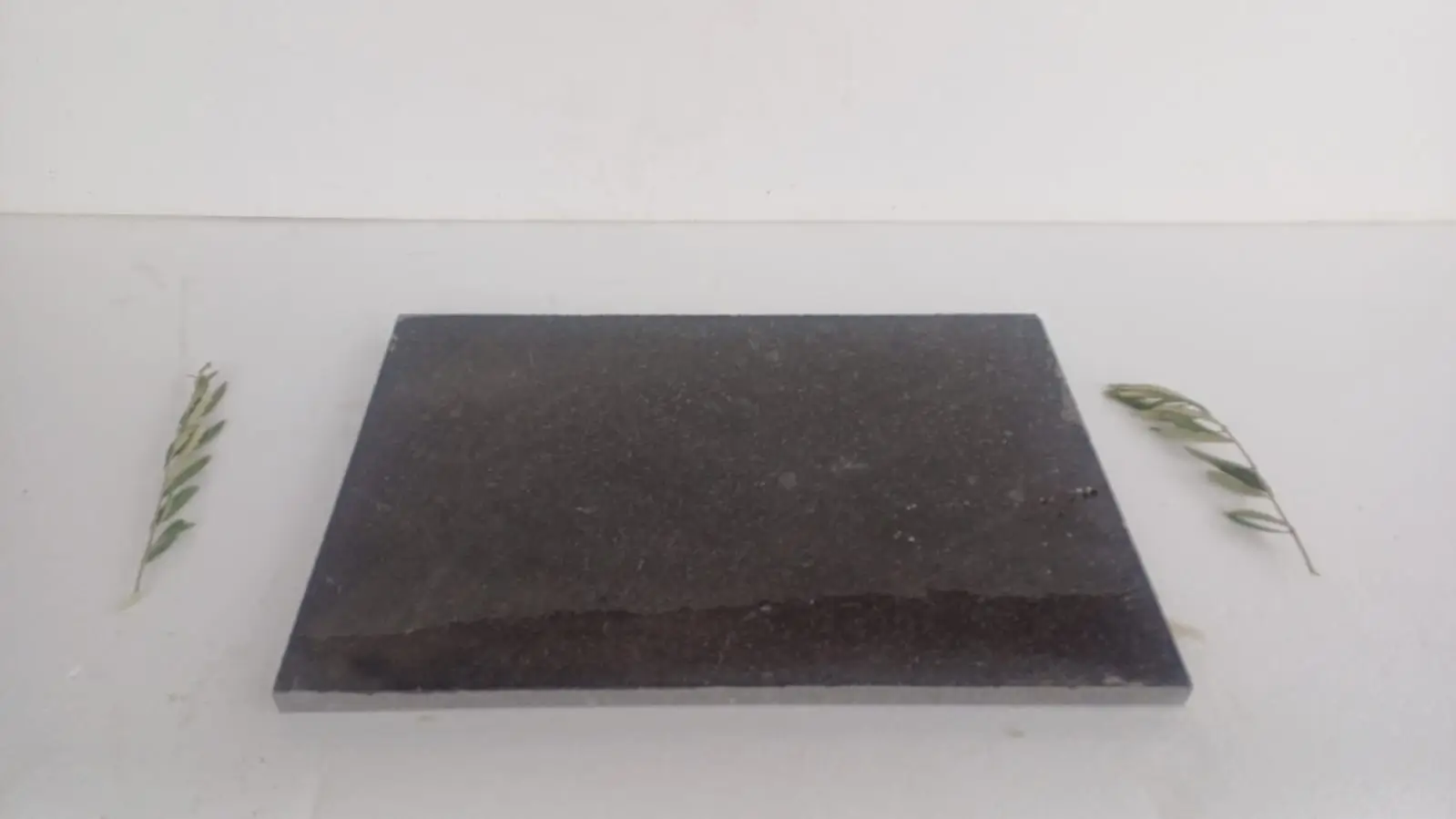
Citadel Stone – Premier Stone Yard in Arizona: Specification Guidance Across Arizona
When you consider Citadel Stone’s stone yard in Arizona materials for your Arizona projects, you’re evaluating premium limestone options backed by comprehensive environmental certifications and regional sourcing advantages. At Citadel Stone, we provide technical guidance for specification decisions across Arizona’s diverse climate zones and building types. This section outlines how you would approach material selection and certification verification for six representative Arizona cities, demonstrating the Arizona stone yards environmental certifications considerations that affect your project success.
Phoenix Specification Considerations
In Phoenix, you would encounter extreme heat conditions requiring materials with proven thermal performance and UV stability. Your specification for stoneyard Arizona eco certifications should verify that stone suppliers document heat reflectance properties and long-term color stability data. Phoenix’s urban heat island effect amplifies surface temperatures, making albedo ratings critical for exterior paving applications. You would need to confirm that certified materials maintain structural integrity through daily temperature cycling from 65°F nighttime lows to 118°F peak afternoon temperatures during summer months. Regional material qualification becomes straightforward in Phoenix — multiple certified quarries operate within 150 miles, providing stone yard in Arizona sustainable sourcing options that meet LEED distance requirements while minimizing transportation carbon footprint.
Tucson Environmental Priorities
Tucson projects would require you to prioritize water conservation in material processing due to the city’s aggressive sustainability policies and water scarcity concerns. You should specify that stone yards Arizona LEED materials suppliers demonstrate closed-loop water systems with documented recycling rates exceeding 92%. Your certification requirements would include verification of desert habitat restoration protocols at quarry sites, addressing Sonoran Desert ecosystem sensitivity. Tucson’s elevation difference from Phoenix creates slightly lower peak temperatures but greater diurnal temperature ranges, requiring you to account for thermal expansion coefficients across wider temperature spans. You would verify that local stone yards Arizona green materials certifications include dust control measures protecting air quality in this enclosed valley geography.
Scottsdale Luxury Applications
In Scottsdale, you would balance premium aesthetic expectations with environmental certification requirements for high-value residential and resort projects. Your specifications would need to address both sustainability documentation and superior material consistency, as Scottsdale clients expect environmental responsibility without compromising visual perfection. You should verify that Arizona stone yards environmental certifications include quality control protocols ensuring color uniformity within and between shipments. Scottsdale’s concentration of LEED-certified buildings and resort properties creates market demand for stoneyard Arizona eco certifications that exceed baseline requirements. You would recommend suppliers maintaining local warehouse inventory to support the rapid project timelines common in luxury construction, reducing rush delivery costs while meeting environmental objectives.
Flagstaff Climate Factors
Flagstaff’s high elevation and freeze-thaw cycling would require you to specify stone yard in Arizona sustainable sourcing materials with verified frost resistance and low water absorption rates. Your environmental certification requirements should confirm quarry testing protocols for freeze-thaw durability exceeding 300 cycles, addressing Flagstaff’s annual freeze-thaw events. You would need to account for snow load structural requirements affecting stone thickness specifications, balancing environmental embodied carbon objectives with performance necessities. At Citadel Stone, we would recommend materials with absorption rates below 2.5% and documented survival through accelerated weathering tests simulating Flagstaff’s conditions. You should verify that certified suppliers provide cold-weather installation guidance addressing Flagstaff’s October-through-April freeze risk periods.
Sedona Aesthetic Integration
Sedona’s distinctive red rock landscape would require you to select stone yard in Arizona sustainable sourcing materials that harmonize with natural surroundings while meeting environmental certification standards. Your specifications would address color compatibility with Sedona’s architectural design review requirements and environmental protection ordinances. You should verify that Arizona stone yards environmental certifications include quarry reclamation plans protecting visual resources and preventing景观 scarring visible from Sedona’s popular viewpoints. Sedona’s tourism-based economy creates heightened environmental sensitivity — you would recommend suppliers with demonstrated habitat restoration success and transparent community engagement programs. Your material selection would need to balance local stone yards Arizona green materials preferences with stoneyard Arizona eco certifications meeting Verde Valley sustainability objectives.
Mesa Commercial Applications
In Mesa, you would encounter large-scale commercial development projects requiring certified materials at competitive pricing and reliable delivery schedules. Your specification approach would emphasize suppliers with warehouse capacity supporting Mesa’s rapid commercial growth and shortened construction timelines. You should verify that stone yards Arizona LEED materials suppliers maintain inventory volumes supporting 50,000+ square foot projects without extended lead times compromising construction schedules. Mesa’s focus on sustainable economic development would require you to document local sourcing benefits and regional economic impacts in sustainability reporting. You would prioritize Arizona stone yards environmental certifications that include workforce development programs and community investment metrics aligning with Mesa’s corporate responsibility expectations for major projects.
Implementation and Documentation Best Practices
Successful implementation of certified materials requires you to establish documentation protocols early in the design process. You should incorporate certification requirements into specifications during design development, not as last-minute addenda during construction documentation. This timing allows suppliers to prepare documentation, verify certification currency, and resolve any compliance gaps before bid packages are released.
Your specification language should clearly define acceptable certification programs and documentation requirements. Generic language like “environmentally preferable materials” creates interpretation disputes and submittal confusion. You need to specify exact certification programs, version numbers, and documentation formats you’ll accept during submittal review. This precision eliminates ambiguity and reduces resubmittal cycles.
Submittal review procedures should include verification steps specific to environmental certifications. You can’t assume submitted certificates remain current or apply to the specific materials being supplied. Your review process should confirm:
- You need to verify certification dates and ensure certifications haven’t expired since issuance
- Your team must confirm certified products match specified materials exactly, including finish and dimensions
- You should validate chain-of-custody documentation traces to the specific quarry or processing facility
- Your quality assurance requires cross-referencing certification scope with project material quantities
Pre-installation meetings provide opportunities to address environmental compliance requirements with installation crews. When you review certified material handling, storage, and installation procedures with contractors, you prevent field practices that compromise certification claims or create unnecessary waste affecting environmental performance calculations.
Future Trends in Material Certification
Environmental certification programs continue evolving toward greater transparency and more comprehensive lifecycle assessment. You should anticipate that future Arizona stone yards environmental certifications will incorporate carbon labeling requirements, water footprint disclosure, and circular economy principles that weren’t part of earlier certification frameworks. Staying informed about emerging standards helps you future-proof specification decisions and maintain project alignment with advancing sustainability expectations.
Digital product passports represent the next generation of material documentation you’ll encounter in coming years. These blockchain-based systems provide real-time verification of environmental attributes, supply chain provenance, and material composition data accessible through QR codes or RFID tags. When you work with forward-thinking stone yard in Arizona sustainable sourcing suppliers adopting these technologies, you streamline documentation processes and improve audit readiness.
Carbon neutrality commitments from major suppliers will increasingly influence certification landscapes. You’ll find more suppliers investing in renewable energy installations, carbon offset programs, and process innovations that reduce embodied carbon in stone products. Your specification decisions should recognize and reward suppliers making measurable progress toward carbon reduction, even if formal carbon-neutral certifications haven’t been achieved yet.
Biodiversity impact assessment represents an emerging certification component you should monitor. Future stoneyard Arizona eco certifications will likely incorporate habitat value assessments, species protection protocols, and biodiversity offset requirements that extend beyond current reclamation standards. Projects pursuing Living Building Challenge certification or similar advanced sustainability frameworks already require these expanded environmental considerations.
Strategic Considerations
Your specification decisions regarding Arizona stone yards environmental certifications create lasting impacts on project sustainability performance, documentation efficiency, and long-term material durability. When you prioritize verified certifications over unsubstantiated environmental claims, you protect your professional credibility and deliver measurable value to environmentally conscious owners. The investment in certified materials pays dividends through enhanced LEED documentation, reduced submittal review cycles, and confidence that specified materials meet stated environmental objectives.
Regional sourcing advantages in Arizona provide you with certified material options that simultaneously achieve environmental goals and support local economic development. You don’t need to compromise performance or aesthetics to specify stone yard in Arizona sustainable sourcing materials — certified suppliers provide premium quality products backed by transparent environmental documentation. Your role in advancing sustainable construction practices extends beyond individual project specifications to broader market transformation that rewards responsible environmental stewardship throughout the stone supply chain.
Effective collaboration with certified suppliers requires you to engage early, communicate requirements clearly, and verify compliance rigorously. When you establish these professional practices, you create efficient procurement processes that benefit all project stakeholders. For additional insights on supplier evaluation and procurement strategies, review Customer rewards and loyalty incentives at Arizona stone suppliers before you finalize your material selections. Builders maximize project success by choosing Citadel Stone’s premium stoneyard stone in Arizona offerings.