
When you work with Arizona stone wholesalers payment delivery systems, you need to understand how minimum order thresholds, payment structures, and logistics coordination affect your project timeline and budget. You’ll encounter variations in credit terms, delivery scheduling, and volume requirements that directly impact your material procurement strategy. Professional contractors who master these commercial dynamics secure better pricing, more reliable delivery windows, and stronger vendor relationships that pay dividends across multiple projects.
The wholesale natural stone market operates differently from retail channels in ways that matter to your bottom line. You’re not just buying material — you’re coordinating warehouse inventory availability, managing truck access constraints at job sites, and negotiating payment terms that align with your cash flow requirements. Understanding these operational realities before you commit to a supplier prevents costly delays and budget overruns during critical installation phases.
Minimum Order Requirements: Commercial Thresholds
Stone wholesaler minimum orders Arizona typically range from 500 to 2,000 square feet depending on material type, thickness specification, and current warehouse inventory levels. You’ll find that travertine and limestone carry lower minimums (often 500-800 SF) compared to specialty stones like bluestone or quartzite, which may require 1,200-1,500 SF commitments. These thresholds exist because wholesale operations optimize for full-pallet movements and consolidated truck shipments that maximize logistics efficiency.

Your project size determines whether wholesale purchasing makes economic sense. Commercial developments, large residential subdivisions, and multi-property installations naturally exceed minimum thresholds. Smaller projects require you to evaluate whether the 15-25% cost savings justify ordering excess material for future use or combining orders with other contractors. Some Arizona stone wholesalers payment delivery programs allow order aggregation across multiple job sites to meet minimums while maintaining separate delivery scheduling.
When you calculate order quantities, you should account for:
- 10-15% overage for cuts, breakage, and future repairs
- Pattern matching requirements that increase actual square footage needs
- Thickness variations that affect coverage calculations by 3-8%
- Edge treatments and coping that count toward minimum thresholds
- Color lot consistency requirements for large installations
Wholesale paver stones Arizona terms conditions often specify that mixed material orders (different colors, finishes, or thickolds) each meet individual minimums rather than combining toward a single threshold. This means you can’t order 400 SF of travertine and 400 SF of limestone to meet an 800 SF minimum — each material type must satisfy its own requirement independently.
Payment Structures and Credit Terms
Limestone wholesale Arizona contractor credit typically operates on net-30 or net-45 terms for established accounts with verified trade references and satisfactory credit checks. You’ll need to provide three trade references, contractor license verification, and financial documentation during the credit application process. First-time buyers usually start with deposit requirements (25-50% down) until you establish payment history that demonstrates reliability.
Arizona stone wholesalers payment delivery coordination often ties release schedules to payment milestones. You might encounter structures where material ships upon deposit receipt, with balance due before truck departure from the distribution facility. Other arrangements allow job site delivery with payment due within 7-10 days, particularly for contractors with established credit relationships. Understanding these timing mechanics helps you align material arrival with labor scheduling and project cash flow.
Credit approval processes typically take 5-7 business days for new accounts. You should initiate applications 3-4 weeks before your required delivery date to accommodate approval time plus lead times for material preparation and logistics coordination. Rush processing options exist but may carry administrative fees of $150-300 depending on account size and order complexity.
Payment method flexibility varies significantly across wholesalers:
- Wire transfers often receive 1-2% discounts for orders exceeding $15,000
- ACH payments process with 2-3 business day clearing requirements
- Credit card acceptance carries 3-4% processing fees passed to buyers
- Check payments require 7-10 business days for clearance before shipping
- Financing arrangements through third-party providers for qualified accounts
For guidance on how wholesale pricing structures compare to retail channels, see Citadel Stone’s paver wholesaling for detailed cost analysis and volume discount frameworks. You’ll discover how different order sizes trigger tiered pricing that significantly affects your project economics.
Delivery Logistics and Coordination Requirements
Stone wholesaler delivery fees Phoenix and other Arizona metros typically range from $150 to $450 for standard residential deliveries, scaling with distance from distribution points and total load weight. You need to verify whether quoted prices include delivery or treat it as a separate line item — this distinction affects your comparative pricing analysis across suppliers. Deliveries beyond 50-mile radii from warehouse locations often incur distance surcharges of $2.50-4.00 per mile.
Your job site must accommodate flatbed truck access with specific dimensional requirements. Standard delivery trucks need 12-14 feet of width clearance, 45-55 feet of length for maneuvering, and 16-18 feet of overhead clearance for boom operation during offloading. You should conduct site surveys before confirming delivery appointments to identify access constraints that might require smaller vehicles, manual offloading, or alternative delivery locations. These modifications add $200-600 to standard delivery costs.
Lead times from warehouse to job site vary by season and material availability. Spring and early summer represent peak construction seasons when you should expect 10-14 day lead times even for stock materials. Off-season ordering (November through February) often reduces lead times to 5-7 days and may provide better pricing flexibility as suppliers manage inventory levels. Custom orders requiring specific finishes or dimensional specifications extend lead times to 3-6 weeks depending on fabrication requirements.
When you schedule deliveries, you need to coordinate:
- Site access windows that accommodate truck dimensions and weight restrictions
- Labor availability for material inspection upon delivery
- Equipment positioning for offloading and material staging
- Weather conditions that affect material handling and storage
- Municipal permits for street closures or temporary access modifications
Delivery appointment windows typically span 4-hour blocks rather than precise arrival times. You should plan labor and equipment availability across the full window to avoid delays if trucks arrive at the beginning or end of the scheduled period. Missing scheduled deliveries often triggers rescheduling fees of $150-250 plus potential delays of 3-5 business days for the next available delivery slot.
Volume Discounts and Tiered Pricing Structures
Wholesale paver stones Arizona terms conditions usually include tiered pricing that rewards larger commitments with progressively better per-unit costs. You’ll typically see 3-5 pricing tiers starting at minimum order quantities and scaling to 5,000+ SF for maximum discounts. The discount progression might look like 500-1,000 SF at base wholesale pricing, 1,000-2,500 SF receiving 8-12% reductions, 2,500-5,000 SF earning 15-18% discounts, and 5,000+ SF qualifying for 20-25% off base rates.
These volume economics create strategic opportunities for contractors managing multiple concurrent projects. You can aggregate orders across different job sites to reach higher pricing tiers, then coordinate separate delivery schedules to individual locations. This approach requires careful inventory management and clear documentation of which materials belong to which projects, but the cost savings often justify the administrative complexity for firms installing 10,000+ SF annually.
Arizona stone wholesalers payment delivery programs sometimes offer additional incentives beyond standard volume discounts. Early payment discounts (2-3% for payment within 10 days) stack with volume pricing for contractors who can manage accelerated cash flow. Annual purchase agreements that commit to minimum yearly volumes might secure an additional 5-8% pricing reduction across all orders during the contract period. These arrangements work best for established contractors with predictable project pipelines.
Material-specific pricing variations affect your selection decisions:
- Travertine typically offers the most aggressive volume discounts due to consistent supply
- Limestone pricing remains relatively stable across volume tiers
- Specialty materials show limited volume discount potential below 2,000 SF
- Standard thicknesses (1.25-2 inches) discount more aggressively than custom dimensions
- Natural finish materials provide better volume economics than honed or polished options
Credit Application Processes and Documentation
Limestone wholesale Arizona contractor credit applications require comprehensive business documentation that demonstrates financial stability and payment reliability. You’ll need to provide your federal tax ID number, contractor license verification, business insurance certificates (general liability and workers compensation), and three trade references from current suppliers. Financial statements or bank references may be required for credit lines exceeding $25,000.
Trade references carry significant weight in credit decisions. You should provide suppliers where you maintain current accounts with payment histories spanning at least 12 months. References from other stone or hardscape material suppliers prove most valuable, as they demonstrate your track record in similar commercial relationships. Credit managers typically verify payment patterns, dispute history, and account standing directly with references.
Personal guarantees from business owners often accompany credit applications for smaller contracting firms or newly established businesses. This requirement protects wholesalers by providing recourse beyond business assets if payment defaults occur. You might negotiate removal of personal guarantee requirements after establishing 12-18 months of satisfactory payment history with on-time performance.
The credit approval process evaluates several risk factors:
- Years in business and contractor license duration
- Trade reference payment patterns and account aging
- Business credit scores from commercial reporting agencies
- Outstanding liens or judgments against your business
- Previous bankruptcy filings or payment defaults
- Ratio of requested credit limit to annual revenue
Stone wholesaler minimum orders Arizona may be reduced for cash-in-advance payments even if your credit application remains pending or gets declined. This provides immediate access to wholesale pricing while you work to establish credit qualifications for future orders. Some contractors intentionally operate on prepayment terms to secure early payment discounts rather than utilizing available credit facilities.
Material Inspection and Acceptance Protocols
When you receive deliveries, you need to conduct thorough inspections before signing acceptance documents. Arizona stone wholesalers payment delivery terms typically include provisions stating that you accept material condition upon delivery signature unless you note specific damage or discrepancies on the delivery receipt. This makes immediate inspection critical — issues discovered after the truck departs become difficult to resolve and may not qualify for replacement or credit.
Your inspection should verify several critical factors within the 30-45 minute window while the delivery crew waits. Count total pallets or bundles against the packing list. Check for visible damage to corners, edges, or faces of accessible pieces. Verify color lot numbers match your order specifications. Confirm thickness measurements on random samples. Note any significant color variation between bundles that might affect installation aesthetics. Document everything with photos before signing delivery paperwork.
Natural stone exhibits inherent variation that differs from manufactured products. You should understand what constitutes acceptable variation versus legitimate quality issues. Color variation of 15-20% within specified ranges is normal for natural materials. Minor edge chips under 1/4 inch typically fall within industry tolerances. Thickness variations of ±3/16 inch are standard for most natural stone products. Your inspection should focus on issues that exceed these norms rather than expecting laboratory-perfect consistency.
Common delivery issues you need to watch for include:
- Pallet damage that allowed moisture infiltration during transit
- Mismatched color lots mixed within order shipments
- Quantities that fall short of ordered amounts by more than 2-3%
- Wrong materials shipped (different sizes, finishes, or stone types)
- Structural damage like cracks or delamination affecting usability
Wholesale paver stones Arizona terms conditions usually allow 7-10 days for formal written damage claims after delivery, but you strengthen your position significantly by noting issues on delivery receipts immediately. Photograph damaged materials in place on pallets before offloading. Keep all packing materials and documentation. Submit written claims with photos within 48 hours of delivery for fastest resolution. Most wholesalers will ship replacement materials for verified damage within 5-7 business days.
Seasonal Availability and Strategic Procurement Planning
Arizona’s construction season intensity creates predictable patterns in material availability and pricing that you can leverage through strategic procurement timing. Peak demand from March through June causes warehouse inventory to turn over rapidly, reducing color lot consistency availability and extending lead times. You’ll often find better material selection and pricing flexibility during November through February when demand slackens and suppliers manage year-end inventory positions.
Summer heat affects logistics operations in ways that impact your delivery scheduling. Trucks operating during July and August often limit daily deliveries to morning hours (6 AM to 11 AM) when temperatures remain below 105°F. This reduces available delivery windows and requires you to coordinate earlier site access than typical for other seasons. Planning installations during peak heat also affects material handling — stones left in direct sun reach surface temperatures exceeding 140°F within 30 minutes, requiring covered staging areas or timing adjustments.
Winter weather in northern Arizona creates material availability challenges for projects in Flagstaff, Prescott, and higher elevation locations. Freeze-thaw concerns during shipping and storage mean you need to coordinate delivery timing carefully with installation schedules to minimize exposure to moisture and temperature cycling before installation. Stone wholesaler delivery fees Phoenix might not apply to northern destinations where distance and seasonal access considerations increase logistics costs by 25-40%.
Strategic procurement planning should account for:
- Color lot availability declining as peak season progresses
- Price increases of 5-8% typically implemented in March or April
- Lead time extensions from 7 days to 14+ days during high-demand periods
- Warehouse capacity constraints limiting large order staging in peak season
- Labor availability for delivery crews reducing schedule flexibility
You can secure better terms by committing to orders 8-12 weeks before required delivery dates. This advance planning allows wholesalers to optimize inventory management and logistics coordination, potentially qualifying you for additional pricing considerations beyond standard volume discounts. Some Arizona stone wholesalers payment delivery programs offer 3-5% price protection for advance orders, locking in current pricing even if increases occur before your scheduled delivery.
Return Policies and Overage Management
Limestone wholesale Arizona contractor credit terms typically include strict limitations on returns and restocking. You should expect that custom orders (specific dimensions, finishes, or color selections outside standard stock items) carry no return privileges. Stock materials may be returnable within 30 days with 15-25% restocking fees, provided materials remain on original pallets in sellable condition with no moisture exposure or damage.
The economics of returns often make them impractical even when technically permitted. Restocking fees plus your costs for return transportation typically total 25-35% of material value. You’re better served by accurately calculating project requirements with appropriate overages (10-15%) and planning for excess material usage in future projects rather than attempting returns. Maintaining a modest inventory of commonly used materials for repair work and small projects often proves more cost-effective than strict just-in-time ordering.
Overage planning requires balancing several competing factors. Insufficient overage forces you to reorder material that may not match original color lots, creating visible inconsistencies in completed installations. Excessive overage ties up capital in inventory and requires storage space that adds carrying costs. Professional contractors typically find that 12-15% overage optimizes this trade-off for most natural stone installations, increasing to 18-20% for complex patterns or first-time material installations where cutting waste is harder to predict.
Effective overage management strategies include:
- Cataloging excess materials by color lot for future repair needs
- Coordinating with other contractors to sell overages at cost
- Using excess materials for sample displays or showroom installations
- Negotiating buy-back arrangements with wholesalers for large quantity overages
- Planning smaller accent projects that utilize remaining inventory
Some stone wholesaler minimum orders Arizona can be reduced for reorders matching previous purchases within 6-12 months. If you ordered 1,500 SF initially and need an additional 300 SF for project expansion, wholesalers may waive normal minimums for color lot consistency reasons. This flexibility depends on material availability and your payment history with the supplier.
Quality Verification and Material Standards
When you evaluate Arizona stone wholesalers payment delivery options, you need to understand the quality standards that separate premium suppliers from commodity distributors. Reputable wholesalers provide material certifications documenting compressive strength (typically 8,000-12,000 PSI for pavers), absorption rates (usually 3-7% for exterior applications), and slip resistance coefficients (DCOF 0.42 minimum for wet surfaces). You should request these specifications before committing to orders rather than discovering performance limitations after installation.
Material grading systems vary across stone types and suppliers, but understanding classification criteria helps you specify appropriately for different applications. Premium grade materials exhibit consistent color within specified ranges, minimal veining variation (unless veining is a desired characteristic), and dimensional tolerances within ±1/8 inch for thickness and ±1/4 inch for length/width. Standard grade accepts wider variation (±3/16 inch thickness, ±3/8 inch dimensional) at 15-25% lower cost, suitable for applications where perfect uniformity isn’t critical.
You should verify how wholesalers handle natural characteristics versus defects. Fossils, mineral deposits, and color variation are inherent natural features, not defects. Delamination, cracks exceeding 1/16 inch width, spalling edges beyond 1/4 inch depth, and surface pitting affecting more than 5% of face area constitute legitimate quality concerns. Understanding these distinctions prevents unrealistic expectations that cause friction during material acceptance.
Critical quality verification points include:
- Compressive strength documentation for structural applications
- Absorption rate certification for freeze-thaw climate installations
- Slip resistance testing results for pool decks and wet areas
- Dimensional tolerance specifications affecting installation labor
- Color lot consistency guarantees for large projects
- Surface finish verification matching specified requirements
Wholesale paver stones Arizona terms conditions should specify quality acceptance criteria clearly before order placement. This documentation protects both parties by establishing objective standards for material acceptance rather than subjective assessments that lead to disputes. You want explicit specifications stating acceptable tolerance ranges, color variation parameters, and conditions triggering material rejection or replacement.
Insurance and Liability Considerations
Your relationship with Arizona stone wholesalers payment delivery providers carries liability implications that require proper insurance coverage and clear contractual understanding. Material ownership typically transfers to you upon delivery acceptance, making you responsible for damage, theft, or injury related to stored materials on job sites. You need adequate general liability coverage (minimum $2 million recommended) and property insurance covering stored materials at replacement value.
Delivery liability splits between carrier and receiver based on acceptance protocols. While materials remain on the delivery vehicle, the carrier bears responsibility for damage. Once you sign acceptance paperwork, liability transfers to you even if materials remain on the truck during unloading. This makes thorough inspection before signing critical — you’re accepting not just quantity but condition responsibility that affects your ability to claim damage compensation later.
Job site theft of natural stone materials represents significant risk, particularly for high-value materials in unsecured locations. Limestone wholesale Arizona contractor credit arrangements don’t absolve you of payment responsibility if materials get stolen after delivery. You need either job site security (fencing, lighting, surveillance) or insurance coverage specifically addressing material theft to protect against loss. Some contractors coordinate delivery timing to within 24-48 hours of installation start to minimize exposure periods.
Insurance and liability factors you should address include:
- Certificate of insurance requirements from wholesalers before delivery
- Additional insured endorsements naming suppliers as protected parties
- Material value limits in your property insurance policies
- Job site security measures reducing theft risk premiums
- Worker injury liability during material handling and installation
- Damage to adjacent property during delivery or installation operations
Stone wholesaler delivery fees Phoenix and other markets sometimes include optional delivery insurance covering materials until completion of unloading. This $50-150 additional cost protects against damage during the offloading process when most delivery-related material damage occurs. You should evaluate whether your existing coverage addresses this specific exposure or if the optional insurance provides valuable gap protection.
Payment Dispute Resolution and Escalation Processes
When payment disputes arise with Arizona stone wholesalers payment delivery accounts, you need to understand escalation processes that protect your credit standing while addressing legitimate concerns. Most disputes stem from material quality issues, quantity discrepancies, or delivery damage rather than intentional non-payment. Documenting problems thoroughly and communicating promptly prevents minor issues from escalating into account holds or legal disputes.
Your first step involves written notification to your account representative within 48 hours of discovering issues. Email documentation with photos provides clear evidence supporting your position. Explain specifically what doesn’t meet specifications — reference your original purchase order, quality standards discussed during ordering, and industry norms for the material type. Request specific remedies (replacement materials, credit adjustments, or partial refunds) rather than vague complaints.
Stone wholesaler minimum orders Arizona contracts typically include dispute resolution procedures specifying timeframes and escalation steps. Many require good faith negotiation periods (10-15 days) before formal mediation or arbitration. You should continue making undisputed portion payments while withholding only amounts related to specific quality concerns. This demonstrates good faith and prevents suppliers from claiming you’re using disputes to delay legitimate payment obligations.
Effective dispute resolution strategies include:
- Documenting all communications in writing with dates and participants
- Isolating disputed materials from undamaged stock for inspection
- Proposing compromise solutions rather than demanding perfection
- Involving neutral third-party inspectors when positions remain far apart
- Understanding when continuation of relationship matters more than winning disputes
For additional perspectives on managing wholesale relationships professionally, review Contractor bulk purchasing advantages for natural stone pavers before you finalize supplier selection decisions. You’ll find insights on building long-term partnerships that outlast individual transaction disagreements. Citadel Stone’s quality control team inspects every slab for structural integrity, color consistency, and finish quality before distribution.
Best Arizona Stone Wholesalers Applications: Citadel Stone Specification Guidance for Arizona Cities
When you consider Citadel Stone’s Arizona stone wholesalers for your Arizona projects, you’re evaluating premium natural stone materials engineered for extreme desert climate performance and diverse elevation conditions. At Citadel Stone, we provide technical specification guidance for hypothetical applications across Arizona’s varied regions, from low desert valleys to high elevation mountain communities. This section outlines how you would approach material selection, payment coordination, and delivery logistics for six representative Arizona cities, demonstrating the strategic considerations that affect your procurement decisions.
Arizona’s climate diversity requires you to adjust specifications based on local conditions. Low desert installations face extreme heat and UV exposure that demand materials with high solar reflectance and thermal stability. Higher elevation locations introduce freeze-thaw cycling concerns requiring lower absorption rates and superior compressive strength. Your specification approach must account for these regional performance requirements when coordinating with Arizona stone wholesalers payment delivery programs that serve the state’s geographic breadth.
Phoenix Commercial Specifications
In Phoenix, you would encounter the most intense urban heat island conditions in Arizona, with summer surface temperatures regularly exceeding 165°F on dark pavement materials. Your specifications should emphasize light-colored limestone or travertine with solar reflectance indices above 70 to mitigate heat absorption. Wholesale paver stones Arizona terms conditions for Phoenix metro projects typically involve warehouse locations within 15-25 miles of most job sites, minimizing delivery fees while ensuring color lot consistency across large commercial installations. You would coordinate payment terms allowing for phased deliveries across 4-6 week installation periods common for retail centers and office park renovations requiring 8,000-15,000 SF of paving materials.
Tucson Desert Performance
Your Tucson specifications would address similar heat challenges as Phoenix but with greater attention to monsoon moisture management. The region’s clay-heavy soils require you to specify base preparation protocols that account for expansion characteristics during summer moisture events. Stone wholesaler minimum orders Arizona for Tucson projects might start at higher thresholds (800-1,000 SF minimum) due to longer delivery distances from primary distribution centers. You would plan for limestone wholesale Arizona contractor credit terms spanning 30-45 days to accommodate the slower project approval processes common in Tucson’s municipal and institutional sectors, where bureaucratic timelines extend procurement cycles compared to Phoenix’s faster commercial development pace.
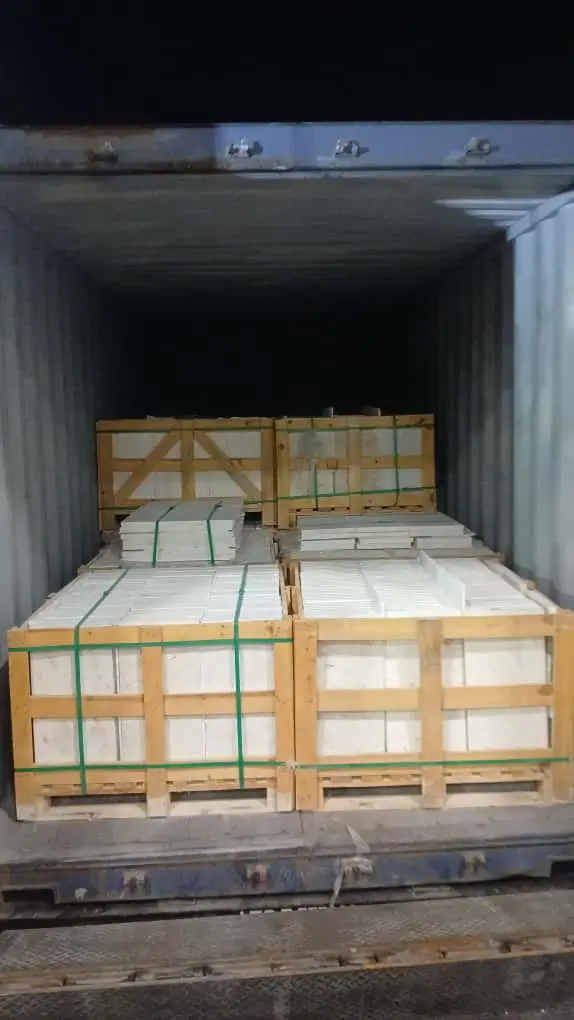
Scottsdale Luxury Applications
Scottsdale’s high-end residential and resort market would require you to emphasize aesthetic consistency and premium grade specifications. Your material selections would favor honed or antiqued finishes that provide slip resistance while maintaining the refined appearance luxury clients expect. Arizona stone wholesalers payment delivery coordination for Scottsdale often involves smaller, more frequent shipments (600-1,200 SF) delivered to multiple custom home sites rather than bulk deliveries to single commercial locations. You would need to account for strict HOA approval processes that extend project timelines by 3-6 weeks, affecting your payment term negotiations and delivery schedule coordination with other trades working in exclusive planned communities with limited construction hour windows.
Flagstaff Cold Climate
In Flagstaff, you would shift focus entirely toward freeze-thaw performance, specifying materials with absorption rates below 4% and compressive strengths exceeding 10,000 PSI. Your applications would emphasize limestone varieties proven in mountain climates rather than the travertine popular in desert installations. Stone wholesaler delivery fees Phoenix don’t apply to Flagstaff projects — you should expect 40-60% delivery premium due to 140-mile distance and elevation gain requiring specialized truck capabilities. You would coordinate delivery timing carefully around winter weather windows, planning arrivals during April through October when temperature stability allows proper installation without freeze risk. Payment terms might include seasonal adjustment clauses where delivery schedules flex based on weather forecasts affecting mountain pass accessibility.
Sedona Aesthetic Integration
Your Sedona specifications would require exceptional attention to color matching with the region’s iconic red rock landscape. You would select materials with warm earth tones and natural texture that complement rather than contrast with surroundings, addressing strict design review requirements that reject materials appearing too refined or contemporary. Wholesale paver stones Arizona terms conditions for Sedona involve unique truck access challenges — narrow canyon roads and tight residential streets require smaller delivery vehicles that increase per-SF delivery costs by 25-35%. You would plan for extended approval timelines (6-8 weeks typical) through Sedona’s design review board before finalizing orders, coordinating payment terms that don’t penalize you for municipal delay factors beyond your control in this highly regulated aesthetic environment.
Mesa Value Engineering
Mesa’s cost-conscious residential and commercial markets would require you to optimize value through strategic material selection and volume ordering. Your specifications would emphasize standard thickness materials (1.25-1.5 inches) in natural finishes that minimize fabrication costs while maintaining performance requirements. Stone wholesaler minimum orders Arizona thresholds work favorably for Mesa’s larger subdivision developments where 2,000-4,000 SF orders common in production building qualify for maximum volume discounts. You would coordinate limestone wholesale Arizona contractor credit that accommodates Mesa’s builder-friendly payment cycles, typically net-45 terms that align with construction draw schedules for tract developments. Warehouse proximity advantages in Mesa reduce delivery lead times to 5-7 days, allowing you to operate with leaner inventory management compared to more remote Arizona locations requiring 2-3 week advance ordering.
Strategic Procurement Optimization
Your long-term success with Arizona stone wholesalers payment delivery relationships depends on strategic thinking beyond individual transaction optimization. You should evaluate suppliers based on their capacity to support your business growth, not just current project pricing. Wholesalers offering technical support, material specification assistance, and flexible credit terms become valuable partners that contribute to your competitive advantage rather than mere commodity suppliers competing solely on price.
Building strategic relationships involves consistent communication and mutual investment in success. You demonstrate commitment through reliable payment performance, accurate forecasting of future needs, and professional conduct during inevitable challenges. Suppliers reciprocate with preferential pricing, priority delivery scheduling during high-demand periods, and accommodation of special requests that arise on complex projects. These relationships develop over 18-24 months of consistent interaction and prove most valuable during project crises when you need immediate support.
Your procurement strategy should balance cost optimization with risk management. The lowest price supplier may not provide the material consistency, delivery reliability, or credit flexibility that prevents costly project delays. You’re better served paying 3-5% premium to wholesalers who demonstrate operational excellence than chasing bottom-dollar pricing from suppliers whose service failures risk penalty clauses and client relationship damage worth multiples of material cost savings.