
When you specify flagstone for Arizona projects, you’re working with one of the most demanding climates in North America. The Arizona flagstone installation guide you need goes far beyond standard techniques — your success depends on understanding how 115°F surface temperatures, minimal humidity, and extreme UV exposure affect every phase of installation. You’ll encounter substrate challenges that don’t exist in temperate zones, from caliche layers that require specialized excavation to soil expansion coefficients that force you to rethink standard base specifications.
Your installation decisions need to account for thermal cycling that exceeds 60°F daily swings during shoulder seasons. This isn’t just about material selection — it’s about understanding how desert conditions interact with every component of your assembly, from aggregate base compaction at low humidity levels to joint sand retention in high-wind environments. Professional specifications for Arizona installations require you to address factors that standard flagstone guides simply don’t cover.
Understanding Flagstone Performance in Arizona Climate
Arizona’s climate creates performance demands that separate appropriate flagstone materials from those that will fail prematurely. You need to understand that the state’s diverse elevation zones — from 70-foot valleys to 12,000-foot peaks — create dramatically different installation requirements. When you’re specifying Flagstone Suppliers Arizona installation tips for Phoenix versus Flagstaff, you’re addressing entirely different thermal envelopes and moisture regimes.
The thermal mass behavior of flagstone works differently in desert climates than in humid regions. You’ll find that surface temperatures can reach 160-180°F on summer afternoons, but the 4-6 hour thermal lag means peak subsurface temperatures occur well into evening hours. This affects everything from your installation window scheduling to long-term joint stability. Your crew needs to understand that material handling during peak heat requires protocol adjustments — flagstone becomes brittle at extreme temperatures, and edge chipping increases significantly above 140°F surface readings.
Porosity considerations change dramatically in low-humidity environments. While you’d typically spec 3-8% porosity for freeze-thaw climates, Arizona installations benefit from lower porosity ranges of 2-5% in valley regions. The reason: moisture absorption from monsoon events needs to release quickly to prevent subsurface saturation that can cause spalling when temperatures drop overnight. You should verify that your selected material exhibits rapid moisture release characteristics — testing shows proper flagstone releases 80% of absorbed moisture within 6-8 hours in Arizona’s dry air.
Base Preparation for Desert Soil Conditions
Your base preparation approach must address soil characteristics unique to Arizona. Caliche — a cement-hard calcium carbonate layer — appears in 60-70% of valley locations at depths ranging from 6 inches to 3 feet. When you encounter caliche during excavation, you’ll need to decide whether to remove it entirely or incorporate it as a structural layer. Removal provides better drainage control but adds significant cost. Incorporation works when the caliche layer is at least 4 inches thick and continuous, but you must verify it won’t trap water above the layer.
Desert soils typically exhibit high clay content with expansion coefficients that exceed temperate-zone soils by 30-40%. You need to account for this in your base specification by increasing aggregate depth and modifying compaction protocols. Here’s what your base assembly should include for reliable long-term performance:
- Excavation depth of 10-12 inches for pedestrian applications, 14-16 inches for vehicular
- Geotextile fabric rated for 200 psi puncture resistance to separate native soil from aggregate
- Crushed aggregate base of 6-8 inches compacted to 95% modified Proctor density
- Bedding layer of 1-1.5 inches using coarse sand or stone dust
- Edge restraint rated for 4,000 psi minimum to contain lateral movement during thermal cycling
Compaction becomes more challenging in low-humidity conditions because aggregate particles don’t achieve optimal density without proper moisture content. You’ll need to maintain 4-6% moisture during compaction, which requires misting between passes in summer months. Professional crews know that early morning compaction produces better results — afternoon temperatures cause moisture to evaporate faster than aggregate can achieve proper interlock.
When you’re working with local flagstone suppliers Arizona laying techniques, verify their crews understand these regional requirements. Many installers from temperate zones underestimate how quickly base moisture dissipates in 8-12% humidity conditions.
Material Selection for Thermal Cycling
Not all flagstone materials perform equally under Arizona’s extreme thermal cycling. You need to evaluate how different stone types respond to daily temperature swings that can exceed 60°F. Sandstone-based flagstone generally performs well because its crystalline structure accommodates expansion and contraction without developing stress fractures. Limestone varieties require more careful evaluation — higher-density limestone with porosity below 4% typically provides reliable performance, while more porous varieties may develop surface deterioration within 5-7 years.
Your specification should address the coefficient of thermal expansion for your selected material. Flagstone Suppliers Arizona installation tips should include expansion values, but you’ll typically work with coefficients ranging from 4.8 to 6.2 × 10⁻⁶ per °F. This matters more than you might expect — a 40-foot flagstone installation experiencing a 60°F temperature swing will expand approximately 0.15 inches. Without proper joint spacing and edge relief, you’ll see edge spalling and vertical displacement within the first two seasons.
Color selection affects surface temperature significantly. Light-colored flagstone reflects 45-55% of solar radiation, while darker varieties reflect only 20-30%. This creates surface temperature differentials of 20-30°F between light and dark materials in identical sun exposure. When you’re specifying for Arizona valley regions, you should seriously consider lighter colors for areas with extended sun exposure — the reduced thermal stress extends material lifespan by 25-30% based on long-term performance monitoring.
Joint Spacing and Sand Retention
Joint spacing requirements in Arizona differ from standard specifications because thermal expansion occurs across a wider temperature range. You’ll want to maintain joints of 3/8 to 1/2 inch for most installations, increasing to 1/2 to 3/4 inch for large-format flagstone exceeding 24 inches in any dimension. Your installation crew needs to understand that consistent joint width matters more than the specific dimension — variance beyond ±1/16 inch creates visual irregularities that become obvious within 12-18 months as joint sand settles unevenly.
Joint sand selection affects long-term maintenance requirements more than any other single factor. You need polymeric sand rated for high-temperature applications — standard polymeric sand begins to break down when joint temperatures exceed 140°F, which occurs regularly in Arizona valley installations. High-temperature polymeric sand contains modified binders that remain stable to 180°F, providing the joint stability your installation requires.
Sand retention becomes challenging in Arizona due to monsoon wind patterns and intense summer thunderstorms. Professional installations maintain joint sand at 92-95% of joint depth to allow for settling while preventing excessive loss. The common mistake is initial overfilling, which leads to 30-40% sand loss during the first monsoon season as expansion and contraction pumps excess sand out of joints. When you’re following natural flagstone suppliers installation methods, verify that your crew understands proper fill depth — sand should sit 1/8 inch below the flagstone surface after initial compaction.
Drainage Considerations for Monsoon Events
Arizona’s monsoon season delivers 40-50% of annual precipitation in concentrated events that can dump 1-2 inches in less than an hour. Your drainage design must handle these intense flows without allowing subsurface saturation that compromises base stability. Flagstone’s porosity helps, but you can’t rely on it as your primary drainage mechanism — the bedding layer and aggregate base must evacuate water faster than it enters the system.
Your base layer permeability needs to exceed surface water infiltration rates by a factor of 3-4 to prevent subsurface saturation. This requires aggregate with 35-40% void space, which you’ll achieve using crushed stone in the 3/4 to 1-1/2 inch range. Round river rock doesn’t provide adequate void space or interlock — you need angular crushed aggregate that creates continuous drainage pathways while maintaining structural stability.
Surface grading becomes critical in flat installations common to Arizona residential and commercial projects. You should maintain minimum slopes of 2% (1/4 inch per foot) to ensure positive drainage. In areas where slope is limited, you’ll need to incorporate drainage channels or collection systems every 20-25 feet. When you review flagstone maintenance Arizona protocols with clients, emphasize that drainage pathway maintenance prevents 80% of common installation failures.
For guidance on material options that perform well in high-drainage applications, consult our natural flagstone dealers to evaluate permeability ratings and base compatibility.
Installation Timing and Seasonal Considerations
When you schedule flagstone installations in Arizona, you’re balancing temperature constraints against project timelines and material availability. Summer installations present challenges that inexperienced crews often underestimate. Surface temperatures exceeding 140°F make material handling difficult and affect setting bed performance. Bedding sand dries too quickly for proper leveling, and polymeric sand activation becomes unreliable when ambient temperatures exceed 95°F.
Your optimal installation windows occur during Arizona’s extended spring and fall seasons — March through May and September through November provide temperature ranges that facilitate proper installation techniques. Winter installations work well in valley regions where freeze events are rare, but you’ll need to adjust protocols for Flagstaff and other high-elevation areas where nighttime temperatures drop below freezing 80-100 nights per year.
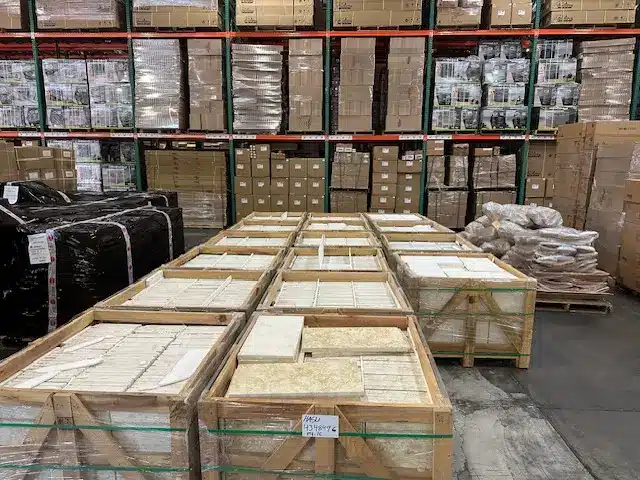
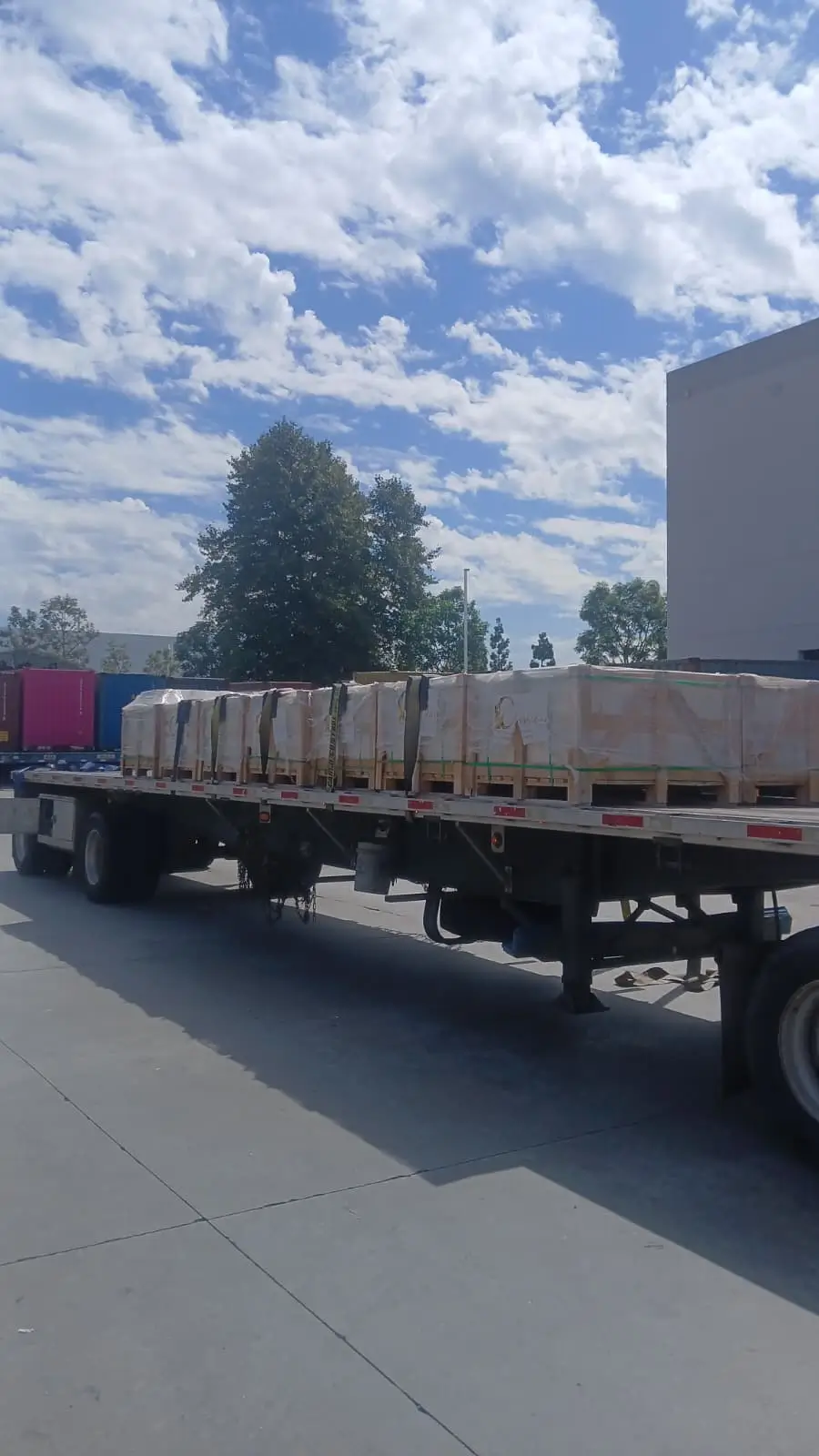
Warehouse lead times affect project scheduling more than many specifiers realize. You should verify warehouse stock levels before committing to project timelines, particularly for custom colors or large-format pieces. Regional distributors typically maintain 4-6 week inventory of standard materials, but specialty items may require 8-12 weeks from quarry to warehouse. Your delivery coordination needs to account for truck access restrictions common in established neighborhoods — many Arizona municipalities restrict heavy truck traffic to early morning hours, which can affect installation start times.
UV Resistance and Color Stability
Arizona’s intense UV exposure at elevation and latitude requires you to consider color stability over the installation’s service life. Flagstone contains iron oxide compounds that give it characteristic coloration, but these compounds can oxidize or fade under sustained UV bombardment. You’ll see the most significant color change during the first 18-24 months of exposure, with lighter materials showing less dramatic shifts than darker varieties.
Natural stone exhibits better UV stability than most manufactured paving products, but you should still discuss realistic color expectations with your clients. Sandstone-based flagstone typically maintains 85-90% of its original color intensity after 10 years of Arizona sun exposure. Limestone varieties may show more variation — some hold color well while others develop a bleached appearance that some clients find desirable and others consider degradation.
Your sealing specifications affect UV resistance and color retention. Penetrating sealers with UV inhibitors can extend color stability by 30-40%, but they require reapplication every 3-5 years depending on sun exposure. You need to explain to clients that sealing isn’t a permanent solution — it’s a maintenance commitment that provides benefits but adds ongoing cost. Some clients prefer to allow natural weathering, accepting color evolution as part of the material’s character.
Edge Detailing and Perimeter Restraint
Your edge restraint system determines whether your flagstone installation maintains its geometry or experiences edge creep and joint widening over time. Arizona’s thermal cycling places extreme stress on perimeter restraint — daily expansion and contraction creates cumulative forces that will displace inadequate edge systems within 2-3 years.
You have several edge restraint options, each with specific applications and performance characteristics:
- Concrete edge restraint provides maximum strength for high-traffic or vehicular applications, requiring 6-inch width and 10-inch depth minimum
- Polymer edge restraint works well for pedestrian applications when properly pinned every 12 inches with 10-inch spikes
- Steel edge restraint offers excellent strength-to-profile ratio for visible edge applications where concrete bulk would be problematic
- Haunched flagstone edge detail uses the flagstone itself as restraint when set in concrete haunch, appropriate for informal garden applications
Installation crews must understand that edge restraint installation occurs before flagstone laying begins, not after. You’ll see failures in installations where crews lay flagstone first and attempt to retrofit edge restraint — the system never achieves proper compaction and stability. Your specifications should explicitly state edge restraint sequencing to prevent this common error.
Maintenance Requirements for Long-Term Performance
When you establish maintenance protocols for Arizona flagstone installations, you’re creating the framework that determines whether the installation provides 15-year service life or 30-year service life. The difference comes down to a few critical maintenance activities performed on appropriate schedules. Your clients need to understand that natural stone requires maintenance — it’s not an install-and-forget material despite its durability.
Joint sand replenishment represents your most important regular maintenance activity. Arizona installations lose 5-8% of joint sand annually due to wind erosion, rain washing, and thermal pumping. You should recommend annual joint inspection and replenishment, typically performed in late spring before monsoon season. This prevents the cascading failure that occurs when joint loss allows lateral movement, which accelerates further sand loss and eventually causes edge displacement.
Sealing schedules depend on your client’s priorities regarding color retention and stain resistance. For residential applications with moderate traffic, you’ll recommend sealing every 3-4 years using penetrating sealers that don’t create surface film. Commercial applications with higher traffic may benefit from 2-3 year cycles. When you discuss flagstone maintenance Arizona requirements with clients, emphasize that sealing timing matters — applications during cooler months allow better penetration and curing than summer applications when sealers flash off too quickly.
Cleaning protocols should address both routine maintenance and stain remediation. Arizona’s dust levels require regular sweeping or blowing to prevent soil accumulation in surface texture. For stain removal, you’ll need pH-appropriate cleaners — alkaline cleaners for organic stains, acidic cleaners for mineral deposits and efflorescence. Your maintenance documentation should explicitly warn against pressure washing above 1,200 psi, which can erode joint sand and damage softer flagstone surfaces.
Common Installation Failures and Prevention
You’ll encounter specific failure modes repeatedly in Arizona flagstone installations, most resulting from inadequate understanding of desert climate effects. Edge spalling occurs when thermal expansion creates compression stress that exceeds the flagstone’s tensile strength at edges. Prevention requires proper joint spacing and edge relief — your installation can’t fight thermal expansion, so you must accommodate it through deliberate design.
Subsurface settlement happens when base preparation doesn’t account for soil expansion characteristics or when compaction occurs at improper moisture content. You’ll see it manifest as gradual dishing or bird-bathing where water pools in low spots. Prevention requires proper base depth, appropriate aggregate selection, and compaction at optimal moisture content. Remediation involves removal and reinstallation — there’s no effective repair for settlement failures.
Joint failure from sand loss creates progressive deterioration that accelerates over time. Initial sand loss allows minimal movement, which pumps out more sand, which allows more movement in a feedback loop. You prevent this by specifying proper polymeric sand rated for high temperatures and ensuring installation occurs at appropriate ambient conditions — polymeric sand activation fails when installed above 95°F or below 40°F ambient temperature.
Specification Language for Project Documents
Your specification language needs to address Arizona-specific requirements that generic flagstone specs don’t cover. You should include thermal expansion coefficients, UV resistance expectations, base preparation protocols for caliche conditions, and approved installation seasons. Generic specifications leave too much room for interpretation by crews unfamiliar with desert installation requirements.
Material specifications should define acceptable porosity ranges, minimum compressive strength (typically 8,000 psi for pedestrian applications), and slip resistance values using DCOF measurements rather than older COF standards. You’ll want DCOF values of 0.42 minimum for pedestrian areas, 0.50 minimum for pool decks and wet areas. Don’t accept material submittals that don’t include these performance values — testing is standardized and readily available from reputable quarries.
Installation specifications must address base assembly in detail, including aggregate gradation, compaction density requirements, and moisture content during compaction. You should specify bedding layer materials and thickness, joint width tolerances, and polymeric sand product requirements including temperature rating. Edge restraint specifications need to define materials, dimensions, and installation sequencing to prevent the common mistake of retrofitted edge systems.
How Citadel Stone Specifies Flagstone Suppliers Arizona Projects Across Diverse Climates
When you evaluate Citadel Stone’s Flagstone Suppliers Arizona for your project, you’re considering materials specifically selected for Arizona’s extreme climate zones. At Citadel Stone, we provide technical guidance for specifications across Arizona’s diverse regions, from low desert valleys to high-elevation mountain communities. This section outlines how you would approach installation specifications for six representative cities, each presenting distinct environmental challenges that affect material selection and installation protocols.
Phoenix Valley Installations
In Phoenix, you’ll encounter the most extreme heat conditions in Arizona, with summer temperatures regularly exceeding 115°F and surface temperatures reaching 160-180°F. Your material selection must prioritize light colors that reflect solar radiation and reduce thermal mass accumulation. You would specify expansion joints every 12-15 feet and use high-temperature polymeric sand rated to 180°F. Base preparation requires addressing caliche layers at 8-18 inch depths and accounting for minimal freeze-thaw cycling. Your installation timeline should avoid June through August when material handling becomes dangerous and setting beds dry too quickly for proper leveling.
Tucson Desert Applications
Tucson installations face similar heat stress to Phoenix but with slightly higher elevation providing 5-10°F cooler temperatures. You would account for increased monsoon intensity compared to Phoenix, requiring enhanced drainage provisions with 2.5% minimum slopes. The area’s higher UV intensity at 2,400-foot elevation affects color stability considerations. Your specifications would address the region’s distinctive soil characteristics, including higher clay content that increases expansion coefficients. When you coordinate truck deliveries from regional warehouses, verify that access roads can accommodate full-size delivery vehicles during monsoon season when unpaved areas become problematic.
Scottsdale Resort Standards
Scottsdale projects often involve resort and high-end residential applications where aesthetic expectations exceed standard installations. You would specify premium-grade material with tight thickness tolerances (±1/4 inch maximum variation) and consistent color throughout each delivery. Your installation protocols would address the area’s landscape lighting integration, requiring precise leveling to prevent shadows that highlight surface irregularities. Edge detailing becomes critical in geometric designs common to modern desert architecture. At Citadel Stone, we recommend coordinating material selection with architectural finishes early in the design process to ensure color compatibility across the project’s material palette.
Flagstaff Mountain Climate
Flagstaff’s 7,000-foot elevation creates entirely different specification requirements compared to valley installations. You would address freeze-thaw cycling occurring 80-100 nights annually, requiring materials with porosity below 3% and proven freeze-thaw resistance through ASTM C1026 testing. Your base depth increases to 14-16 inches to place the installation below typical frost depth. Snow load considerations affect joint sand specifications — you would use polymeric sand with enhanced flexibility to accommodate freeze-expansion without bond failure. Installation season constraints become significant, with reliable installation conditions limited to May through September. Warehouse coordination requires longer lead times due to seasonal access restrictions on some high-elevation delivery routes.
Sedona Red Rock Region
Sedona installations benefit from moderate climate conditions but face unique aesthetic considerations in the red rock landscape. You would coordinate flagstone color selection to complement rather than compete with the distinctive red rock formations. Material selection should account for the area’s significant tourist traffic in commercial applications, requiring enhanced slip resistance (0.50 DCOF minimum) and increased edge restraint specifications. The region’s variable elevation creates microclimates that affect installation protocols — north-facing installations at higher elevations require freeze-thaw provisions while south-facing areas at lower elevations follow desert protocols. Your specifications would address truck access limitations in areas with narrow roads and steep grades common to hillside developments.
Yuma Agricultural Zone
Yuma presents Arizona’s most extreme desert conditions with summer temperatures competing with Phoenix but even lower humidity levels. You would account for wind erosion effects more significant than other Arizona regions, requiring polymeric sand with enhanced wind resistance. The area’s agricultural influence creates higher soil salinity in some locations, affecting subsurface drainage requirements and potentially requiring clay barriers to prevent salt migration into base layers. Your installation specifications would address extended UV exposure from minimal cloud cover throughout the year. Material selection should prioritize proven UV stability with expected service life calculations adjusted for continuous intense exposure. Warehouse delivery coordination needs to account for seasonal agricultural traffic that can affect trucking schedules during harvest seasons.
Professional Procurement Process
Your procurement process determines whether you receive materials that meet specifications and arrive when you need them. When you’re sourcing from Flagstone Suppliers Arizona, you should request detailed product data that includes compressive strength testing, porosity measurements, and slip resistance values. Reputable suppliers provide this documentation routinely — if you encounter resistance to providing test data, consider it a red flag regarding material quality and consistency.
Sample evaluation should occur before specification finalization, not after. You need to see actual material in the quantities and variations that represent a full delivery. A single 12×12 inch sample doesn’t tell you much about color variation and thickness consistency across pallets. Request a pallet sample for significant projects, and evaluate it under site lighting conditions. What looks acceptable under warehouse fluorescents may appear quite different in Arizona sun.
Lead time verification protects your project schedule from material delays. You should confirm actual warehouse inventory, not just product availability in general. Distributors may list materials as available when they’re actually at the quarry requiring 4-6 weeks to reach the regional warehouse. Your procurement documents should specify delivery dates with penalties for delays, and you should verify truck scheduling at least one week before needed delivery to allow time for adjustment if conflicts arise.
Final Considerations
Your success with Arizona flagstone installations depends on understanding that desert climate creates unique requirements across every phase of specification and installation. You can’t simply apply temperate-zone installation methods and expect reliable performance — the thermal extremes, low humidity, intense UV exposure, and distinctive soil conditions require you to modify standard approaches. When you account for these factors in your specifications and verify that installation crews understand regional requirements, you’ll achieve installations that provide decades of service rather than requiring remediation within a few years.
Professional specifications address material performance characteristics, base preparation protocols, installation timing constraints, and maintenance requirements in language specific enough to prevent interpretation errors. You should coordinate warehouse inventory verification with project scheduling to prevent delays, and ensure truck access has been confirmed during the planning phase. For comprehensive cost evaluation and supplier comparisons, review Natural flagstone material pricing and supplier cost comparisons before you finalize project documents. Citadel Stone provides irregular shapes as organic Flagstone Suppliers in Arizona for natural designs.